Elettaria cardamomum, commonly known as cardamom, is a perennial herbaceous plant in the ginger family. Native to the Indian subcontinent, it has been cultivated for centuries for its aromatic seeds, which are used as a spice in cooking and for medicinal purposes.
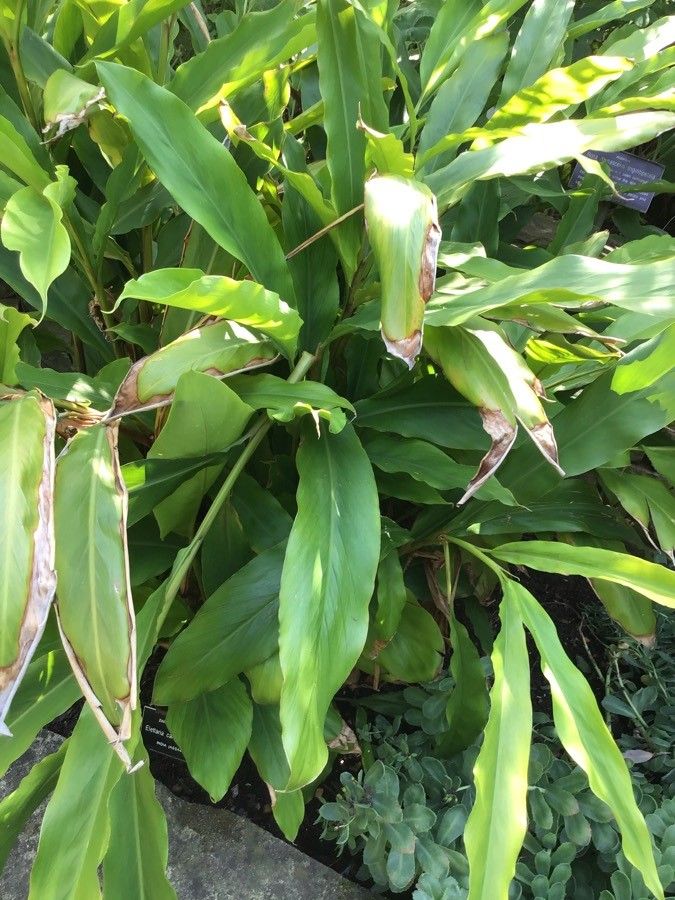
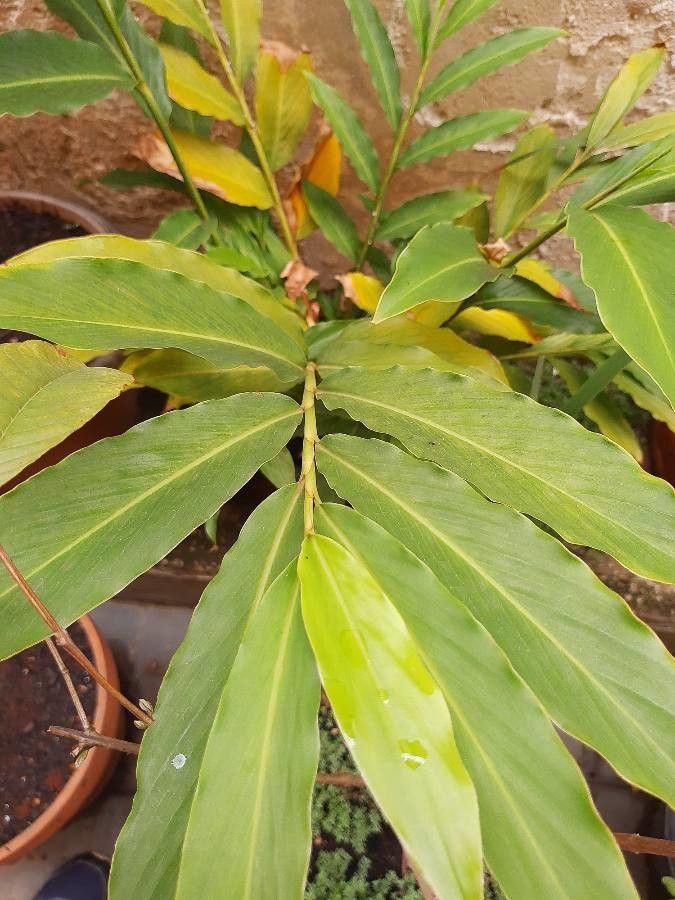
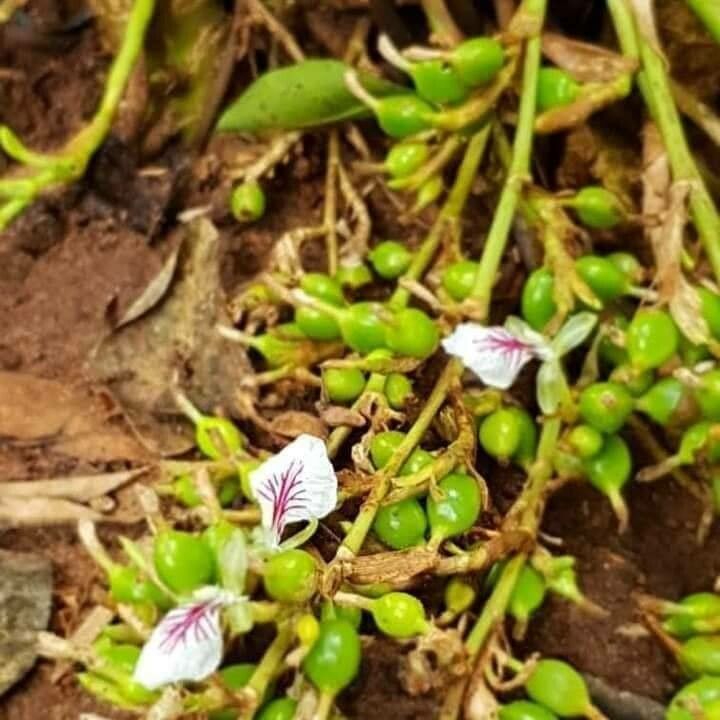
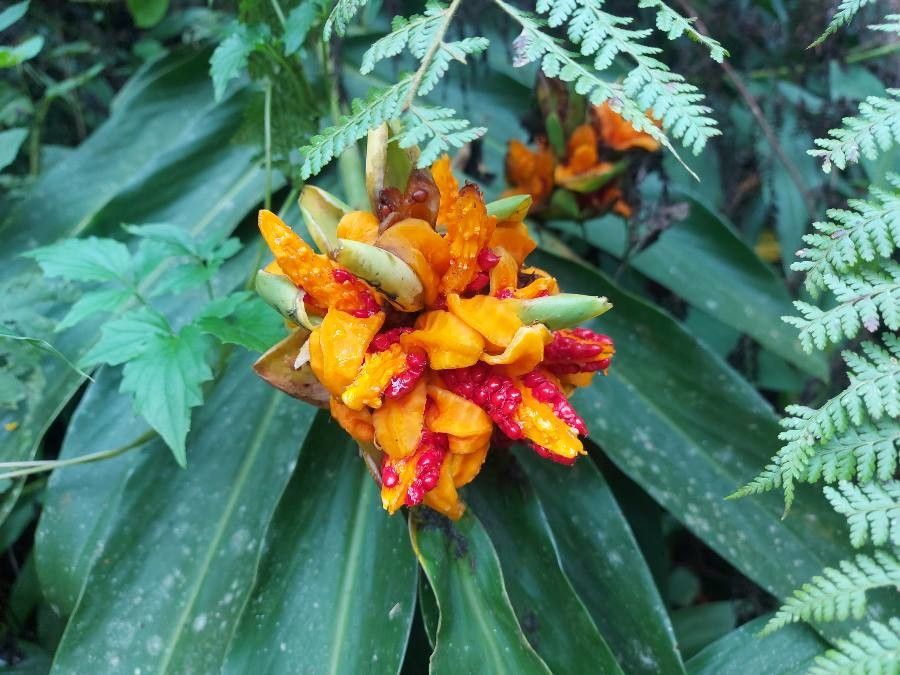
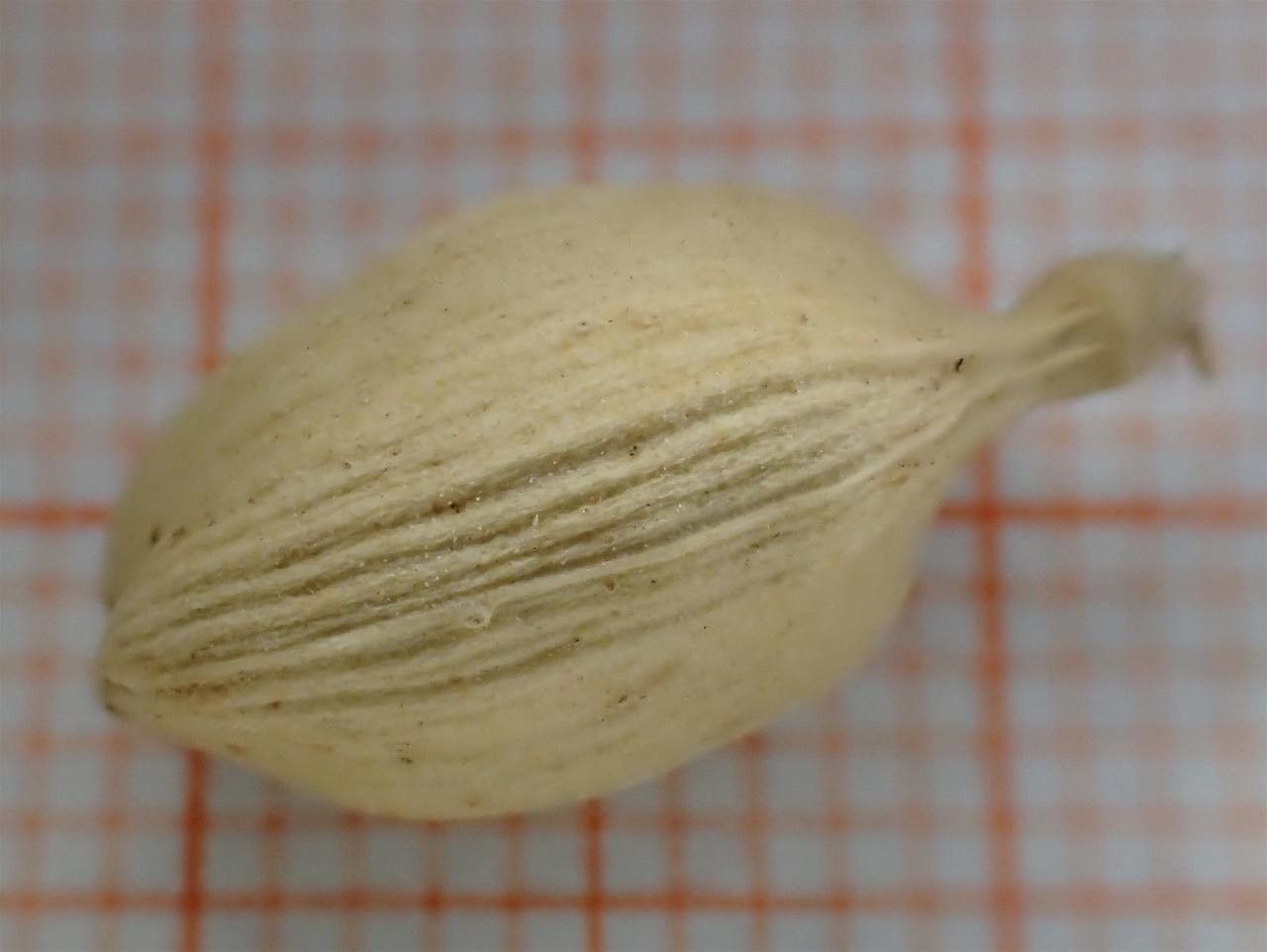
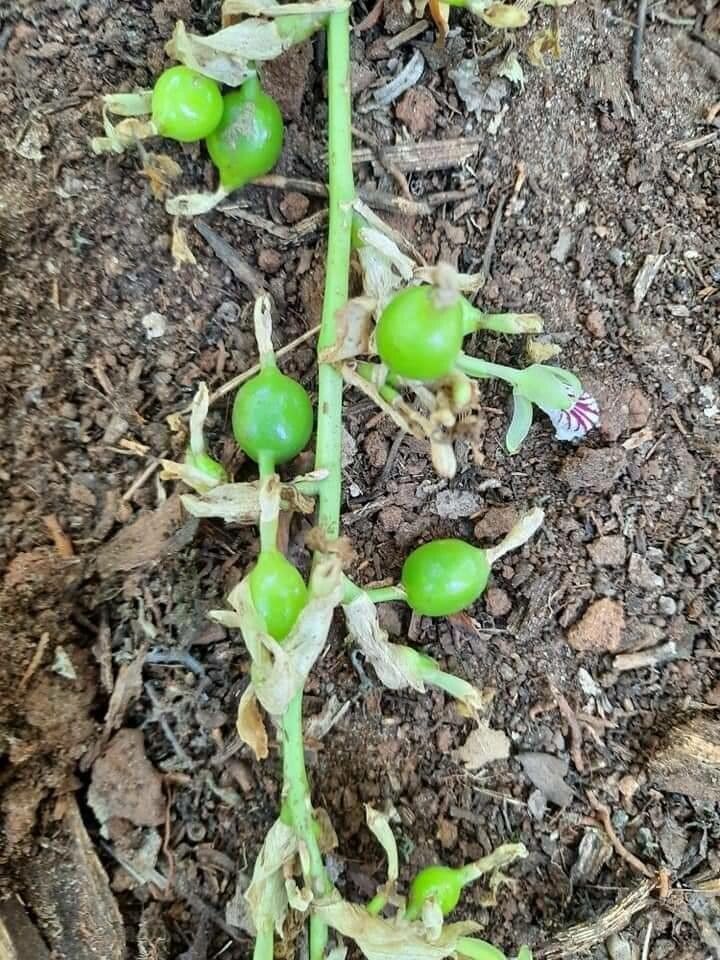
The plant can grow up to 3 meters in height and features long, lance-shaped, dark green leaves. It produces small white or pale green flowers that grow on spikes at the base of the leaves. The fruit of Elettaria cardamomum is a small pod containing numerous black or brown seeds.
Traditionally, cardamom has been used in Ayurvedic medicine to treat digestive issues such as indigestion, bloating, and constipation. It also has anti-inflammatory properties, making it useful for treating respiratory problems like asthma.
Beyond its medicinal properties, cardamom is widely used as a spice due to its unique flavor profile, which combines sweet floral notes with hints of citrus and mint. It appears in both sweet and savory dishes, including curries, desserts like rice pudding, and ice cream flavors like pistachio.
Overall, the Elettaria cardamomum plant holds significant cultural importance across many regions due to its culinary uses and traditional medicinal practices, making it an essential part of many cultures around the world today.
Cardamom has strong resistance to disease and is generally not highly susceptible to illnesses. However, it can still be vulnerable to pests and diseases present in its surroundings. These infections are generally not severe. In terms of care, this plant needs a moderate amount of maintenance. It requires regular pruning to keep a good appearance and support healthy growth. Fertilizing can also help encourage flowering. Cardamom is suitable for anyone with outdoor space, such as a garden or patio, and does not demand extensive experience in plant care. It may require more attention when grown indoors.
How to keep Elettaria Cardamomum.
Light
Cardamom does best with moderate light and continuous exposure, though it can tolerate a lack of sunlight. Changing its location with the seasons, placing it indoors or outdoors, compensates for fluctuating light. Too little exposure can stunt growth and lower spice yield.
Water
Cardamom grows best in consistently moist soil and high-humidity conditions, like those found in tropical rainforests. To support its growth indoors, it's important to water it weekly and mist it regularly to mimic its natural humid environment. This care helps maintain its lush foliage and aromatic qualities. Although cardamom can tolerate moderate drought, it still thrives with consistent moisture.
Humidity
This plant needs special care because it loves high humidity levels of 60-80% or more. The best way to achieve this is by placing a humidifier near the plant. Daily misting is also essential! Make sure the room has good ventilation.
Temperature
Cardamom comes from tropical areas where the climate is commonly warm and humid. Therefore, it is well suited to high temperatures and moisture. It does not tolerate sudden shifts in temperature and prefers a steady thermal environment, so it's important to prevent temperature fluctuations indoors. It typically cannot endure cold and needs warmer conditions to grow. If the ambient temperature becomes too low, the plant may stop growing or even die.
Fertilizer
Use organic fertilizers (e.g., fish emulsion, compost) instead of chemical fertilizers for Cardamom. Supply higher amounts of nitrogen and phosphorus to young plants in spring. Incorporate compost or fertilizer into the soil before or after planting. For mature plants, add a balanced fertilizer or one tailored to specific deficiencies in spring. Nutrient deficiency results in small leaves, short branches, yellow/bronze leaves, acidic fruits, premature fruit fall, and splitting.
Pruning
Cardamom plants have tall, leafy stems and aromatic seeds. To keep them healthy, you should prune them from early to late spring. During this time, remove any dead stems and thin out crowded areas to improve air circulation. Regular pruning encourages growth, but be careful not to over-prune, as this can stress the plant. Proper pruning ensures a healthy and productive growing season.
Pot & Repot
To promote growth, repot cardamom every 2-3 years in early spring. Choose a medium-sized pot that suits the plant's roots. After repotting, keep the soil moist and place the plant in a location where it is protected from direct sunlight. This will ensure a smooth transition and healthy development.
Toxicity
Cardamom is not harmful to human or animal health since it is non-toxic when ingested. It is, in fact, often used as a spice or medication. However, it is high in fragrant terpene compounds, which might have negative effects on sensitive people or when consumed in large quantities. It is also not advised to be used during pregnancy.
Further reading →
The toxicity and danger assessments provided are for reference only. We do not assure their accuracy, so it's crucial not to depend on them. Seek professional advice when necessary for accurate guidance.
Botanical profile.
- Plant Type
- Herb
- Life Cycle
- Perennial
- Genus
- Elettaria
- Family
- Zingiberaceae
- Hardiness Zone
- 10-12
- Mature Height
- 1.83 m to 4.57 m
- Mature Spread
- 3.05 m
- Leaf Color
- Green
- Leaf Type
- Evergreen
- Flower Color
- White
- Flower Size
- 2.03 cm to 3.05 cm
- Bloom Time
- All year round
- Planting Time
- Spring, Summer, Autumn
- Harvest Time
- All year round
- Native Area
- Sri Lanka, India
Other names.
Reader questions.
How should I water my Cardamom plant?
To properly water the Cardamom plant, it is recommended to use filtered water at room temperature. Tap water may contain harmful particles for the plant's health. The Cardamom plant thrives in warm conditions, so it's important to avoid using cold water, as it can be a shock to its system. Additionally, overhead watering should be avoided to prevent foliage complications. Instead, it is best to apply filtered room temperature water directly to the soil until it is thoroughly soaked. This method benefits the plant by moistening the roots and supporting their spread through the soil to gather the necessary nutrients.
Why is fertilizing my Cardamom necessary?
The main structure of the Cardamom plant is made up of its leaves. Fertilization is important for keeping these leaves looking great and functioning properly. Proper fertilization promotes consistent color and a healthy texture in the leaves. Fertilization also has benefits below the soil's surface, helping the plant develop new roots and maintain existing ones. This not only keeps the plant healthy in the present, but also enhances its ability to absorb nutrients from the soil in the future.
What are the sunlight requirements for Cardamom?
Cardamom thrives in partial sun, requiring about 3-6 hours of sunlight daily. It's important to watch how sunlight moves through your garden, choosing spots that offer a balance of light and shade, to ensure the plant's health. Although cardamom is native to environments like forest understories, making it accustomed to natural shade, it can also tolerate full shade, marking it as a versatile plant.
What do I need to do if I give my Cardamom plant too much or too little water?
Overwatering and underwatering can both harm your Cardamom plant, but overwatering is a more common problem. When the plant receives too much water, its stems and leaves may wilt and turn yellow. Over time, overwatering can lead to diseases such as root rot, mold, and mildew which can be fatal. Underwatering is less likely, as Cardamom plants are fairly drought tolerant. However, it can still happen, and when it does, the leaves may become brittle and brown. It is important to recognize the signs of overwatering early on. Diseases caused by overwatering, like root rot, may not be reversible if left untreated for too long. To address overwatering, reduce your watering schedule immediately and check the soil. If it drains poorly, replace it with a loose, well-draining potting mix. If your Cardamom shows signs of underwatering, simply water it more regularly until the symptoms improve.
When should I fertilize my Cardamom plant?
If you grow your Cardamom outdoors, it will start growing new leaves in early spring, signalling that it's time to fertilize. A single application of fertilizer in spring is usually enough for good growth, but if you want to maximize growth, you can fertilize multiple times throughout spring and early summer. In this case, you can fertilize your Cardamom once every month to a month and a half.
How can artificial lighting benefit indoor Cardamom plants?
When natural sunlight is insufficient, especially in winter or less sunny spaces, artificial lights become essential for Cardamom plant growth. LED lights are a popular choice because they can be customized to provide specific wavelengths needed by plants. For optimal growth, full sun plants require 30-50W/sq ft, partial sun plants need 20-30W/sq ft, and full shade plants should have 10-20W/sq ft of artificial light. The light source should be placed 12-36 inches above the plant to mimic natural sunlight, and most plants need 8-12 hours of light per day.
How frequently should I give water to my Cardamom plant?
If your Cardamom plant is in a pot, the most accurate way to determine if it needs water is by sticking your finger in the soil. If the top two to three inches of soil are dry, then it's time to water it. The same method can be applied if you're growing your Cardamom plant outdoors in the ground. Once the top few inches of soil have dried out, it's time to give it some water. Generally, during spring and early fall, watering once a week is sufficient. However, when it's very hot, you may need to water it twice a week or more. It's worth noting that mature, well-established Cardamom plants have a remarkable ability to tolerate drought.
When should I not fertilize my Cardamom?
During the late fall and winter, your Cardamom goes into a dormant phase, not producing new growth. It's important to avoid fertilizing your Cardamom during this time. In the spring and summer, if you choose to fertilize, start reducing the amount of fertilizer as summer approaches because the growth rate of your Cardamom will also slow down. Overall, it's not recommended to fertilize your Cardamom during hot weather or when the soil is excessively dry. Fertilizing in those conditions can stress your Cardamom and lead to premature death.
What symptoms indicate insufficient light for indoor Cardamom plants?
Symptoms of insufficient light in Cardamom plants include smaller new leaves compared to older ones, leggy or sparse growth, faster leaf drop, slower or no new growth, lighter-colored new leaves, chlorosis, sunscald, leaf curling, wilting, and leaf scorching. These symptoms help identify when a plant is struggling with light deficiency and prompt necessary adjustments.
How much water does my Cardamom plant need?
When watering your Cardamom, don't be afraid to give it a generous amount of water. Wait until the top two to three inches of soil have dried out, then give the plant a thorough watering that saturates the entire soil. Make sure to add enough water so that it flows out through the drainage holes at the bottom of the pot. If you don't see any excess water draining out, it means you haven't watered enough. However, be cautious not to let water accumulate in the soil, as it can be harmful to the plant. On the other hand, if water is not draining properly from the pot, it may be due to poorly draining soil, which is not good for the plant's health. If the plant is grown outside, about 1 inch of rainfall per week should be enough.
What kind of fertilizers does my Cardamom plant require?
Choosing the best fertilizer for a Cardamom is thankfully a straightforward task. These plants will thrive with a general-purpose garden fertilizer that provides equal amounts of nitrogen, phosphorus, and potassium. Look for a fertilizer with a ratio of 10-10-10 or something similar, as it will be highly effective. It's important to avoid fertilizers that have high nitrogen content when in doubt. Most of the recommended fertilizers for a Cardamom come in granular form. Opt for slow-release fertilizers, as they are easy to apply to the soil. Additionally, using an organic soil amendment like compost can be beneficial when feeding your Cardamom plant.
What solutions can help Cardamom plants adapt to light conditions?
To help Cardamom plants adapt to light conditions, gradually move them to sunnier spots each week until they receive the required 3-6 hours of direct sunlight. If the plant is too large or not easily movable, consider using artificial light for at least 8 hours daily or invest in professional plant grow lights. For outdoor plants, avoid sudden changes in light intensity to prevent sunburn. Reducing obstructions like trees by pruning can also improve sunlight access. For smaller plants, consider transplanting during their dormant period to a location with more sunlight and good drainage.