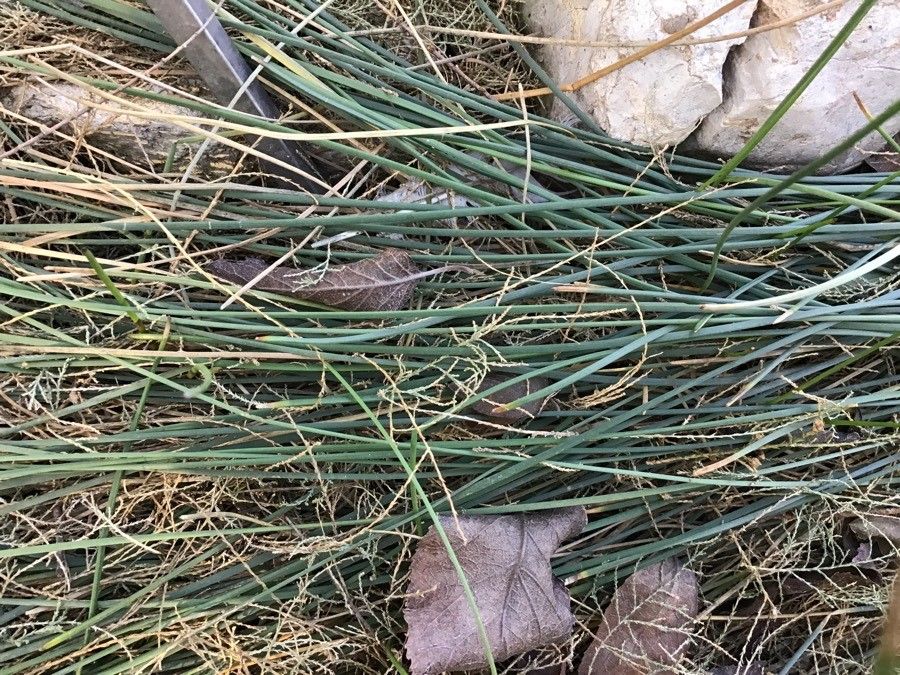
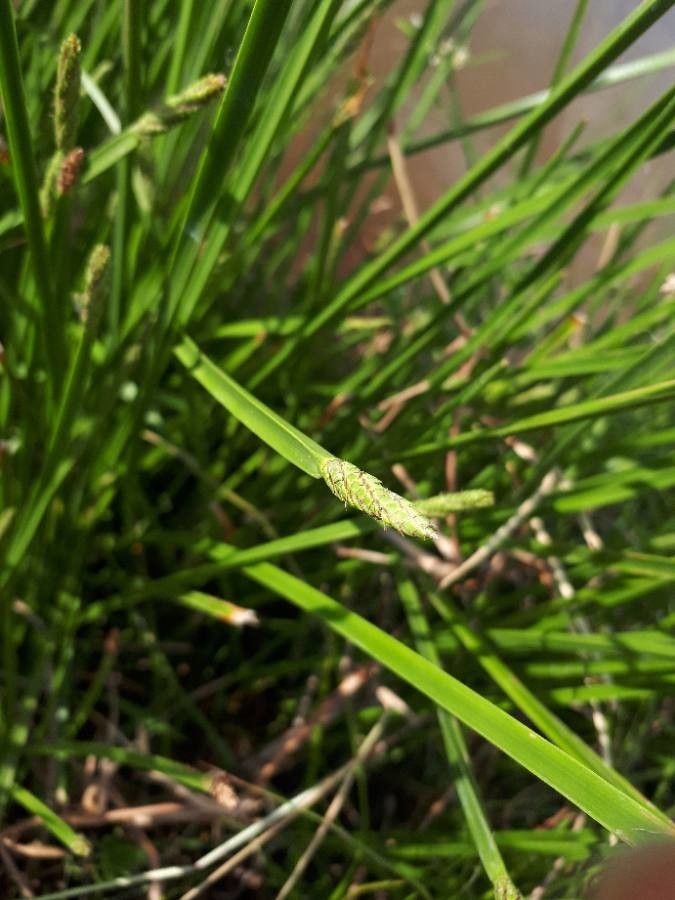
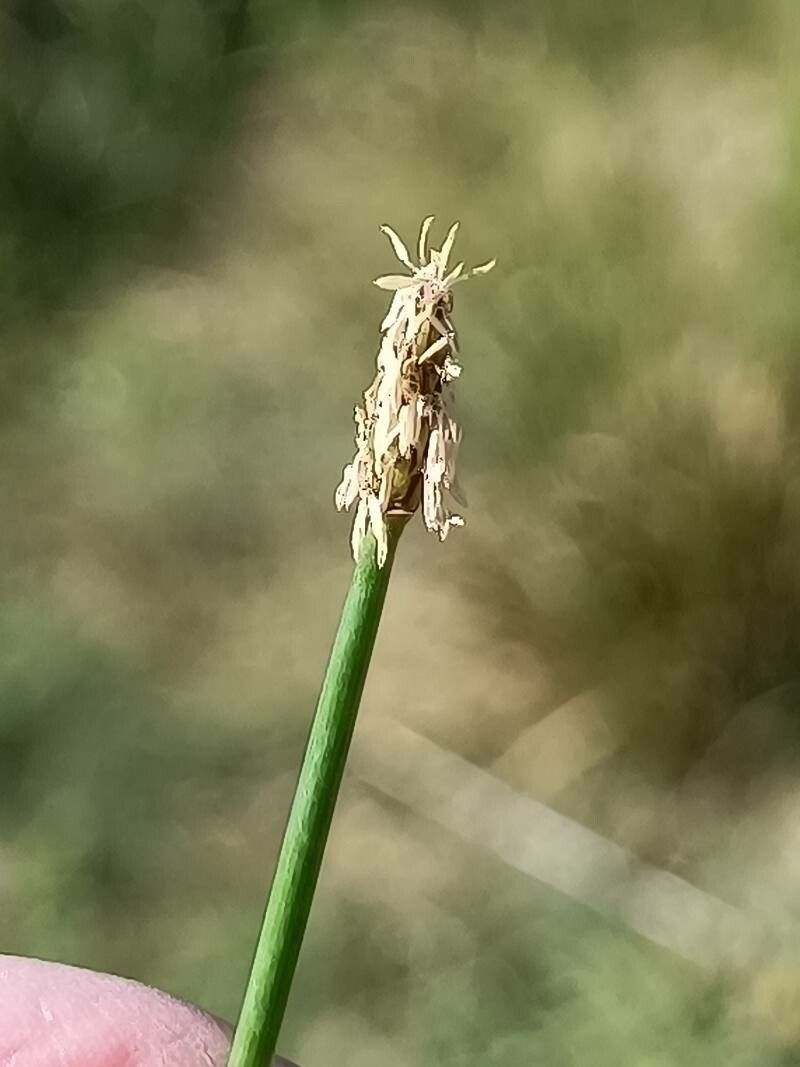
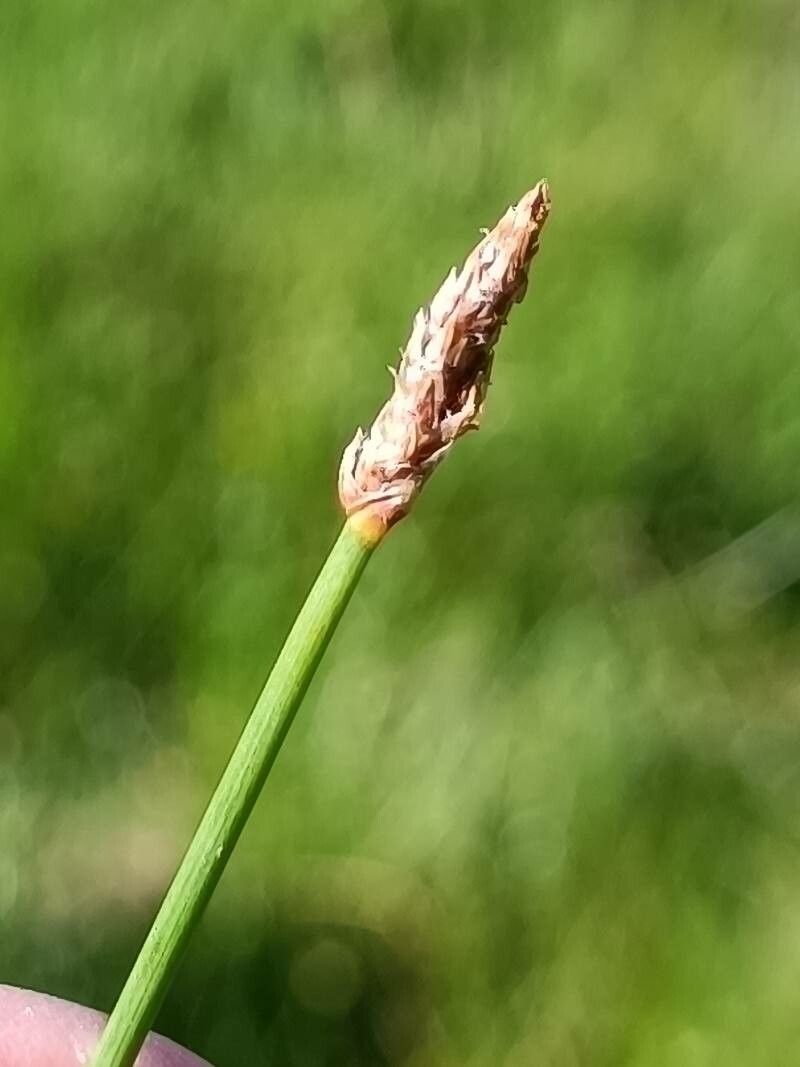
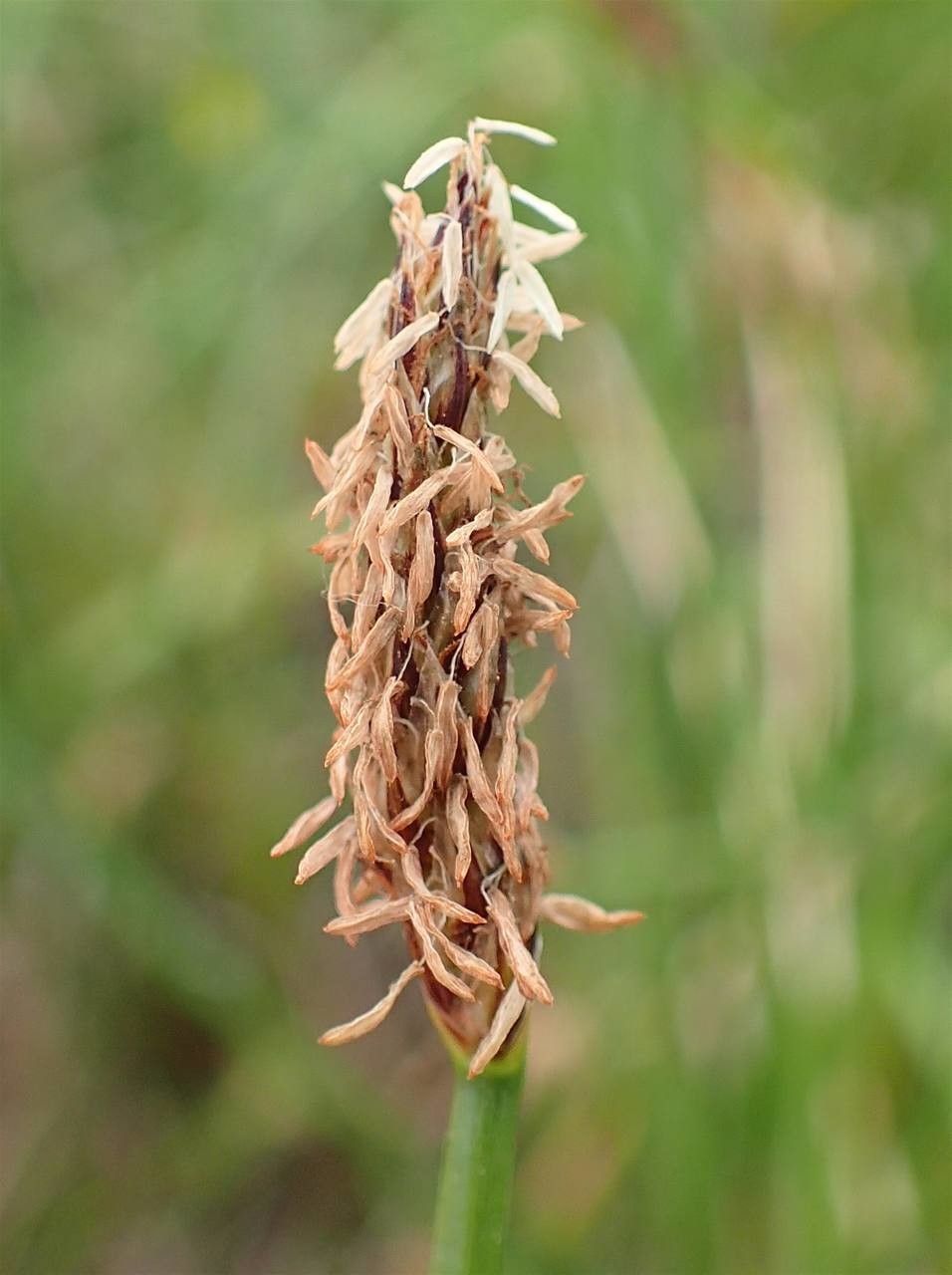
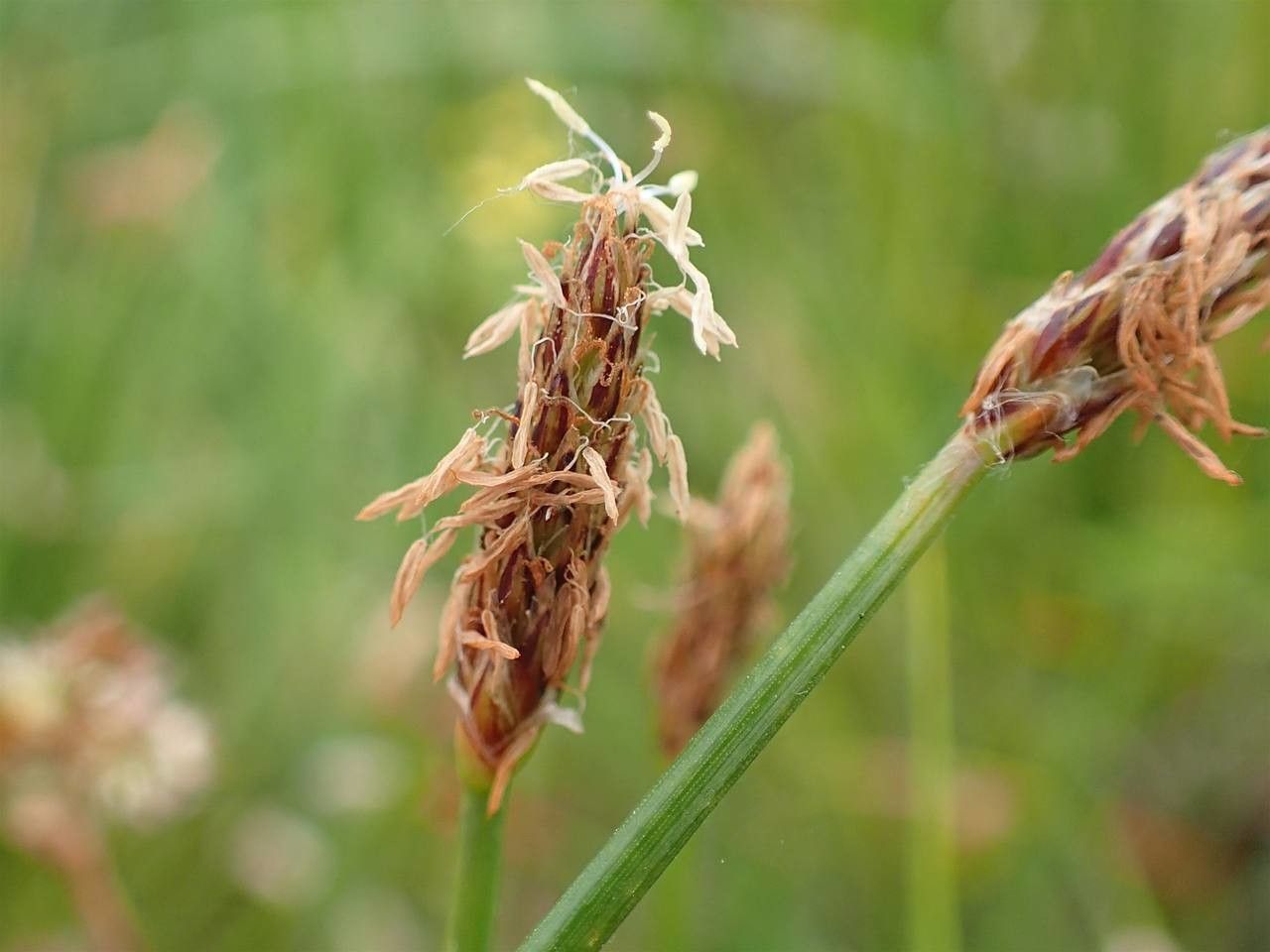
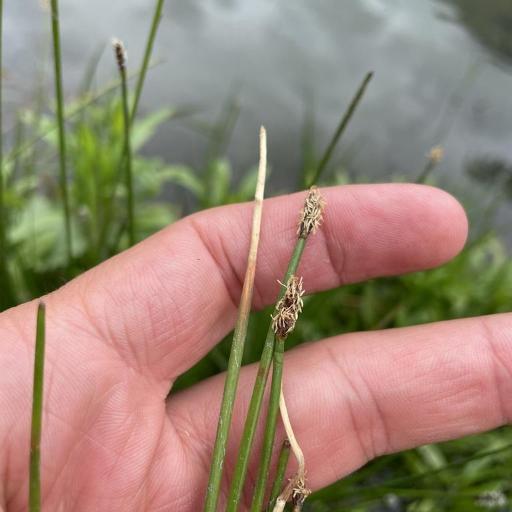
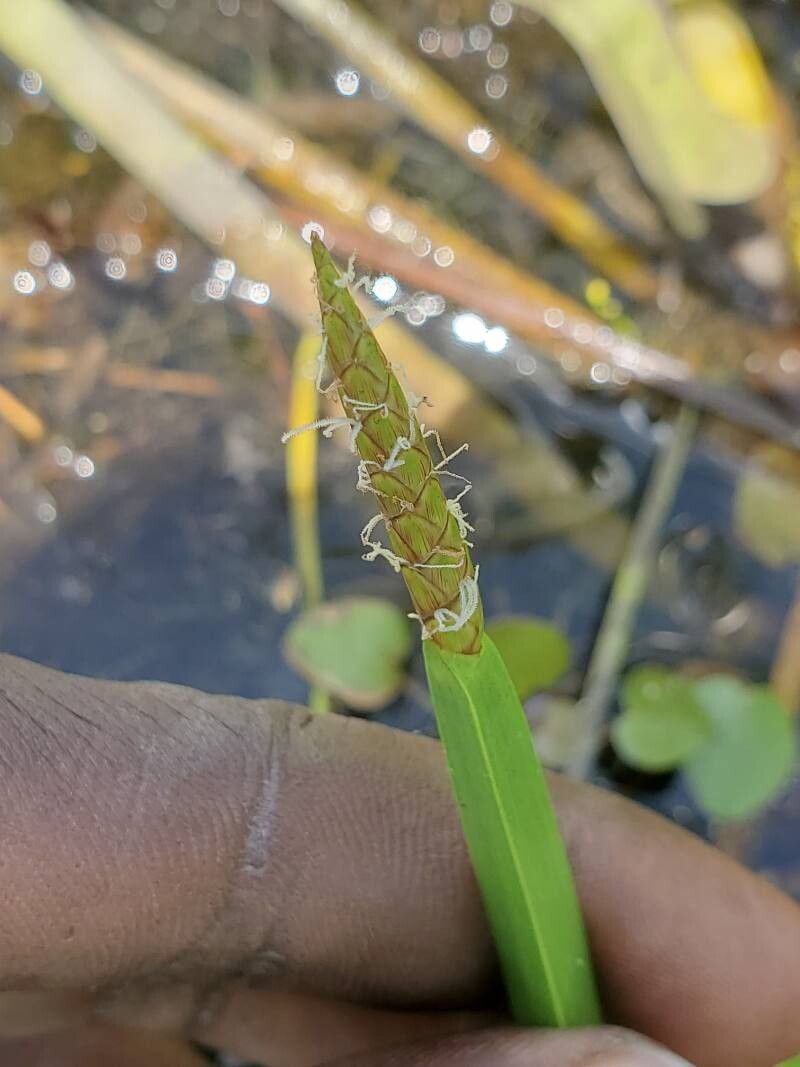
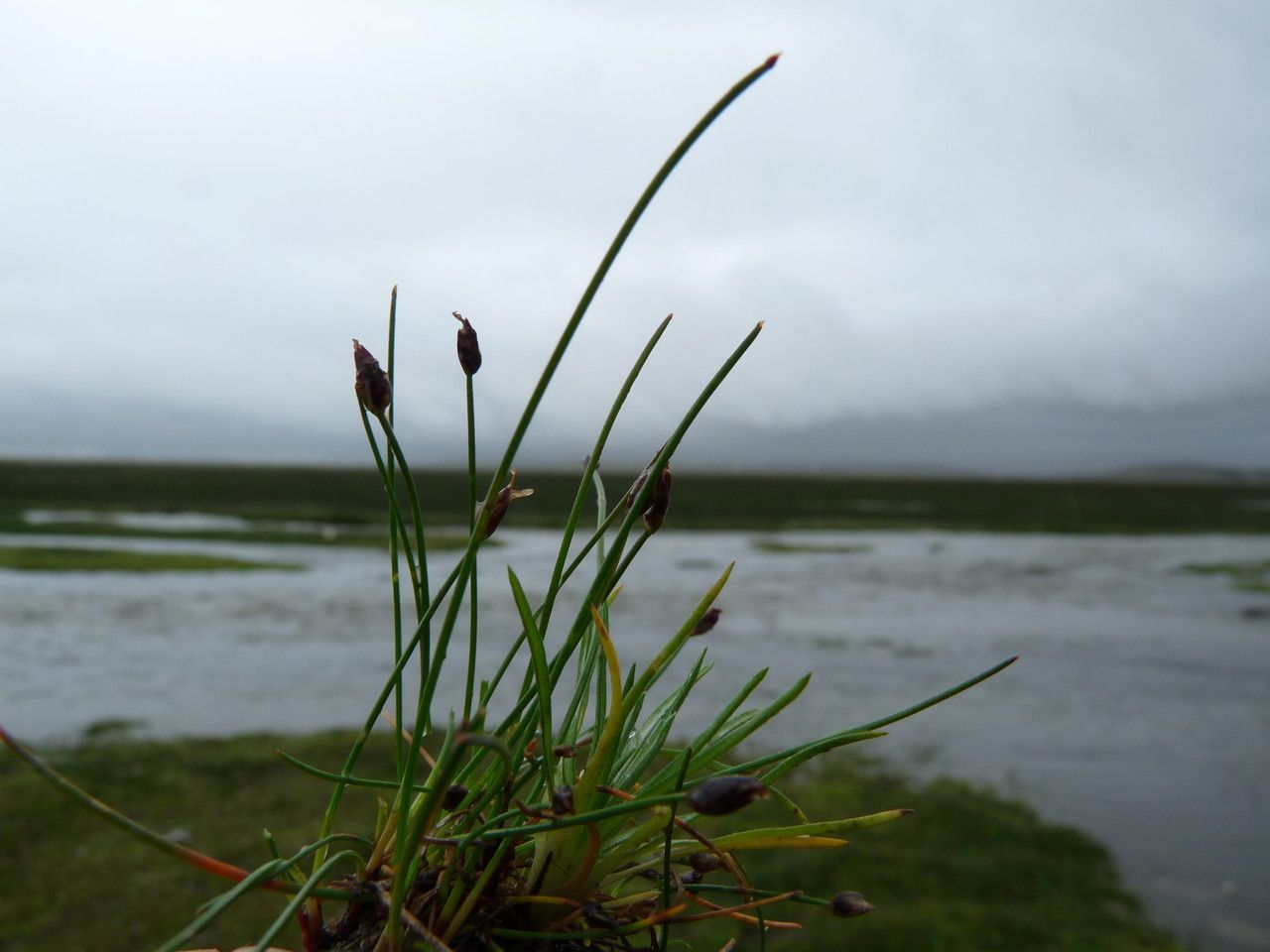
Eleocharis palustris, commonly known as common spikerush, is a perennial aquatic plant belonging to the Cyperaceae family. Native to North America, it thrives in wetlands, marshes, and shallow water bodies. The plant features slender stems that can reach up to 60 cm in height, topped with small brownish flowers.
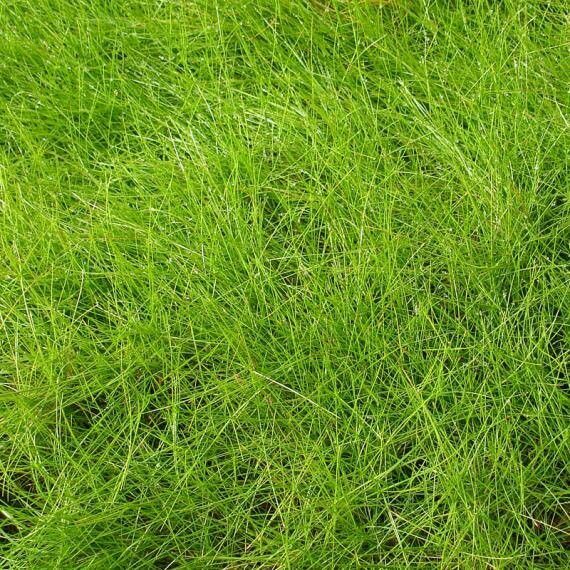
The leaves of Eleocharis palustris are thin, needle-like, and bright green. The plant boasts an extensive root system, allowing it to anchor firmly in muddy or sandy substrates. This root system also provides vital habitat for aquatic animals such as fish, insects, and birds.
Due to its ability to absorb excess nutrients from water through its roots, Eleocharis palustris is frequently used in wetland restoration projects. Its robust root network helps stabilize shorelines, thereby preventing soil erosion.
In aquariums or aquascapes, Eleocharis palustris is often chosen as a foreground or midground plant. Its attractive appearance is enhanced when grown either emersed (above water) or submerged (underwater). The bright green color adds vibrancy to the tank while offering shelter for small fish fry.
Overall, Eleocharis palustris is an ecologically significant aquatic species that also brings aesthetic appeal to aquariums and aquascapes.
Common spikerush resists diseases well and is generally not susceptible to them. Care-wise, this plant is fairly low-maintenance. When grown outdoors it needs only minimal watering, and larger plants usually do not require pruning. Smaller plants, however, should be trimmed after they have finished blooming. Common spikerush is appropriate for anyone with an outdoor area, such as a garden or deck, and does not demand much experience in plant care.
How to keep Eleocharis Palustris.
Light
In its native marshy habitats, the common spikerush prefers areas that receive a plentiful amount of daily sunlight, though it can tolerate reduced light to some extent. Excessive shade can impede its growth, while abundant sun promotes vigorous growth and overall health.
Water
Common spikerush originates from marshy environments and thrives in wet conditions. It does best with a weekly watering schedule, as it prefers consistent moisture. Often grown outdoors, it integrates well into water gardens. The plant's growth is significantly affected by seasonal water availability, so it is ideal for regions with regular rainfall.
Temperature
Common spikerush is native to temperate regions where temperatures range from a cool 41 to a warm 89.6 °F (5 to 32℃). It can tolerate chill in winter, but during the summer heat some shading or water for cooling is recommended.
Fertilizer
To improve nutrient absorption in common spikerush, apply 1-2 inches of mulch or compost each spring, making sure to keep it away from the base of the plants. Younger common spikerush may require additional nutrients. Be cautious not to over-fertilize, as this can be detrimental. When applying compost or mulch, wear gloves to prevent skin irritation.
Pruning
Common spikerush flourishes in aquatic settings and benefits greatly from early spring pruning. By trimming away dead stems, you promote healthier growth and maintain a pleasing shape while also encouraging new shoots and preventing overcrowding. Regular pruning not only enhances the plant's appearance but also contributes to a balanced ecosystem. Be sure to use clean tools during this process to prevent the spread of disease.
Botanical profile.
- Plant Type
- Grass
- Life Cycle
- Perennial
- Genus
- Eleocharis
- Family
- Cyperaceae
- Hardiness Zone
- 4-8
- Mature Height
- 0.61 m to 1.22 m
- Mature Spread
- 3.05 m
- Leaf Color
- Green
- Leaf Type
- Evergreen
- Flower Color
- Green, Brown, Yellow
- Flower Size
- 0.10 cm to 0.15 cm
- Bloom Time
- Late spring, Early summer, Mid summer
- Planting Time
- Spring, Summer
- Harvest Time
- Mid summer, Late summer, Early fall
- Native Area
- Russia, Afghanistan, Egypt, Iraq, Turkey, Japan, Iran, Pakistan
Other names.
Reader questions.
What should I do if I give my Common spikerush too much water or too little water?
Proper watering is crucial for the well-being of this beautiful ornamental grass. When planted in the ground, watering issues are solvable. However, in a container, incorrect watering can easily result in the death of Common spikerush. Insufficient water can cause stunted growth and various signs like yellow leaves with brown tips. On the other hand, overwatering can lead to drooping leaves, weak seed head production, and browned leaves. To address watering problems, it is necessary to determine if the grass is receiving too much or too little water. If overwatering is suspected, immediately cease watering and allow heavy soils to dry out naturally. Once new growth appears, check the soil's moisture level to decide if additional watering is needed. Conversely, if the grass seems to be receiving too little water, a good, deep drink can help revitalize it. It is important to remember that infrequent, thorough watering is better than frequent, superficial watering. This encourages the growth of deep roots, making the grass more resilient to drought and less susceptible to watering-related issues.
Why should I use fertilizers on my Common spikerush plant?
Fertilizing Common spikerush is important for several reasons. Firstly, it provides the necessary nutrients for your plant to develop strong and healthy new growth. Additionally, the added nutrients also contribute to the overall health of mature growth, and can increase the plant's ability to defend against diseases and pests.
What are the sunlight requirements for Common Spikerush?
Common Spikerush thrives best in full sun, requiring above 6 hours of sunlight daily. It can also grow in partial sun, with around 3-6 hours of sunlight. Observing how sunlight moves through your garden and selecting spots that ensure the right balance of light and shade can significantly enhance the plant's growth and health.
What is the original habitat of Common spikerush?
Common spikerush, scientifically known as Eleocharis palustris, is originally found in temperate zones. These areas have temperatures that range from a brisk 41°F (5°C) to a balmy 89.6°F (32°C). The plant is well-suited to environments that can provide it with conditions within this temperature range.
How often should I give water to my Common spikerush?
The watering needs of Common spikerush depend on its location. In general, water this grass once a week. In hot climates, watering once or twice a week during summer may be necessary. In moderate climates, watering once every seven days or more should be enough. Grass in containers usually requires more frequent watering than grass in the ground. However, the location also matters for this adaptable species that can thrive in full sun or part shade. Shaded grasses need less frequent watering compared to grasses in the ground. Only water Common spikerush when the soil is dry. To determine if the soil is dry, press your finger a couple of inches into the soil. For potted grass, you can weigh the grass with a portable scale or simply feel the pot to gauge its lightness from lack of water. When the roots lack sufficient water, the blades may appear folded along their centers and thinner than usual. Despite being drought-tolerant, regular, deep watering will result in vibrant color. In its natural habitat, Common spikerush grows in open scrubland that experiences extreme heat, bright sun, and intermittent rain. While it is drought-resistant, it still requires care and attention. Although capable of handling harsh, dry conditions, consistent watering is recommended for optimal growth. After planting, Common spikerush needs more frequent watering until it establishes deep roots. Potted Common spikerush dries out quickly, especially if exposed to hot, direct sun for most of the day. Test the soil every 3 to 4 days and water only if it feels dry. Common spikerush in the ground generally requires less watering, but this depends on the soil type. Heavy clay soil retains water for a long time and may feel dry at the surface while still holding moisture below ground. Sandy soils that drain quickly will need more frequent watering.
When should I fertilize my Common spikerush?
To ensure the survival of Common spikerush in your garden, it's important to know when to fertilize. This plant doesn't need a lot of nutrients, especially when it's dying back. While you can use diluted fertilizer at the beginning of the growing season, it's actually better to opt for mulch or compost around the plant's base.
How does the amount of sunlight affect Common Spikerush?
The Common Spikerush naturally favors abundant sunlight, reflecting its marshy habitat preferences but shows resilience to lower light levels. However, excessive shade can stifle its growth, while ample sunlight contributes to its robust health and growth. For indoor plants, artificial lighting can compensate for insufficient natural light, especially during winter or in dimmer indoor spaces. LED lights are recommended for their adjustability to specific plant needs, with varying wattage requirements based on the plant's light needs.
How does Common spikerush handle winter conditions?
Common spikerush has strong cold resistance and typically does not require special frost protection measures during winter. It can endure winter conditions well, but if temperatures are expected to drop below -30°C, it is important to provide cold protection to prevent damage. You can protect the plant by covering it with soil or straw. Additionally, watering the plant abundantly before the first freeze in autumn helps ensure that the soil remains moist and enters a frozen state, which aids in preventing drought and water scarcity for the plant during winter and early spring.
What do I need to be careful about when watering my Common spikerush in different seasons, climates, or while it is growing?
Determining if you are watering enough can often be judged by the rate at which your grasses grow. Common spikerush, for example, tends to double in size during the hottest months of the year. Therefore, if the weather is hot but the grass isn't growing vigorously, it may be necessary to adjust your watering schedule. In the winter, you may be able to water as infrequently as once a month, but it's still advisable to check the soil for moisture. During the peak growth cycle in warm months, more water will be needed than usual, while during the winter and cooler months, the water requirement will significantly decrease. It is crucial to note that the soil in which Common spikerush is planted should always be allowed to completely dry out before adding water.
When is it not a good idea to fertilize my Common spikerush?
If you're not using packaged fertilizers, there's no need to worry about when to stop feeding Common spikerush. Simply apply a layer of compost or mulch in the spring, and it will be sufficient to keep the plant happy all year. During the dormant winter period, you can skip the mulching or composting.
What are the symptoms of inadequate light for Common Spikerush?
When Common Spikerush receives insufficient light, several symptoms may appear, such as smaller leaves, leggy growth, premature leaf drop, stalled growth, paler new leaves, and conditions like chlorosis, sunscald, leaf curling, wilting, and leaf scorching. These symptoms indicate the plant's struggle with poor lighting conditions and the adverse effects on its health.
What should I do if Common spikerush experiences low temperatures?
Common spikerush thrives best when temperatures are above 5°C, and it should be kept above -25°C during winter. In cases where the temperature falls below -30°C, there might not be an immediate noticeable impact during winter, but there could be a decrease in sprouting or even no sprouting at all come springtime. To manage this, you should remove any parts of the plant that have failed to sprout in the spring.