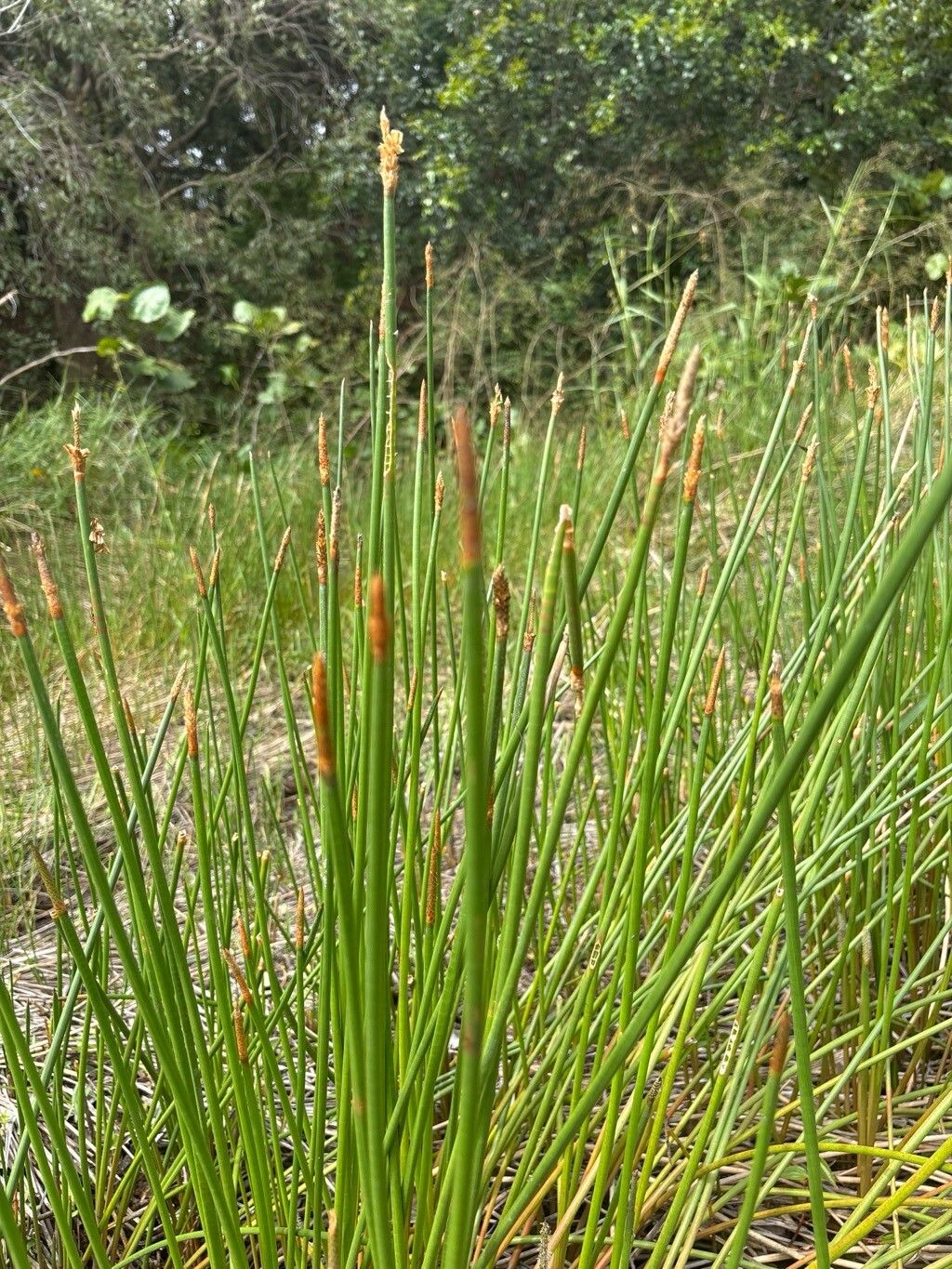
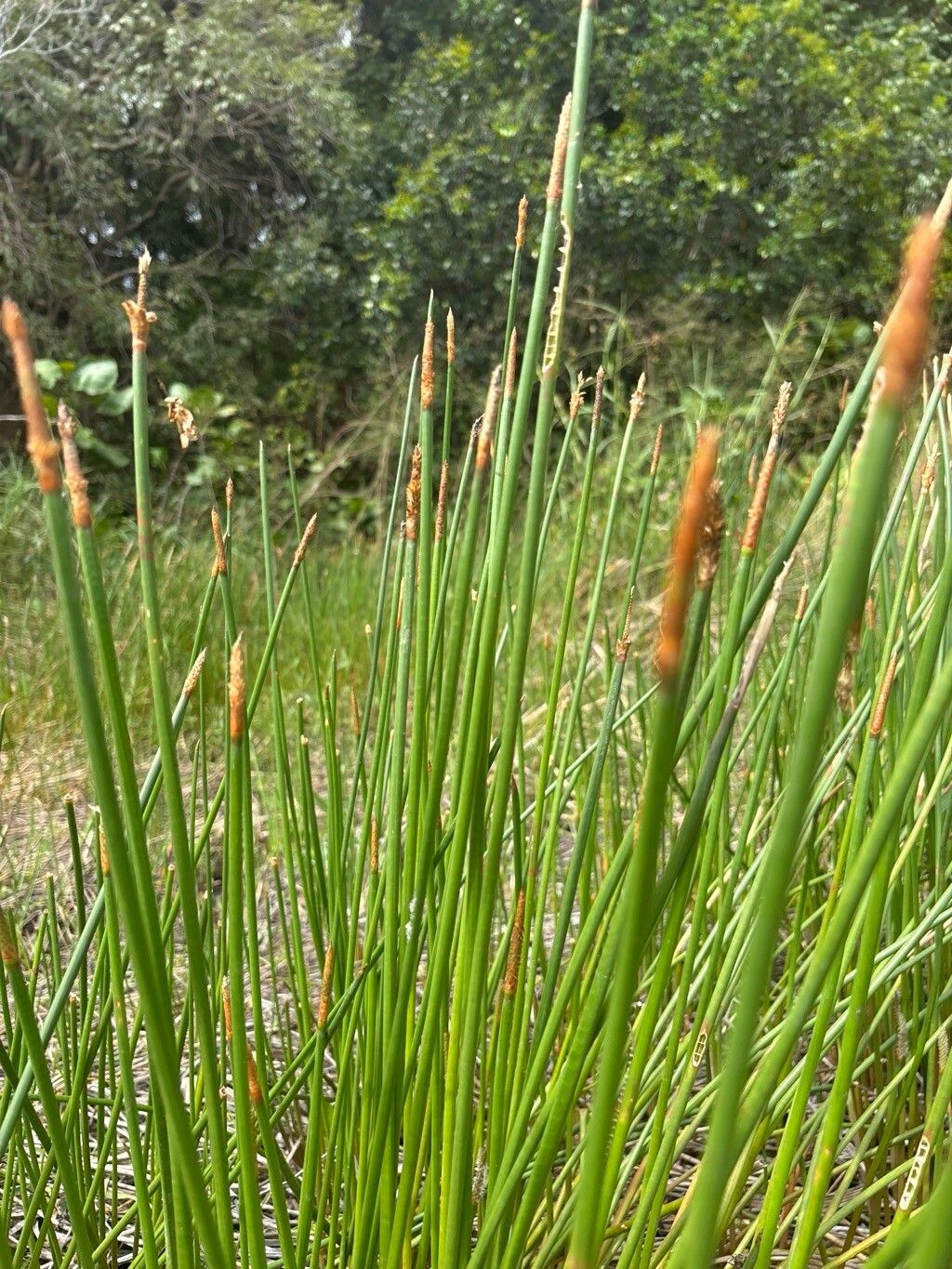
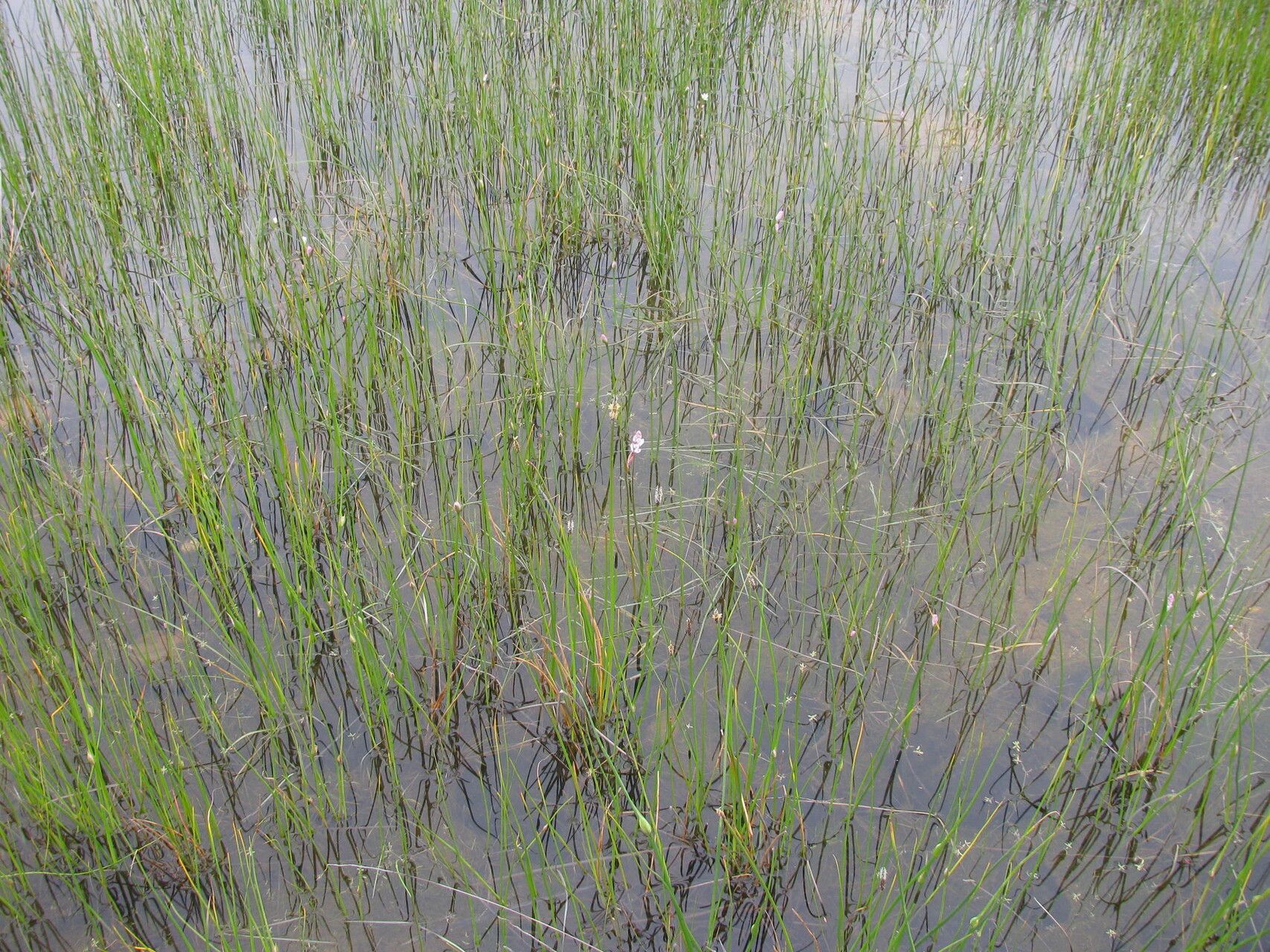
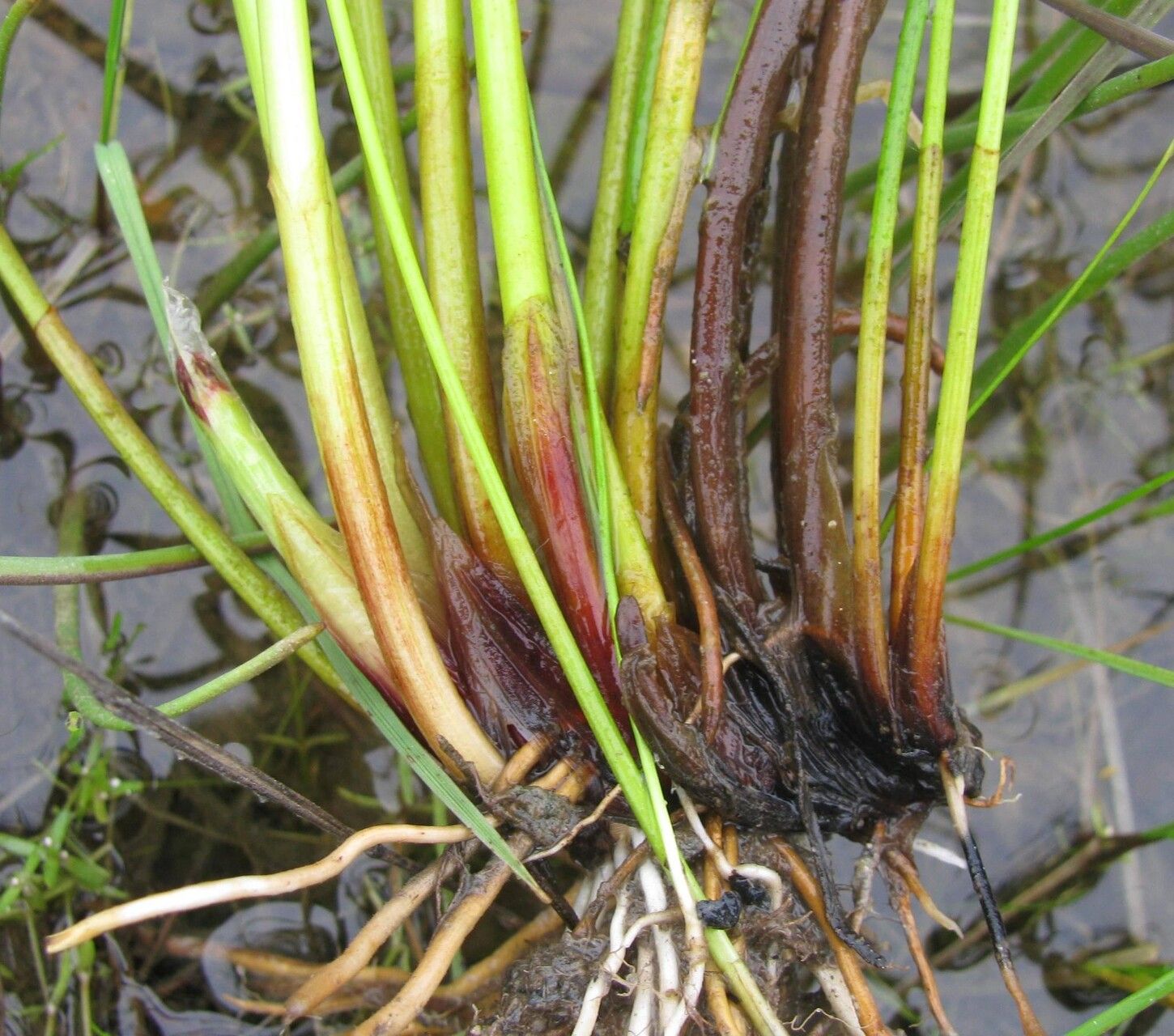
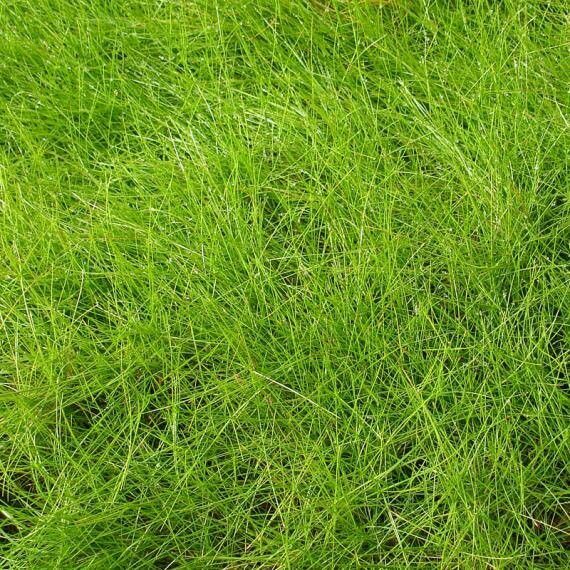
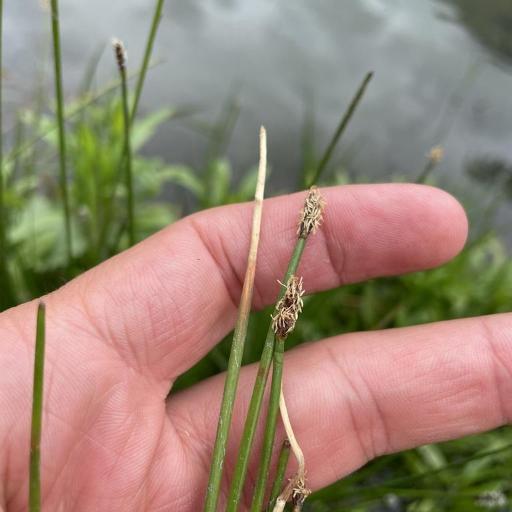
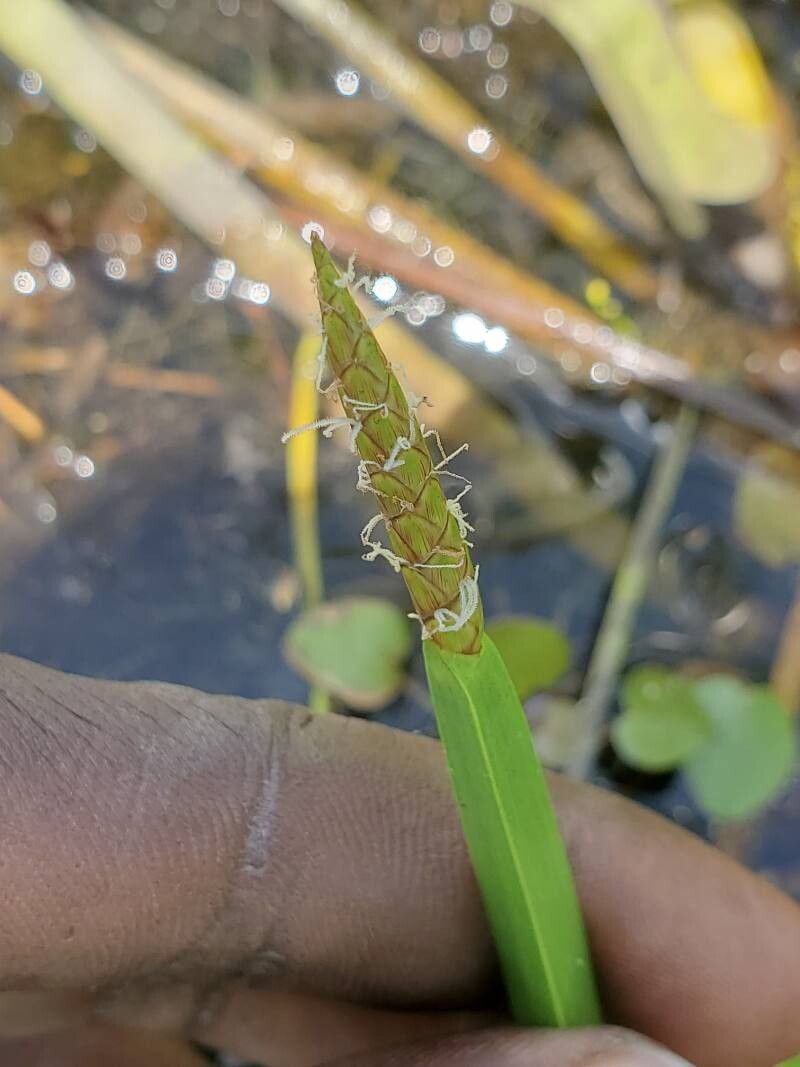
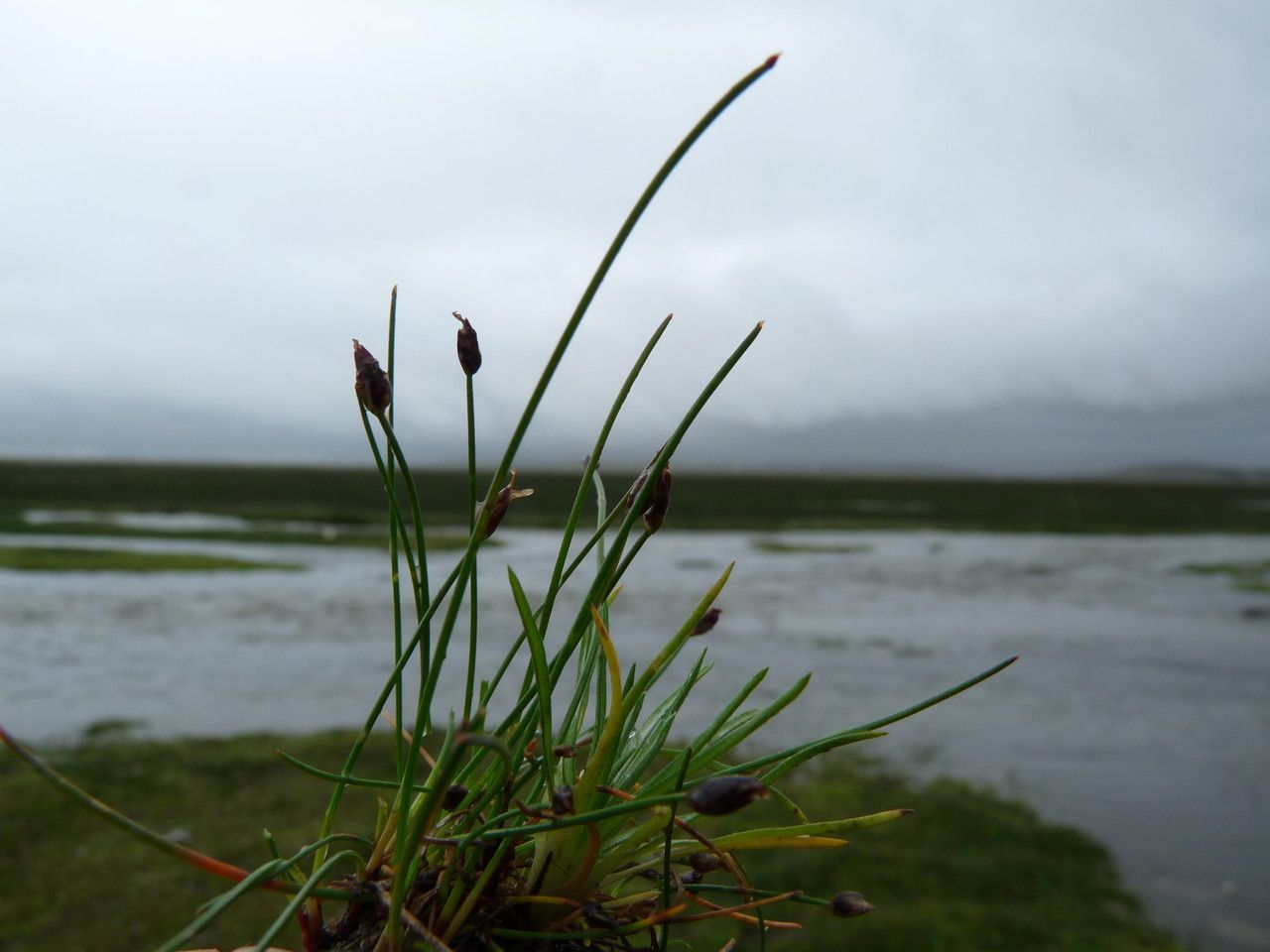
Creeping spikerush is resistant to disease and is generally not susceptible to illnesses. In terms of care, this plant is fairly low-maintenance. When grown outdoors it needs only minimal watering, and larger specimens typically do not need pruning. Smaller plants, however, should be pruned after they have finished blooming. Creeping spikerush is suitable for anyone with an outdoor area, such as a garden or deck, and does not require extensive plant-care experience.
How to keep Eleocharis Limosa.
Light
Originating from environments with ample sunlight like the shallow peripheries of ponds and lakes, Creeping spikerush is most favorable in full sun conditions. However, it can also withstand areas with only partial sun.
Temperature
Creeping spikerush is capable of adapting to varying temperature ranges, nevertheless, its prevalence could still be constrained by diverse amalgamations of water and warmth conditions. It flourishes most effectively in summer's warm climates paired with sufficient rainwater or irrigation. Extended spells of overcast and rainy weather, as well as persistently high temperatures, may enhance the chances of the Creeping spikerush's demise. Throughout the winter, offering appropriate shield against the cold can boost the plant's chances of surviving.
Botanical profile.
- Plant Type
- Grass
- Life Cycle
- Perennial
- Hardiness Zone
- 3-9
- Mature Height
- 30 cm to 91 cm
- Mature Spread
- 10 cm to 30 cm
- Leaf Color
- Dark Green
- Leaf Type
- Semi-evergreen
- Flower Size
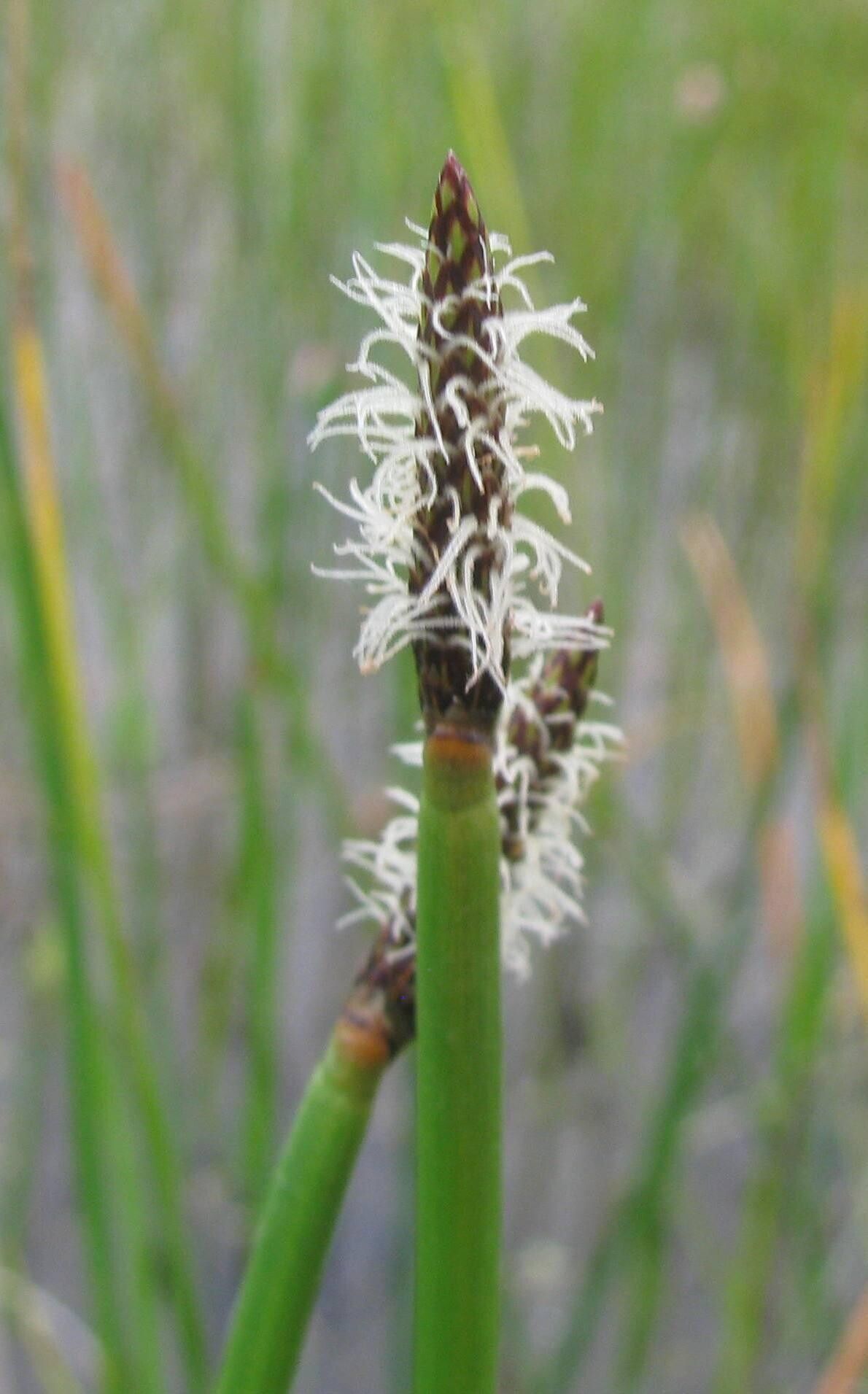
- 0.20 cm to 0.51 cm
- Bloom Time
- Late spring, Early summer, Mid summer
- Planting Time
- Spring, Summer
- Harvest Time
- Late summer, Early fall, Mid fall