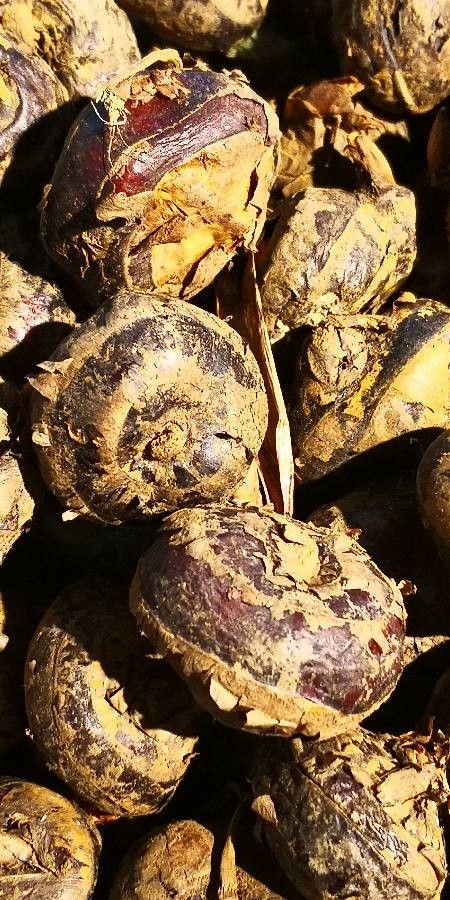
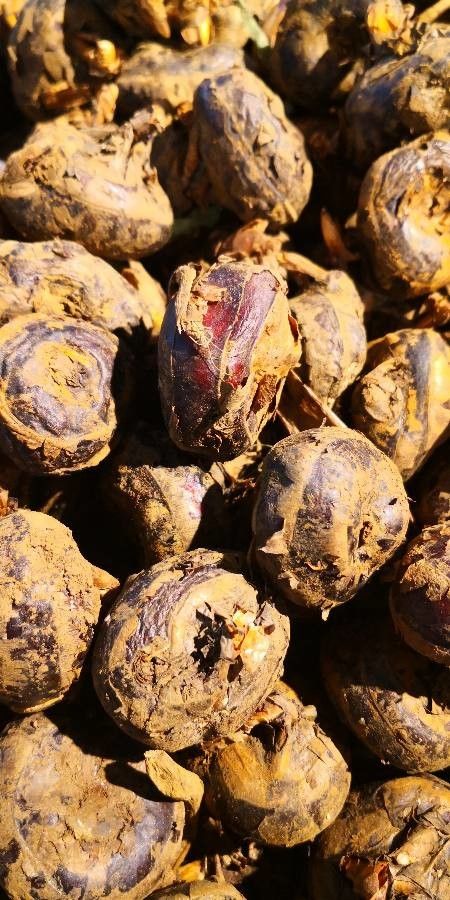
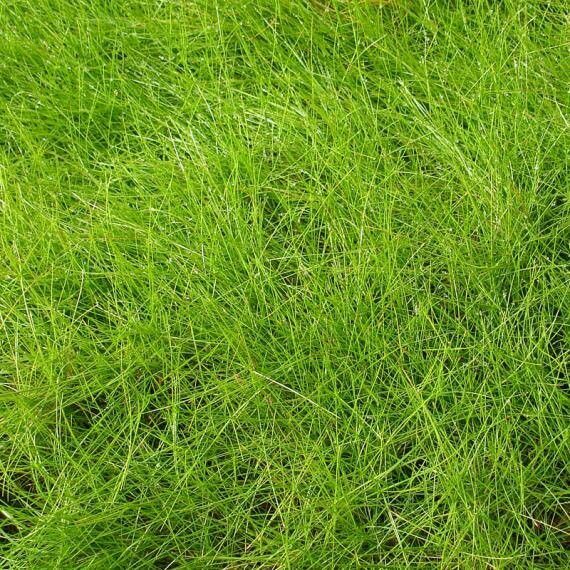
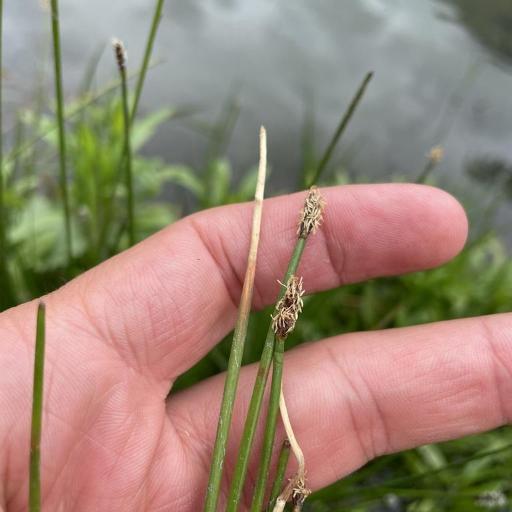
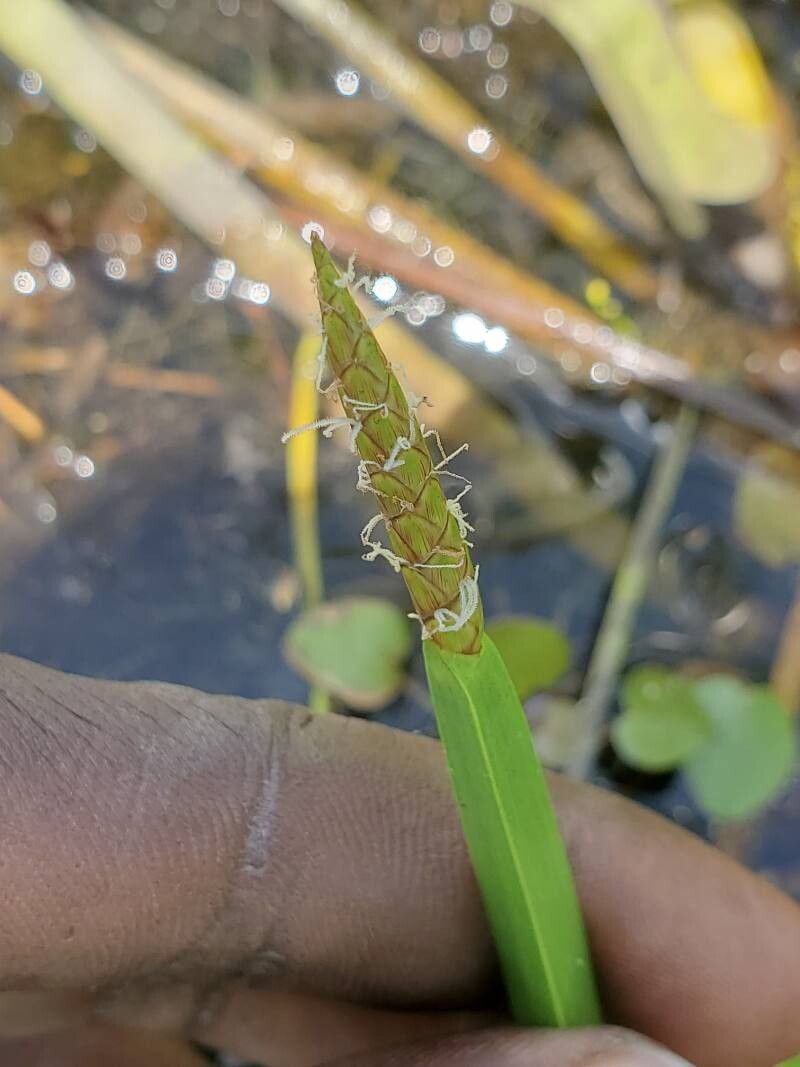
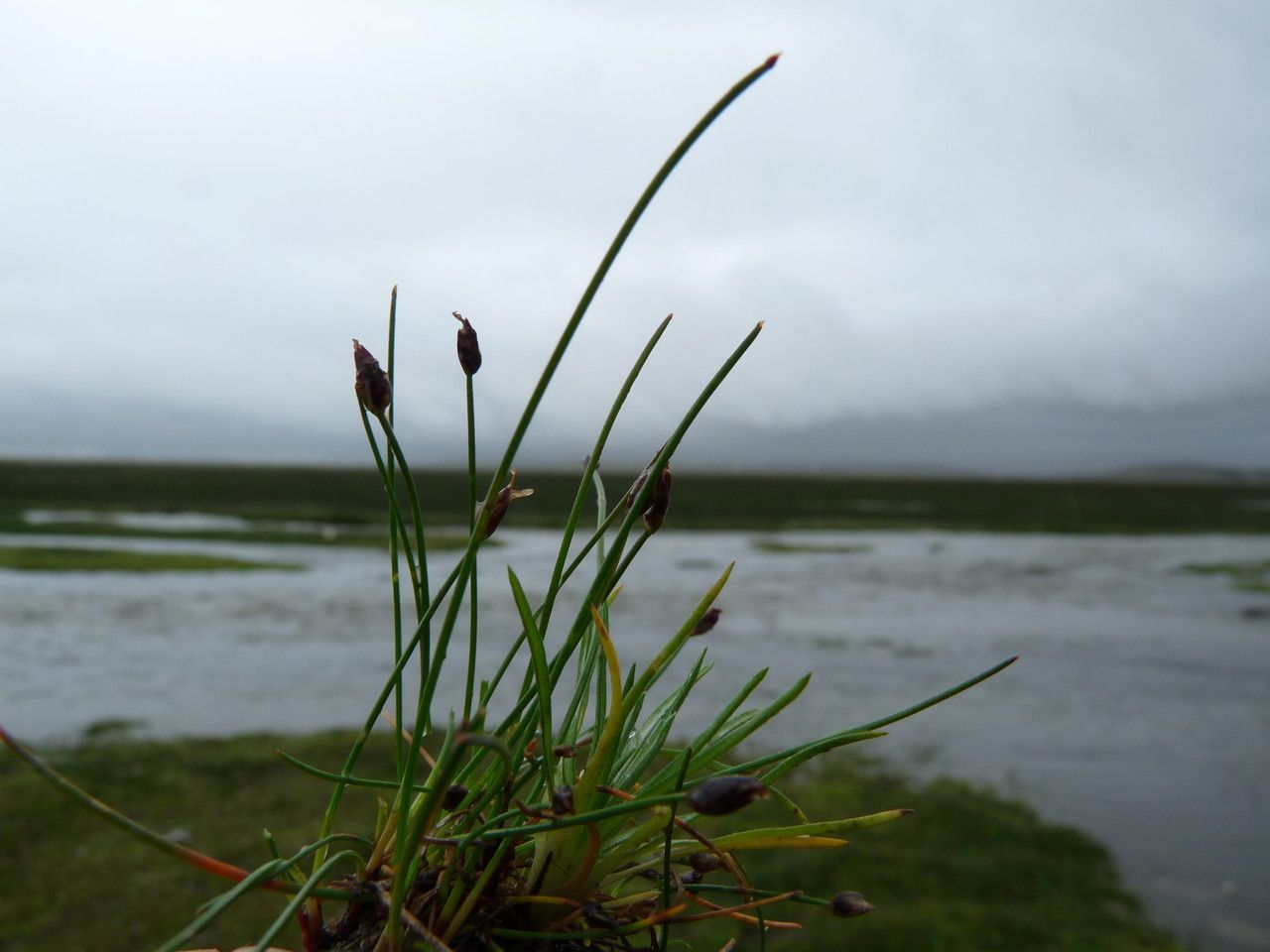
Eleocharis dulcis, the Chinese water chestnut or water chestnut, is a grass-like sedge native to Asia, tropical Africa, and Oceania. It is grown in many countries for its edible corms.The water chestnut is not a nut, but an aquatic vegetable that grows in marshes, under water, in the mud. It has stem-like, tubular green leaves that grow to about 1.5 m (5 ft). The water caltrop, which also is referred to by the same name, is unrelated and often confused with the water chestnut. The small, rounded corms have a crisp, white flesh and may be eaten raw, slightly boiled, or grilled, and often are pickled or tinned. They are a popular ingredient in Chinese dishes. In China, they are most often eaten raw, sometimes sweetened. They also may be ground into a flour form used for making water chestnut cake, which is common as part of dim sum cuisine. They are unusual among vegetables for remaining crisp even after being cooked or canned, because their cell walls are cross-linked and strengthened by certain phenolic compounds, such as oligomers of ferulic acid. This property is shared by other vegetables that remain crisp in this manner, including the tiger nut, lotus root and spurge nettle root. The corms contain the antibiotic agent puchiin, which is stable to high temperature. Apart from the edible corms, the leaves can be used for cattlefeed, mulch or compost.If eaten uncooked, the surface of the plants may transmit fasciolopsiasis.
Chinese water chestnut has moderate disease resistance but can be prone to problems like leaf spot. Its vulnerability to insect pests depends on the variety, although most varieties have lower resistance to pests. For care, Chinese water chestnut requires regular watering and fertilization, and yellowing leaves should be removed frequently. Pests and diseases need to be controlled promptly when they appear, and the plant should be harvested in a timely manner. Chinese water chestnut is appropriate for people who can put some time and energy into regular care.
How to keep Eleocharis Dulcis.
Light
The Chinese water chestnut does best with abundant daylight. Coming from environments where such light is plentiful, the plant uses the full intensity of daytime illumination to encourage healthy growth. It does not need any particular sun tolerance. Both too little and too much light can impede its optimal development.
Water
The Chinese water chestnut thrives in aquatic environments due to its preference for consistent moisture and moderate drought tolerance. To mimic its natural hydration cycle, it needs to be watered weekly. When grown indoors, high humidity is beneficial, making well-lit bathrooms or kitchens ideal places for its growth.
Humidity
This plant needs special care because it loves high humidity levels of 60-80% or more. The best way to achieve this is by placing a humidifier near the plant. Daily misting is also essential! Make sure the room has good ventilation.
Temperature
Chinese water chestnut is native to habitats with moderate temperatures, about 68 to 95 °F (20 to 35 ℃). When seasons vary, it is advisable to keep temperatures within this range to encourage optimal growth.
Pruning
The Chinese water chestnut flourishes in wet conditions and produces edible corms. To manage its size and remove dead stems, prune the plant from early to late spring when it is actively growing. Regular trimming improves airflow and light penetration, boosting the plant's health and vitality. For the best results, use clean, sharp tools during pruning.
Botanical profile.
- Plant Type
- Herb
- Life Cycle
- Perennial, Annual
- Genus
- Eleocharis
- Family
- Cyperaceae
- Hardiness Zone
- 9
- Mature Height
- 91 cm
- Mature Spread
- 30 cm to 91 cm
- Leaf Color
- Dark Green
- Leaf Type
- Deciduous
- Flower Size
- 0.20 cm to 0.51 cm
- Bloom Time
- Summer
- Planting Time
- Spring, Summer
- Harvest Time
- Late summer, Early fall, Mid fall
- Native Area
- Sri Lanka, Burkina Faso, India, Malaysia, Angola, Madagascar, Pakistan, Nigeria, Kenya, Uganda, Tanzania, Zimbabwe, Guinea-Bissau, Mali, Fiji, Benin, Sierra Leone, Indonesia, Cambodia, Liberia, Mozambique, Ghana, South Korea, Botswana, Congo, Nepal, Central African Republic, South Africa, Zambia, Philippines, Laos, Guinea, Chad, China, Vietnam, Myanmar, Japan, Senegal, Singapore, Côte d'Ivoire, Gambia, Congo (DRC), Thailand, Gabon
Other names.
Reader questions.
How should I water my Chinese water chestnut plant?
The Chinese water chestnut has specific preferences for both the amount and method of watering it receives. Failing to use the proper watering technique can result in harm to your tomatoes. The best method for watering Chinese water chestnut is to apply water directly to the soil in a slow and gentle manner. It is important not to pour all the water into the soil at once or do overhead watering. While watering slowly, be sure to water deeply to ensure the entire soil where your Chinese water chestnut grows is sufficiently moist.
Why should I add fertilizer to my Chinese water chestnut plant?
Plants, especially fast-growing types like Chinese water chestnut, continuously deplete the soil of nutrients as they grow. Therefore, regular fertilization is necessary to provide these plants with extra nutrients. This not only helps them stay healthy but also promotes the growth of delicious fruit. If plants are not fertilized for a long time, they may encounter various problems. Nutrient deficiency can lead to issues with foliage, such as yellow leaves, reddish coloration, misshapen leaves, withered tips, or large sections of the plant dying back. In addition, certain nutrient deficiencies can result in bark disorders, slowed growth, poor shoot development, and a lack of fruit production.
How much sunlight does Chinese water chestnut need to grow?
For Chinese water chestnut to grow well, it requires at least six to eight hours of direct sunlight daily. If you're growing it outside, find a spot that gets full sunlight all day long. If you're growing it indoors, place it near a south-facing window or another sunny area. However, be careful not to expose the plant to direct sunlight during extreme heat, like temperatures over 35°C (95℉) or hot summer afternoons. Intense sunlight can scorch or wilt the leaves. To prevent this, you can use sheer curtains or blinds to filter the sunlight or move the plant to a shadier location.
What temperature is best for growing Chinese water chestnut?
Plants are affected by colder temperatures because they match the temperature of the air around them. When exposed to sunlight, they can warm up, but this doesn't happen in winter. The Chinese water chestnut prefers temperatures between 70~85℉(21~30℃). It can tolerate temperatures as low as 20~30℉(-6~0℃), or even 15℉(-10℃), but not for long as frost damage may occur. It is important to maintain temperatures within the recommended range and provide occasional water spraying and shade to prevent wilting.
What should I do if I give too much or too little water to my Chinese water chestnut?
If you have overwatered your Chinese water chestnut and are worried about disease, there are immediate steps you can take. The best approach is to remove the plant from its current location and let the roots dry out a little before replanting it in a new spot with good drainage. If your plant is in a pot, consider transferring it to a pot with larger or more drainage holes. On the other hand, if you have underwatered your plant, simply increase the frequency of watering.
When should I fertilize my Chinese water chestnut to get the best results?
The best time to fertilize Chinese water chestnut is in the early spring, before the buds emerge. During this time, the plant uses the energy reserves from winter to grow new shoots. To ensure sufficient nutrients for healthy blooms, it is recommended to fertilize about 2 to 4 weeks before the expected bloom time. The nutrients will gradually seep into the soil and nourish the entire plant. While you can continue to fertilize during spring, it is not recommended to do so in autumn as excessive foliage growth late in the season can make the leaves prone to winter damage.
What happens if Chinese water chestnut doesn't get enough sunlight?
Insufficient sunlight can cause problems for your Chinese water chestnut. It may have difficulty growing and become weak and leggy. Additionally, the leaves may turn yellow, signaling a lack of sunlight for chlorophyll production. In severe cases, the plant may ultimately die.
Do I need to change the temperature for Chinese water chestnut at different stages of growth?
When growing Chinese water chestnut, it is important to research and ensure that the temperature is suitable. Some growers may choose to decrease the plants' thermostats to save on HVAC costs during the growing season. However, it is crucial to understand that temperature can impact flowering, pest management, and plant quality. There is a specific temperature at which the Chinese water chestnut will cease growing, particularly during winter when certain species may enter a dormant state. As the seasons change, the base temperature increases, leading to faster growth in Chinese water chestnut. Species that naturally thrive in warm habitats have higher optimum temperatures compared to those that prefer cooler climates. Exposing Chinese water chestnut seeds to cooler temperatures can result in reduced uniformity and delays. Lowering the temperature during flowering may be beneficial, while other phases may not require such adjustment. Cooler nighttime temperatures also necessitate less water, so irrigation should be adjusted accordingly.
How frequently should I give water to my Chinese water chestnut?
Chinese water chestnut requires a significant amount of water throughout the growing season. To meet this water need, it is recommended to water early and often during the spring and summer. During the earlier parts of the growing season, water your Chinese water chestnut once or twice per week. As the season progresses, increase the frequency of watering. In summer, depending on the weather, you may need to water twice per day or more. After the major growth phases, you can reduce watering to about once per week until the end of the growing season.
When is the best time to not add fertilizer to my Chinese water chestnut plants?
Here are some tips to follow when fertilizing Chinese water chestnut: 1. Avoid fertilizing in the first year of growth, and only provide fertilizer if necessary. 2. If you pruned 20% or more of the plant the previous year, do not fertilize. 3. Do not fertilize diseased or damaged plants, as it can do more harm. 4. Fertilizer is not a substitute for addressing the root cause of the issue. 5. Do not fertilize after summer's peak, as it can lead to excessive growth before winter. 6. Avoid fertilizing during hot and dry times of the year, as dry soil is less effective in delivering fertilizer and can stimulate excessive growth that requires more water. 7. Apply fertilizer earlier in the season when temperatures are cooler. 8. Be cautious about unintentionally giving nearby plants or lawns a double-dose of fertilizer, as Chinese water chestnut can absorb it.
What happens if Chinese water chestnut gets too much sunlight?
Chinese water chestnut requires full sunlight, but excessive exposure to direct sunlight should be avoided. Prolonged intense sunlight can cause the plant to exhibit signs of sunburn, like brown or scorched leaves. To prevent this, carefully observe the plant and relocate it to a more shaded area if needed.
How do I protect Chinese water chestnut from the cold during winter?
To help the Chinese water chestnut withstand colder temperatures, it is recommended to stop fertilizing the plant to prevent new growth and allow the existing ones to become strong. To keep the plant warm, you can create structures like cages or trellises around it. Additionally, using heat mats is an option as they can maintain a consistent ideal temperature range for the Chinese water chestnut by gently warming the soil.