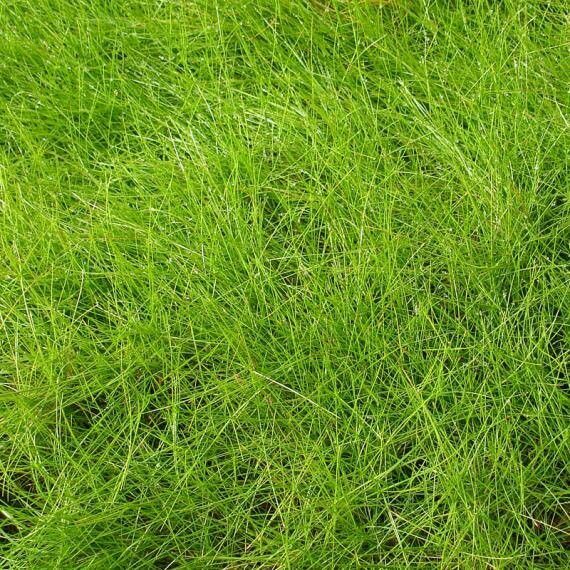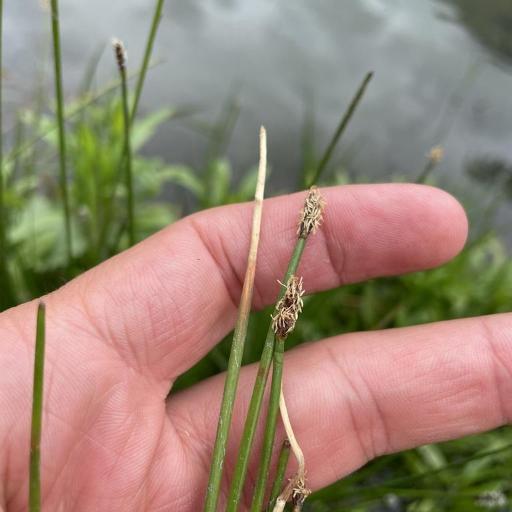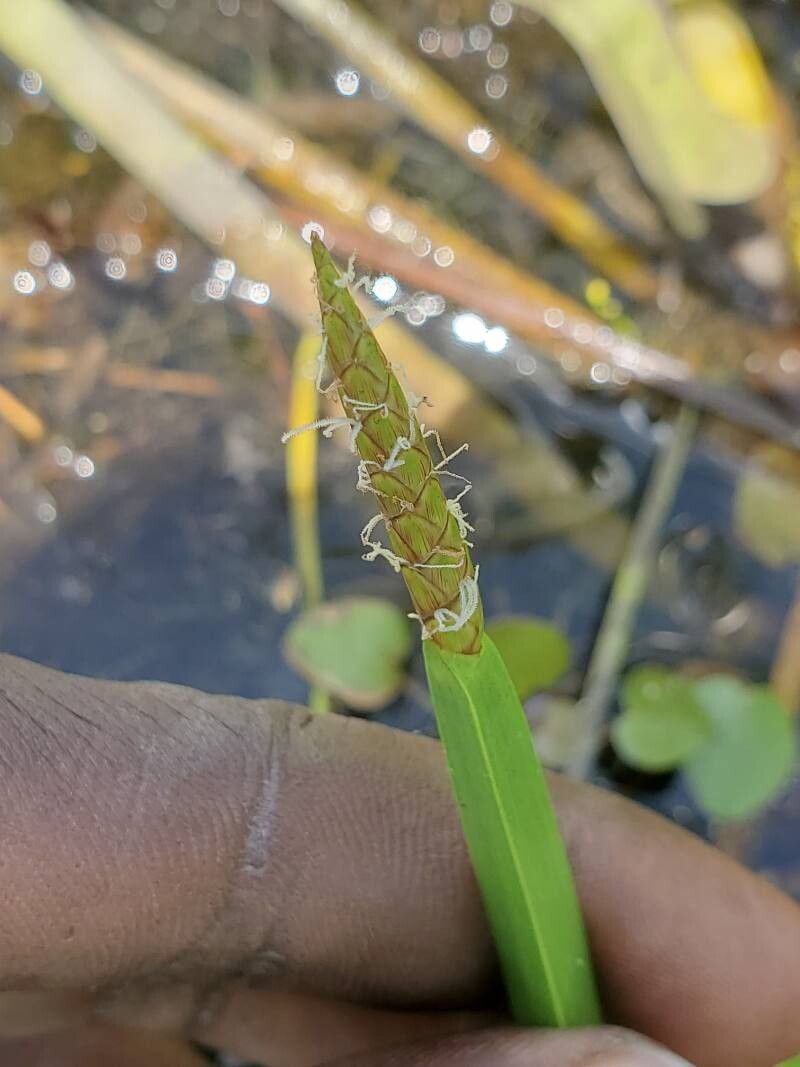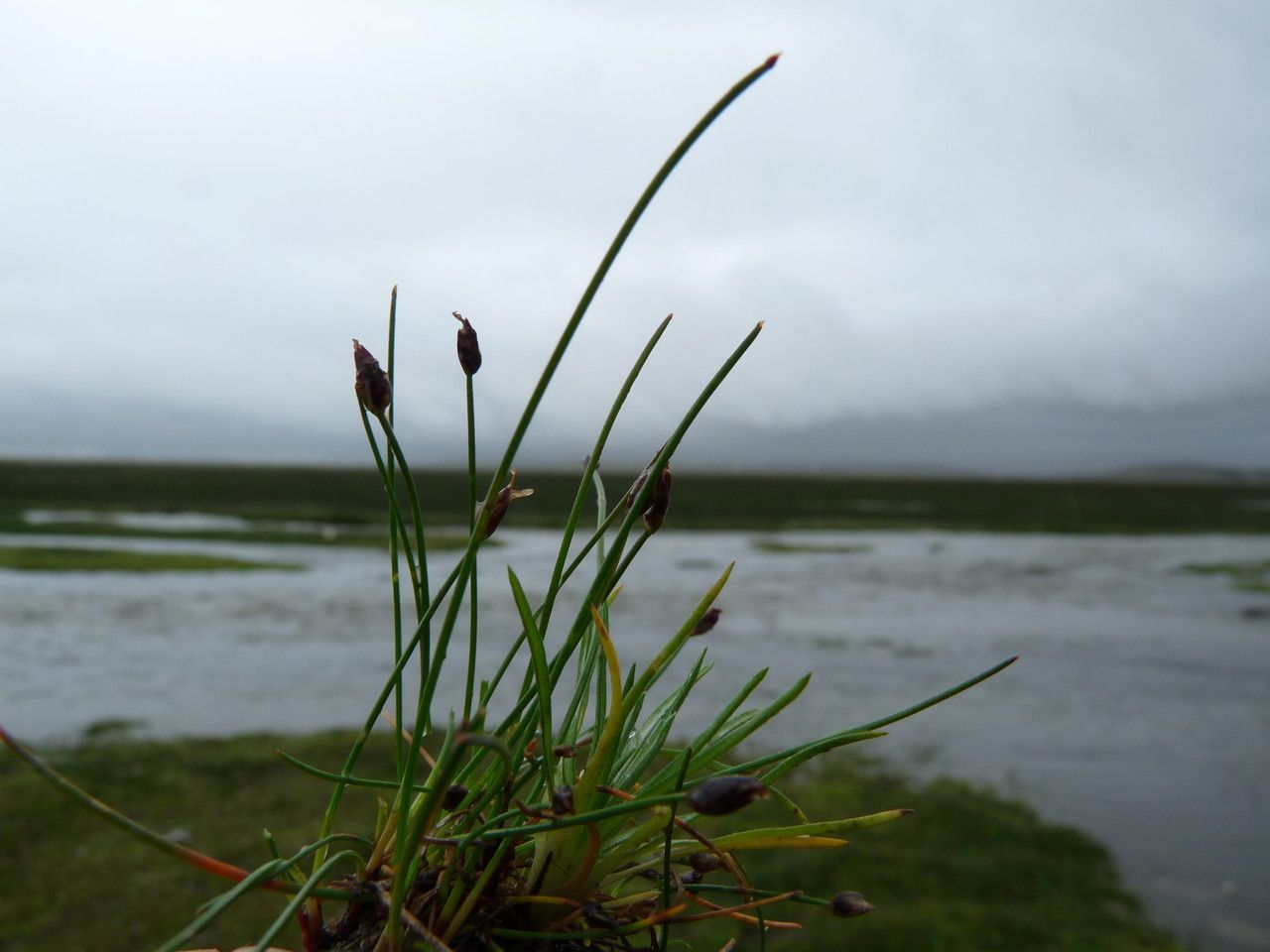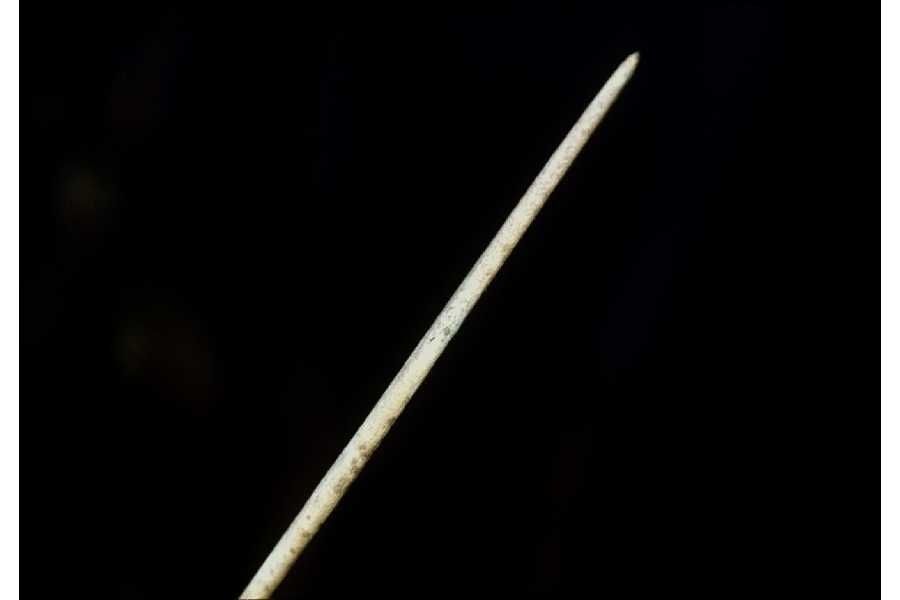
Gulf coast spikerush is fairly disease-resistant and is usually not prone to illnesses. Still, it can be affected by pests and diseases present in its environment. Such infections tend to be mild. As for care, this plant needs moderate maintenance. It should be pruned regularly to keep a tidy appearance and healthy growth. Fertilizing can also help encourage flowering. Gulf coast spikerush is well suited to anyone with outdoor space like a garden or patio and does not demand extensive care experience. It may require more attention if grown indoors.
How to keep Eleocharis Cellulosa.
Light
Gulf coast spikerush can be found in habitats with plenty of sunlight, like the shallow peripheries of ponds and lakes. While it thrives best in direct sunlight, it is also capable of surviving in semi-shaded conditions.
Temperature
Gulf coast spikerush is native to tropical areas characterized by their hot and moist climates. As such, this plant is well-suited to thrive in conditions of high heat and humidity. It does not cope well with abrupt changes in temperature and prefers a consistent thermal environment, therefore, indoor temperature variations should be avoided. This plant generally struggles with low temperatures and needs warmer conditions to grow. If the ambient temperature falls excessively, the plant's growth may halt or it may even perish.
Pruning
Gulf Coast spikerush flourishes in wetland areas and is characterized by its slender foliage. To keep it healthy and vibrant, it's best to prune it in early spring. This helps remove dead stems and encourages new growth with minimal disruption. Regular pruning not only promotes healthy shoots but also prevents overcrowding, ensuring the plant remains both vibrant and aesthetically pleasing.
Botanical profile.
- Plant Type
- Grass, Herb
- Life Cycle
- Perennial
- Genus
- Eleocharis
- Family
- Cyperaceae
- Hardiness Zone
- 8-11
- Mature Height
- 30 cm to 91 cm
- Mature Spread
- 10 cm to 30 cm
- Leaf Color
- Green, Dark Green
- Leaf Type
- Evergreen
- Flower Size
- 0.25 cm to 0.51 cm
- Bloom Time
- Summer, Early fall, Mid fall
- Planting Time
- Spring, Summer, Autumn
- Harvest Time
- Late summer, Fall, Early winter
- Native Area
- Bahamas, Belize, Cuba, Honduras, Mexico, Guatemala, Venezuela, Nicaragua, Ecuador, Jamaica