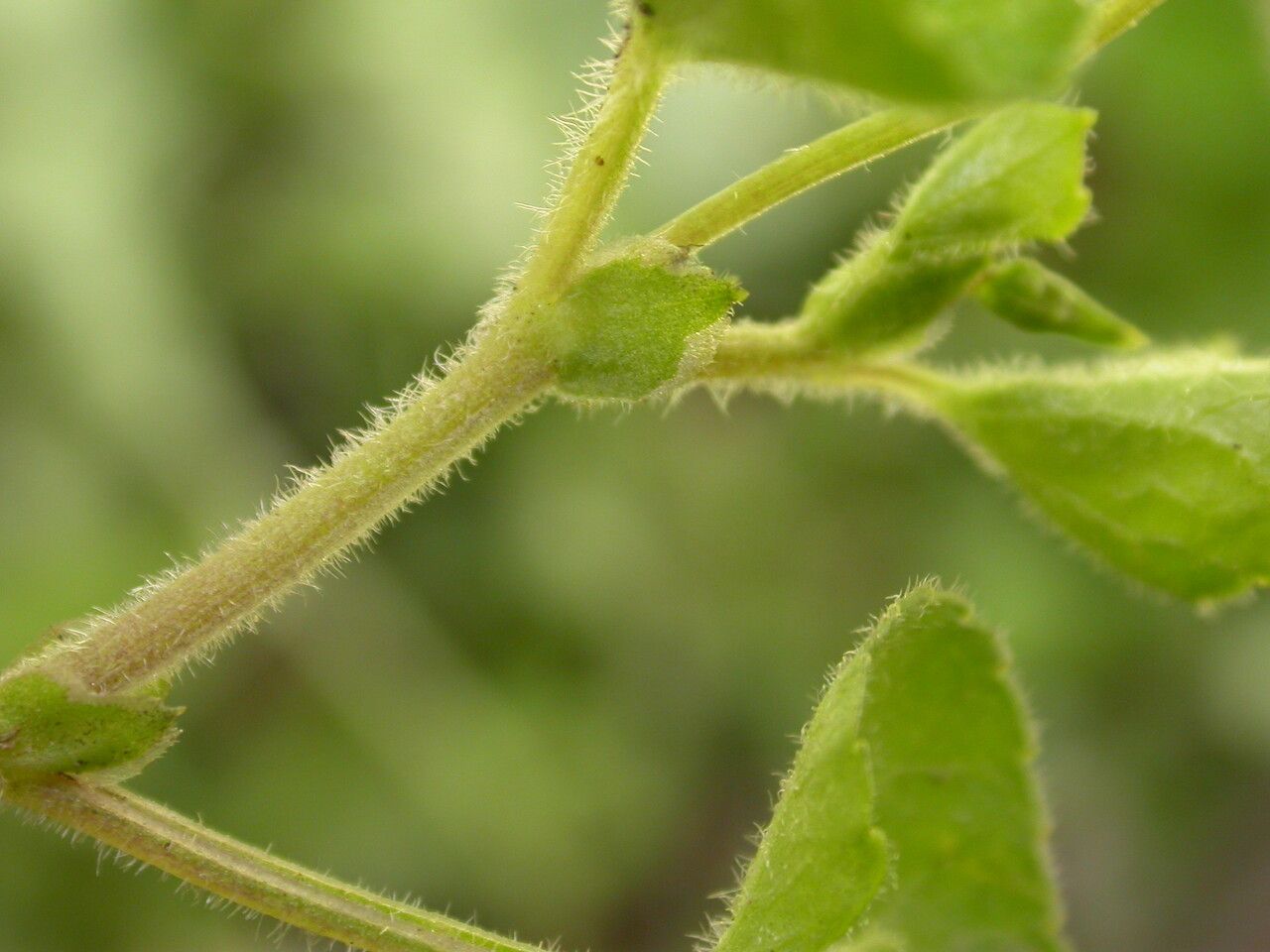
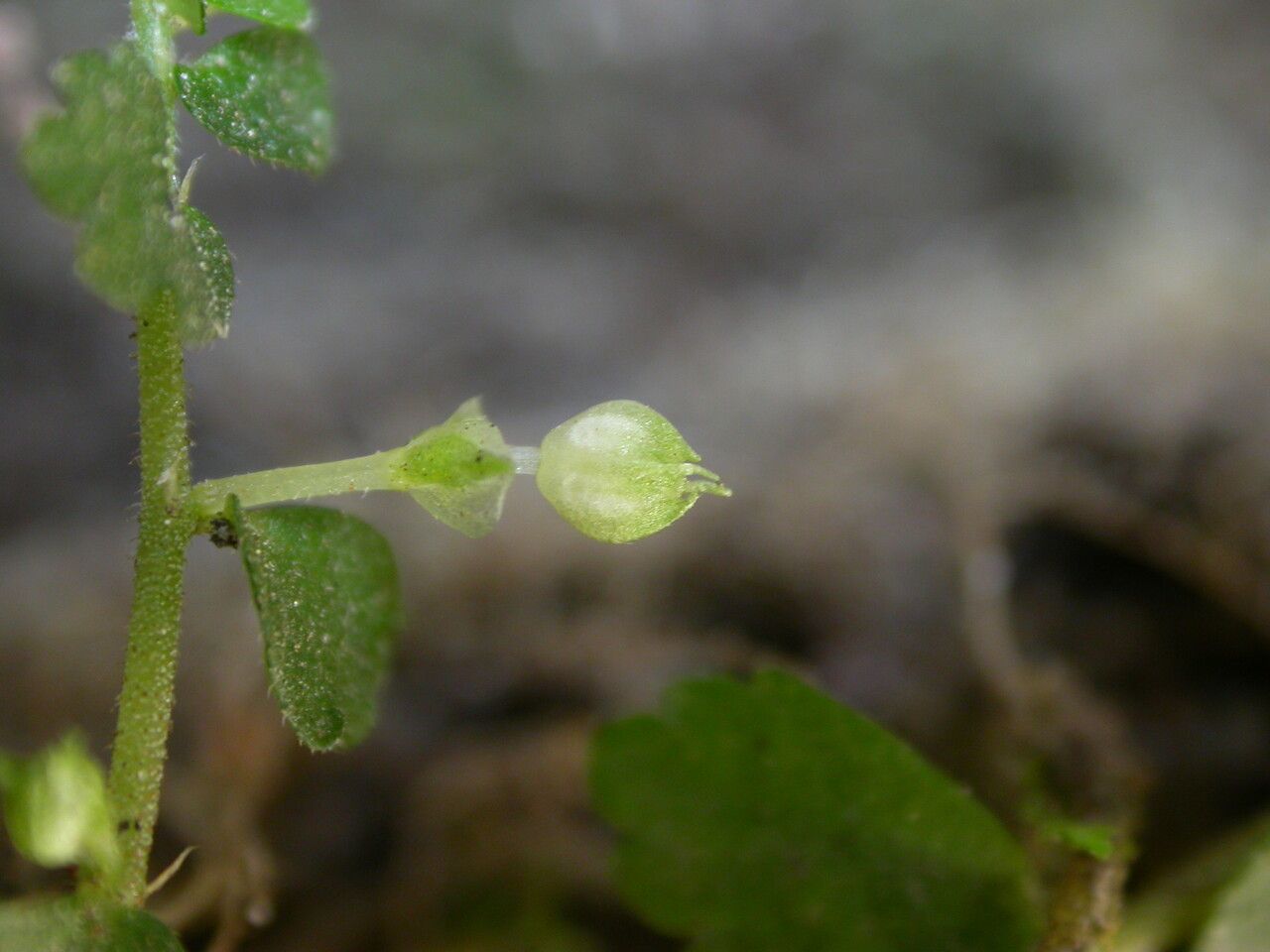
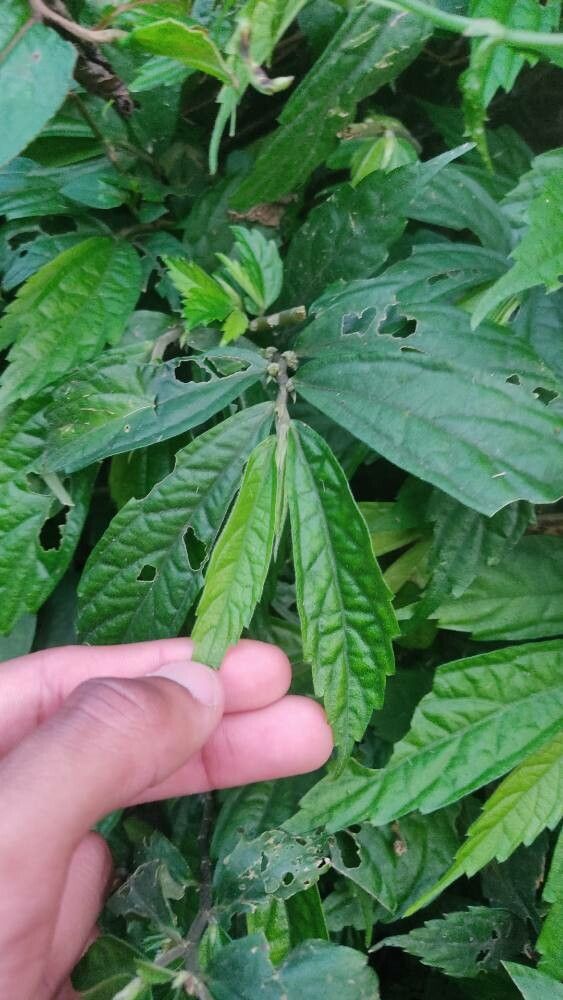
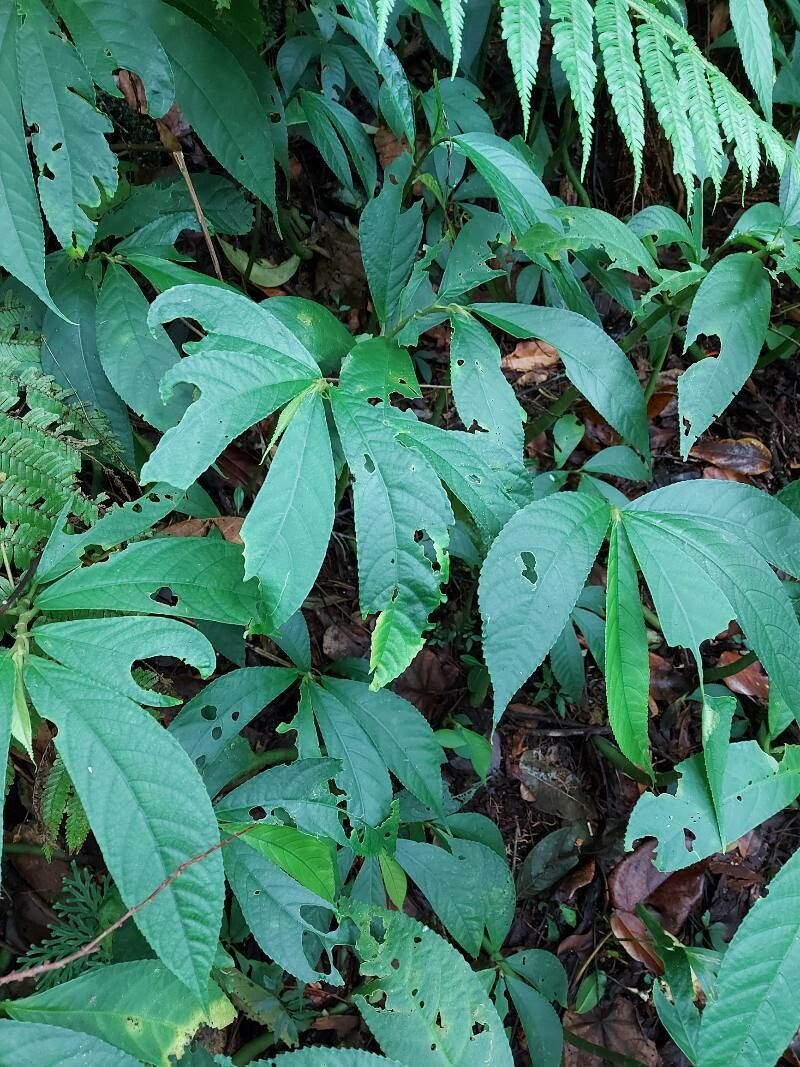
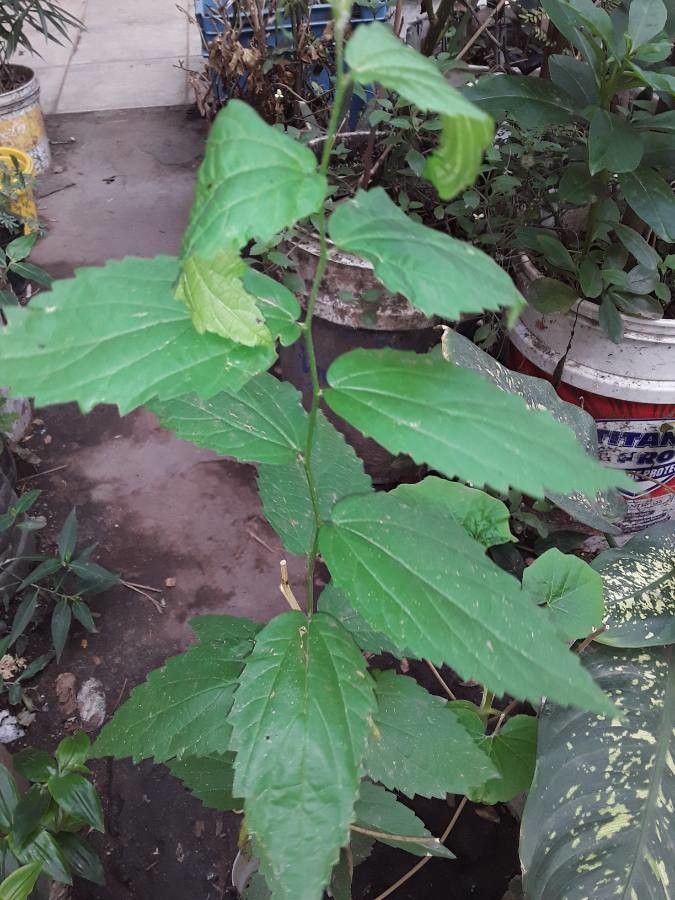
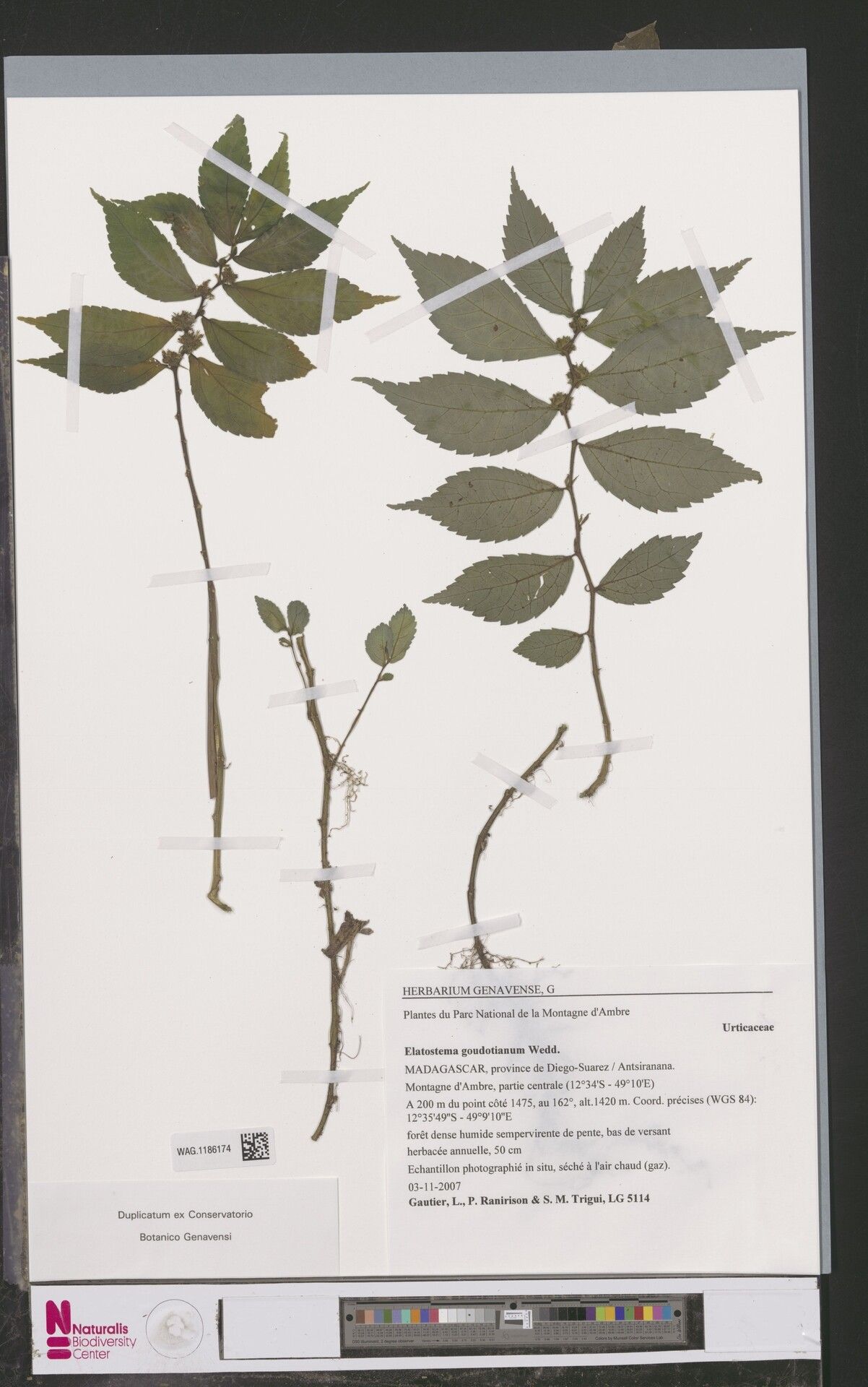
Elatostema obtusum has strong resistance to disease and is generally not prone to illnesses. Still, it can be vulnerable to pests and diseases present in its environment. These infections are typically not serious. Regarding care, this plant needs a moderate level of maintenance. It should be pruned on a regular basis to preserve an attractive appearance and healthy growth. Applying fertilizer can also help encourage flowering. Elatostema obtusum is appropriate for anyone with an outdoor area, such as a garden or patio, and does not require extensive care experience. It may demand more attention when kept indoors.
How to keep Elatostema Obtusum.
Light
Elatostema obtusum originates from settings like forest understories or rocky terrains, where it naturally gets shaded. It favors conditions with partial sunlight, although it is able to tolerate both full sunlight and full shade, showing its adaptable and resilient characteristics.
Water
Elatostema obtusum comes from tropical underbrush areas and flourishes in consistently moist soil with high humidity. It requires balanced moisture, so it's important to avoid both waterlogging and dryness. Watering once a week is recommended, and regular misting can promote growth by mimicking its natural humid environment.
Temperature
Elatostema obtusum hails from tropical areas characterized by high warmth and humidity. Consequently, it is suitably acclimatized to hot and moist conditions. It is not fond of abrupt shifts in temperature and favors a consistent thermal environment, thereby necessitating the mitigation of indoor temperature variations. The plant typically has a low tolerance for cold conditions and needs elevated temperatures for its growth. A decrease in environmental temperature beyond a certain point might result in the plant stunting its growth or potentially dying.
Fertilizer
The Elatostema obtusum necessitates the greatest amount of fertilizer during its active growth period, predominantly happening in spring, summer, and the beginning of fall. The process of fertilization is crucial to supplement vital nutrients that might be insufficient in the soil, which encourages healthy root and stem growth. Moreover, this also leads to appealing foliage, a significant characteristic of this specific plant.
Pruning
To help Elatostema obtusum thrive, prune it regularly from early to late spring. This encourages healthy growth and eliminates any damaged parts. It's important to thin out crowded areas to improve air circulation, but be careful to avoid heavy pruning, as it can stress the plant. Regularly removing spent flowers helps maintain a compact shape and promotes vigorous new growth.
Botanical profile.
- Plant Type
- Herb
- Life Cycle
- Perennial
- Genus
- Elatostema
- Family
- Urticaceae
- Hardiness Zone
- 10-12
- Mature Height
- 10 cm to 49 cm
- Mature Spread
- 20 cm to 40 cm
- Leaf Color
- Green
- Leaf Type
- Evergreen
- Flower Color
- White
- Flower Size
- 0.51 cm to 0.76 cm
- Bloom Time
- Summer, Early fall, Mid fall
- Planting Time
- Spring, Summer
- Harvest Time
- Late summer, Fall, Early winter
- Native Area
- Nepal, India, Philippines, Bhutan, Thailand, China
Reader questions.
What are the sunlight requirements for Elatostema obtusum?
Elatostema obtusum, a plant that yearns for the perfect balance of light, require different amounts of sunlight depending on the desired condition. For those aiming for partial sun, ensure the plant receives about 3-6 hours of sunlight daily. If you're looking for full shade conditions, then less than 3 hours of sunlight is necessary. It's important to observe how sunlight moves through your garden throughout the day to choose spots that provide the ideal balance of light and shade, ensuring the well-being of your Elatostema obtusum and adhering to the warning that understanding your garden's sun exposure is crucial for the happiness of your plants.