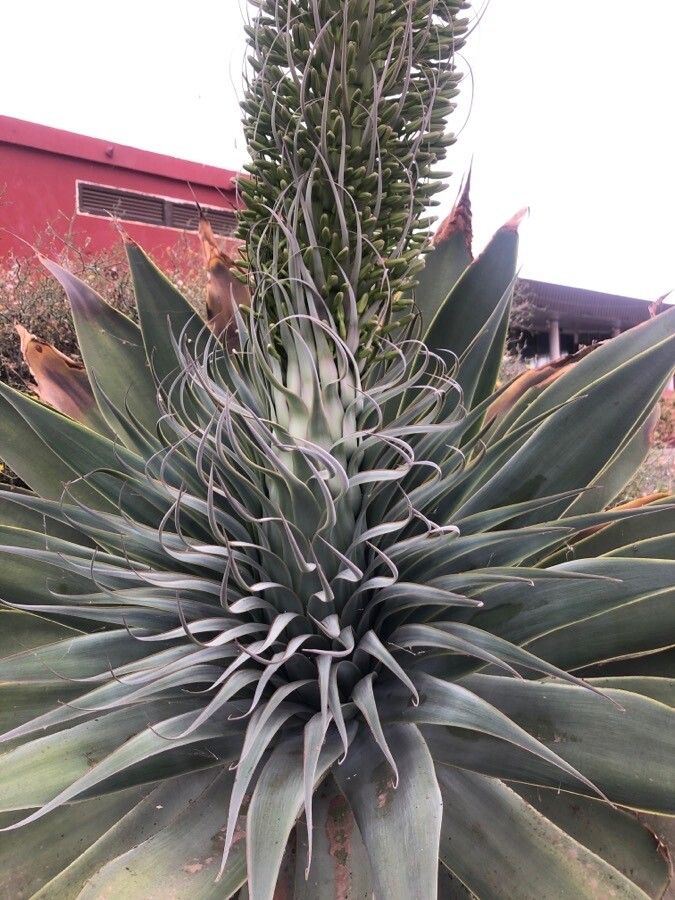
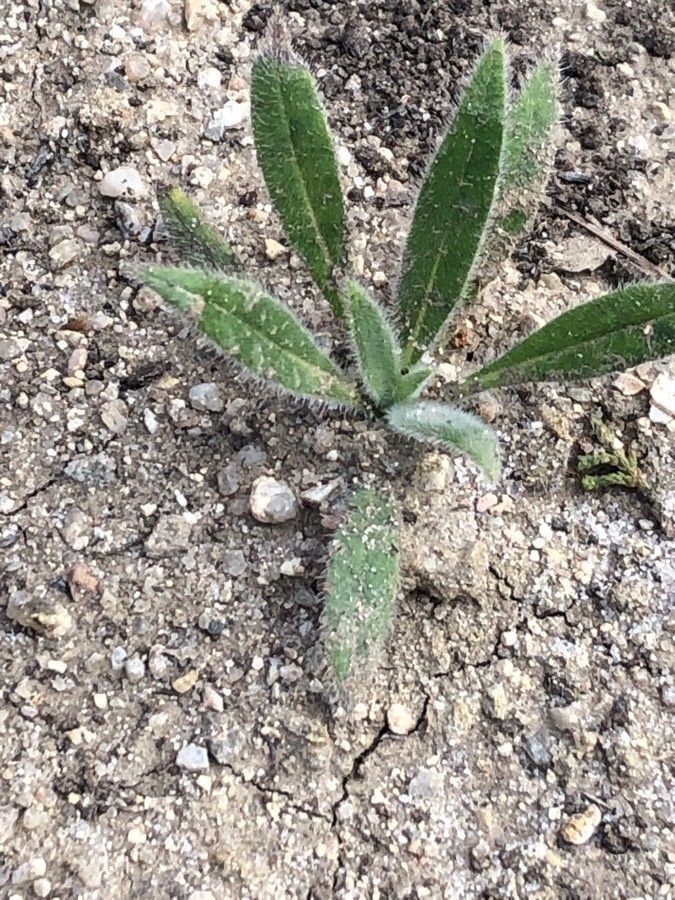
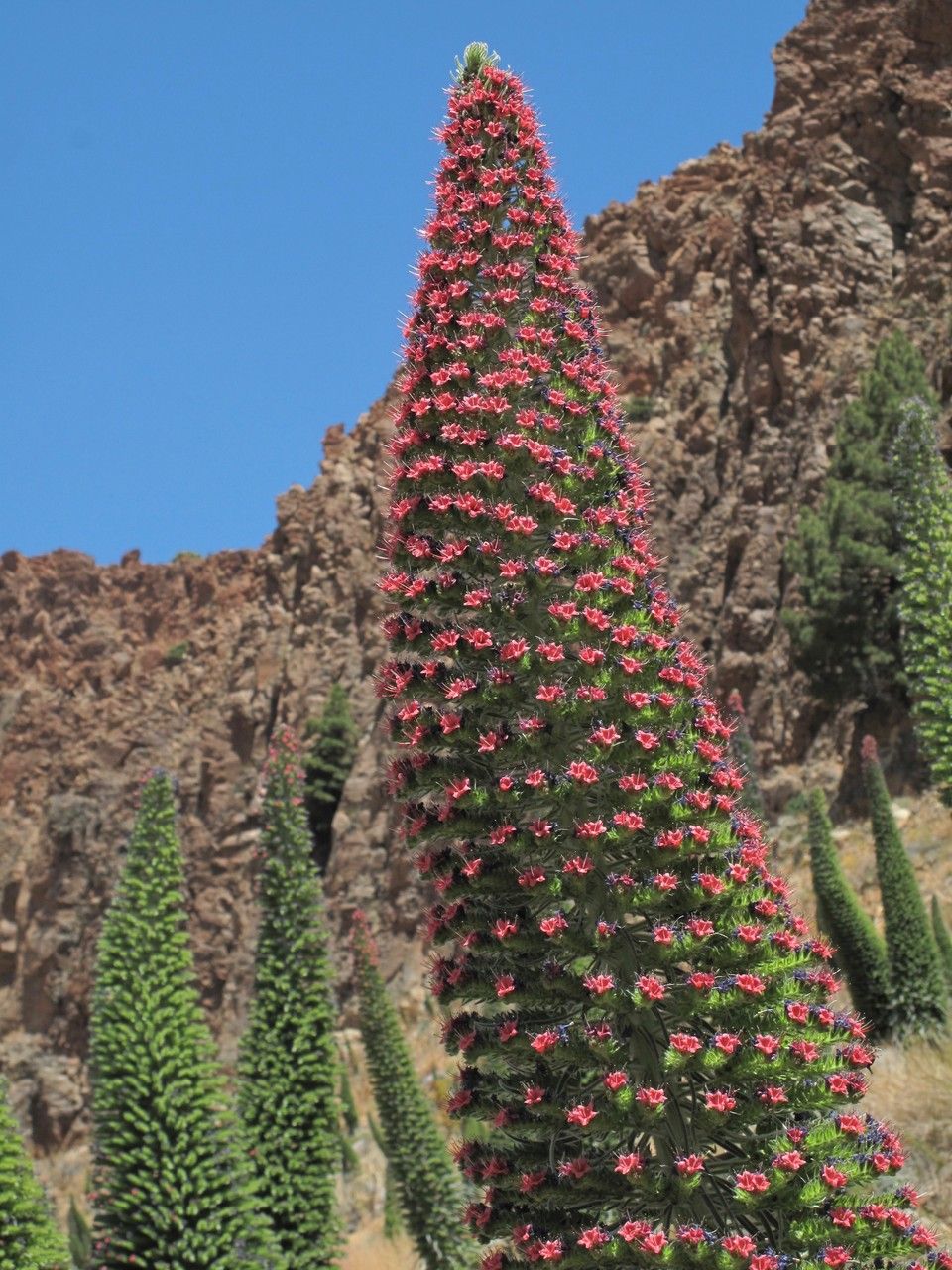
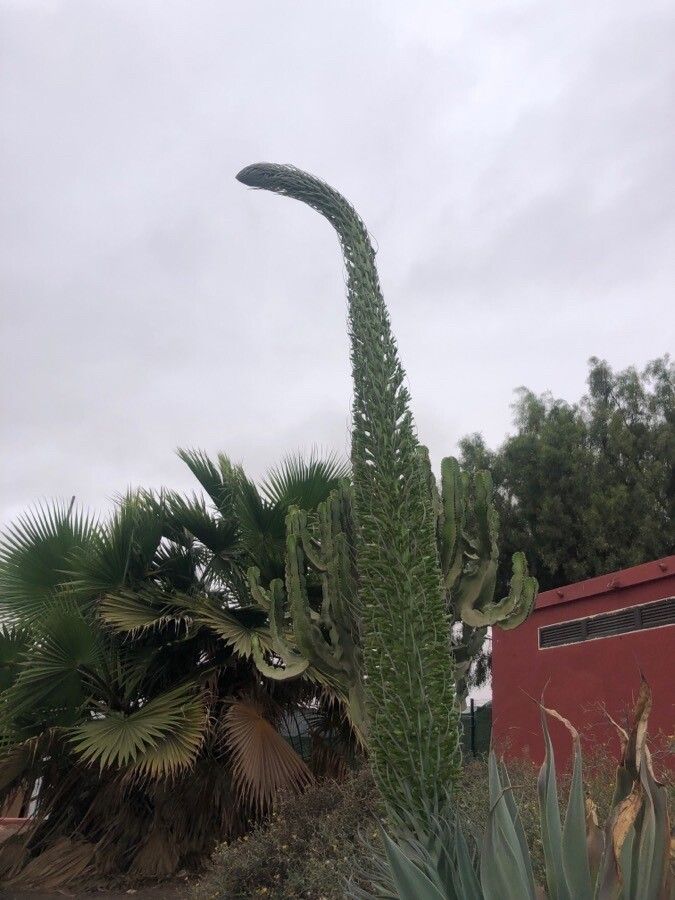
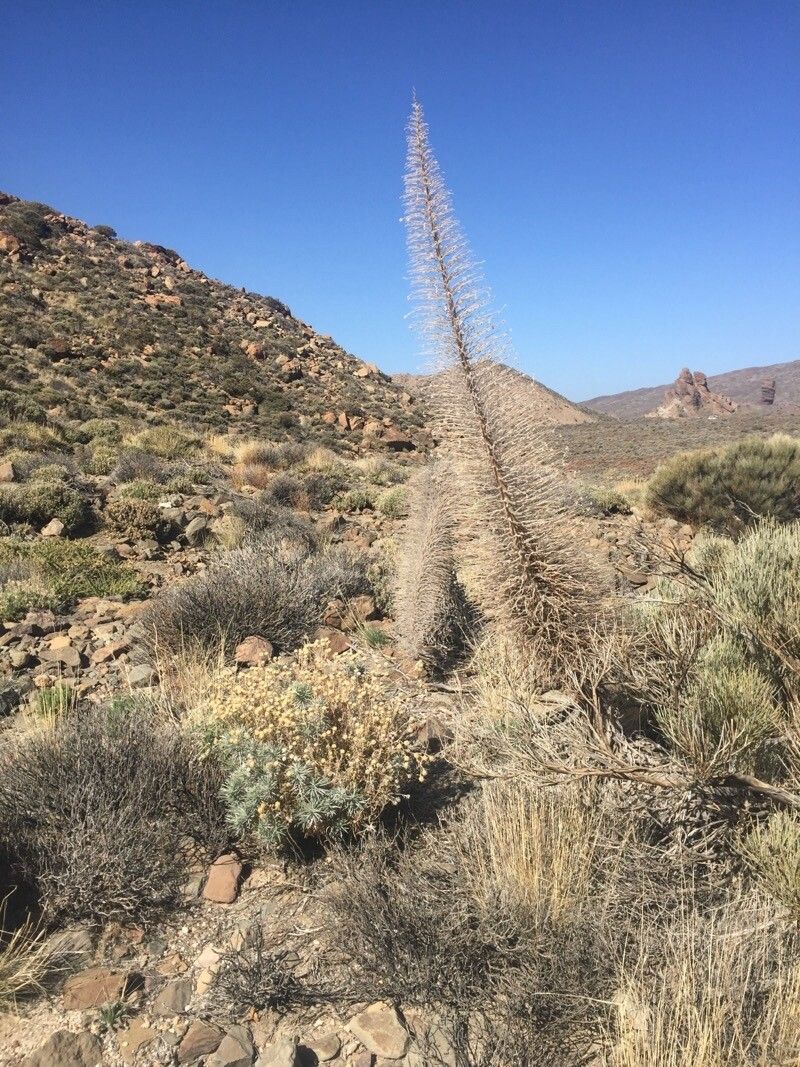
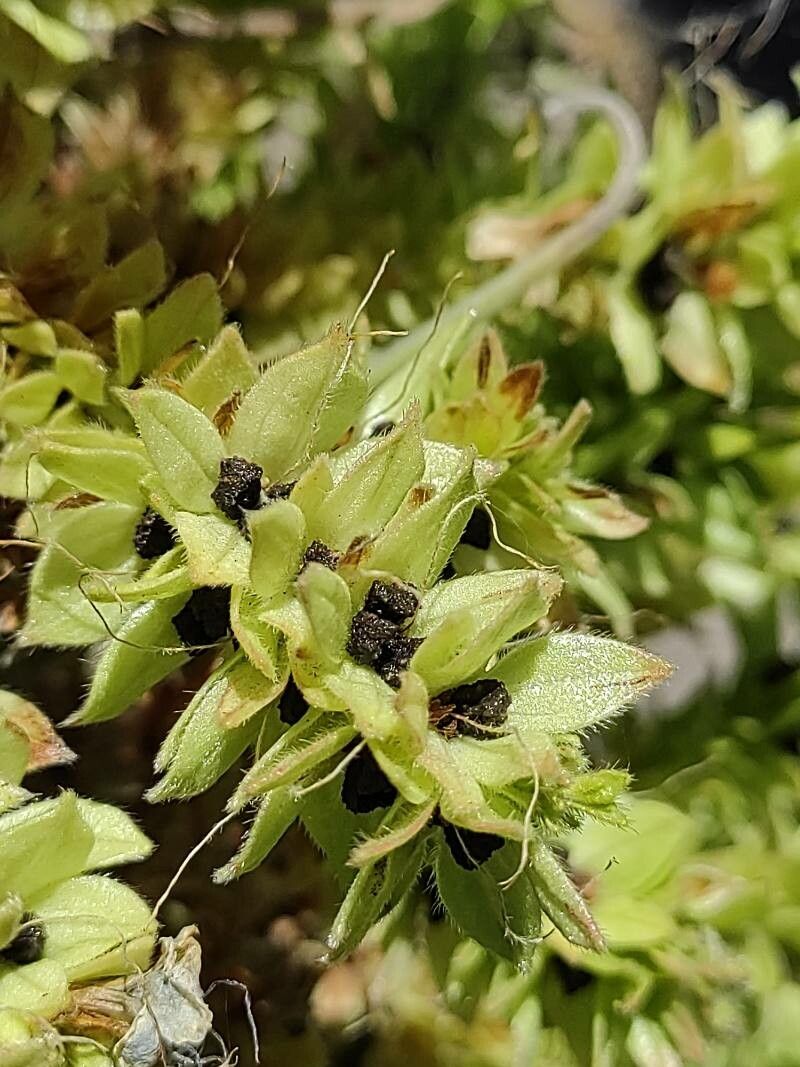
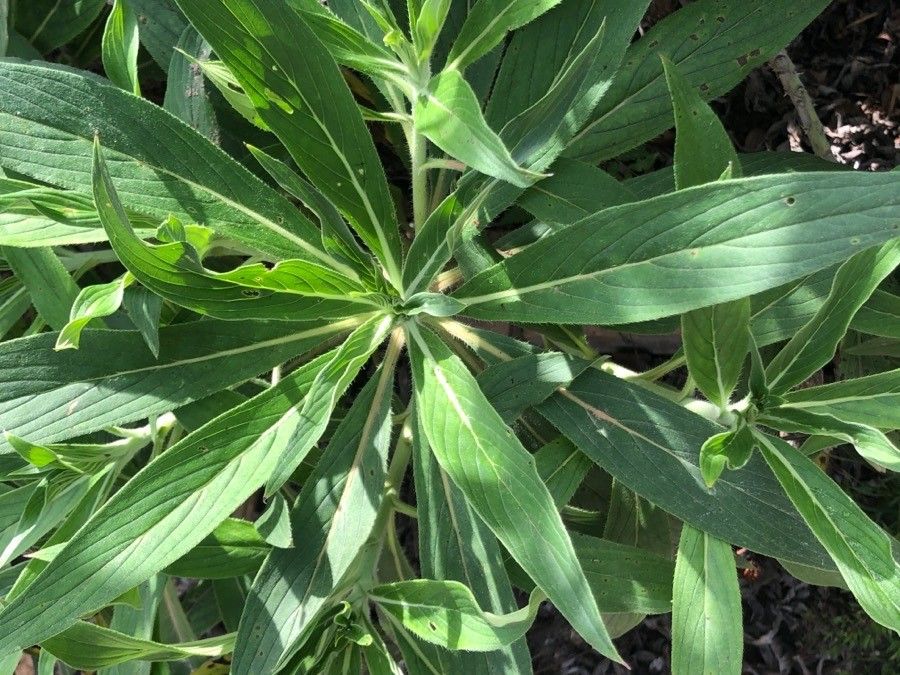
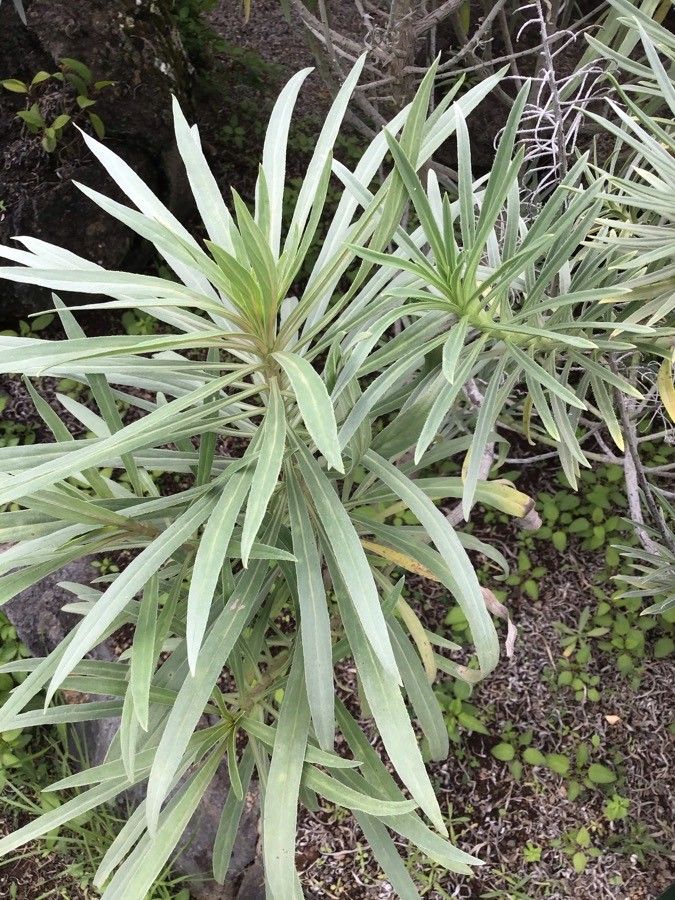
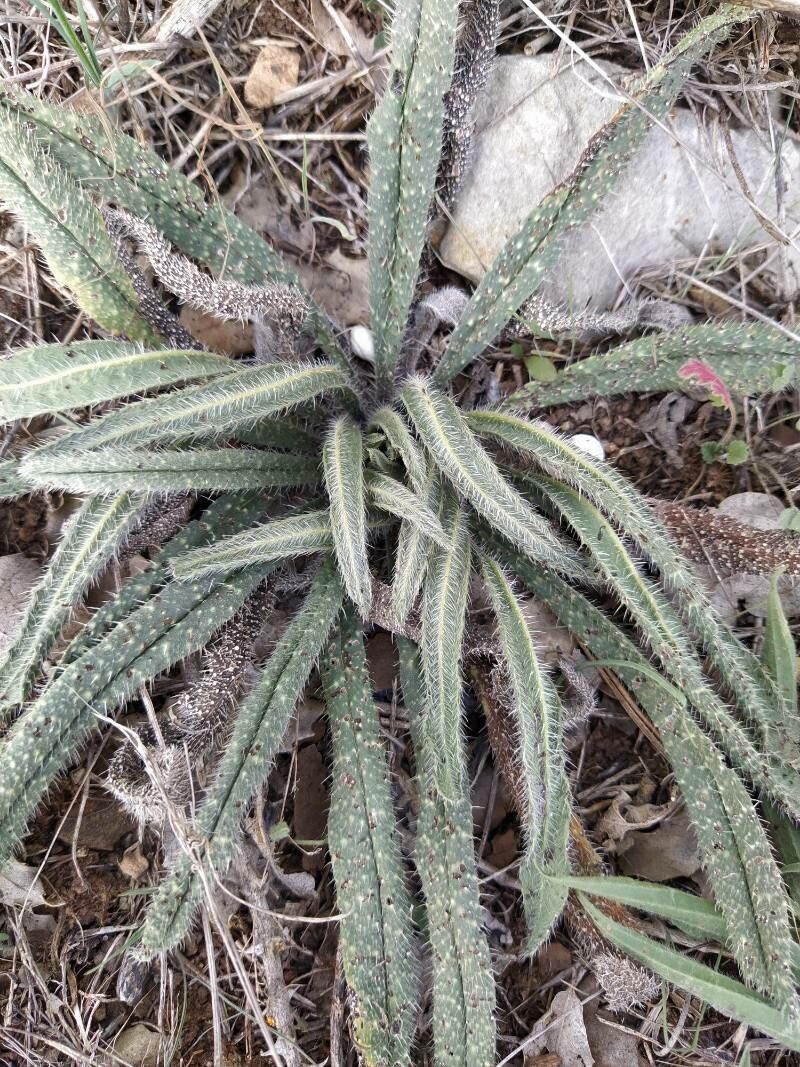
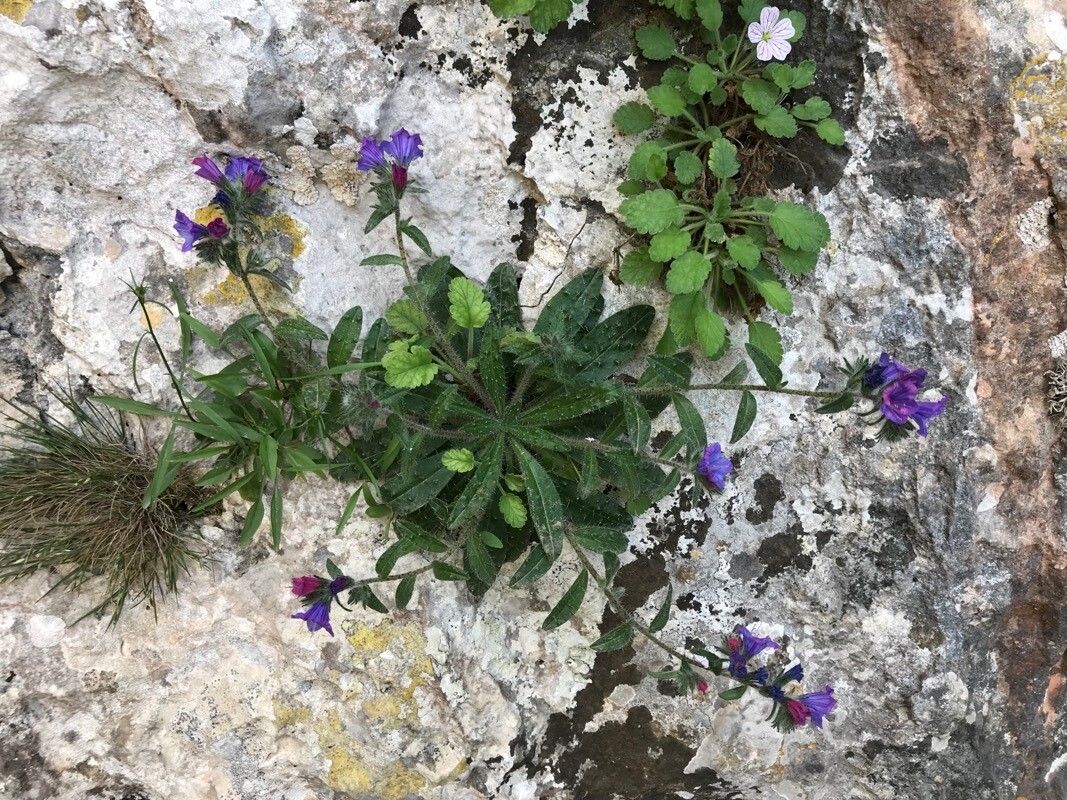
Echium wildpretii, commonly known as the Tower of Jewels or Tenerife Bugloss, is a biennial plant native to the Canary Islands. As a member of the Boraginaceae family, it can reach heights of up to 3 meters. This plant produces a tall spike adorned with small pink or purple flowers that bloom from the bottom up. Its leaves are hairy, lance-shaped, and silvery-green in color.
Echium wildpretii thrives in well-drained soil and full sun exposure. While it is drought-tolerant, it requires regular watering during its growing season in spring and summer. Its nectar-rich flowers are particularly attractive to bees, butterflies, and hummingbirds.
In its native habitat on Tenerife Island in Spain's Canary Islands archipelago, Echium wildpretii has been utilized for medicinal purposes for centuries due to its anti-inflammatory properties.
The Tower of Jewels has gained popularity among gardeners worldwide for its striking appearance when it blooms in late spring or early summer. However, because it is biennial (it takes two years for the plant to complete its life cycle), careful planning is necessary when planting it in gardens.
Overall, Echium wildpretii is an impressive addition to any garden, offering stunning blooms that attract pollinators and possessing medicinal properties. This makes it an excellent choice for both aesthetic appeal and practical use.
Tower of jewels shows strong resistance to disease and generally does not easily get sick. Still, it can be affected by pests and diseases present in its environment. These problems are typically mild. Regarding care, this plant needs moderate attention. It should be pruned on a regular basis to preserve a tidy appearance and encourage healthy growth. Adding fertilizer can also help boost flowering. Tower of jewels is appropriate for anyone with outdoor space, such as a garden or patio, and does not demand extensive plant-care experience. When grown indoors, it may need extra care.
How to keep Echium Wildpretii.
Light
Tower of jewels needs plenty of sunlight for best growth and health. Native to areas with abundant sun, it does better in sunny environments. Too little light can damage its development, while excessive sunlight is not harmful because it is adapted to intense light conditions.
Water
The Tower of Jewels thrives in dry conditions, demonstrating a strong tolerance for drought. It benefits from being watered weekly, but prefers infrequent, deep watering. This plant grows best in well-drained soil and requires full sun exposure, making it ideal for rock gardens and xeriscaping. Its impressive height and striking inflorescence add to its appeal in these settings.
Temperature
Tower of jewels originates from temperate regions and grows best at about 68 to 95 °F (20 to 35 ℃). Coming from cooler habitats, it favors moderate temperatures. To promote healthy growth through varying seasons, make suitable adjustments, offering shade and extra water during hotter periods.
Fertilizer
For Tower of jewels, the primary time to fertilize is in early spring when flowers are beginning to form. The correct fertilizer promotes better blooms and helps Tower of jewels produce attractive flowers. Applying fertilizer in early spring ensures good flowering during the season and supplies energy for dormant growth phases.
Pruning
The Tower of Jewels is a biennial plant known for its tall, vibrant flower spikes. To maintain its health and appearance, prune the plant from late winter to early spring, removing any dead foliage to encourage new growth. After the plant has finished flowering, trim the spent stalks to redirect energy back into the rosette, which will enhance its vigor and appearance.
Botanical profile.
- Plant Type
- Herb
- Life Cycle
- Perennial, Biennial, Annual
- Genus
- Echium
- Family
- Boraginaceae
- Hardiness Zone
- 9-10
- Mature Height
- 0.91 m to 1.83 m
- Mature Spread
- 49 cm
- Leaf Color
- Green, Silver, Gray
- Leaf Type
- Evergreen
- Flower Color
- Red, Pink
- Flower Size
- 1.02 cm to 2.03 cm
- Bloom Time
- Mid spring, Late spring, Early summer
- Planting Time
- Spring, Summer, Autumn
- Harvest Time
- Summer
Other names.
Reader questions.
How should I water my Tower of jewels?
To properly water the Tower of jewels, it is recommended to use filtered water at room temperature. Tap water may contain harmful particles, so filtering it is ideal. The water should also be at room temperature or slightly warmer to avoid shocking the plant, as it originates from a warm environment. It's best to refrain from overhead watering, as it can cause problems with the foliage. Instead, thoroughly soak the soil with the filtered room temperature water. This helps to moisten the roots and facilitate their spread through the soil, enabling them to gather essential nutrients.
Why do I have to put fertilizer on my Tower of jewels?
Fertilization plays a crucial role in the growth of the Tower of jewels and other plants. It provides essential nutrients that support both above and below ground development. Despite this, the Tower of jewels has relatively low fertilization requirements, and it can survive without fertilization in some cases. However, annual fertilization can greatly benefit the plant, ensuring its survival and promoting the production of long-lasting, high-quality flowers. To maintain the best appearance of your Tower of jewels, it is recommended to continue with annual fertilization.
What are the sunlight requirements for Tower of Jewels?
Tower of Jewels requires full sun exposure, which means it needs above 6 hours of sunlight daily to thrive. It's important to observe how sunlight moves through your garden to select spots that ensure a balance of light and shade, promoting optimal growth. Inadequate sunlight can hinder the plant's development, but fortunately, Tower of Jewels, originating from sunny habitats, can withstand intense light conditions without harm.
What is the ideal climate for Tower of Jewels?
The Tower of Jewels is native to temperate climates and thrives best in temperatures ranging from 68 to 95°F (20 to 35°C). Originally from cooler environments, it prefers moderate temperatures. For successful growth throughout different seasons, it's necessary to adjust care, especially in hotter conditions by providing shade and adequate hydration. Though it has some cold tolerance and generally does not require extra measures in temperatures above 0°C, protective measures should be taken if the temperature is expected to drop below freezing. This can include wrapping the plant with materials such as plastic film, fabric, or others, which should be removed once temperatures rise again.
What should I do if I give my Tower of jewels plant too much or too little water?
Overwatering is a common issue that can harm the health of your Tower of jewels. When this plant gets too much water, its stems and leaves may wilt and turn yellow. Overwatering for a long time can also lead to diseases like root rot, mold, and mildew, which can be fatal. On the other hand, underwatering is less likely with the Tower of jewels because it is drought-tolerant. However, it can still occur, resulting in brittle and brown leaves. It's important to be aware of the signs of overwatering and take immediate action to prevent irreversible damage. If you notice early signs of overwatering, reduce your watering schedule and check the soil drainage. Replace the soil if it doesn't drain well. If your plant shows signs of underwatering, simply increase your watering frequency until the signs improve.
When should I fertilize my Tower of jewels plant?
The best time to fertilize a Tower of jewels is in late winter to early spring when it is transitioning from dormancy to active growth. This helps promote healthy growth and prepares the plant for the upcoming season. While early spring is generally the most beneficial time to fertilize, fertilizing in the fall is also acceptable. However, it is not advisable to feed a Tower of jewels during the summer or winter seasons.
How does artificial lighting benefit indoor Tower of Jewels plants?
Indoor Tower of Jewels plants benefit significantly from artificial lighting, especially when natural sunlight is inadequate, like during winter or in less sunny spaces. Artificial lights such as LED can be customized to provide specific wavelengths needed for the plant's growth, promoting faster and healthier development. For full sun plants, 30-50W/sq ft of artificial light is recommended, with the light source placed 12-36 inches above the plant for 8-12 hours per day to mimic natural sunlight conditions.
How does Tower of Jewels react to low temperatures?
Tower of Jewels has a moderate tolerance to low temperatures, ideally thriving when the temperature stays above 20°C. During winter, it's crucial to keep it above 0°C to prevent damage. When temperatures fall below -5°C, the leaves may droop, and in severe cases, wilt and fall off. Recovering from mild frost damage involves trimming the frost-damaged parts. To protect the plant from further cold exposure, it's recommended to wrap it with non-woven fabric or cloth and create a wind barrier to shield it from cold winds.
How often should I give water to my Tower of jewels?
If your Tower of jewels plant is in a pot, the most precise way to determine if it needs water is by checking the soil. Stick your finger into the soil and if the first two to three inches are dry, it's time to water. If you grow your Tower of jewels outdoors in the ground, you can use a similar method to check the soil. Again, if the first few inches of soil have dried out, it's time to water. During the spring and early fall, watering once a week is usually sufficient. However, in extremely hot weather, you may need to water twice or more per week. It's worth noting that mature, well-established Tower of jewels plants have a remarkable ability to withstand drought.
When is it not a good time to fertilize my Tower of jewels?
To properly care for your Tower of jewels, it's important to know when to fertilize. Generally, you should avoid fertilizing this plant during the spring, summer, and fall to prevent overfertilization and related complications. Late winter and early spring are the optimal times for fertilizing, as this plant has minimal fertilizer requirements and only requires one annual feeding. However, if you overlooked fertilizing in the spring, it is acceptable to feed the plant during the fall. It's worth noting that fertilizing during the winter is unnecessary as the Tower of jewels enters a dormant growth phase and does not produce new growth. Therefore, it is not advisable to fertilize during most of the winter.
What are common symptoms of inadequate or excessive sunlight in Tower of Jewels?
Symptoms of inadequate sunlight in Tower of Jewels include smaller new leaves, leggy or sparse growth, faster leaf drop, slower or halted growth, lighter-colored new leaves, and chlorosis. Excessive sunlight can cause sunscald, leaf curling, wilting, leaf scorching, and chlorosis, indicating both a lack of and too much sunlight negatively affect plant health. Adjusting plant exposure to sunlight can help mitigate these issues.
What should be done if Tower of Jewels is exposed to high temperatures?
In summer, it's important to keep the Tower of Jewels below 35°C to prevent stress. Exposure to temperatures above 41°C can cause the leaves to lighten in color, dry out and wither at the tips, curl, and make the plant more prone to sunburn. If sunburn or dehydration occurs, trim the affected parts. To mitigate high temperature stress, relocate the plant to a shaded area away from midday and afternoon sun, or use shade cloth. Ensuring the soil remains moist by watering in the morning and evening will also help the plant manage in high temperatures.