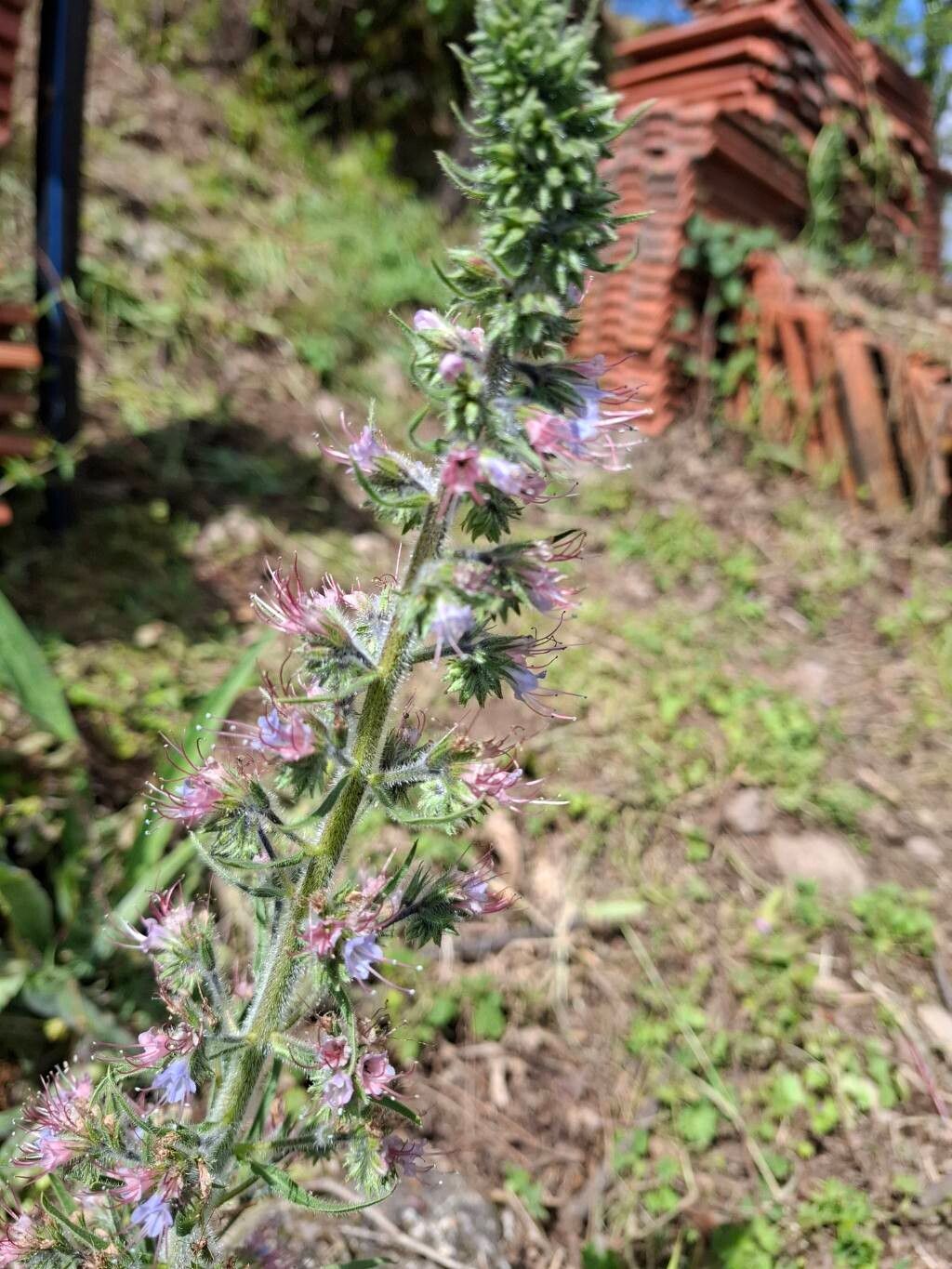
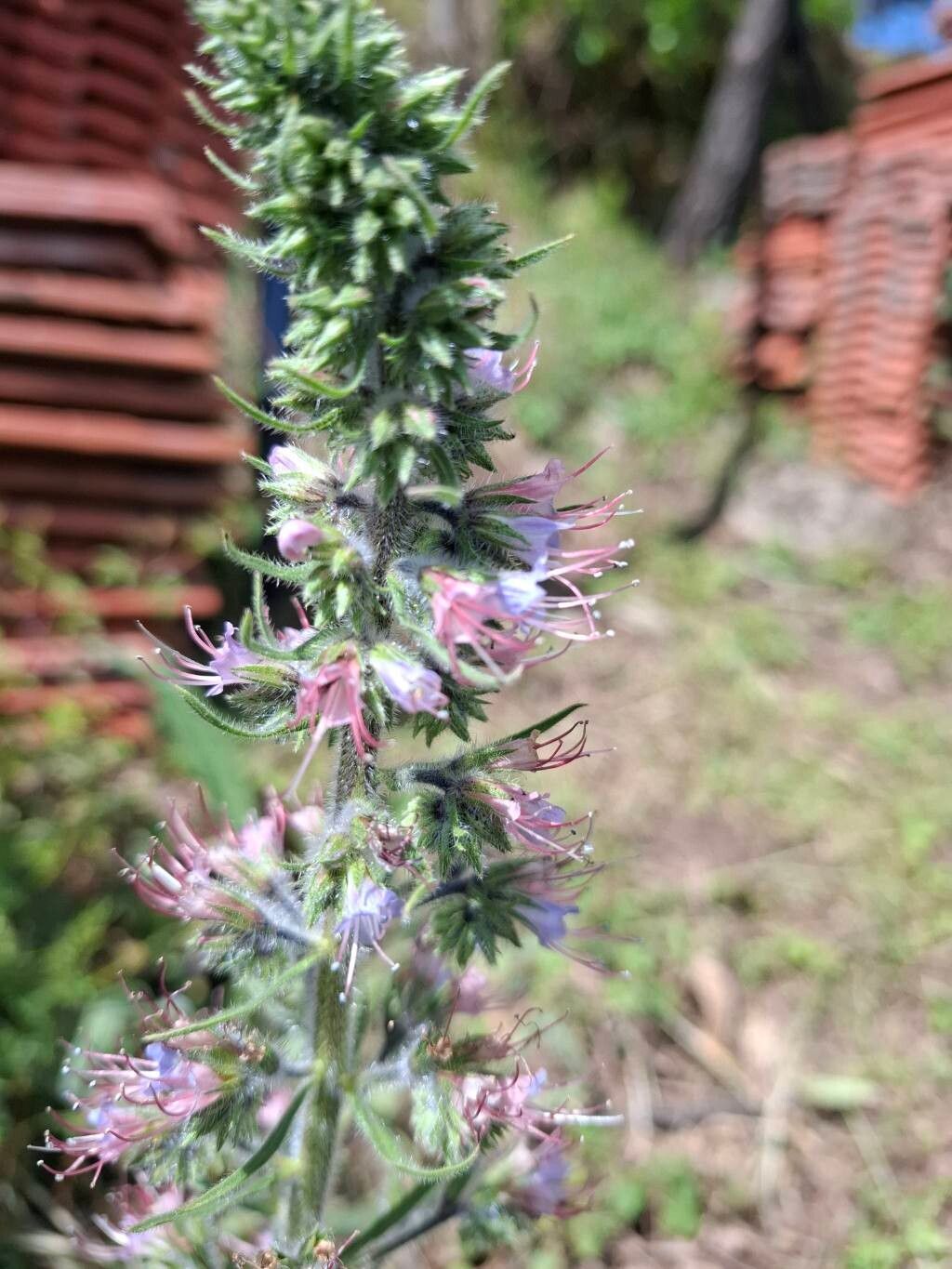
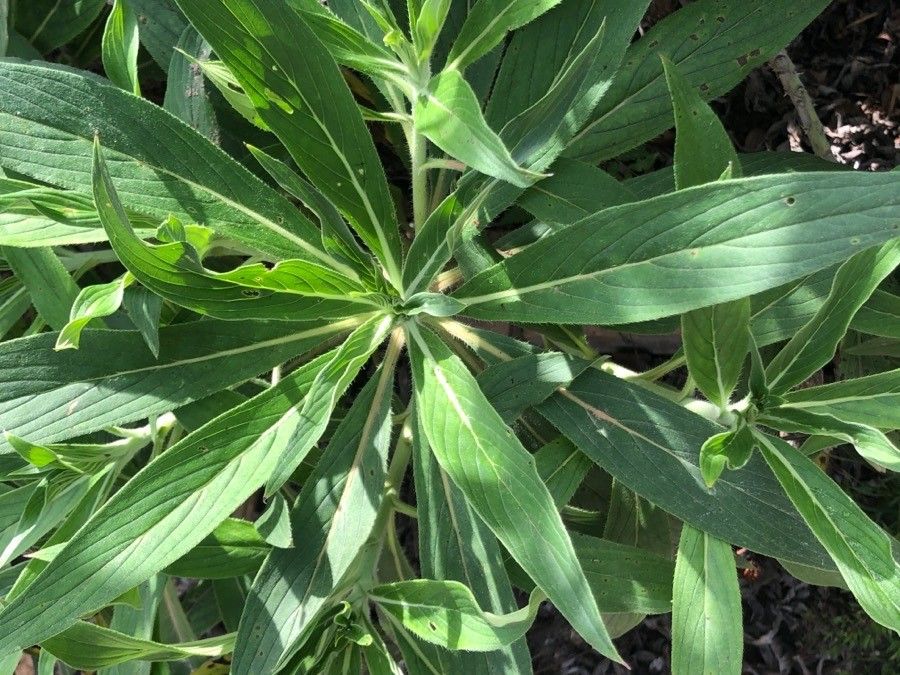
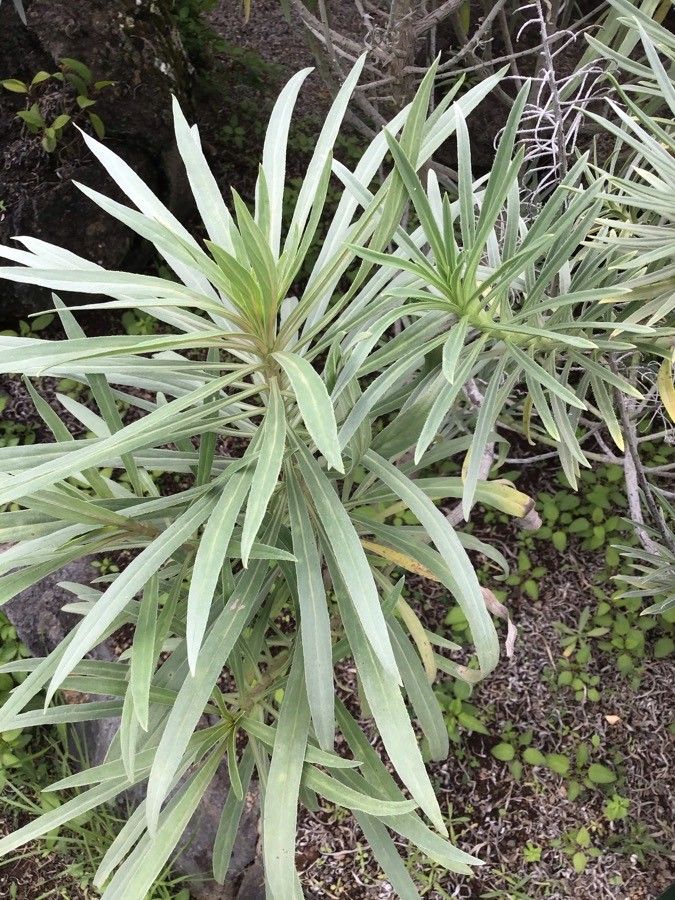
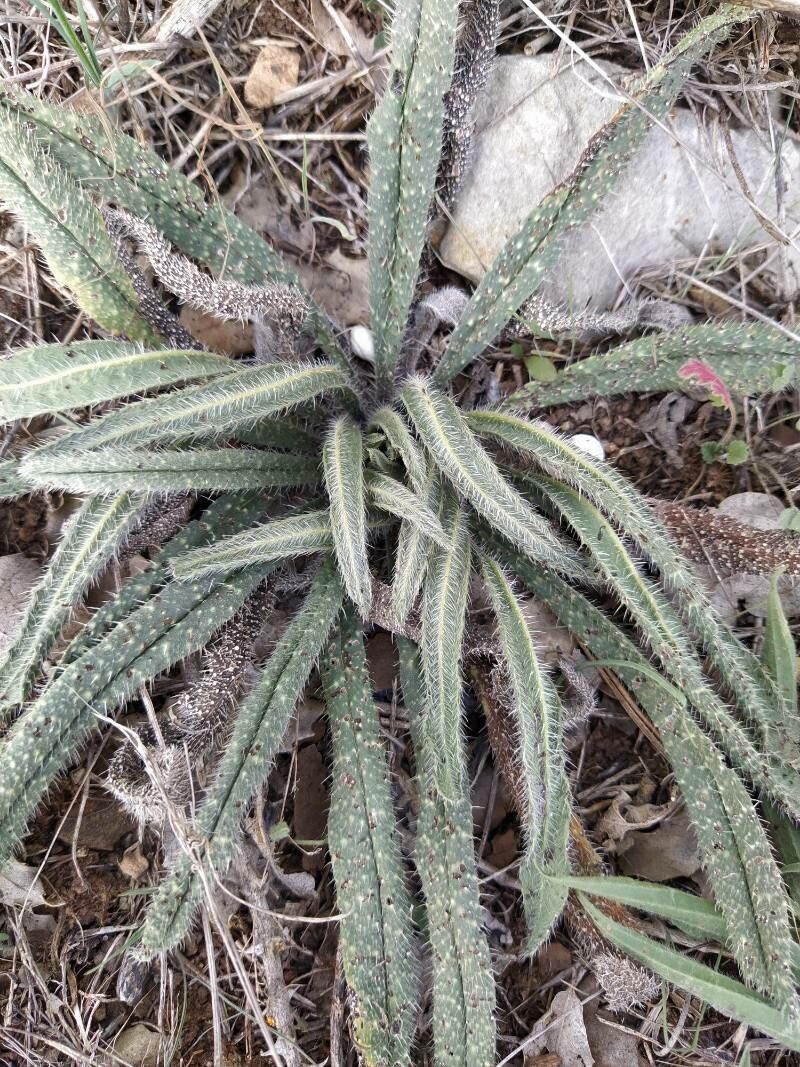
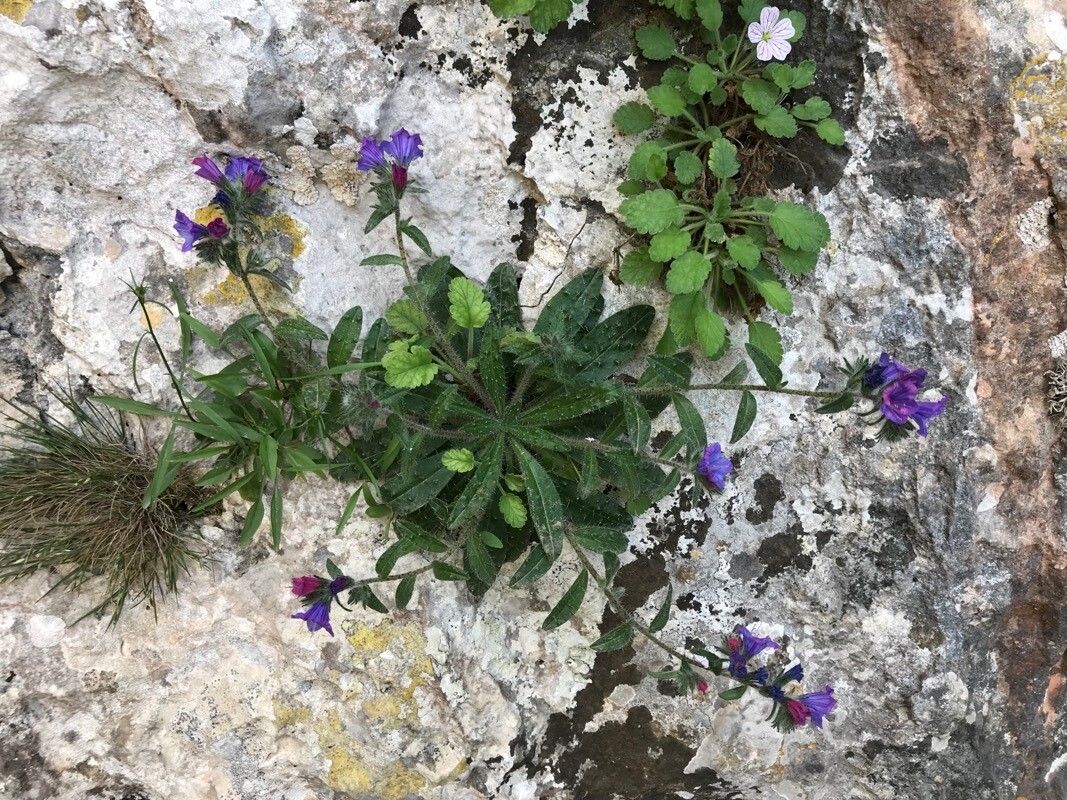
Purple viper's bugloss is fairly disease-resistant and typically not highly susceptible to illnesses. Still, it can be affected by pests and diseases present in its surroundings. Such infections are generally mild. Care-wise, this plant needs a moderate level of upkeep. It should be pruned regularly to preserve an attractive appearance and encourage healthy growth. Applying fertilizer can also support better flowering. Purple viper's bugloss is appropriate for anyone with outdoor space, like a garden or patio, and does not demand extensive gardening experience. It may, however, need extra attention when cultivated indoors.
How to keep Echium Lusitanicum.
Light
The purple viper's bugloss, native to sun-drenched environments, flourishes best when subject to generous sunlight during its various growth phases. Insufficient sunshine could compromise its health, reducing its flowering capacity. Generally, this plant can withstand direct sunlight, as it is native to areas with unobstructed solar exposure. However, when placed in an environment with inadequate light, its growth rate and color vibrancy can be somewhat diminished.
Temperature
The purple viper's bugloss originates from areas with warm temperate climates, making it suitable for a temperature range of 68 to 95 °F (20 to 35 ℃). During the colder months, make sure the purple viper's bugloss receives enough heat to mimic its typical habitat.
Fertilizer
When the majority of the Purple viper's bugloss blossoms have fully opened, it signals the appropriate time to recommence fertilization. Commence fertilizing once more approximately every three to four weeks, weather permitting, when the flowering is at its maximum. Subsequently, when the Purple viper's bugloss starts generating fewer new blossoms, discontinue fertilizing as it's unnecessary when the plant ceases to produce further blooms.
Botanical profile.
- Plant Type
- Herb
- Life Cycle
- Annual, Biennial, Perennial
- Hardiness Zone
- 3-8
- Mature Height
- 20 cm to 61 cm
- Mature Spread
- 40 cm to 49 cm
- Leaf Color
- Green
- Leaf Type
- Evergreen
- Flower Color
- Purple, Blue
- Flower Size
- 5.08 cm to 15.24 cm
- Bloom Time
- Late spring, Early summer, Mid summer
- Planting Time
- Spring, Summer
- Harvest Time
- Mid summer
- Native Area
- Libya, Egypt, Turkey, Tunisia, Montenegro, Cyprus, Bulgaria, Armenia, Greece, Croatia, Slovenia, Morocco, North Macedonia, Belarus, Lebanon, Russia, Serbia, Syria, Jordan, Italy, Spain, Bosnia and Herzegovina, Israel, France, Albania, Azerbaijan, United Kingdom, Algeria, Portugal
Other names.