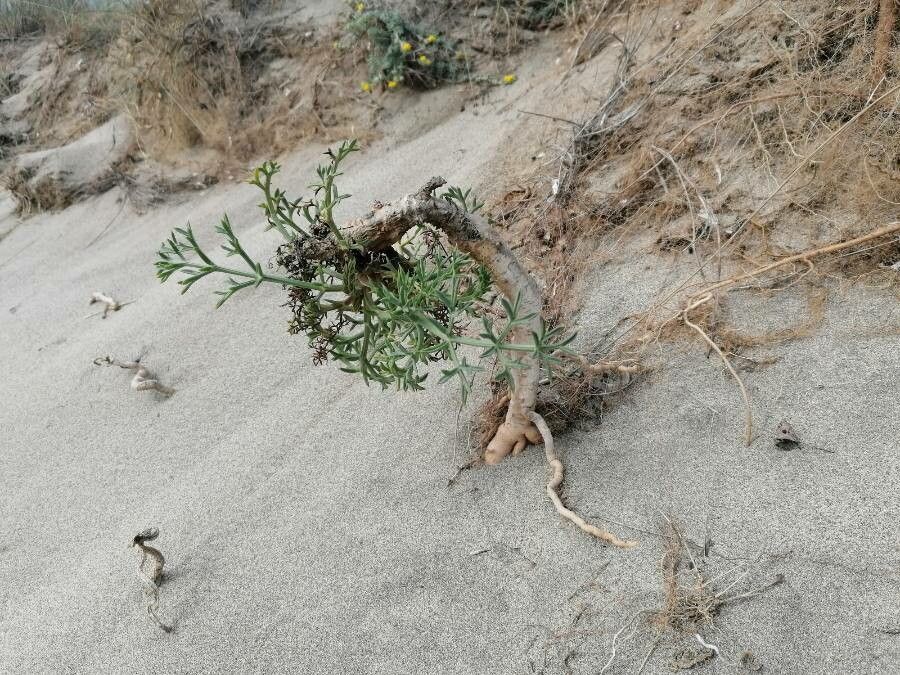
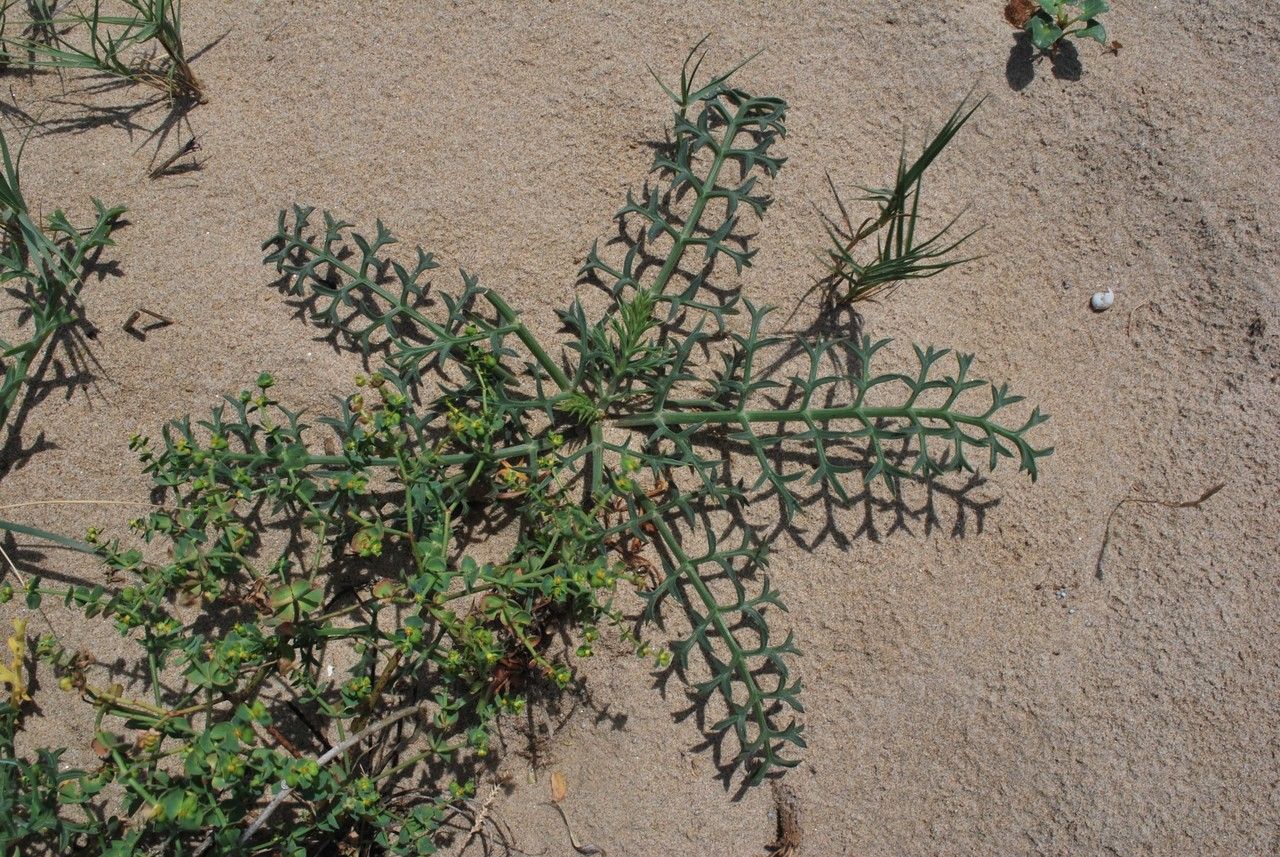
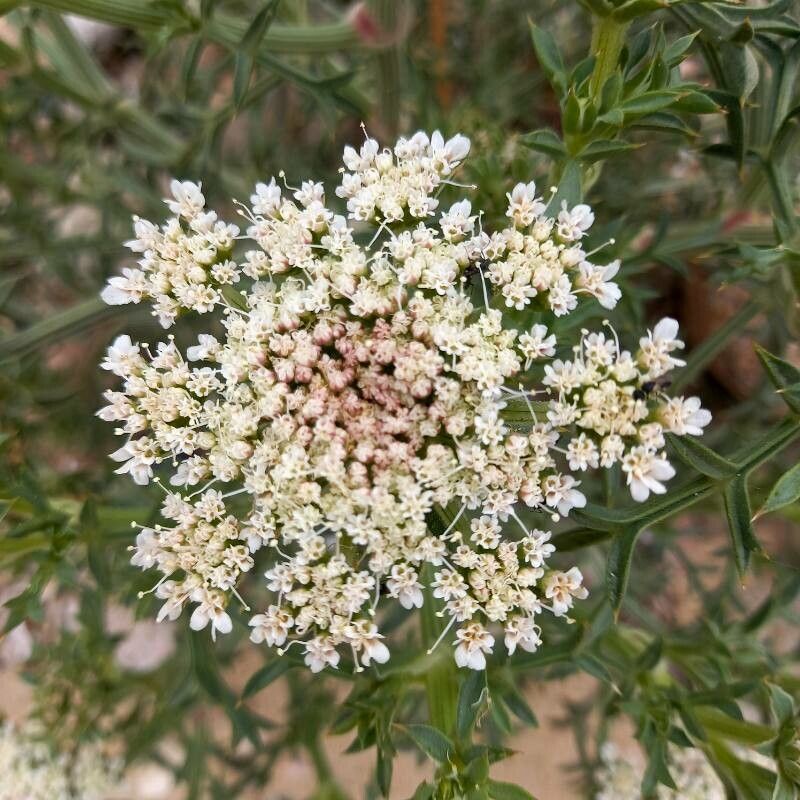
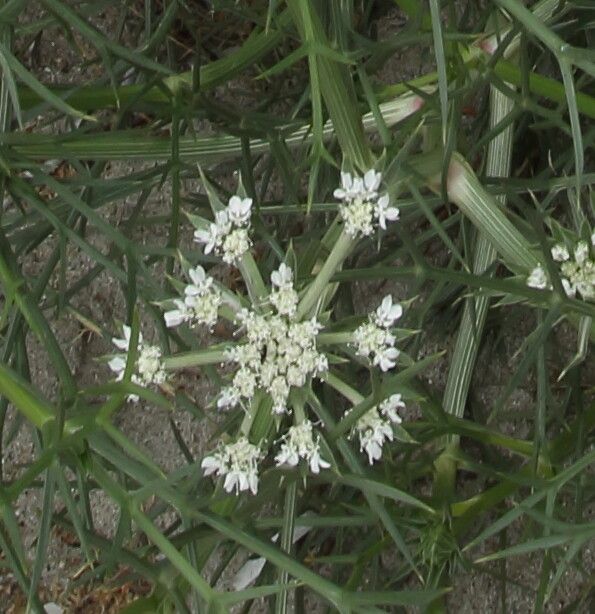
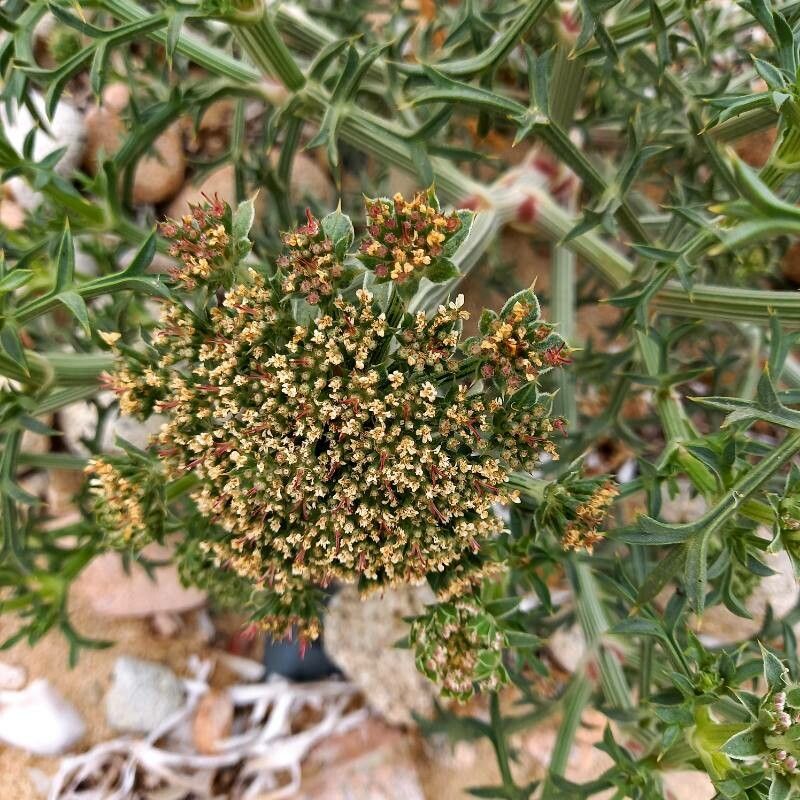
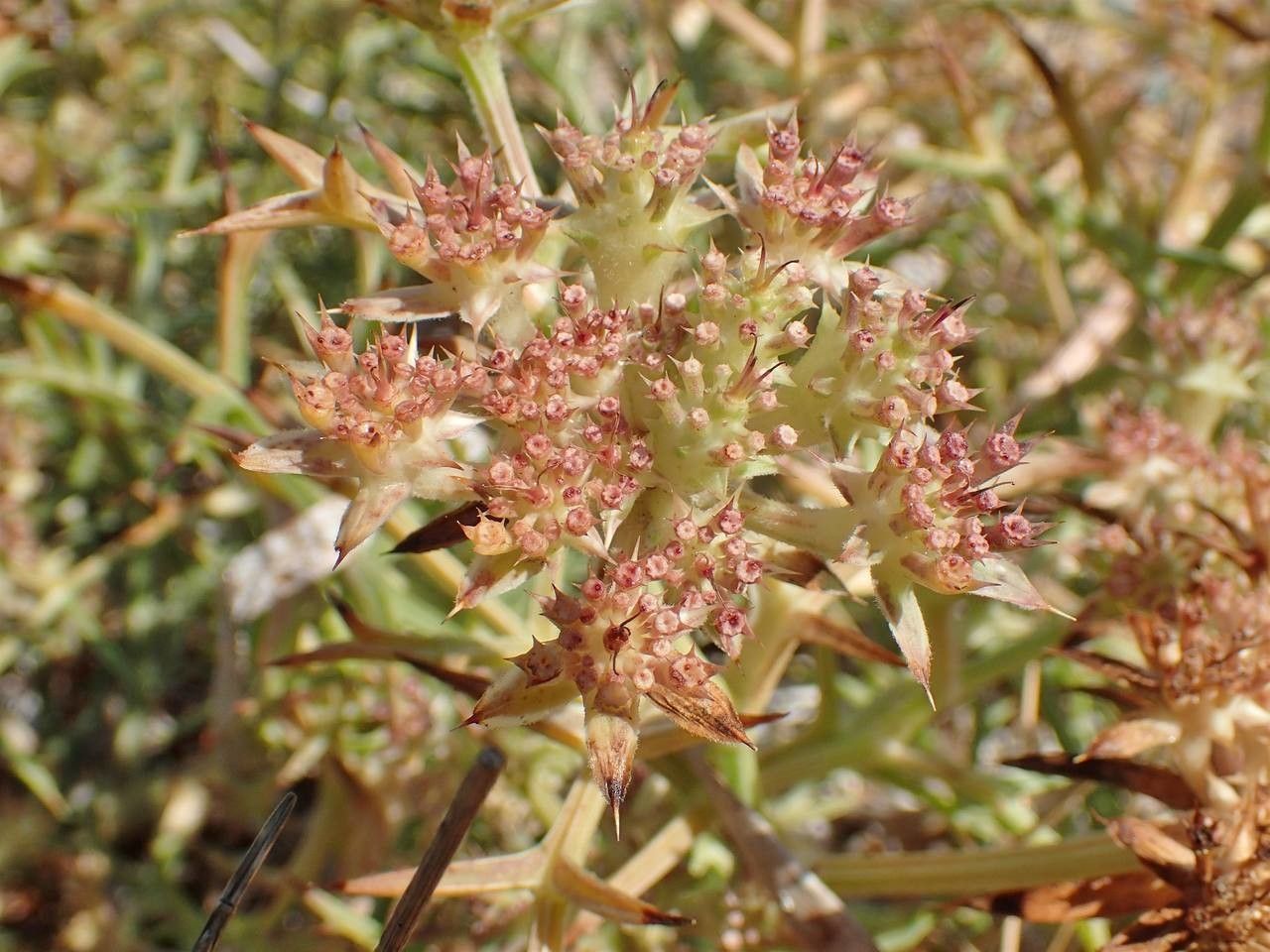
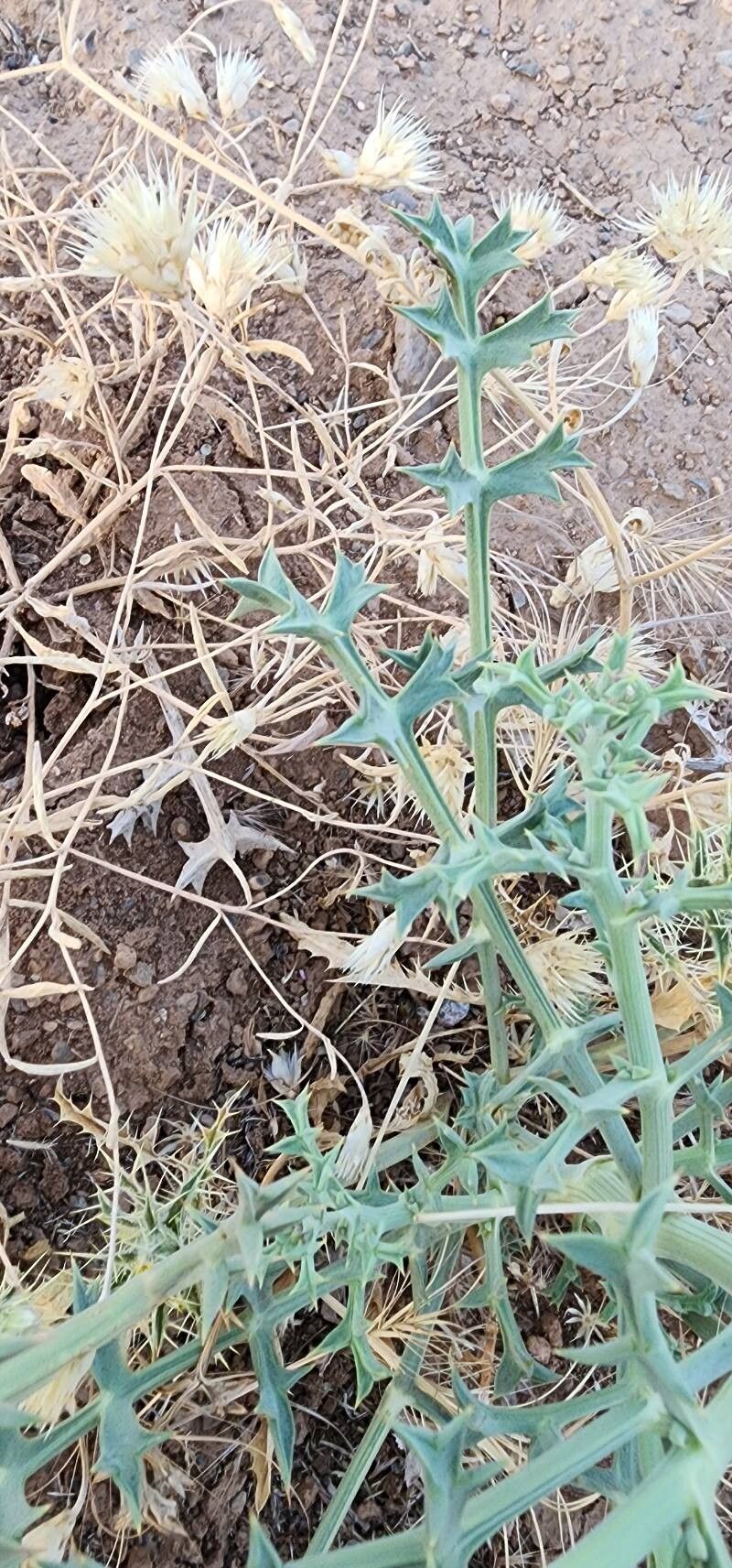
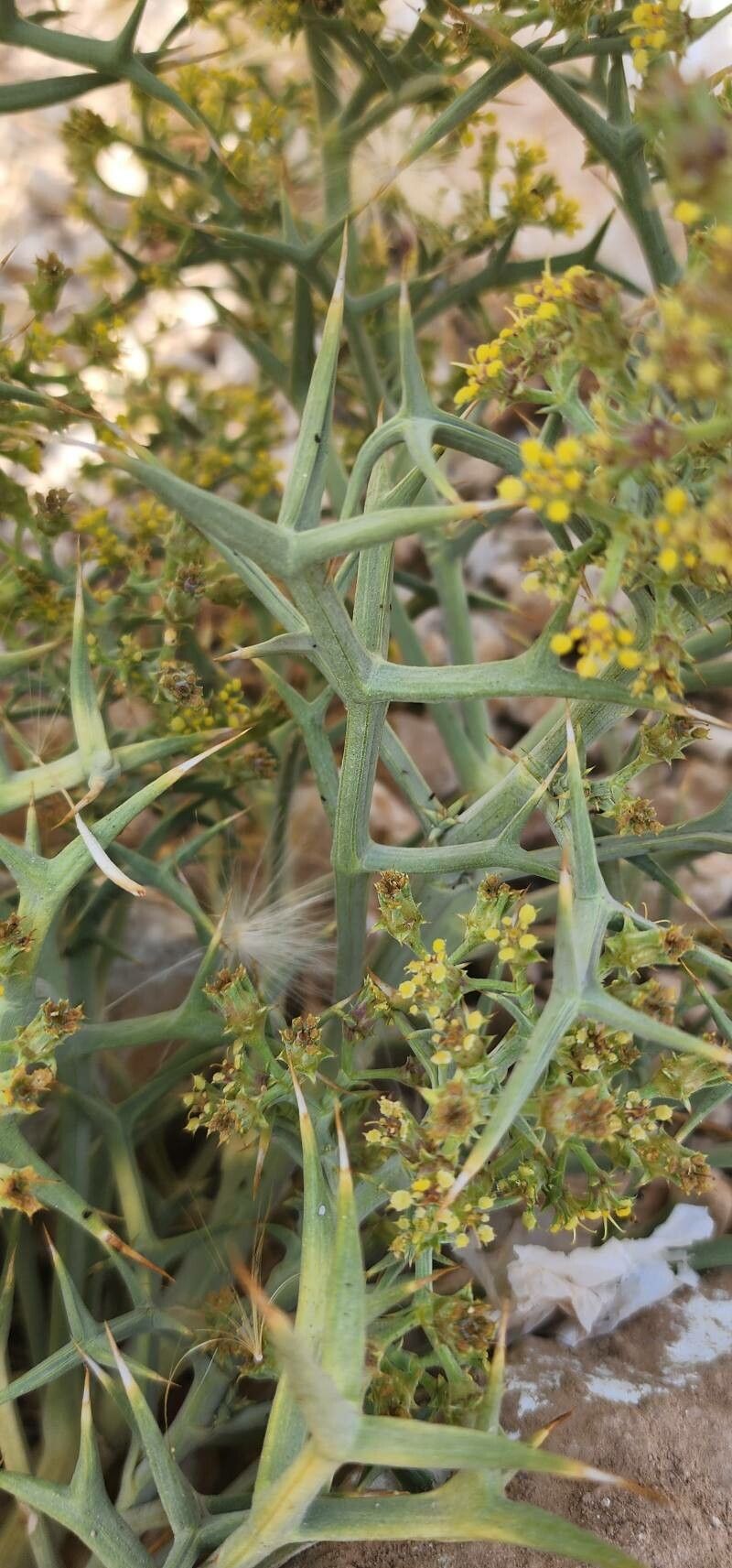
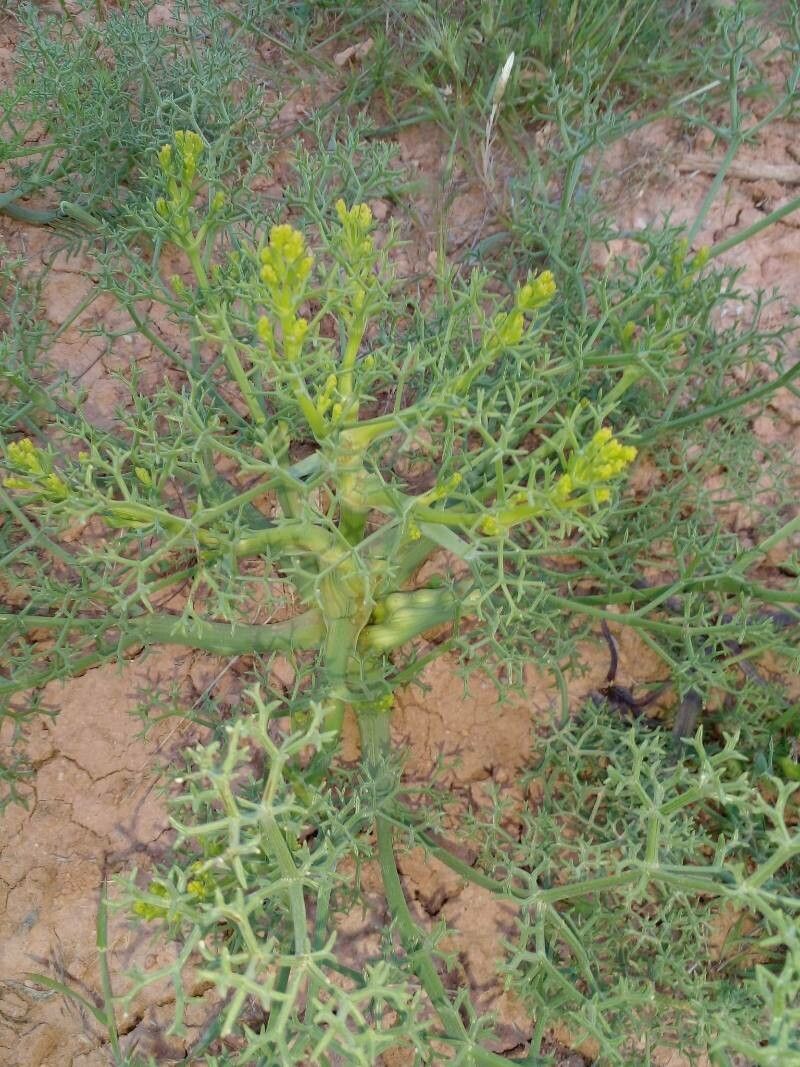
Echinophora spinosa, the prickly parsnip, is a species of plant in the genus Echinophora found in Europe.
Spiny echinophora has strong disease resistance and is generally unlikely to develop illnesses. However, it can be vulnerable to pests and diseases present in its environment, though these infections are usually mild. For care, this plant needs a moderate level of attention. It should be pruned regularly to keep a good appearance and encourage healthy growth. Fertilizing can also help stimulate flowering. Spiny echinophora is well suited for anyone with an outdoor space, such as a garden or patio, and does not demand a lot of care experience. It may need more attention when grown indoors.
How to keep Echinophora Spinosa.
Light
Spiny echinophora is a perennial herbaceous plant that favors sunny sites and is native to open habitats, often found growing in meadows and grasslands. It prefers full sun but can tolerate partial sun.
Water
Spiny echinophora, a plant native to the Mediterranean region, thrives in dry, drought-tolerant conditions. To care for it, water sparingly, about once a week. The plant prefers full sunlight and well-draining soil, similar to coastal sands, to prevent excess moisture around its roots.
Temperature
Spiny echinophora can tolerate a wide variety of temperature conditions, although its range may be restricted by specific combinations of moisture and heat. It performs best in warm summer climates with enough rain or supplemental watering. Long periods of cloudy, rainy weather or extended high temperatures can increase the risk of Spiny echinophora dying. In winter, suitable protection from cold can enhance the plant’s survival rate.
Fertilizer
For Spiny echinophora, one fertilizer application in spring is generally enough, though repeated feedings can enhance growth. Apply fertilizer every month to six weeks. Fertilizing improves the leaves' appearance and function, helping maintain uniform color and a healthy texture. It also promotes root development and nutrient uptake, supporting the plant's long-term health.
Pruning
Spiny echinophora benefits from pruning between early and late spring, with an emphasis on removing dead or damaged branches. Light pruning helps maintain the plant's shape and prevents stress. This practice enhances air circulation, reduces the risk of disease, and promotes vigorous growth as the plant comes out of dormancy.
Botanical profile.
- Plant Type
- Herb
- Life Cycle
- Perennial
- Genus
- Echinophora
- Family
- Apiaceae
- Hardiness Zone
- 7-10
- Mature Height
- 49 cm
- Mature Spread
- 40 cm to 76 cm
- Leaf Color
- Green
- Leaf Type
- Semi-evergreen
- Flower Color
- White
- Flower Size
- 0.25 cm to 0.51 cm
- Bloom Time
- Summer
- Planting Time
- Spring, Summer, Autumn
- Harvest Time
- Late summer, Early fall, Mid fall
- Native Area
- Italy, Spain, Montenegro, Greece, Croatia, France
Other names.
Reader questions.
What are the sunlight requirements for Spiny echinophora (Echinophora spinosa)?
Spiny echinophora (Echinophora spinosa) thrives in conditions where it can receive varying amounts of sunlight throughout the day. For optimal growth, it requires 'Full sun,' which is defined as receiving more than six hours of sunlight daily. However, it can also tolerate 'Partial sun,' meaning it can grow adequately with about three to six hours of sunlight each day. It's important to observe the movement of sunlight through your garden to identify spots where the balance of light and shade will best support the plant's health and happiness.