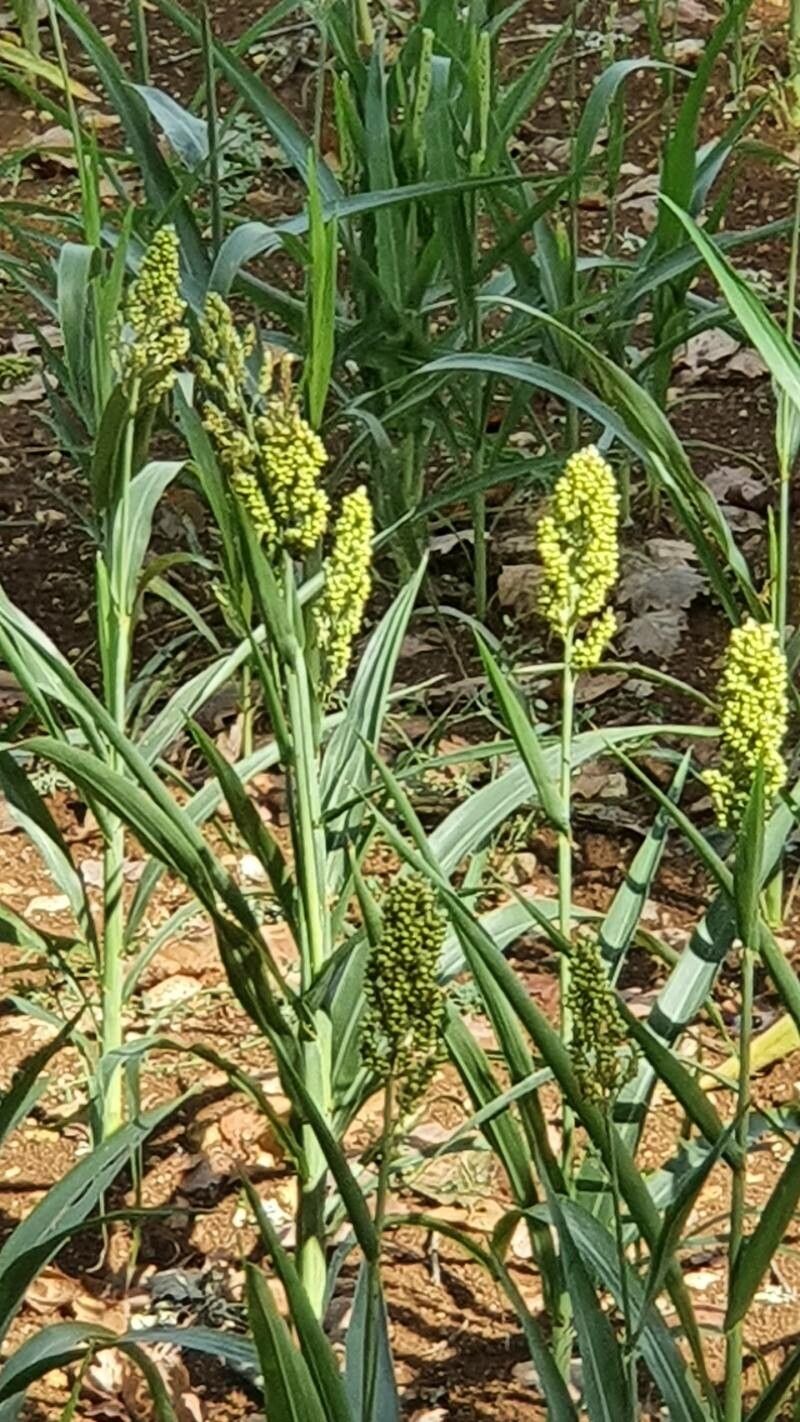
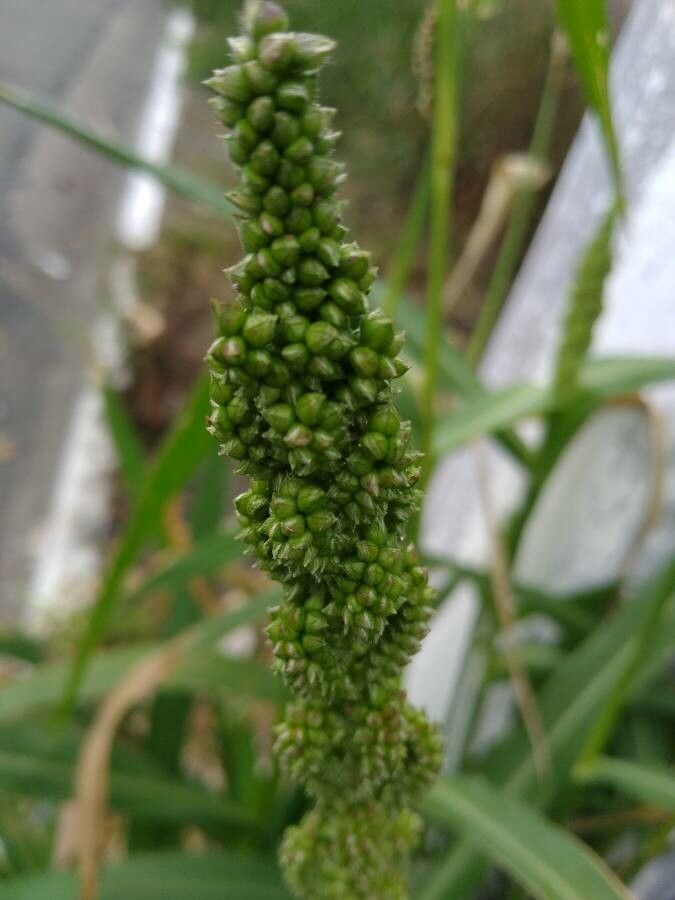
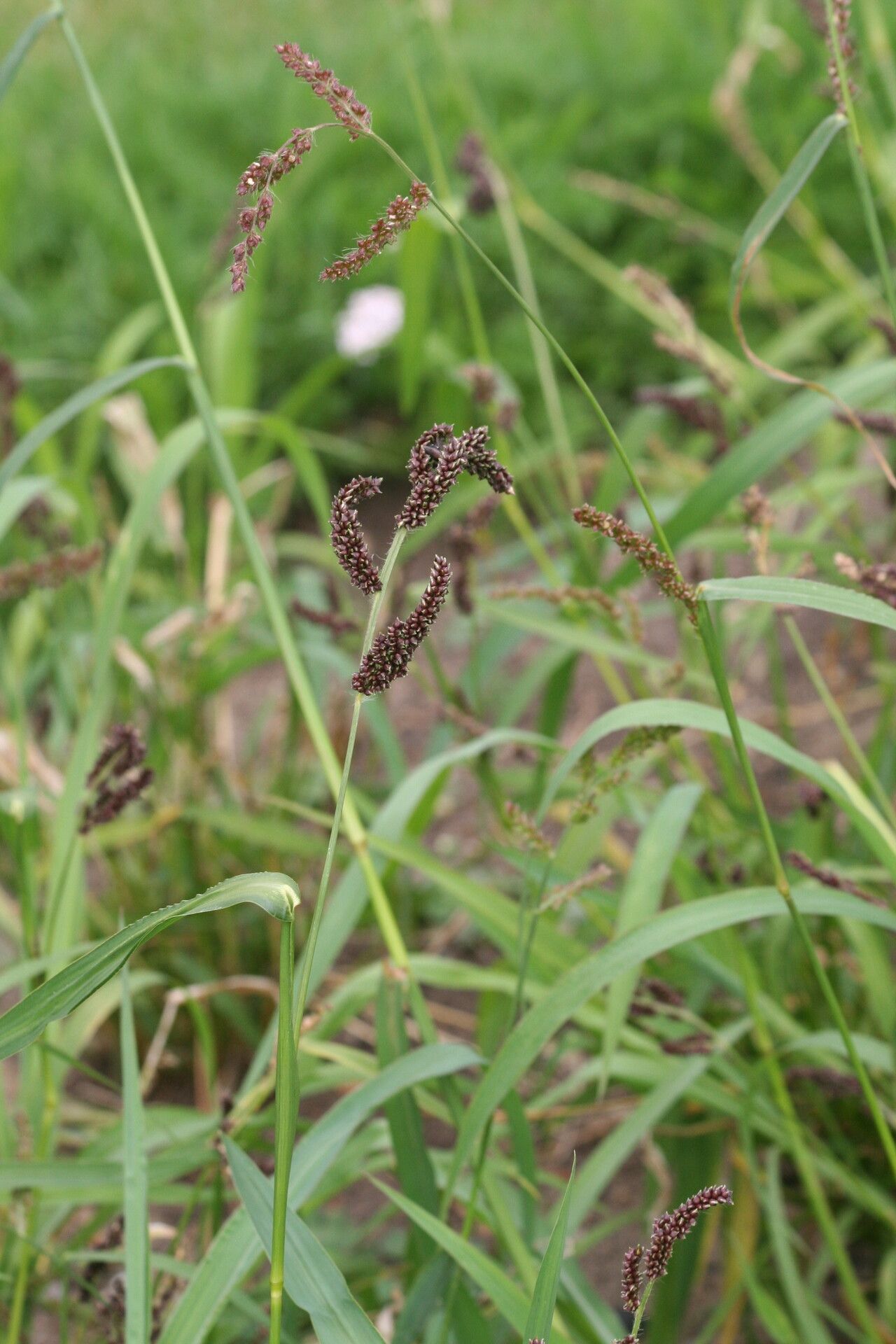
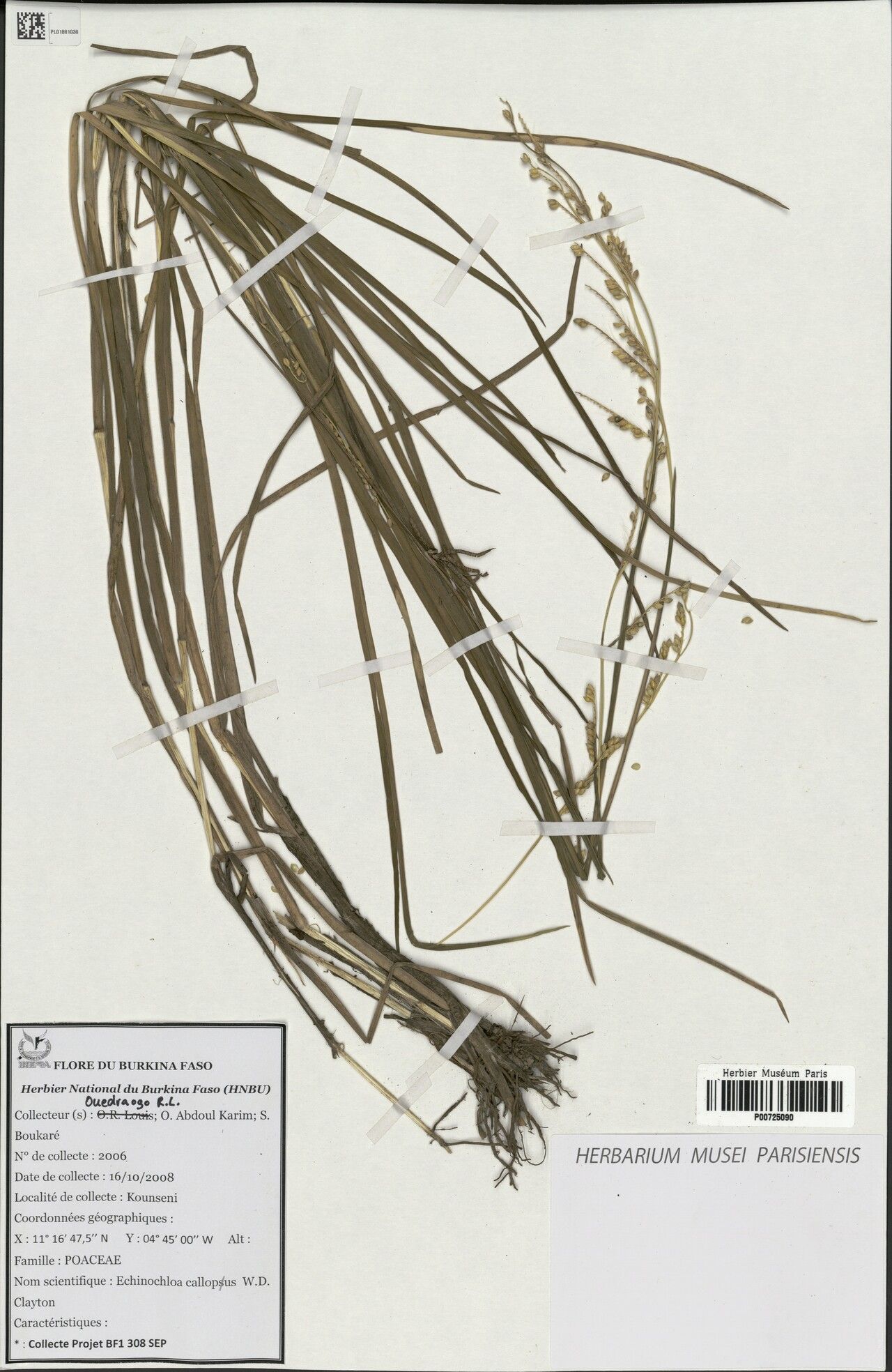
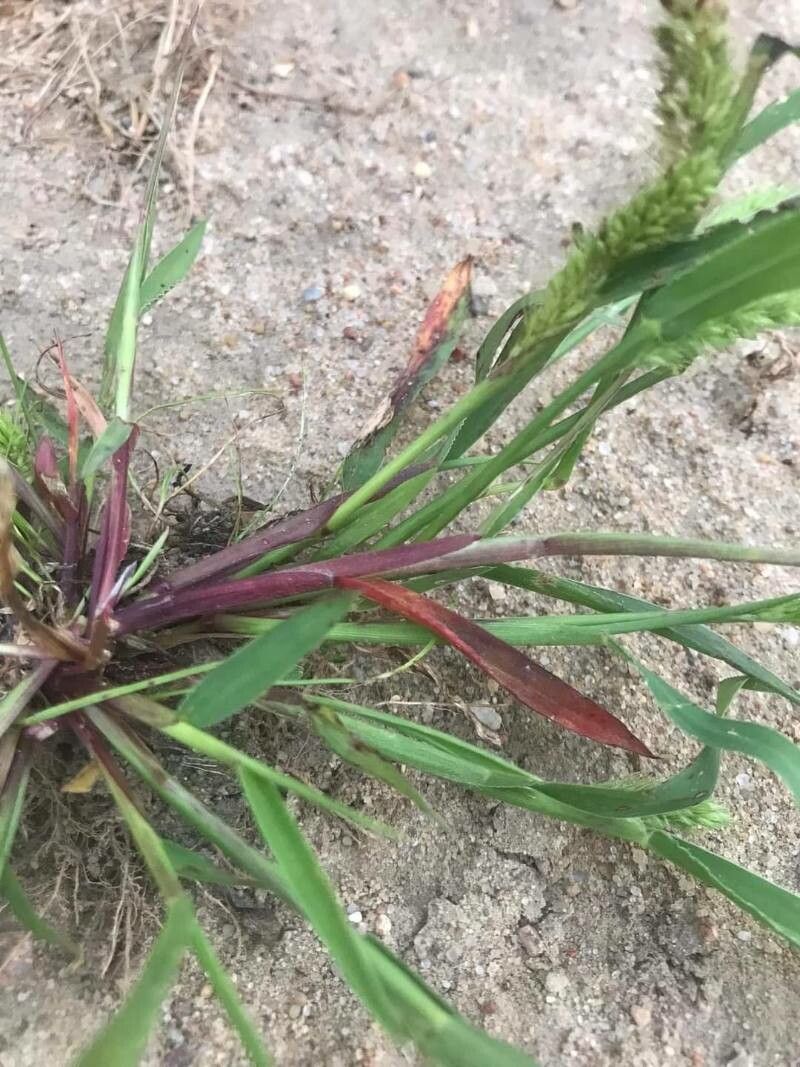
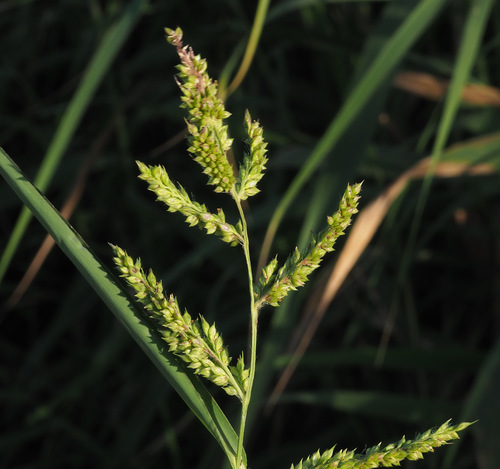
Echinochloa frumentacea (Indian barnyard millet, sawa millet, or billion dollar grass) is a species of Echinochloa. Both Echinochloa frumentacea and E. esculenta are called Japanese millet. This millet is widely grown as a cereal in India, Pakistan, and Nepal. Its wild ancestor is the tropical grass Echinochloa colona, but the exact date or region of domestication is uncertain. It is cultivated on marginal lands where rice and other crops will not grow well. The grains are cooked in water, like rice, or boiled with milk and sugar. Sometimes it is fermented to make beer. While also being part of staple diet for some communities in India, these seeds are, in particular, (cooked and) eaten during religious fasting (willingly abstaining from some types of food / food ingredients). For this reason, these seeds are commonly also referred to as "vrat ke chawal" in Hindi (i.e., "rice for fasting", literally). Other common names to identify these seeds include oodalu (ಊದಲು) in Kannada, Shyamak (শ্যামাক) or Shyama Chal (শ্যামা চাল) in Bangla, jhangora in the Garhwal Hills, bhagar (भगर) in Marathi-speaking areas, samo or morio (mario, moraiaya) seeds in Gujarati, or kuthiraivaali (குதிரைவாளி) in Tamil.
Billion-dollar grass is highly resistant to disease and typically doesn't suffer from illnesses. In terms of care, this plant is fairly low-maintenance. When grown outdoors it needs only light watering, and mature plants usually don't require pruning. However, smaller specimens should be trimmed after they have finished blooming. Billion-dollar grasst is appropriate for anyone with an outdoor area, such as a garden or deck, and doesn't demand a lot of plant-care experience.
How to keep Echinochloa Frumentacea.
Light
Billion-dollar grass comes from bright, open habitats where it does best in full sun. It can tolerate partial sun but favors direct sunlight for optimal growth. This plant, which is annual or biennial, is noted for its sun-loving nature.
Water
Billion-dollar grass flourishes in tropical climates, where it prefers consistent moisture but can endure brief periods of dryness. To promote healthy growth, it should be watered weekly. Being an outdoor plant, it benefits from natural rainfall during the growing season, which helps meet its hydration needs.
Temperature
Billion-dollar grass can tolerate a broad range of temperatures, but its distribution may still be restricted by different combinations of moisture and heat. It grows best in warm summer climates with sufficient rainfall or irrigation. Extended periods of cloudy, rainy weather or prolonged high temperatures increase the likelihood of Billion-dollar grass dying. In winter, protecting it from cold can improve its survival rate.
Fertilizer
For best growth, Billion-dollar grass needs three fertilizer applications: before planting, one month after seedlings emerge, and a final application 1 to 1.5 months after the second. Some varieties of Billion-dollar grass also benefit from extra fertilizer at planting to promote rapid growth.
Botanical profile.
- Plant Type
- Grass
- Life Cycle
- Annual
- Genus
- Echinochloa
- Family
- Poaceae
- Hardiness Zone
- 5-9
- Mature Height
- 1.83 m
- Mature Spread
- 30 cm to 49 cm
- Leaf Color
- Green, Dark Green
- Leaf Type
- Deciduous
- Flower Color
- Yellow, Green, Purple, Brown
- Flower Size
- 0.20 cm to 0.51 cm
- Bloom Time
- Mid summer, Late summer
- Planting Time
- Spring, Summer, Autumn
- Harvest Time
- Late summer, Early fall
- Native Area
- Russia, Saudi Arabia, Afghanistan, Sri Lanka, India, Cambodia, Myanmar, Zimbabwe, Namibia, Pakistan, Thailand, Tanzania, China
Other names.
Reader questions.
What should I do if I give my expensive grass too much water or not enough water?
Proper watering is essential for this beautiful ornamental grass to thrive. When planted in the ground, watering issues can be easily resolved. However, in a container, excessive or insufficient water can quickly lead to the death of this valuable grass. When the grass doesn't receive the appropriate amount of water, it may cease to grow. Overwatering can cause yellow leaves with brown tips, while underwatering can result in drooping leaves, weak seed head production, and browned leaves. If you suspect that your grass has been watered incorrectly, first determine if there is too much or too little water. If it's receiving too much water, stop watering immediately. Keep in mind that it may take several weeks for heavily compacted soil to dry out, so be patient. Once you notice new growth, test the soil to determine if it needs additional water. If the grass is receiving too little water, simply give it a deep drink and observe if it perks up. Remember, a long and deep watering is always better than frequent shallow waterings. This encourages the grass to develop deep roots, making it more resistant to drought and less susceptible to water-related problems.
How many hours of sunlight does Billion-dollar grass need each day to grow well?
In order to ensure the health of the plants, it is important to provide them with at least 6 to 8 hours of sunlight every day. Ideally, they should receive more exposure to the morning light, especially during the summer. The Billion-dollar grass specifically requires full sun and benefits from as much sunlight as possible. The more light these species receive, the better they can produce food, display stunning blooms, and thrive.
What temperature is best for Billion-dollar grass?
The best temperature for Billion-dollar grass depends on the time of year, with different temperature requirements for the growing season and the dormancy season. During the growing season, which is when the grass starts to sprout, the ideal temperature range is 65-80℉ (18-27℃). If it gets colder than 15℉ (-10℃), the plant will suffer and its leaves may brown and wilt. However, if it's just a short cold snap, the grass may survive with some assistance. During the warmer parts of the year, it's important to protect the grass from temperatures that are too high. The upper limit for Billion-dollar grass is 95-105℉ (35-40℃). Anything above that will harm the foliage and blooms of the grass, causing wilting, drooping, and even sunburn on the leaves, which can be hard for the grass to recover from. Luckily, there are simple and effective ways to address this issue.
How often do I need to water my valuable grass?
The watering needs of Billion-dollar grass will vary depending on where it is planted. Generally, it is recommended to water this grass every week. However, in hot climates, watering once or twice a week during the summer might be necessary. In moderate climates, watering once every seven days or more may be sufficient. Grass in containers typically requires more frequent watering compared to grasses in the ground. The location also matters, as shaded grasses need to be watered less frequently than those grown in the ground. To determine when to water, there are a few key signs to look for. Pressing your finger a couple of inches into the soil will indicate if it is dry. For potted grass, you can also weigh the grass or feel the pot to determine if it is light from lack of water. When the roots lack sufficient water, the blades of the grass may appear folded along their centers and thinner than usual. Although Billion-dollar grass is drought tolerant, regular, deep waterings will result in a beautiful color. In its natural habitat, Billion-dollar grass grows in open scrubland, exposed to extreme heat, bright sun, and intermittent rain. Despite its drought resistance, this grass requires care and attention. Gardeners agree that consistent watering is beneficial for its thriving. When first planted, additional water is needed until the grass develops deep roots. Potted Billion-dollar grass tends to dry out quickly, especially if exposed to hot, direct sun for a significant part of the day. Testing the soil every 3 to 4 days and watering only when it feels dry is recommended. In-ground Billion-dollar grass generally requires less watering, but it depends on the soil type. Heavy clay soil can hold water for a long time, appearing dry on the surface while still retaining moisture below ground. Sandy soils that drain quickly will need more frequent watering.
What kind of sunlight does Billion-dollar grass need?
The Billion-dollar grass thrives in full sunlight, so it's important to avoid overcrowding them. This ensures that all parts of the plant receive an equal amount of sunlight, preventing the leaves from being deprived of sunlight. If you are planting them in pots, place them in windows with direct sun to give the herbaceous flowers the exposure they need. Regardless of the time of year, it's crucial to provide the Billion-dollar grass with full sunlight and avoid partial or filtered light. This will promote sturdy stems and healthy flowers. Ideally, the Billion-dollar grass should always be kept in the sun.
The temperature needed for the first year or young Billion-dollar grass.
If it's the first year of your Billion-dollar grass and it's a new plant, it will need extra care in the coldest months. Frost can seriously damage the grass and prevent it from growing back healthy in the spring. To keep it safe, make sure the temperature stays above 40℉(5℃) before it's fully established. You can do this by bringing it inside or using mulch or fabric to protect it from frost. During the first year or two, it's also a good idea to plant the grass in a shadier area. Smaller and weaker plants have a harder time regulating their temperature in the heat, so limit direct sunlight to no more than five hours a day, especially if the temperature goes above 80℉(27℃). To control summer heat, use shadecloth and water or mist the grass regularly.
What things should I be cautious about when watering my expensive grass at different times of the year, in different weather, or during different stages of growth?
Monitoring the rate of growth of your grasses can help determine if you are watering enough. During the hottest months, billion-dollar grass can double in size within a year. If the weather is hot but the grass is not growing vigorously, it may be necessary to adjust your watering schedule. In winter, you can potentially water only once a month, but it's still important to check the soil for moisture. During the growth cycle in warm months, the grass will require more water than usual. However, during winter and cooler months, the need for water will significantly decrease. Remember to let the soil dry out completely before watering the billion-dollar grass.
Does sunlight harm plants? How do you prevent Billion-dollar grass from getting damaged by the sun and heat?
When the temperature rises above 90℉(32℃), the Billion-dollar grass can be damaged by extreme temperatures, especially if it's exposed to many hours of sun. To prevent this, it's ideal to provide some shade in the afternoon during the summer. It's important to remember that summer sunlight is stronger and exposure is 50% longer than in the winter. If the Billion-dollar grass is stressed from sunlight, it's best to keep it fully hydrated. Water the grass when the top of the soil is about 2 inches dry, and if it's too hot outside, consider moving the plants indoors if they are planted in containers. It's normal for the plant leaves to wilt during the day, as they usually recover at night. However, if you notice that the Billion-dollar grass is still drooping, it means the plant is losing water quickly and needs to be watered.
How do I keep my expensive grass safe from very hot or very cold weather?
If cold temperatures below 15℉(-10℃) occur during the growing season, there are measures you can take to protect Billion-dollar grass from frost or cold damage. If you're growing it in a container, simply bring the container inside in bright, indirect light until temperatures rise above the lower threshold. For ground-planted Billion-dollar grass, use mulch or horticultural fabric as an insulated barrier around the plant to protect it from frost and cold wind. For temperatures hotter than 80℉(27℃) during the day, limit exposure of Billion-dollar grass to six hours or less of sunlight per day, preferably in the morning. Use shade cloth or fine plastic mesh to reduce direct sunlight during the hottest parts of the day. Installing a misting system that releases cooling mist around the base of the plant can also lower ground temperatures during the day.
Do I need to protect expensive grass from the sun?
The Billion-dollar grass thrives in the sun and prefers to be planted in south-facing gardens where they can be exposed to morning to afternoon sunlight. However, it's important to note that while sunlight is beneficial for these plants, some species may experience sunburn. To protect them, you can provide shade in the afternoon and midday by placing them under a tree or near a wall. It's not possible to grow the Billion-dollar grass in shady areas as the larger flowers require a lot of energy to grow and produce. For optimal results, always ensure they are placed in an area with full sun.
Suggestions for the ideal temperatures during the dormant season for Billion-dollar grass.
During the cold winter months, Billion-dollar grass needs cold temperatures to stay dormant until it's time to sprout. Sprouting too early, especially if there's a frost, can be fatal. Ideally, winter temperatures should be below 32℉(0℃), but if they reach 40℉(5℃), it's still okay. In more temperate climates, like woodland rainforests, a warm spell can cause premature sprouting. In this case, if there's still a risk of frost, you can cover the grass with clear plastic on stakes to protect it. This can be removed when the frost danger has passed. Sometimes, Billion-dollar grass will resprout naturally, but using this method improves the chances of a successful second sprouting.
What happens if Billion-dollar grass doesn't get enough sunlight?
When the Billion-dollar grass does not receive enough sunlight or is placed in areas with partial sun, several effects occur. Firstly, the photosynthetic process slows down. Secondly, the stems become leggy, thin, and long as they try to reach more sunlight. This leggy growth results in a lack of blooming and seed production in shaded areas. Additionally, insufficient sunlight leads to older leaves dying, new leaves appearing lighter in color compared to the old foliage, and smaller new growth. While the Billion-dollar grass thrives in the sun, excessive heat and ultraviolet light during the summer can cause wilting. To protect the grass from scorching, it is advisable to use a net with a green shade for coverage, especially in the summer. When the grass is indoors, a fan can help reduce heat.