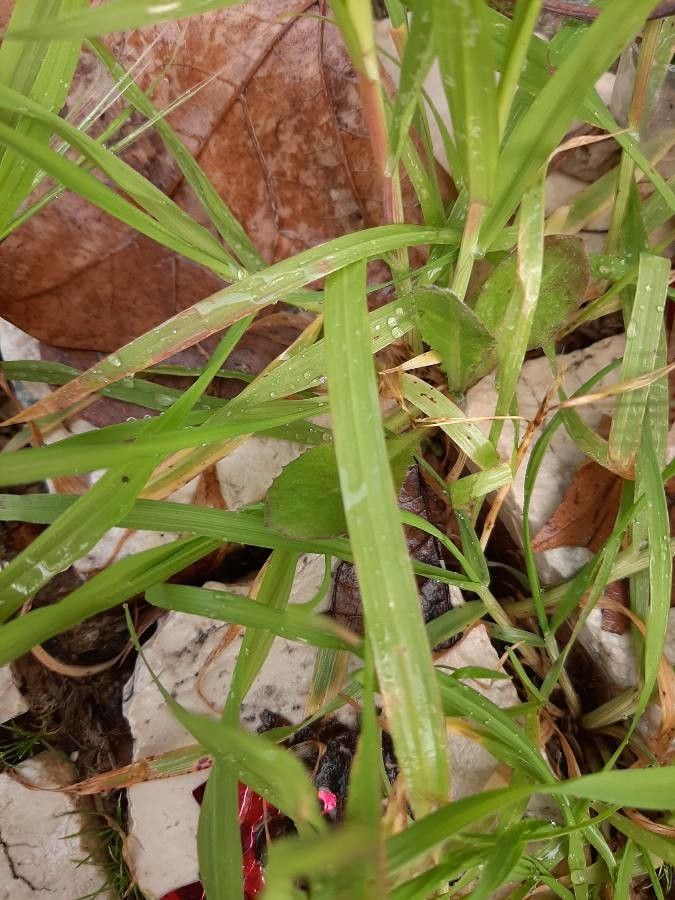
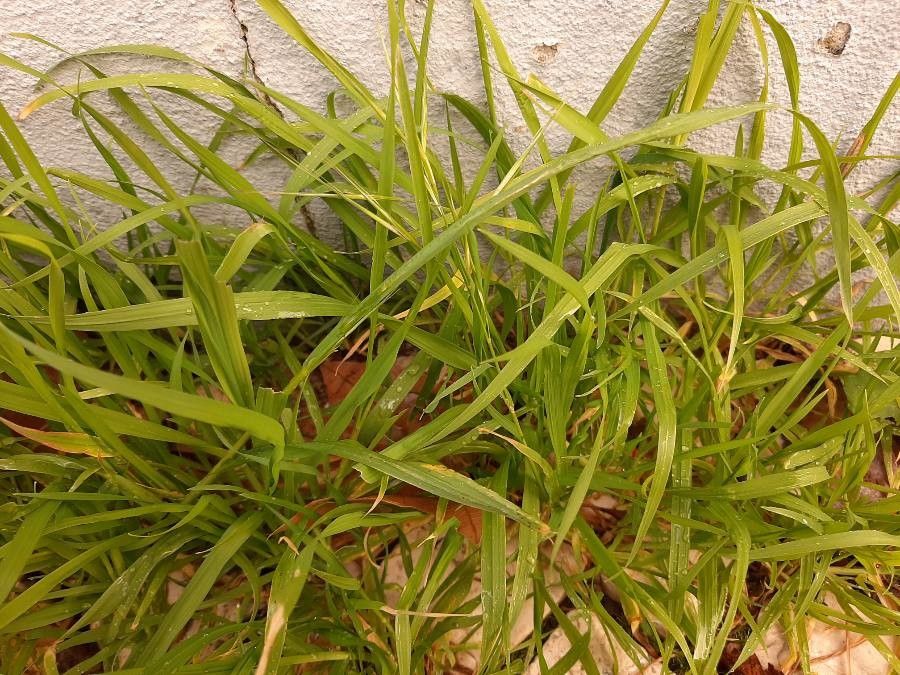
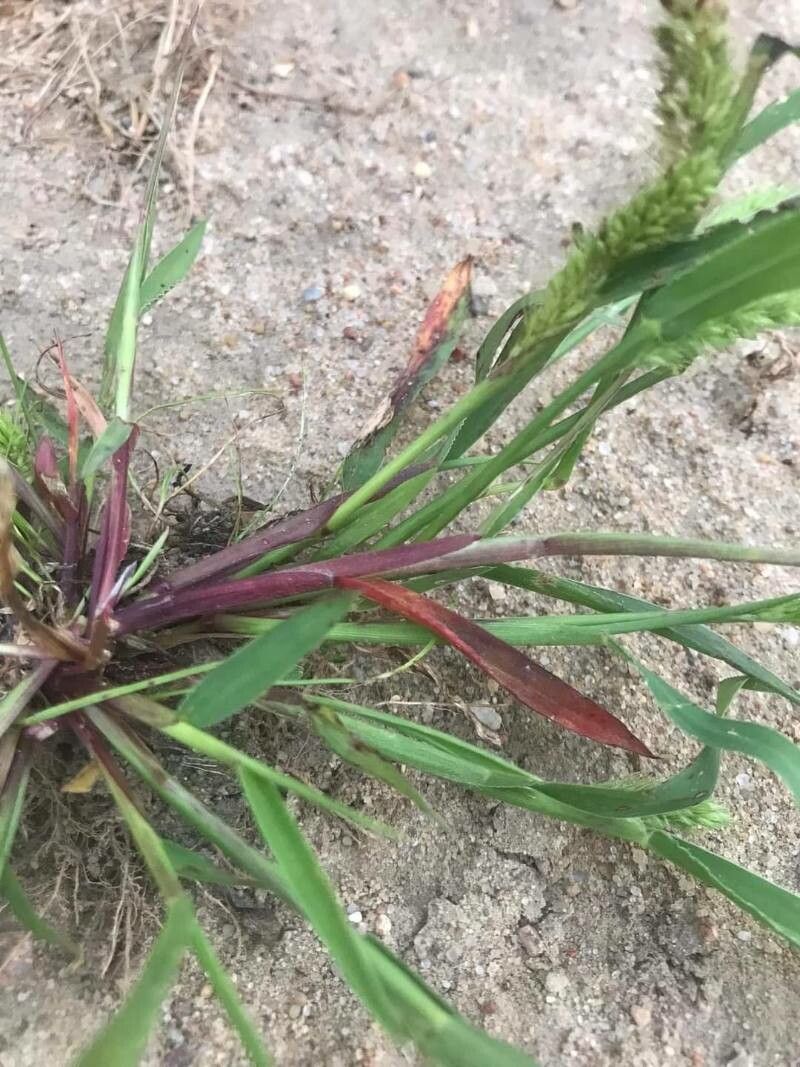
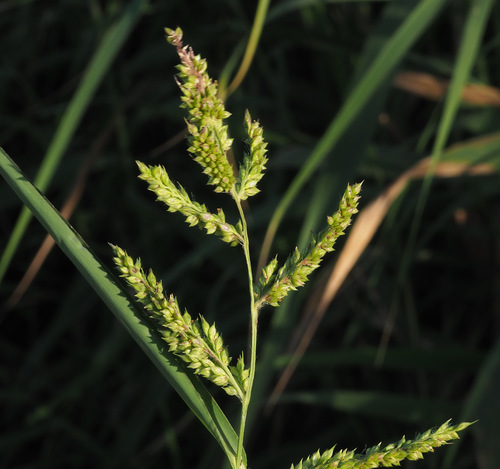
Echinochloa esculenta, commonly known as Japanese barnyard millet or Japanese millet, is an annual grass species belonging to the Poaceae family. Native to East Asia, it has been cultivated for thousands of years as a food crop in China, Japan, Korea, and other parts of Asia.
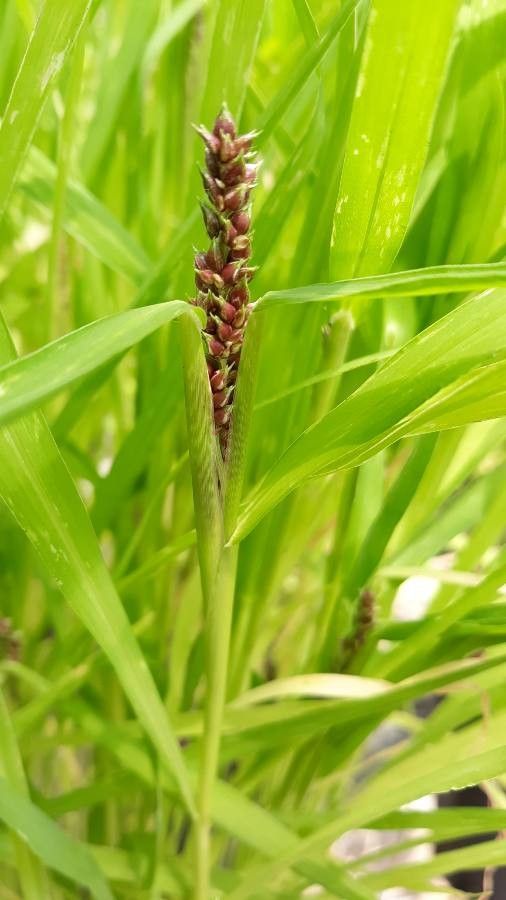
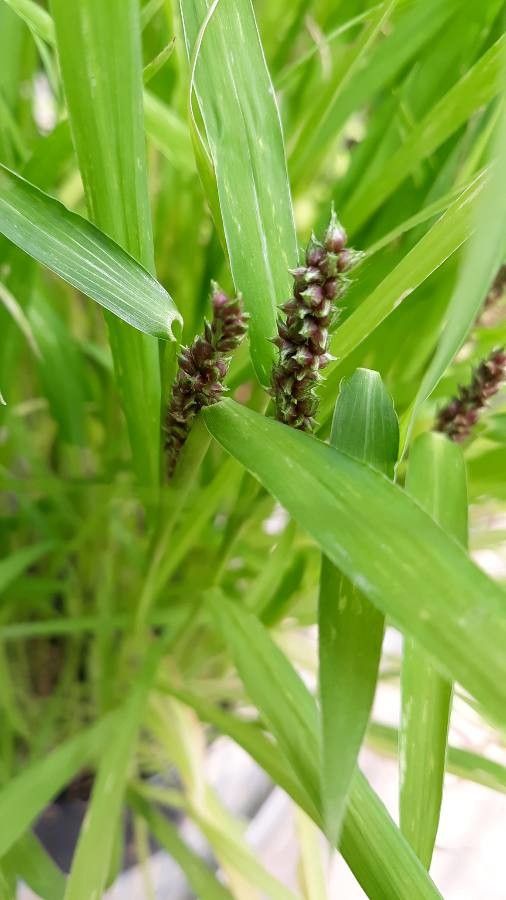
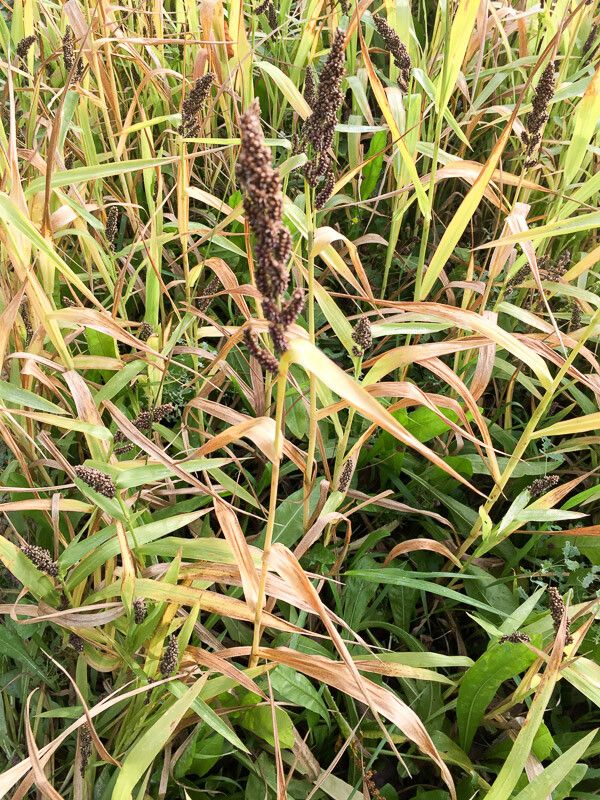
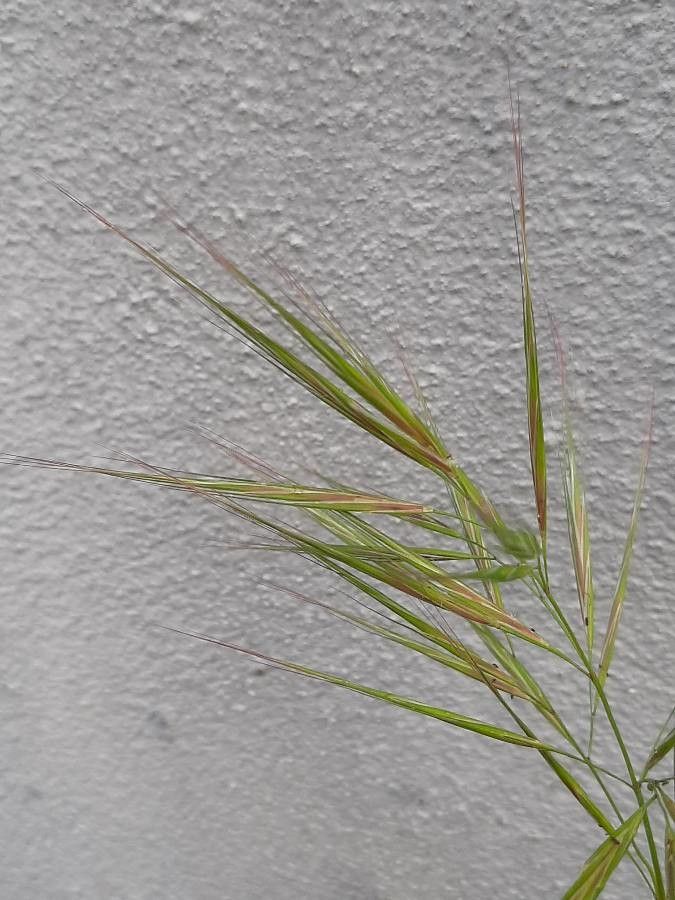
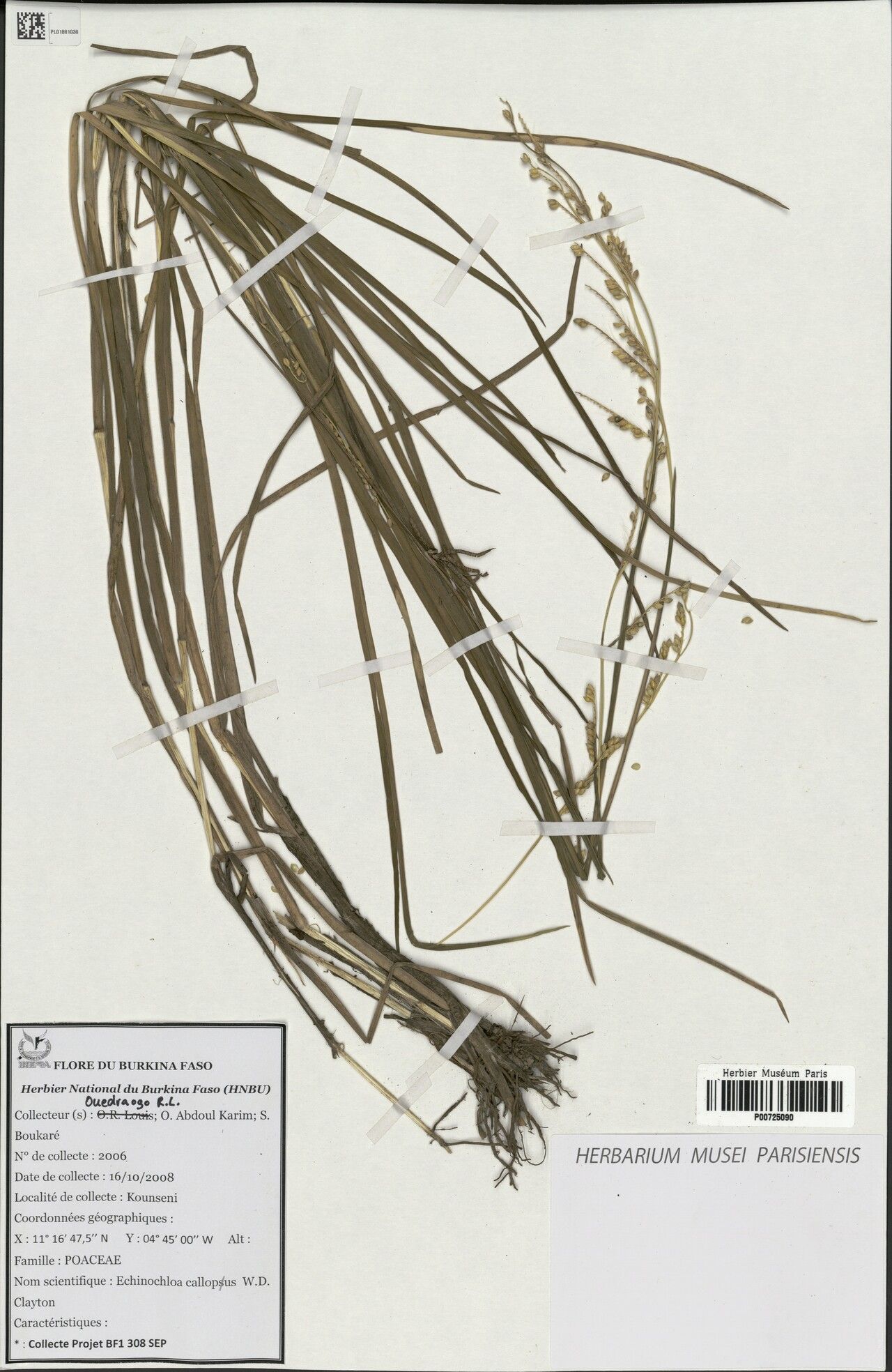
The plant reaches a height of 1-2 meters, featuring a slender stem with long leaves up to 30 cm in length. Its inflorescence is a panicle adorned with numerous spikelets that contain small seeds used for food purposes.
Echinochloa esculenta is highly nutritious, rich in protein, fiber, and essential minerals such as iron and calcium. It can be cooked similarly to rice or incorporated into soups and stews.
Apart from its use as a staple food crop, Echinochloa esculenta also possesses medicinal properties, including anti-inflammatory effects.
The plant thrives under various soil conditions but prefers moist, well-drained soil. It can be grown from seeds during the warm summer months.
Overall, Echinochloa esculenta is a significant crop species, valued both for its nutritional benefits and its cultural importance in East Asian countries, where it has been cultivated for centuries.
Japanese millet has strong resistance to disease and is generally unlikely to suffer from illnesses. In terms of upkeep, this plant is fairly low-maintenance. When planted outdoors it needs little watering, and larger specimens typically do not require pruning. Smaller plants, however, should be pruned after they finish blooming. Japanese millet is suitable for anyone with outdoor space, such as a garden or deck, and does not demand extensive gardening experience.
How to keep Echinochloa Esculenta.
Light
Japanese millet is native to open, sun-lit spaces where it flourishes under direct sunlight. Though it can manage with partial sunlight, it primarily thrives in areas bathed in full sun for the best growth. The plant, which can have an annual or biennial life cycle, is recognized for its inclination towards sunny conditions.
Water
Japanese millet thrives in environments with consistent moisture, preferring soil that remains evenly moist without becoming waterlogged. Weekly watering is ideal for this plant. It is best suited for outdoor cultivation, where natural rain patterns can support its growth cycle by providing the necessary water.
Temperature
Japanese millet can adjust to varying temperature environments, although its range may still be restricted by specific combinations of heat and water conditions. It flourishes optimally in warm summer climates with sufficient rain or irrigation. Extended durations of overcast and wet weather, as well as constant high temperatures, can raise the chances of Japanese millet perishing. In cold months, sufficient safeguards against freezing temperatures can enhance the plant's likelihood of survival.
Fertilizer
To grow best, Japanese millet requires fertilization at three key stages: prior to planting, approximately a month following the sprouting of the seedlings, and a last application approximately 1 to 1.5 months after the second treatment. Some types of Japanese millet may experience enhanced growth with additional fertilization at the time of planting.
Pruning
Japanese millet grows quickly and develops dense foliage. It requires regular pruning from early to late spring. Effective techniques include thinning clusters to improve air circulation and removing dead stems. These practices promote healthy growth, reduce the risk of disease, and ultimately enhance productivity and crop yields.
Botanical profile.
- Plant Type
- Grass
- Life Cycle
- Annual
- Genus
- Echinochloa
- Family
- Poaceae
- Hardiness Zone
- 5-10
- Mature Height
- 0.61 m to 1.22 m
- Mature Spread
- 30 cm to 61 cm
- Leaf Color
- Green, Dark Green
- Leaf Type
- Deciduous
- Flower Size
- 0.25 cm to 0.51 cm
- Bloom Time
- Mid summer, Late summer
- Planting Time
- Spring, Summer
- Harvest Time
- Late summer, Early fall, Mid fall
- Native Area
- Russia, Afghanistan, China
Other names.