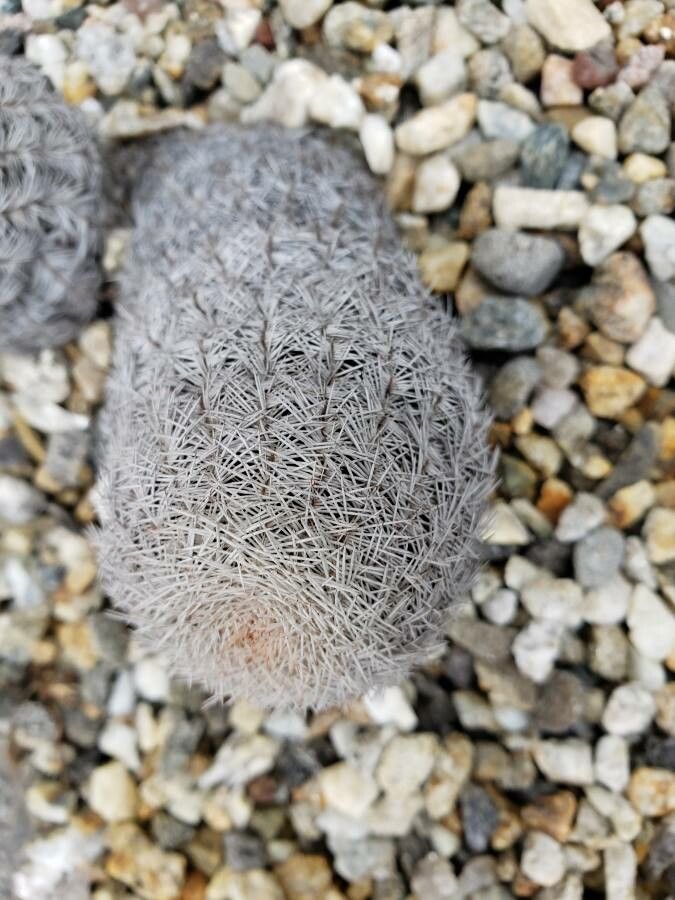
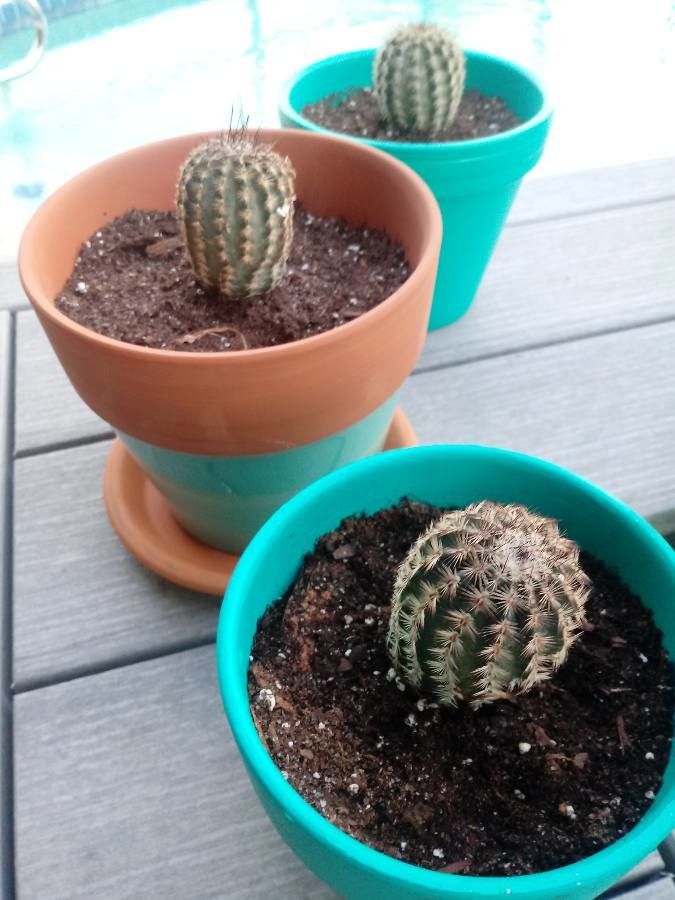
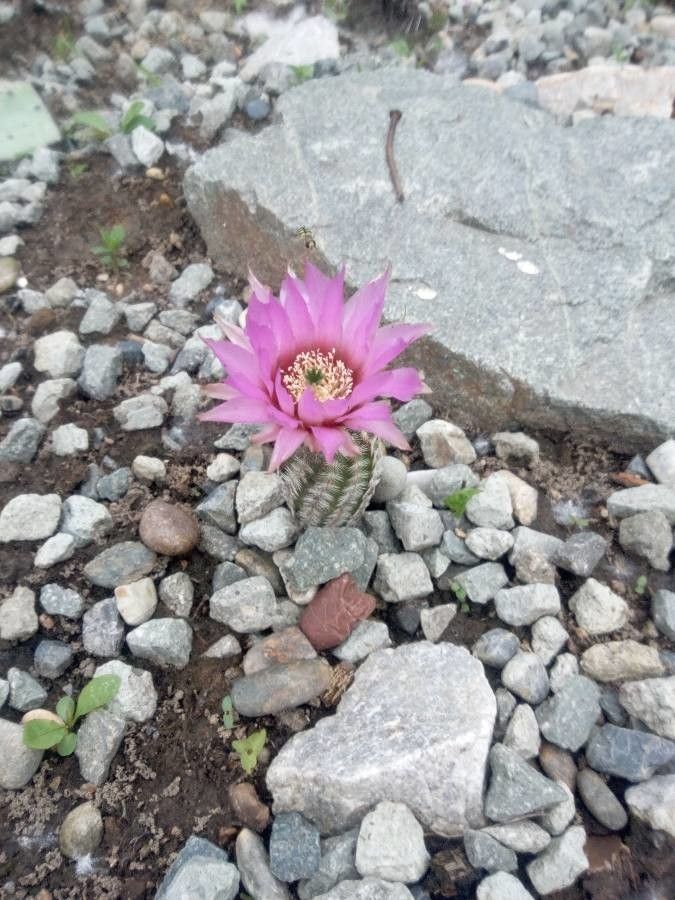
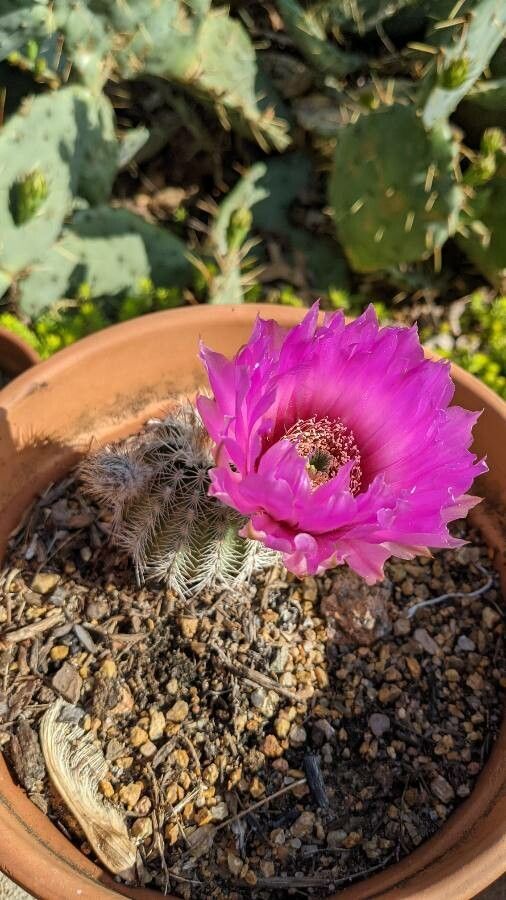
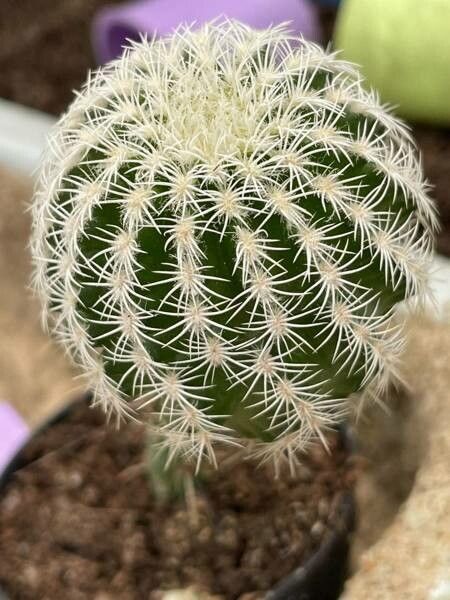
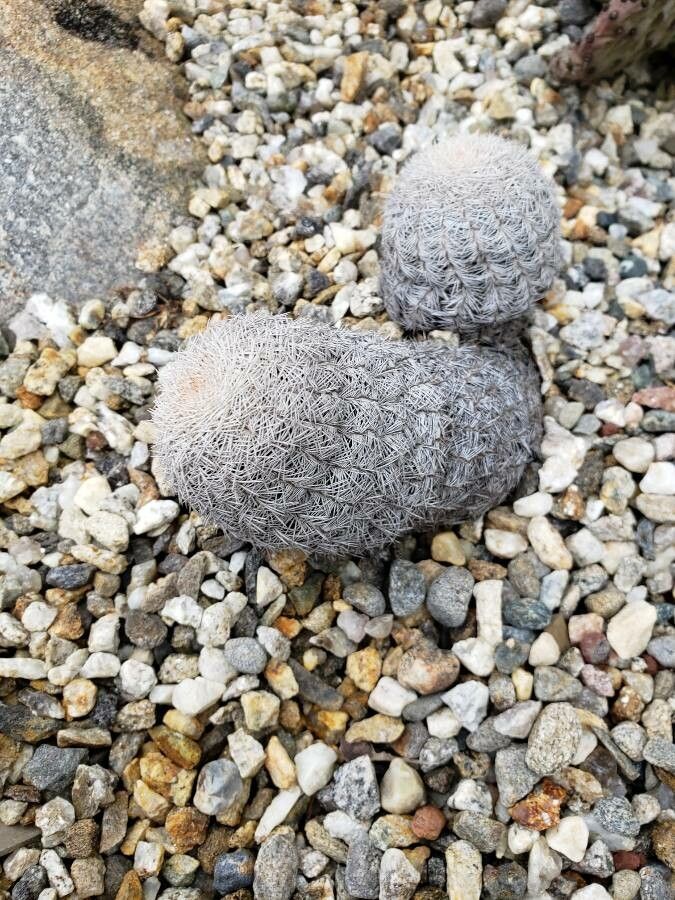
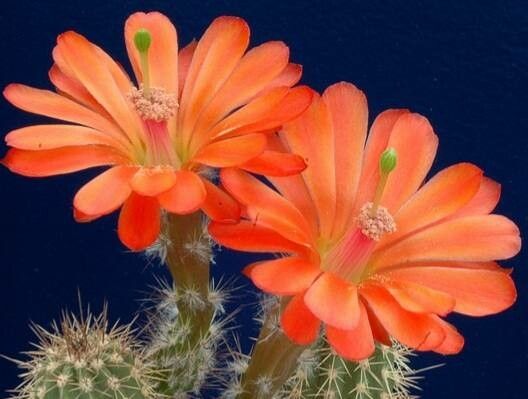
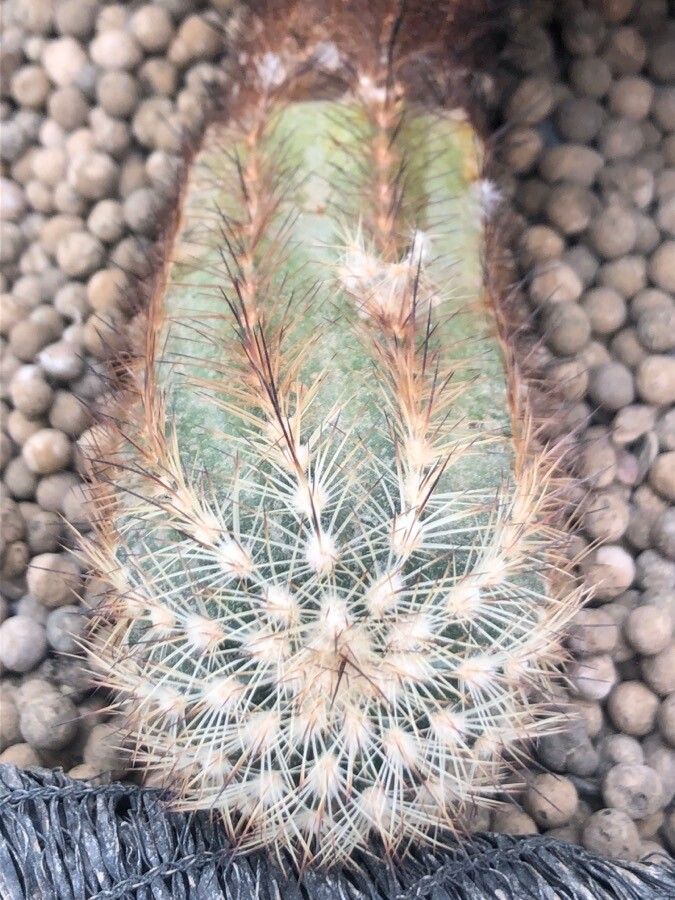
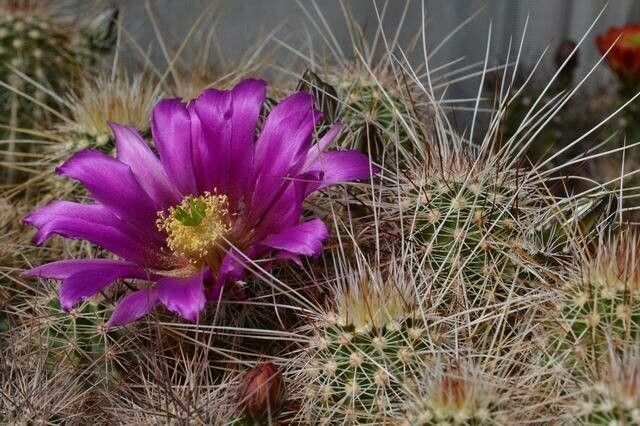
Echinocereus reichenbachii (commonly known as lace or hedgehog cactus) is a perennial plant and shrub in the cactus family. The species is native to the Chihuahuan Desert and parts of northern Mexico and the southern United States, where they grow at elevations up to 1,500 meters (4,900 ft). This cactus earned the Royal Horticultural Society's Award of Garden Merit. E. reichenbachii is one of the smaller Echinocereus species. They reach 7.5 to 30 centimetres (3.0 to 11.8 in) tall and 4 to 10 centimetres (1.6 to 3.9 in) wide. Plants are solitary or clustered in as many as 12, with erect stems that have 10 to 19 ribs. The stems are dark green and often obscured by the spines, which range from tan, brown, black, or pink, and the tips are usually darker than the shaft. The areoles are elliptical or oval, with seven to 36 spines each. The purple or pink flowers bloom in early May to late June, growing to approximately 4.5 to 8 centimetres (1.8 to 3.1 in) by 5 to 10 centimetres (2.0 to 3.9 in). E. reichenbachii are cold and heat tolerant, and prefer dry, well-drained soils near rock outcroppings.
Lace Hedgehog Cactus has strong resistance to diseases and generally remains healthy under typical care conditions. Still, it can be vulnerable to mealybugs; these pests may cause some harm but are usually not a major danger. Regarding care, Lace Hedgehog Cactus is drought-tolerant and does not require frequent watering. It can handle extended intervals without water and needs little fertilizer. However, if lighting is poor and the plant is overwatered, it is very prone to root rot. In general, Lace Hedgehog Cactus is a good choice for people who prefer low-maintenance plants, though it’s important to know and meet its basic requirements. It is especially appropriate for those who are often away for long periods and might forget to water regularly.
How to keep Echinocereus Reichenbachii.
Light
The lace Hedgehog Cactus performs best with a generous amount of sunlight but can also tolerate slight shade. Constant full sun is optimal for its growth and wellbeing, encouraging healthy development. Excessive sun exposure can cause stunted growth, whereas inadequate light may lead to poor flowering. It comes from a habitat in which intense sunlight is the norm.
Water
The Lace Hedgehog Cactus is well-suited for arid environments, requiring only minimal watering—about once every three weeks. It efficiently stores moisture, allowing it to thrive in dry conditions. This makes it an excellent choice for xeriscaping. The cactus also benefits from occasional rainwater, mirroring its natural adaptation to the seasonal rainfall typical of desert climates.
Temperature
The Lace Hedgehog Cactus originates from arid areas where temperatures range from 41 to 100 °F (5 to 38 ℃). It favors a temperate climate with distinct seasonal variations. Temperature adjustments may be needed during extreme summer or winter conditions.
Fertilizer
The Lace Hedgehog Cactus needs only light doses of fertilizer 1-2 times a year during the growing season. Do not fertilize in winter or summer when it is dormant. Reduce fertilizer for repotted plants and wait a couple of months after repotting before applying fertilizer. Fertilizing helps support healthy growth and encourages blooms.
Pruning
The Lace Hedgehog Cactus requires minimal pruning. You should primarily focus on removing any withered flowers and branches. Doing so helps the plant direct nutrients effectively towards healthy growth.
Pot & Repot
Repot the Lace Hedgehog Cactus in spring or summer, choosing a pot slightly larger than the current one with good drainage. Use a sandy or gritty cactus mix that drains well. Handle it carefully to avoid the spines. Allow the cactus to dry out before repotting to help prevent root rot. After repotting, wait one week before watering so the roots can heal.
Botanical profile.
- Plant Type
- Succulent
- Life Cycle
- Perennial
- Genus
- Echinocereus
- Family
- Cactaceae
- Hardiness Zone
- 5-11
- Mature Height
- 40 cm
- Mature Spread
- 20 cm
- Leaf Color
- Green
- Leaf Type
- Evergreen
- Flower Color
- Purple, Pink
- Flower Size
- 5.08 cm to 10.16 cm
- Bloom Time
- Mid spring, Late spring
- Planting Time
- Spring, Summer, Autumn
- Harvest Time
- Early summer, Mid summer
- Native Area
- North America, Central America
Other names.
Reader questions.
What should I do if I give my Lace Hedgehog Cactus too much or too little water?
Lace Hedgehog Cactus can survive without water for a long time, so it's rare to find one suffering from underwatering. However, if you forget to water it for a month or more, you'll notice that the cactus looks thirsty and may have some damage. Signs of underwatering include a lackluster and wrinkled appearance, dried up or brown and crispy parts, and completely dried out soil. To remedy underwatering, give the cactus plenty of water by submerging the pot in water for a few minutes until the soil feels moist on the surface. Overwatering is dangerous for Lace Hedgehog Cactus and can be fatal if not addressed. Too much moisture leads to root rot, which hinders nutrient and water absorption. Root rot occurs when wet conditions allow fungi and bacteria to thrive and harm the roots. Symptoms of overwatering include yellow, swollen, and translucent organs that may burst open. If the condition persists, the plant may turn brown or black and easily fall off. To address overwatering, change the growing conditions by improving air ventilation and adjusting the watering frequency. Saving an overwatered plant is challenging but possible if caught early. Start by removing the plant from its pot and inspecting the roots and soil. Gently rinse the roots in room-temperature water to remove any fungus and determine their health. If the roots are dark brown or black, soft, mushy, or slimy, they have likely developed root rot. Removing any unhealthy roots with a sterilized cutting tool is recommended. Dip the remaining firm, pale roots in a fungicide before repotting the cactus in fresh, well-draining soil. This process may help the plant recover, although in severe cases it may be necessary to propagate new plants from healthy stems. By following these steps, the Lace Hedgehog Cactus has a good chance of making a full recovery and producing new growth in the next growing season.
Why should I add fertilizer to my Lace Hedgehog Cactus?
Fertilizing Lace Hedgehog Cactus is beneficial because it adds nutrients to the growing medium. While the cactus does store water and nutrients, applying plant food during the growing season helps promote healthy growth. Additionally, fertilizing can stimulate mature specimens to produce blooms in the growing season.
How much sunlight does the Lace Hedgehog Cactus need to grow? Can it grow with less sunlight?
The Lace Hedgehog Cactus needs a minimum of 6 hours of sun each day, but it can handle more. The exact number of hours may vary depending on sunlight intensity and other factors, but excessive sunlight is unlikely to harm the cactus. In fact, it can tolerate and thrive with up to 14 hours of sun per day.
What temperature is best for your Lace Hedgehog Cactus?
The Lace Hedgehog Cactus thrives best when kept within a specific range of conditions. Ideally, temperatures around 75-90℉ (25-32℃) are perfect for this cactus. During the early winter, it's important to ensure that the temperature doesn't drop below 75℉(25℃) for the Lace Hedgehog Cactus. If the weather gets too extreme, it's recommended to bring the cactus indoors for better protection. While this cactus has the ability to survive in some extreme temperatures, such as lows of 50℉ (15℃), it's not the most ideal situation. Therefore, if there are expected winter conditions outside, it's best to bring the cactus indoors.
What do I need to think about when watering my Lace Hedgehog Cactus?
To properly water your Lace Hedgehog Cactus, there are a few environmental factors to consider. The size and type of container and soil will determine how frequently and how much water to use. It's important to use a container with drainage holes to allow excess water to escape. Smaller containers hold less moisture while larger pots stay wet longer and require less frequent watering. Avoid putting your cactus in an oversized pot to prevent overwatering. When repotting, choose a container that is just one size larger than the current one. Lace Hedgehog Cactus has shallow roots, so a shallow container works best. The watering frequency also depends on the season. In winter, the cactus grows slower and requires less water as it uses less energy. The cooler air in winter reduces evaporation, so the soil stays wet for longer. Additionally, the climate in your location also affects watering needs. Humid areas with frequent rainfall require less watering compared to dry and arid climates. Keep in mind that the same geographic location can have varying conditions depending on the season and indoor heating and air conditioning usage. If you have a Lace Hedgehog Cactus planted in the ground, it typically doesn't need additional watering once it has established a root system. It relies on natural precipitation and dew. However, during prolonged dry periods, occasional watering may be necessary. In areas where the cactus can only be grown in containers, it can be moved outdoors during the spring and summer when temperatures are suitable, and brought indoors when temperatures start to drop. Keep in mind that a potted cactus kept outside will generally require more water due to increased sun exposure, even if it is on a shaded porch.
When should I fertilize my Lace Hedgehog Cactus?
Lace Hedgehog Cactus is a plant that requires only a small amount of fertilizer during its growing season. It's best to fertilize it 1-2 times a year, specifically in the spring and autumn. Avoid fertilizing it in the winter and summer when it is dormant. If you have recently repotted the cactus, be cautious and use less fertilizer. It's recommended to wait a few months after repotting before applying any fertilizer.
What kind of sunlight does Lace Hedgehog Cactus need?
Lace Hedgehog Cactus thrives in bright sunlight and prefers full-sun conditions. They can do well with direct light or bright indirect sun. While some varieties may tolerate partial sun, they generally prefer more sunlight for optimal growth.
How do I change the temperature for my Lace Hedgehog Cactus as it grows?
The Lace Hedgehog Cactus goes through various stages of growth. Initially, the dormant seed develops into a seedling. For the seeds to germinate, they require specific conditions in their environment, including a temperature range of 75-90℉ (25-32℃). To ensure robust growth, it is best to provide the cactus with a temperature of around 85℉(30℃), which can be achieved during the summer. During this time, you can move your Lace Hedgehog Cactus from indoors to a sunny spot to ensure it receives ample sunlight.
How should I water my Lace Hedgehog Cactus?
To properly water the Lace Hedgehog Cactus, soak it thoroughly and allow it to dry before watering again. This plant can handle some drought, so it's okay if it gets quite dry before watering. It's better to underwater than to overwater this type of plant. When watering, make sure to thoroughly soak the soil throughout the entire pot. Instead of pouring water in just one spot, try to water all sides of the plant by going around the rim of the planter. The amount of water needed depends on your container size and how well the soil absorbs water. Water the cactus until it drains out from the drainage holes, and then leave the drained water in the saucer for about 20-30 minutes to absorb into the dry pockets of soil. Remove any excess water left in the saucer to prevent waterlogging the soil. Bottom-watering is also an effective method for the Lace Hedgehog Cactus, as it ensures the soil gets thoroughly moistened. This process involves placing the pot in a saucer of water and allowing the soil to absorb moisture through the drainage holes. You'll know the soil has absorbed enough water when the top layer feels moist. Although bottom-watering takes more time than top-watering, it guarantees an even distribution of water throughout the pot. The Lace Hedgehog Cactus is native to a relatively dry habitat with infrequent rain. When it does rain, the soil gets thoroughly soaked. To mimic this, bottom-water your plant only when the soil is completely dry. Instead of frequent light watering, it's better to give the cactus a deep soil bathing.
When is the best time to not add fertilizer to my Lace Hedgehog Cactus?
The Lace Hedgehog Cactus, like other plants, goes through a period of dormancy when you should avoid using fertilizer. This happens during the summer and winter, when the plant stops growing. It is also recommended to avoid fertilizing for the first few months after repotting in the spring.
Do I need to keep Lace Hedgehog Cactus away from the sun?
The Lace Hedgehog Cactus is typically found in extremely hot and sunny places, which it can endure without needing protection from the sun. However, if you want to move your Lace Hedgehog Cactus to a sunnier location, you need to be cautious. The plant needs time to adjust to different conditions, so a gradual approach is recommended. Start by exposing it to the sun for a few hours each day, then slowly increase the duration of sun exposure. Once the plant has adapted, it should be able to handle full sun without any issues and won't require protection.
How can I make sure my Lace Hedgehog Cactus stays warm when it's cold outside?
To ensure the well-being of your Lace Hedgehog Cactus during winter, it is advised to bring them indoors as the weather conditions can be harsh. Some people use specific types of grow lights to provide sufficient sunlight for the plants, but if your home is not exceptionally dark, it is not necessary to purchase these lights. Instead, place your plants in areas with the most sunlight available. This should provide enough light for the Lace Hedgehog Cactus to thrive in the winter. If you have multiple plants, make sure to rotate them so that each one receives adequate sunlight. Additionally, if you live in northern regions with freezing temperatures, avoid placing the cactus too close to windows. The extreme cold can cause damage to the plants.