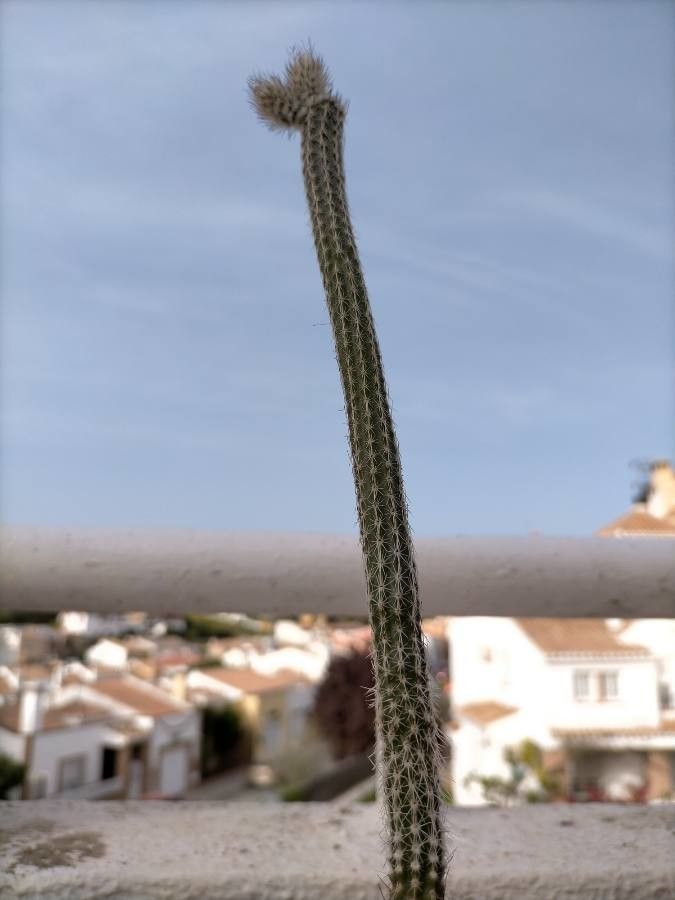
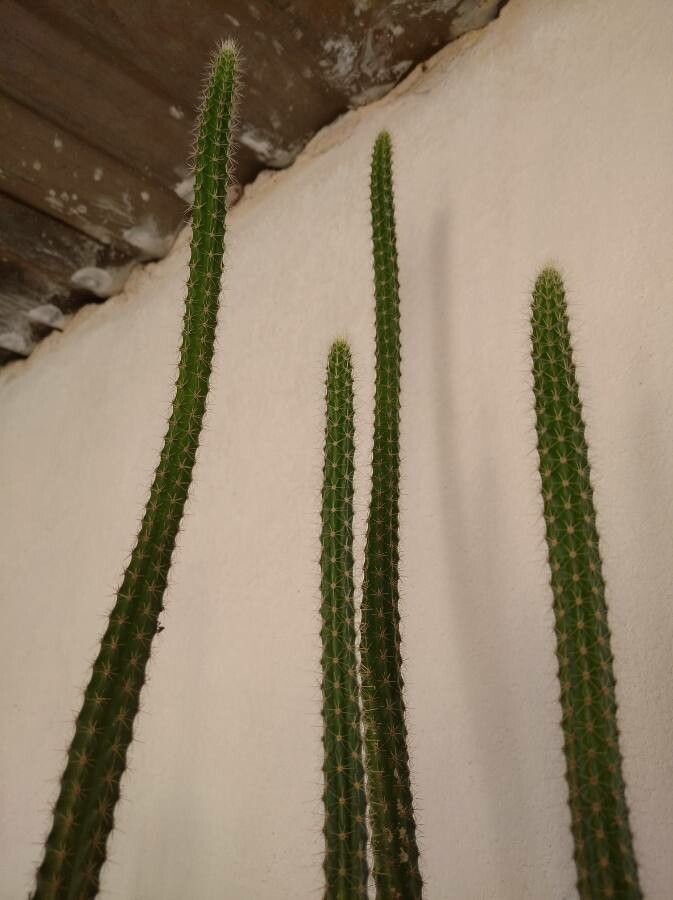
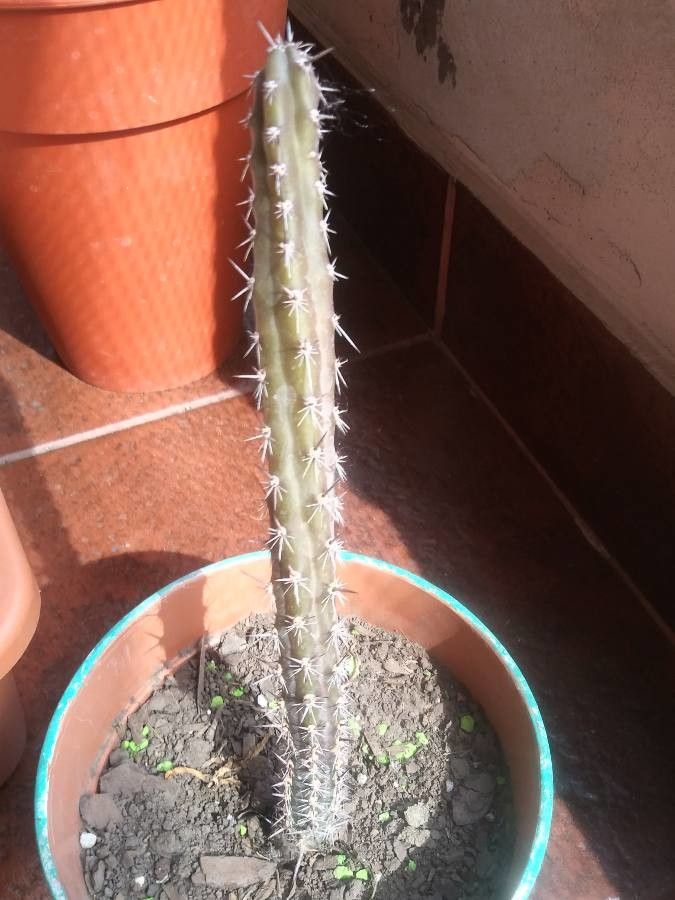
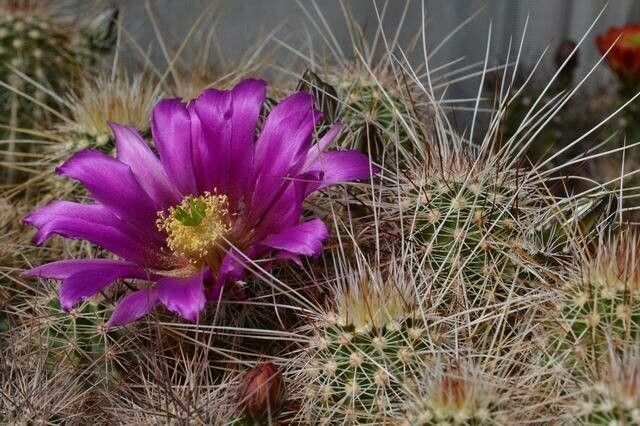
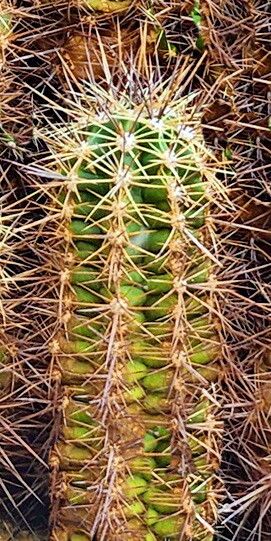
Echinocereus poselgeri, commonly known as Poselger's hedgehog cactus, is a cactus species native to Mexico. It belongs to the Cactaceae family and typically thrives in rocky areas, reaching heights of up to 30 cm.
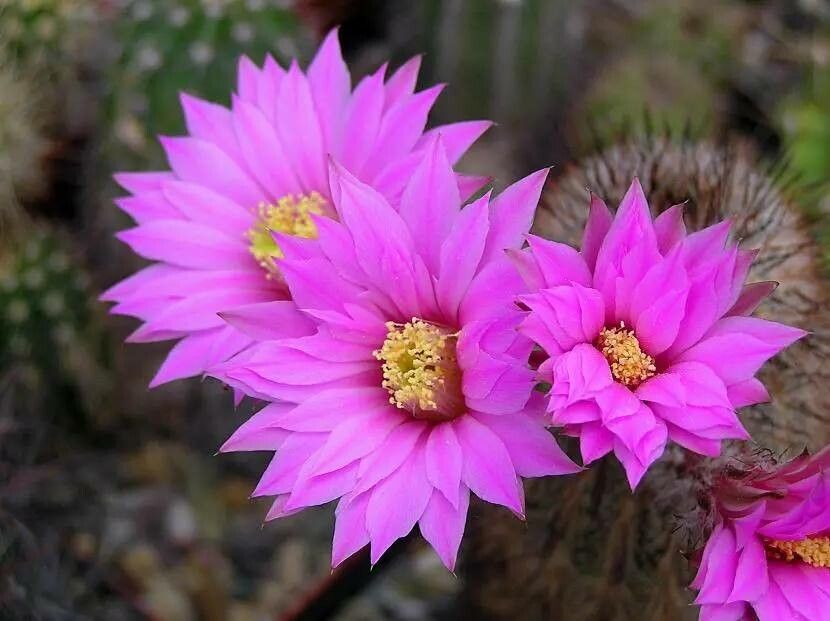
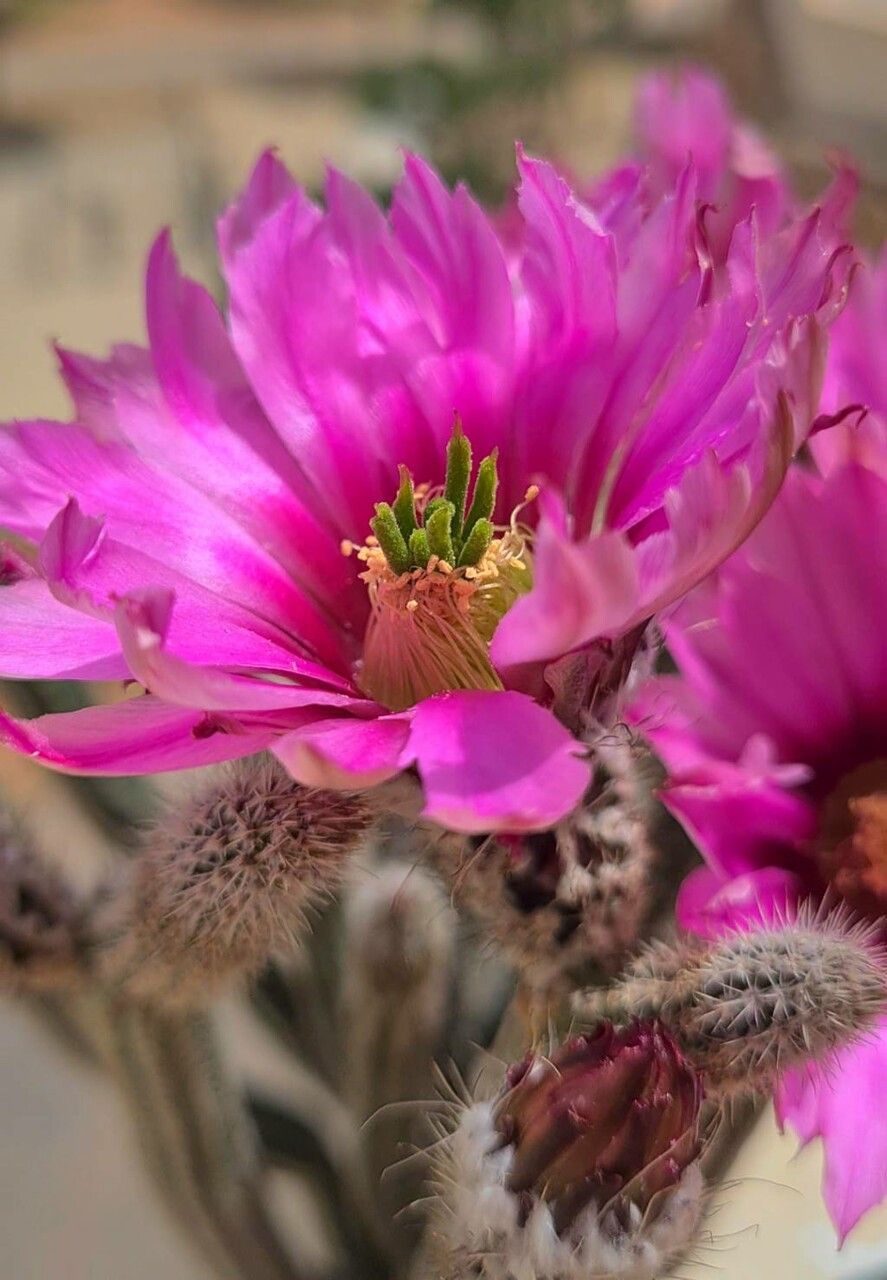
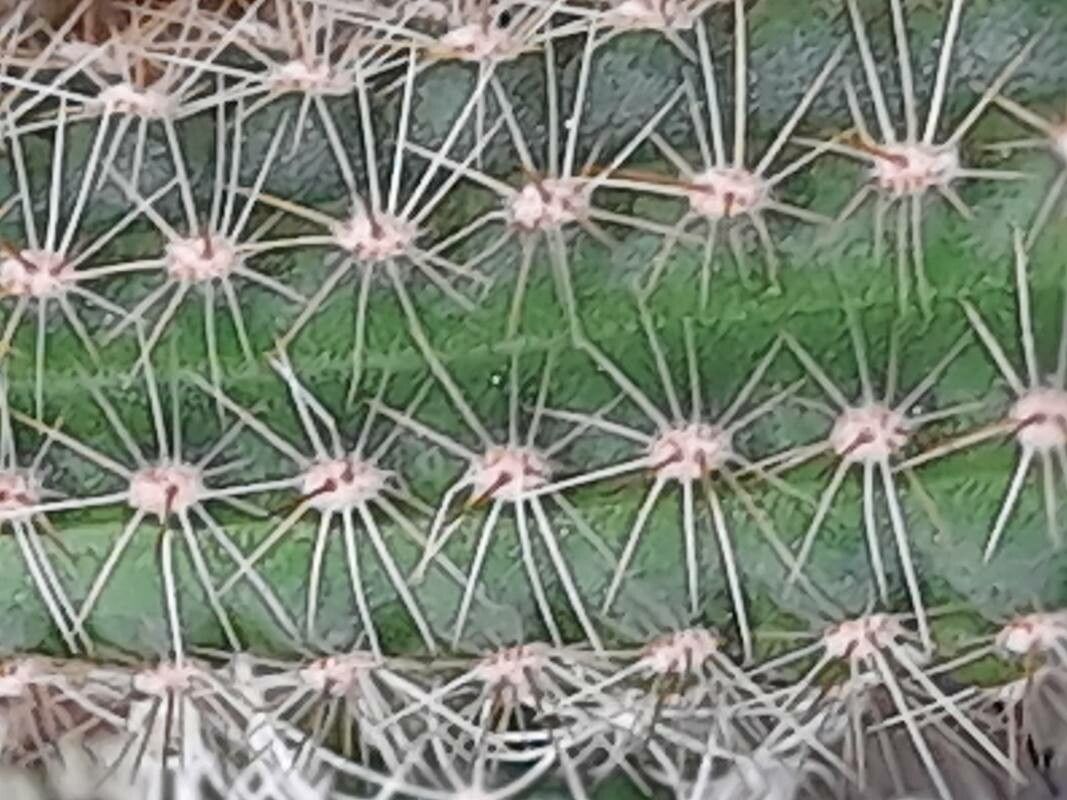
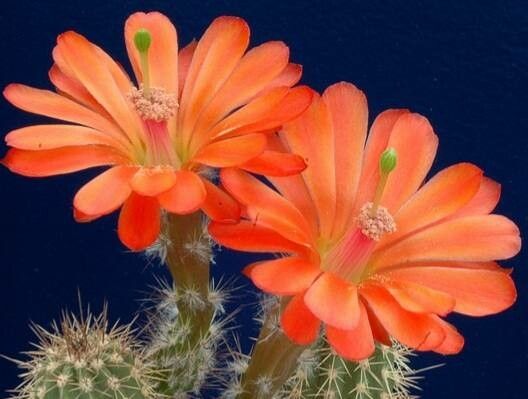
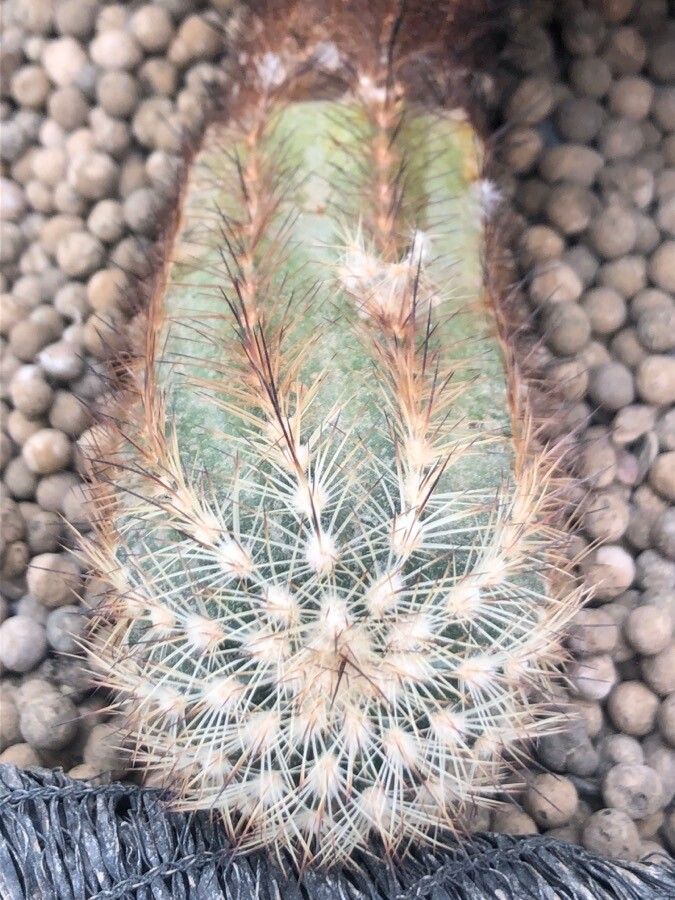
The stem of Echinocereus poselgeri is cylindrical and features numerous ribs adorned with spines. These spines are usually yellow or brown, with some being longer than others. The cactus produces large, showy flowers that range in color from pink to magenta.
For optimal growth, Echinocereus poselgeri requires well-draining soil and plenty of sunlight. It can be propagated through seeds or stem cuttings, but caution is advised when handling the plant due to its sharp spines.
This species has been used medicinally by indigenous peoples for centuries, primarily for its anti-inflammatory properties. However, it should not be consumed without proper medical supervision, as it may have adverse effects on some individuals.
Overall, Echinocereus poselgeri is a beautiful cactus species that adds an interesting touch to any garden or collection. It also offers potential medicinal benefits when used properly under medical guidance.
Dahlia hedgehog cactus has strong disease resistance and can tolerate routine care without becoming ill easily. It can, however, be vulnerable to mealybugs; these pests may inflict some damage but are typically not a major danger. Regarding care, Dahlia hedgehog cactus is drought-tolerant and does not require frequent watering. It can endure extended periods without water and needs little fertilizer. That said, it is very prone to root rot when lighting is inadequate and it is overwatered. In general, Dahlia hedgehog cactus is a good choice for people who prefer low-maintenance plants, though it remains important to meet its basic needs. It is especially appropriate for those who are away for long stretches and might forget to water regularly.
How to keep Echinocereus Poselgeri.
Light
Originating from arid regions, the Dahlia hedgehog cactus does best in full sun; its natural habitat features intense sunlight and very little shade. It will also tolerate partial sun, giving it some adaptability in its growth.
Humidity
This plant will thrive in moderate humidity, which is probably the level in your home. However, misting it a few times a week can be very beneficial. Make sure the room has good ventilation.
Temperature
Although the Dahlia hedgehog cactus can tolerate some heat, it mainly thrives and grows during cooler seasons and becomes dormant in summer. In very hot summer temperatures, provide shade to prevent scorching from intense sunlight. Watering should be reduced or stopped during the hottest part of the year to avoid root rot. Winter and spring are when the Dahlia hedgehog cactus grows vigorously. As long as temperatures do not fall too low, it will continue to grow steadily.
Fertilizer
Dahlia hedgehog cactus requires only light fertilizer applied once or twice a year during the growing season. Do not fertilize in winter or in summer when the plant is dormant. Use less fertilizer for plants that have been repotted and wait a few months after repotting before feeding. Fertilizing promotes healthy growth and encourages flowering.
Botanical profile.
- Plant Type
- Succulent
- Life Cycle
- Perennial
- Genus
- Echinocereus
- Family
- Cactaceae
- Hardiness Zone
- 8-11
- Mature Height
- 30 cm to 91 cm
- Mature Spread
- 10 cm to 20 cm
- Leaf Color
- Green
- Leaf Type
- Evergreen
- Flower Color
- Pink
- Flower Size
- 5.08 cm to 6.35 cm
- Bloom Time
- Late spring, Early summer, Mid summer
- Planting Time
- Spring, Summer
- Harvest Time
- Mid summer, Late summer, Early fall
- Native Area
- Mexico
Other names.