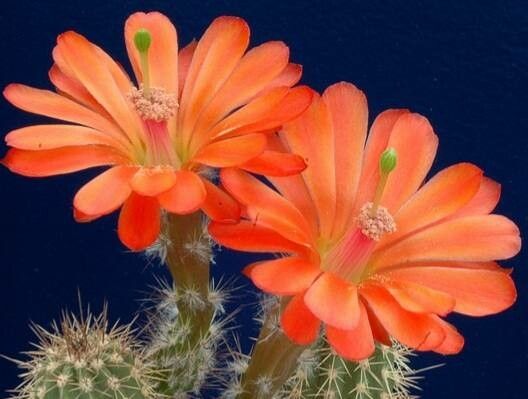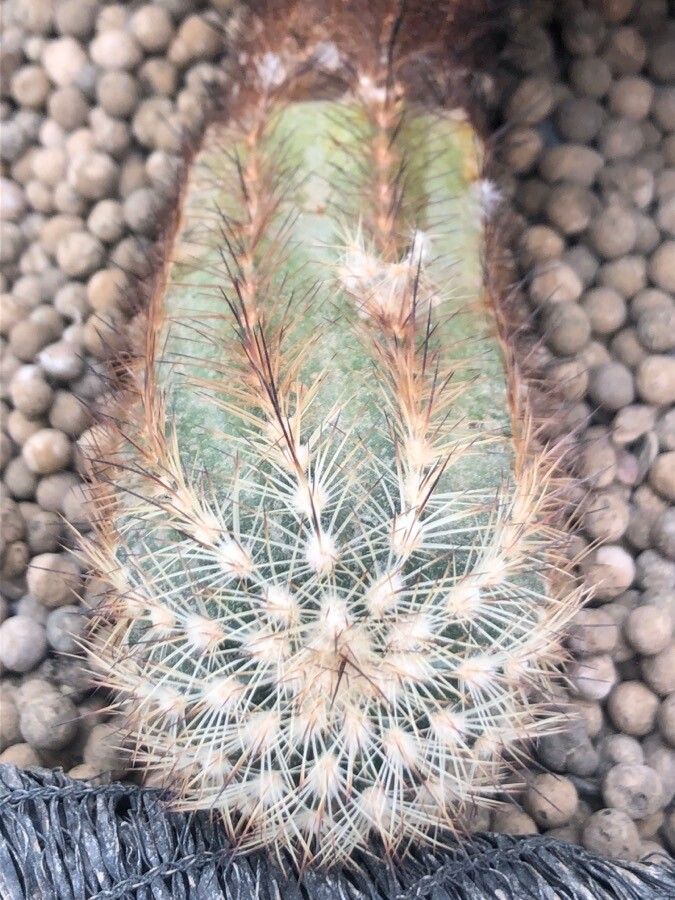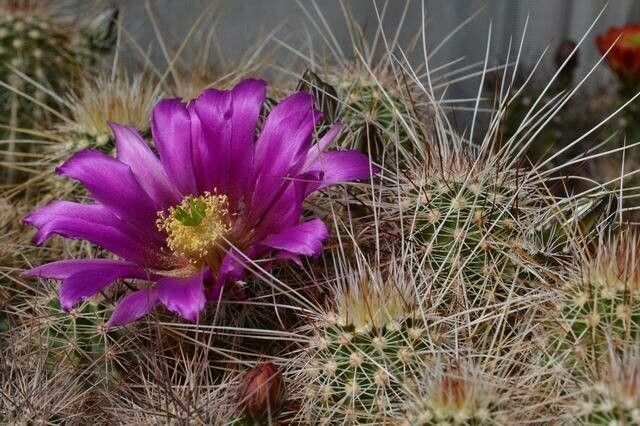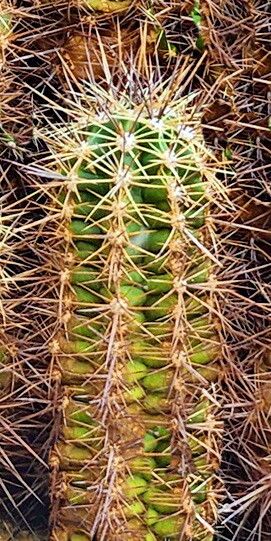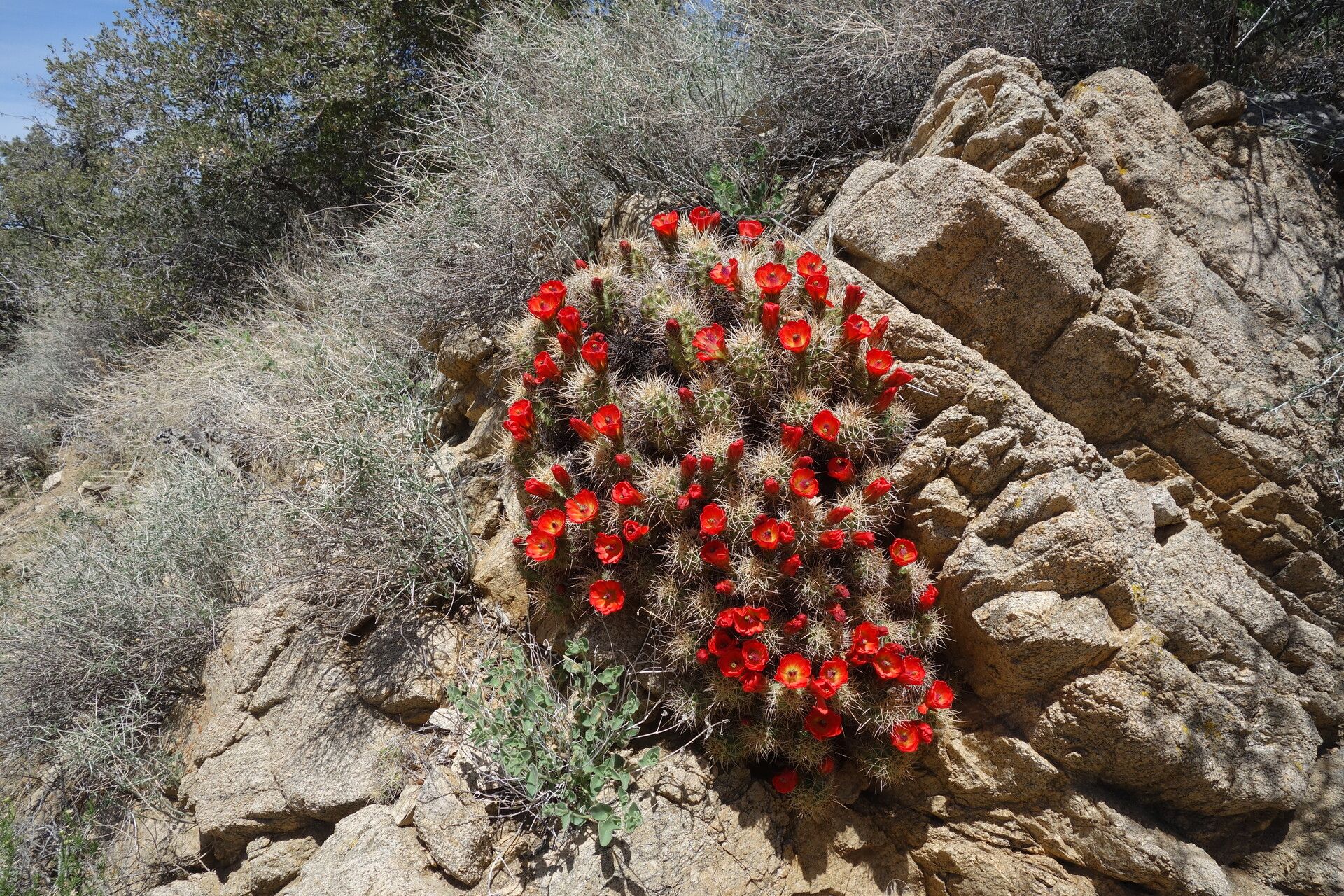
Echinocereus triglochidiatus is a species of hedgehog cactus known by several common names, including kingcup cactus, claret cup cactus, red-flowered hedgehog cactus and Mojave mound cactus. This cactus is native to the southwestern United States and northern Mexico, where it is a resident of varied habitats from low desert to rocky slopes, scrub, and mountain woodland. E. triglochidiatus is the official state cactus of Colorado.
Kingcup Cactus resists disease well and endures normal care without becoming ill easily. It can be vulnerable to mealybugs, which may cause some damage but are typically not a serious threat. In terms of care, Kingcup Cactus is drought-tolerant and does not need frequent watering. It can withstand long periods without water and requires little fertilizer. However, if lighting is poor and the plant is overwatered, it is highly prone to root rot. Overall, Kingcup Cactus is a good option for people who prefer to spend less time tending their plants, though it remains important to know and meet its basic needs. It is particularly suited to those who are away for long stretches and might forget to water regularly.
How to keep Echinocereus Mojavensis.
Light
The kingcup Cactus flourishes with plenty of sun exposure. Sufficient sunlight is vital for its well-being and progress. If the sun exposure is inadequate, it could hinder the cactus's growth and potentially lead to sickness. However, excessive sunlight can also be harmful, resulting in burnt or wilting skin.
Temperature
Originating from warmer climates, the Kingcup Cactus thrives in temperatures between 59 and 95 °F (15 to 35 ℃). While it is fond of heat, it has the ability to adapt to lower temperatures if necessary. During seasonal shifts, especially in the winter, it's important to cautiously regulate the temperature to avoid causing strain to the plant.
Fertilizer
For the Kingcup Cactus, applying light quantities of fertilizer 1-2 instances annually during the growth period is adequate. Refrain from fertilizing during the winter and summer seasons when the cactus is dormant. Lower the amount of fertilizer used for plants that have been repotted and allow a few months to pass after repotting before you start fertilizing again. The act of fertilizing aids in robust growth and promotes flowering.