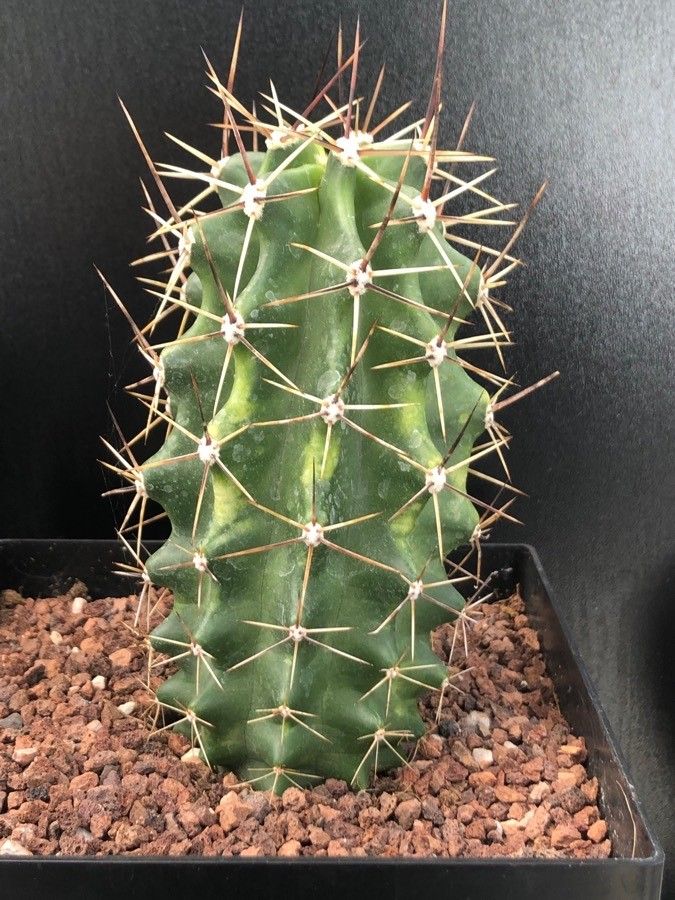
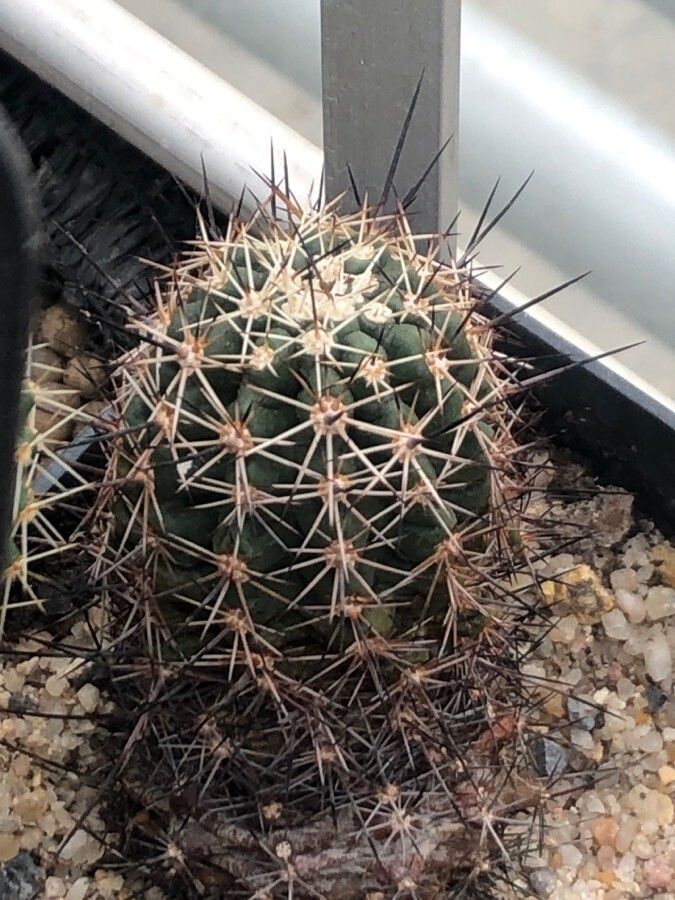
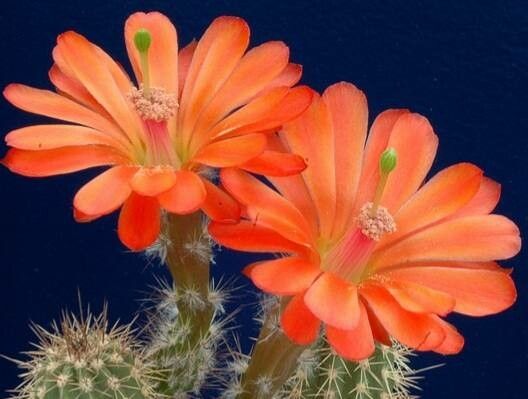
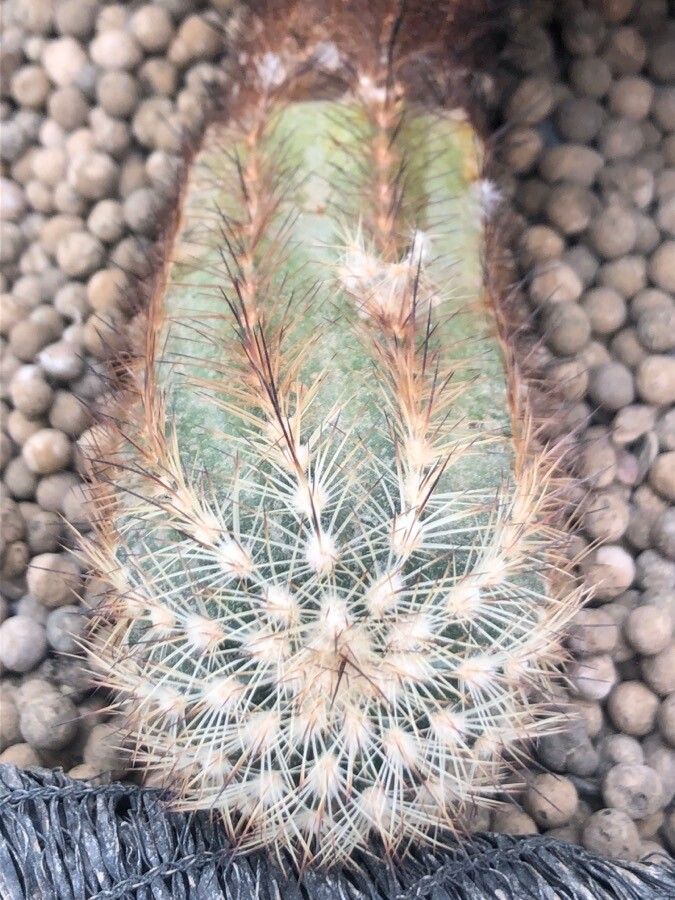
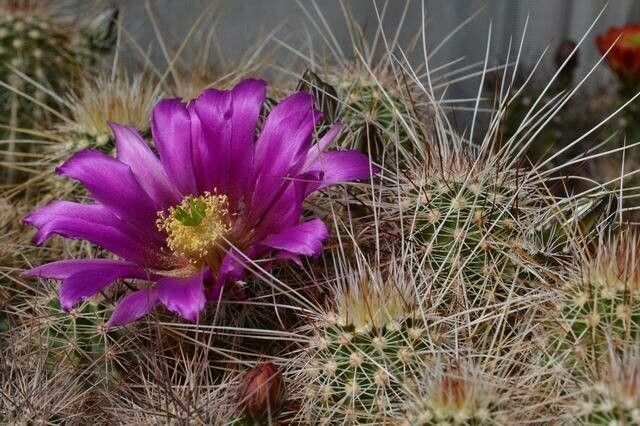
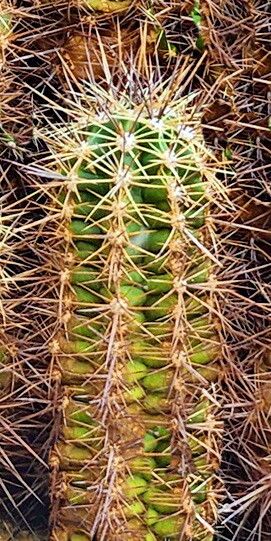
Echinocereus fendleri is a species of cactus known by the common names pinkflower hedgehog cactus and Fendler's hedgehog cactus. It is named in honor of Augustus Fendler.It grows in deserts and woodlands in the Southwestern United States and Northeastern Mexico. It is most common in New Mexico.The taxonomy of the species is uncertain, with authors recognizing up to eight varieties.
Pinkflower hedgehog cactus shows strong resistance to disease and generally remains healthy under routine care. That said, it can be vulnerable to mealybugs, which may inflict some harm but typically do not pose a major danger. Regarding care, Pinkflower hedgehog cactus is drought-tolerant and does not require frequent watering. It can endure extended stretches without water and needs little fertilizer. However, it is very prone to root rot when kept in poor light and subjected to overwatering. In summary, Pinkflower hedgehog cactus is a good choice for people who prefer low-maintenance plants, provided its basic needs are met. It is especially appropriate for those who are away for long periods and might forget to water regularly.
How to keep Echinocereus Fendleri.
Water
The Pinkflower Hedgehog Cactus is drought-tolerant and only needs thorough watering when the soil is completely dry. During the growing season, from spring to fall, water it weekly. In the winter, reduce watering to once a month. Use rainwater or distilled water, and avoid getting water on the stem to prevent rot.
Temperature
The Pinkflower hedgehog cactus prefers warm conditions and requires higher temperatures during the growing season to encourage growth and metabolic activity. It does well with plenty of sunlight, proper moisture, and good airflow. However, it can be harmed by very low temperatures and by excessive watering. It’s important to maintain a balance and avoid both excessively high temperatures and overly dry conditions.
Fertilizer
For the Pinkflower hedgehog cactus, apply light doses of fertilizer one to two times a year during the growing season. Do not fertilize in winter or in summer when it is dormant. Cut back on fertilizer for plants that have been repotted, and wait a couple of months after repotting before feeding. Fertilizing supports healthy growth and encourages blooms.
Pruning
The Pinkflower Hedgehog Cactus benefits from careful pruning in early spring. To do this, remove any dead or damaged stems using sanitized tools to prevent disease. Be cautious not to over-prune, as this can stress the plant. Proper pruning improves air circulation and encourages growth, contributing to the cactus's overall health. Regular monitoring and minimal intervention will help maintain its vitality.
Botanical profile.
- Plant Type
- Succulent
- Life Cycle
- Perennial
- Genus
- Echinocereus
- Family
- Cactaceae
- Hardiness Zone
- 8-12
- Mature Height
- 0 cm to 30 cm
Other names.
Reader questions.
What is the Pinkflower hedgehog cactus?
The Pinkflower hedgehog cactus, known scientifically as Echinocereus fendleri, is a type of cactus. Unfortunately, no additional information about its essentials or symptoms (if relevant) has been provided.