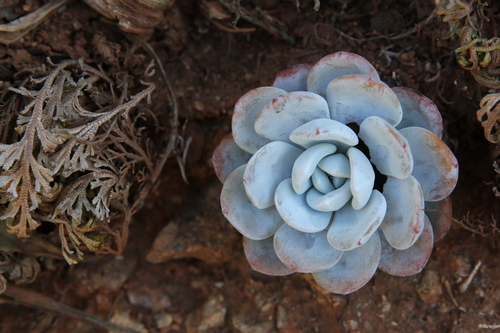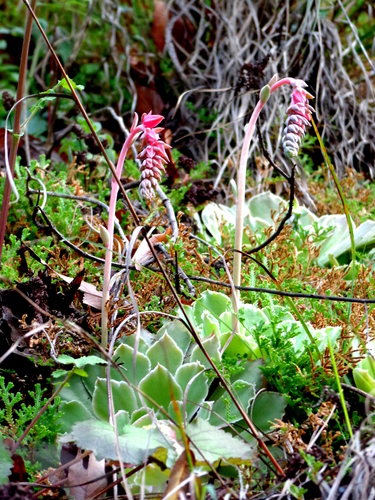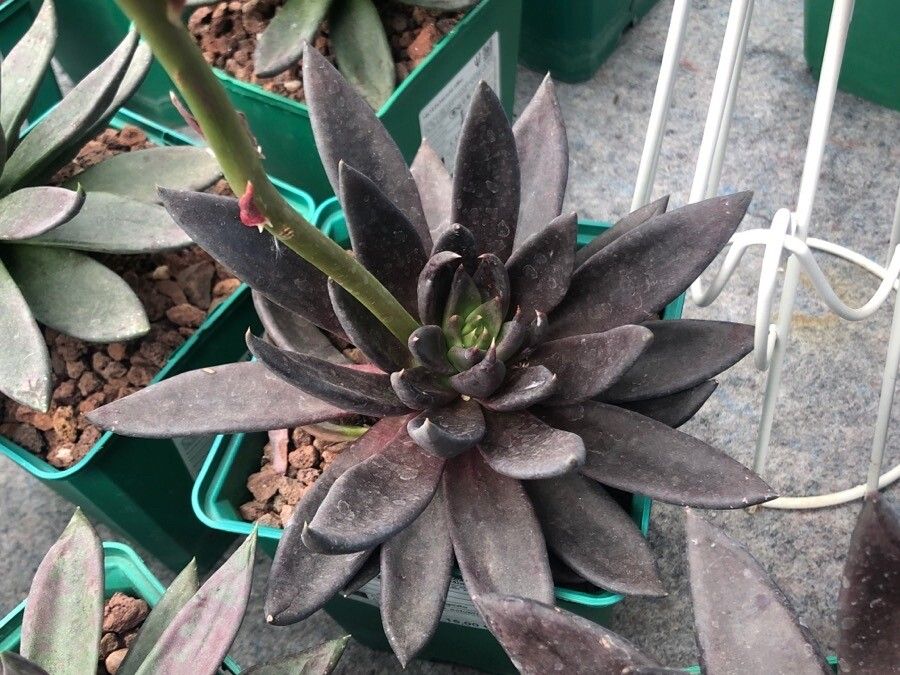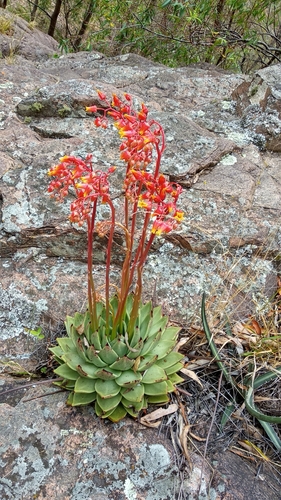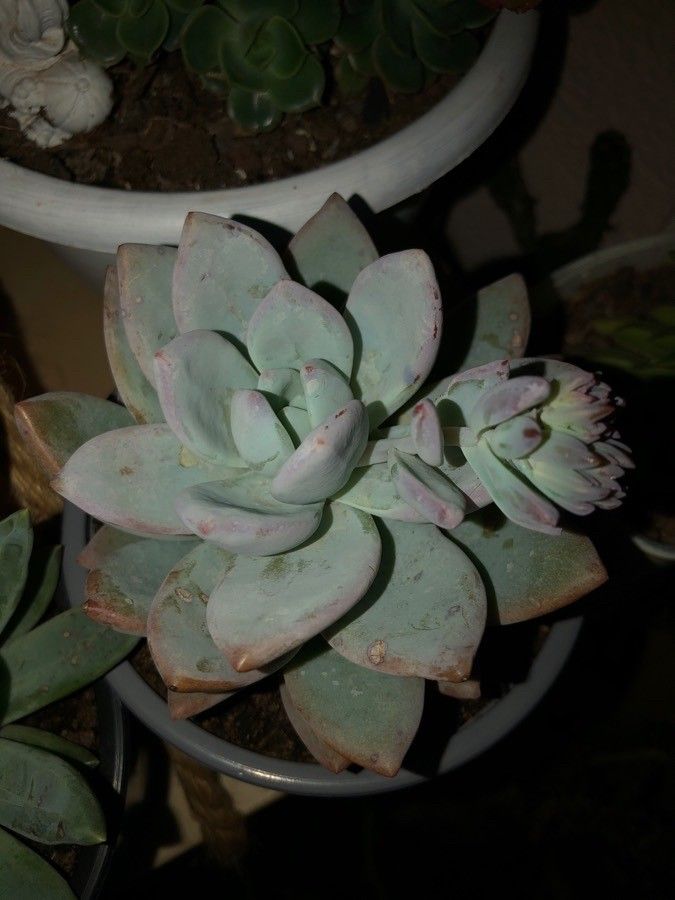
Echeveria gibbiflora has moderate disease resistance and is relatively sensitive to humidity. It is vulnerable to disease in high-humidity conditions and tends to develop root rot during dormancy. Concerning care, Echeveria gibbiflora tolerates drought but requires more frequent watering in the growing season. Watering should be significantly reduced or stopped entirely while it is dormant. Echeveria gibbiflora is suitable for growers with some experience, though it can be difficult to care for, particularly during dormancy. It is especially appropriate for people who can commit time to its care during the winter months.
How to keep Echeveria Violescens.
Light
Echeveria gibbiflora flourishes most in plentiful, unrestricted sunlight, which mirrors its native environment. Excessive or insufficient sunlight can result in subpar growth or color changes. These aspects play a crucial role in its life span, where an adequate amount of sunshine ideally fosters it throughout its developmental phases.
Temperature
Echeveria gibbiflora originates from moderate climates and is most comfortable in temperatures between 68 and 100 °F (20 to 38 ℃). Suitable changes need to be made during intense weather conditions to avoid any stress on the plant.
Fertilizer
Echeveria gibbiflora requires only minimal amounts of fertilizer, administered 1-2 times annually during its growing period. It's not recommended to fertilize during the dormant seasons of winter and summer. Once rehoused, plants should be given less fertilizer and one should wait for a few months post-repotting to apply it. Fertilization aids in healthy development and promotes flowering.
Pot & Repot
During the repotting of Echeveria gibbiflora, opt for a container that's marginally bigger than the current one, ensuring it has sufficient drainage. Implement the use of a gritty, effectively draining succulent or cactus blend. Gently extricate the plant from its previous container, wipe away extra dirt, and transplant it at an equal depth. Pause for several days before watering to allow for recovery from any potential root injury. The process of repotting should ideally be carried out in spring or fall, in a location with high exposure to light.
Botanical profile.
- Plant Type
- Succulent
- Life Cycle
- Perennial
- Genus
- Echeveria
- Family
- Crassulaceae
- Hardiness Zone
- 9-11
- Mature Height
- 30 cm
- Mature Spread
- 40 cm
- Leaf Color
- Green, Bronze
- Leaf Type
- Evergreen, Deciduous
- Flower Color
- Pink, Red
- Flower Size
- 2.54 cm
- Bloom Time
- Late spring, Early summer, Mid summer
- Planting Time
- Spring, Summer, Autumn, Winter
- Harvest Time
- Mid summer
- Native Area
- Mexico