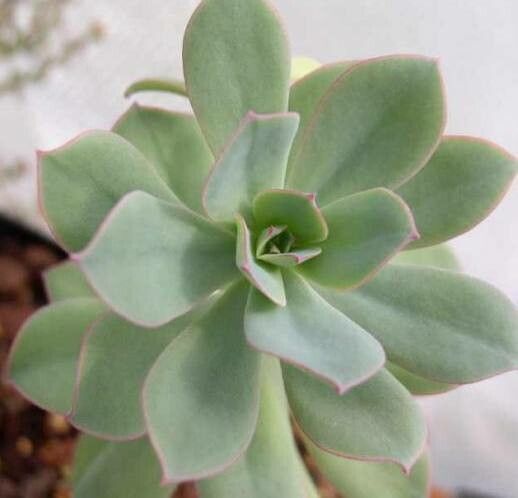
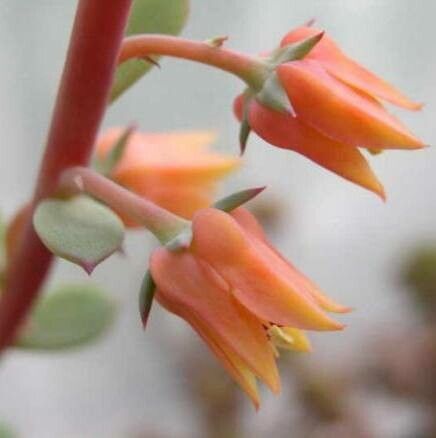
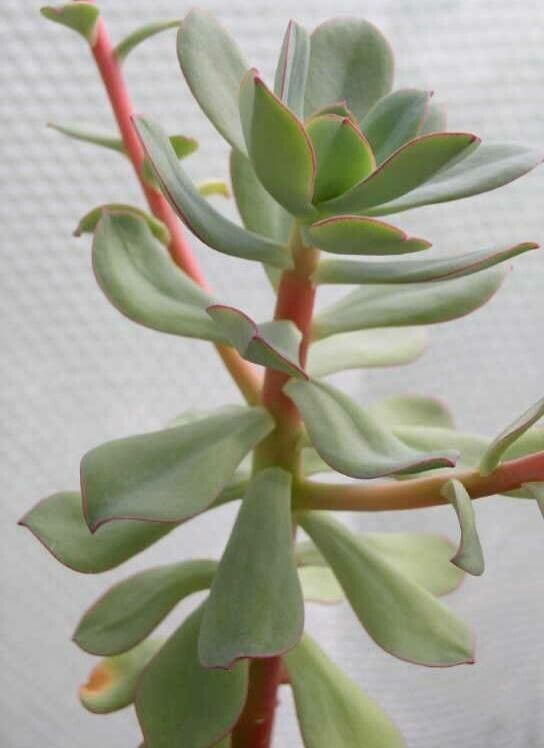
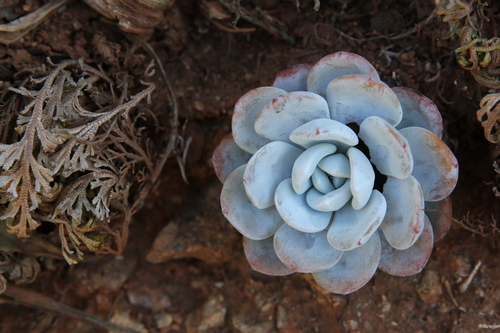
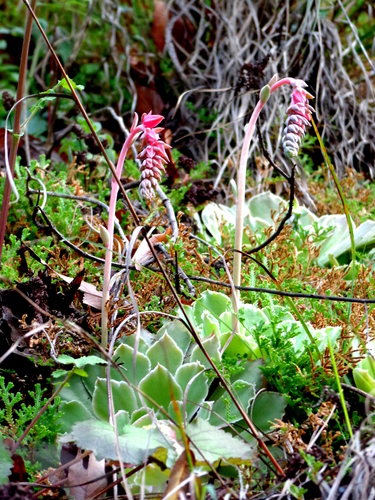
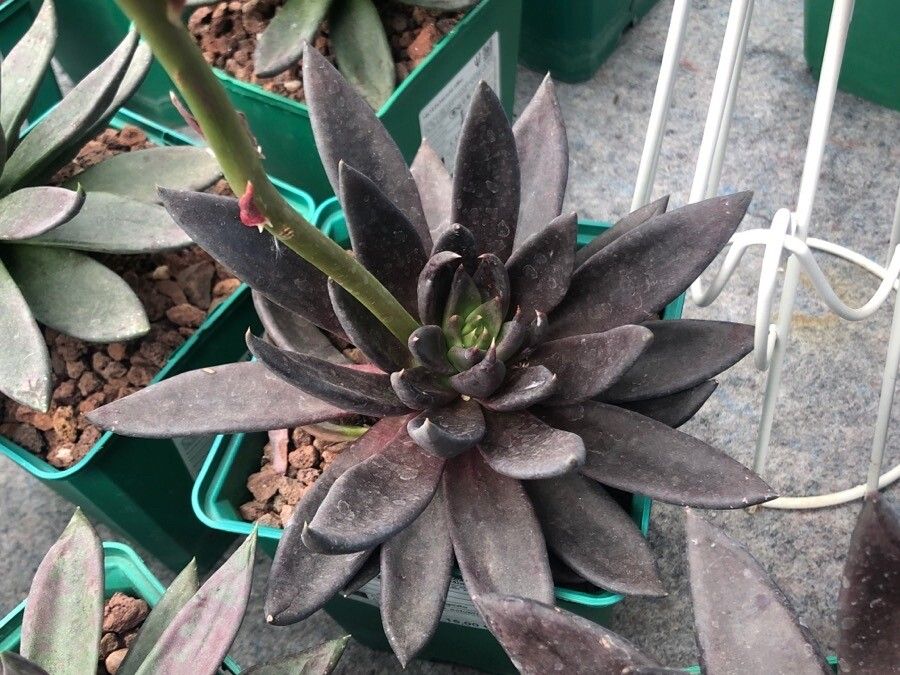
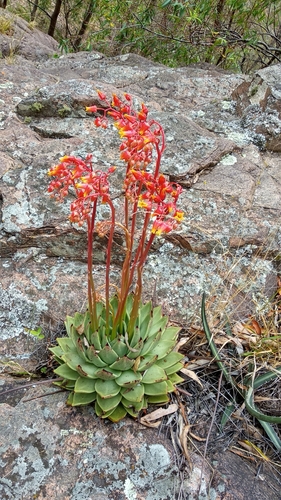
Echeveria quitensis has moderate disease resistance and is more sensitive to humidity and excess watering. It is also more prone to illness when it is kept in low light and overwatered. In terms of care, Echeveria quitensis is drought-tolerant and can withstand long periods without water. It does not require much fertilizer and needs only occasional pruning. These traits make it suitable for people of all experience levels, especially those who prefer to spend less time on plant care and who may be away from home for extended periods. It is a good option for anyone who does not want to devote a lot of time to plant care but still wants an easy-to-maintain plant.
How to keep Echeveria Quitensis.
Water
To care for Echeveria quitensis, it's important to water it carefully, taking into account the weather, the plant's condition, and the soil moisture level. During its dormancy, water the plant once every 1-2 weeks, ideally in the evening during the summer. Pay attention to the leaves for signs of thirst, and consider the weight of the soil to help determine when watering is needed. Also, adjust the watering frequency based on the material of the pot and its drainage capabilities.
Temperature
Echeveria quitensis performs best in warm conditions and needs higher temperatures during the growing season to support its growth and metabolic processes. It prefers plenty of sunlight, suitable moisture levels, and adequate air circulation. However, it can be damaged by very low temperatures and by excessive watering. It's therefore important to maintain a balance and to avoid extreme heat as well as overly dry conditions.
Fertilizer
For Echeveria quitensis, applying fertilizer once or twice a year during the active growing season is enough. Avoid fertilizing in winter and in summer when it is dormant. Use less fertilizer for repotted plants and wait a couple of months after repotting before you fertilize. Fertilizing helps maintain healthy growth and promotes flowering.
Pruning
Echeveria quitensis is a rosette-forming succulent known for its vibrant flowers. To maintain its health and appearance, it is important to prune it in early spring. Use sterilized tools to remove any damaged parts and encourage new growth. Regular pruning not only improves air circulation but also reduces the risk of pests and diseases. This practice ensures the plant's aesthetic appeal and overall well-being.
Botanical profile.