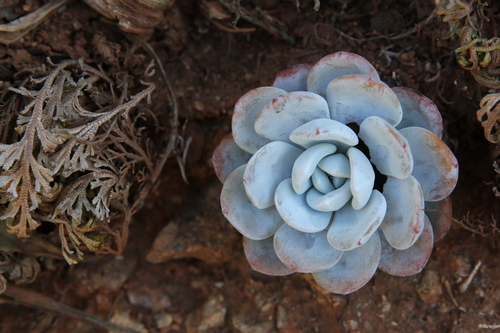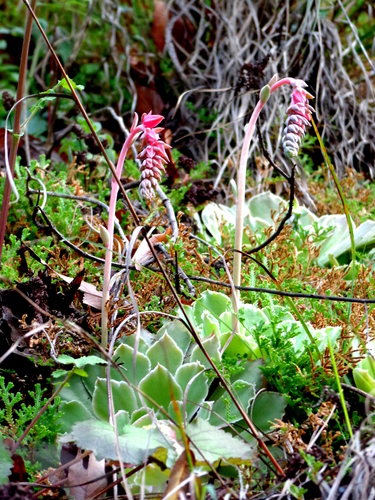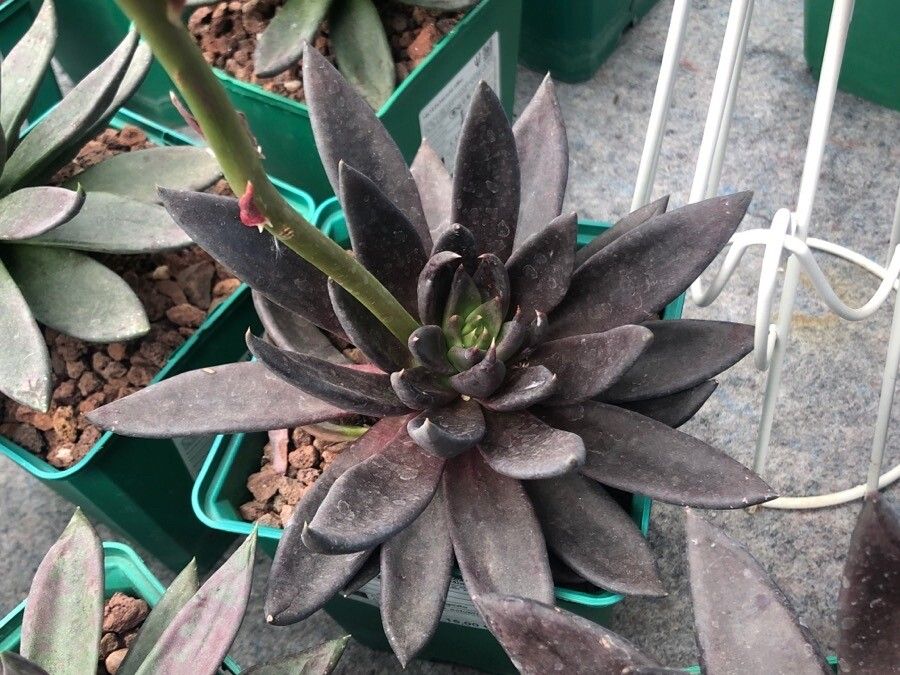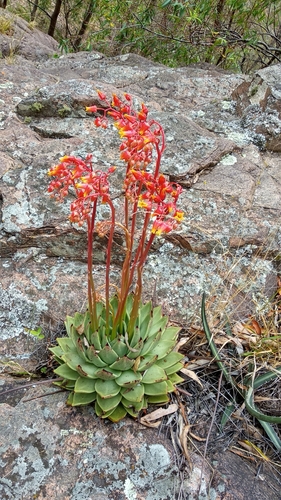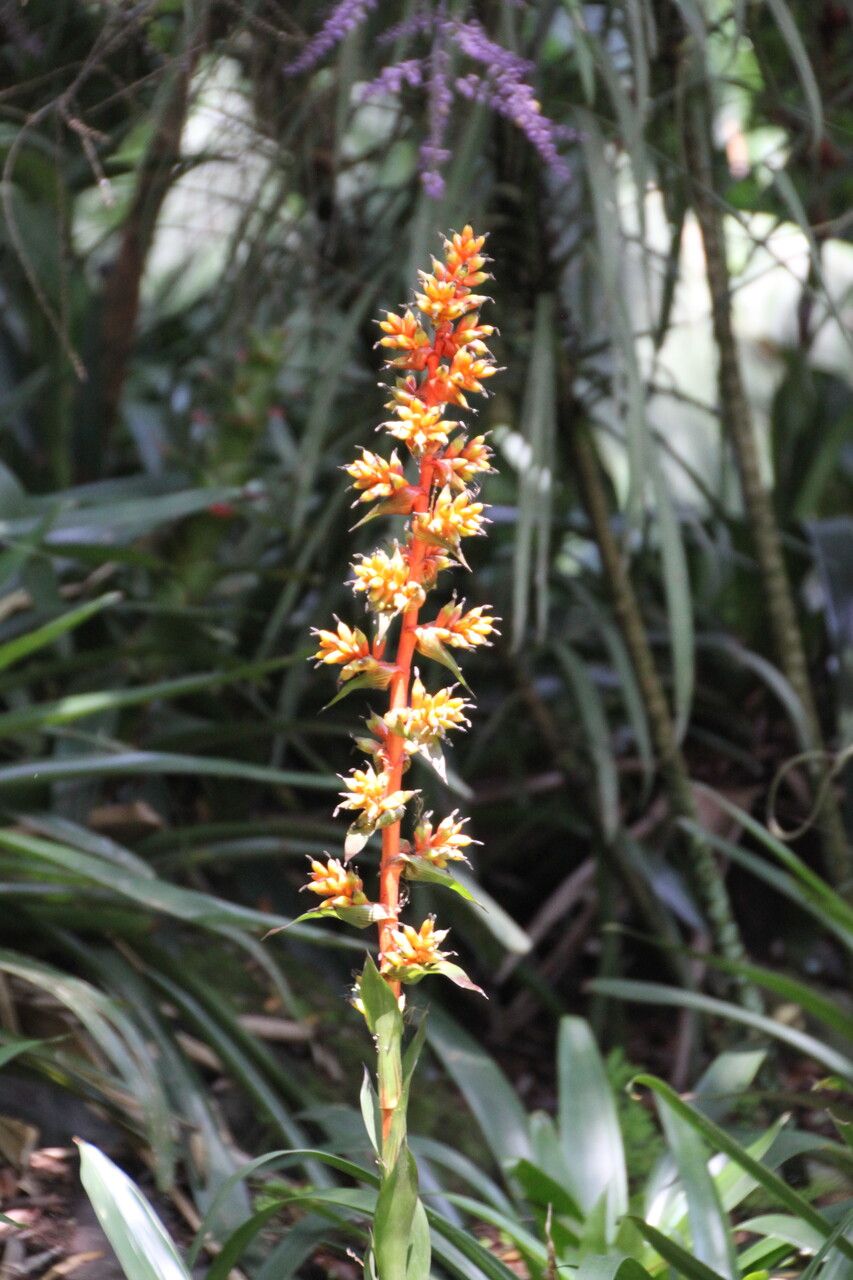
Echeveria mucronata has moderate disease resistance but is more vulnerable to high humidity and overwatering. It is also likelier to develop problems when it lacks light and is overwatered. For care, Echeveria mucronata is drought-tolerant and can withstand extended periods without watering. It needs little fertilizer and only occasional pruning. Because of this, it is a suitable plant for people at any level of experience, especially those who want to spend less time on plant care or who may occasionally be away from home for long periods. It is a good option for people who do not want to invest a lot of time in maintenance yet still want an easy-to-care-for plant.
How to keep Echeveria Mucronata.
Water
Echeveria mucronata needs careful watering, which depends on its condition and the weather. During its dormant period, water it less frequently, about once every 1 to 2 weeks. In summer, it is better to water in the evening. Pay attention to the leaves for signs of thirst and check the soil's moisture by observing its weight and appearance. Additionally, adjust the watering frequency based on the type of pot and its drainage characteristics.
Temperature
Echeveria mucronata flourishes in hot climates and needs elevated temperatures during its growth period to stimulate development and metabolic activity. It prefers abundant sunshine, suitable hydration, and adequate airflow. However, it can easily be harmed by extremely cold temperatures and too much watering. Equally critical is to maintain a balance to avert extremely high temperatures and conditions that are too dry.
Fertilizer
Echeveria mucronata requires small amounts of fertilizer once or twice a year throughout its growing period. Steer clear of fertilizing during its dormant phase in winter and summer. Lower the fertilizer amounts for plants that have been transplanted, and hold off for several months after repotting before resuming fertilization. The use of fertilizer can promote robust growth and stimulate blossoming.
Pruning
Echeveria mucronata is characterized by its rosette-shaped succulent leaves. It is important to prune the plant in early spring to maintain its shape and promote healthy growth. To do this, use sharp, sterilized scissors to remove any dead leaves, which helps prevent infections. Regular maintenance not only ensures a healthier plant but also reduces the risk of pests and diseases. This is beneficial whether the plant is grown in a garden or a container setting.
Botanical profile.
- Plant Type
- Succulent
- Life Cycle
- Perennial
- Genus
- Echeveria
- Family
- Crassulaceae
- Hardiness Zone
- 10-13
- Native Area
- Mexico
Reader questions.
What is Echeveria mucronata?
Echeveria mucronata is a type of succulent plant known for its botanic name which is the same, Echeveria mucronata. This plant is recognized for its unique characteristics, though specific details regarding its essentials and symptoms, such as care instructions, common issues, or unique features, were not provided in the data.