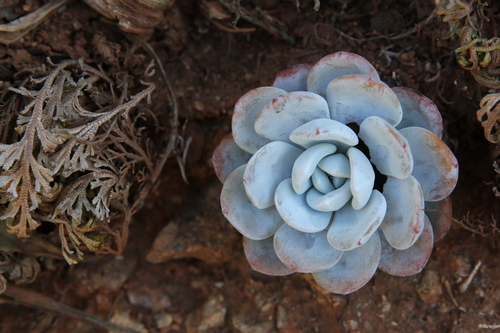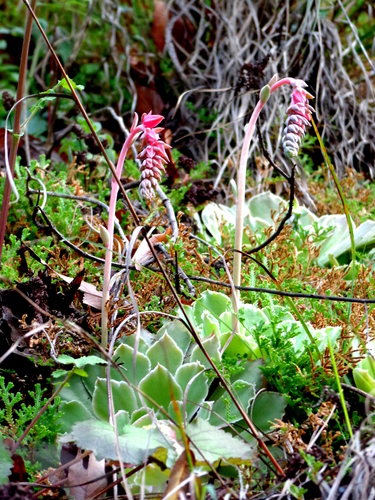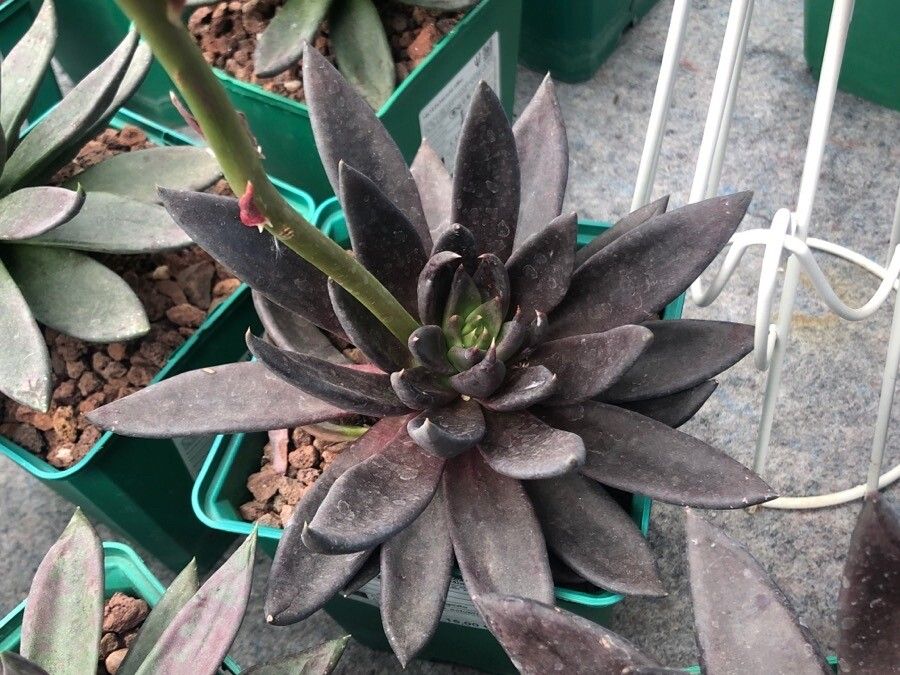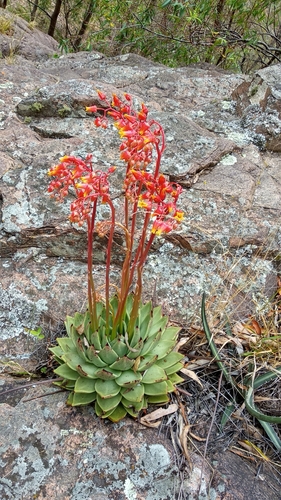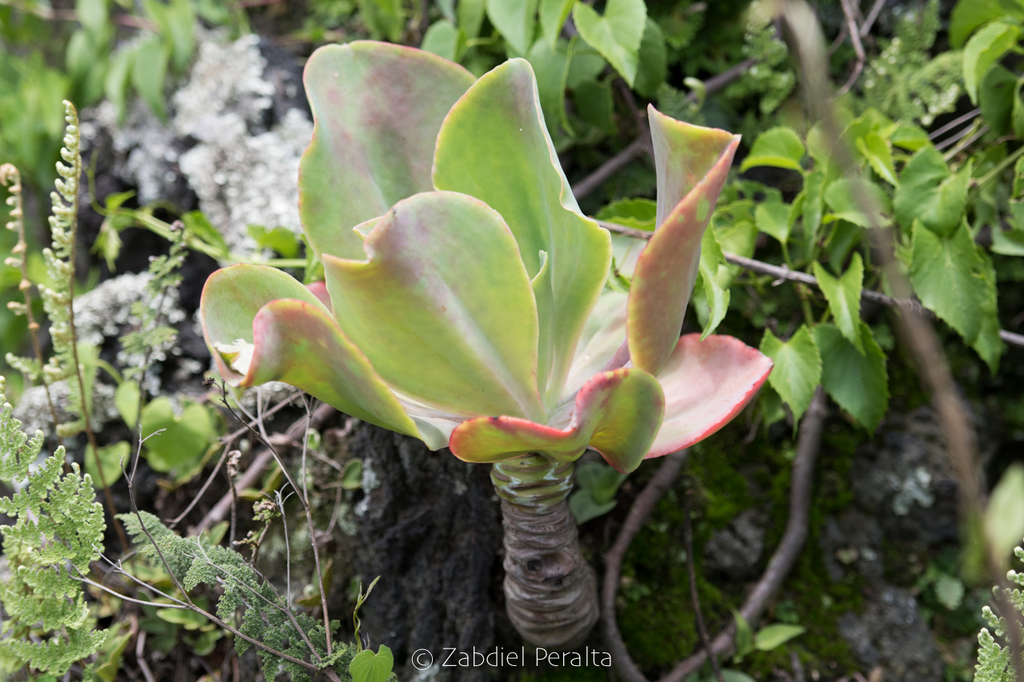
Echeveria gibbiflora is a species of flowering plant in the family Crassulaceae. It was described by Swiss botanist Augustin Pyramus de Candolle in 1828. It occurs in Mexico and Guatemala.
Echeveria gibbiflora has moderate disease resistance and is relatively sensitive to humidity. It is vulnerable to disease in high-humidity conditions and tends to develop root rot during dormancy. Concerning care, Echeveria gibbiflora tolerates drought but requires more frequent watering in the growing season. Watering should be significantly reduced or stopped entirely while it is dormant. Echeveria gibbiflora is suitable for growers with some experience, though it can be difficult to care for, particularly during dormancy. It is especially appropriate for people who can commit time to its care during the winter months.
How to keep Echeveria Gibbiflora.
Light
Echeveria gibbiflora flourishes most in plentiful, unrestricted sunlight, which mirrors its native environment. Excessive or insufficient sunlight can result in subpar growth or color changes. These aspects play a crucial role in its life span, where an adequate amount of sunshine ideally fosters it throughout its developmental phases.
Water
Echeveria gibbiflora is well-suited for arid conditions, needing watering only about every three weeks. This drought-tolerant plant stores water in its leaves, making it perfect for indoor container gardening where controlling moisture is essential.
Humidity
This plant prefers dry conditions, so don't mist it. However, watering it less often can also thrive in higher humidity.
Temperature
Echeveria gibbiflora originates from moderate climates and is most comfortable in temperatures between 68 and 100 °F (20 to 38 ℃). Suitable changes need to be made during intense weather conditions to avoid any stress on the plant.
Fertilizer
Echeveria gibbiflora requires only minimal amounts of fertilizer, administered 1-2 times annually during its growing period. It's not recommended to fertilize during the dormant seasons of winter and summer. Once rehoused, plants should be given less fertilizer and one should wait for a few months post-repotting to apply it. Fertilization aids in healthy development and promotes flowering.
Pruning
To encourage optimal growth, prune Echeveria gibbiflora in both the spring and fall by removing any redundant or densely packed branches. Use a knife or scissors for this task. To propagate the plant, cut a sturdy stem with 5-6 leaves. Apply sulfur powder to the cut wound, allow it to heal, and then plant it in slightly moist soil.
Pot & Repot
During the repotting of Echeveria gibbiflora, opt for a container that's marginally bigger than the current one, ensuring it has sufficient drainage. Implement the use of a gritty, effectively draining succulent or cactus blend. Gently extricate the plant from its previous container, wipe away extra dirt, and transplant it at an equal depth. Pause for several days before watering to allow for recovery from any potential root injury. The process of repotting should ideally be carried out in spring or fall, in a location with high exposure to light.
Botanical profile.
- Plant Type
- Succulent
- Life Cycle
- Perennial
- Genus
- Echeveria
- Family
- Crassulaceae
- Hardiness Zone
- 9-11
- Mature Height
- 30 cm
- Mature Spread
- 40 cm
- Leaf Color
- Green, Bronze
- Leaf Type
- Evergreen, Deciduous
- Flower Color
- Pink, Red
- Flower Size
- 2.54 cm
- Bloom Time
- Late spring, Early summer, Mid summer
- Planting Time
- Spring, Summer, Autumn, Winter
- Harvest Time
- Mid summer
- Native Area
- Mexico
Other names.
Reader questions.
What should I do if I give my Echeveria gibbiflora too much or too little water?
Echeveria gibbiflora and other succulents are generally able to survive without water for extended periods of time. However, if you accidentally neglect to water your plant for a month or more, you may notice signs of thirst or damage due to lack of watering. Underwatered Echeveria gibbiflora plants will appear dull and wrinkled, and some may have completely dried up or turned brown and crispy. The soil will also be completely dried out. To remedy this, you should give your plant plenty of water by submerging the pot in water for around 5-10 minutes until the soil feels moist on the surface. On the other hand, overwatering poses a threat to Echeveria gibbiflora and can be fatal if not addressed. Excessive moisture can lead to root rot, which prevents the roots from absorbing nutrients and water from the soil. Root rot occurs when the soil becomes a breeding ground for fungi and bacteria due to the wet conditions. Overwatered plants will display symptoms such as yellow, swollen, and translucent organs that may even burst from being too full of water. If left untreated, the plant may turn brown or black and easily fall off. To determine if overwatering is the cause, check the soil for moisture. It is possible to save an overwatered plant if caught early. Begin by removing the plant from its pot and examining the roots and soil. If root rot is present, the roots will be dark brown or black, soft, mushy, or slimy. In severe cases, it may be necessary to discard the plant and propagate a new one using healthy stem cuttings. If only some roots are affected, remove the unhealthy ones using a sterilized cutting tool. Then, dip the remaining healthy roots in a fungicide before repotting in fresh, well-draining soil. While this method does not always guarantee recovery, the plant will likely show new growth in the next growing season.
Why should I fertilize my Echeveria gibbiflora plant?
Fertilizing Echeveria gibbiflora is beneficial because it adds nutrients to the growing medium. While Echeveria gibbiflora does store water and nutrients, applying plant food during the growing season further promotes healthy growth. Additionally, fertilizing can also stimulate mature specimens to produce blooms in the growing season.
What are the sunlight requirements for Echeveria gibbiflora?
Echeveria gibbiflora requires more than 6 hours of sunlight daily to thrive optimally, mimicking its natural habitat conditions. It's important to observe the movement of sunlight through your garden or indoor space to identify areas with a suitable balance of light and shade, ensuring the plants receive the right amount of sunlight while avoiding potential damage from too much direct exposure.
What is the ideal temperature range for Echeveria gibbiflora?
Echeveria gibbiflora thrives in temperate climates with a preferred temperature range of 68 to 100 °F (20 to 38 °C). It is important to make necessary adjustments during extreme seasons to prevent plant stress. As a heat-loving plant, it enters a dormant state in winter, ceasing its growth. It's crucial to move the plant indoors when outdoor temperatures fall below 0°C to ensure its survival. A south-facing window provides optimal sunlight, but supplemental lighting can be used if natural light is insufficient. Below 20°C, the plant's growth slows, and watering should be reduced or halted to avoid root rot. For outdoor plants, stop watering altogether in low temperatures. If possible, consider setting up a temporary greenhouse or use protective materials such as plastic film or fabric for insulation during cold weather.
How frequently should I water my Echeveria gibbiflora?
Determining how often to water Echeveria gibbiflora can be tricky, as there is no strict rule. The simplest way is to check the soil and only water when it is completely dry. To check, you can either stick your finger in the pot or use a moisture meter to assess the soil below the surface. If the plant is potted in a deep container, you can use a stick or chopstick for this purpose. If the soil feels slightly moist, it is advisable to wait a few days and check again. In general, during summer, most people need to water Echeveria gibbiflora every two weeks, while in winter, once a month is sufficient. However, there are various factors that can influence the watering frequency, which are outlined in the section below.
When should I fertilize my Echeveria gibbiflora plant?
Echeveria gibbiflora benefits from some extra nutrients, but it only requires a small amount of fertilizer during the growing season. You should fertilize it 1-2 times per year, preferably in the spring and autumn, but avoid fertilizing in winter or summer when it is dormant. If you have repotted your plant, be cautious with the amount of fertilizer you use and wait a few months before applying it.
How does artificial lighting support Echeveria gibbiflora growth indoors?
When natural sunlight is insufficient, particularly during winter or in less sunny indoor spaces, artificial lighting can be crucial for the growth of Echeveria gibbiflora. LED lights are recommended due to their ability to be customized to specific wavelengths needed by plants. For optimal growth, it's suggested to provide 30-50W/sq ft for full sun plants, 20-30W/sq ft for partial sun plants, and 10-20W/sq ft for full shade plants. The light source should be placed 12-36 inches above the plant, mimicking natural sunlight duration with 8-12 hours of light per day.
How does Echeveria gibbiflora react to low temperatures, and what should you do?
Echeveria gibbiflora prefers high temperatures and struggles in cold weather, thriving best above 20°C and needing to be kept above 0°C during winter. Exposure to temperatures below -5°C can result in weakness, wilting, and susceptibility to root rot. Following mild frost, symptoms might not appear immediately but manifest within a week as gradual withering. The solution involves trimming frostbitten areas and checking for root rot. If roots are rotted, they should be removed, and the plant can be propagated through cuttings. Moving the plant to a warm indoor environment near a south-facing window ensures adequate sunlight. Supplemental lighting can be used if the natural light is insufficient.
What things should I think about when I water my Echeveria gibbiflora?
Proper watering for your Echeveria gibbiflora depends on various environmental conditions, such as container size, soil type, temperature, and humidity. The container and soil you use will determine the frequency and amount of water required. It is important to use a container with good drainage to prevent the soil from holding excess water. Smaller containers hold less moisture, so they need to be watered more frequently, while larger pots can hold more water and require less frequent watering. Avoid using an oversized pot, as this can lead to overwatering. When repotting, go up just one size larger than the current container, and use a shallow container since Echeveria gibbiflora has shallow roots. In winter, the plant needs less water due to slower growth and lower evaporation rates. The climate of your location is also a factor – humid areas with regular rainfall require less watering compared to dry, arid climates. Keep in mind that conditions may also vary within the same location, depending on the season and indoor climate control. When planted in the ground, Echeveria gibbiflora generally relies on natural precipitation and dew, but occasional watering may be necessary during extended dry periods. For container-grown plants, they can be moved outdoors in the appropriate temperatures of spring and summer, but be aware that outdoor potted plants may require more watering due to increased sun exposure, even if they are placed in a shaded area.
When is it not a good idea to fertilize my Echeveria gibbiflora?
Echeveria gibbiflora, like most plants, has a dormancy period. This is the time when you should avoid applying fertilizer. During the summer and winter, when the plant stops growing, it is also advisable to stop fertilizing. It is also a good practice to refrain from fertilizing for the first few months after repotting in the spring.
What are common symptoms of inadequate lighting in Echeveria gibbiflora?
Echeveria gibbiflora can develop several symptoms under suboptimal lighting, including smaller new leaves, leggy or sparse growth, faster leaf drop, halted growth, changes in leaf color such as lighter colors or chlorosis, and physical damage like sunscald, leaf curling, wilting, and leaf scorching. These symptoms indicate either too much or too little light, affecting the plant's health and appearance.
How should you care for Echeveria gibbiflora during high temperatures?
During the summer, it's crucial to keep Echeveria gibbiflora's temperature below 38°C. Temperatures exceeding 43°C halt the plant's growth and lead to water loss, wilting, and an increased risk of sunburn. In such cases, it's necessary to remove the sunburned and rotten parts of the plant. Shielding the plant from direct afternoon sunlight until it recovers and begins growing again is essential. For plants suffering from root rot, watering should be stopped until new roots start to form, indicating recovery.