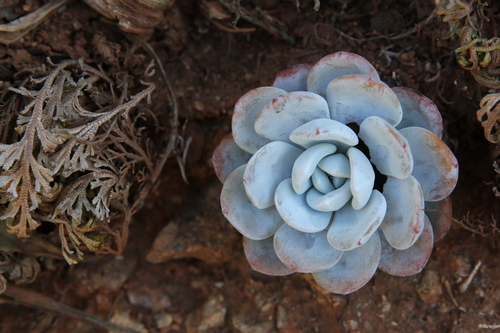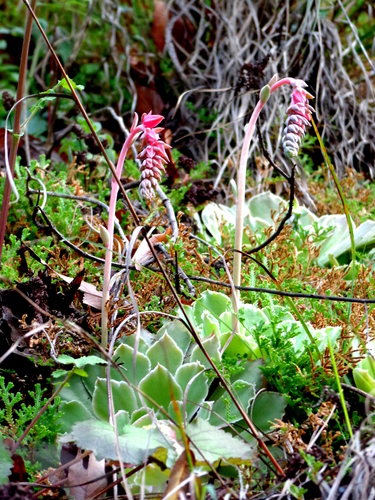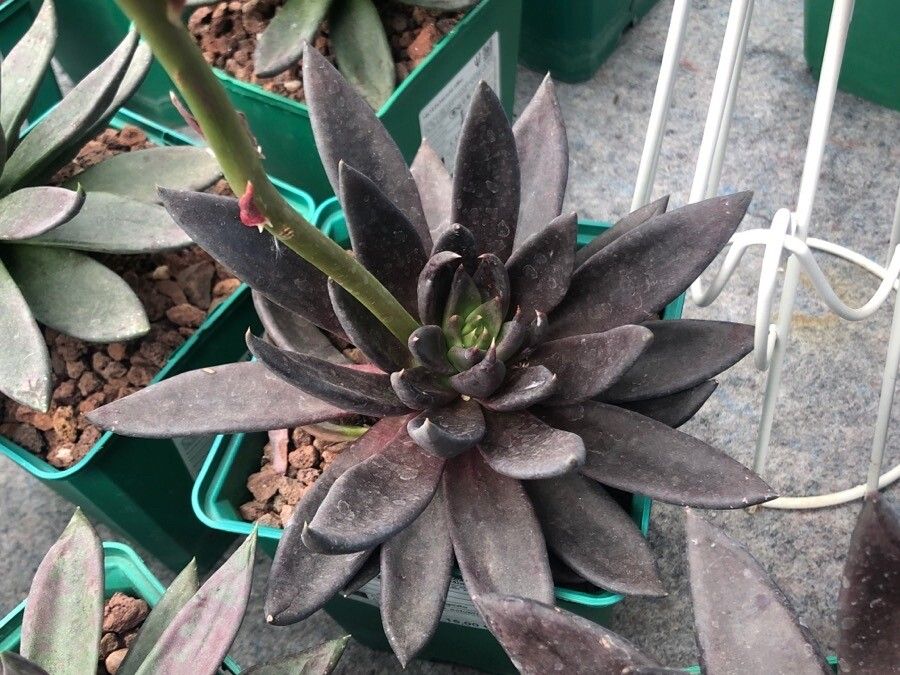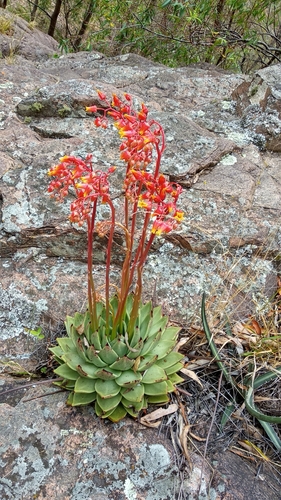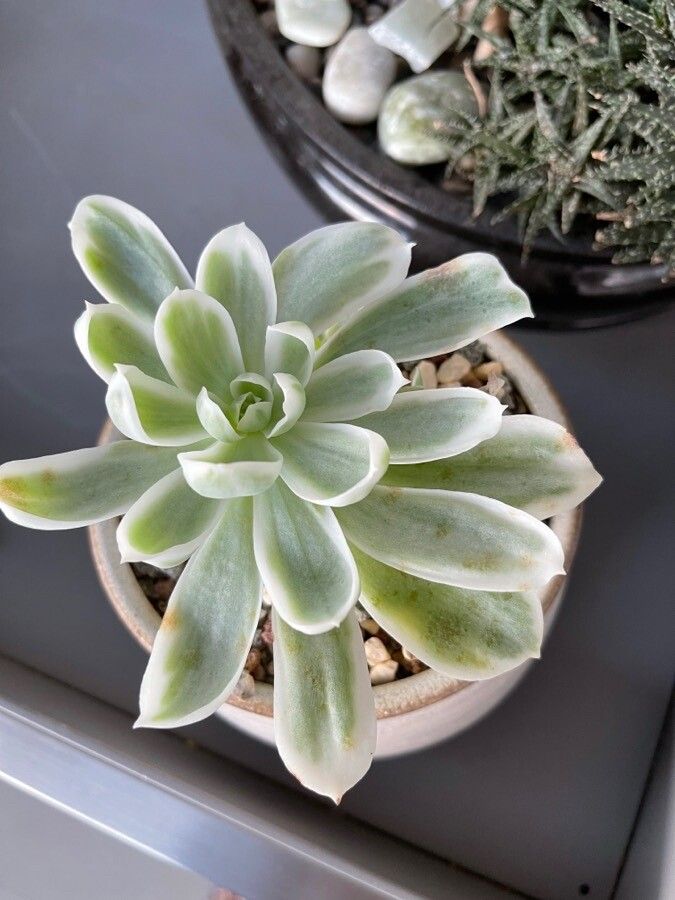
Branched flower hens and chicks has moderate resistance to disease but is more sensitive to humidity. It becomes vulnerable to illnesses when humidity is high and is liable to develop root rot during its dormant period. Regarding care, Branched flower hens and chicks tolerates drought yet requires more frequent watering in the growing season. Watering should be greatly reduced or ceased completely while it is dormant. Branched flower hens and chicks is best suited to growers with some prior experience, as it can be challenging to maintain, especially during dormancy. It is particularly appropriate for those who can dedicate time to its care through the winter months.
How to keep Echeveria Erubescens.
Light
The branched flower hens and chicks plant flourishes under plenty of sunlight and can also tolerate medium levels of light. This plant is native to sun-soaked environments, and ample sunlight is vital for its optimal growth. Nevertheless, overexposure to sunlight may damage the plant causing sunscorch. On the other hand, insufficient sunlight could obstruct its maximum growth capacity.
Temperature
Branched flower hens and chicks is a plant that does have some resistance to heat, yet it mostly flourishes and develops throughout the colder periods of the year, entering a period of dormancy over the summer. Providing it with shade during summer's high temperatures is crucial to avoid damage from harsh sunlight. To avoid its roots from rotting, the amount of water it receives should also be reduced or even stopped during the most scorching part of the year. The plant displays substantial growth in the winter and spring, provided the temperature doesn't fall excessively, it will consistently grow.
Fertilizer
For the Branched flower hens and chicks, a mild application of fertilizer 1-2 times annually during the growth period is enough. Refrain from fertilizing in winter and summer when the plant is in its dormant phase. Decrease the amount of fertilizer for plants that have been repotted and allow a few months to pass after repotting before providing fertilizer. Fertilization assists in promoting robust growth and stimulates flowering.
Pot & Repot
When replanting Branched flower hens and chicks, choose a container somewhat bigger than the current one, equipped with efficient drainage. Opt for a coarse, well-draining succulent or cactus blend. Gently extract the plant from its former container, clean off surplus soil, and reposition at the same underground level. Delay watering for several days to aid in the recovery of any root trauma. Best time for repotting is in the spring or autumn, place it in an area with abundant light.
Botanical profile.
- Plant Type
- Succulent
- Life Cycle
- Perennial
- Genus
- Echeveria
- Family
- Crassulaceae
- Hardiness Zone
- 9-11
- Mature Height
- 20 cm
- Mature Spread
- 20 cm
- Leaf Color
- Green
- Leaf Type
- Evergreen
- Flower Color
- Pink, Orange
- Flower Size
- 1.02 cm to 1.52 cm
- Bloom Time
- Summer
- Planting Time
- Spring, Summer, Autumn
- Harvest Time
- Late summer, Early fall, Mid fall
- Native Area
- Mexico