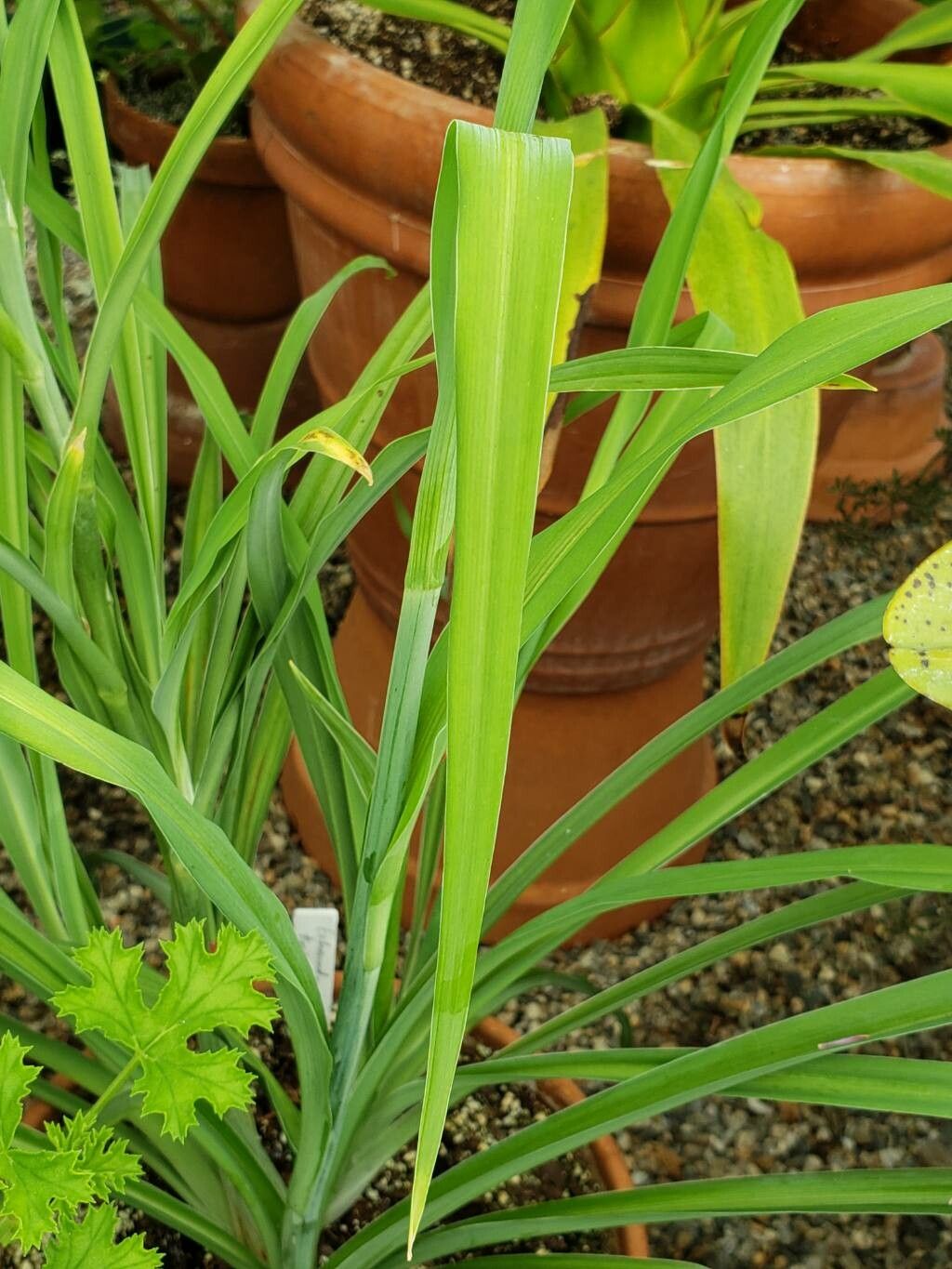
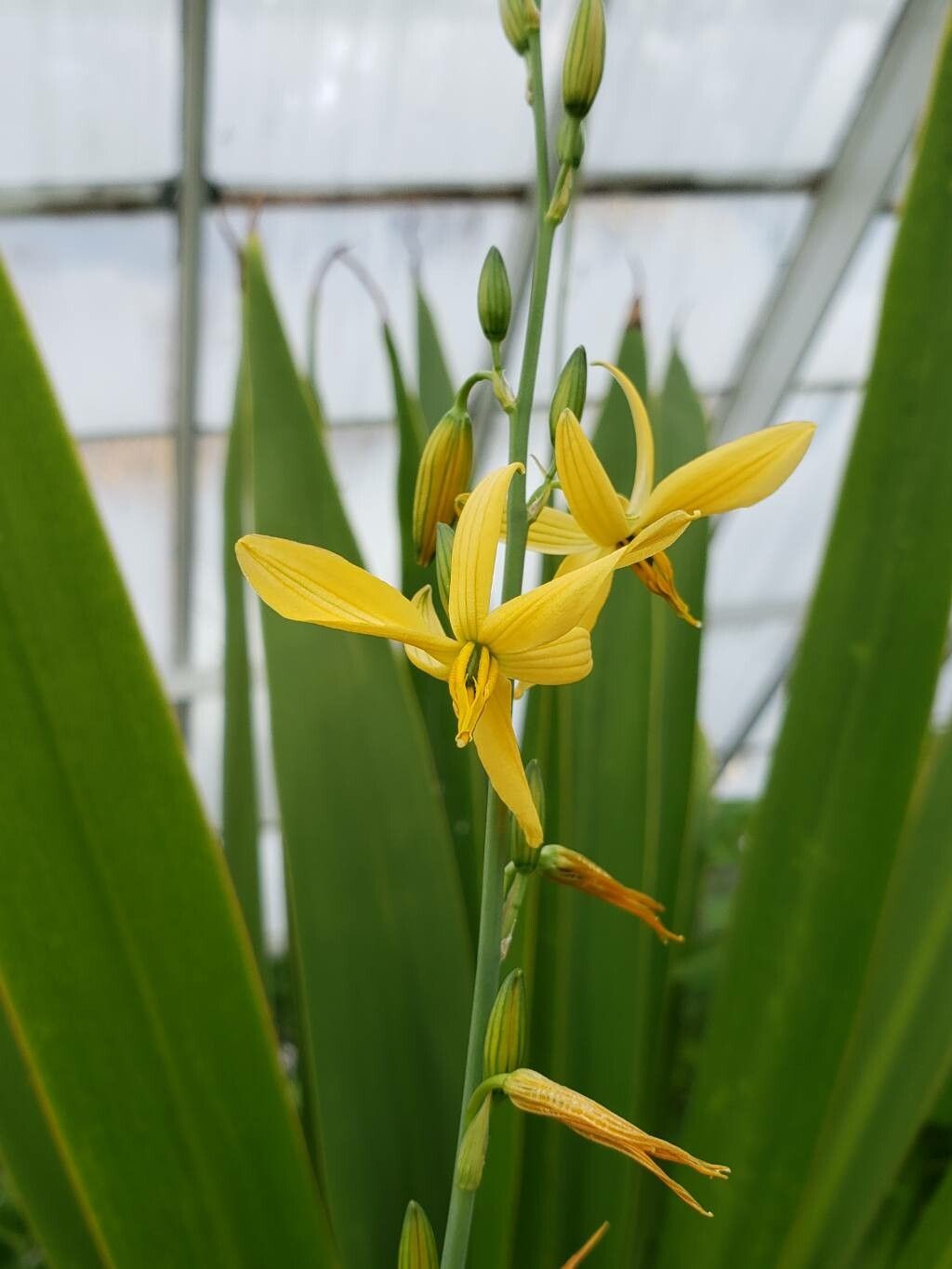
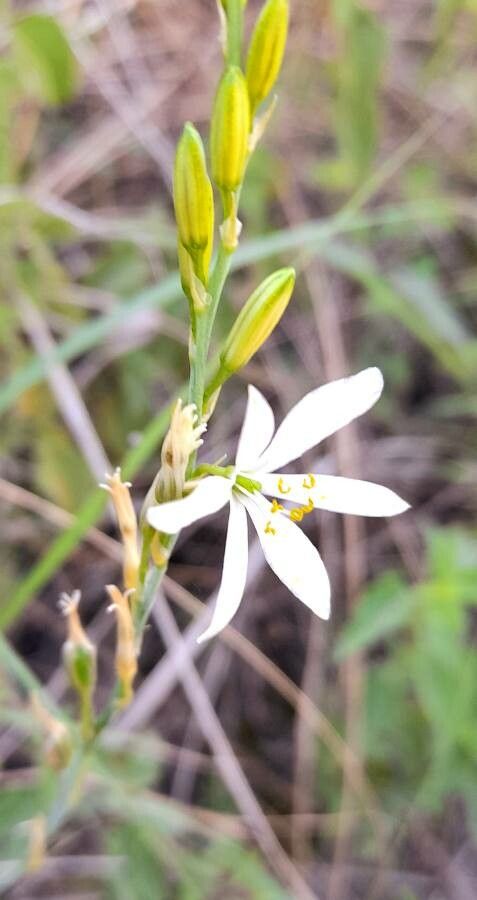
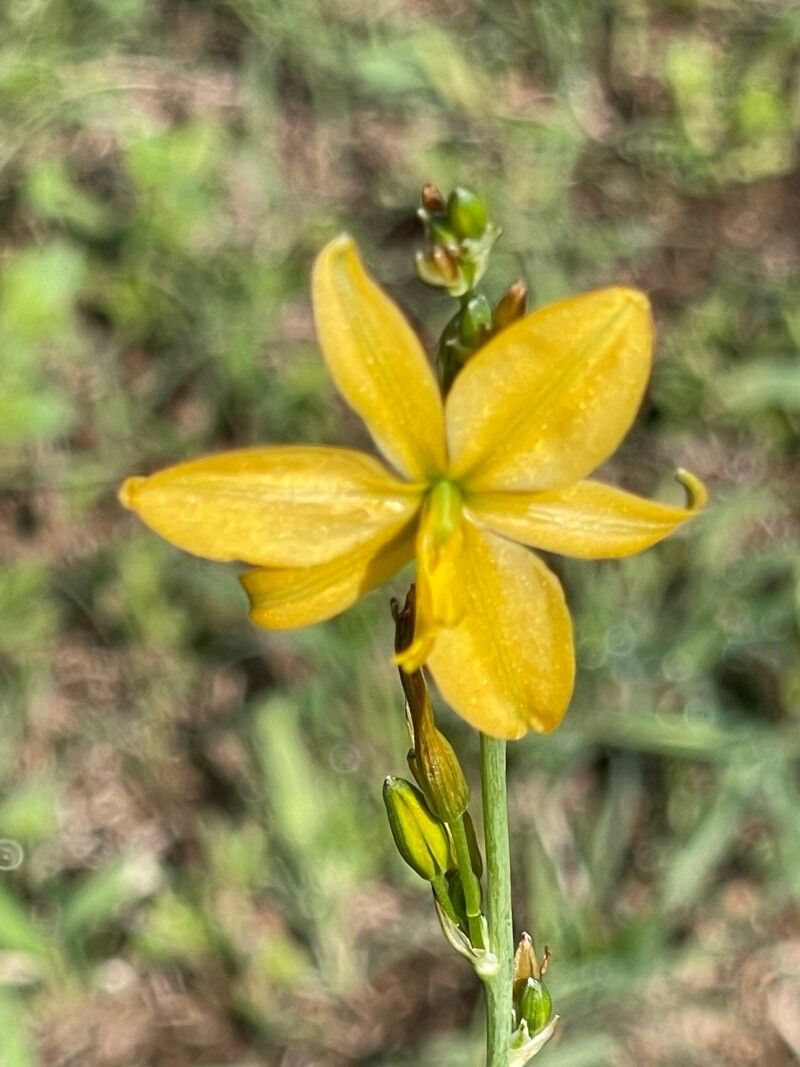
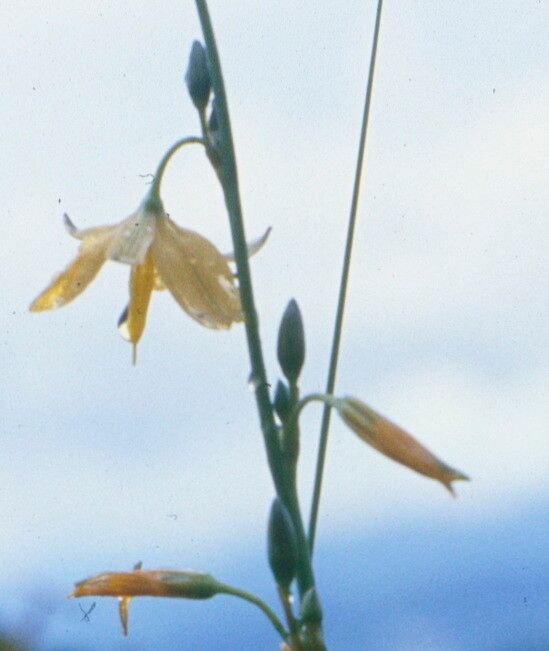
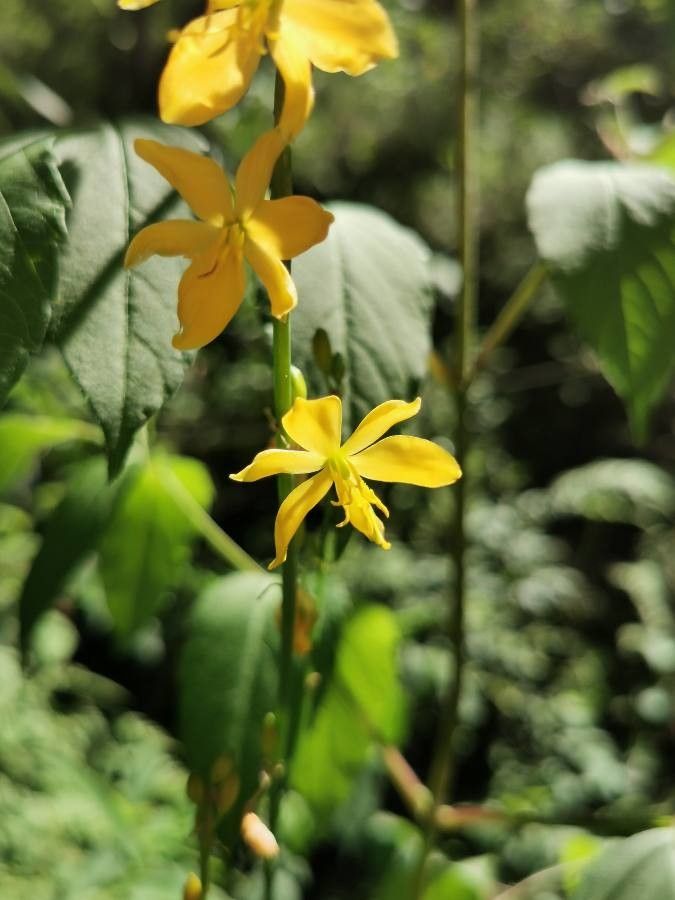
Echeandia texensis, also known as the Green Island echeandia or the Texas craglily, is an endangered species of flowering plant in the asparagus family, Asparagaceae, that is endemic to South Texas in the United States and adjacent Tamaulipas, Mexico. The majority of specimens have been found in Texas, with only one specimen reported from Tamaulipas.
Texas craglily is fairly disease-resistant and typically does not suffer from illnesses. Nevertheless, it can be vulnerable to pests and diseases present in its surroundings. Such infections are usually not severe. Regarding care, this plant needs moderate maintenance. It should be pruned regularly to preserve a good appearance and encourage healthy growth. Applying fertilizer can also help promote flowering. Texas craglily is suitable for anyone with outdoor space, such as a garden or patio, and does not require a lot of care experience. It may need more care when grown indoors.
How to keep Echeandia Texensis.
Light
Texas craglily is indigenous to habitats such as forest understories and rocky areas, where it grows in natural shade. It favors partial sun but can tolerate full sun or full shade, illustrating its versatility and hardiness.
Temperature
Texas craglily can tolerate a wide range of temperatures, but its range may still be restricted by particular combinations of moisture and heat. It grows best in warm summer conditions with sufficient rainfall or irrigation. Extended stretches of cloudy, rainy weather or sustained high temperatures can raise the risk of Texas craglily dying. In winter, protecting it from the cold can increase its chances of survival.
Fertilizer
For the Texas craglily, the primary time to apply fertilizer is in early spring when the flowers begin to form. The proper fertilizer promotes stronger blooms and helps the Texas craglily produce attractive flowers. Fertilizing in early spring helps ensure excellent flowers during the season and supplies energy for dormant growth phases.
Pruning
The Texas craglily showcases vibrant yellow flowers and has a clumping growth habit. To improve airflow and encourage blooming, prune lightly in early spring, making sure to remove any dead foliage. Use sharp tools to prevent the spread of diseases, and aim to preserve the plant's natural shape with minimal pruning for the best health and appearance.
Botanical profile.
- Plant Type
- Herb
- Life Cycle
- Perennial
- Genus
- Echeandia
- Family
- Liliaceae
- Hardiness Zone
- 8-11
- Mature Height
- 30 cm to 61 cm
- Mature Spread
- 20 cm to 30 cm
- Leaf Color
- Green
- Leaf Type
- Deciduous
- Flower Color
- Yellow
- Flower Size
- 1.02 cm to 2.03 cm
- Bloom Time
- Summer
- Planting Time
- Spring, Summer, Autumn
- Harvest Time
- Late summer, Early fall, Mid fall
Other names.