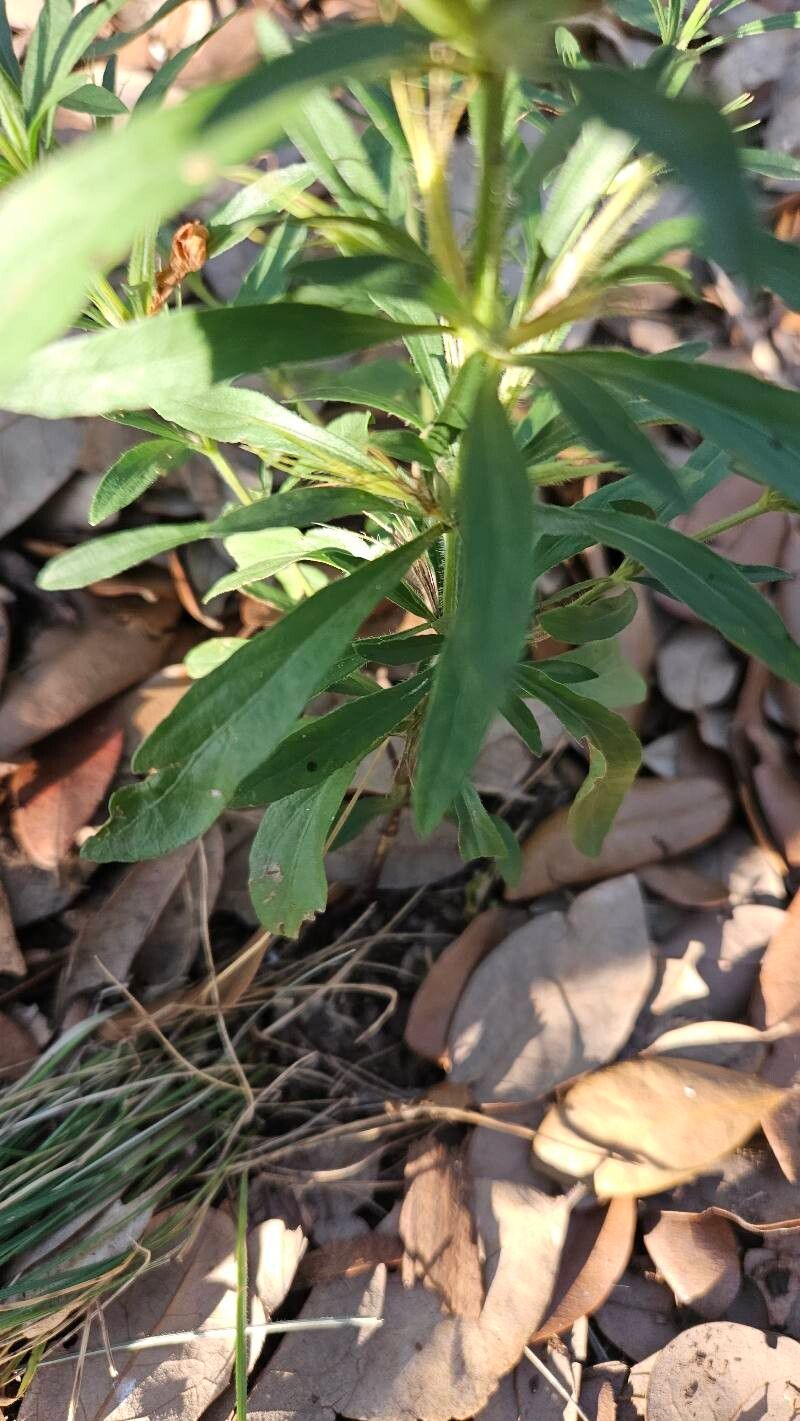
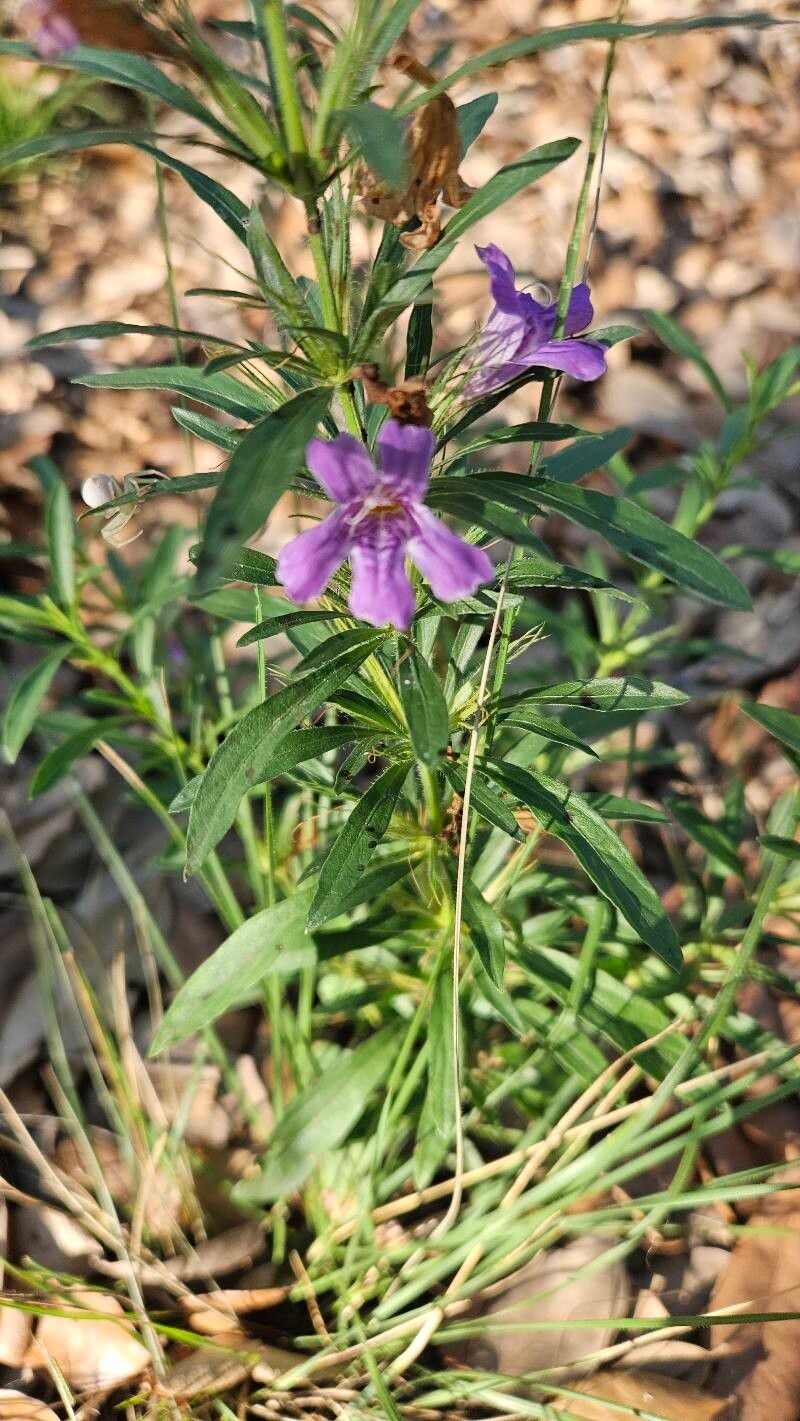
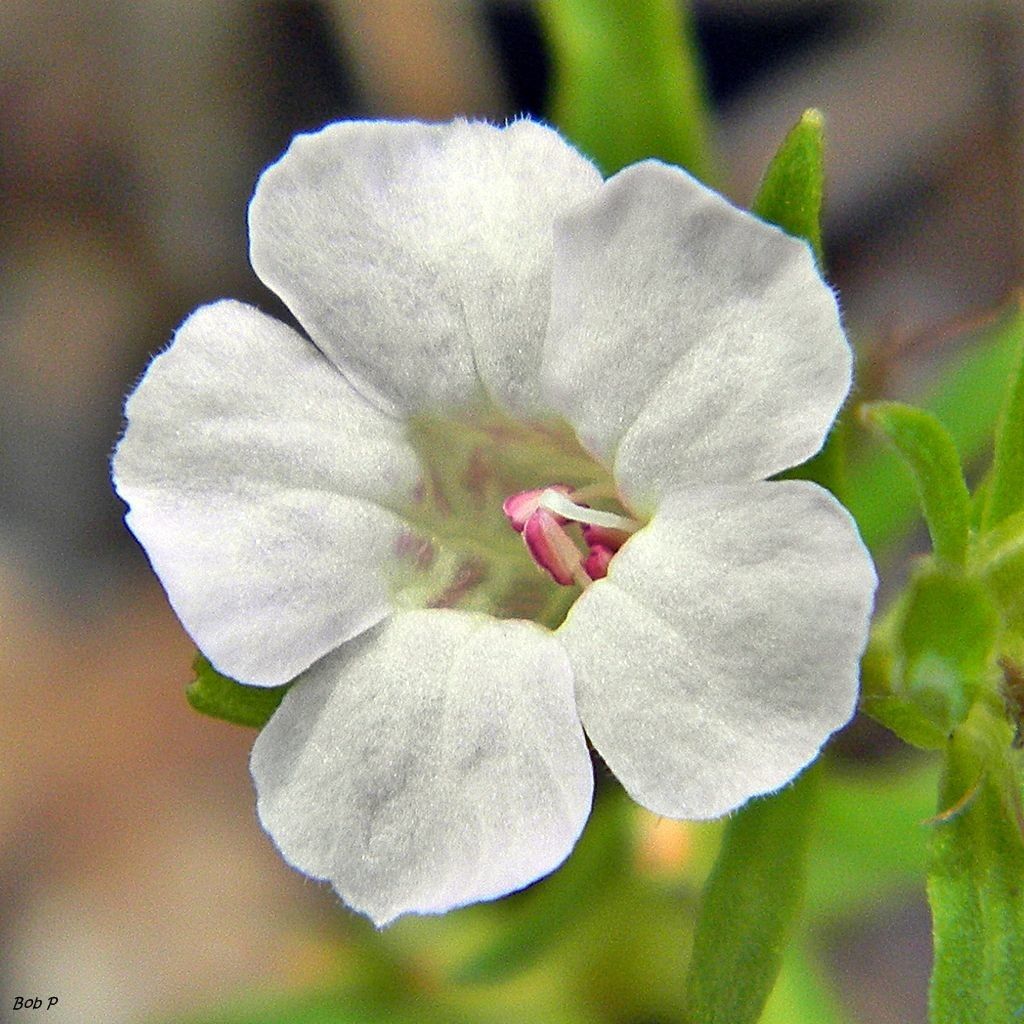
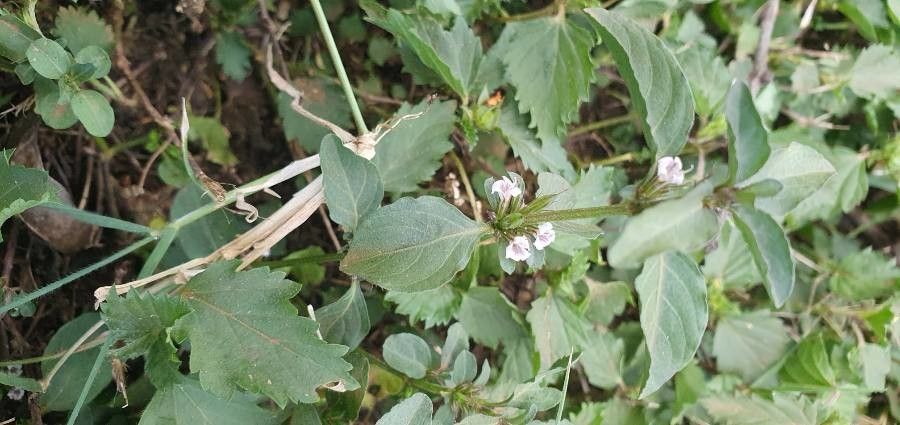
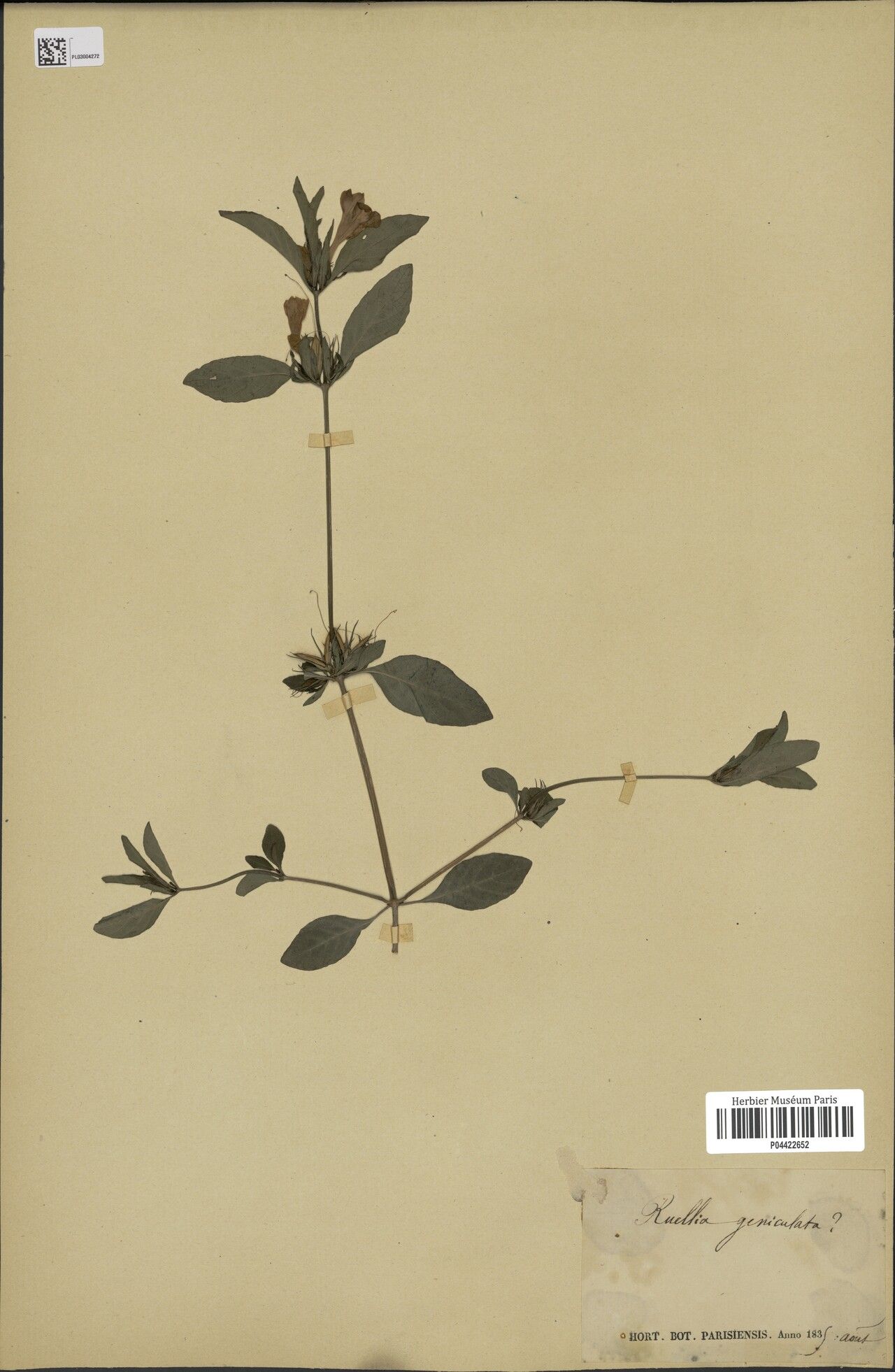
Narrow leaf dyschoriste has strong disease resistance and is generally not prone to illnesses. Still, it can be affected by pests and diseases present in its environment. Such infections are typically mild. Regarding care, this plant needs moderate maintenance. It requires regular pruning to maintain an attractive appearance and healthy growth. Fertilizing can also help encourage flowering. Narrow leaf dyschoriste is appropriate for anyone with outdoor space, such as a garden or patio, and does not demand extensive care experience. It may need more attention when grown indoors.
How to keep Dyschoriste Linearis.
Light
The narrow leaf dyschoriste prefers abundant sunlight, having originally grown in habitats with constant light that support the plant's health. While it can tolerate limited sun exposure, insufficient light may restrict growth. Conversely, too much sunlight can also be harmful.
Water
Narrow leaf dyschoriste thrives best in soil that maintains moderate, consistent moisture but isn't waterlogged. To keep the plant healthy, it should be watered weekly. When growing it outdoors, it's important to manage its water needs carefully, especially during dry spells and in response to rainfall patterns.
Temperature
Narrow-leaf dyschoriste is native to areas with moderate temperatures, preferring a range of 59 to 95 °F (15 to 35 °C). Seasonal care can include slightly reduced temperatures in colder months, which will not harm the plant.
Fertilizer
The best time to fertilize a Narrow leaf dyschoriste is in early spring, when it’s coming out of dormancy and starting active growth. Fertilizing supplies essential nutrients for healthy development. Although Narrow leaf dyschoriste has fairly low fertilizer requirements, an annual application can improve its survival and encourage better, longer-lasting flowers.
Pruning
To promote healthy growth, prune narrow-leaf dyschoriste in the early to late spring when it is actively growing. Concentrate on removing dead stems, thinning out crowded areas to improve air circulation, and shaping any leggy growth. These steps encourage your plant to grow vigorously and become denser and more attractive.
Botanical profile.
- Plant Type
- Herb
- Life Cycle
- Perennial
- Genus
- Dyschoriste
- Family
- Acanthaceae
- Hardiness Zone
- 7-10
- Mature Height
- 15 cm to 46 cm
- Mature Spread
- 46 cm
- Leaf Color
- Green
- Leaf Type
- Evergreen
- Flower Color
- Lavender, Purple
- Flower Size
- 1.27 cm to 1.52 cm
- Bloom Time
- Late spring, Summer, Early fall
- Planting Time
- Spring, Summer, Autumn
- Harvest Time
- Mid summer, Late summer, Fall
- Native Area
- Mexico, Guatemala
Other names.
Reader questions.
What are the sunlight requirements for narrow leaf dyschoriste?
Narrow leaf dyschoriste (Dyschoriste linearis) thrives in full sun, needing above 6 hours of sunlight daily for optimal growth. It's essential to observe how sunlight moves through your garden to find spots that offer a balance of light and shade, ensuring the plants' wellbeing. While it handles some sun exposure, too little light can hinder growth, and too much sunlight may also be detrimental.
What is the native environment of Narrow leaf dyschoriste?
Narrow leaf dyschoriste, also known by its botanical name Dyschoriste linearis, is native to environments that experience moderate temperatures, typically ranging between 59 to 95°F (15 to 35°C). The plant thrives in these conditions and can adjust to seasonal temperature changes, even tolerating slightly colder temperatures during the winter months without suffering harm.
What essentials should be considered for growing narrow leaf dyschoriste?
This plant originally flourishes in environments with continuous sunlight, which is crucial for its health. Although it can tolerate some shade, lack of sufficient light may slow its growth. During periods of inadequate natural sunlight, such as in winter or less sunny locations, artificial lighting can be a beneficial supplement. LED lights are recommended because they provide specific wavelengths needed by plants. Full sun plants require 30-50W/sq ft of artificial light, partial sun plants need 20-30W/sq ft, and full shade plants need 10-20W/sq ft. The light source should be placed 12-36 inches above the plant, simulating natural daylight, for 8-12 hours per day.
Does Narrow leaf dyschoriste require special frost protection?
Narrow leaf dyschoriste possesses strong cold resistance, so it generally does not require special frost protection measures during the winter. However, if temperatures are expected to drop below -15°C, it's important to protect the plant. This can be done by covering it with insulating materials like soil or straw. Additionally, watering the plant abundantly before the first freeze in autumn is recommended to keep the soil moist. This strategy helps prevent drought and ensures the plant has enough water during winter and early spring.
What symptoms indicate light deficiency in narrow leaf dyschoriste?
Symptoms of light deficiency in narrow leaf dyschoriste include smaller new leaves, leggy or sparse growth, faster leaf drop, slower or no new growth, and lighter-colored new leaves. These signs suggest the plant is struggling due to insufficient light exposure.
How should Narrow leaf dyschoriste be cared for in low temperatures?
Narrow leaf dyschoriste is cold-tolerant and prefers temperatures above 15°C. During winter, it's important to ensure that the temperature does not fall below -10°C. If temperatures drop below -15°C, the plant may not show immediate damage but could experience reduced or failed sprouting in spring. To help the plant recover, any parts that have failed to sprout by spring should be removed.
How does excessive sunlight affect narrow leaf dyschoriste?
Excessive sunlight can lead to chlorosis, where leaves lose their green color and turn yellow, sunscald that damages plant tissues, leaf curling as a defense mechanism to reduce water loss, wilting from increased transpiration, and leaf scorching characterized by brown, dry, and crispy leaf edges. These conditions highlight the detrimental effects of too much sunlight exposure on the plant.
What care does Narrow leaf dyschoriste need in high temperatures?
In high temperatures, particularly during summer, Narrow leaf dyschoriste should be kept below 35°C. Exposure to temperatures above 41°C can cause the leaves to lighten in color, curl, become susceptible to sunburn, and in severe cases, cause the entire plant to wilt and dry. To protect the plant, remove sunburned and dried-up parts, move it to a shaded location or use a shade cloth to minimize sun exposure during the hottest parts of the day, and water it in the morning and evening to keep the soil moist.
What are the solutions for optimizing narrow leaf dyschoriste's sunlight exposure?
To optimize sunlight exposure for indoor narrow leaf dyschoriste, gradually move the plant to a sunnier spot each week until it receives at least 6 hours of direct sunlight daily. Using south-facing windows and keeping curtains open during the day are good practices. If natural light is insufficient or the plant is large, consider using artificial lights for at least 8 hours a day. For outdoor plants, avoid sudden changes in light intensity by gradually changing their location. Corrective actions may not revive parts damaged by lack of light, but new growth will be healthy. To reduce obstructions outdoors, prune trees or bushes that block sunlight and consider transplanting smaller plants during their dormant period to a sunnier location with better drainage.