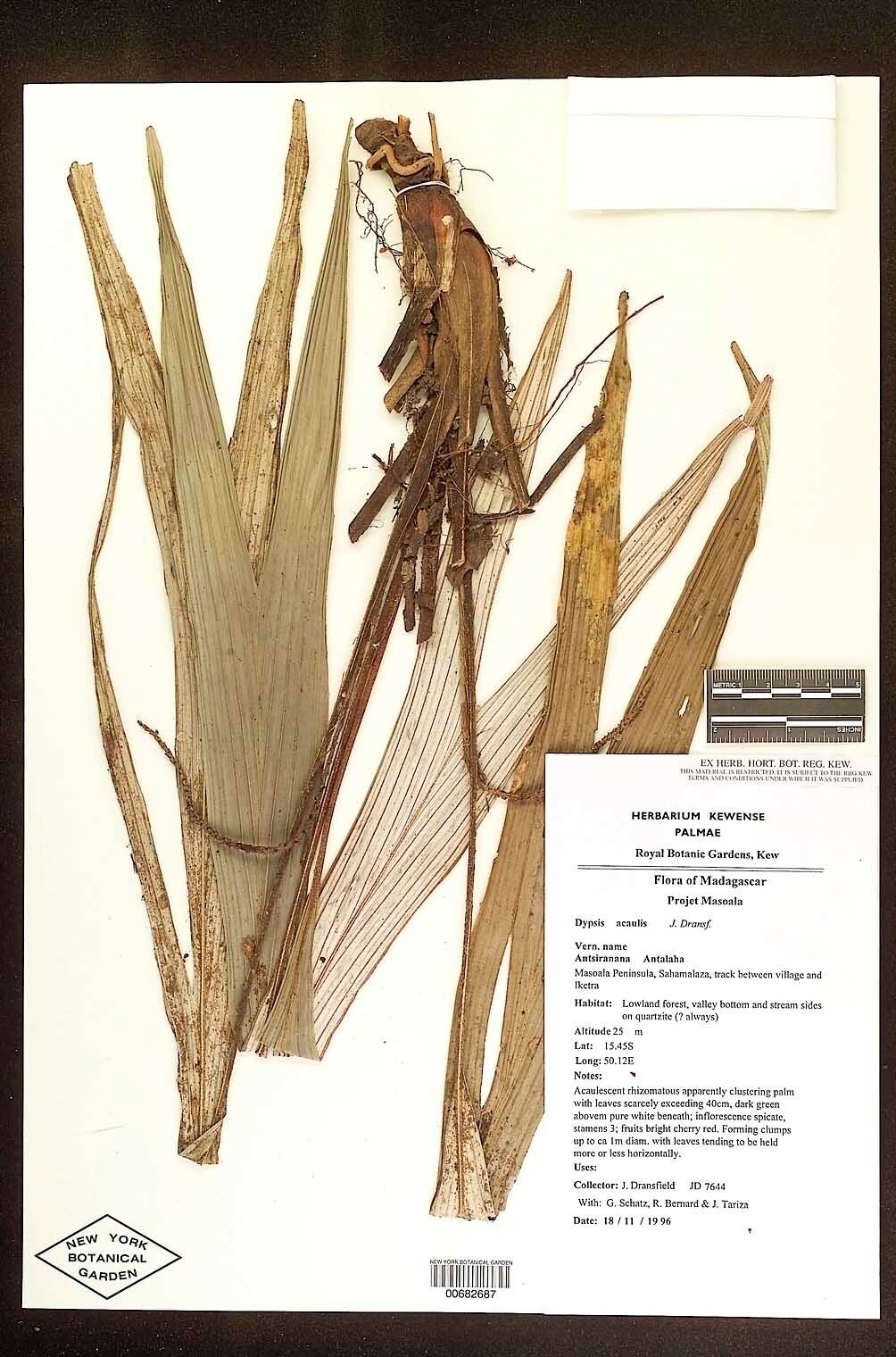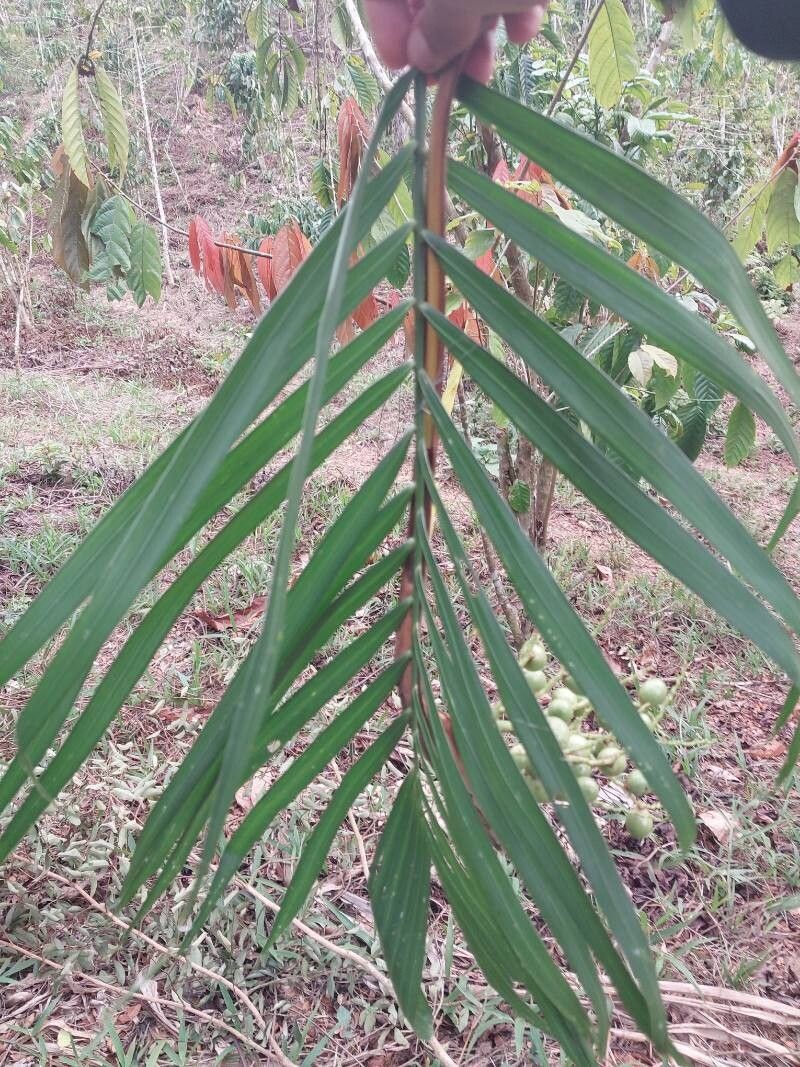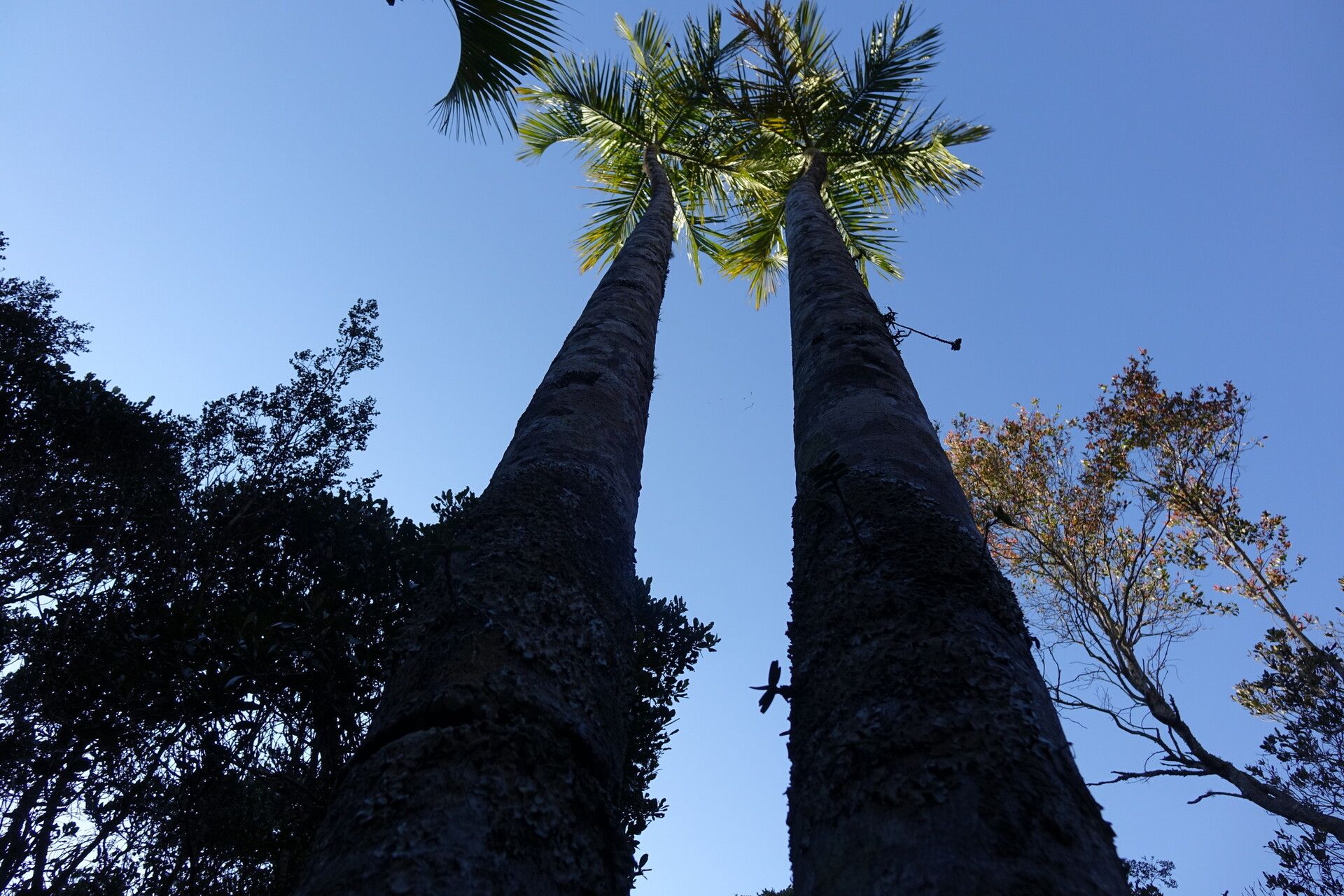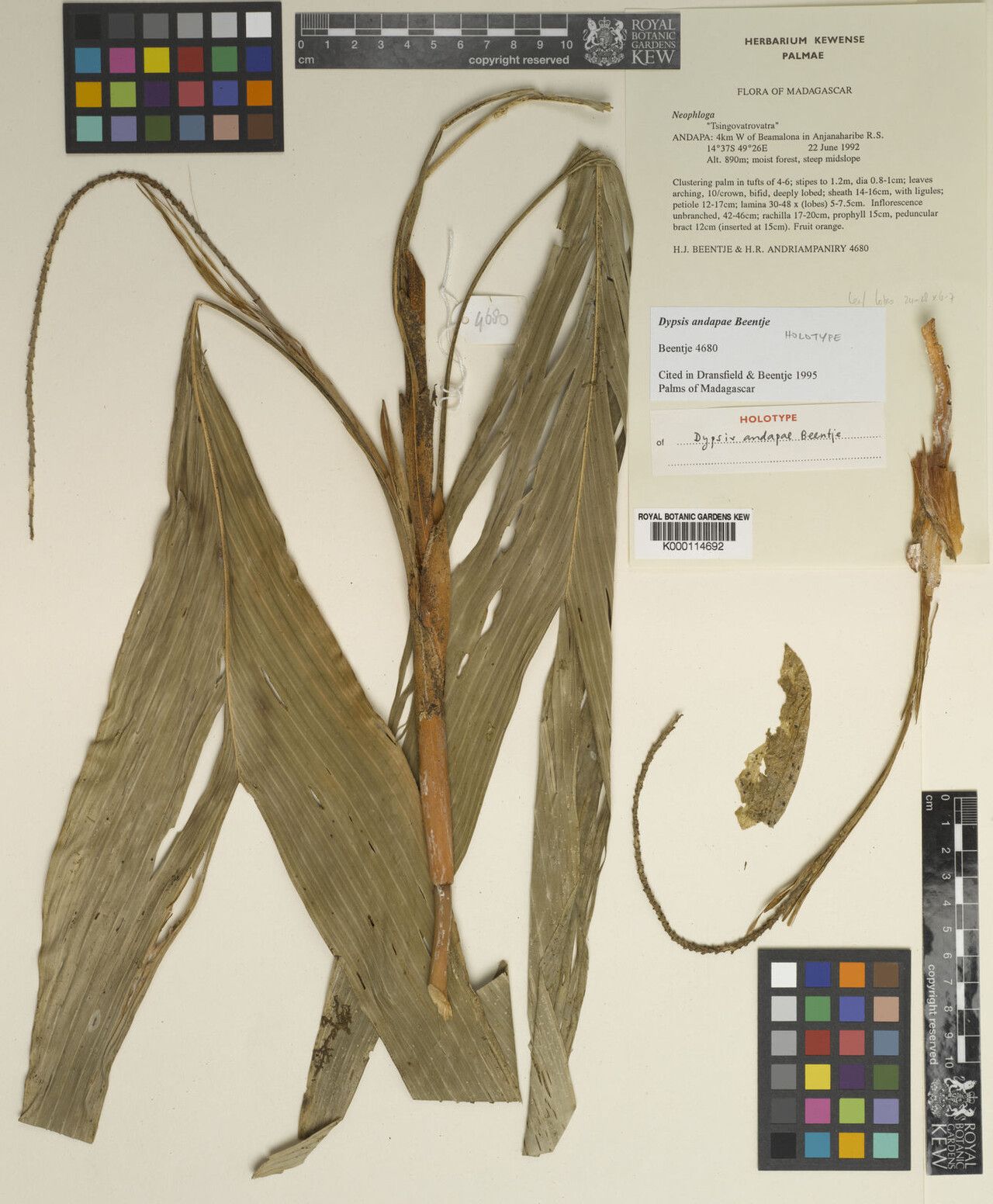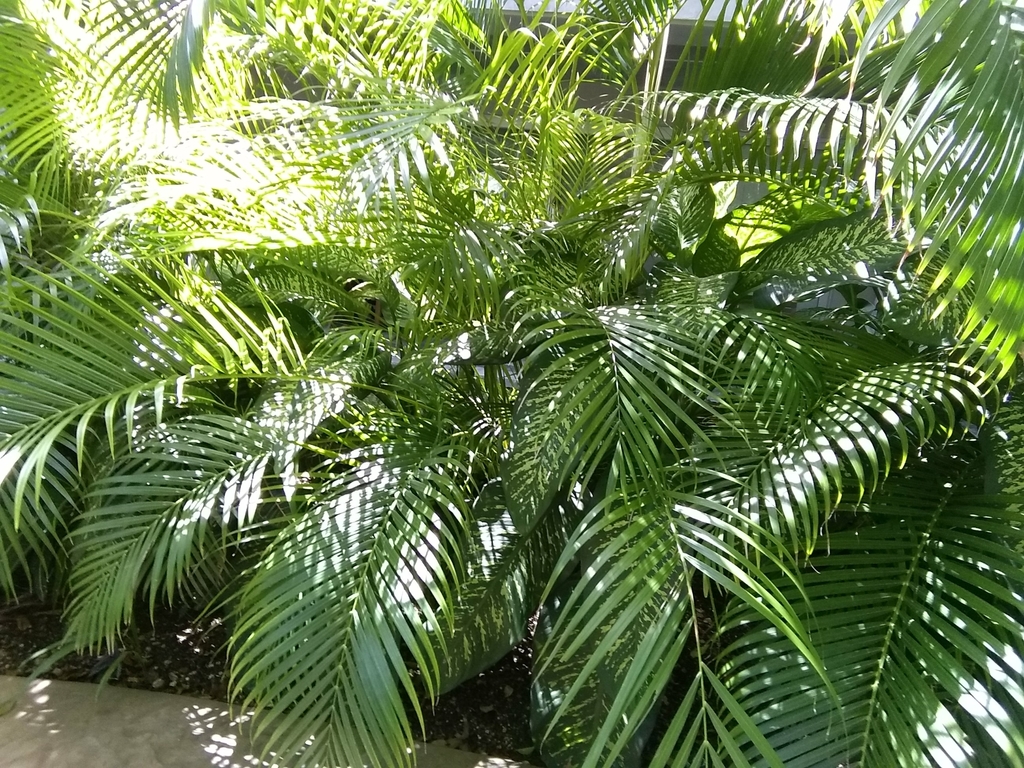
Dypsis lutescens, commonly known as the Areca palm or golden cane palm, is a popular ornamental plant belonging to the family Arecaceae. Native to Madagascar, this plant can reach heights of 6-7 meters. It features slender stems topped with feathery fronds that are bright green and pinnate, growing up to 2 meters in length.
The Areca palm is widely cultivated both indoors and outdoors for its attractive appearance and ease of maintenance. It thrives in well-drained soil, with moderate watering, and bright indirect sunlight for optimal growth.
Beyond its aesthetic appeal, Dypsis lutescens offers several benefits. It helps purify indoor air by removing harmful toxins such as formaldehyde, benzene, and xylene.
According to legend, the leaves of the yellow butterfly palm used to grow straight and densely. During a war, a desperate general struggled to find a hiding spot and had no other option but to conceal himself among the yellow butterfly palms. He prayed for the palms to assist him, and, remarkably, the leaves unfolded around him, providing cover that enabled him to escape easily. FUN FACT · FROM THE LIBRARY
In the traditional medicinal practices of Madagascar, where the plant originates, Dypsis lutescens has been used to treat various ailments, including fever reduction, thanks to its anti-inflammatory properties.
Overall, Dypsis lutescens is an excellent choice for those seeking a low-maintenance yet visually appealing houseplant. Not only does it enhance indoor and outdoor spaces, but it also improves indoor air quality, adding both beauty and health benefits to your environment.
Yellow Butterfly Palm: Although this plant resembles an evergreen palm, it actually produces yellow conical flowers in the summer. Its leaves arch gracefully upwards from several stems, giving the plant a distinctive appearance reminiscent of a butterfly. This unique characteristic is why it is called the Yellow Butterfly Palm.
Areca palm is fairly disease-resistant and typically does not develop illnesses. However, when grown in poor conditions it can become more prone to disease. It also has relatively few insect pests. Regarding care, this plant has moderate needs. It requires plenty of sunlight, since insufficient light can make it vulnerable to disease and cause thin, spindly growth. As it is often kept indoors, it may need to be moved regularly to a well-lit spot. It does not need frequent watering. Overall, Areca palm is suitable for most people, though it is best for those who can provide good light conditions.
How to keep Dypsis Lutescens.
Light
The areca palm prefers a balance of sun and shade and tolerates various lighting conditions provided there is adequate daylight. Originating from habitats where sunlight is filtered through larger trees, the plant thrives even without excessive light. However, if it is deprived of sufficient light its growth may be hindered, and when overly exposed its leaves may become scorched.
Water
The yellow butterfly palm, native to Madagascar, thrives in humid environments similar to its natural tropical rainforest habitat. To care for it properly, water the plant every 1-2 weeks, being careful not to overwater and cause waterlogging. Although it can be grown indoors, it benefits from regular misting during its growing season to maintain the necessary humidity levels.
Temperature
The areca palm is native to tropical areas and does best in temperatures of 68 to 105℉ (20 to 41℃). For best growth, keep the temperature steady within that range all year. In winter, increasing indoor temperatures toward the upper end of the range can help the plant thrive.
Fertilizer
Fertilize your Areca palm in early spring to encourage healthy growth. Regular feeding improves its overall health, producing vigorous growth, greater tolerance of challenging conditions, and enhanced resistance to pests and diseases. Keep a consistent fertilization routine for your Areca palm to maintain vibrant, deeply colored foliage and a lush appearance.
Pruning
To ensure your yellow butterfly palm remains healthy and attractive, prune it in early spring. Remove any dead or crowded fronds to improve airflow and enhance its appearance. Be sure to trim close to the stem, taking care not to damage the trunk. Regular pruning promotes healthy growth, discourages pests, and keeps the plant looking vibrant and appealing.
Pot & Repot
When repotting an Areca palm, choose a pot that is slightly larger and offers excellent drainage. Use a well-draining potting mix. Repot in spring, taking care not to damage the roots during the process. Place the palm at the same level it was in the old pot. Water thoroughly after repotting, and put it in a warm spot with bright, indirect sunlight. Avoid overwatering to prevent root rot.
Toxicity
The areca palm is an excellent houseplant, not only for its stunning foliage display but also for its non-toxic trait. These palm plants are completely safe and pet-friendly, suitable for nearly any home.
Further reading →
The toxicity and danger assessments provided are for reference only. We do not assure their accuracy, so it's crucial not to depend on them. Seek professional advice when necessary for accurate guidance.
Botanical profile.
- Plant Type
- Palm
- Life Cycle
- Perennial
- Genus
- Dypsis
- Family
- Arecaceae
- Hardiness Zone
- 10-13
- Mature Height
- 6.1 m to 9.14 m
- Mature Spread
- 3.05 m to 6.1 m
- Leaf Color
- Green
- Leaf Type
- Evergreen
- Flower Color
- Yellow
- Flower Size
- 15.24 cm
- Bloom Time
- Early summer, Mid summer
- Planting Time
- Spring, Summer, Autumn, Winter
- Harvest Time
- All year round
- Native Area
- Madagascar
Other names.
Reader questions.
When Should I Water My Yellow Butterfly Palm?
Proper and timely watering is crucial for the health and development of the yellow butterfly palm. To determine when to water, check the soil moisture by inserting your finger 1 to 2 inches deep into the soil; if it feels dry, it's time to water. Wilting leaves, yellowing or browning of leaves, a lightweight pot or soil, and the pre-flowering stage are all indicators that watering is needed. Additionally, higher temperatures and low humidity can increase the plant's need for water. It's important to avoid over-watering to prevent root rot and under-watering to avoid dehydration and stunted growth.
Why should I add fertilizer to my Yellow butterfly palm?
No matter what type of Yellow butterfly palm you own, regular fertilization is key for promoting overall plant health. By providing the proper nutrients, your Yellow butterfly palm will experience enhanced growth, increased resilience to harsh conditions, and improved defense against diseases and pests. Since the foliage is a major source of attractiveness in your Yellow butterfly palm, it's essential to maintain it. This involves establishing and following a consistent fertilization schedule tailored to your specific palm type. By doing so, you'll encourage the development of deep-colored and lush leaves in your Yellow butterfly palm.
What are the sunlight requirements for Yellow Butterfly Palm?
The Yellow Butterfly Palm (Dypsis lutescens) has flexible sunlight requirements, thriving in a balance of sun and shade. It can tolerate various lighting conditions, benefiting from partial sun to about 3-6 hours of sunlight a day, and can handle full sun or full shade (above 6 hours of sunlight) in the right conditions. Originating from environments with filtered daylight, it can grow well even without direct, excessive light. However, insufficient or excessive sunlight could hinder growth or cause leaf scorch, respectively. It's suggested to watch how the sunlight moves through your garden to ensure your plants receive the perfect balance of light.
What temperature range is preferred by the Yellow butterfly palm?
The Yellow butterfly palm thrives in a temperature range of 68 to 105°F (20 to 41°C), native to tropical regions. To ensure optimal growth, maintaining a consistent temperature within this range throughout the year is recommended. During winter, it's beneficial to adjust the indoor temperature to the higher end of this range to help the plant flourish. As the Yellow butterfly palm is extremely heat-loving, exposure to cold temperatures can be harmful. In autumn, bringing outdoor-grown Yellow butterfly palms indoors to a bright window while keeping them away from direct heat sources like heaters helps in maintaining the required temperature above 20°C. It’s crucial to avoid temperatures nearing 5°C, which can be detrimental to the plant's health.
How Should I Water My Yellow Butterfly Palm?
The yellow butterfly palm prefers evenly moist soil but not waterlogging. Water from the top until water drains out the bottom, focusing on the base rather than the foliage to prevent diseases. Using a moisture meter can help ensure the plant receives the right amount of water. Regular misting helps maintain humidity but ensure the foliage is dry by nightfall. Filtered or distilled water is preferred to avoid chemical damage from tap water. If tap water must be used, let it sit for 24 hours before watering to evaporate the chlorine.
When should I fertilize my Yellow butterfly palm?
To properly fertilize your Yellow butterfly palm, it is recommended to do so in late winter or early spring. This will provide the palm with the necessary nutrients for healthy growth once the weather becomes warmer. Additionally, in warm climate regions, it can be beneficial to fertilize the palm again in early fall. This will not only provide additional nutrients for the upcoming growing season, but also help the palm withstand the winter cold without foliage damage. Performing the second fertilization earlier in the fall will allow enough time for new branches to grow and be resilient against winter conditions.
How can artificial lighting be used for Yellow Butterfly Palm indoors?
When natural sunlight is insufficient for a Yellow Butterfly Palm indoors, artificial lighting can be an essential solution for optimal growth. For indoor plants, particularly in winter or less sunny spaces, LED lights are recommended as they can provide specific wavelengths needed for plant growth. Full sun plants may require 30-50W/sq ft of artificial light, partial sun plants 20-30W/sq ft, and full shade plants 10-20W/sq ft. The light source should be placed 12-36 inches above the plant, mimicking natural sunlight as closely as possible, and plants generally need about 8-12 hours of light per day for healthy growth.
How should you care for the Yellow butterfly palm in low temperatures?
The Yellow butterfly palm prefers warm temperatures and cannot tolerate low temperatures well, thriving best when the temperature remains above 20°C. During winter, it's essential to keep the temperature above 5°C to prevent damage. Exposure to temperatures below 1°C may lead to the leaves lightening in color. Frost damage can cause the leaves to turn brown or black and exhibit symptoms like wilting and drooping. To care for a plant affected by low temperatures, trim off the frost-damaged parts and immediately move the plant to a warm indoor environment for protection. Placing the palm near a south-facing window ensures it receives ample sunlight while avoiding the excessive dryness caused by heaters or air conditioning vents.
How Much Water Does Yellow Butterfly Palm Really Need?
The amount of water for a yellow butterfly palm depends on several factors, including the plant size and the pot it's in. Normally, for a mature plant in a 10-inch pot, about 1/2 to 1 gallon of water is sufficient. The plant shows robust growth if watered correctly; yellowing can indicate over-watering, and brown, dry fronds suggest under-watering. Ensure deep watering that reaches the roots and adjust the water quantity based on the plant's needs. Avoid both over-watering and under-watering to prevent root rot or drying out.
When is it not a good idea to fertilize my Yellow butterfly palm?
There are a few specific periods during the year when you should avoid fertilizing your Yellow butterfly palm. The first is in the early and mid-winter months when the plant is dormant and doesn't require any feeding. Additionally, it is not recommended to fertilize the palm in late spring and throughout the summer, as the weather is typically hotter and drier during this time. These conditions can have a negative impact on the palm if fertilized. To prevent any problems, it is best to follow a fertilization schedule that involves feeding only in early spring and early fall.
What are common symptoms of incorrect lighting for Yellow Butterfly Palm?
Incorrect lighting can lead to several symptoms in a Yellow Butterfly Palm. Insufficient light may cause slower or no new growth, lighter-colored or small new leaves due to a lack of chlorophyll and nutrients. Excessive sunlight can lead to chlorosis (loss of green leaf color), sunscald (pale or necrotic spots on leaves), leaf curling (as a defense against excessive sunlight), wilting (due to increased water loss), and leaf scorching (brown, dry edges on leaves). These symptoms indicate that the plant's lighting conditions need to be adjusted for its health.
What should you do if the Yellow butterfly palm experiences high temperatures?
During summer, keeping the Yellow butterfly palm's temperature below 41°C is crucial to prevent heat stress. If temperatures exceed 45°C, the plant's leaves may lighten in color, making it more prone to sunburn. To assist a plant under high temperatures, trim away any sunburned or dried-up parts. Relocate the palm to an area that provides shade during the intense midday and afternoon sun. Ensuring that the plant is watered in the morning and evening will help keep the soil sufficiently moist and support the palm's health under high temperature conditions.