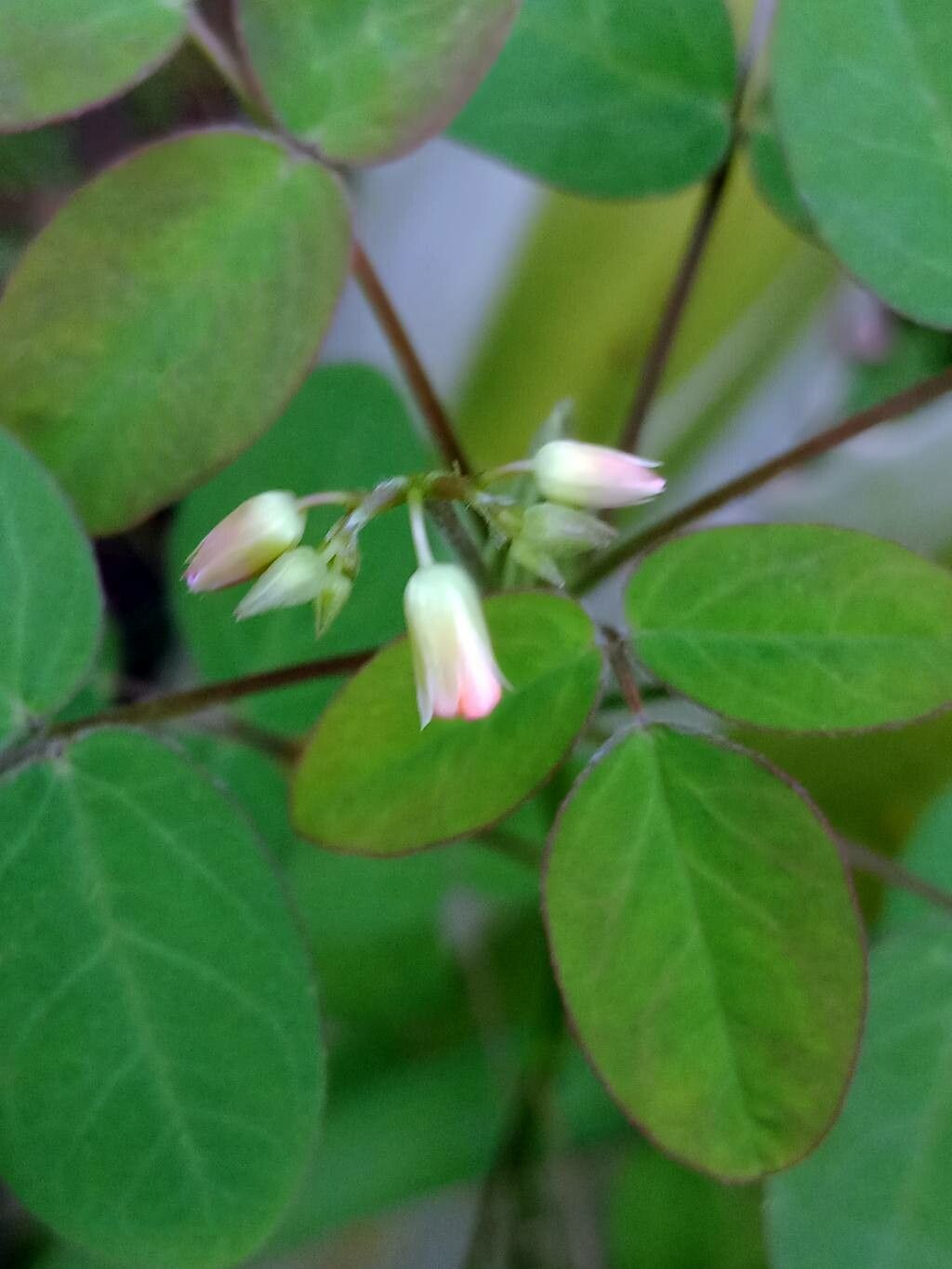
The Bijindo bean is fairly disease-resistant and typically doesn't suffer from illnesses. That said, it can be affected by pests and diseases present in its surroundings. Such infections are generally mild. Regarding care, the plant needs moderate maintenance. Regular pruning is necessary to preserve a neat appearance and encourage healthy growth. Applying fertilizer can also aid in boosting flowering. The Bijindo bean is well-suited for people who have an outdoor area, like a garden or patio, and doesn't demand extensive plant-care experience. When grown indoors it may require more attentive care.
How to keep Dumasia Truncata.
Light
The bijindo bean thrives with plenty of light each day, yet it is surprisingly tolerant of locations that receive less-than-full illumination. Coming from sun-rich habitats, it performs poorly in low-light environments, which can cause weakened growth or reduced vitality.
Water
The Bijindo bean, which comes from humid environments, thrives when it receives regular weekly watering. It's important to avoid waterlogging, however. The plant strikes a balance between tolerating drought and needing humidity. To mimic its tropical origins and maintain proper moisture levels, occasional indoor misting is beneficial.
Temperature
Bijindo bean comes from tropical regions, where the climate is typically warm and humid. Because of this, it is well adapted to high heat and moisture. It does not tolerate sudden temperature changes and prefers a stable thermal environment, so it is important to avoid indoor temperature fluctuations. It usually cannot endure cold and needs higher temperatures for growth. If the surrounding temperature drops too low, the plant may stop growing or even die.
Fertilizer
Proper fertilization is essential for the Bijindo bean's health and appearance. Fertilize the Bijindo bean in summer, repeating the application monthly throughout the season. Nutrients fuel growth and help maintain the plant's parts. Fertilizing the Bijindo bean improves its flower display, ensuring the best blooms.
Pruning
The Bijindo bean is a popular choice among gardeners, known for its vibrant flowers and striking foliage. To promote growth and maintain its shape, it is best to prune the plant from early to late spring. Key pruning techniques include removing damaged branches, thinning out congested areas, and cutting back old stems to improve air circulation and overall plant health. For more detailed care instructions, consult horticultural guides.
Botanical profile.
- Plant Type
- Herb
- Life Cycle
- Perennial
- Genus
- Dumasia
- Family
- Fabaceae
- Hardiness Zone
- 9-11
- Mature Height
- 0.91 m to 3.05 m
- Mature Spread
- 49 cm to 91 cm
- Leaf Color
- Green, Blue
- Leaf Type
- Evergreen
- Flower Color
- Yellow
- Flower Size
- 1.02 cm to 2.03 cm
- Bloom Time
- Summer, Early fall
- Planting Time
- Spring
- Harvest Time
- Late summer, Fall
- Native Area
- South Korea, Japan, China
Other names.
Reader questions.
How should I water my Bijindo bean plant in the best way?
To properly water the Bijindo bean plant, it is recommended to use filtered water at room temperature or slightly warmer. Tap water should be avoided as it may contain harmful particles. This plant prefers a warm environment, so using cold water can be a bit of a shock to its system. Additionally, overhead watering should be avoided to prevent any foliage complications. Instead, it is best to water the soil directly using filtered room temperature water until it is completely soaked. This method is beneficial as it helps moisten the roots and allows them to spread through the soil to collect the necessary nutrients.
Why should I put fertilizer on my Bijindo bean plant?
To ensure your Bijindo bean leaves look great and function properly, proper fertilization is key. Fertilizing will not only enhance the consistent color and texture of the leaves, but it will also support the growth of new roots and maintain existing ones. This will not only keep your plant healthy in the present, but also improve its ability to absorb nutrients from the soil in the long run.
What kind of sunlight does Bijindo bean require?
The Bijindo bean requires full sun every day, with at least six hours of sunlight to keep its leaves, roots, and blooms healthy. While many perennials also need six hours of sunlight, some plants like the Orange Daylily or Giant Coreopsis can survive on just three hours of sun per day. However, they may not thrive as well as they would in sunnier conditions.
What should I do if I give too much or too little water to my Bijindo bean?
Overwatering can harm your Bijindo bean by causing wilting, yellowing of leaves, and potentially deadly diseases like root rot, mold, and mildew. Underwatering is less common, but can cause brittle, brown leaves. It's important to quickly recognize signs of overwatering to prevent irreversible damage. Reduce watering and check soil quality if overwatering is suspected. If underwatering is the issue, simply increase watering until signs improve.
When should I fertilize my Bijindo bean for best results?
If you grow your Bijindo bean outdoors, it will start growing new leaves in early spring, which is the signal to start fertilizing. Typically, one application of fertilizer is enough for the bean to grow well. However, if you want to maximize its growth, you can fertilize it multiple times during spring and early summer. In that case, you can feed it about once every month to a month and a half.
Can the sun harm Bijindo bean? How can I keep Bijindo bean safe from the sun and heat?
In warm climates, some Perennial Flowering Plants may struggle with excessive heat and suffer from sun damage. They can wilt, dry out, or even experience growth problems if they are consistently exposed to the intense afternoon sun. However, not all plants require protection from the light afternoon sun. For those that are harmed by intense afternoon exposure, it is recommended to provide them with some shade in warmer climates. Gardeners can achieve this by planting these plants in areas that do not receive direct heat during the afternoon, such as under trees or behind bushes.
How often should I give water to my Bijindo bean plant?
If your Bijindo bean is in a pot, the most precise way to determine if it needs water is by inserting your finger into the soil. If the first two to three inches of soil are dry, it's time to water it. The same method can be used if you grow your Bijindo bean outdoors in the ground. Once the first few inches of soil have dried out, water it. Usually, during the spring and early fall, watering once a week using this method is sufficient. However, during extremely hot weather, you may need to increase watering frequency to twice a week or more. Nevertheless, mature and well-established Bijindo bean plants have the admirable ability to withstand drought.
When should I not put fertilizer on my Bijindo beans?
During late fall and winter, your Bijindo bean will go into a dormant phase without new growth. Therefore, it's best to avoid fertilizing during this time. In spring and summer, if you still choose to fertilize, start decreasing the frequency as summer approaches because the growth rate of your Bijindo bean will also slow down. In general, it's not recommended to fertilize your Bijindo bean when the weather is unusually hot or the soil is extremely dry. Fertilizing in these conditions can stress your Bijindo bean and lead to premature death.
Should I make sure that the Bijindo bean doesn't get too much sun?
Certain perennial plants require ample sunlight to reach their maximum bloom. However, in warmer climates, some of these plants actually benefit from less sun. For instance, individuals residing in hotter regions might find it beneficial to shade their flowering perennials during the intense afternoon sun, especially during summer months. Although many perennial flowering plants prefer partial shade in the hottest climates, there are exceptions. Take the Giant Coreopsis, for example, as it is not bothered by excessive sun exposure. These plants can flourish even when placed in the full sun during scorching weather.
How much water does my Bijindo bean plant need?
To properly water your Bijindo bean plant, do not hold back on the amount of water you give it. When the first two to three inches of soil are dry, it is important to thoroughly water the plant. Make sure to provide enough water to completely saturate the soil. You should add enough water that excess water flows out of the drainage holes at the bottom of the pot. If you do not see any excess water draining out, then you likely did not give enough water to the plant. However, be cautious of letting water accumulate inside the soil as it can harm the plant. On the other hand, if water is not draining properly through the pot, it could indicate that the soil does not have good drainage, which can negatively affect the plant's health and should be avoided. If the plant is outdoors, about 1 inch of rain per week will be enough.
What kind of fertilizer does my Bijindo bean plant need?
Choosing the best fertilizer for a Bijindo bean is a simple task. These plants do well with a general-purpose garden fertilizer that has equal amounts of nitrogen, phosphorus, and potassium, such as a 10-10-10 ratio. Avoid fertilizers with high nitrogen levels if uncertain. The ideal fertilizer for Bijindo beans is usually in granular form, slow-release, and easy to apply to the soil. Adding organic soil amendments like compost can also benefit the plants.
What will happen if the Bijindo bean doesn't get enough sunlight?
If your Bijindo bean plant is not receiving enough sunlight, you will notice signs of insufficient requirements. The plants will produce fewer blooms compared to those receiving full sun exposure. Some plants may develop dry spots on their leaves, but most of them will still bloom, albeit with smaller and less full flowers.