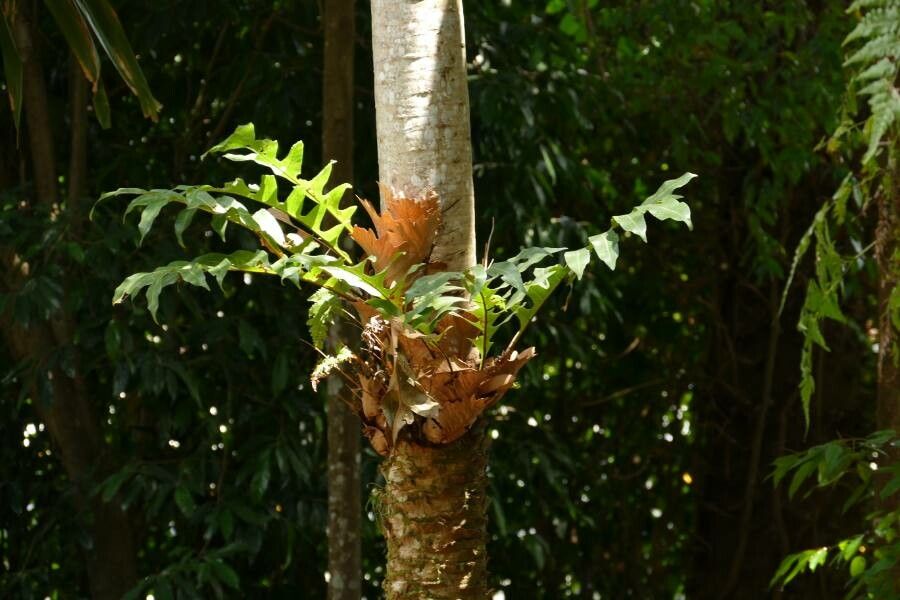
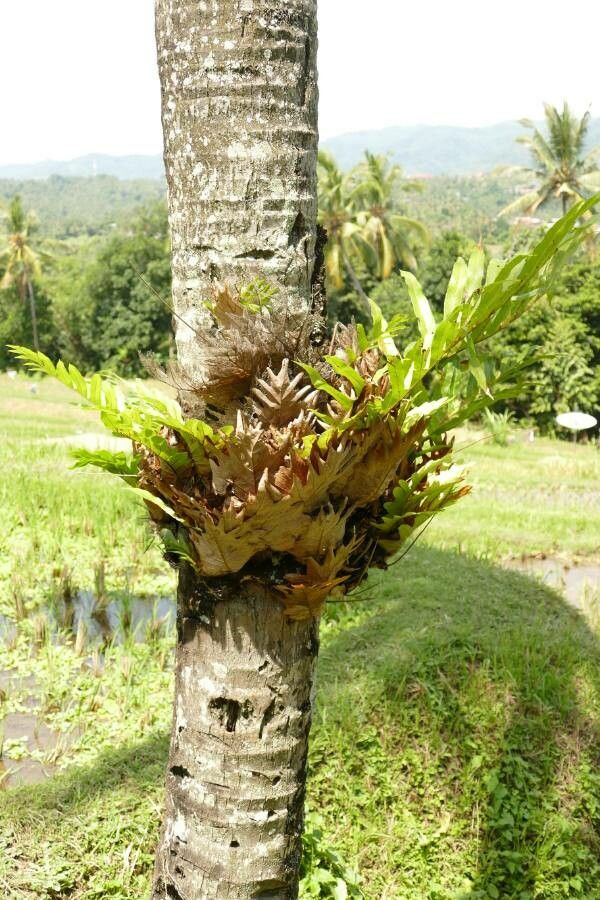
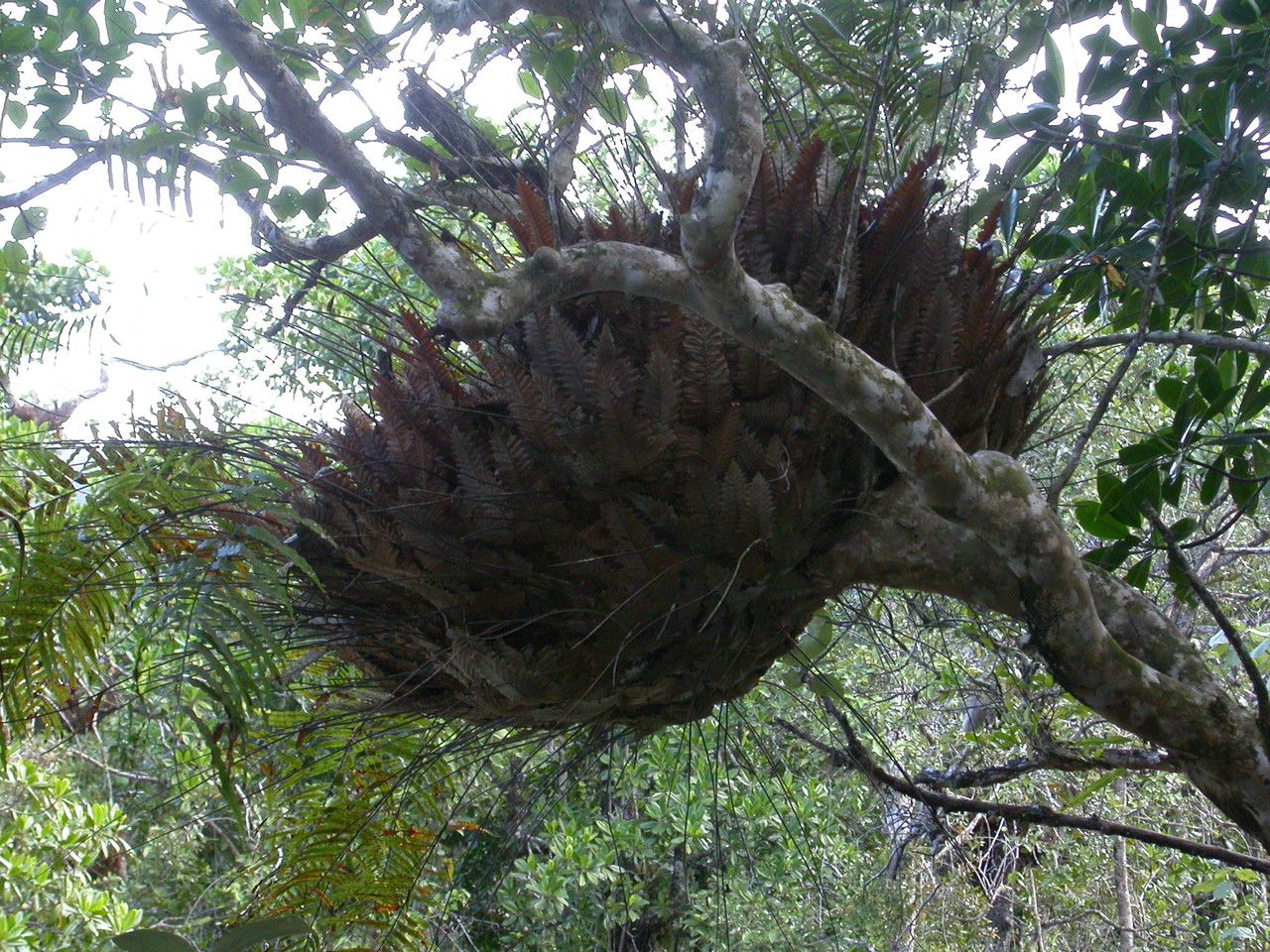
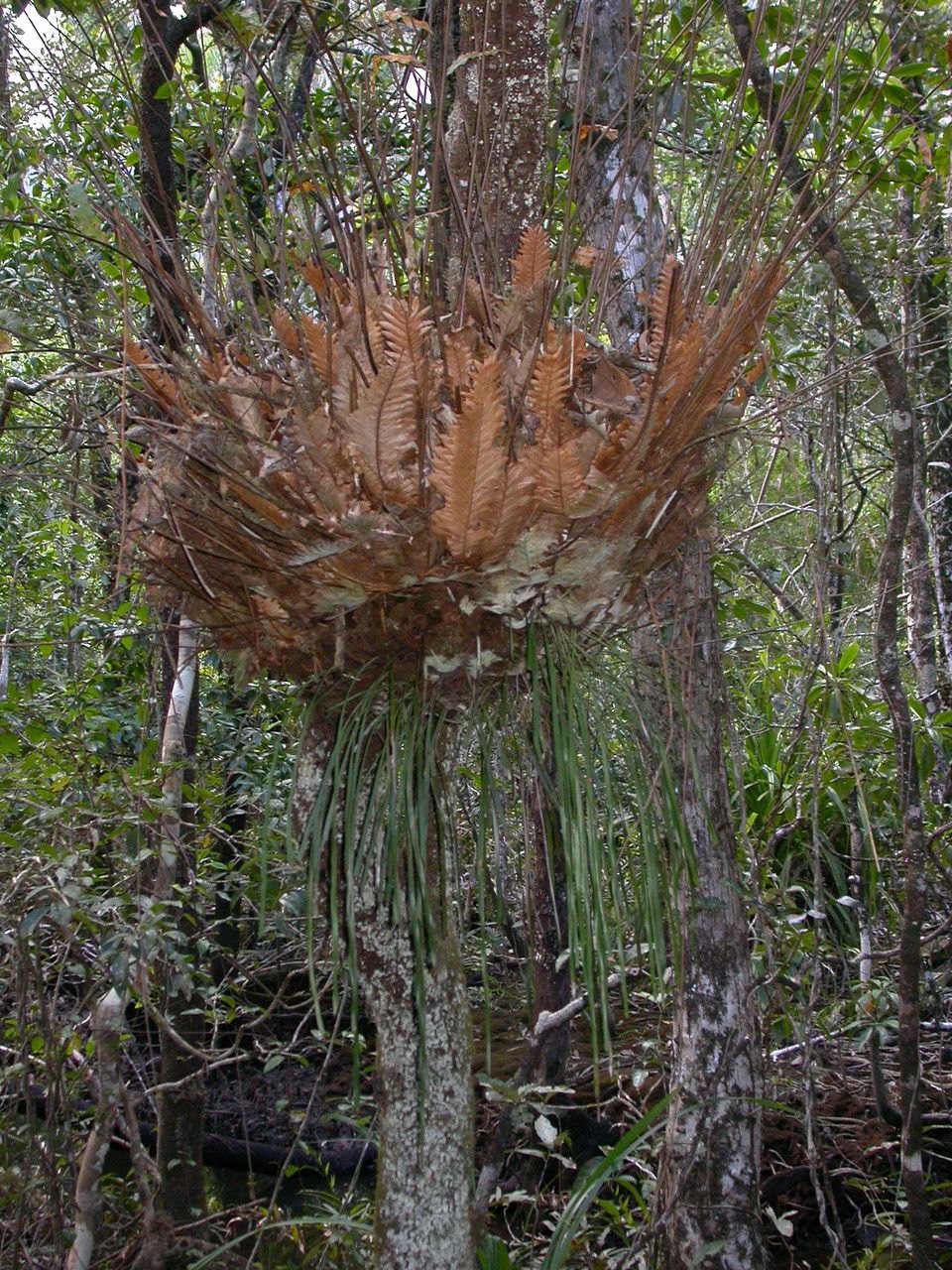
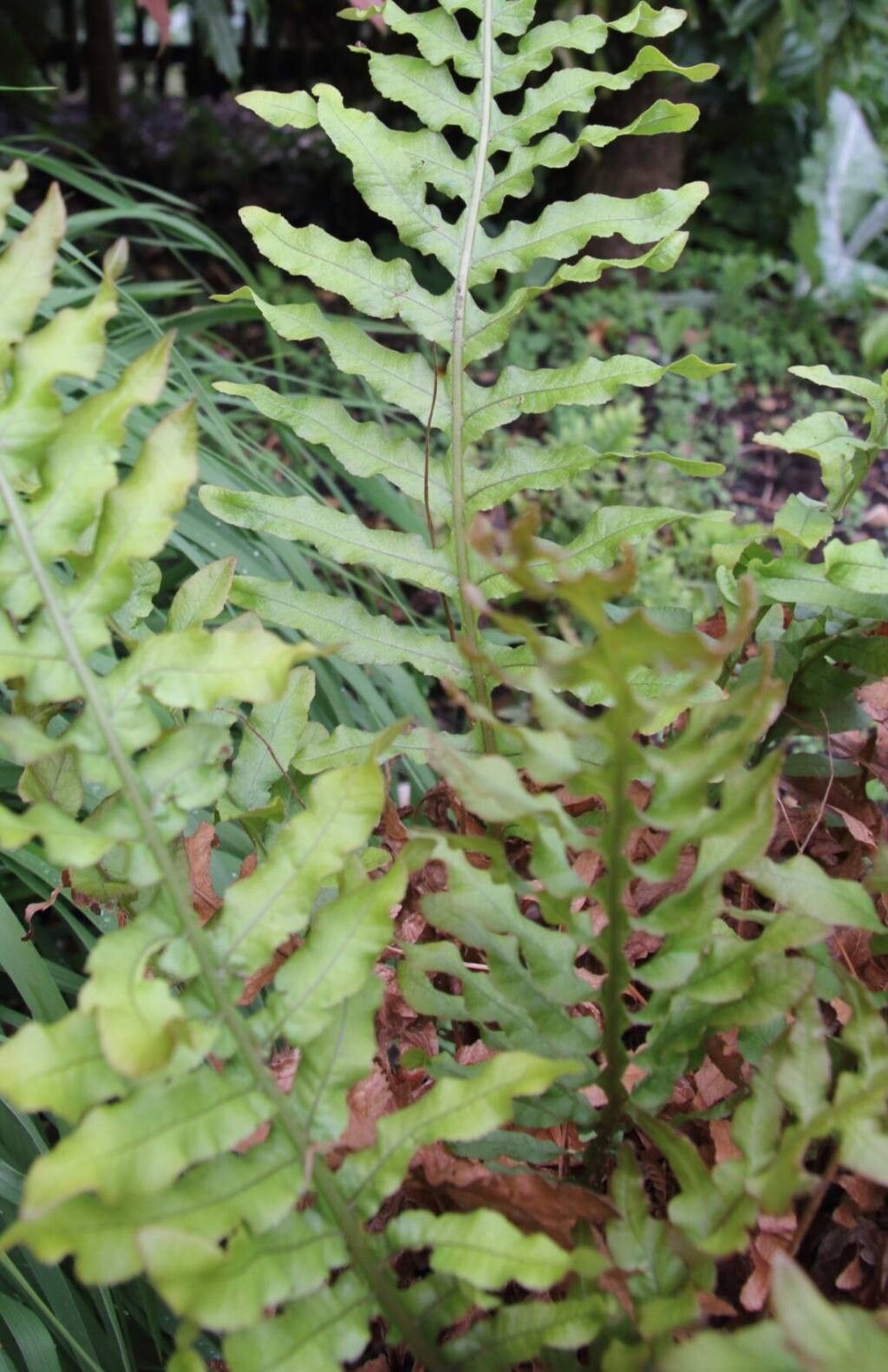
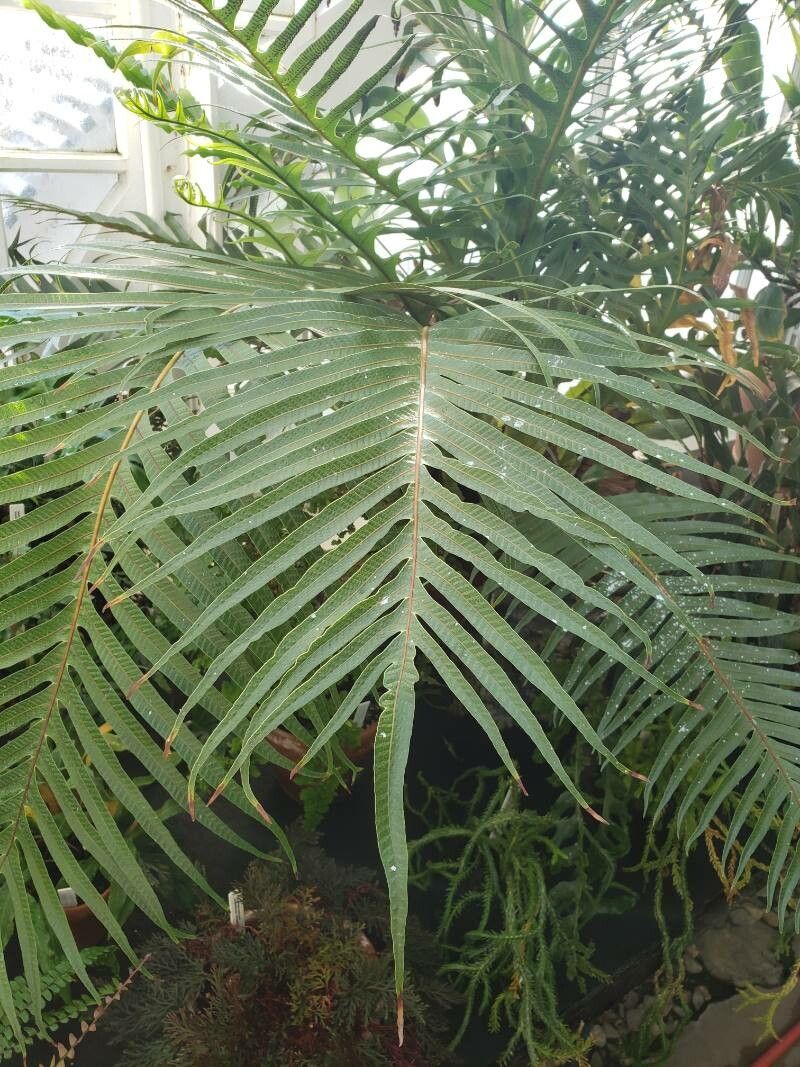
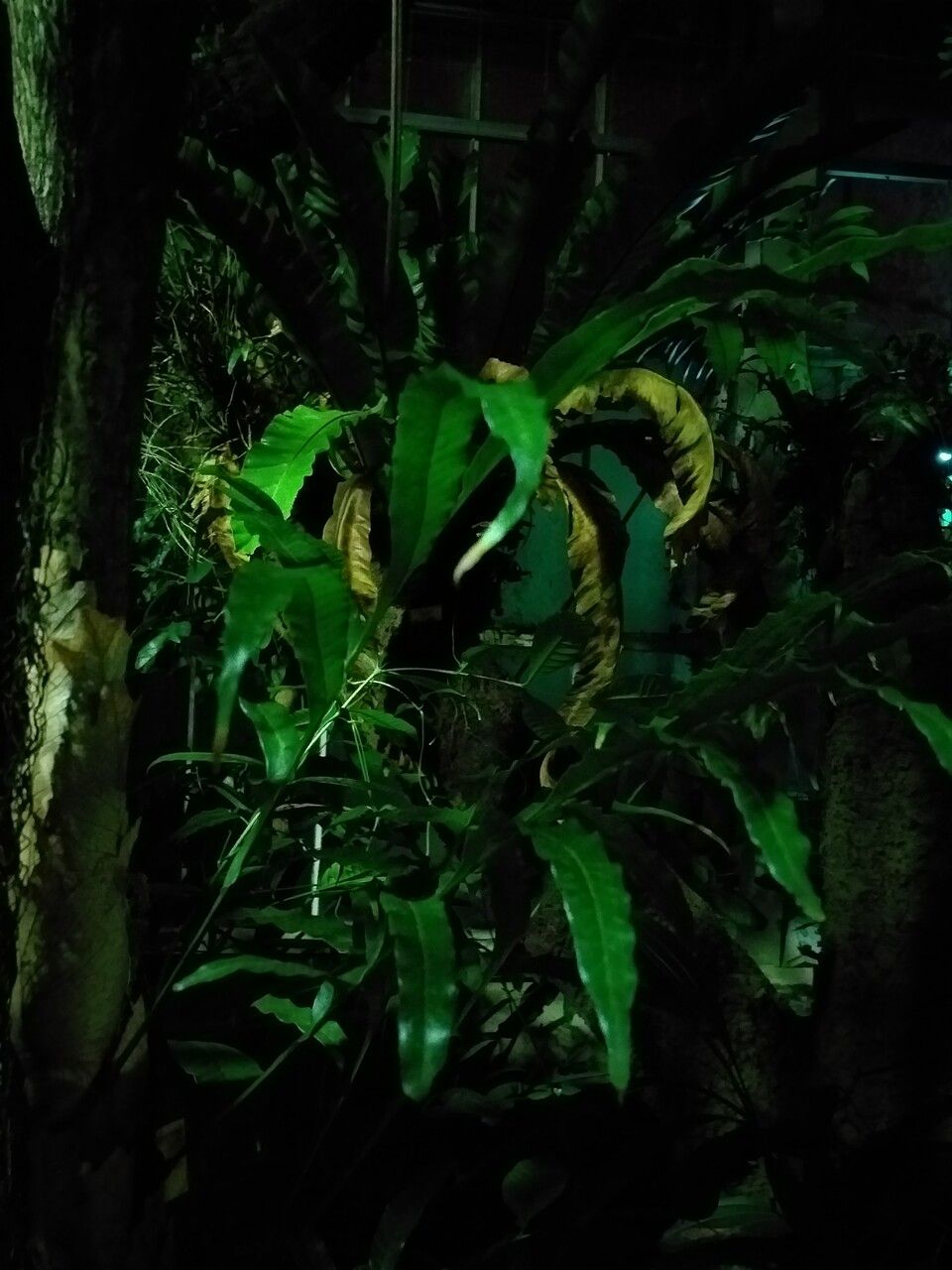
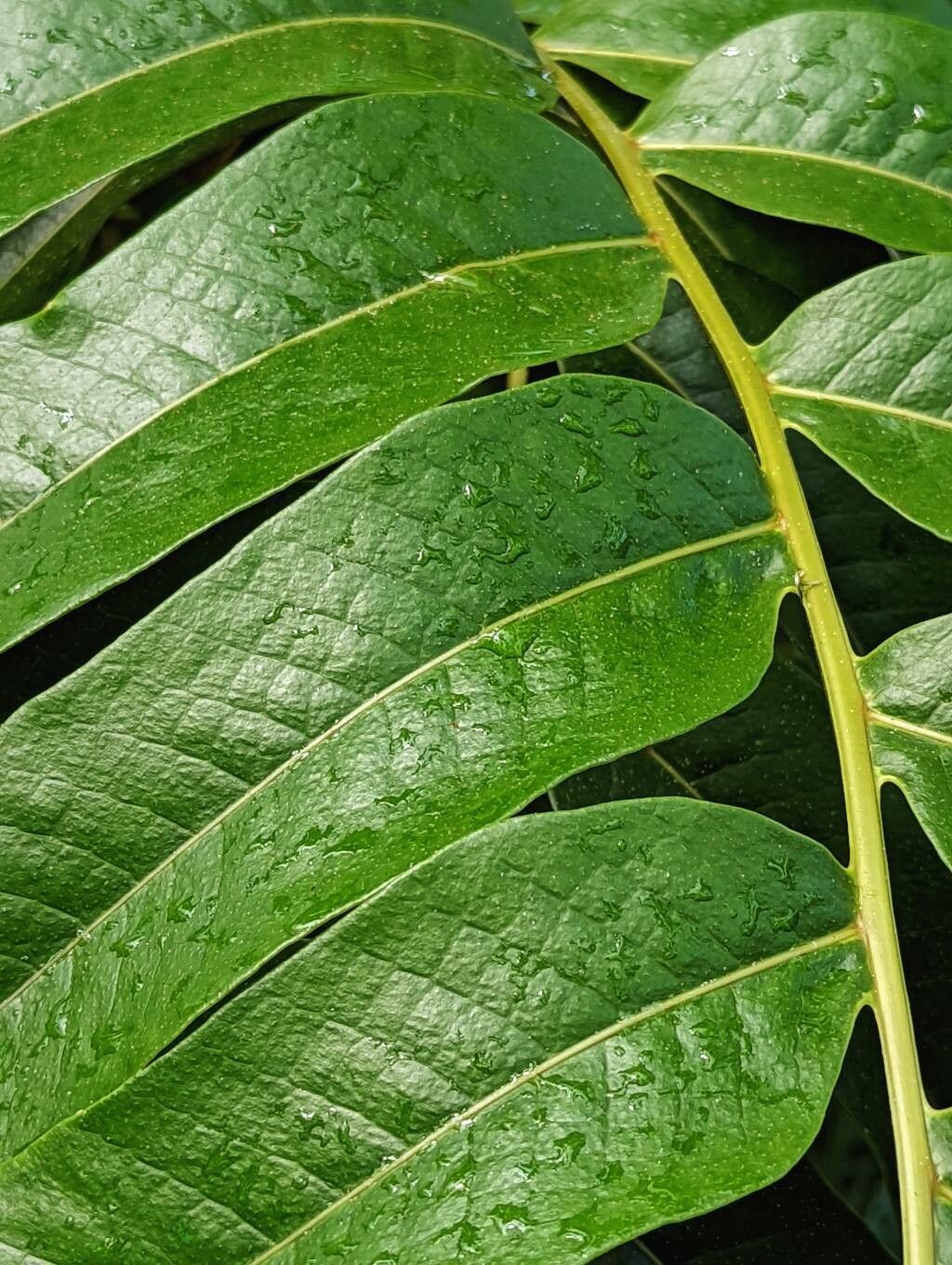
Drynaria rigidula, commonly known as the Antler Fern, is a unique species of fern within the Polypodiaceae family. Native to Southeast Asia, it is found in countries like Thailand, Malaysia, and Indonesia. The fern is named for its distinctive fronds, which resemble antlers or deer horns.
As an epiphytic plant, the Antler Fern grows on trees or rocks in its natural habitat. It has rhizomes that anchor it to the host surface and extract nutrients. The fronds can reach lengths of up to 60 cm and are dark green with a glossy texture.
This fern thrives in moist environments with high humidity but can endure dry conditions for short periods. It requires indirect sunlight or partial shade for optimal growth.
Traditionally, Drynaria rigidula has been utilized in Southeast Asian medicine for its anti-inflammatory properties and in treating bone fractures, thanks to its high content of flavonoids and phenolic compounds.
Beyond its medicinal uses, the Antler Fern is also popular among horticulturists for its unique appearance, making it a striking addition to gardens or indoor spaces such as offices and homes.
In summary, Drynaria rigidula is a fascinating fern species known for its medicinal benefits and ornamental appeal, making it a valuable plant both indoors and outdoors.
Basket fern typically shows strong disease resistance and is affected by relatively few insect pests. Its care is considered challenging because it needs a consistently moist environment and frequent watering. Nevertheless, the roots are susceptible to rot if overwatered and if the surroundings lack good ventilation. Basket fern is appropriate for people with some growing experience, as most individuals can keep it alive for a certain period. Still, the plant may struggle to thrive and its leaves can dry out and become less healthy over time.
How to keep Drynaria Rigidula.
Light
The basket fern is native to habitats such as forest understories or rocky sites that provide natural shade. It prefers full shade but can tolerate partial sun.
Temperature
Basket fern comes from tropical areas, where the climate is generally warm and humid. Therefore it is adapted to high temperatures and humidity. It is sensitive to sudden temperature shifts and prefers a steady temperature environment, so preventing indoor temperature fluctuations is important. It typically cannot tolerate cold conditions and requires warmer temperatures to grow. If the ambient temperature falls too low, the plant may stop growing or even die.
Botanical profile.
- Plant Type
- Fern
- Life Cycle
- Perennial
- Genus
- Drynaria
- Family
- Polypodiaceae
- Hardiness Zone
- 10-12
- Mature Height
- 0.91 m to 1.83 m
- Mature Spread
- 1.83 m to 3.66 m
- Leaf Color
- Dark Green, Forest Green
- Leaf Type
- Evergreen
- Planting Time
- Spring, Summer, Autumn
Other names.