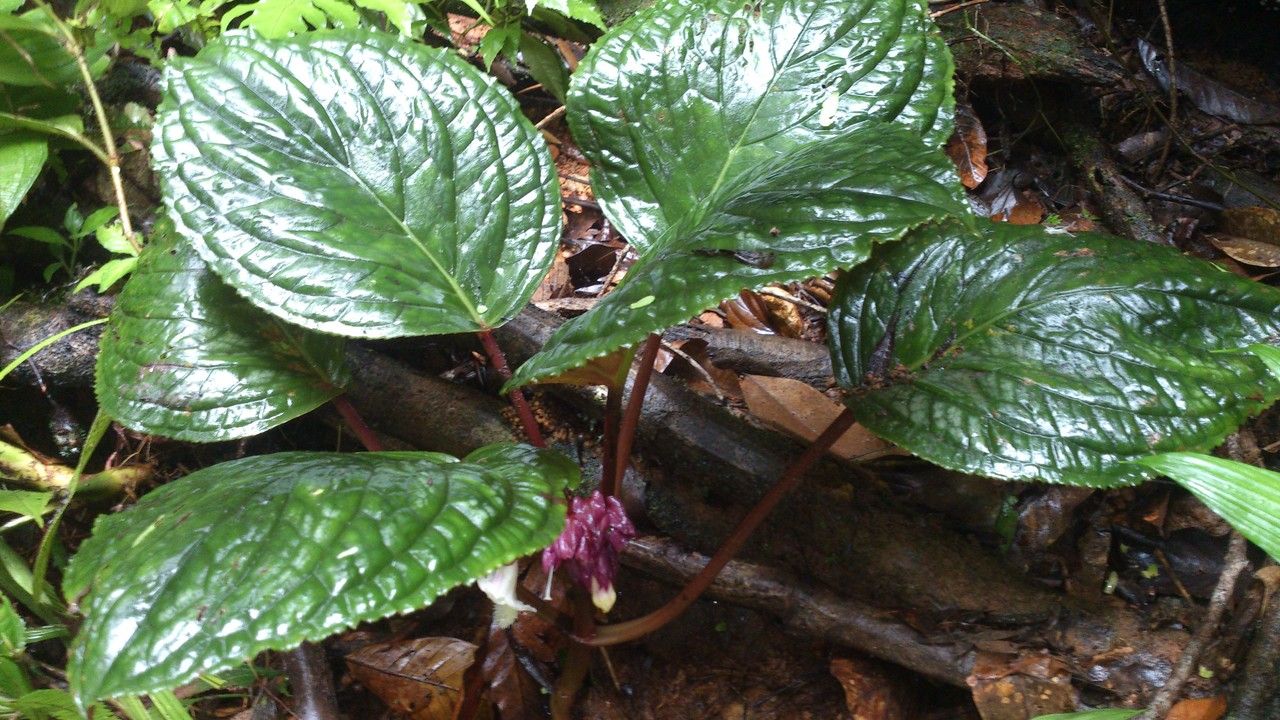
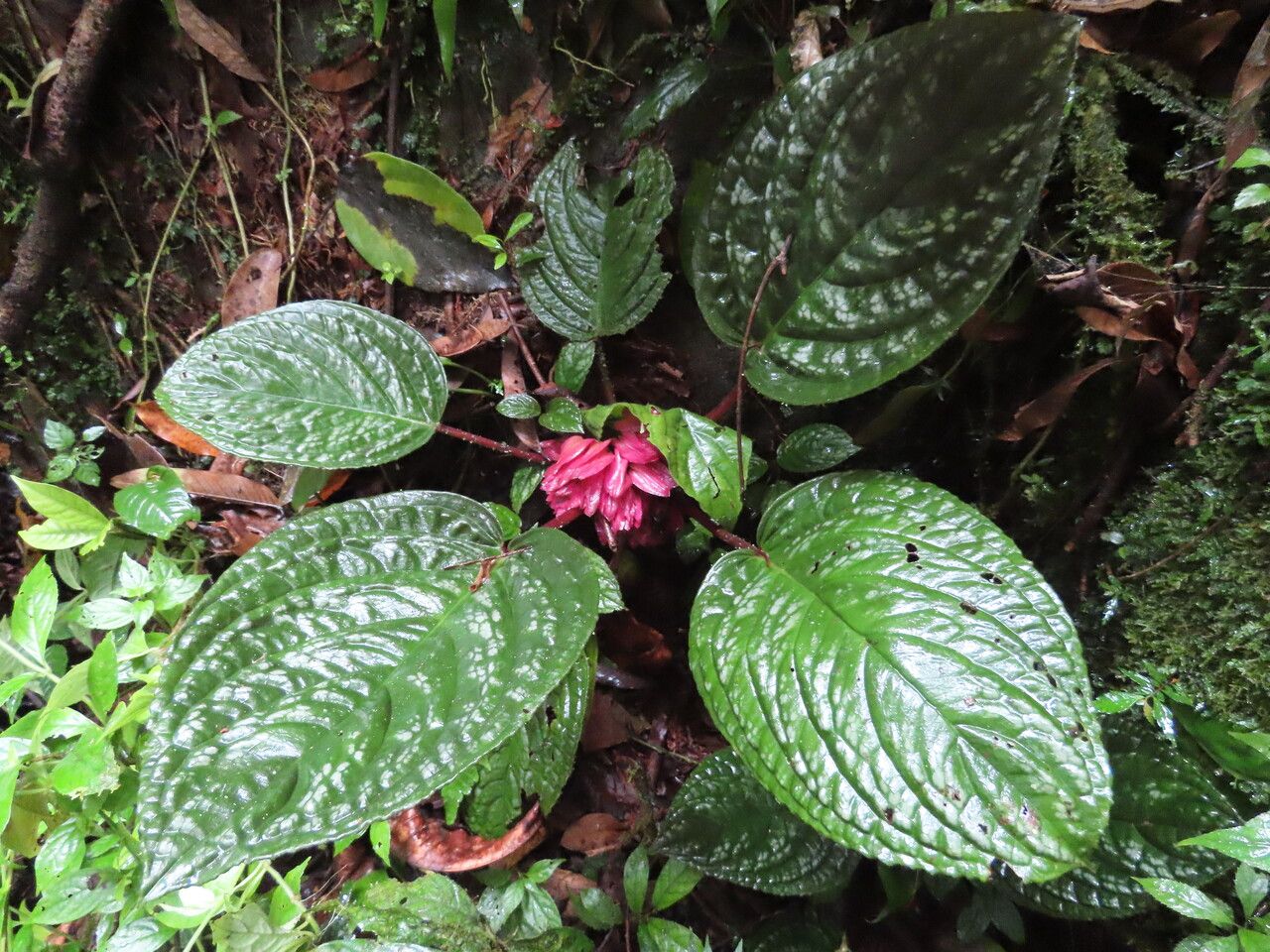
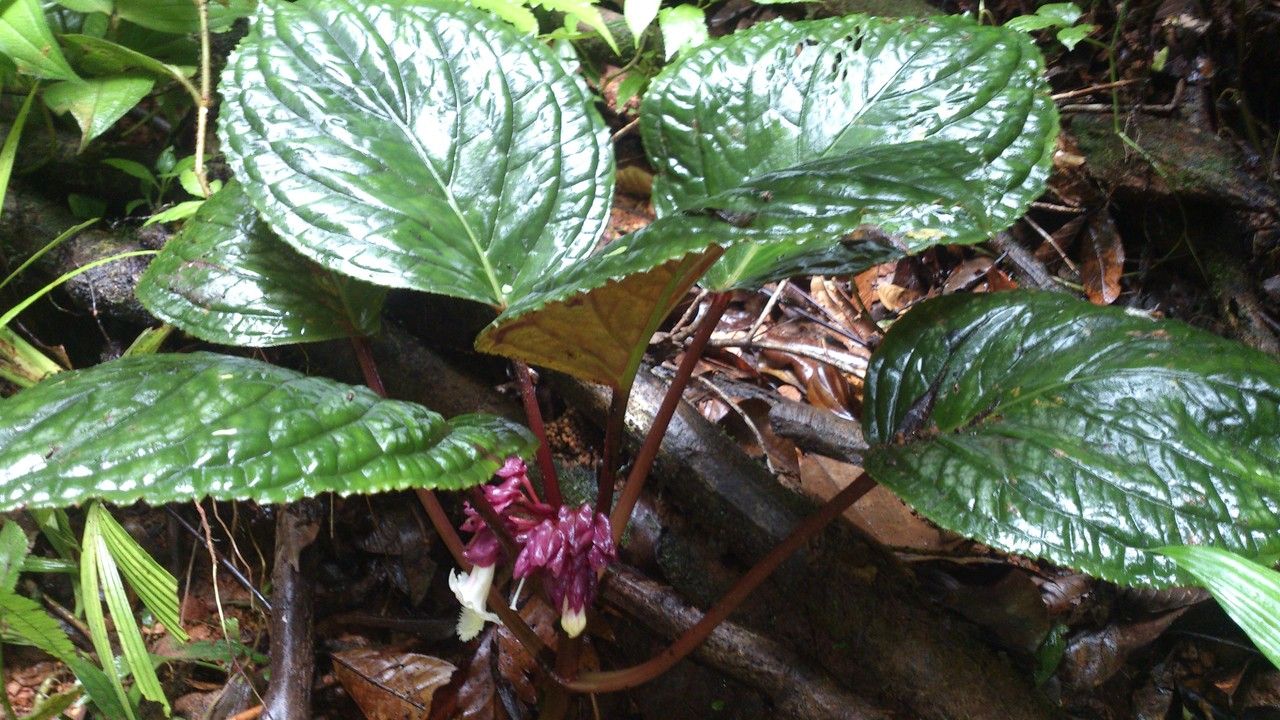
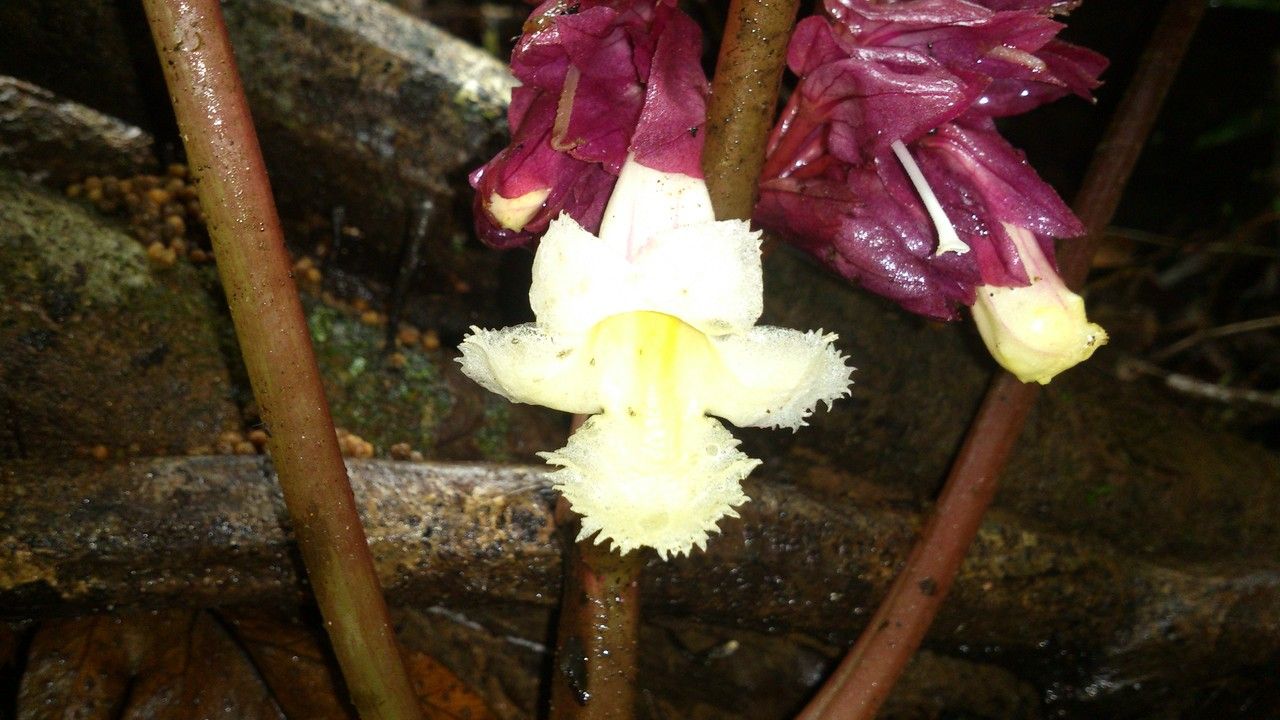
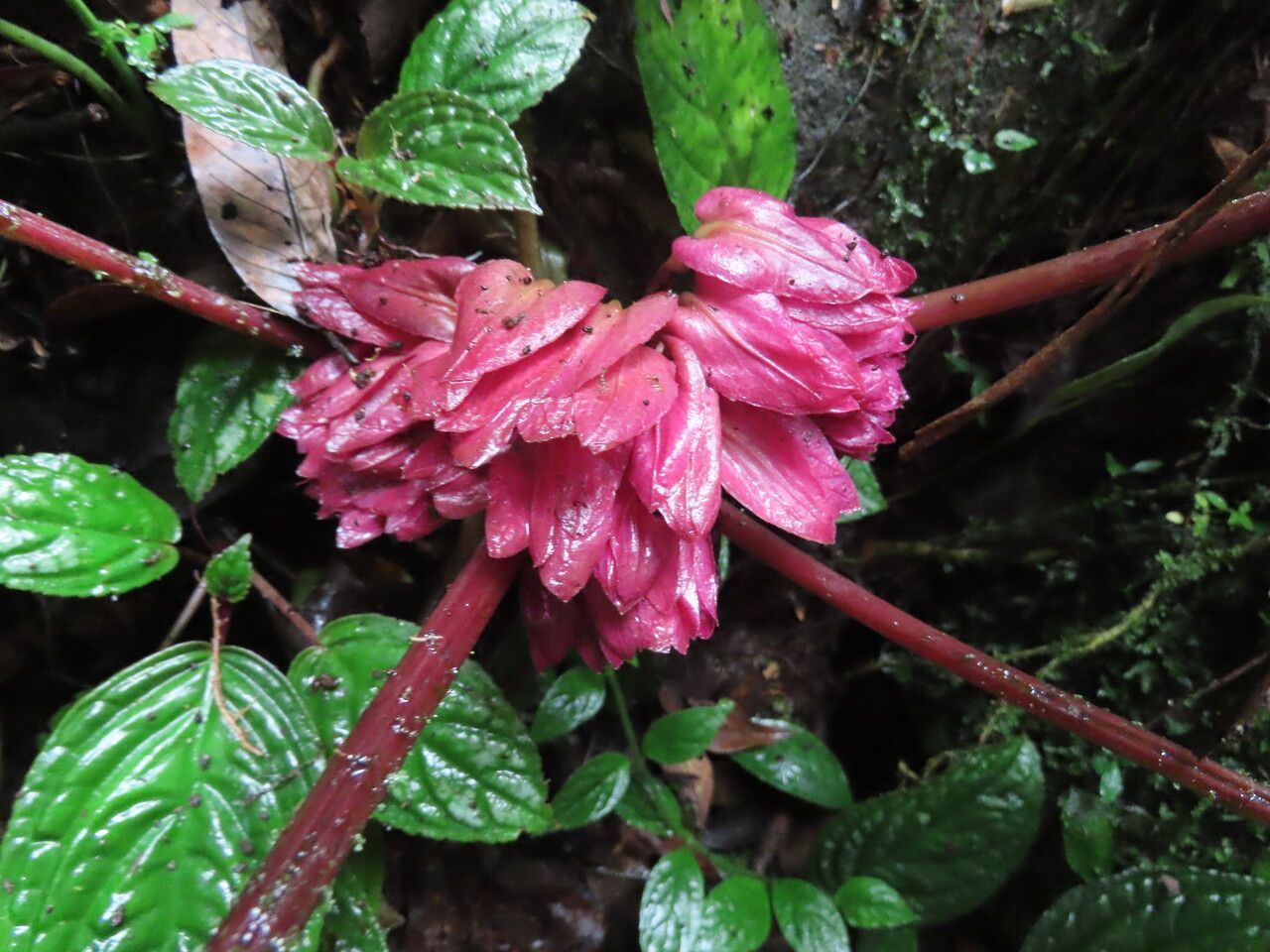
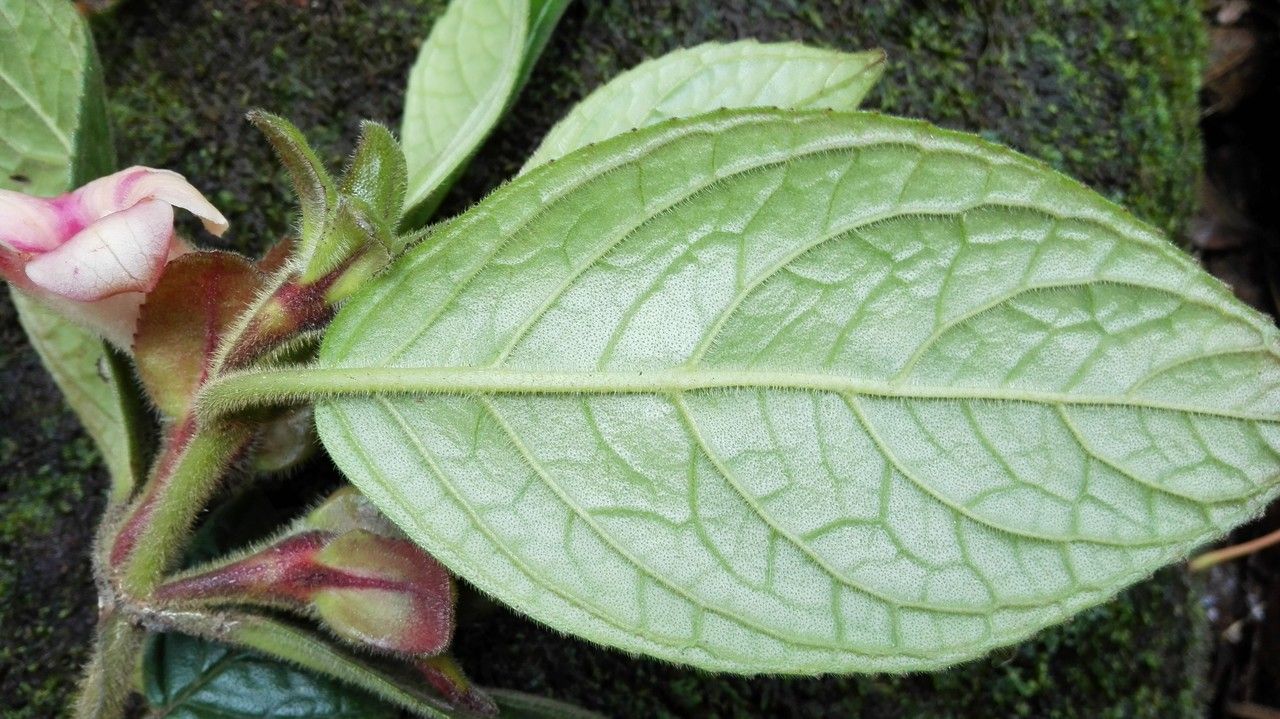
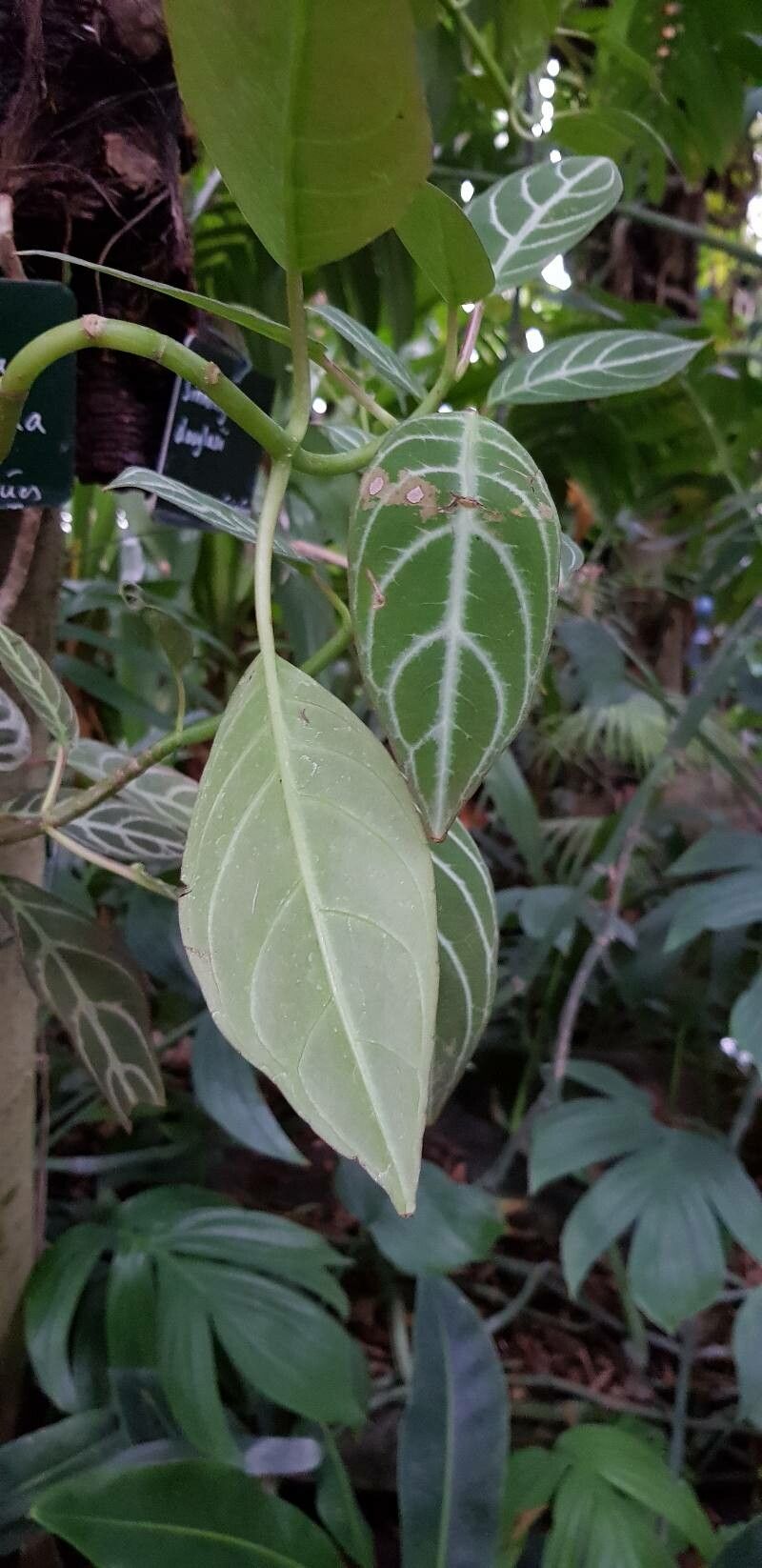
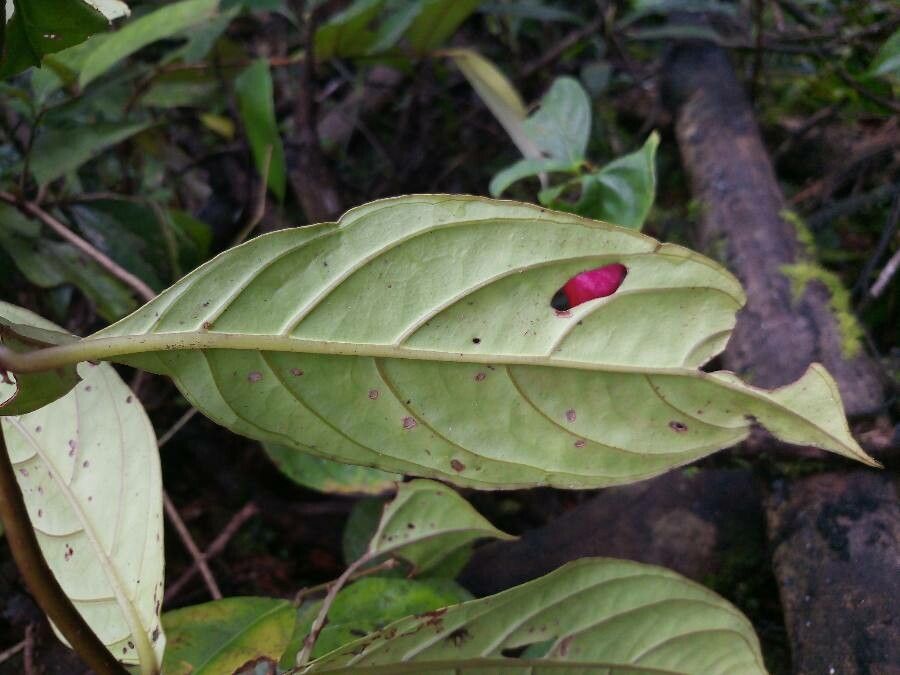
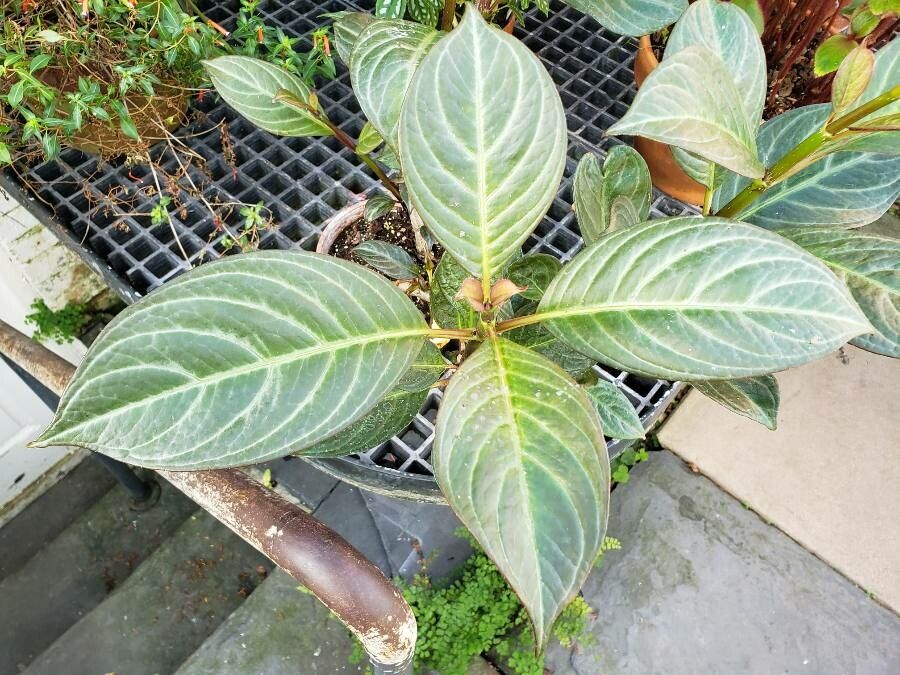
Drymonia turrialvae is highly resistant to disease and is generally not prone to illness. However, it can be vulnerable to leaf spots if light and ventilation are poor and if watering is excessive. Its care level is considered easy, since it only requires regular watering and little else. Drymonia turrialvae is suitable for people who don't have the time or energy to devote to regular care.
How to keep Drymonia Turrialvae.
Light
Drymonia turrialvae occurs naturally in habitats like forest understories and rocky sites, where it grows in natural shade. It favors partial sun but can also tolerate full sun or full shade, showing its versatility and hardiness.
Temperature
Drymonia turrialvae comes from tropical areas, where the weather is generally warm and humid. Therefore, it is adapted to high temperatures and moisture. It does not tolerate sudden temperature swings and prefers a consistent thermal environment, so avoiding indoor temperature fluctuations is important. It usually cannot endure cold conditions and requires warmer temperatures to develop. If the surrounding temperature falls too low, the plant may stop growing or even perish.
Fertilizer
Proper fertilization is essential for Drymonia turrialvae's health and appearance. Fertilize Drymonia turrialvae during summer, applying fertilizer once a month throughout the season. Nutrients support growth and help maintain the plant's structures. Fertilization improves Drymonia turrialvae's flower display, ensuring the best blooms.
Pruning
Drymonia turrialvae is a tropical plant known for its vibrant flowers and lush foliage. To maintain its health and appearance, it is best to prune in early spring. This helps remove damaged wood and encourages new growth. Be sure to use sharp, sterilized tools for pruning. Regular pruning helps control the plant's size and promotes its overall well-being, but avoid heavy pruning during the flowering period to preserve its blooms.
Pot & Repot
When repotting Drymonia turrialvae, select a pot 1-2 inches (2.5–5.1 cm) larger with good drainage. Use a well-draining potting mix. Repot in spring or fall, making sure the root ball is slightly lower than the rim of the pot. Water thoroughly after repotting and place in a warm spot with indirect sunlight.
Botanical profile.
- Plant Type
- Herb, Shrub
- Life Cycle
- Perennial
- Genus
- Drymonia
- Family
- Gesneriaceae
- Hardiness Zone
- 10-12
- Mature Height
- 50 cm
- Mature Spread
- 30 cm to 49 cm
- Leaf Color
- Green
- Leaf Type
- Evergreen
- Flower Color
- Purple, Pink, Cream, White
- Flower Size
- 3.05 cm to 5.08 cm
- Bloom Time
- All year round
- Planting Time
- Spring, Summer, Autumn
- Harvest Time
- All year round
- Native Area
- Colombia, Guatemala, Nicaragua, Ecuador, Costa Rica, Panama