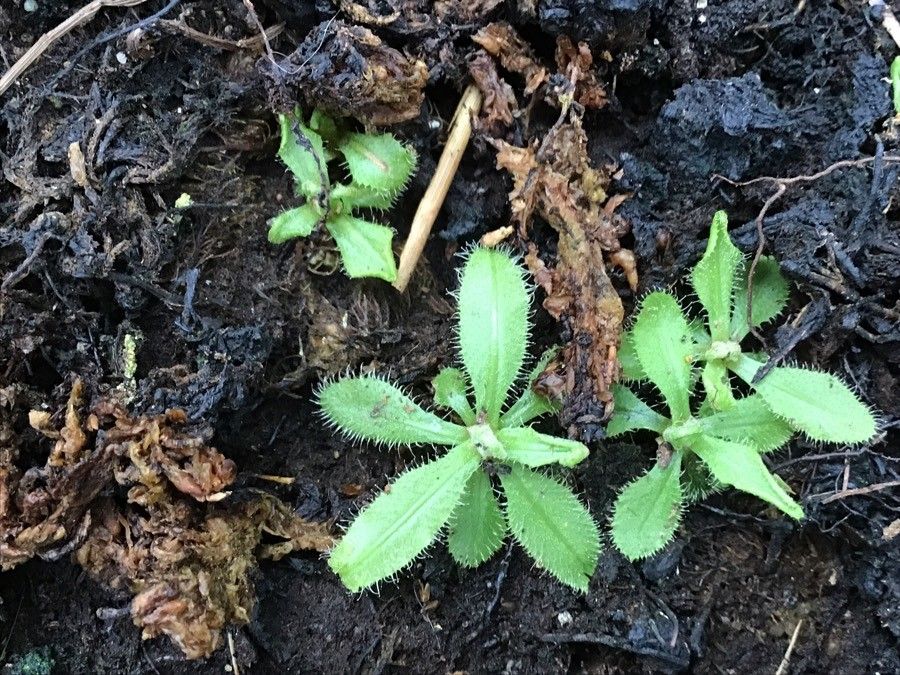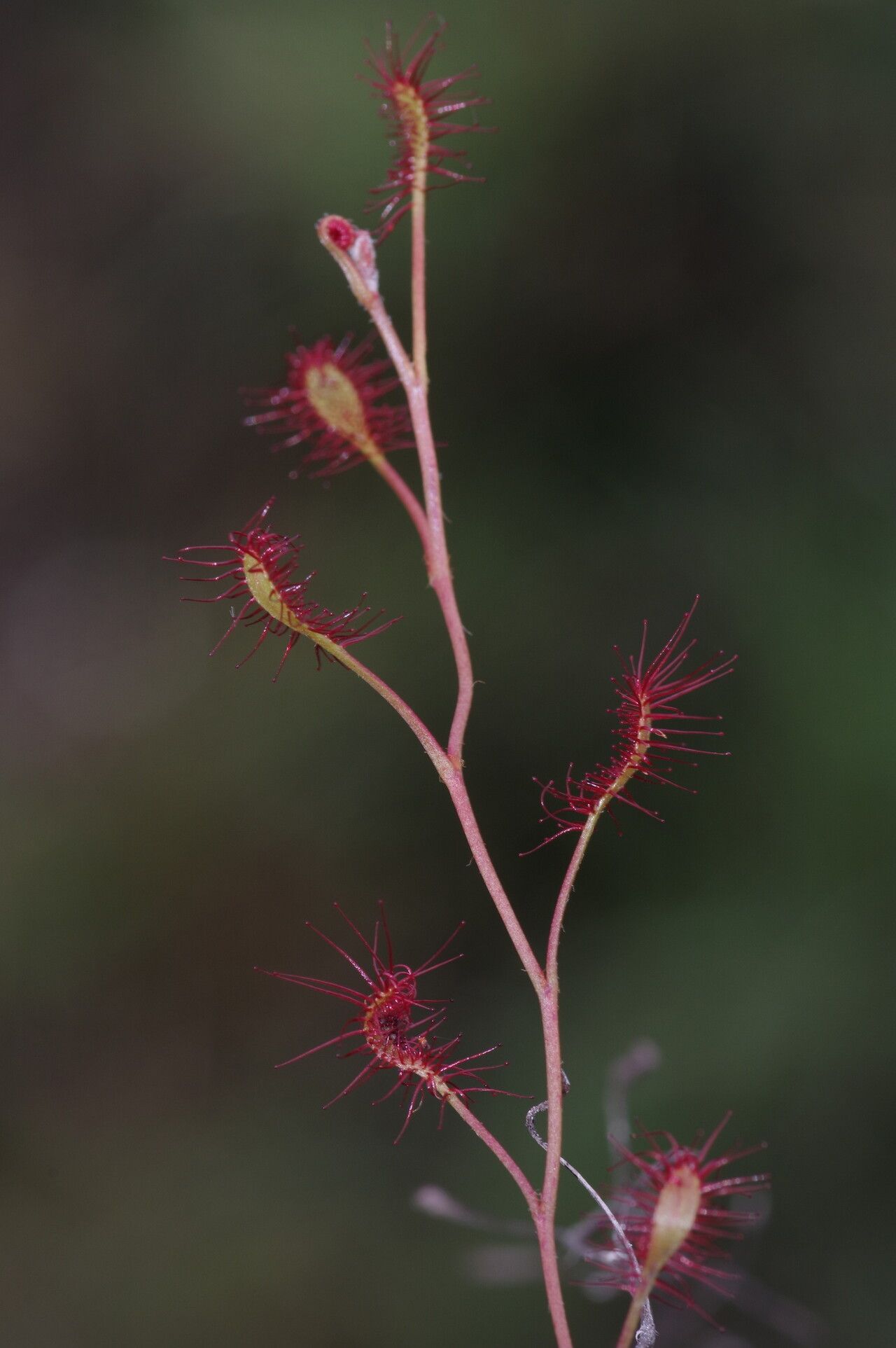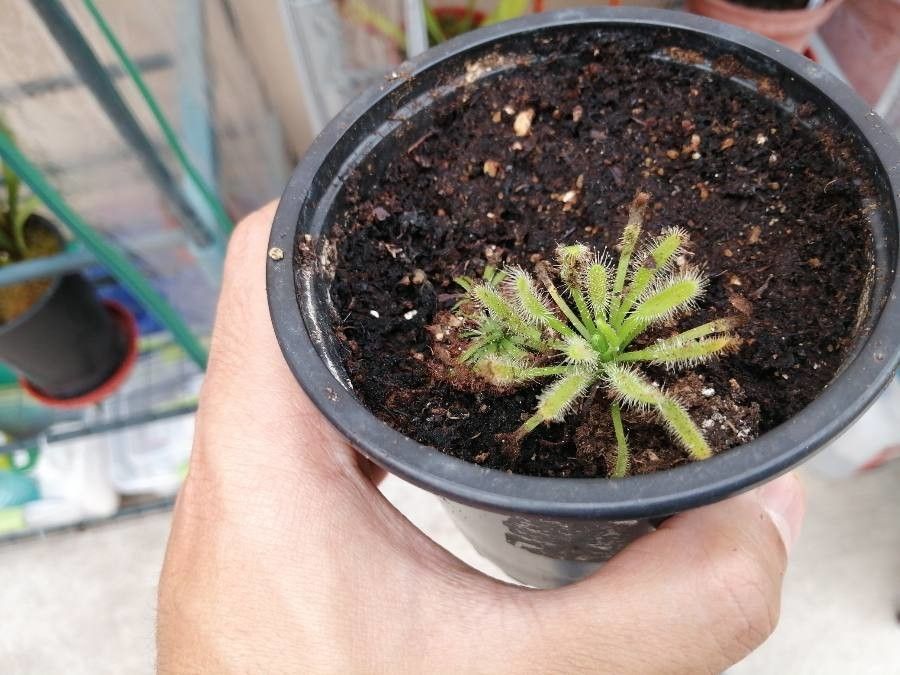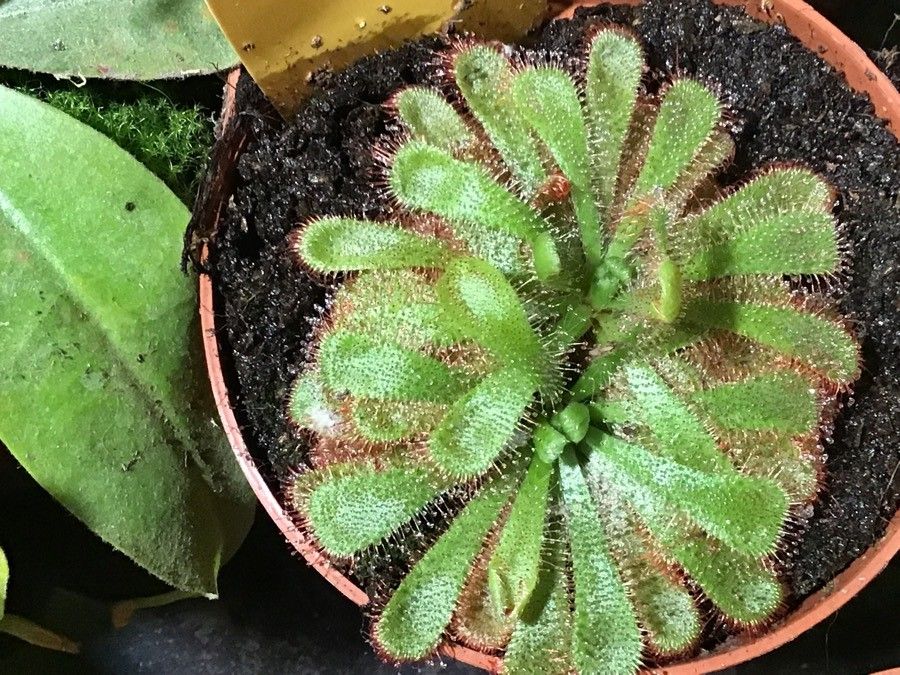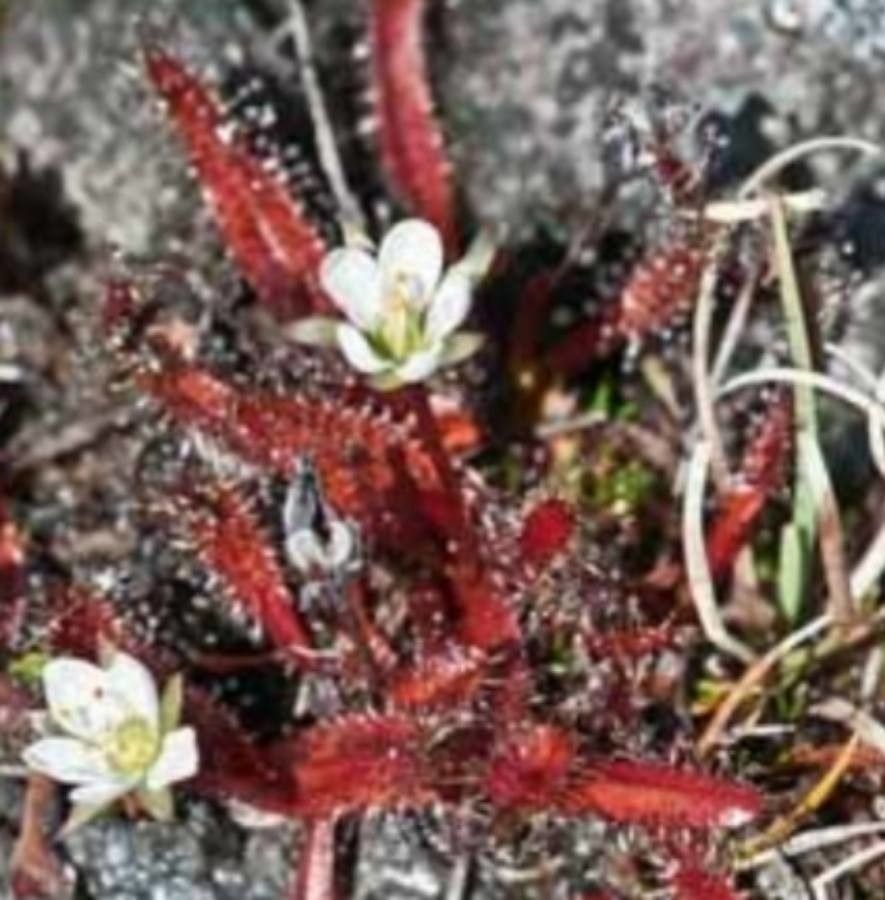
Drosera arcturi is a perennial, insectivorous species of sub-alpine or alpine herb native to Australia and New Zealand. It is one of New Zealand's two alpine species of sundew, the other being Drosera stenopetala. The specific epithet, which translates as "of Arthur" from Latin, is a reference to Mount Arthur, in north-eastern Tasmania, the type locality of the species.Drosera arcturi grows in bogs, tarns and seepages, most commonly at montane or alpine elevations and is also commonly found in Sphagnum bogs. It is found in alpine areas from the East Cape of the North Island, New Zealand, southwards to Stewart Island, New Zealand. It is found above 1500m altitude in the North Island, descending to sea level in the South Island. It is also found in the mountains of southeastern Australia and in Tasmania, where it is occasionally found growing down to sea level in the west and south-west of the island. In New Zealand, D. arcturi is often found growing in clumps alongside Utricularia dichotoma.The leaves of D. arcturi are linear, 1–5 cm long, undivided, and range in colour from pale green to muddy brown, to maroon if subjected to full sunlight. Like all other species of Drosera, D. arcturi catches insects using sticky, glandular hairs on its leaves. In D. arcturi, these glandular hairs are red. Young leaves begin at the center of the plant and are folded along their center. Once the young leaf reaches full maturity it unfolds like a book.
The plants' first upright leaves emerge in spring. After two or three leaves have formed, the nominal form produces a small, solitary white flower, 13 mm across, which is borne on a short stalk in summer, and positioned near the top of the leaves. The giant, lowland form produces 1–5 flowers on a long inflorescence up to 25 cm long. Flowers are present from November to February and fruits are present in January–March.D. arcturi is a summer grower, and after flowering its leaves gradually reduce in size to form an elongated, horn-shaped hibernaculum. In this form it passes the cold, harsh alpine winters. The hibernaculum is normally buried near the surface of the soil or moss and is usually covered with snow for several months during winter.
Alpine sundew has moderate resistance to disease and needs a high-humidity environment. However, if ventilation is poor, it can be prone to rot. The care level for this plant is considered difficult, since it requires constant humidification to keep humidity high. Alpine sundew is also particularly vulnerable to rot when the environment is poorly ventilated and too hot. Alpine sundew is suitable for growers with more experience who can provide an appropriate growing environment.
How to keep Drosera Arcturi.
Light
The alpine sundew prospers most effectively in environments with dim lighting. The vitality and expansion of this flora are profoundly affected by the degree of light. In its original surrounding, it typically develops beneath the shelter of other plants, which deliver a diffused or softened light. Absence of or excessive exposure to light can drastically impede the plant's growth.
Water
The Alpine sundew thrives in environments with high humidity and consistently moist conditions. It prefers damp surroundings, so it's important to water it twice a week to maintain the necessary soil moisture. Additionally, misting the plant can help mimic its natural wet habitat. The Alpine sundew is well-suited for outdoor areas with boggy terrain and regular rainfall.
Temperature
Alpine sundew does best in moderate temperatures, comparable to what most people consider comfortable. It prefers conditions that are not overly hot or too cold. Excessive heat mainly risks causing sunburn, so providing some shade in summer is recommended to avoid too much warmth. When temperatures decline, Alpine sundew becomes dormant. If you want it to keep growing year-round, you need to maintain warmer temperatures during winter. Frost can damage the plant and should be avoided.
Pruning
The alpine sundew is a carnivorous plant known for its vibrant, insect-trapping leaves. To ensure its optimal health and promote new growth, dead foliage should be pruned in early to late spring. It's important to use sterilized scissors for this task to prevent infection. Regular maintenance not only keeps the alpine sundew looking attractive but also helps maintain the moist, acidic environment it thrives in.
Pot & Repot
During the repotting of Alpine sundew, opt for a pot that is 1-2 inches (2.5-5 cm) bigger and offers plenty of drainage. Employ a potting mix that drains well. Repotting should be done during the spring or fall, and the root ball should sit a bit below the flower pot's rim. After repotting, hydrate the plant thoroughly and position it in a warm location with diffused sunlight.
Botanical profile.
- Plant Type
- Herb
- Life Cycle
- Perennial
- Genus
- Drosera
- Family
- Droseraceae
- Hardiness Zone
- 7-9
- Mature Height
- 5 cm to 15 cm
- Mature Spread
- 3 cm to 8 cm
- Leaf Color
- Green, Yellow
- Leaf Type
- Semi-evergreen
- Flower Color
- White
- Flower Size
- 1.02 cm to 2.03 cm
- Bloom Time
- Early summer, Mid summer
- Planting Time
- Spring, Summer
- Harvest Time
- Late summer, Early fall
- Native Area
- New Zealand
Reader questions.
How should you water your Alpine sundew?
To keep your Alpine sundew properly hydrated, here are a few tips: First, choose a pot with good drainage holes and place it in a plastic dish or tray. Fill the tray with about a third to half an inch of water. This way, as the soil dries, the water will naturally be drawn from the pot to the roots. Make sure the dish never dries out completely, and adjust the amount of water you add based on how quickly the plant absorbs it. Avoid using terra cotta pots for growing Alpine sundew unless you put the pot inside another, larger pot. The terra cotta material allows water to seep through and filter out impurities. Only fill water in the outer pot, not the inner one. The mineral content of the water is crucial for watering your Alpine sundew properly. If possible, collect rainwater, as it is the safest choice for plants. Alternatively, distilled water or water from a reverse osmosis system are good options. Purified water with some minerals within the range tolerated by the Alpine sundew can also work. To ensure the water is safe, use tap water with less than 50 parts per million of total dissolved solids. You can easily measure this by purchasing an inexpensive meter. Remember to fill your watering device 24 hours in advance to allow the chlorine to evaporate from the water before using it.
What kind of sunlight does Alpine sundew require?
The Alpine sundew thrives when it is exposed to natural sunlight outdoors. This allows it to grow well and display attractive colors, which can range from reds to purples, depending on the species. However, it is important to protect the plant from the harsh mid-afternoon sun during the summer. Even though it prefers full sunlight, exposure to this level of sun radiation can harm the plant. To prevent this, you can either move the plants or provide partial shade during this time of day. Additionally, it is important to note that evaporation increases in direct sunlight. Since the Alpine sundew is a wetland plant, it needs constant moisture. Therefore, it is crucial to regularly check and replenish the water levels in the trays on warm days.
What temperature is best for the Alpine sundew?
To keep your Alpine sundew healthy, it's important to maintain an ideal temperature range. This range, between 70-85℉ (21-30℃), ensures that the foliage is not damaged by extreme cold or heat. Keep an eye on the changing leaf colors, as they can indicate the sundew's happiness. Although it's best to keep the temperature within the preferred range, don't worry if it occasionally exceeds 85℉ (30℃) during the day or drops to 70℉ (21℃) at night.
What should I do if I give too much or too little water to Alpine sundew?
Symptoms of an overwatered Alpine sundew include brown spots on the undersides of leaves, white mold in the soil, and a wilted appearance caused by the plant's inability to draw water into the stem. Overwatering can lead to root rot, which can be detected by a bad smell. If root rot is present, the plant should be removed from the soil, rinsed with distilled water, and any rotted roots and affected leaves should be cut away. After rinsing again with distilled water, the plant can be replanted in fresh soil. On the other hand, an underwatered Alpine sundew will have brittle leaves. In this case, affected leaves should be cut away, and the soil should be kept damp. Additionally, misting the leaves can help. The plant will gradually recover from being underwatered by resuming regular watering as soon as possible. However, due to root damage, yellow leaves may dry out temporarily.
What happens if Alpine sundew doesn't get enough sunlight?
If the Alpine sundew doesn't get enough sunlight, it will show signs of discoloration. The plants will lose their red, orange, or pinkish colors and become duller. They may also struggle to produce their sticky insect-attracting sap. In the long term, low light will result in poor growth, weak new growth, and potentially a shorter lifespan for the Alpine sundew.
How can I keep my Alpine sundew safe from really hot or really cold temperatures outside?
If your Alpine sundew is planted outside, it may be difficult to move it indoors. However, you can still take steps to help it survive extreme temperatures. To protect it from intense heat, you can construct a shade tent using stakes and cloth to shield it from direct sunlight. Similarly, you can create a small greenhouse using garden stakes and clear or translucent plastic to shield the plant from extreme cold and chilly winds. This will create a greenhouse effect and provide warmth. Once temperatures reach 40℉(10℃) at night, you can remove the greenhouse.
How often should I give water to my Alpine sundew?
The tray method is commonly used for watering insectivorous plants. To use this method for potting an Alpine sundew, select a container with multiple drainage holes and place it in a dish or tray filled one-third with water. This will allow the plant to naturally draw up water as the soil dries. It is important to add water promptly when the water level drops, and avoid letting the dish completely dry out. This will help you understand how often the plants need to be watered. Since Alpine sundews are native to humid environments, it is crucial to find the right balance between watering and avoiding root rot. During the active seasons of spring to autumn, do not let the soil dry out completely. Water your Alpine sundew 2-3 times per week in spring and fall, and water more frequently in summer to keep the soil moist. However, during the dormant period in winter and early spring, you should reduce the amount of watering. Allow some of the soil to dry out and let the water level in the tray dry for a few days before adding more water. If you live in a naturally dry area, you may need to mist the Alpine sundew to replicate its native humid conditions. Misting is best done in the morning. Proper water spraying is particularly important in dry environments.
Does Alpine sundew need different amounts of sunlight at different stages of growth?
Alpine sundew plants, whether young or mature, have similar lighting needs. However, non-tropical species experience seasonal changes in their lighting requirements, particularly regarding the amount of light they receive. During the winter rest period, it is ideal for the plant to receive 10-12 hours of indirect light daily. It is important to avoid exposing a dormant Alpine sundew to more light than this. If daylight lasts for 14-16 hours, it may mistakenly signal the plant to end its dormancy, which can have negative effects. Therefore, it is crucial to ensure that your Alpine sundew gets an adequate period of darkness throughout the winter.
Does the Alpine sundew require different temperatures during different seasons?
To keep the Alpine sundew thriving, it's important to ensure it stays in its preferred temperature range throughout the year. However, this doesn't mean that the care routine should remain unchanged all year long. In the warmest months, the Alpine sundew benefits from additional shade and a gentle breeze to help it cope with the hottest days. Conversely, during cooler months in climates where temperatures can drop below 40℉ (10℃) at any time, it may be necessary to move the plant away from chilly windows and doors.
How much water does my Alpine sundew require?
The Alpine sundew is a carnivorous plant that thrives in humid environments, making it a sought-after houseplant. To successfully take care of one, it's important to recreate its natural growing conditions. Specifically, maintaining high humidity levels is crucial for its health. In regions with naturally high humidity, you can grow Alpine sundews outdoors in a bog garden, which is a specialized setup for plants that require a lot of moisture. However, most people prefer growing them as houseplants. To minimize the frequency of watering, it is recommended to use a moisture-retaining pot, preferably made of plastic instead of terra cotta. Alternatively, a self-watering pot is an excellent option. For watering, the tray method works best for these insectivorous plants. Ensure that the water level in the tray pots reaches the small hole at the bottom. Regularly add water to the trays to prevent them from drying out and to provide the necessary amount of water for the plants to continue thriving.
How many hours of sunlight does Alpine sundew need each day to grow well?
For most Alpine sundew species, it is recommended to provide four to six hours of direct sun and six to eight (or more) hours of partial sun per day. Ideally, the direct sun exposure should begin in the morning and continue until the afternoon during summer. However, it is also important to ensure that the plants are protected from the intense afternoon sun. Late afternoon sun exposure is still acceptable.
How can I make sure the Alpine sundew stays at the right temperature?
Keeping your Alpine sundew at the right temperature is fairly simple. If you're growing it indoors, you can easily move the plant around to find the best spot that meets its temperature needs. However, make sure to avoid placing it near air conditioning vents, heaters, frequently opened doors, or drafty windows. Controlling the temperature becomes a bit more challenging if you're growing your Alpine sundew outside. If it's in a pot, you can bring it indoors when the weather gets too hot or cold. Otherwise, you'll need to take precautions to protect it from extreme heat or cold. Consider placing it under cover to shield it from intense sunlight or cold winds that could harm the plant.