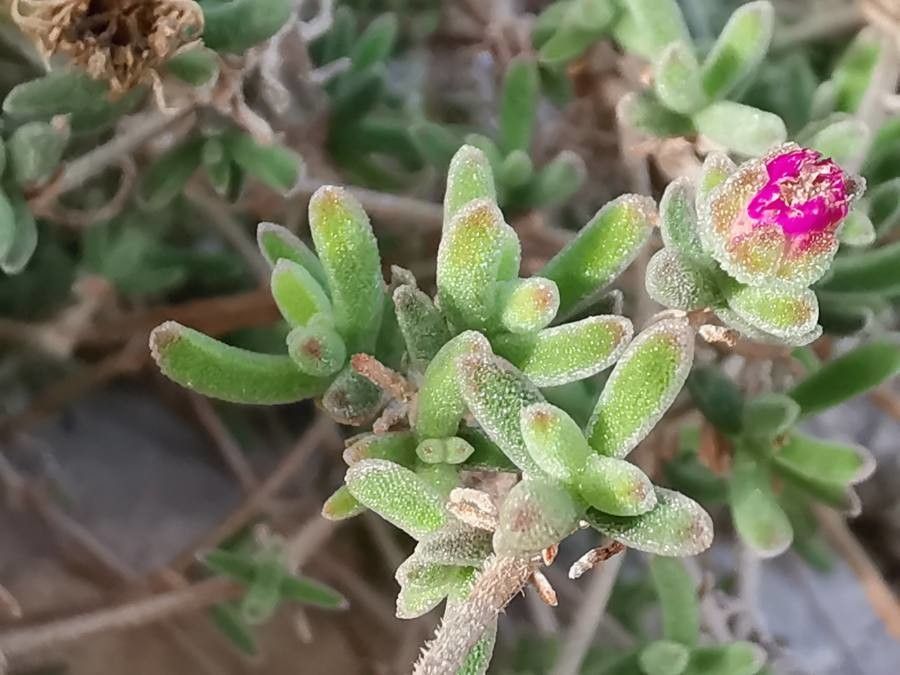
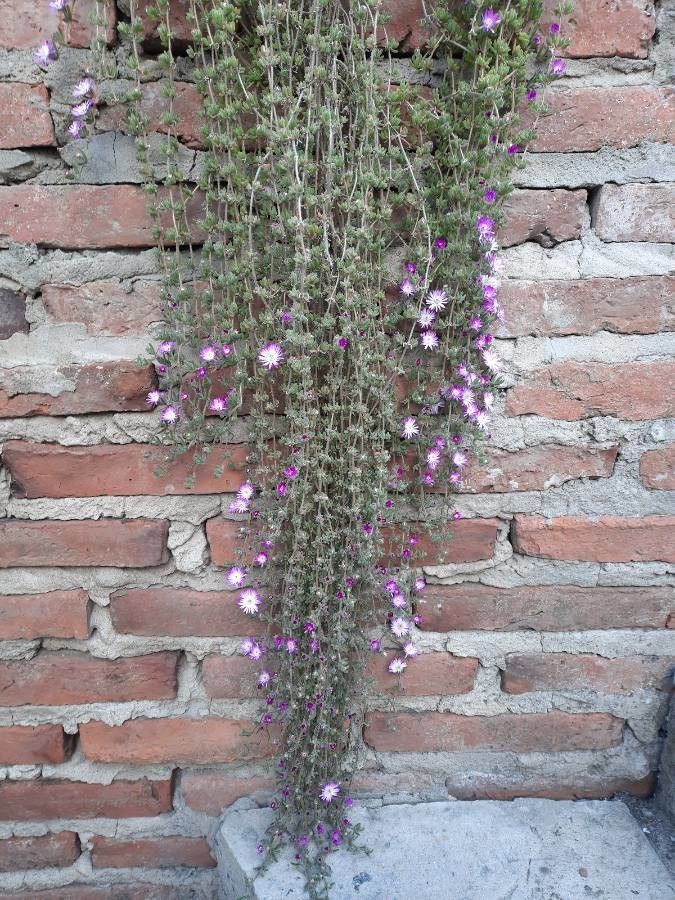
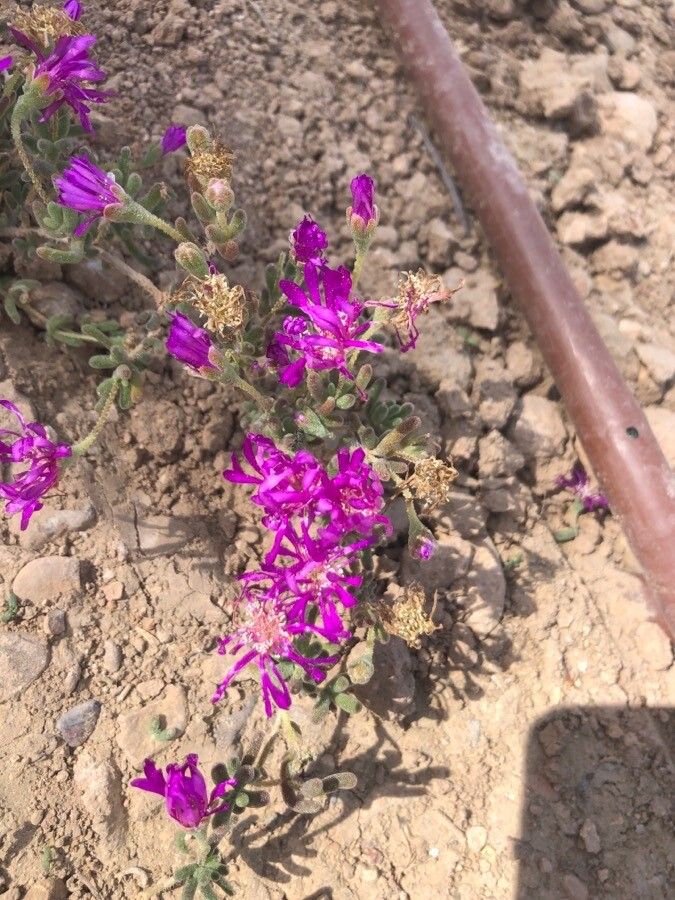
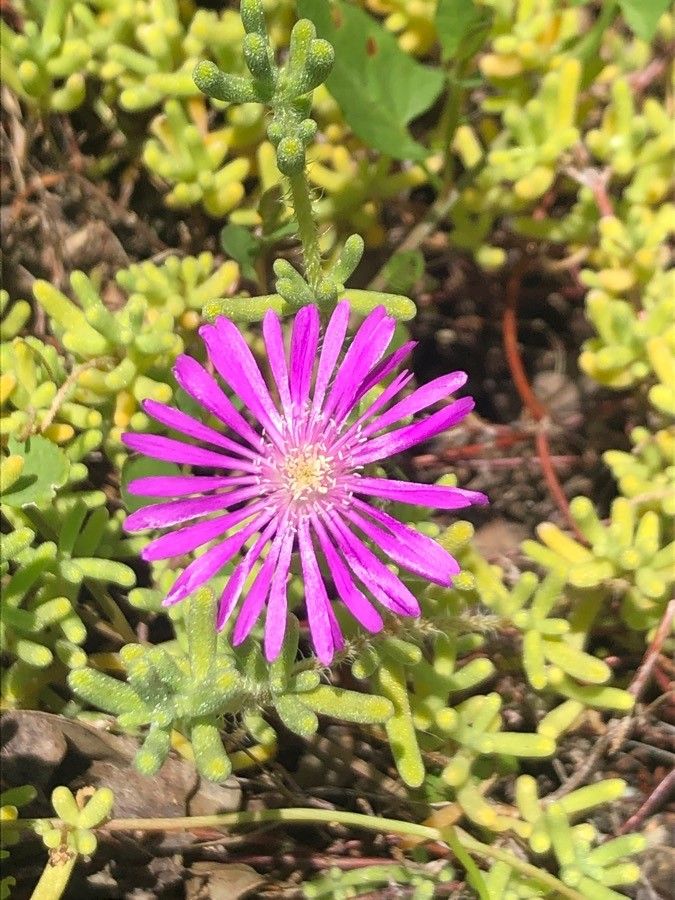
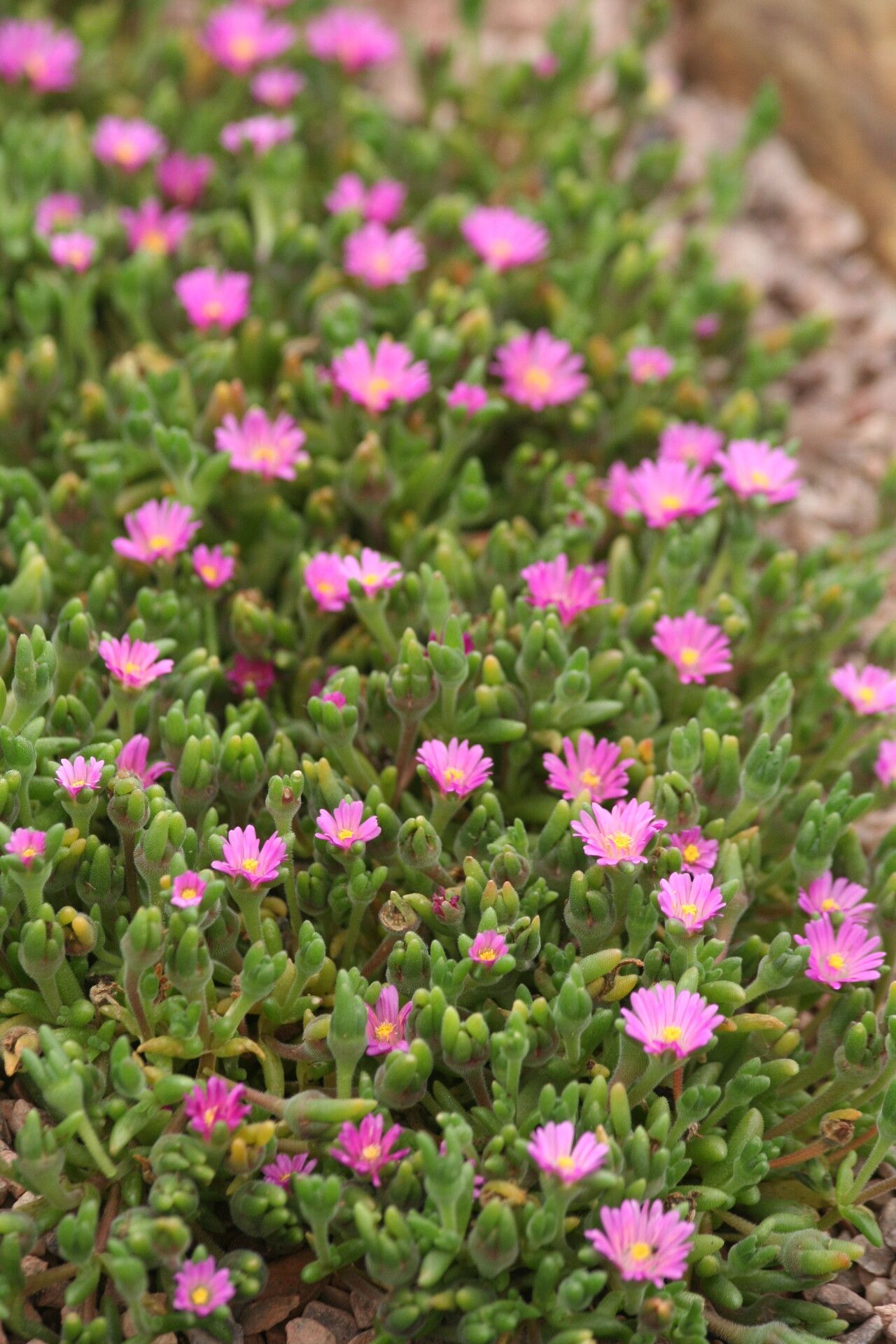
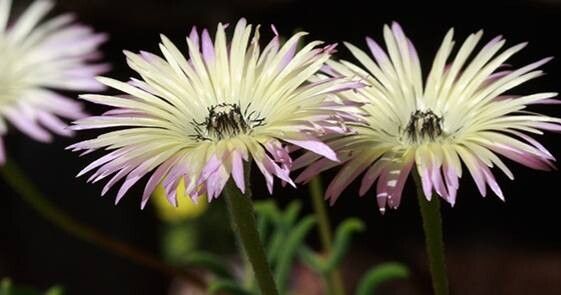
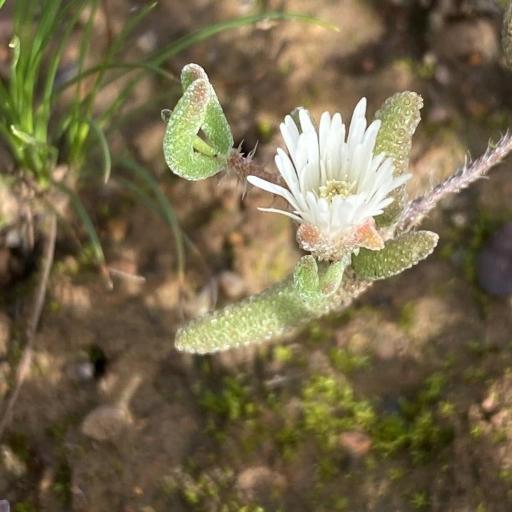
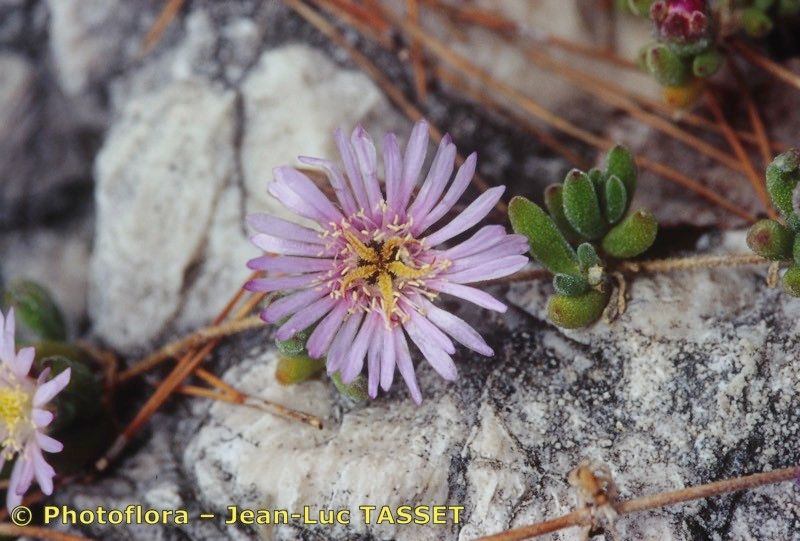
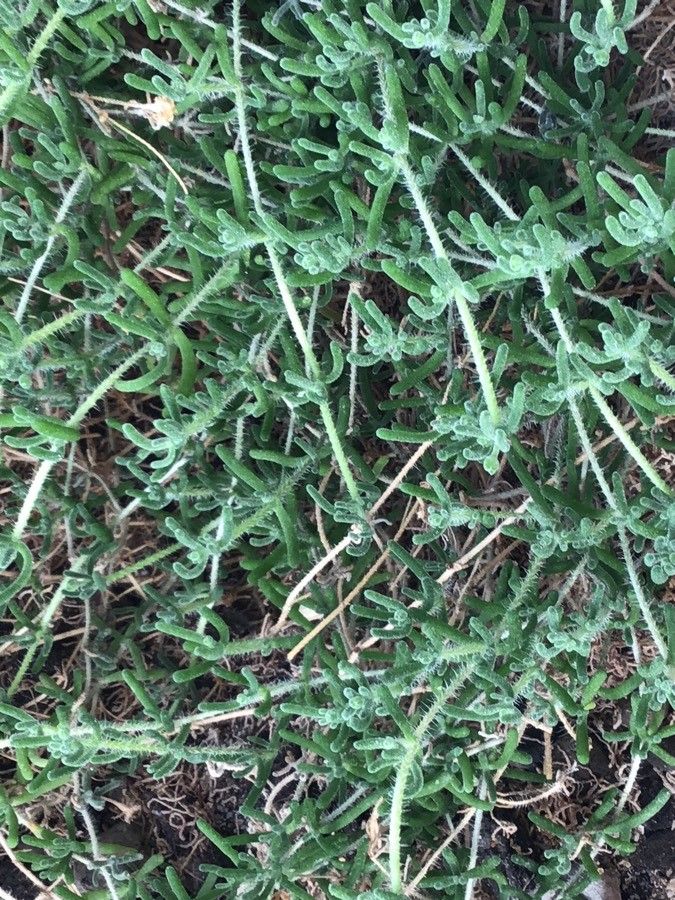
Drosanthemum hispidum, commonly known as the Hairy Dewflower, is a succulent plant native to South Africa and a member of the Aizoaceae family. It is a popular ornamental plant due to its attractive pink flowers and unique hairy leaves. The plant typically grows up to 10 cm in height and spreads up to 30 cm in width. Its small, cylindrical leaves are covered with fine white hairs, giving them a fuzzy appearance. The flowers, which bloom from late spring through summer, are pink or purple with yellow centers.
Drosanthemum hispidum prefers well-draining soil and full sun exposure but can also tolerate partial shade. While it is drought-tolerant, occasional watering during the growing season promotes optimal growth. This low-maintenance succulent is an excellent addition to rock gardens or container gardens due to its compact size and year-round attractive appearance.
Hairy dewflower has moderate disease resistance but is more sensitive to humidity and overwatering. It is also more prone to disease when it lacks light and is overwatered. In terms of care requirements, Hairy dewflower is drought-tolerant and can handle long periods without watering. It does not need much fertilizer and only requires occasional pruning. This makes it suitable for people of all levels of experience, especially those who want to spend less time on plant care and who may occasionally be away from home for long periods. It is a good choice for those who do not want to spend a lot of time caring for their plants but still want an easy-to-maintain plant.
How to keep Drosanthemum Hispidum.
Light
Native to arid regions, Hairy dewflower thrives in full sun, its native habitat marked by strong sunlight and little shade. It also tolerates partial sun, allowing some flexibility in its growth.
Water
The hairy dewflower thrives in arid environments, demonstrating excellent drought tolerance. It needs watering only every 1-2 weeks and grows best in sandy soil, which provides optimal drainage. This highlights its minimal water requirements.
Temperature
Hairy dewflower does best in warm conditions and needs elevated temperatures during the growing season to support growth and metabolism. It prefers plenty of sunlight, suitable moisture, and good air circulation. However, it is vulnerable to harm from very low temperatures and from overwatering. It’s also important to avoid extremes — both excessively high heat and overly dry conditions should be prevented.
Fertilizer
Hairy dewflower only needs light doses of fertilizer once or twice a year during the growing season. Avoid fertilizing in winter and summer while the plant is dormant. Cut back on fertilizer for plants that have been repotted and wait a couple of months after repotting before you fertilize. Fertilizing helps maintain healthy growth and promotes blooming.
Pruning
The hairy dewflower is a low-growing succulent known for its colorful blooms and hairy foliage. To encourage new growth and maintain a compact shape, it's best to prune it in early spring. Use clean shears to trim back to healthy tissue since careful pruning enhances flowering. However, be cautious not to over-prune, as this can stress the plant.
Botanical profile.
- Plant Type
- Shrub
- Life Cycle
- Perennial
- Genus
- Drosanthemum
- Family
- Aizoaceae
- Hardiness Zone
- 9-11
- Mature Height
- 15 cm
- Mature Spread
- 91 cm
- Leaf Color
- Light Green
- Leaf Type
- Semi-evergreen
- Flower Color
- Pink
- Flower Size
- 2.03 cm to 3.05 cm
- Bloom Time
- Mid spring, Late spring, Early summer, Mid summer
- Planting Time
- Summer
- Harvest Time
- Summer, Early fall
- Native Area
- South Africa, Namibia
Other names.
Reader questions.
What is the botanical name of the Hairy dewflower?
The botanical name of the Hairy dewflower is Drosanthemum hispidum. This name helps in scientifically identifying the plant, distinguishing it from other species with similar common names.