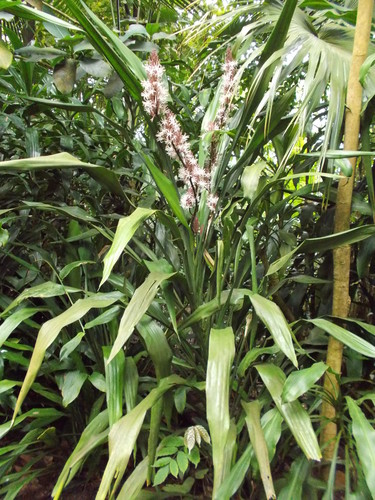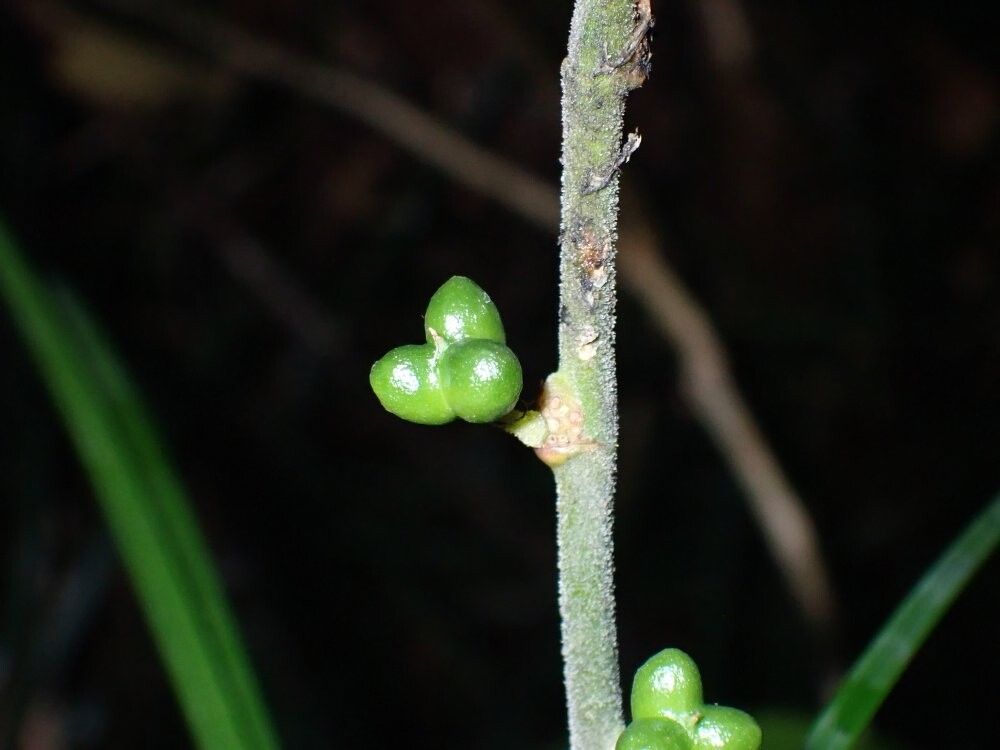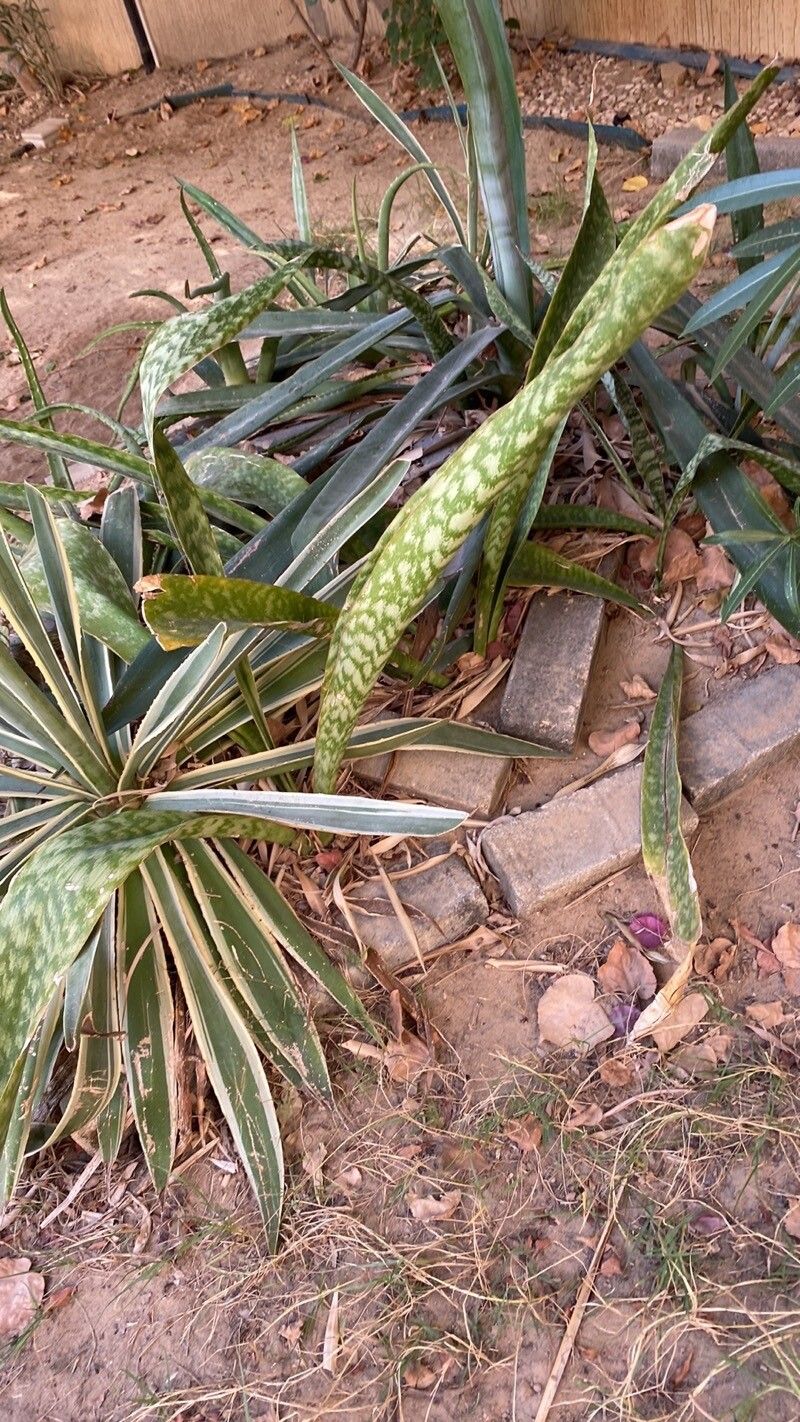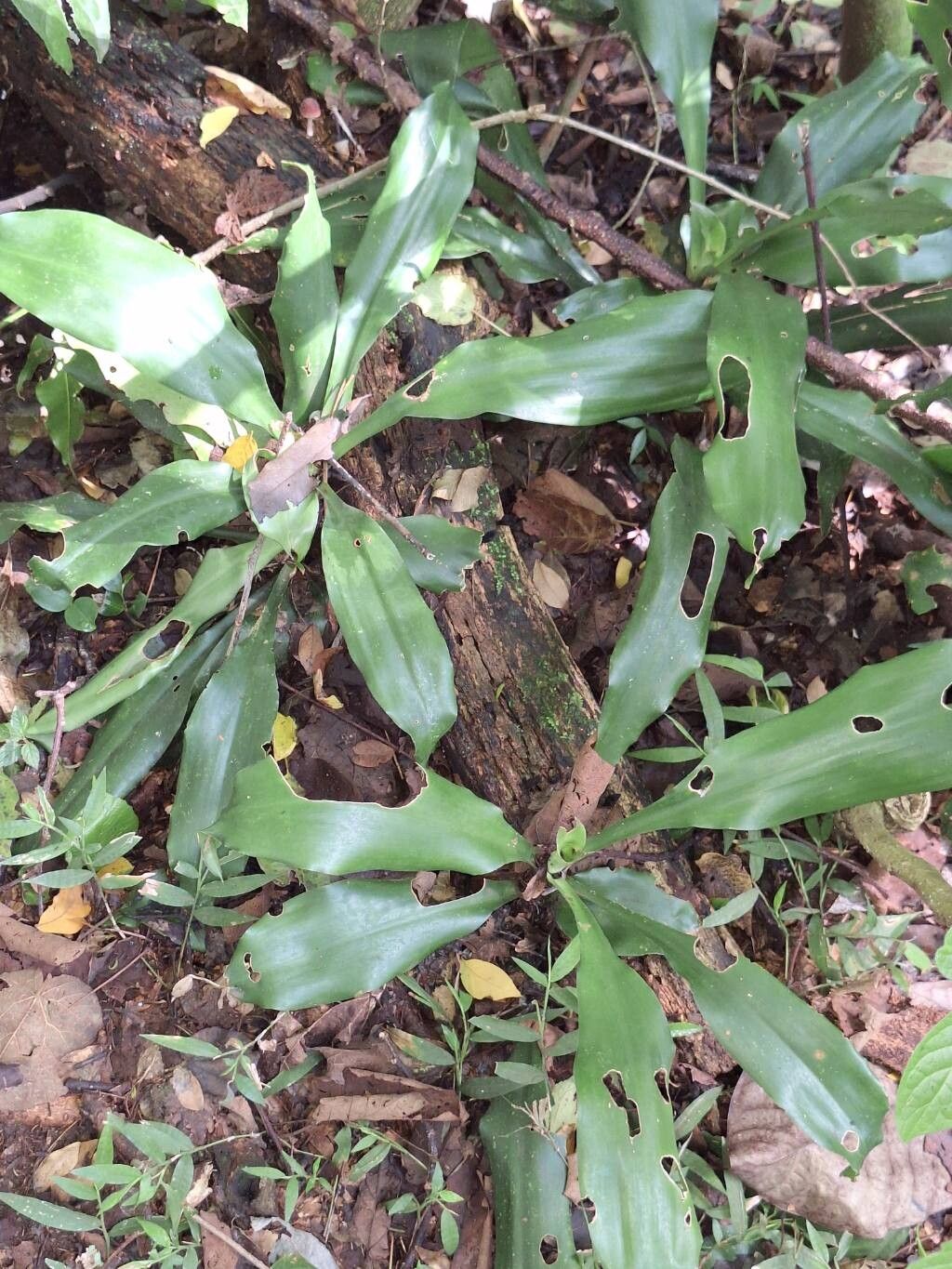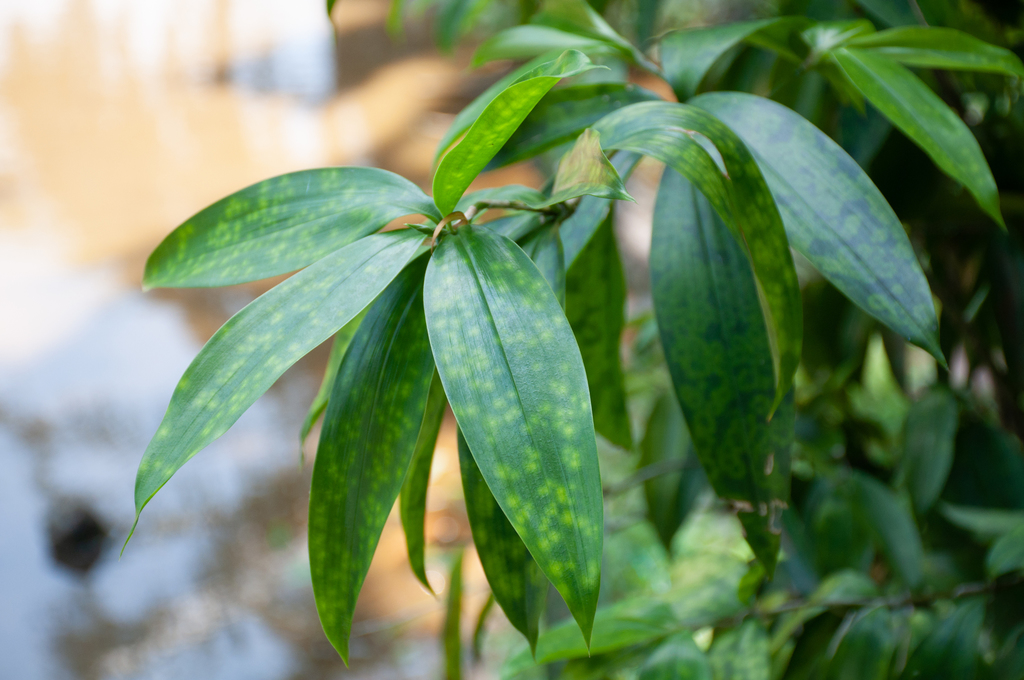
Dracaena surculosa, commonly known as the Japanese bamboo plant or the gold dust plant, is a popular houseplant native to tropical regions of Africa and Asia. It belongs to the Asparagaceae family and is known for its slender stems topped with glossy green, oval-shaped leaves. These leaves, characterized by pointed tips and unique yellow spots or streaks, give the plant a distinctive appearance.
Indoors, this plant can grow up to 3 feet tall and thrives in bright, indirect light. It prefers well-draining soil that is kept moist but not waterlogged. While Dracaena surculosa can tolerate low humidity levels, it benefits from occasional misting.
One notable advantage of this plant is its air-purifying properties, as it helps remove toxins such as formaldehyde, benzene, trichloroethylene, xylene, and toluene from indoor air.
Dracaena surculosa is low-maintenance, making it an ideal choice for beginners or those with limited time for plant care. With proper attention, this beautiful houseplant can thrive indoors, enhancing both the aesthetic and air quality of your home or office space.
The generic name "Dracaena" comes from the Greek word "drakaina," which means "female dragon." This name also refers to the plant's ability to produce a red resin, known as dragon's blood.
Gold dust dracaena has strong resistance to disease and is generally unlikely to develop illnesses. Still, when grown in a poor environment it can become more vulnerable to disease. It also faces few problems from insect pests. Regarding care, the plant has moderate needs. It should receive ample sunlight, because inadequate light can make it more prone to disease and cause spindly growth. Since it is commonly kept indoors, it may need to be moved periodically to a brighter spot. It does not need frequent watering. Overall, Gold dust dracaena is appropriate for most people, though it is best for those who can provide good light conditions.
How to keep Dracaena Surculosa.
Light
Gold dust dracaena needs moderate sunlight to thrive, matching its natural preference for spots that aren't in full sun. Too much sun can stress the plant and cause leaf scorching, while too little light can slow its growth. It can also survive in largely shaded areas.
Water
The Gold Dust Dracaena flourishes in humid conditions that mimic its native tropical forests. It prefers soil that is consistently moist but well-drained. To care for this plant, water it every two weeks, ensuring the soil remains ideally moist without becoming waterlogged. For indoor environments, boost humidity by misting the leaves or using a humidifier, while avoiding over-saturating the soil.
Humidity
This plant needs special care because it loves high humidity levels of 60-80% or more. The best way to achieve this is by placing a humidifier near the plant. Daily misting is also essential! Make sure the room has good ventilation.
Temperature
Gold dust dracaena originates from habitats where temperatures commonly fall between 68 to 100 °F (20 to 38 ℃). It does best within that range. Temperature adjustments should be considered with seasonal changes whenever necessary.
Fertilizer
The best time to fertilize a Gold dust dracaena is in early spring, when it comes out of dormancy. This encourages overall growth and flower development. Fertilization improves the foliage, stems, and branches, while supporting larger, more vibrant, and longer-lasting flowers. It helps move nutrients from the roots to the flowers and enhances the plant’s health and resistance to disease.
Pruning
Gold dust dracaena is known for its speckled foliage and benefits from regular pruning to maintain its shape. Pruning is best done between early and late winter, during the plant's dormancy period. Techniques include removing dead leaves and cutting back stems to encourage new growth. This helps enhance air circulation and prevent disease, resulting in a healthier plant.
Pot & Repot
When repotting Gold dust dracaena, choose a pot 1-2 inches (2.5–5.1 cm) larger with ample drainage. Use a well-draining potting mix. Repot in spring or fall, ensuring the root ball is slightly lower than the rim of the flower pot. Water thoroughly after repotting and place in a warm spot with indirect sunlight.
Botanical profile.
- Plant Type
- Shrub
- Life Cycle
- Perennial
- Genus
- Dracaena
- Family
- Asparagaceae
- Hardiness Zone
- 10-11
- Mature Height
- 61 cm to 91 cm
- Mature Spread
- 0.91 m to 1.22 m
- Leaf Color
- Green, White
- Leaf Type
- Evergreen
- Flower Color
- White
- Flower Size
- 2.54 cm
- Bloom Time
- Late spring, Early summer, Mid summer
- Planting Time
- Spring, Autumn
- Harvest Time
- Early summer, Mid summer
- Native Area
- Sierra Leone, Cameroon, Liberia, Togo, Ghana, Côte d'Ivoire, Nigeria, Congo, Guinea, Central African Republic
Other names.
Reader questions.
How should I water my Gold dust dracaena plant in the best way?
Misting the leaves is a good way to keep them hydrated without becoming too soggy. To avoid root rot, it's important to have proper drainage. This plant is sensitive to fluoride, which is often found in public water supplies, and it doesn't tolerate hard water well, especially during its growing stages. To water the plant, it's recommended to use a watering can or sprinkler with purified or distilled water. It's important to water the entire soil surface evenly to prevent stem rot. Using distilled water occasionally instead of tap water can help avoid plant death, leaf burn, or stunted growth. If possible, using rainwater is also a good option. When planting the Gold dust dracaena in a pot, it's important to keep the soil moist but not too soggy. If the plant is in the garden, proper drainage is important and the soil should be allowed to dry completely before using a sprinkler or garden hose to water it, as this can cause root rot and yellowing leaves. Some people use hydrogen peroxide occasionally to treat the water, but this is not recommended for regular use. Using a filtration system can help remove nitrates, salt, and lead from the water, which can be beneficial for the plant.
Do I have to put fertilizer on my Gold dust dracaena?
Gold dust dracaena requires regular fertilization because its showy leaves demand a significant amount of energy for production and maintenance. However, the challenge is that the plant must not only allocate enough energy for leaf health, but also for the growth of its stems, branches, roots, and other vital structures. Without proper fertilization, two likely outcomes can occur. Firstly, the leaves may lose their natural color and texture, resulting in an overall unhealthy appearance that significantly reduces its aesthetic appeal. Secondly, the plant's overall growth may slow down or produce weak growth, making it susceptible to breakage.
What are the sunlight requirements for Gold dust dracaena?
Gold dust dracaena thrives in an environment that provides a moderate level of sunlight, aligning with its natural habitat that's not fully sunlit. It requires about 3-6 hours of sunlight (partial sun) for optimal growth but can also grow in full shade, which is defined as less than 3 hours of sunlight. It's important to observe the sunlight movement through your garden to pick the ideal spots that offer a balance of light and shade, ensuring the plant's well-being. Too much sun may lead to leaf burn, while too little can hinder its growth.
What is the ideal temperature range for Gold dust dracaena?
Gold dust dracaena, or Dracaena surculosa, thrives in temperatures ranging from 68 to 100 °F (20 to 38 °C). These plants originate from environments that naturally maintain these temperatures. It is crucial to adjust the ambient temperature to match these preferences with changing seasons. Specifically, during colder months, it's beneficial to keep the temperature above the minimum suitable growth temperature and well above the tolerable growing minimum temperature to prevent any harm to the plant. Conversely, exposure to temperatures below the tolerable minimum can be detrimental.
What should I do if I give too much or too little water to the Gold dust dracaena plant?
Some signs that your plants need more or less water are brown tips on the plant, drooping leaves, wrinkled stems, and browning, crispy, or drying leaves. If you notice these signs, adjust your watering accordingly. If you overwater, root rot can develop. Remove any damaged roots from the soil, especially if they are mushy, fragile, or black. To help the plant recover, cut off a larger portion of the root. Overwatering can also cause browning leaves. Drain excess water and wait for the soil to dry before watering again. If you see signs of root rot, replace the soil in the pot and make sure to use pebbles for proper drainage. Lastly, if you notice tan rings or reddish-brown spots on the leaves, discard any excess water at the base of the pot and clean everything thoroughly.
When should I fertilize my Gold dust dracaena?
Gold dust dracaena benefits from occasional feedings, so it is unnecessary to establish a fixed feeding schedule when planting this type of plant. An easy method to fertilize your Gold dust dracaena is to apply fertilizer when watering the plant occasionally. During the growing season, this plant requires a decent amount of water. Feeding the plant once every two to three weeks should be sufficient, and this feeding frequency should be maintained as long as the plant is producing new growth.
Can artificial lighting be used for Gold dust dracaena, and how?
Yes, artificial lighting can be a vital solution for Gold dust dracaena's growth, especially when natural sunlight is insufficient. LED lights are recommended as they can provide the specific wavelengths needed by plants. The intensity of artificial light required varies: 30-50W/sq ft for full sun plants, 20-30W/sq ft for partial sun plants, and 10-20W/sq ft for full shade plants. The light source should be placed 12-36 inches above the plant and turned on for 8-12 hours per day to mimic natural daylight hours, promoting healthier and faster growth.
How should I care for my Gold dust dracaena in cold temperatures?
In response to low temperatures, Gold dust dracaena requires careful attention to maintain its health. It is important to keep the plant in warm conditions, ideally above the minimum suitable growth temperature. Especially during winter, ensure the temperature stays above the tolerable growing minimum. Should the plant experience temperatures below its growth limit, you may notice the leaves lightening in color, which can eventually turn brown or black after frost damage, accompanied by wilting and drooping. Trim off frost-damaged parts and move the plant to a warmer location indoors, preferably near a south-facing window for ample sunlight, while avoiding placing it too close to heaters or air conditioning vents to prevent air dryness.
How much water does my Gold dust dracaena need?
The Gold dust dracaena is a tough plant that can handle drought well. If it is in a pot, water it every 1-2 weeks when the soil is completely dry. Water it generously until you see water coming out of the drainage holes. Remember to remove any excess water from the saucer after an hour. When planting it in your garden, consider the amount of rainfall it receives. The roots don't like to sit in water, so ensure proper irrigation in your landscape. In tropical areas with lots of rain and monsoons, water it once every 2 weeks.
When is it a bad idea to put fertilizer on my Gold dust dracaena?
For most of the year, you can follow a regular fertilization schedule for your Gold dust dracaena. This includes the active growing season of spring, summer, and early fall. However, during the winter, no fertilizer should be given to the plant. During this time, the Gold dust dracaena enters a dormant growth phase where little to no new growth occurs. Since the plant requires less energy during this phase, fertilization is unnecessary.
What symptoms indicate Gold dust dracaena is receiving insufficient light?
Symptoms of insufficient light in Gold dust dracaena include smaller new leaves than previous ones, leggy or sparse growth, faster leaf drop, slower or no new growth, lighter-colored new leaves, chlorosis (leaves turning yellow), sunscald (pale, bleached, or necrotic areas on plant tissue), leaf curling, wilting, and leaf scorching. These symptoms highlight the plant's struggle with low light conditions and its need for better sunlight exposure or artificial lighting to maintain its health and growth.
What steps should be taken if Gold dust dracaena is exposed to high temperatures?
During the summer, it is important to ensure that Gold dust dracaena remains below its maximum suitable growth temperature. Exposure to temperatures above its tolerable maximum can make the plant susceptible to issues such as lighter leaf coloration and increased risk of sunburn. To mitigate these risks, trim away sunburned or dried parts of the plant and relocate it to a partially shaded area that protects it from the harsh midday and afternoon sun. Additionally, watering the plant during cooler times of the day, such as in the morning or evening, can help maintain moisture levels in the soil, contributing to its overall well-being.