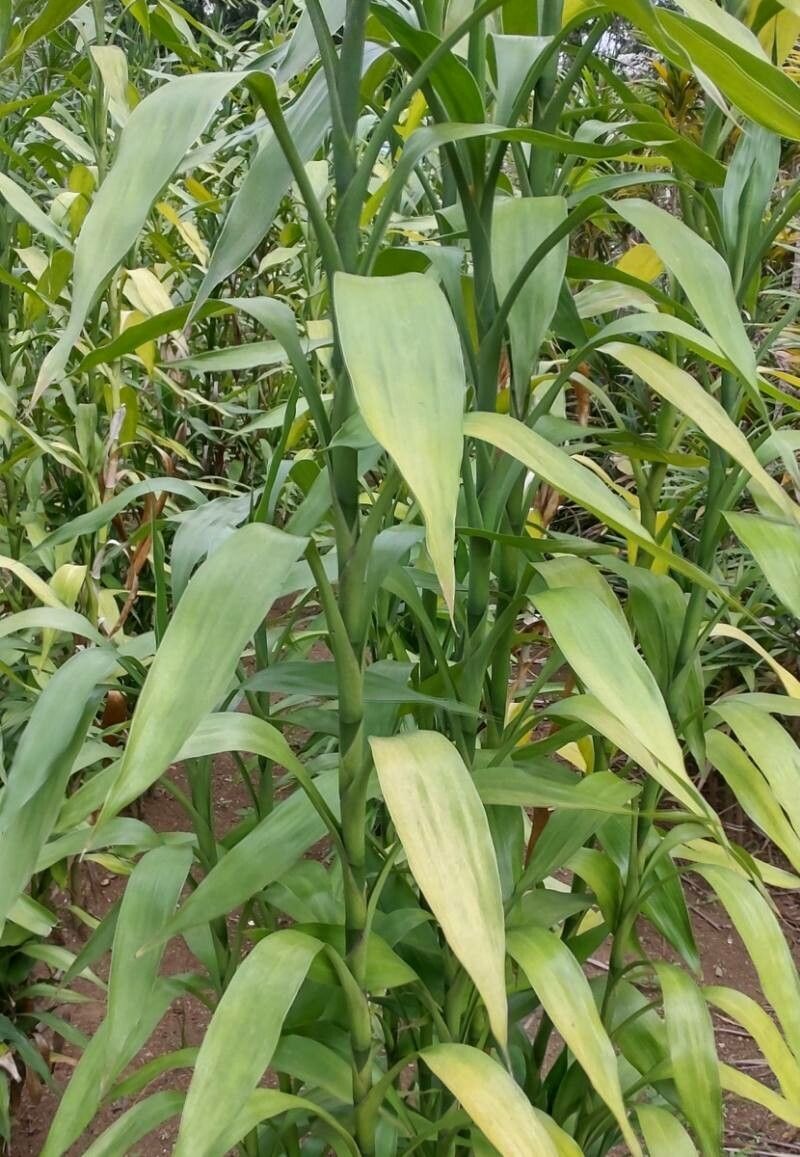
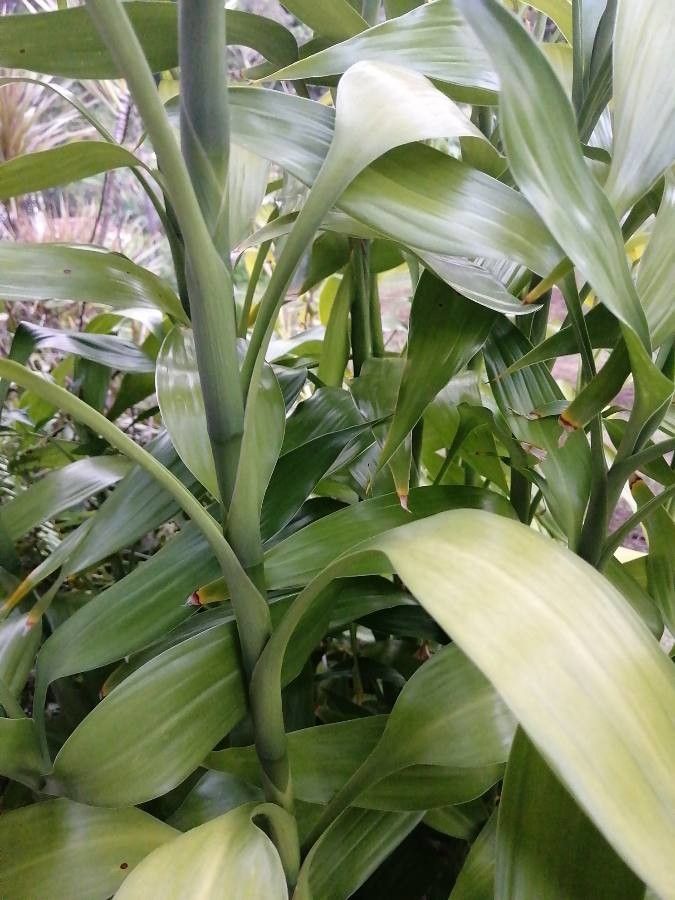
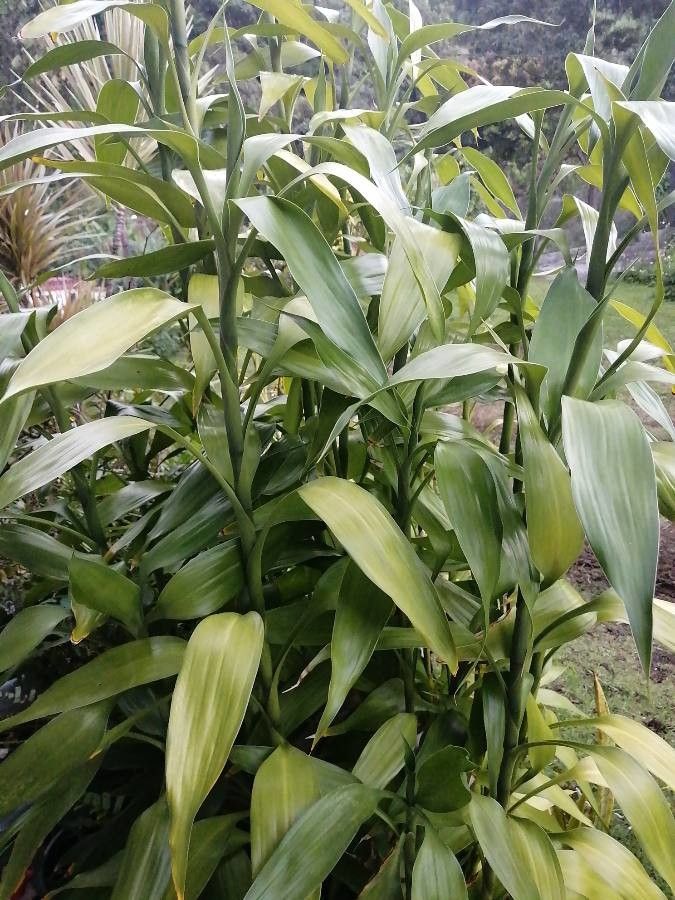
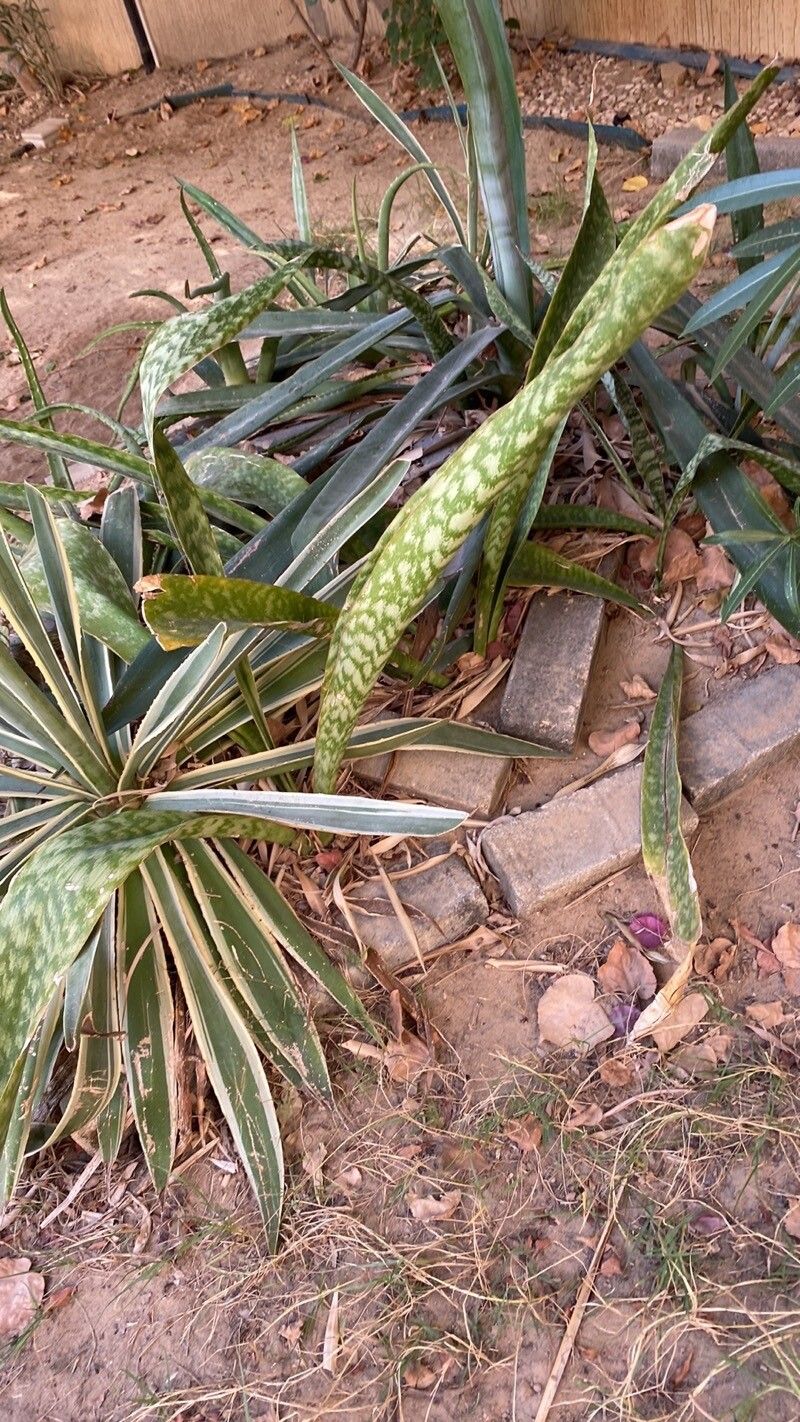
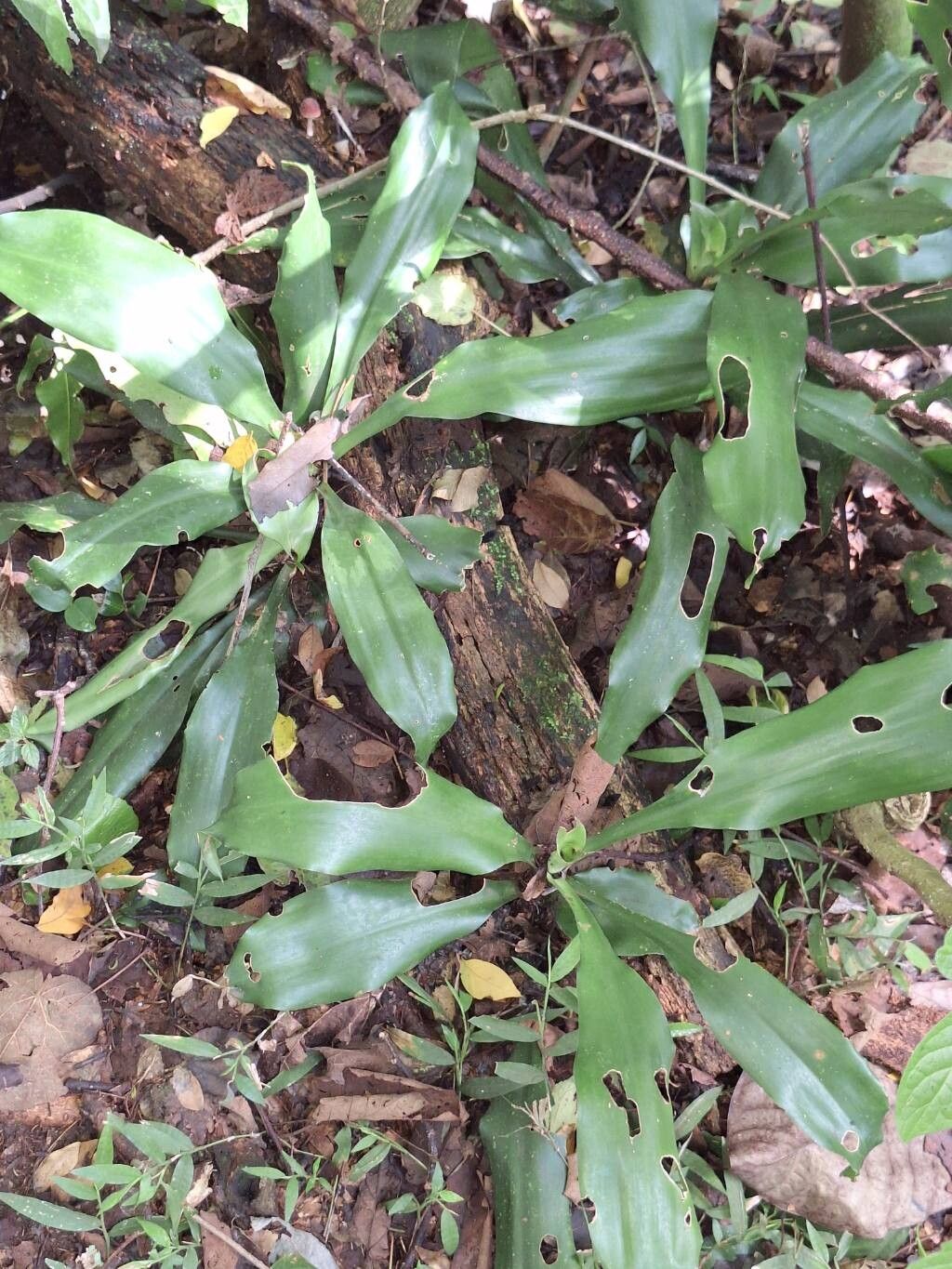
Dracaena sanderiana, commonly known as Lucky Bamboo, is a widely favored indoor plant native to Cameroon in West Africa. It belongs to the family Asparagaceae and is a member of the Dracaena genus. This plant features long, slender stems that are often twisted or braided, reaching up to 1 meter in height.
Lucky Bamboo is especially popular because of its association with Feng Shui, believed to bring good luck and positive energy into homes or offices. It is exceptionally low-maintenance, thriving in low light conditions and requiring minimal water.
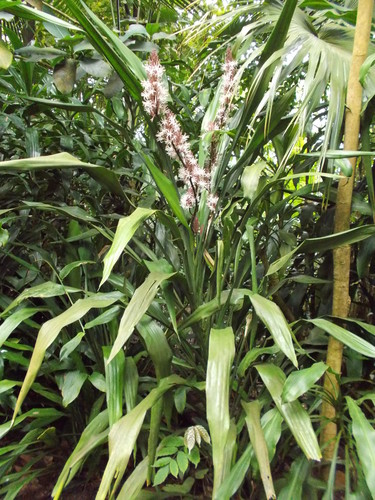
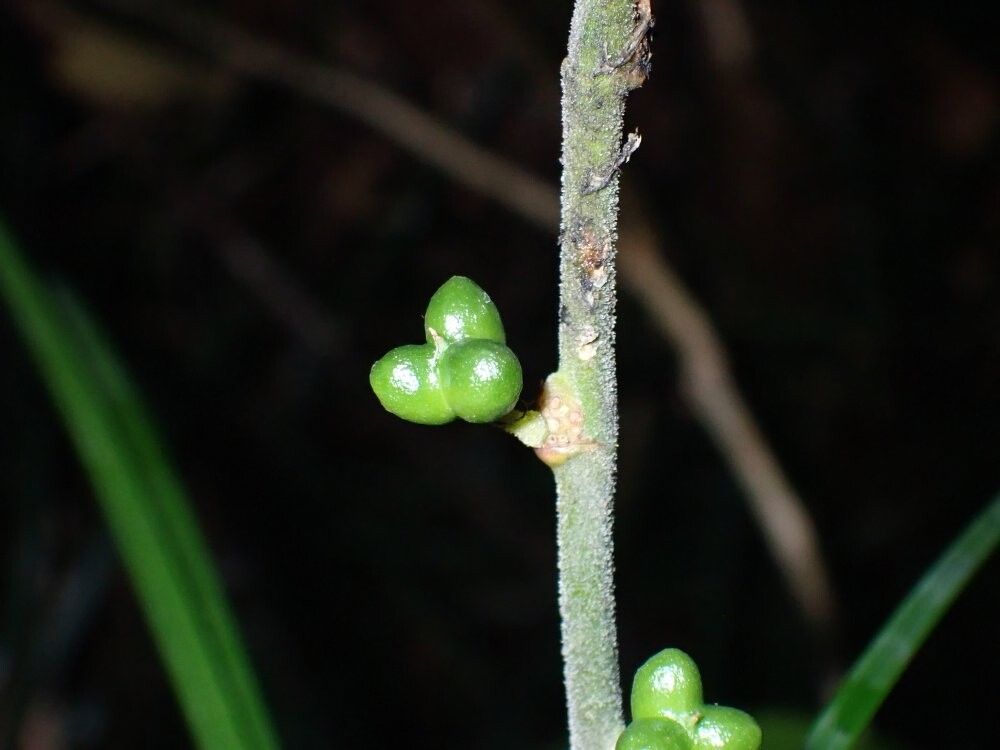
The leaves of Dracaena sanderiana are narrow, lance-shaped, and dark green. Although the plant rarely flowers, under optimal conditions it may produce small white blossoms.
Lucky Bamboo can be grown hydroponically or in soil. Hydroponic growth requires only water for nourishment, while soil-grown plants need regular fertilization.
In summary, Dracaena sanderiana is an easy-to-care-for indoor plant that enhances any space with its beauty and positive energy!
Lucky Bamboo: Despite its name, this plant is not actually a species of bamboo. Its name includes "bamboo" because its stems feature nodes similar to those of true bamboo. The "lucky" aspect of its name originates from Asian cultural beliefs, which hold that the plant symbolizes good fortune and hope for the future. Many people use lucky bamboo during Chinese New Year and other celebrations, as it is thought to bring good luck.
Lucky bamboo has good resistance to disease and is usually not susceptible to disease. However, it may develop leaf spots if light and ventilation are poor and watering is excessive. The care level for this plant is considered easy, as it only requires regular watering and does not need much attention otherwise. Lucky bamboo is suitable for people who do not have the time and energy to devote to regular care.
How to keep Dracaena Sanderiana.
Light
Lucky bamboo flourishes under moderate sunlight, yet it can also tolerate completely shaded spaces. Nonetheless, an overabundance of intense light could strain this plant, while too little light might impede its growth. As it comes from environments with speckled sunlight, the plant is adapted to these light conditions.
Water
Lucky bamboo thrives in humid, tropical conditions and prefers consistent moisture. While it has moderate drought tolerance, it's best to water it weekly. Make sure the containers have proper drainage to prevent root rot. Although typically grown indoors, lucky bamboo adapts well to lower light levels, which enhances its ornamental appeal.
Humidity
This plant will thrive in moderate humidity, which is probably the level in your home. However, misting it a few times a week can be very beneficial. Make sure the room has good ventilation.
Temperature
Lucky bamboo is native to environments where the temperature ranges from 20 to 30 ℃ (68 to 86 ℉). Its preferred temperature lies between 20 and 38 ℃ (68 to 100 ℉); however, it can withstand as low as 10 ℃ (50 ℉) and as high as 40 ℃ (104 ℉). During particularly warm summers, providing some shading and misting the leaves to preserve humidity are suggested measures.
Fertilizer
Fertilization is essential to the maintenance of Lucky bamboo. Continual nourishment throughout the growing season is crucial for vibrant leaves and facilitates overall development. Failure to fertilize can lead to compromised leaf health, reduced aesthetic value, and fragile or stunted growth susceptible to breaking.
Pruning
Lucky bamboo has a slender, bamboo-like appearance. To manage its height and promote a bushier growth, it's best to prune it between early and late winter. Use sterilized shears to make cuts just above a node and remove any dead leaves. After pruning, be sure to water the plant adequately to help it recover and stay healthy.
Pot & Repot
When transplanting Lucky bamboo, select a container that is 1-2 inches bigger and has plenty of drainage. Preferred soil would be a potting mix that drains well. Carry out the repotting process during spring or fall, and make sure that the root mass sits a little below the pot's rim. After changing the pot, water it completely and position it in a warm location that receives indirect sunlight.
Botanical profile.
- Plant Type
- Shrub, Herb
- Life Cycle
- Perennial
- Genus
- Dracaena
- Family
- Asparagaceae
- Hardiness Zone
- 10-12
- Mature Height
- 0.91 m to 1.52 m
- Mature Spread
- 0.91 m to 1.52 m
- Leaf Color
- Green
- Leaf Type
- Evergreen
- Flower Color
- White
- Flower Size
- 2.54 cm
- Bloom Time
- Mid summer, Late summer
- Planting Time
- Spring, Summer, Autumn, Winter
- Harvest Time
- Late summer, Fall
- Native Area
- Africa
Other names.
Reader questions.
What should I do if I give my Lucky bamboo too much water or too little water?
For Lucky bamboo kept in water, the only way to underwater is to expose the roots to air. To solve underwatering, water regularly and make sure there is water in your container. Hydroponic plants are hard to overwater, but excessive watering can still cause brown tips on Lucky bamboo. If brown tips appear with yellow leaf edges, it is likely due to dry air or drafts. Instead of adjusting watering, move the plant to a less drafty or dry area. Yellowing or disfigured leaves can also result from stagnant water. To address this, change the water, rinse the roots, and clean stones or pebbles. If algae is a problem, switch to a darker container from a clear vase.
Why should I put plant food on my Lucky bamboo?
Lucky bamboo needs regular fertilization primarily because its showy leaves require a lot of energy to produce and maintain. It is challenging for Lucky bamboo to allocate enough energy to keep its leaves healthy while also supporting the growth of its stems, branches, roots, and other vital structures. Neglecting fertilization leads to two likely outcomes. Firstly, the leaves will lose their natural color and texture, making the plant look unhealthy and less ornamental. Secondly, the overall growth of the plant will slow down, and it may produce weak growth that is prone to breakage.
What kind of sunlight does Lucky bamboo need?
To keep your Lucky bamboo healthy indoors, it requires full, indirect sunlight. This means the plant needs bright sunlight that doesn't hit directly from a window or grow light. You can shield it from direct sunlight by using a sheer curtain or positioning it behind a dark screen on the window.
What temperature is best for Lucky bamboo?
To help your tropical plants thrive, it's best to maintain a temperature range of 75℉ to 90℉ (25-32℃). While different species can tolerate temperatures outside this range, sticking within a few degrees of these limits will ensure optimal growth. However, there are extreme temperature limits to be aware of. Anything below 50℉ (10℃) or above 95℉ (35℃) can hinder growth and cause issues with the leaves and stems. Low temperatures are particularly damaging, as even a light frost can lead to the death of your tropical plants. In fact, cellular death can occur rapidly, with some species dying within 12 to 24 hours.
How should I water my Lucky bamboo correctly?
Lucky bamboo is an ideal house plant because it thrives in indirect light and mild temperatures. Typically, it is sold in a container with water and pebbles at the bottom to keep the roots submerged. Depending on the temperature in your home, you will need to add water every few days to once a week to maintain the plant's health. Changing the water regularly replenishes the oxygen levels and prevents algae buildup on the roots. You should also change the water completely every few weeks or immediately if it becomes odorous. If you choose to grow lucky bamboo in soil, it will have a different appearance with more leaves and a bushier look. Soil-grown plants should be in well-drained soil, such as a sandy mix for cacti. Watering should occur when the top two inches of soil dry out, which could mean every three days or up to once every 10 days. Check the soil's moisture by pressing a finger into it or using a moisture meter, and allow the soil to dry between waterings.
What is the ideal time to add plant food to my Lucky bamboo?
Lucky bamboo plants benefit from occasional feedings, so you don't need a fixed schedule. A simple way to fertilize them is by applying fertilizer when you water them. In the growing season, they also need a good amount of water. You can feed them every two to three weeks, consistently while they produce new growth.
How can I prevent the sun from causing harm to my new Lucky bamboo?
If you're bringing Lucky bamboo home for the first time, it's recommended to gradually expose it to sunlight instead of placing it in bright, indirect light immediately. This can be done by slowly moving the plant into the sunlight over a period of two weeks or so. By easing it into the light, you can prevent shock or leaf burn from sudden intense light exposure. This method increases the chances of your Lucky bamboo adapting well to your home environment.
Does Lucky bamboo need different temperatures at different stages of growth?
To ensure optimal growth for Lucky bamboo, it is important to maintain a consistent temperature. Avoid wild temperature fluctuations as they can slow down its growth, regardless of the current phase. It is recommended to keep Lucky bamboo in a controlled environment with a temperature range between 75℉ and 90℉ (25-32℃). It is crucial to stay above the lower limit, as going below 50℉ (10℃) can directly damage this heat-loving plant. While exceeding 90℉ (32℃) is not ideal, Lucky bamboo being a tropical plant can tolerate it reasonably well.
How should I change the way I water my Lucky bamboo for different seasons or climates?
If your Lucky bamboo is showing signs of leaf yellowing or burned tips, there may be a problem. Begin troubleshooting by making sure the plant is not too close to a window with strong sunlight. Check your water source for fluoride or salt buildup from tap water or fertilizers, as this can cause leaf burn and yellowing. If you use tap water, consider letting it sit in an open container for 24-48 hours to allow chlorine to evaporate. Alternatively, switch to distilled water or rainwater. During the winter when your home is heated, you may need to water more frequently. Keep a close eye on moisture levels when you turn up the heat. In the summer, as temperatures rise, water will evaporate more quickly, so monitor soil moisture levels and water more often. Ultimately, water the Lucky bamboo once the soil is dry to a depth of about two inches.
When is it not a good idea to put fertilizer on my Lucky bamboo?
You can typically fertilize your Lucky bamboo regularly most of the year, especially during the active growing season of spring, summer, and early fall. However, during the winter, it's important not to fertilize at all. This is because Lucky bamboo enters a dormant growth phase during the winter, resulting in little to no new growth. Since the plant uses less energy during this time, there is no need for fertilizer.
How do I know if Lucky bamboo is getting too much light?
Lucky bamboo is a plant that can easily get sunburned if exposed to too much sunlight. In its natural habitat, it only receives mild, filtered light that comes through the tree canopies. Although it needs more light to grow indoors, excessive sunlight can cause problems. If your Lucky bamboo is exposed to too much light, you will see signs such as faded or washed out leaves, yellow or brown tips, and rapid growth that the plant may struggle to handle.
Does Lucky bamboo require varying temperatures for different seasons?
Lucky bamboo is a low-maintenance plant that doesn't require specific temperature changes for different seasons. The key to caring for it involves keeping the environment at an optimal temperature range. To have better control over this, it's recommended to keep the plant indoors. By doing so, you can manage the temperature regardless of the outside climate. When it comes to light, tropical species like lucky bamboo prefer partial side exposure to the sun. This means they should receive dappled or filtered light, with bright but indirect light being the best option when growing them indoors. Exposing the plants to too much direct sunlight can harm their leaves and hinder their growth.