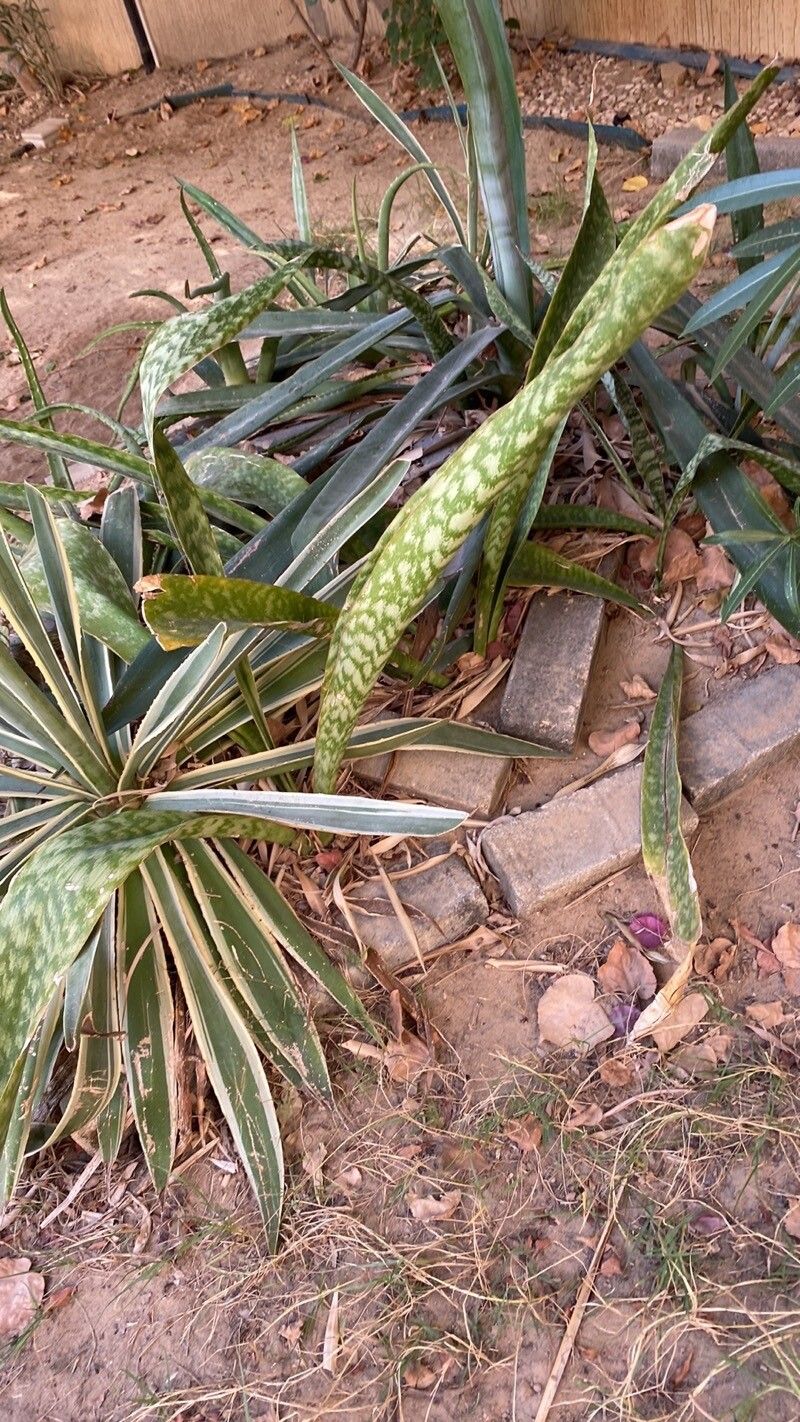
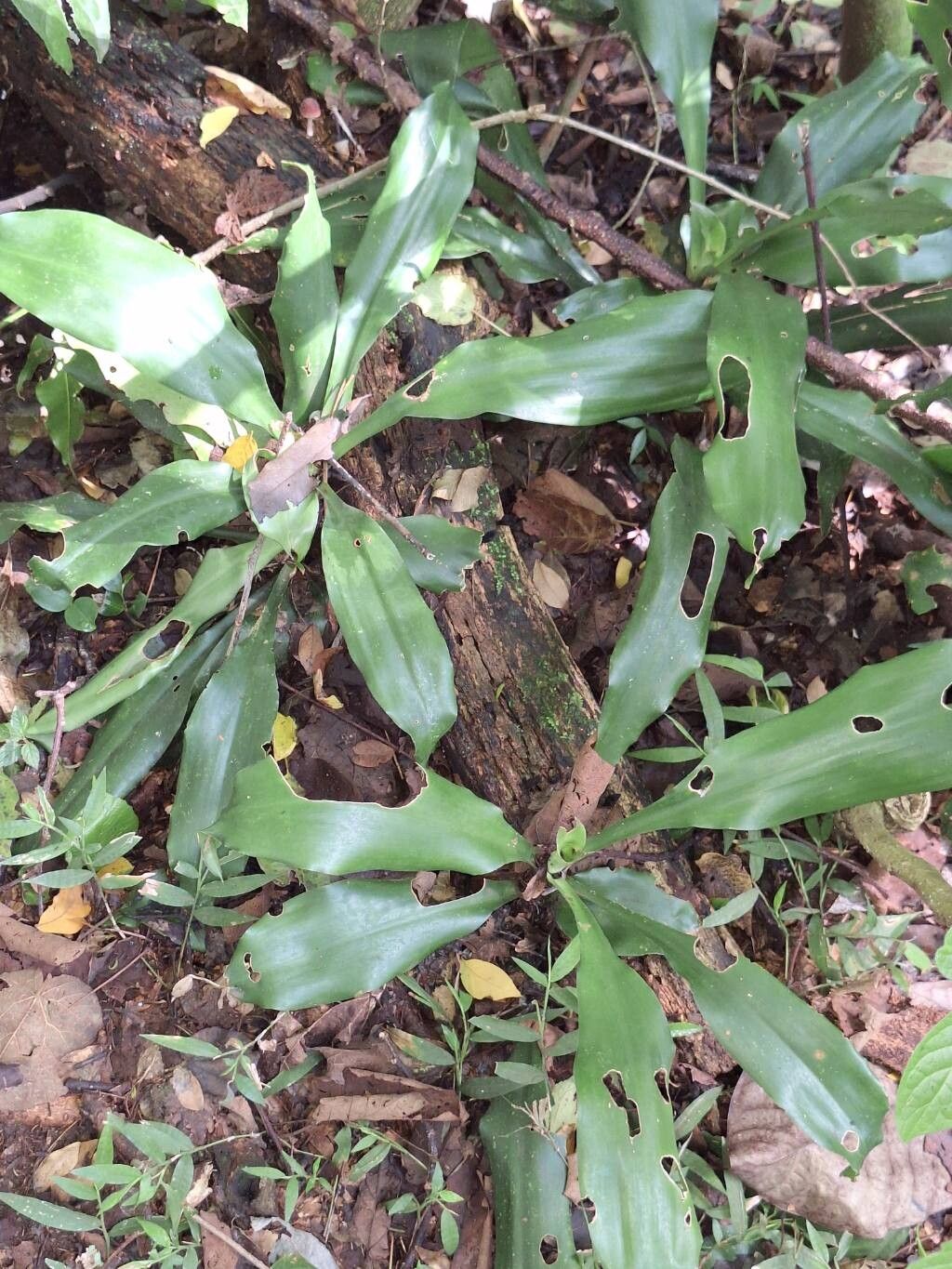
Dracaena marginata, commonly known as the Madagascar dragon tree, is a popular indoor plant native to Madagascar and other Indian Ocean islands. Belonging to the Asparagaceae family, this slow-growing plant can reach up to 6 feet in height.
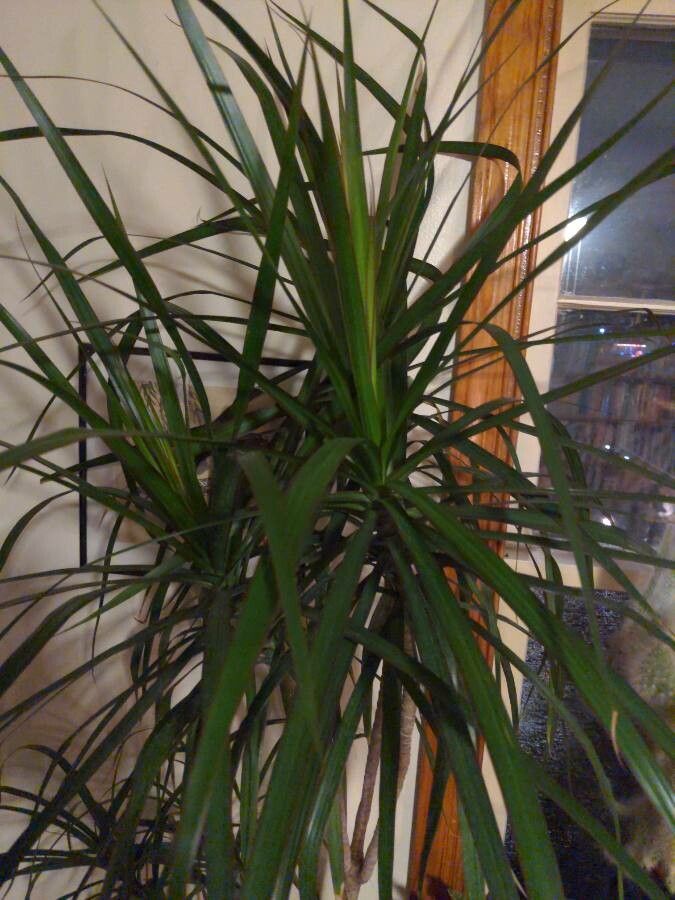
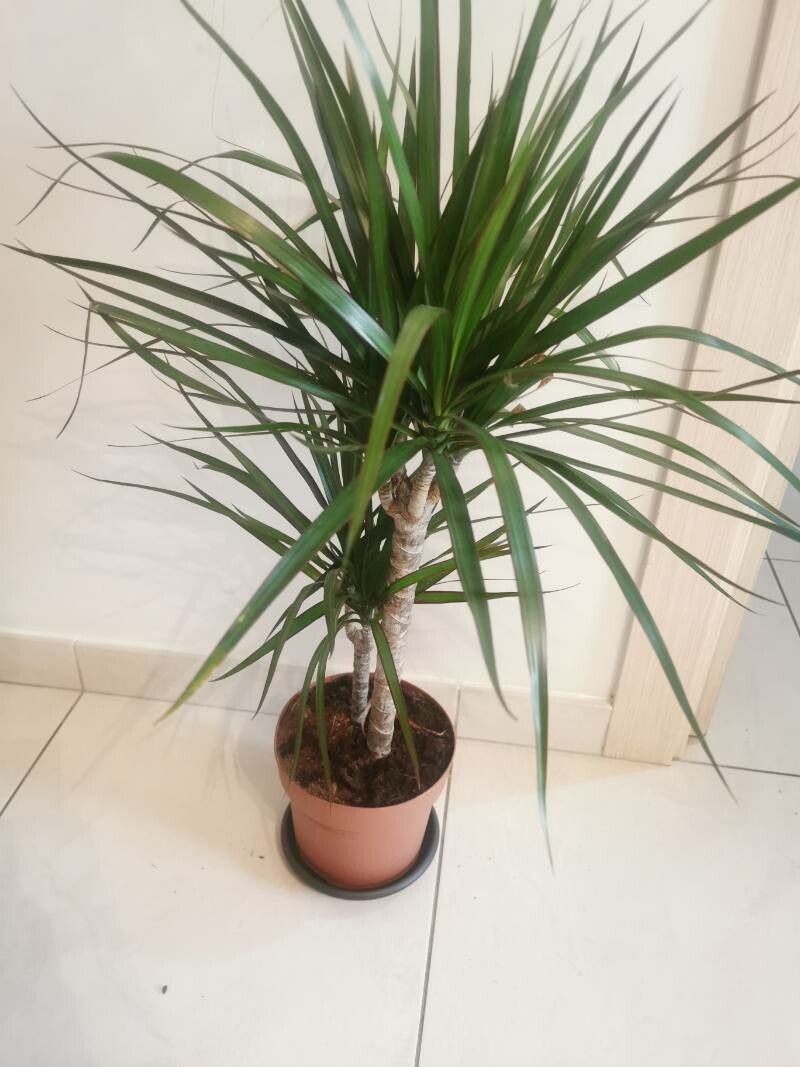
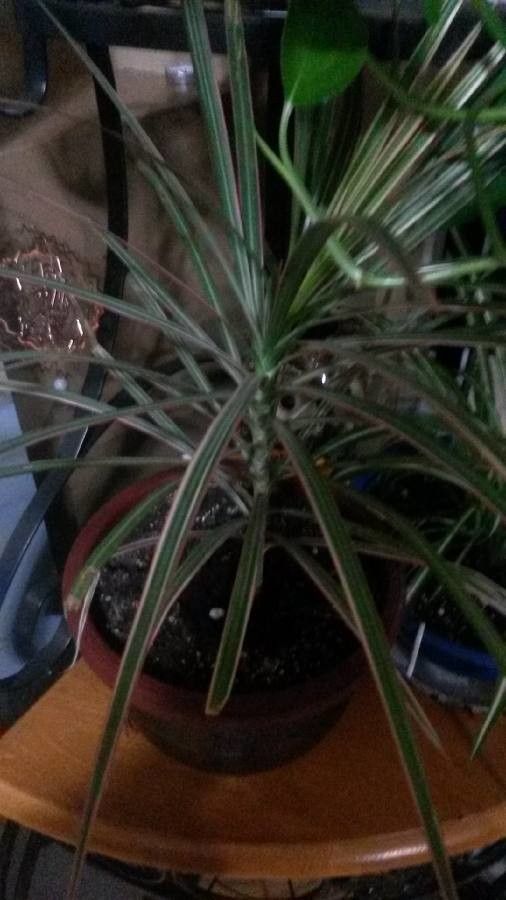
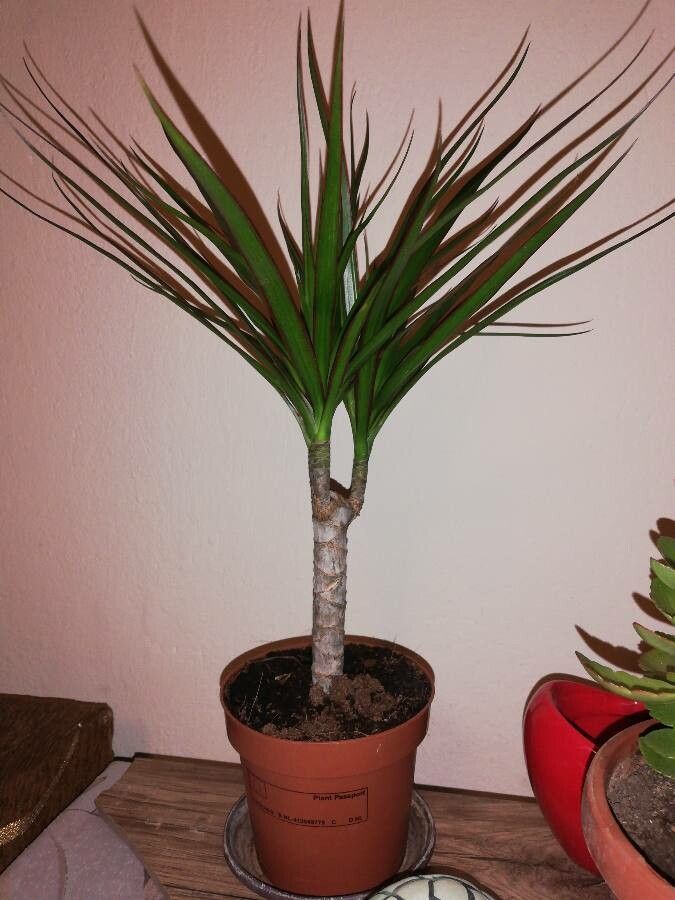
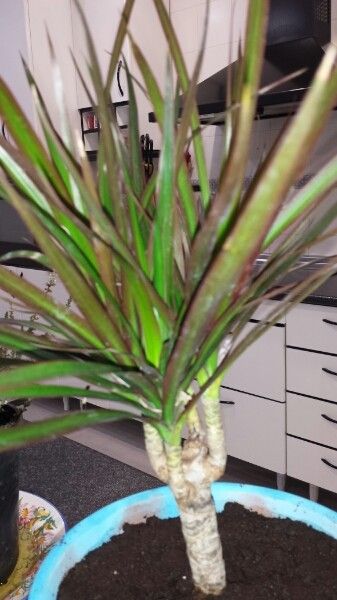
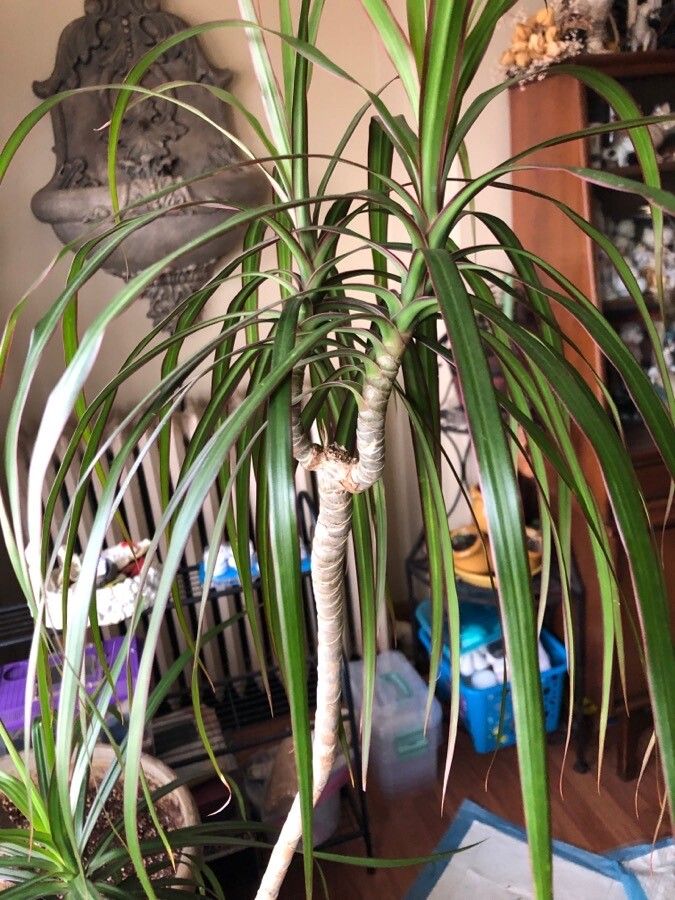
The plant features long, slender leaves that are green with red or purple edges. These leaves grow in clusters at the top of thin, woody stems and can extend up to 2 feet in length. The stems are characterized by their grayish-brown bark.
Dracaena marginata thrives in bright, indirect light but can also tolerate low light conditions. It prefers well-draining soil with moderate moisture levels and can endure periods of drought.
This plant is known for its air-purifying properties, effectively removing harmful toxins such as formaldehyde, benzene, trichloroethylene, xylene, and more from indoor air.
Due to its ease of care, Dracaena marginata is an ideal choice for beginners or those seeking low-maintenance indoor plants for their homes or offices. With proper care, including regular watering (without overwatering), occasional fertilization during the growing season (spring and summer), and pruning of dead leaves or stems as needed, this beautiful houseplant will thrive indoors for years.
The dragon tree has strong disease resistance and is usually not prone to illnesses. However, if it is kept in a poor environment it can become more likely to develop diseases. This plant also has few insect pests. For care, its requirements are moderate. It needs plenty of sunlight, since insufficient light can make it more disease-prone and lead to thin, weak growth. Because it is often grown indoors, it may need to be moved periodically to a brighter spot. It does not need frequent watering. Overall, the dragon tree suits most people, but it is best for those who can provide good light conditions.
How to keep Dracaena Marginata.
Light
Dragon tree can prosper in medium sunlight exposure and is resilient to phases of strong light or its absence. Born in places with changing sunlight states, it adjusts adequately to diverse light intensities. However, excessive sun exposure could potentially induce leaf damage, and insufficient light could obstruct its growth.
Water
Dragon trees are very drought-tolerant, only needing water when the top half of the soil dries out. This usually takes around 3 weeks or so. Avoid salt or fluoride-rich water for your tree since this usually causes discoloration.
Temperature
The dragon tree plant originates from the tropical regions and thrives ideally in temperatures ranging from 68 to 100 ℉ (20 to 38 ℃). It can withstand temperatures down to 50 ℉ (10 ℃) in the winter months, however, it's best to avoid placing it in areas prone to drafts.
Fertilizer
The essentiality of fertilization cannot be overstated in Dragon tree's nurturing. Consistent nourishment throughout its growth period assists in maintaining its energy for vibrant foliage and promotes general growth. Ignoring the need for fertilization can lead to sick leaves, a reduction in aesthetic value, and hindered or frail growth that is susceptible to breakage.
Pruning
Your dragon tree will likely self-shed dead foliage. So, all you will need to do is cut back stems and pick up the dead leaves to keep your tree neat.
Pot & Repot
When rehousing a Dragon tree, select a container that is 1-2 inches bigger and has sufficient draining capability. Opt for a potting mixture that drains well. The best time to do this is during the spring or autumn, making sure that the tree's root ball is a bit lower than the surface of the pot. After repotting, water it thoroughly and position it in a place with warm conditions and indirect exposure to sunlight.
Toxicity
Dragon trees are highly toxic to animals but do not affect humans. It's best to keep the tree out of reach of children and pets to reduce the risk of accidental ingestion. The saponins in the tree may cause weakness, drooling, vomiting, dilated pupils, and coordination when ingested.
Further reading →
The toxicity and danger assessments provided are for reference only. We do not assure their accuracy, so it's crucial not to depend on them. Seek professional advice when necessary for accurate guidance.
Botanical profile.
- Plant Type
- Shrub
- Life Cycle
- Perennial
- Genus
- Dracaena
- Family
- Asparagaceae
- Hardiness Zone
- 10-12
- Mature Height
- 0.91 m to 3.05 m
- Mature Spread
- 49 cm to 76 cm
- Leaf Color
- Green, Yellow, White, Gold
- Leaf Type
- Evergreen
- Flower Color
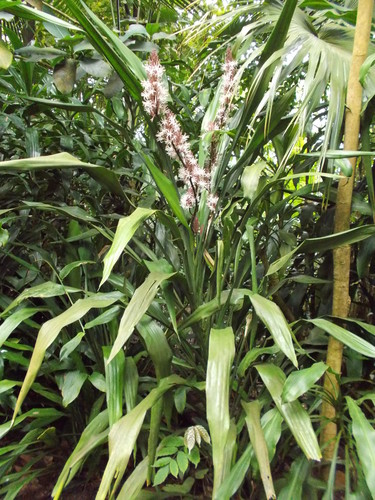
- White, Yellow, Pink, Green, Red
- Flower Size
- 1.02 cm to 2.03 cm
- Bloom Time
- Early summer, Mid summer
- Planting Time
- Spring, Autumn
- Harvest Time
- Mid summer, Late summer
- Native Area
- Madagascar, Mauritius
Other names.