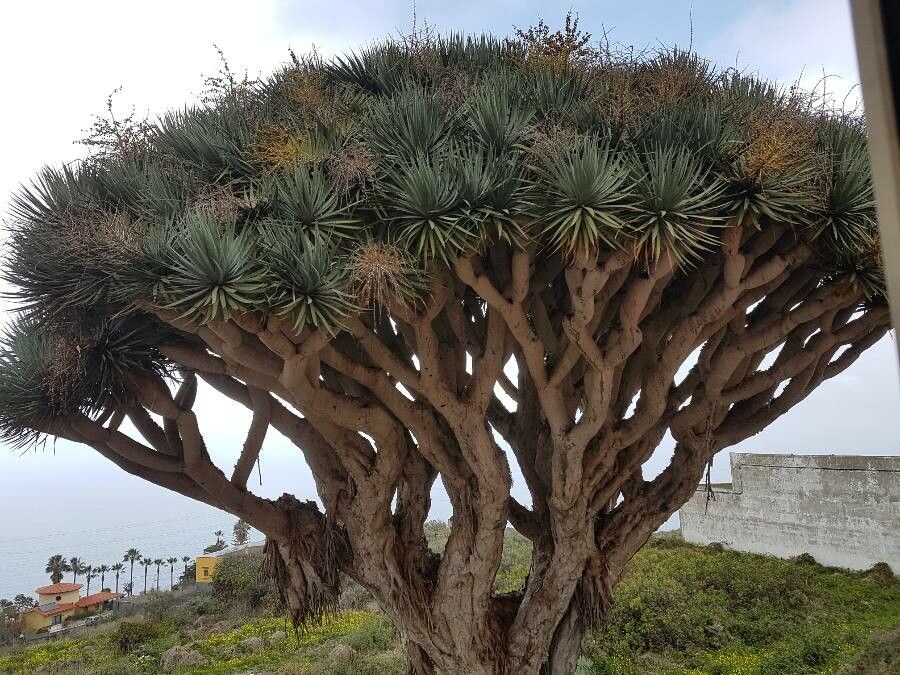
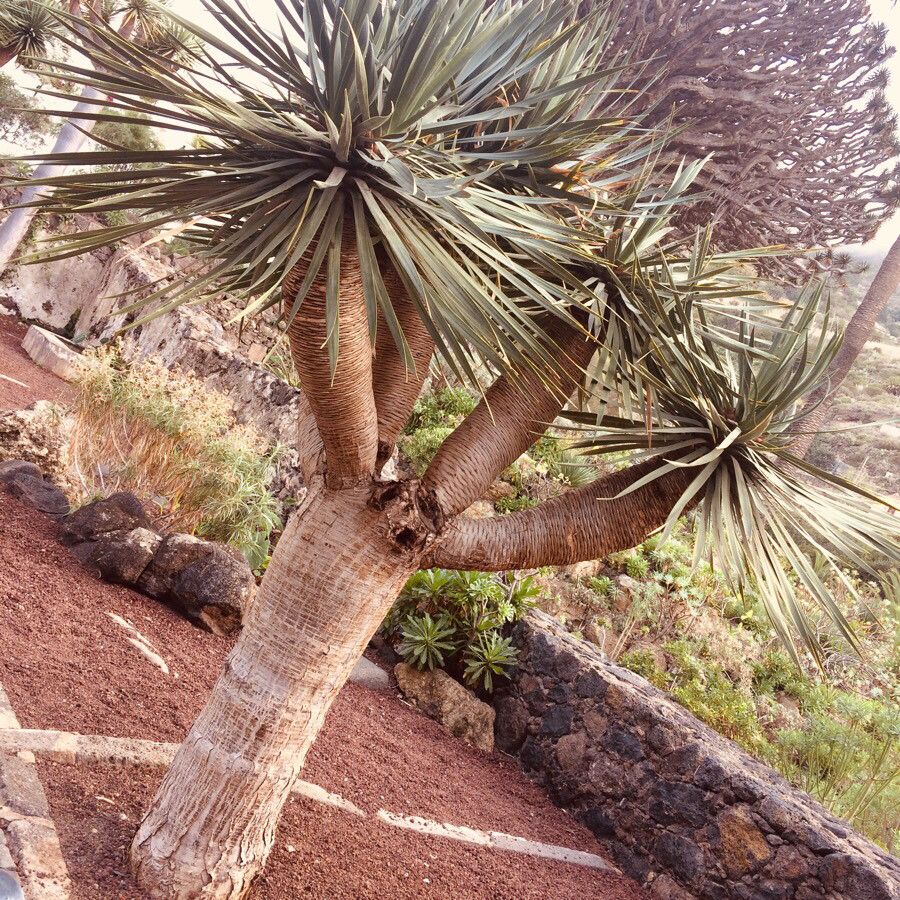
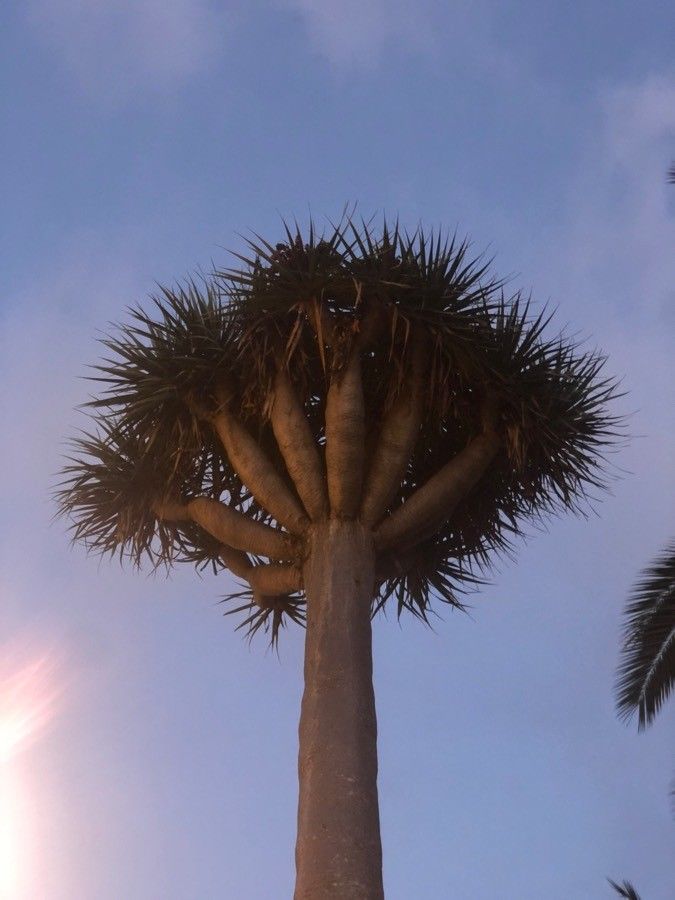
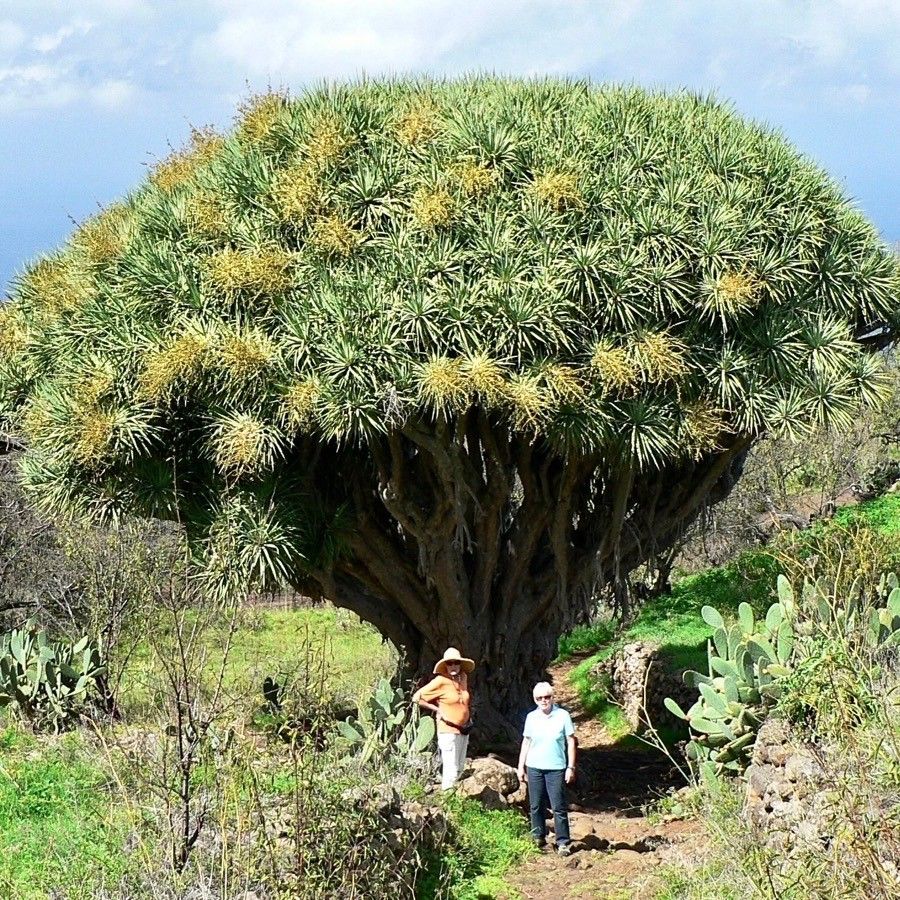
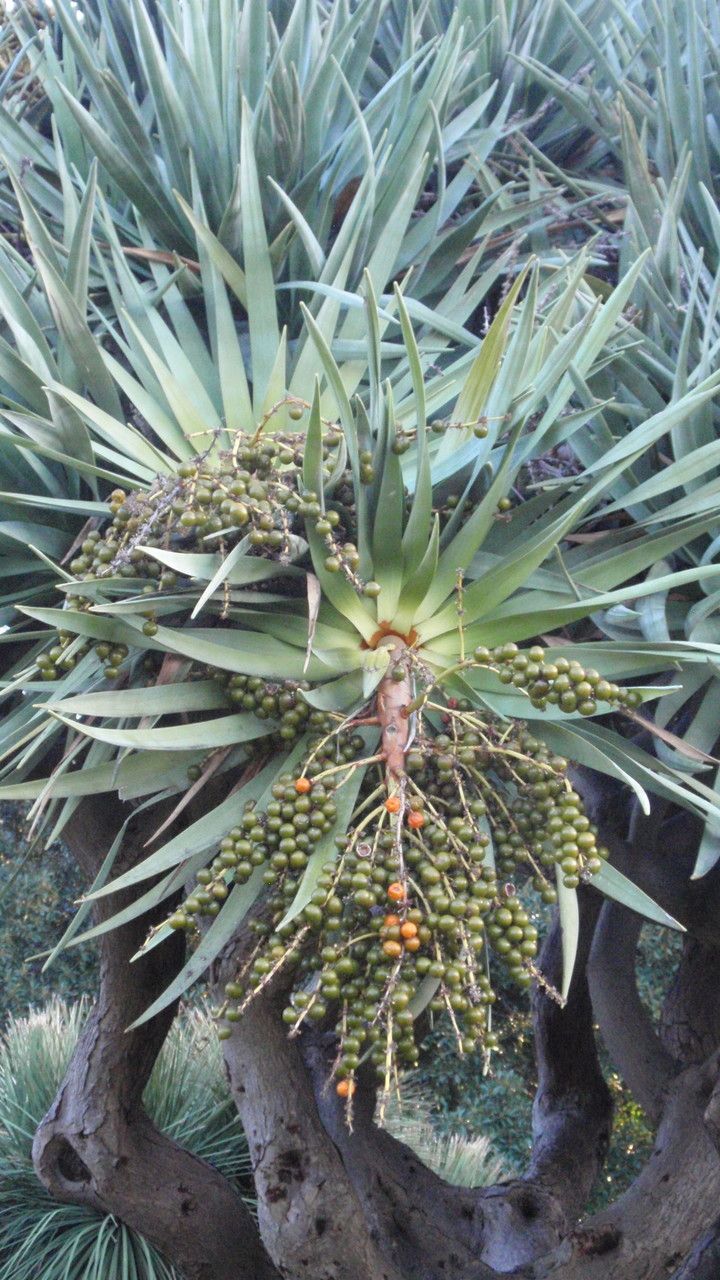
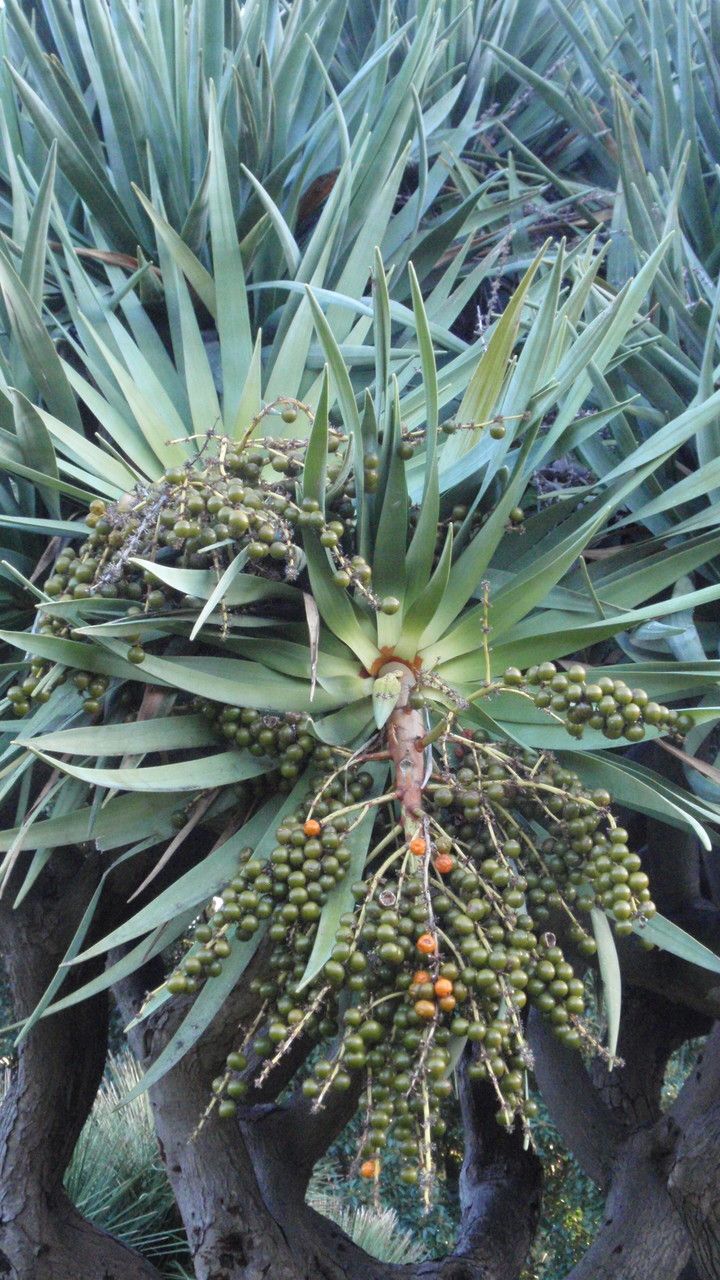
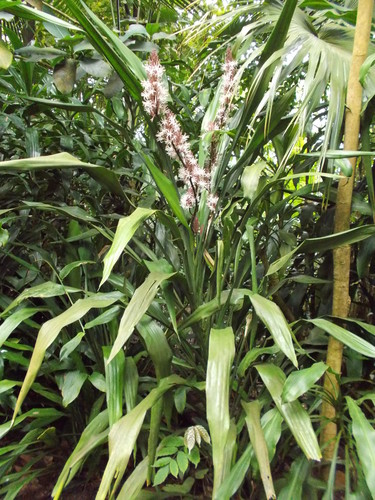
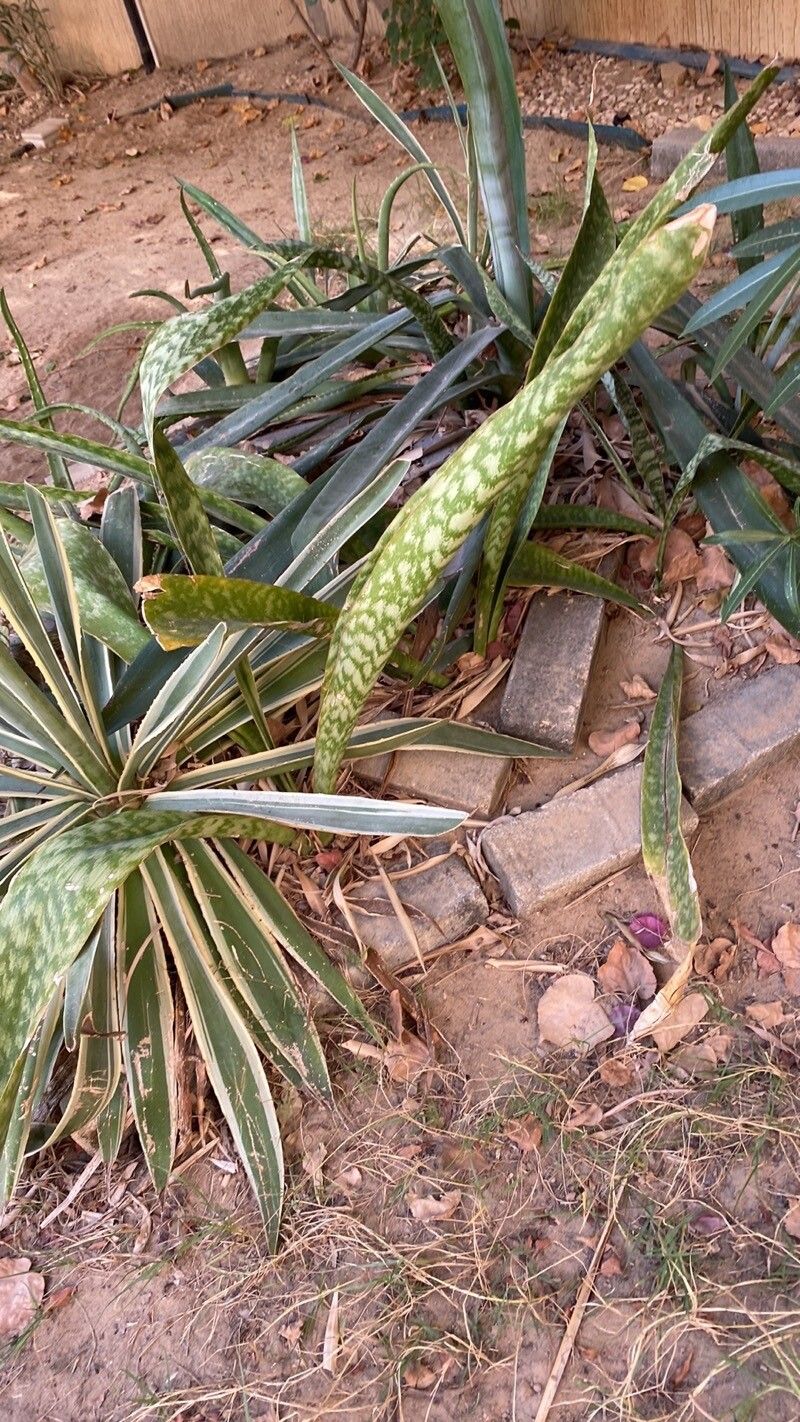
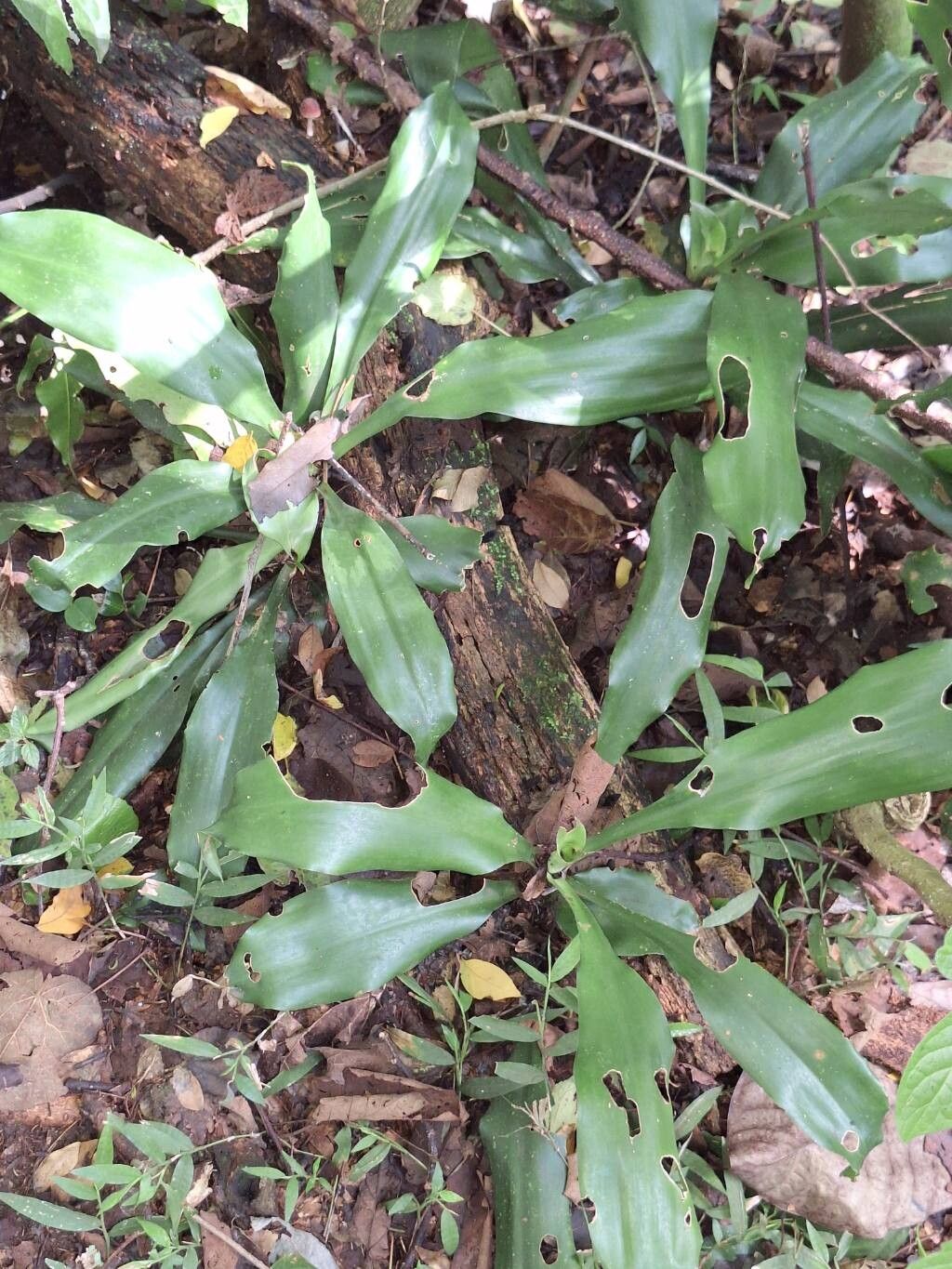
Dracaena draco, the Canary Islands dragon tree or drago, is a subtropical tree in the genus Dracaena, native to the Canary Islands, Cape Verde, Madeira, western Morocco, and is thought to be introduced in the Azores. Its closest living relative is the dragon blood tree of Socotra, Dracaena cinnabari.It was first described by Carl Linnaeus in 1762 as Asparagus draco. In 1767 he assigned it to the new genus, Dracaena.
The dragon tree has strong disease resistance and is usually not prone to illnesses. However, if it is kept in a poor environment it can become more likely to develop diseases. This plant also has few insect pests. For care, its requirements are moderate. It needs plenty of sunlight, since insufficient light can make it more disease-prone and lead to thin, weak growth. Because it is often grown indoors, it may need to be moved periodically to a brighter spot. It does not need frequent watering. Overall, the dragon tree suits most people, but it is best for those who can provide good light conditions.
How to keep Dracaena Draco.
Light
The dragon tree performs best with plenty of sunlight, imitating the conditions of its native environment. Its growth, however, is not impaired by occasional periods of reduced light. Excessive exposure can damage its leaves, while too little light can restrict its growth and vigor.
Water
The dragon tree is well-suited for dry environments, as it has excellent drought tolerance. To prevent overwatering, it's best to water the plant every two weeks. When grown indoors, it not only helps purify the air but also requires well-draining soil in containers to promote healthy growth and prevent root rot.
Humidity
This plant will thrive in moderate humidity, which is probably the level in your home. However, misting it a few times a week can be very beneficial. Make sure the room has good ventilation.
Temperature
The dragon tree is native to hot, dry regions with temperatures of 20 to 41 ℃ (68 to 106 ℉). It prefers a steady temperature within that range and can become stressed by sudden changes. In cooler seasons, when temperatures drop below its preferred range, it's important to keep the plant away from cold drafts and to maintain a consistent temperature to prevent harm.
Fertilizer
The essentiality of fertilization cannot be overstated in Dragon tree's nurturing. Consistent nourishment throughout its growth period assists in maintaining its energy for vibrant foliage and promotes general growth. Ignoring the need for fertilization can lead to sick leaves, a reduction in aesthetic value, and hindered or frail growth that is susceptible to breakage.
Pruning
The Dragon Tree is a tall and sturdy plant known for its distinctive foliage. To encourage growth and shape the tree, prune it between early and late winter. Trim dead leaves just above the nodes, and make sure to use clean, sharp tools to minimize stress and the risk of disease. Be careful not to over-prune, as this can compromise the plant's natural form.
Pot & Repot
When rehousing a Dragon tree, select a container that is 1-2 inches bigger and has sufficient draining capability. Opt for a potting mixture that drains well. The best time to do this is during the spring or autumn, making sure that the tree's root ball is a bit lower than the surface of the pot. After repotting, water it thoroughly and position it in a place with warm conditions and indirect exposure to sunlight.
Botanical profile.
- Plant Type
- Shrub, Tree
- Life Cycle
- Perennial
- Genus
- Dracaena
- Family
- Asparagaceae
- Hardiness Zone
- 10-13
- Mature Height
- 20.12 m
- Mature Spread
- 4.57 m to 7.62 m
- Leaf Color
- Green, Blue
- Leaf Type
- Evergreen
- Flower Color
- White, Green
- Flower Size
- 0.51 cm to 1.02 cm
- Bloom Time
- Mid summer
- Planting Time
- Spring, Autumn
- Harvest Time
- Mid summer, Late summer
- Native Area
- The Canary Islands, northwest coastal Africa
Other names.
Reader questions.
What's the best way to water my Dragon tree?
Here are some tips for properly watering your Dragon tree: - Misting the leaves can help keep them hydrated without becoming overly soggy. However, it's important to ensure that there is good drainage to prevent root rot. - This species of plant is sensitive to fluoride, which is often found in public water supplies, and it does not tolerate hard water well, especially during its growing stages. - To avoid potential issues, consider using purified or distilled water with a watering can or sprinkler. Make sure to water the entire surface of the soil evenly to avoid rotting stems. - Using distilled water periodically instead of tap water can help prevent problems like plant death, leaf burn, or stunted growth. Using rainwater when available is also a good option. - In pots, keep the soil consistently moist but avoid over-saturation. For outdoor plants in gardens, ensure proper drainage and allow the soil to dry completely before using a sprinkler or garden hose to prevent root rot and yellowing leaves. - While some people use hydrogen peroxide as a treatment in their water, this method is not recommended for regular use. Only use hydrogen peroxide occasionally to simulate rainwater. - Consider investing in a filtration system to remove potentially harmful substances like nitrates, salt, and lead from the water source.
Why should I put fertilizer on my Dragon tree?
Dragon trees require regular fertilization because their showy leaves demand a significant amount of energy for production and maintenance. The challenge lies in the fact that the Dragon tree must allocate enough energy not only to maintain its leaves but also to support growth in its stems, branches, roots, and other vital structures. Neglecting fertilization can lead to two likely outcomes. Firstly, the leaves of the Dragon tree will lose their natural color and texture, appearing unhealthy and significantly diminishing its ornamental appeal. Secondly, the overall growth of the Dragon tree may slow down or produce weak growth that is susceptible to breakage.
What are the sunlight requirements for dragon tree?
Dragon trees require ample sunlight to thrive, ideally replicating their natural environment. They need full sun, defined as more than 6 hours of sunlight a day, or partial sun, about 3-6 hours of sunlight daily. However, they can tolerate periods of reduced light, though overexposure or insufficient light can impact their leaves, growth, and vitality negatively. It's important to watch how sunlight moves through your garden to choose spots that provide the perfect balance of light and shade, ensuring the plants' happiness.
What is the ideal climate for growing a Dragon Tree?
The Dragon Tree, also known as Dracaena draco, thrives in a hot and dry climate with temperatures ranging from 20 to 41°C (68 to 106°F). It prefers to be kept at a consistent temperature within this range. The tree is extremely heat-loving, and exposure to cold can cause it harm. During cooler seasons, it's important to keep the plant away from cold drafts and maintain a consistent temperature above 20°C to prevent damage. In autumn, if grown outdoors, it's recommended that the Dragon Tree be moved indoors near a bright window yet kept away from direct heat sources.
What do I do if I give the Dragon tree too much or too little water?
Here are some signs that the plants are not getting enough water: brown tips on the plant, drooping leaves, wrinkled stems, and dry, brown, crispy leaves. If you notice these signs, water the plants as soon as possible. On the other hand, overwatering can lead to root rot and brown, falling leaves. If you spot root rot, remove the damaged roots and replace the soil with pebbles for better drainage. Also, discard any excess water if you see tan rings or reddish-brown spots on the leaves.
When should I put fertilizer on my Dragon tree?
When caring for a Dragon tree, it is not necessary to establish a set feeding schedule. Instead, you can simply fertilize the plant when watering it occasionally. Additionally, it is important to provide a sufficient amount of water to the Dragon tree during the growing season. Feeding the plant every two to three weeks should be continued throughout the period of new growth.
How can artificial lighting be used for dragon trees?
When natural sunlight is insufficient, especially during winter or in less sunny spaces, artificial lighting can be a vital solution for indoor dragon trees. For optimal growth, ensure adequate lighting by choosing the right type of artificial light, such as LED lights that provide specific wavelengths needed by plants. Full sun plants require 30-50W/sq ft, partial sun plants need 20-30W/sq ft, and full shade plants need 10-20W/sq ft of artificial light. Place the light source 12-36 inches above the plant, mimicking natural sunlight, and maintain the duration of light for 8-12 hours per day to promote faster, healthier growth.
How should you care for a Dragon Tree in low temperatures?
In low temperatures, it's critical to keep the Dragon Tree in conditions above 20°C, avoiding anything below 5°C. If temperatures fall below 1°C, the leaves may lighten in color, and after frost damage, they gradually turn brown or black with possible wilting and drooping. To care for a Dragon Tree in such conditions, trim off the frost-damaged parts and move the plant indoors to a warmer environment if it hasn't been already. Place it near a south-facing window for ample sunlight but ensure it's not too close to heaters or air conditioning vents, as this can cause the air to become excessively dry.
How frequently do I need to water my Dragon tree?
The Dragon tree is known for being able to withstand drought well. When watering, only do so every 1-2 weeks when the soil is completely dry, especially if the tree is potted. Water generously, making sure to stop when the water begins to drain out of the pot's holes. Remember to remove any excess water from the saucer after an hour to prevent it from sitting in the pot. If the Dragon tree is planted in your garden, take into account the amount of rainfall it receives. The roots don't like to sit in water, so ensure proper irrigation is in place in the garden. Watering once every 2 weeks is usually enough, especially if you live in a tropical area with abundant rain and monsoon seasons.
When is not the right time to fertilize my Dragon tree?
You can typically stick to a regular fertilization schedule for your Dragon tree for most of the year, specifically during the growing season of spring, summer, and early fall. However, it is important to note that during winter, this plant should not be fertilized at all. This is because the Dragon tree enters a dormant growth phase during winter where it either produces no new growth or very little. As a result, the plant's energy consumption decreases, making fertilization unnecessary during this time.
What are the symptoms of insufficient light in dragon trees?
Dragon trees show several symptoms when exposed to insufficient light, including lighter-colored new leaves indicating a lack of chlorophyll and essential nutrients, faster leaf drop as the plant conserves resources, slower or no new growth as the plant enters survival mode, and symptoms of excessive sunlight exposure like chlorosis, sunscald, leaf curling, wilting, and leaf scorching. These conditions signify the plant's struggle with the current lighting situation, leading to reduced vitality and health.
What should I do if my Dragon Tree experiences high temperatures?
During summer, ensure that your Dragon Tree is kept in temperatures below 41°C to avoid heat stress. Should the temperature exceed 45°C, the leaves may lighten in color and the plant could become susceptible to sunburn. In this scenario, you should trim away the sunburned and dried-up parts of the plant. Move the Dragon Tree to a shaded location, particularly away from the midday and afternoon sun. It is also advisable to water the plant in the morning and evening to keep the soil moist and help it stay cool.