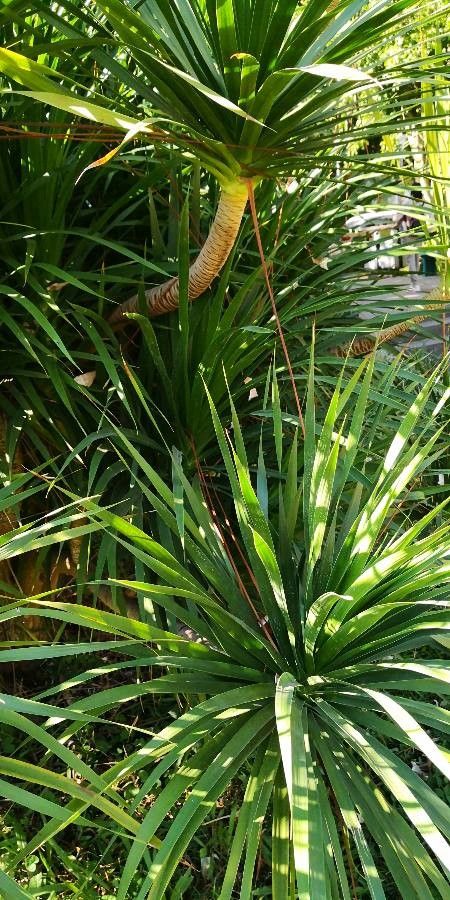
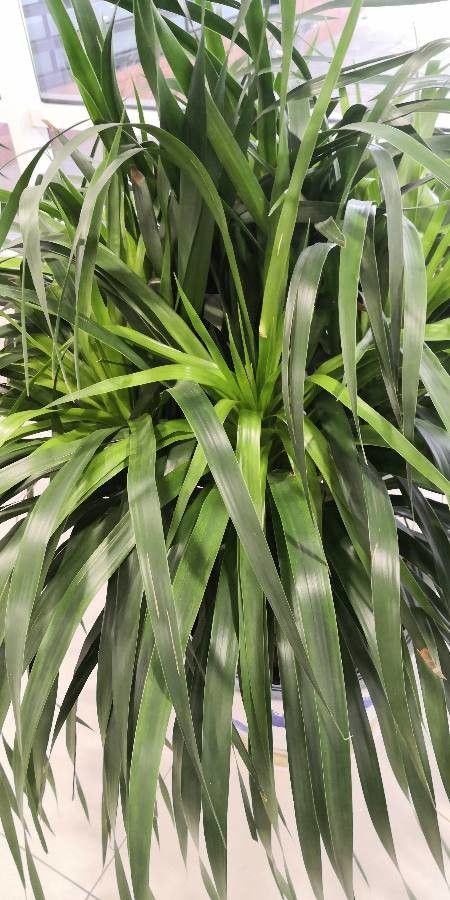
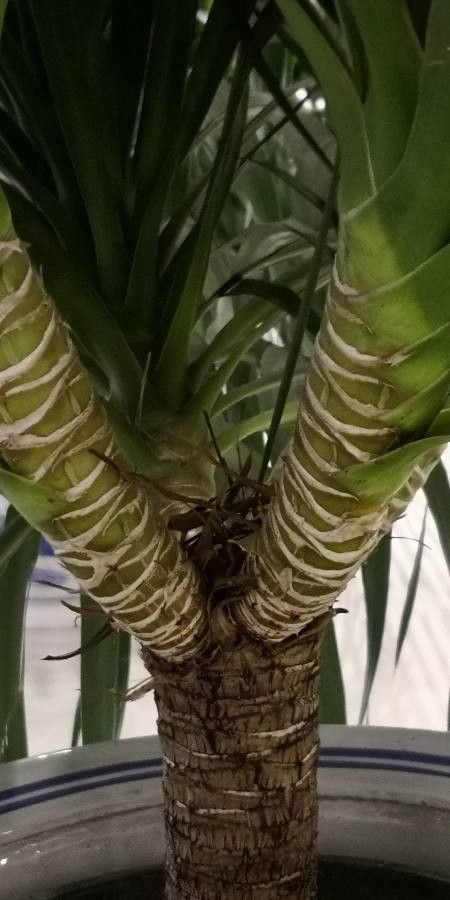
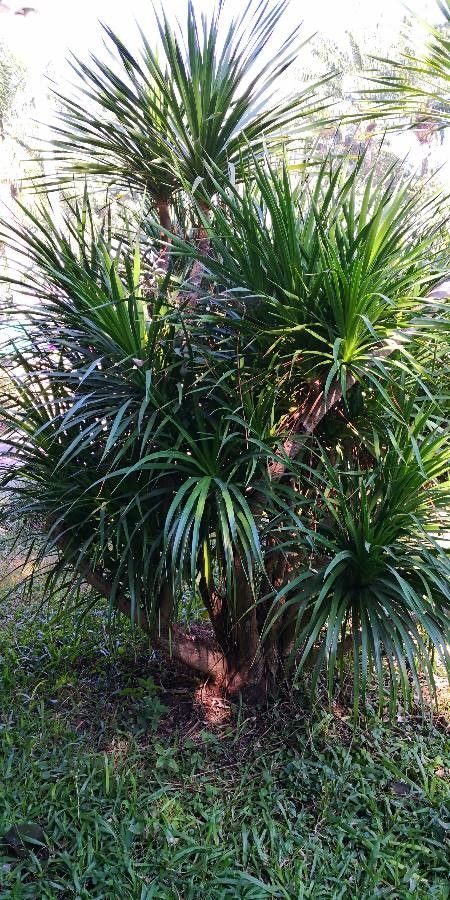
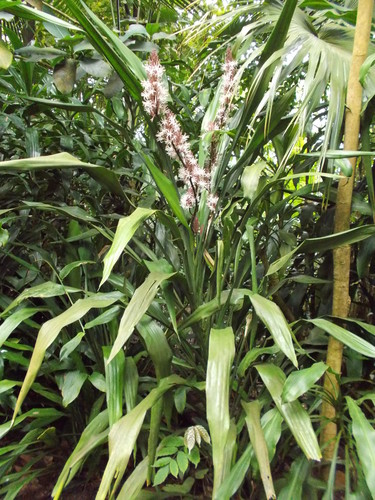
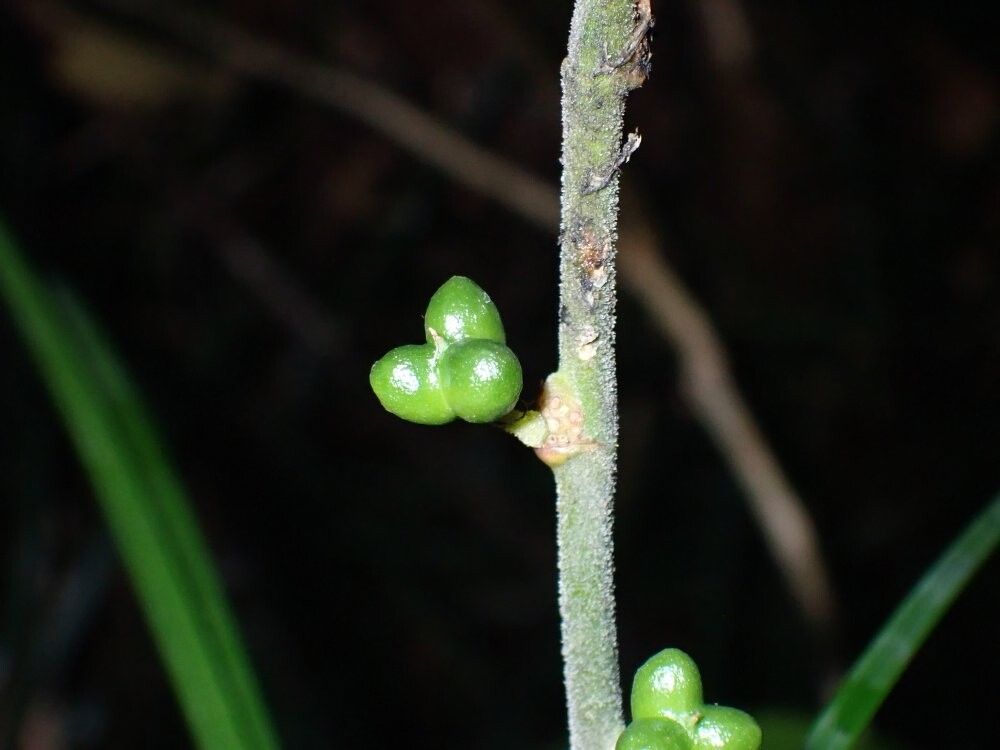
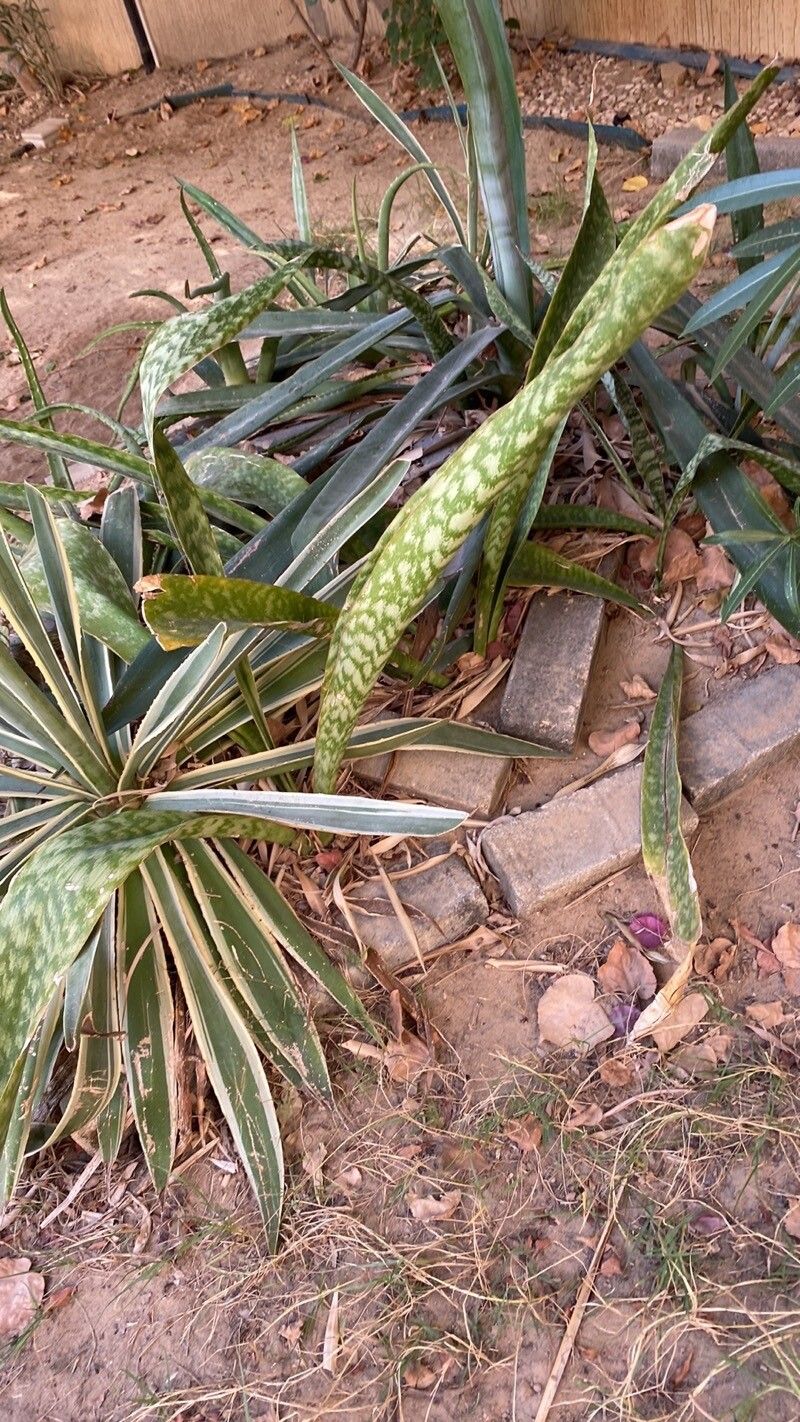
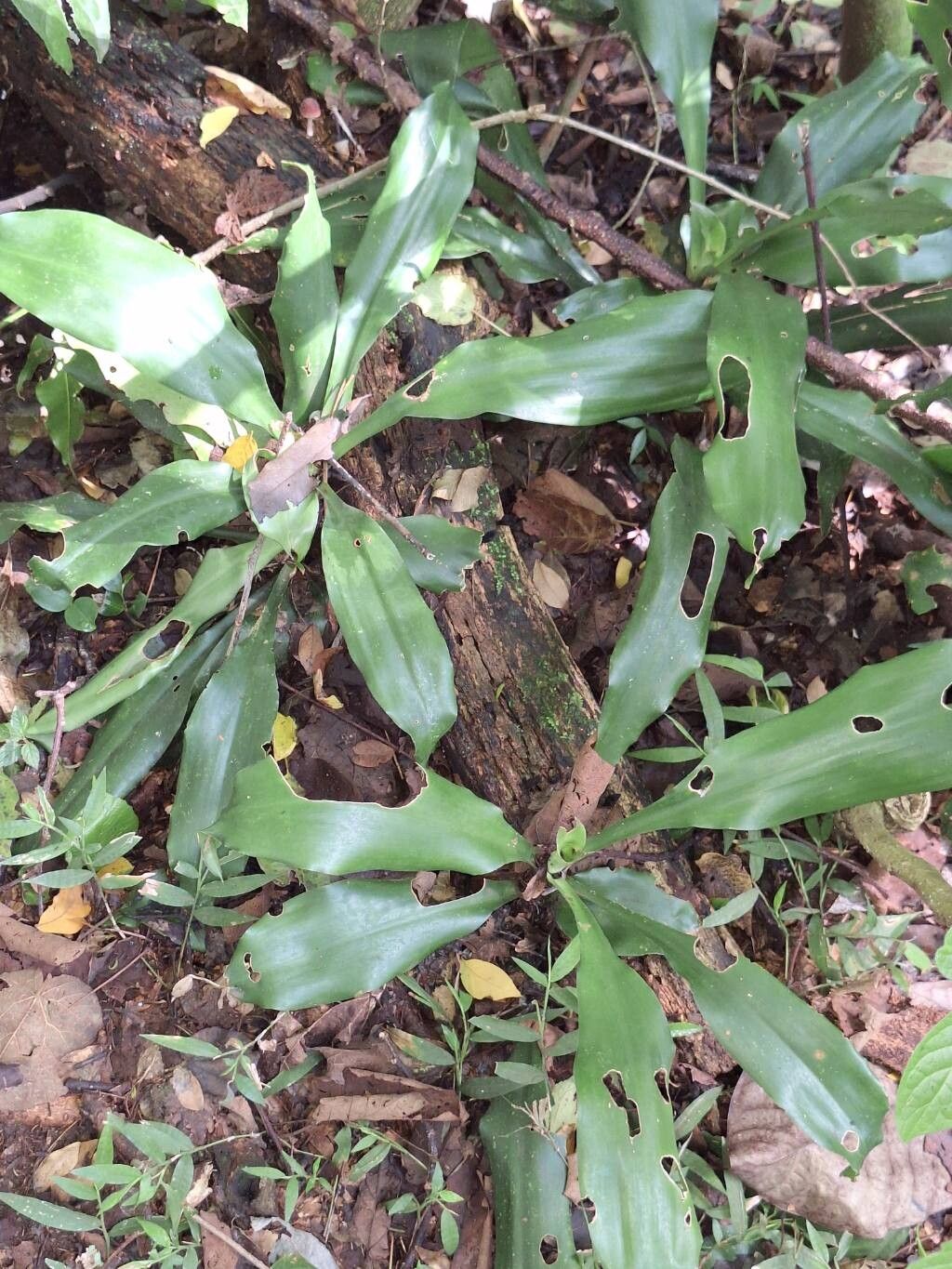
Dracaena cochinchinensis is a species of Asian tropical forest under-storey plants in the family Asparagaceae; no subspecies are listed in the Catalogue of Life.
The generic name "Dracaena" comes from the Greek word "drakaina," which means "female dragon." This name also refers to the plant's ability to produce a red resin, known as dragon's blood.
Dragon blood tree is highly resistant to disease and is generally not susceptible to illnesses. In terms of care, this species is fairly low maintenance. When grown outdoors it needs only minimal watering, and larger plants typically do not require pruning. Smaller plants, however, should be pruned after they have finished blooming. The dragon blood tree is suitable for anyone with outdoor space, such as a garden or a deck, and does not demand extensive care experience.
How to keep Dracaena Cochinchinensis.
Light
The dragon blood tree grows best in direct sunlight, though it can tolerate some shade. Native to areas with plentiful light, its health and growth depend on how much sun it receives. Too little or too much light can impair its development.
Water
The dragon blood tree is highly adapted to arid environments and displays excellent drought tolerance. To mimic its natural conditions, water the tree every 2-3 weeks. For indoor care, it is important to use well-draining soil to prevent root rot. The dragon blood tree thrives in drier conditions and does not do well in humid environments.
Temperature
Dragon blood tree originates from temperate regions and does best in temperatures of 68 to 105.8 °F (20 to 41 ℃). Adjust temperature settings in colder seasons. Keep it warm but remain within its temperature tolerance.
Fertilizer
Fertilizing is essential for the care of the Dragon blood tree. Regular applications during the growing season preserve the energy needed for its showy foliage and encourage overall growth. Skipping fertilization can lead to unhealthy leaves, reduced ornamental value, and stunted or weak growth that is more susceptible to breakage.
Pruning
The Dragon Blood Tree is known for its distinctive foliage and reddish resin. To maintain its health and shape, prune the tree during its dormant season, from early to late winter. Focus on removing dead branches, thinning crowded areas, and cutting back any leggy growth. Be sure to use sharp, sterilized tools to prevent the spread of disease.
Pot & Repot
The Dragon Blood Tree can be successfully grown in water, highlighting its adaptability to different growing methods.
Botanical profile.
- Plant Type
- Tree
- Life Cycle
- Perennial
- Genus
- Dracaena
- Family
- Asparagaceae
- Hardiness Zone
- 9-13
- Mature Height
- 4.88 m to 14.94 m
- Mature Spread
- 0.91 m to 2.13 m
- Leaf Color
- Dark Green, Forest Green
- Leaf Type
- Evergreen
- Flower Color
- Yellow, Green
- Flower Size
- 0.51 cm to 0.76 cm
- Bloom Time
- Early summer, Mid summer
- Planting Time
- Spring, Autumn
- Harvest Time
- Late summer, Early fall, Mid fall
- Native Area
- Cambodia, Vietnam, Laos, Thailand, China
Other names.
Reader questions.
How should I water my Dragon blood tree for best results?
Misting can help keep the leaves hydrated without making them too soggy. It's important to have good drainage to prevent root rot. This particular plant is sensitive to fluoride and doesn't tolerate hard water, especially while it's still growing. Using purified or distilled water with a watering can or sprinkler is recommended. Water the soil evenly to avoid rotting stems. Using distilled water occasionally can help avoid plant death, leaf burn, or stunted growth. If possible, using rainwater is another option. When planting the Dragon blood tree in a pot, it should have moist soil without being overly soggy. If it's planted outside in the garden, make sure the soil is completely dry before using a sprinkler or hose to prevent root rot and yellowing leaves. Some people use hydrogen peroxide as an occasional treatment, but it's not recommended for regular use. A filtration system can also be useful for removing nitrates, salt, and lead from the water.
Why should I put fertilizer on my Dragon blood tree?
Dragon blood trees require regular fertilization primarily because their showy leaves require a significant amount of energy for production and maintenance. Not only do they need energy to sustain their leaves, but also to support the growth of their stems, branches, roots, and other vital structures. Neglecting fertilization can lead to two likely outcomes. Firstly, the leaves of the Dragon blood tree may lose their natural color and texture, appearing generally unhealthy and diminishing their decorative appeal. Secondly, the overall growth of the tree may slow down or result in weak growth that is susceptible to breakage.
How much sunlight does a Dragon blood tree need to grow?
Tropical ornamental plants that thrive in full sun require at least 6 hours of direct sunlight each day. These plants are well-suited to areas with strong and direct sunlight, as they need this light to flourish. In their natural habitats, they tend to grow in open fields or along forest edges, where they can enjoy abundant sunlight all day long.
What temperature is best for Dragon blood trees?
To help your tropical plants thrive, it's best to maintain a temperature range of 75℉ to 90℉ (25-32℃). While different species can tolerate temperatures outside this range, sticking within a few degrees of these limits will ensure optimal growth. However, there are extreme temperature limits to be aware of. Anything below 50℉ (10℃) or above 95℉ (35℃) can hinder growth and cause issues with the leaves and stems. Low temperatures are particularly damaging, as even a light frost can lead to the death of your tropical plants. In fact, cellular death can occur rapidly, with some species dying within 12 to 24 hours.
What should I do if I give the Dragon blood tree too much or too little water?
If you see brown tips on the plant, it could mean the plants are not getting enough water. These plants are sensitive to boron and fluoride, which are often in tap water. You may notice the leaves drooping if there is too much of these minerals. Underwatering the Dragon blood tree can also cause wrinkled stems, brown and crispy leaves, and drying out. In this case, water the plant as soon as possible. On the other hand, overwatering can lead to root rot. If you notice mushy, fragile, and black roots, remove them from the soil. To help address these issues, it's important to cut off a larger part of the root. Overwatering can also cause brown leaves that are ready to fall off. In such cases, drain excess water and allow the soil to dry before watering again. If you see signs of root rot, discard the soil from the pot and clean everything thoroughly. Using pebbles can aid in proper drainage. Additionally, if you notice tan rings or reddish-brown spots on the leaves, discard any excess water at the base of the pot.
When should I fertilize my Dragon blood tree for the best results?
Dragon blood trees do not require a fixed feeding schedule. Instead, you can simply fertilize them when you water occasionally. It's important to water these plants adequately during the growing season. You can feed the tree every two to three weeks while it is producing new growth.
What happens if the Dragon blood tree doesn't get enough sunlight?
Tropical ornamental plants that need full sun may face issues if they don't receive enough sunlight. They might become leggy and weak, and their leaves could turn yellow or pale. Furthermore, they may stop producing flowers. Ultimately, if these plants continue to lack the required amount of direct sunlight, there is a possibility that they may die.
Does the Dragon blood tree need different temperatures at different stages of growth?
The Dragon blood tree doesn't need temperature changes to go through different growth phases, but it's important to maintain consistency. Fluctuating temperatures can slow down its growth, no matter what phase it's in, so it's best to keep the tree in a controlled environment. The ideal temperature range for this tree is between 75℉ and 90℉ (25-32℃), and it's especially important to stay above the lower limit. Going above 90℉ (32℃) isn't ideal, but being a tropical plant, it can tolerate it. However, going below 50℉ (10℃), and especially 40℉ (5℃), will cause direct damage to this heat-loving tree.
How often do I need to water my Dragon blood tree?
The Dragon blood tree is a tough species that can withstand drought. When planted in a pot, water it every 1-2 weeks when the soil is completely dry. Water generously until you see water draining from the pot's holes. Remember to remove any excess water from the saucer after an hour. Avoid letting water sit in the pot. For garden planting, consider the rainfall in your area. The roots don't like to be constantly wet, so proper irrigation is important. Water the tree every 2 weeks, especially if you live in a tropical area with frequent rain and monsoons.
When is the best time to not add fertilizer to my Dragon blood tree?
For most of the year, you can stick to a regular fertilization schedule for your Dragon blood tree. This includes the growing season of spring, summer, and early fall. However, when winter comes, it's important to avoid fertilizing this plant altogether. This is because the Dragon blood tree enters a dormant phase during winter, where little to no new growth occurs. Since the plant is using less energy during this time, fertilization is unnecessary.
What happens if the Dragon blood tree gets too much sunlight?
Tropical ornamental plants that thrive in full sun require ample direct sunlight, but excessive exposure to intense sunlight can harm them. Prolonged periods of direct sunlight can cause sunburned leaves or the development of unsightly brown spots. Additionally, if the soil dries out too rapidly in full sun, these plants may become dehydrated.
Does the Dragon blood tree require varying temperatures throughout the different seasons?
The Dragon blood tree does not require different temperatures for its growing seasons. The most crucial aspect of seasonal care is to maintain an optimal temperature range. That is why it is recommended to keep this plant indoors, as it allows you to control the temperature regardless of the outdoor climate. Light is also important for tropical species, including these plants. They thrive with partial side-level sun exposure, which means they need dappled or filtered light. Bright but indirect light is the ideal choice when growing these plants indoors, as too much direct sunlight can harm the leaves and hinder growth.