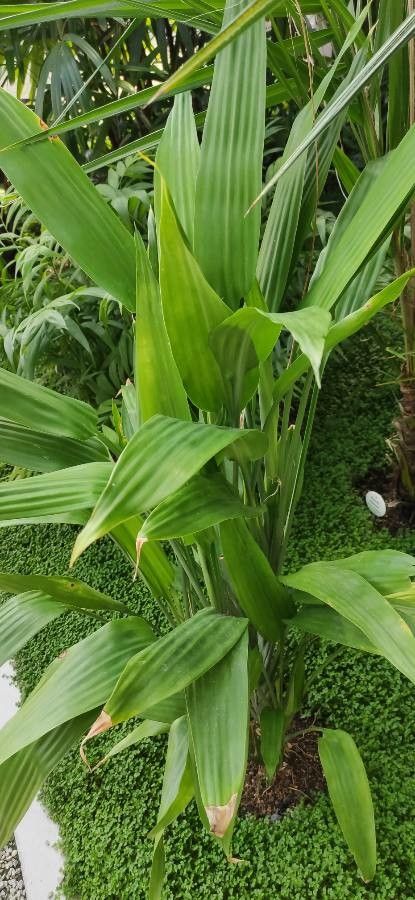
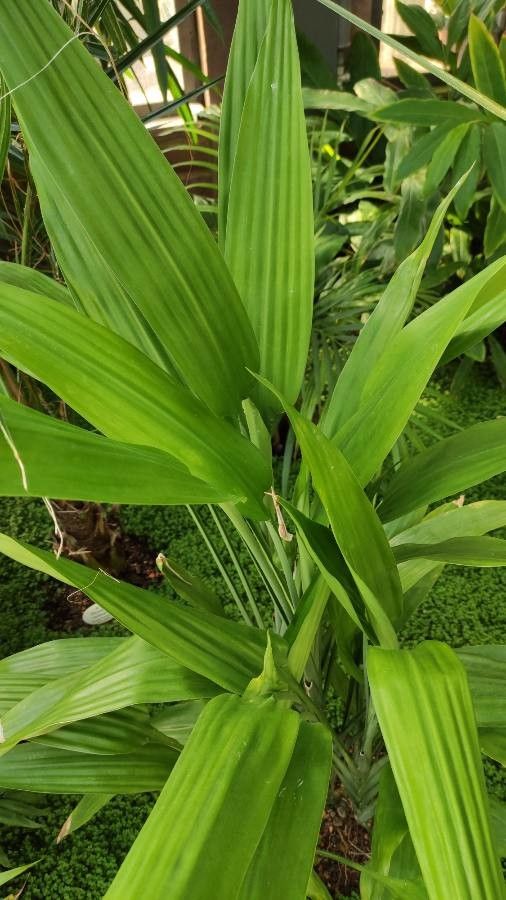
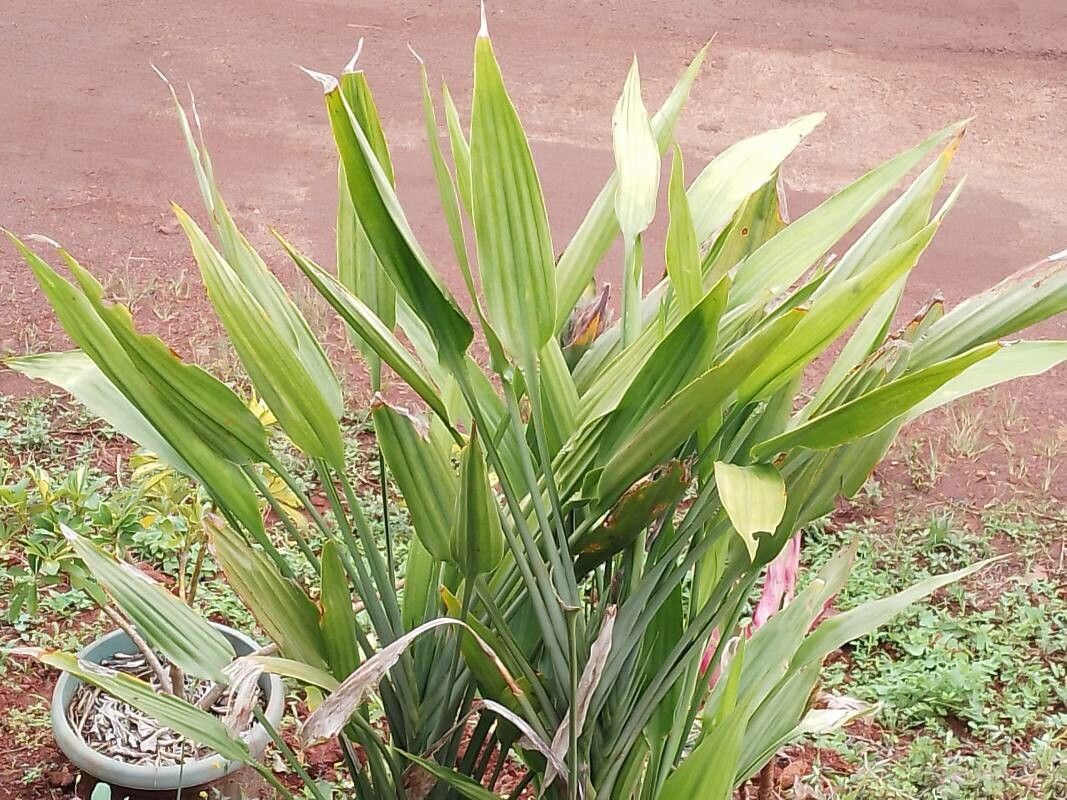
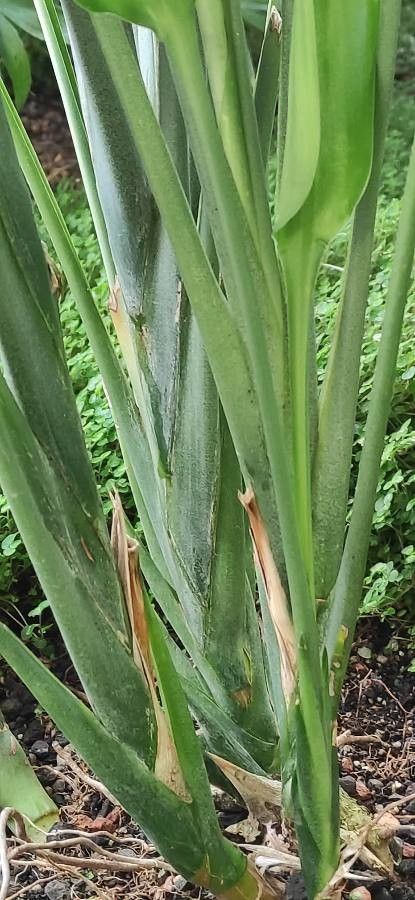
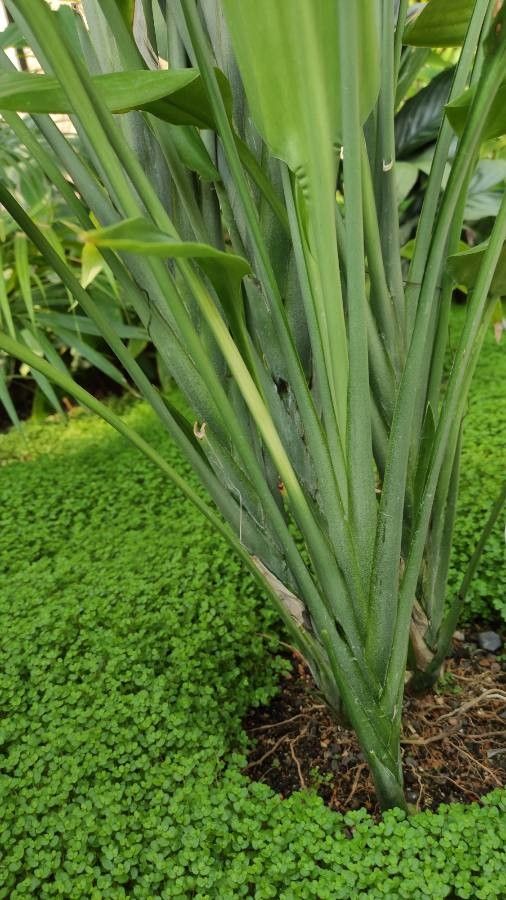
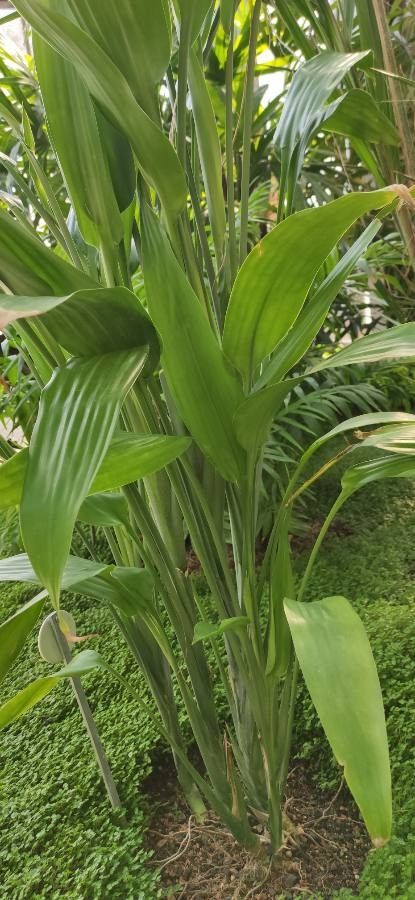
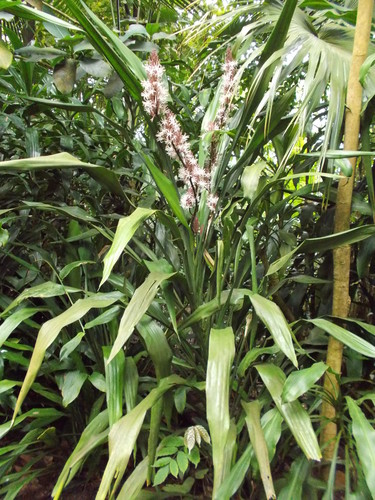
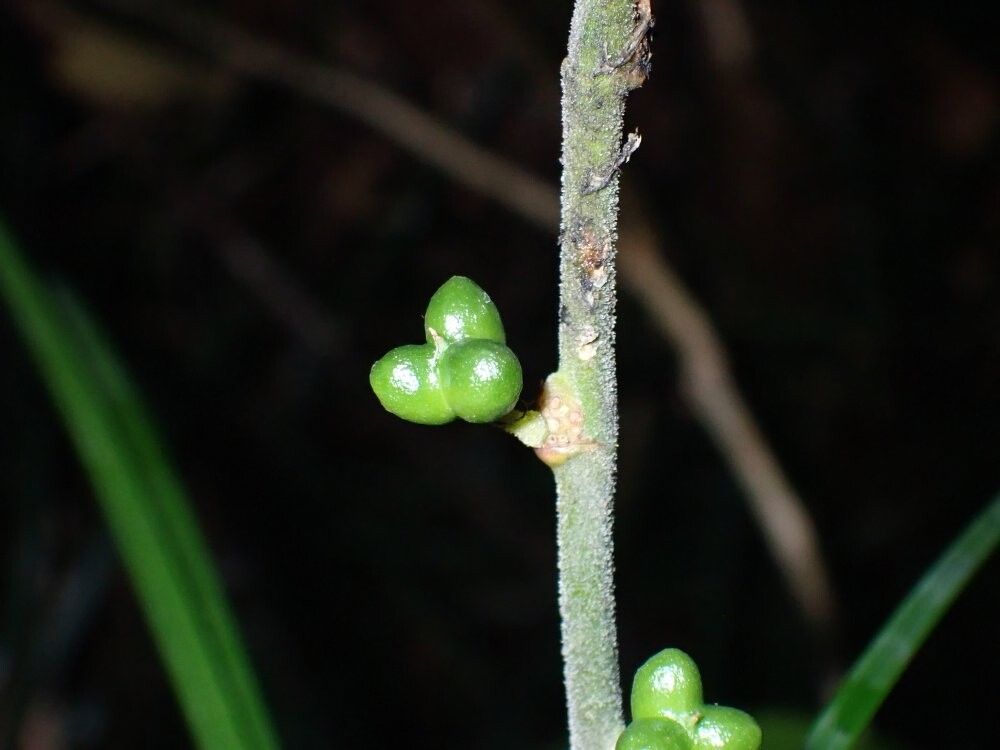
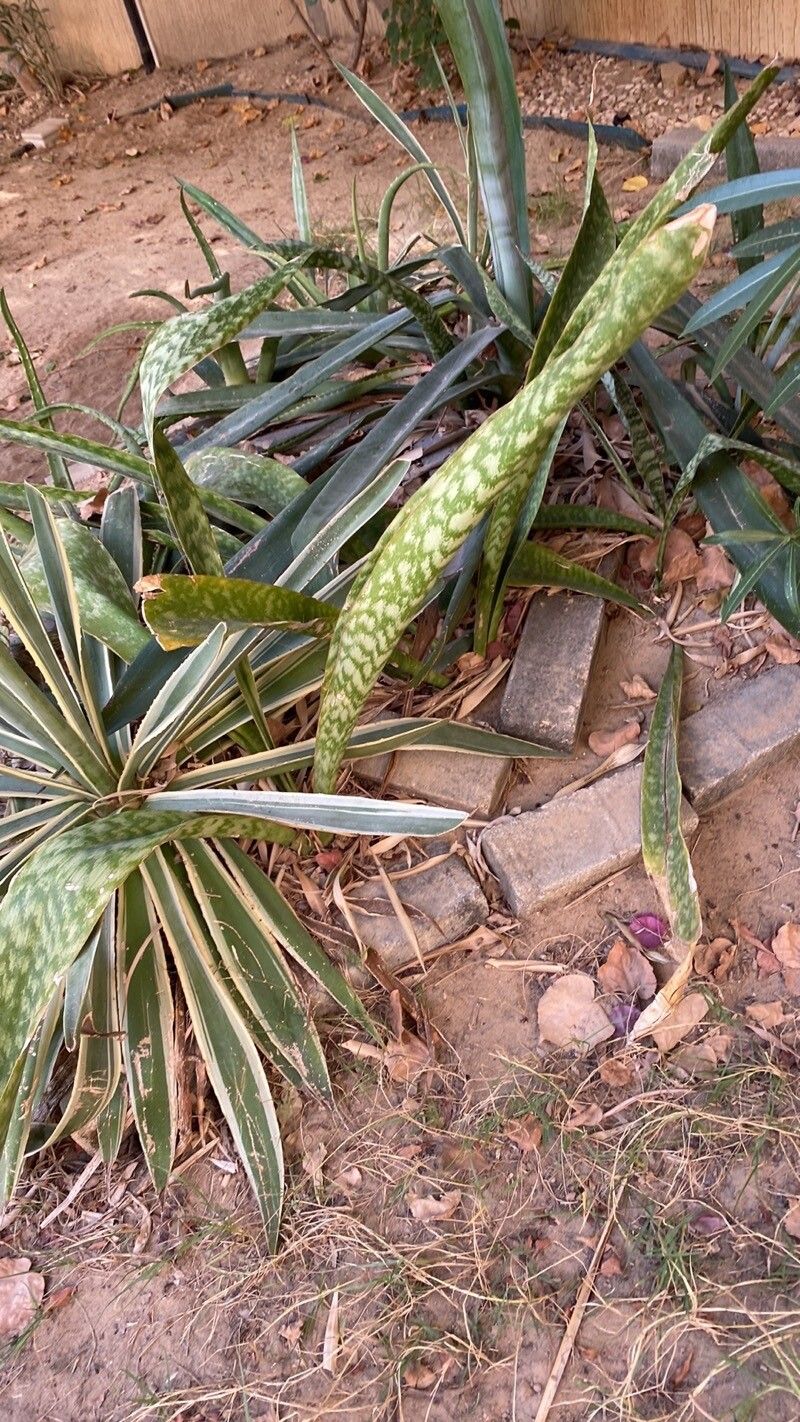
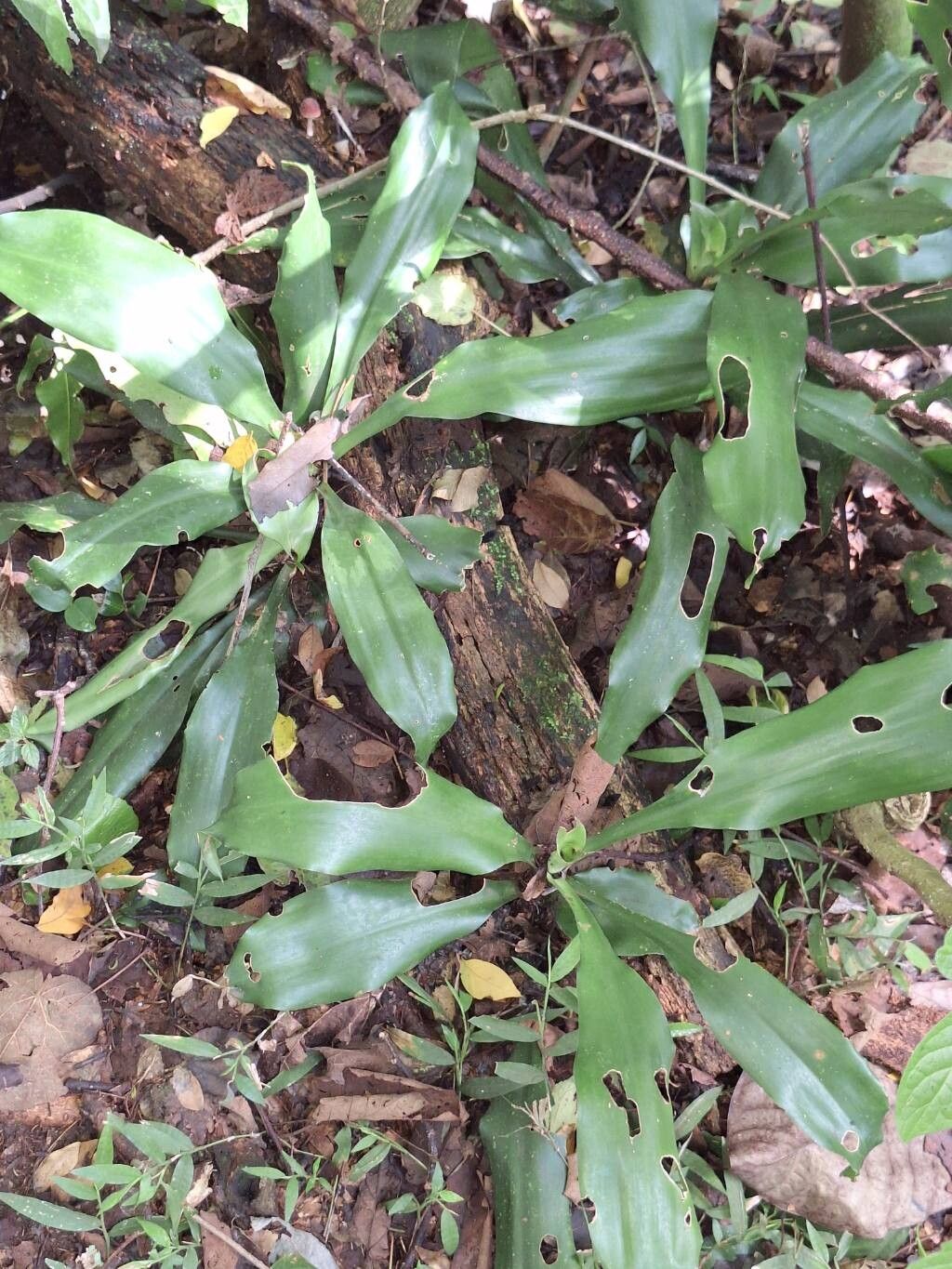
This shrubby Dracaena has glossy arrow-shaped green leaves. It grows outdoors in Mediterranean to Tropical Climates and it is also a good indoor-plant.
The generic name "Dracaena" comes from the Greek word "drakaina," which means "female dragon." This name also refers to the plant's ability to produce a red resin, known as dragon's blood.
Lance dracaena has good disease resistance and is generally not susceptible to illnesses. However, if it is kept in a poor environment it can become more prone to disease. It also has few insect pests. Care needs are moderate. It requires ample sunlight, since inadequate light can make it more disease-prone and cause thin growth. Because it is often kept indoors, it may need to be moved regularly to a well-lit spot. It does not need frequent watering. Overall, Lance dracaena is suitable for most people, though it is best for those who can provide good light conditions.
How to keep Dracaena Aubryana.
Light
Lance dracaena is native to the undergrowth of tropical forests and prospers in full shade with a hint of filtered sunlight. It can adjust to surroundings that have little direct sunlight.
Water
The lance dracaena thrives in a humid environment and exhibits moderate drought tolerance, a characteristic typical of its tropical rainforest origins. To keep it well-hydrated, it needs to be watered weekly. As an evergreen plant, it retains its leaves throughout the year, which supports continuous transpiration.
Temperature
The Lance dracaena is a plant native to the tropics, an area known for its hot and moist climate. It has evolved to thrive in high heat and humidity and isn't fond of abrupt temperature changes. A constant and balmy temperature setting is ideal for this pot, so indoor temperature swings should be kept in check. This plant usually finds lower temperatures unpalatable and relies on warmer conditions for its growth. The plant may stop growing or even perish if faced with a significant drop in ambient temperature.
Fertilizer
The optimal period to apply fertilizer to a Lance dracaena is at the beginning of spring, when it's waking up from its dormant state. This stimulates growth and enhances flower formation. Enriching the plant with fertilizer improves the leaves, stems, and branches, and encourages the creation of large, bright, and durable flowers. Moreover, fertilization facilitates the movement of nutrients from the roots to the blooms and bolsters the plant's vitality and immunity to diseases.
Pruning
Lance dracaena benefits from being pruned in early spring. This helps remove dead leaves and leggy stems, improving airflow and encouraging bushier growth. It's recommended to perform annual maintenance to prevent overcrowding, maintain vibrant foliage, and ensure the plant's overall health.
Pot & Repot
When transplanting Lance dracaena, opt for a pot that is 1-2 inches (2.5-5 cm) larger and has adequate drainage. Utilize a potting mix that drains well. Reposition in spring or autumn, making sure that the root ball is somewhat beneath the edge of the flower pot. After the transplantation, water it sufficiently and locate it in a warm area with indirect sunshine.
Botanical profile.
- Plant Type
- Tree, Shrub
- Life Cycle
- Perennial
- Genus
- Dracaena
- Family
- Asparagaceae
- Hardiness Zone
- 10-12
- Mature Height
- 3.05 m
- Mature Spread
- 91 cm
- Leaf Color
- Dark Green, Forest Green
- Leaf Type
- Evergreen
- Bloom Time
- Summer
- Planting Time
- Spring, Summer, Autumn
- Harvest Time
- Late summer, Early fall, Mid fall
- Native Area
- Angola, Sierra Leone, Equatorial Guinea, Cameroon, Liberia, Zambia, Côte d'Ivoire, Nigeria, Congo, Gabon, Congo (DRC), Uganda, Central African Republic
Other names.
Reader questions.
What are the sunlight requirements for Lance dracaena (Dracaena aubryana)?
The Lance dracaena (Dracaena aubryana) thrives in various sunlight conditions. For those desiring to grow this plant, understanding its sun requirements is essential. It can tolerate 'Partial sun,' which means it requires about 3-6 hours of sunlight daily. This plant is also suited for 'Full shade' areas, where it gets less than 3 hours of sunlight. It's crucial to observe the movement of sunlight through your garden to ensure you place your Lance dracaena in an area that offers the right balance of light and shade. This careful placement ensures the plant's happiness and health.
What is the common and botanical name of the plant discussed?
The plant discussed, commonly known as Lance dracaena, has the botanical name Dracaena aubryana.