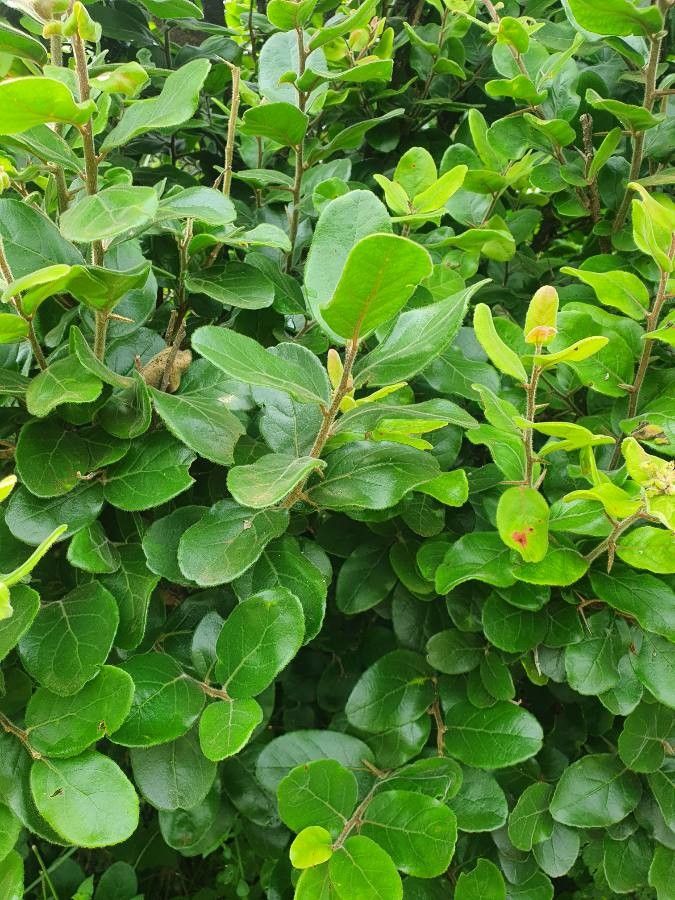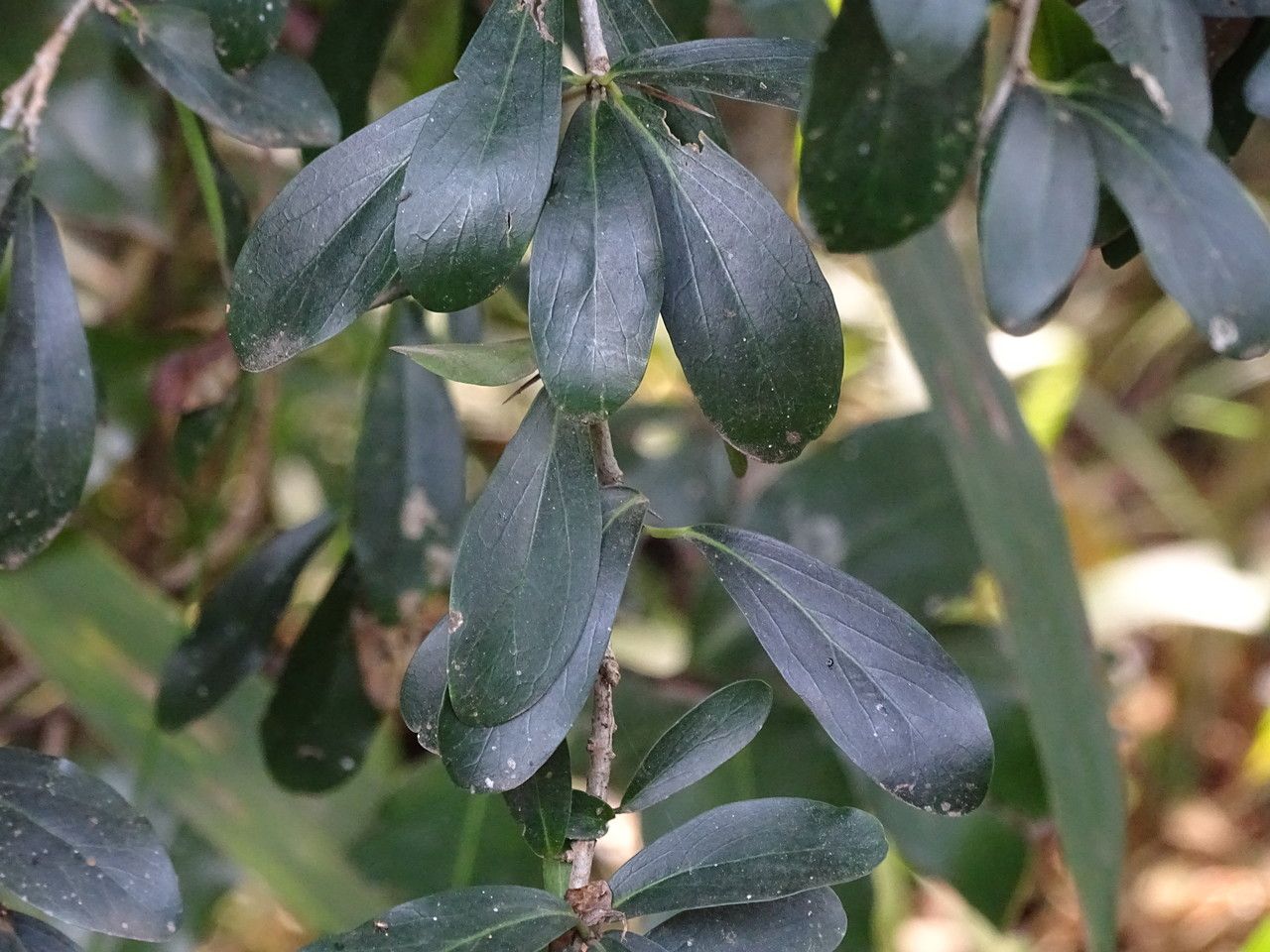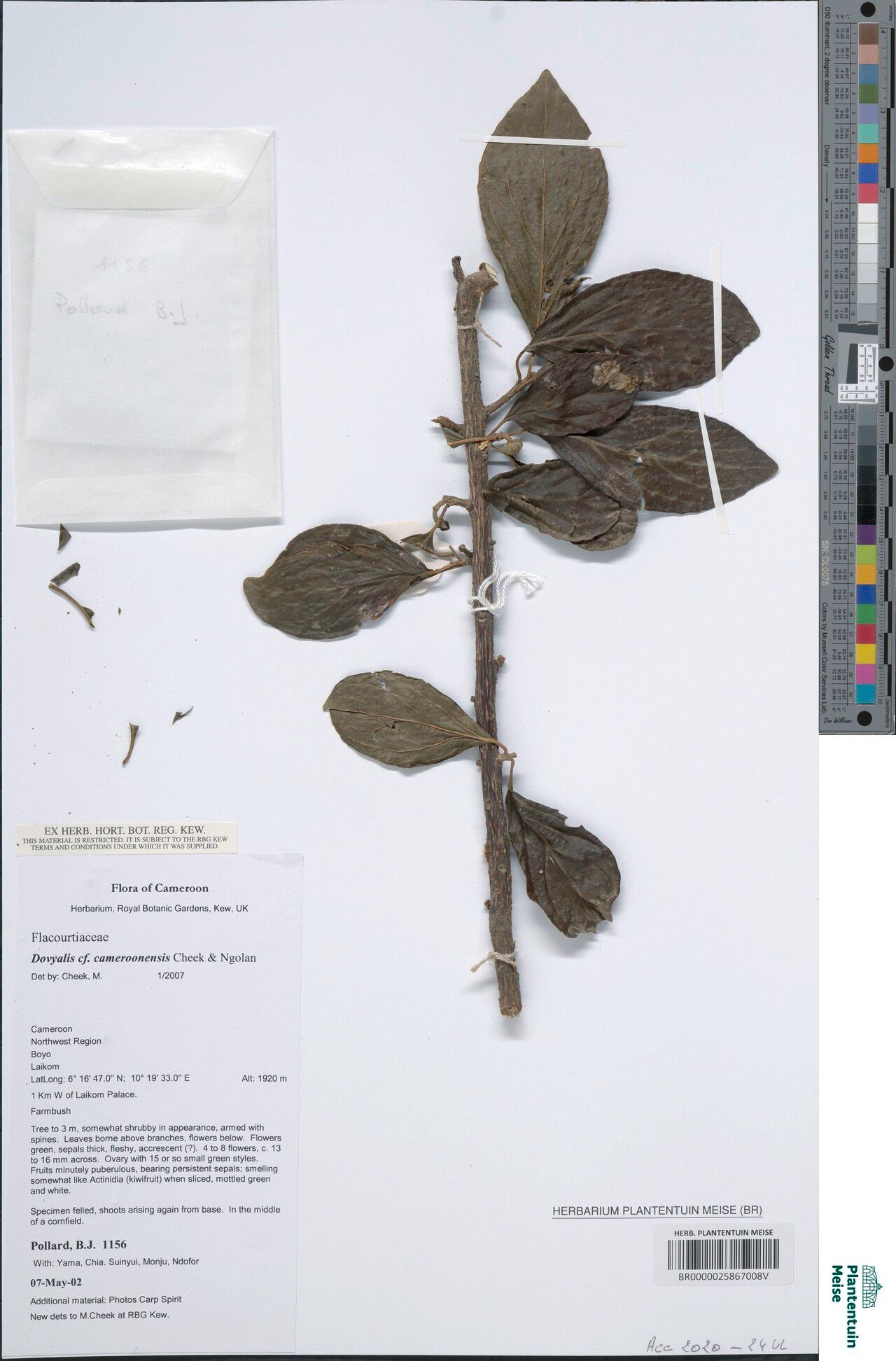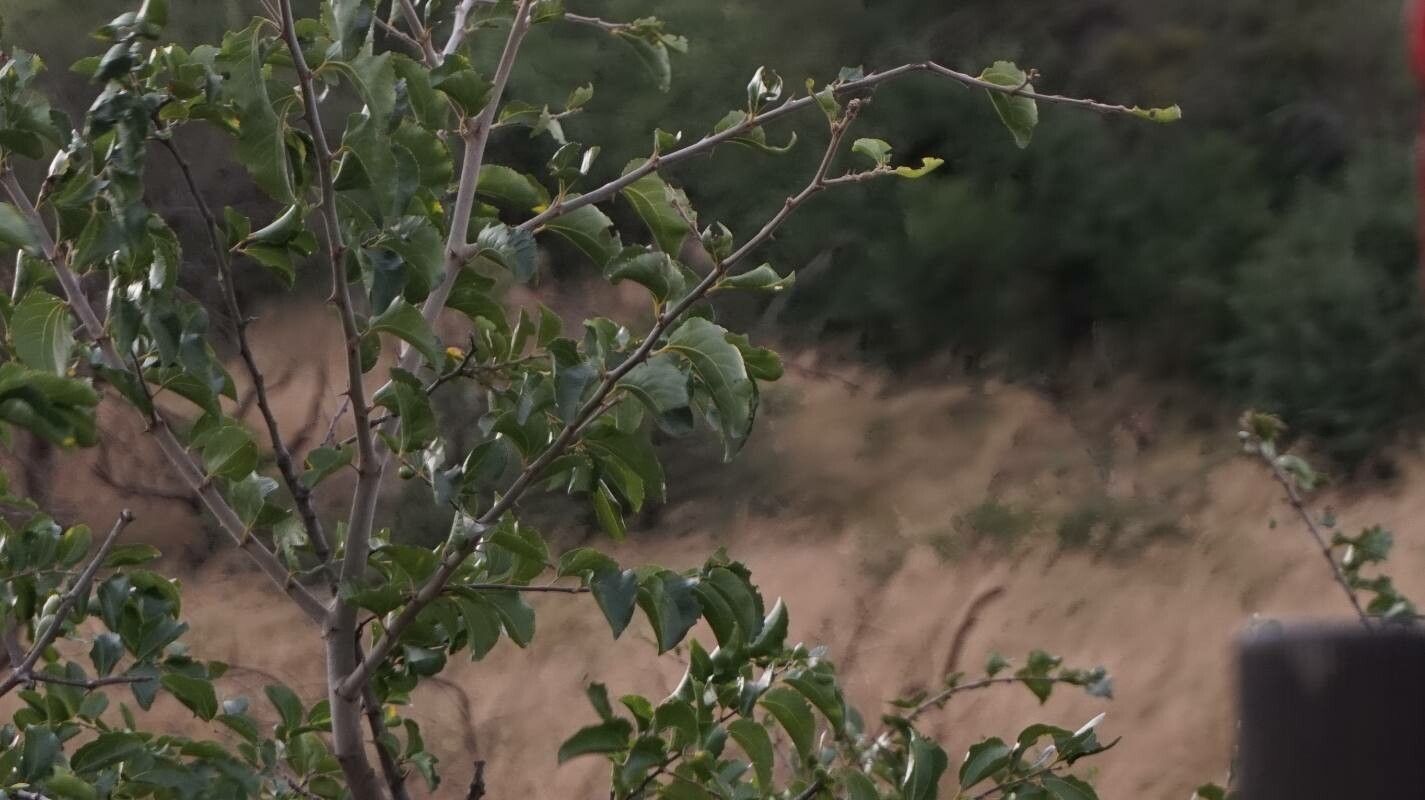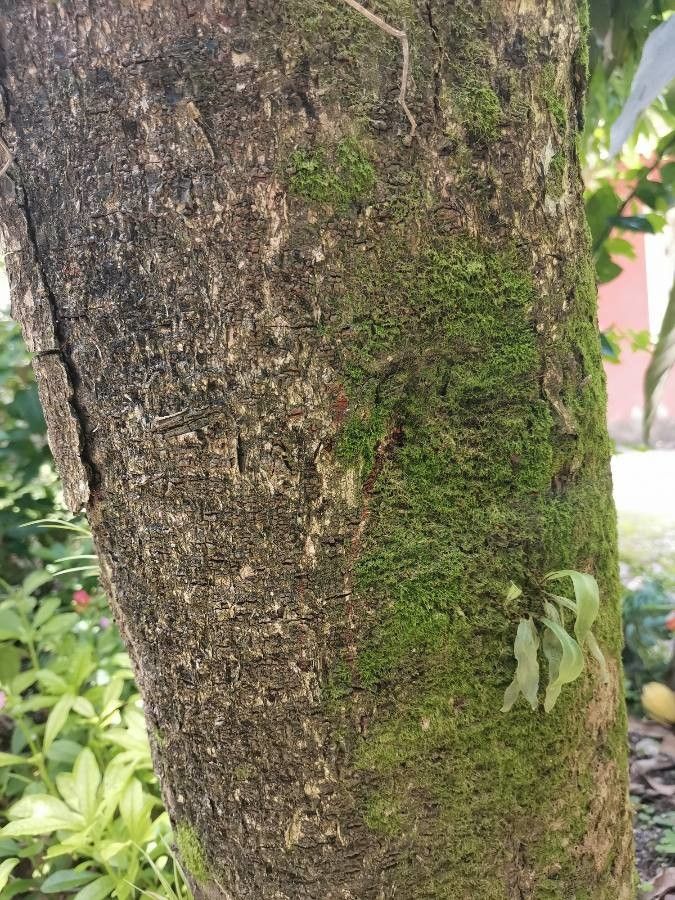
Dovyalis zeyheri, commonly known as the wild apricot or sour apricot, is a small tree or shrub belonging to the family Salvadoraceae. Native to southern Africa, it thrives in various habitats, including savannas, woodlands, and rocky hillsides.
This plant boasts a dense crown of glossy green, oval-shaped leaves with serrated edges. In the spring, it produces small yellow-green flowers, which are followed by edible fruit resembling apricots, though they have a sour taste. Rich in vitamin C, the fruit can be used to make jams, jellies, and sauces.
Dovyalis zeyheri is drought-tolerant and prefers well-drained soils with full sun exposure but can also grow in partial shade. Its deep root system makes it effective for erosion control, helping to stabilize soil on slopes.
In traditional medicine, various parts of the plant, such as leaves, bark, and roots, have been used to treat ailments like stomach disorders, fever, and respiratory infections.
Overall, Dovyalis zeyheri offers significant ecological benefits, such as soil stabilization, as well as medicinal advantages. This makes it an important species from both ecological and medicinal perspectives.
Oval kei-apple has strong resistance to disease and is generally not susceptible to illnesses. Regarding care, this plant is fairly low-maintenance. When grown outdoors, it needs only light watering, and larger specimens typically do not require pruning. Smaller plants, however, should be trimmed after they finish blooming. Oval kei-applet is appropriate for anyone with an outdoor area, like a garden or deck, and does not demand much prior experience in plant care.
How to keep Dovyalis Zeyheri.
Humidity
This plant will thrive in moderate humidity, which is probably the level in your home. However, misting it a few times a week can be very beneficial. Make sure the room has good ventilation.
Temperature
Minimum Temperature: -15°C
Fertilizer
To encourage healthy growth, fertilize your Oval kei-apple in early spring. Regular feeding improves overall health, leading to vigorous growth, increased resilience to harsh conditions, and enhanced resistance to pests and diseases. Follow a consistent fertilization schedule for your Oval kei-apple to keep the foliage vibrant, deeply colored, and lush.
Pruning
The oval kei-apple is a robust plant with vigorous growth and thorny branches. To maintain its health and enhance fruit production, key pruning practices should be followed. Begin by removing any dead branches and thinning out dense growth to improve air circulation. Pruning is best done in early spring, allowing you to shape the plant, boost fruit yield, and ensure the overall well-being of the plant. Always use sanitized tools during this process to prevent the spread of disease.
Botanical profile.
- Plant Type
- Tree
- Life Cycle
- Perennial
- Genus
- Dovyalis
- Family
- Salicaceae
- Hardiness Zone
- 10-11
- Native Area
- Mozambique, South Africa, Eswatini, Botswana, Zimbabwe