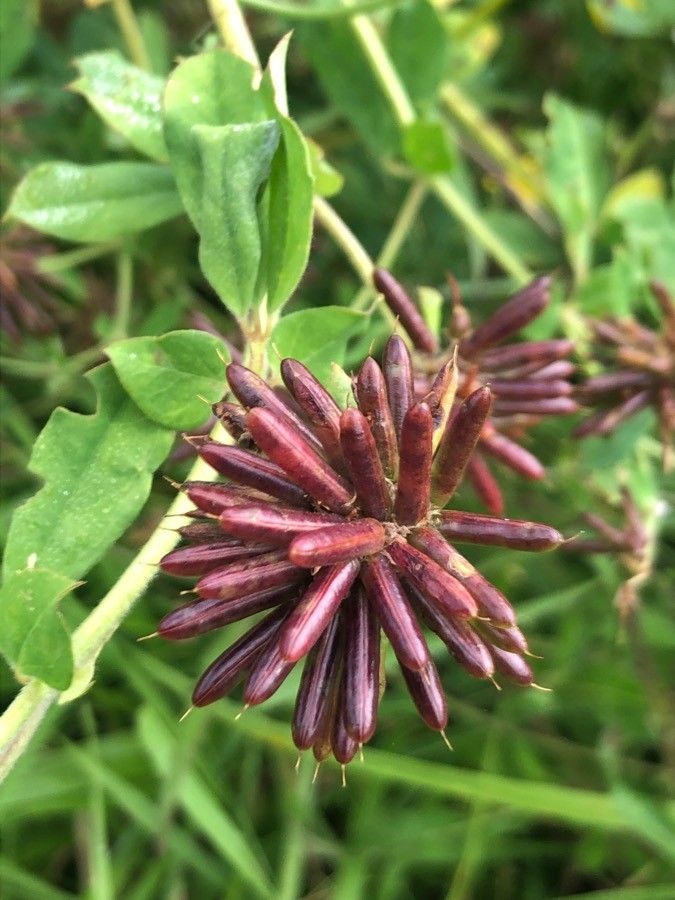
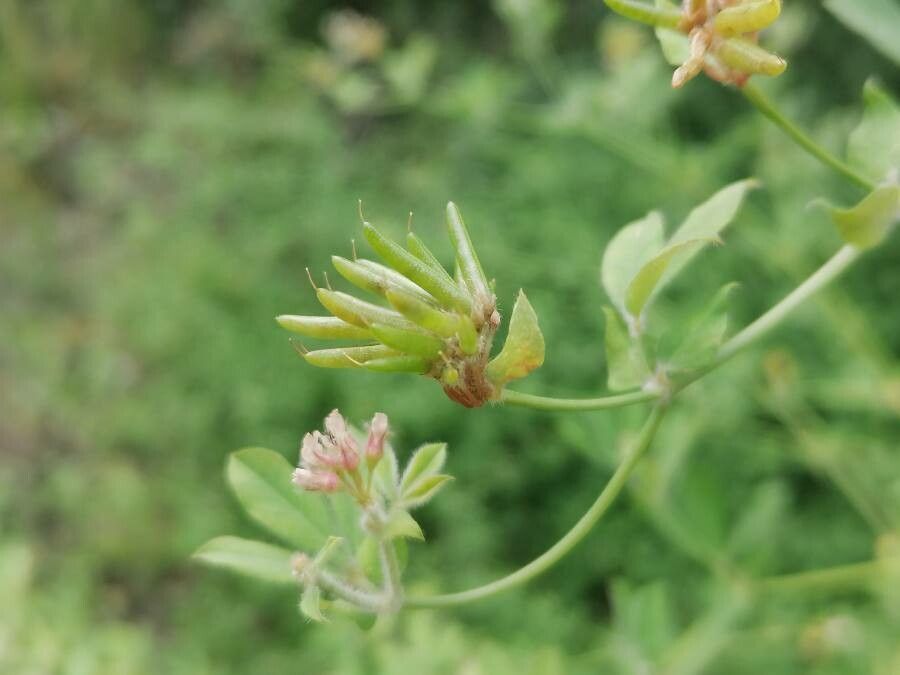
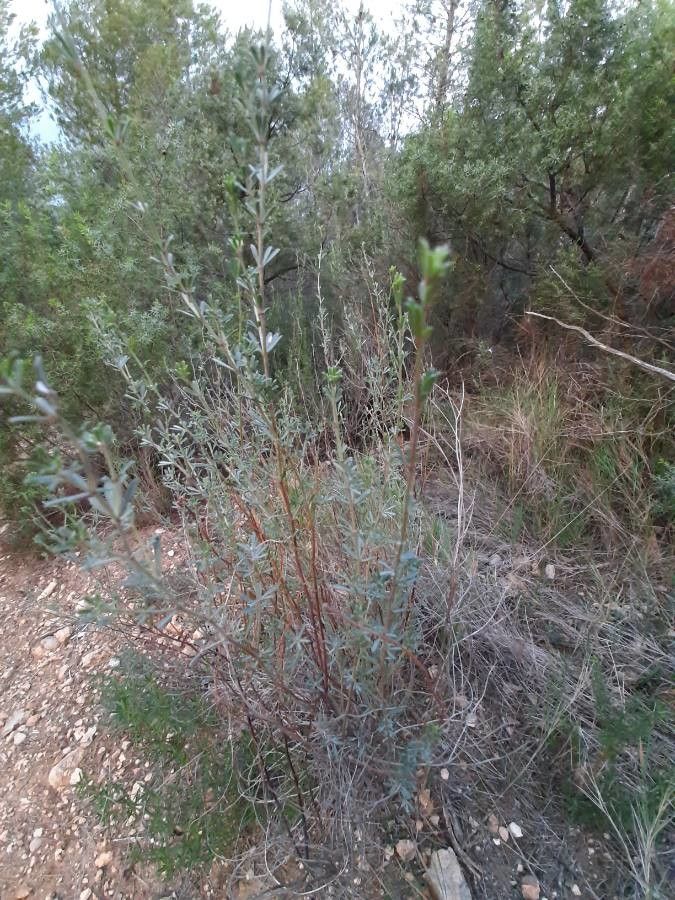
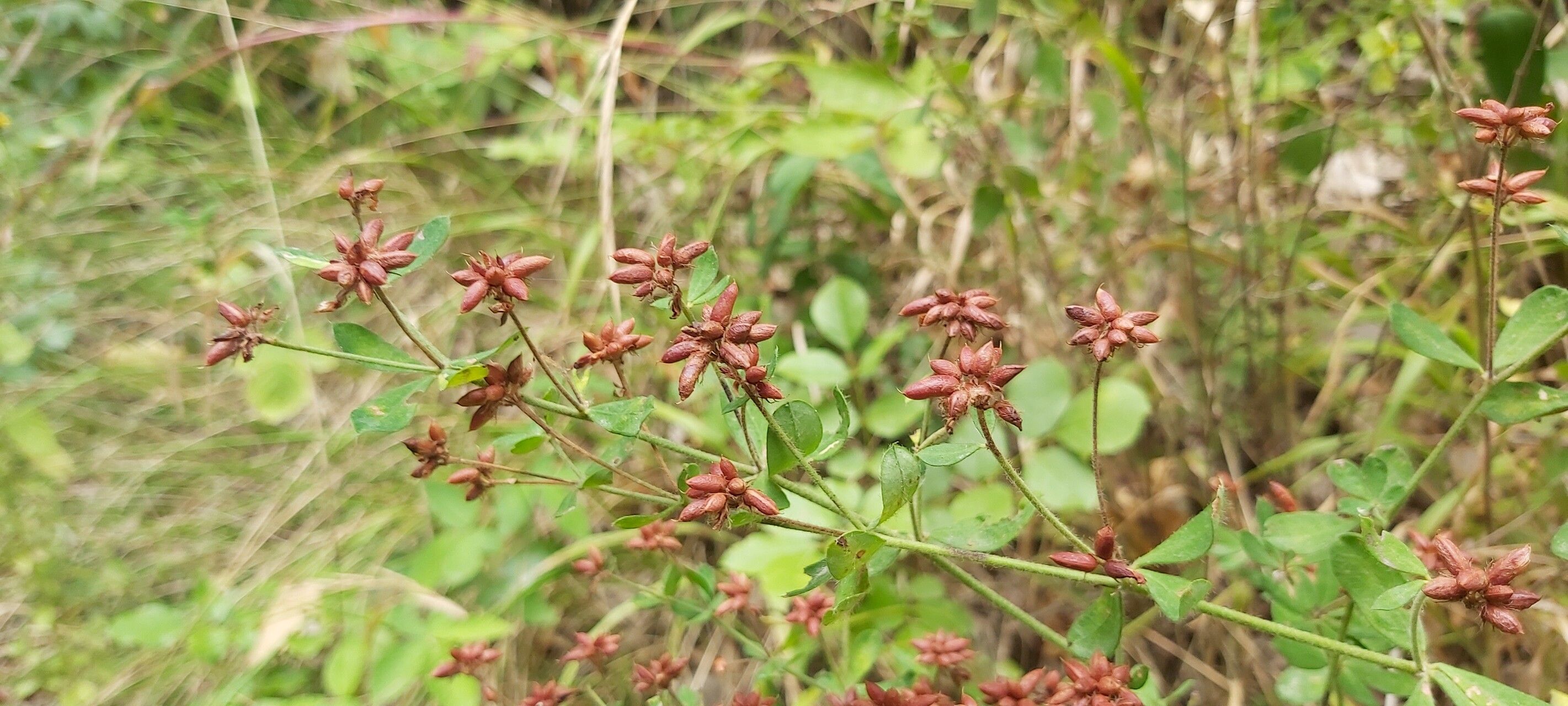
Dorycnium rectum, commonly known as Canary clover or rectum clover, is a perennial herbaceous plant in the Fabaceae family. Native to the Mediterranean region, it can be found in countries such as Spain, Portugal, France, and Italy.
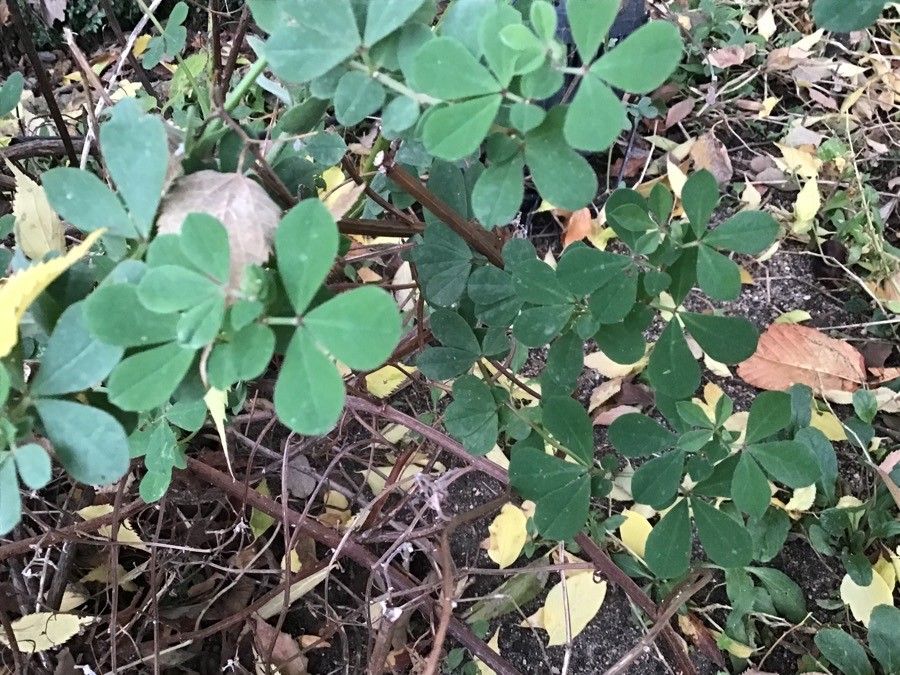
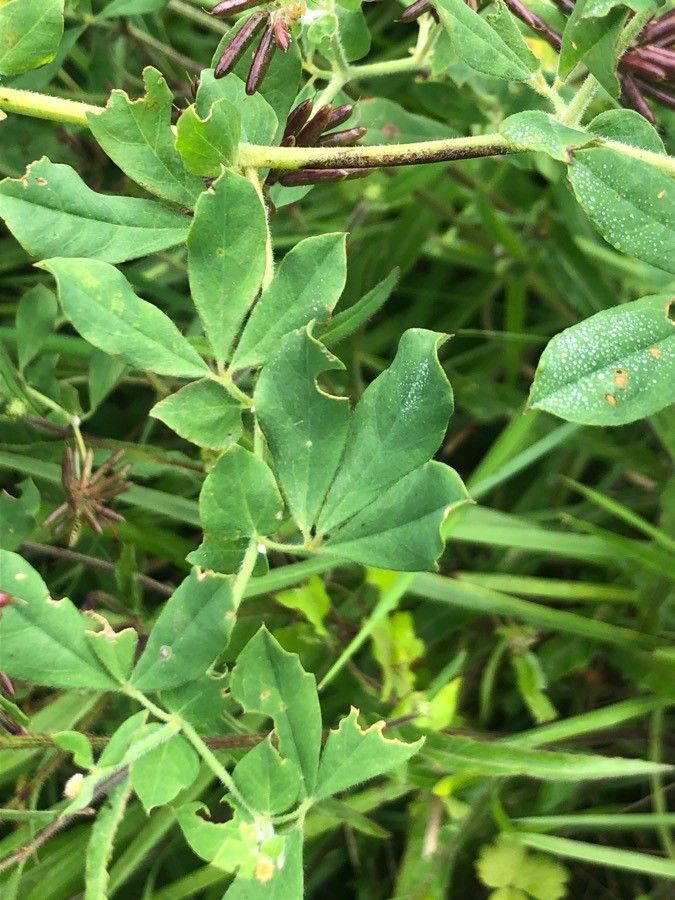
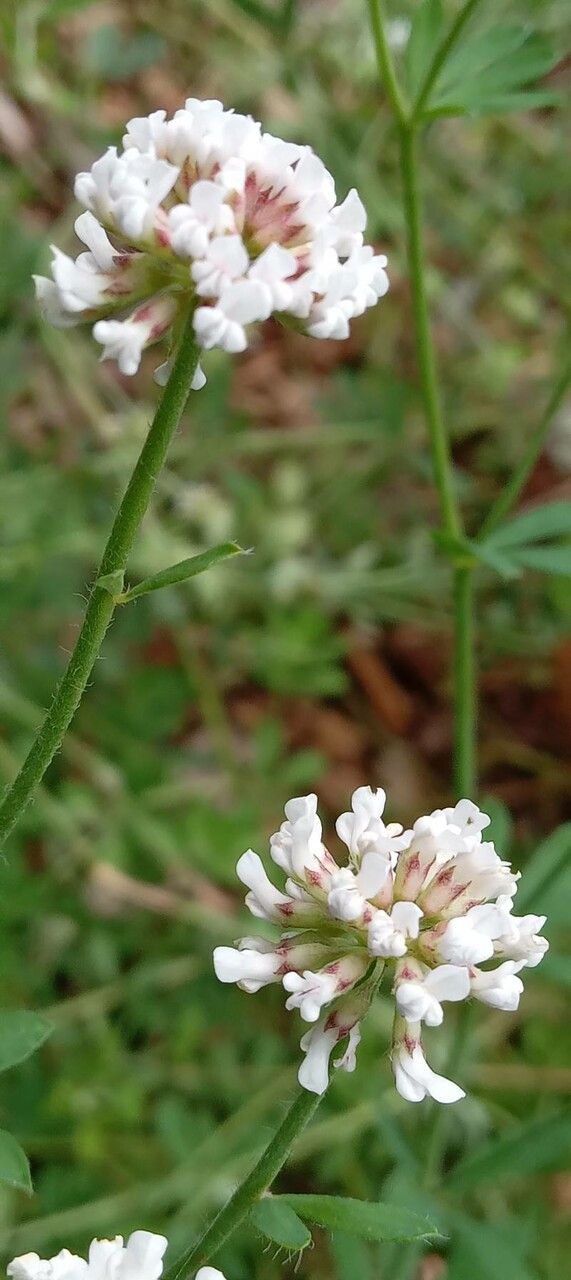
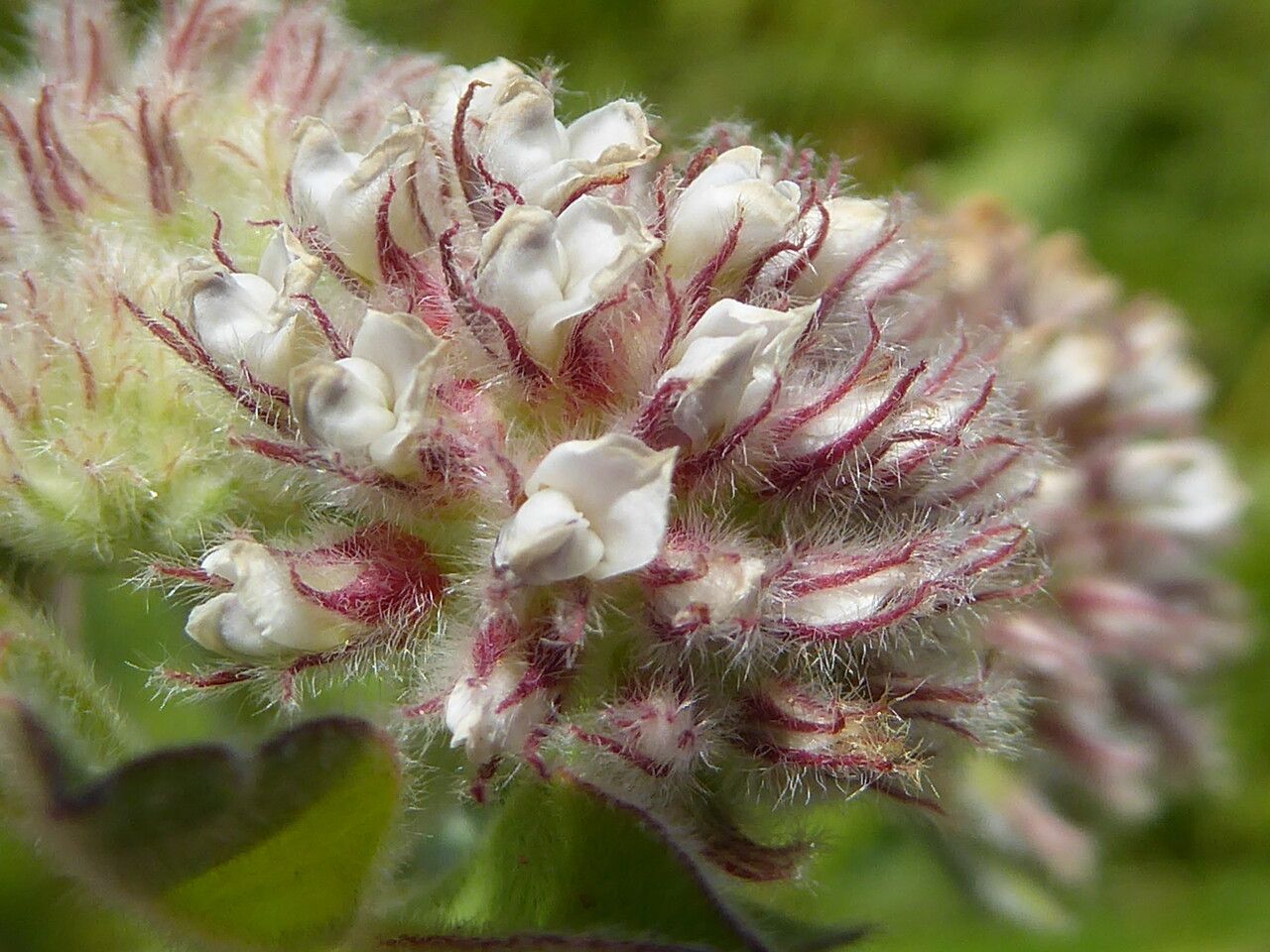
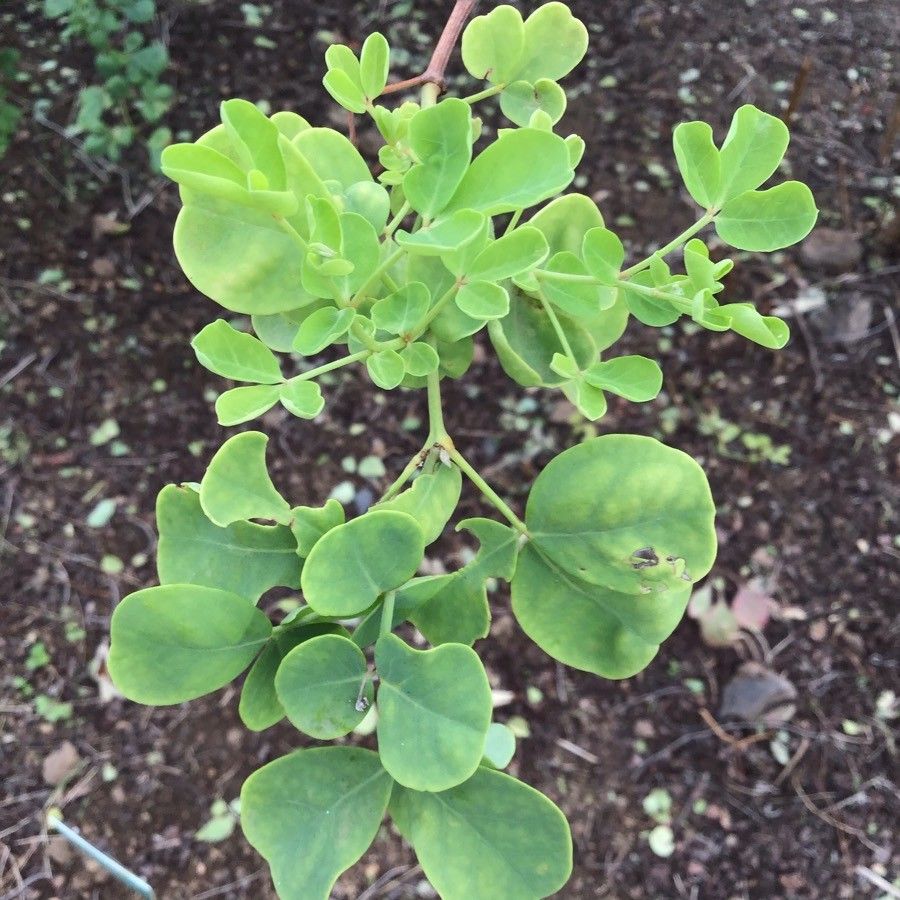
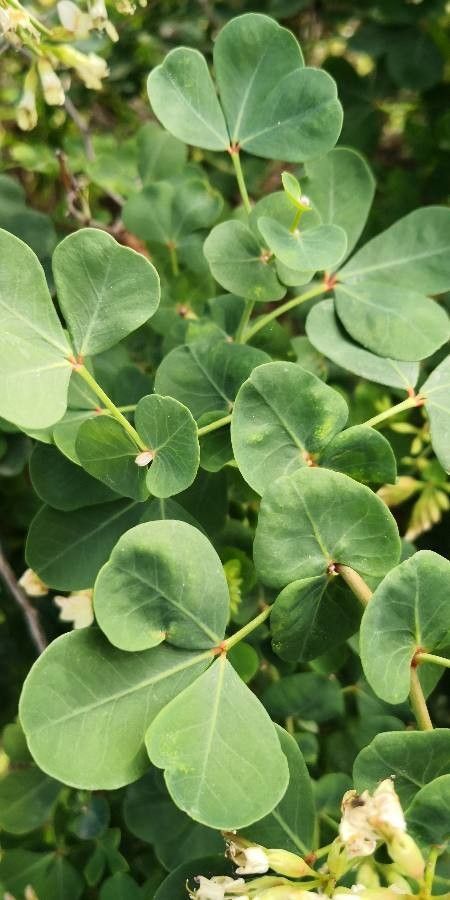
The plant reaches up to 50 cm in height and features a woody stem with numerous branches. Its small, alternate leaves consist of three oval-shaped leaflets with pointed tips. The flowers of Dorycnium rectum, which bloom from May to August, are pink or white.
This plant prefers dry soils, thriving in sandy or rocky areas, but it can also grow on limestone soils. Due to its deep root system that helps stabilize soil on slopes, it is commonly used for erosion control.
Dorycnium rectum has been valued for its medicinal properties since ancient times, particularly for its anti-inflammatory benefits, which make it useful in treating skin conditions like eczema and psoriasis.
Overall, Dorycnium rectum is an attractive perennial herbaceous plant that brings aesthetic value to gardens while also offering practical benefits such as erosion control and medicinal uses.
Erect canary clover has strong disease resistance and is generally unlikely to suffer from illnesses. Still, it can be affected by pests and diseases found in its environment. Such infections are typically mild. Regarding care, this plant needs a moderate level of attention. It should be pruned regularly to preserve a neat appearance and encourage healthy growth. Applying fertilizer can also assist in boosting flower production. Erect canary clover is appropriate for anyone with outdoor areas like a garden or patio and does not demand extensive gardening experience. It may need more intensive care if cultivated indoors.
How to keep Dorycnium Rectum.
Light
Erect canary clover is a sun-loving, perennial herbaceous plant native to open habitats, commonly flourishing in meadows and grasslands. It prefers full sun but can also tolerate partial sun.
Water
The erect canary clover thrives in Mediterranean-like conditions, preferring drier environments with moderate drought tolerance. To prevent over-saturation, water it weekly. This plant grows best outdoors in well-draining soil, which allows for effective water management during its active growing season.
Temperature
Erect canary clover can tolerate a wide spectrum of temperatures, but its distribution may still be restricted by particular combinations of moisture and heat. It does best in warm summer conditions with enough rainfall or watering. Extended stretches of cloudy, rainy weather or prolonged high temperatures make Erect canary clover more likely to die. In winter, protecting it from cold can raise its survival rate.
Fertilizer
The best time to fertilize Erect canary clover is in early spring, when it is coming out of dormancy and beginning active growth. Fertilization supplies essential nutrients for healthy development. Although Erect canary clover has fairly low nutrient requirements, fertilizing once a year can improve its survival and result in better, longer-lasting flowers.
Pruning
The erect canary clover is a bushy perennial plant with bright green leaves and clusters of white to pink flowers. To keep the plant healthy, prune it from early to late spring. This will help remove weak stems, improve airflow, and encourage more flowering. Be sure to use clean tools for precise cuts just above the leaf nodes to prevent disease.
Botanical profile.
- Plant Type
- Herb
- Life Cycle
- Perennial
- Genus
- Dorycnium
- Family
- Leguminosae
- Hardiness Zone
- 7-10
- Mature Height
- 0.49 m to 2.13 m
- Mature Spread
- 30 cm to 49 cm
- Leaf Color
- Green
- Leaf Type
- Deciduous
- Flower Color
- Pink, White
- Flower Size
- 0.51 cm to 0.76 cm
- Bloom Time
- Early summer, Mid summer
- Planting Time
- Spring, Summer, Autumn
- Harvest Time
- Late summer, Early fall
Other names.
Reader questions.
What are the sunlight requirements for Erect Canary Clover?
Erect Canary Clover (Dorycnium rectum) has specific sunlight requirements to thrive. It needs 'Full sun,' meaning it should receive above 6 hours of sunlight daily, or 'Partial sun,' which is about 3-6 hours of sunlight. It's important to observe your garden's sunlight patterns to choose the best spots that provide a balance of light and shade, ensuring the plants' well-being.