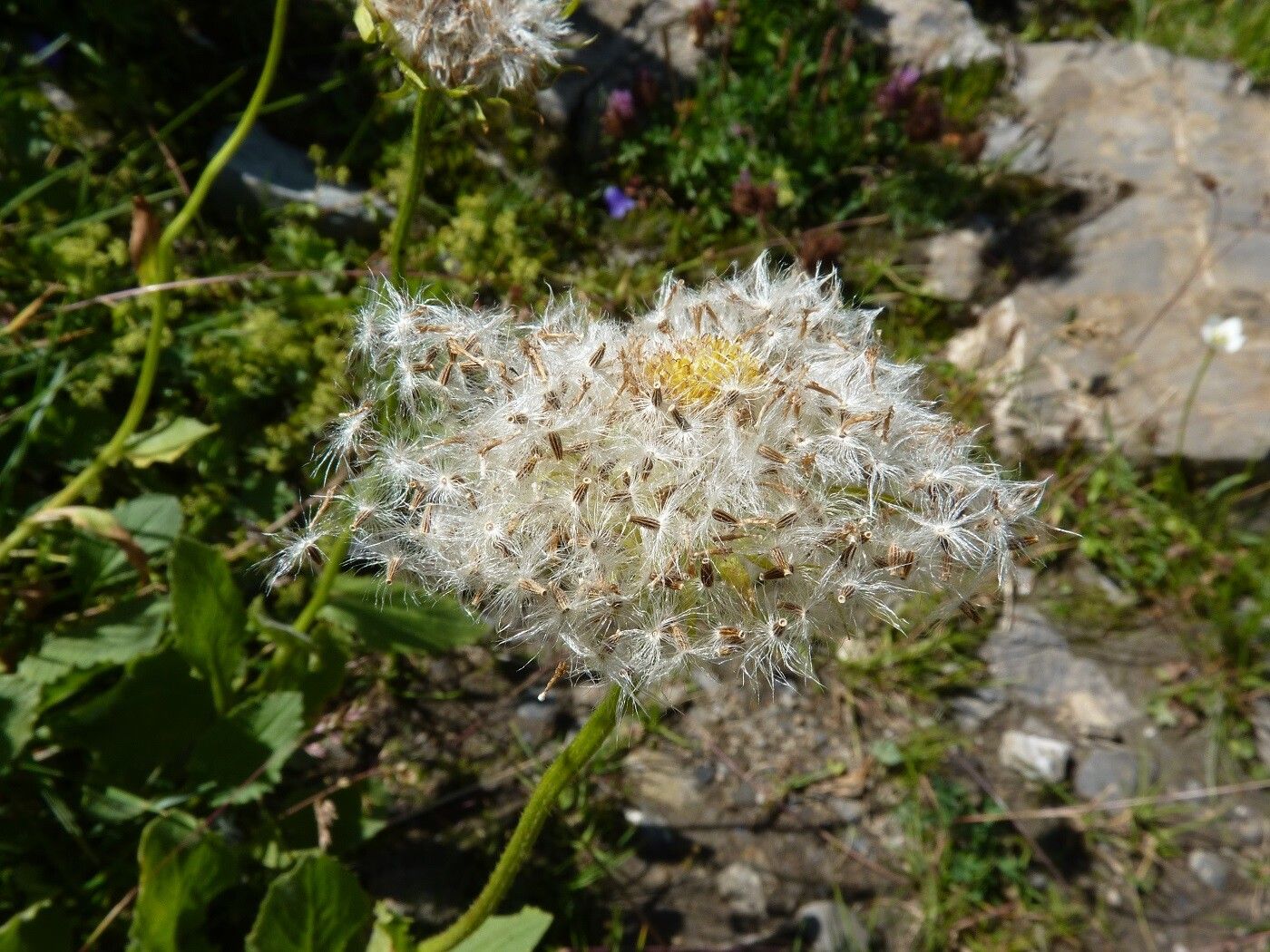
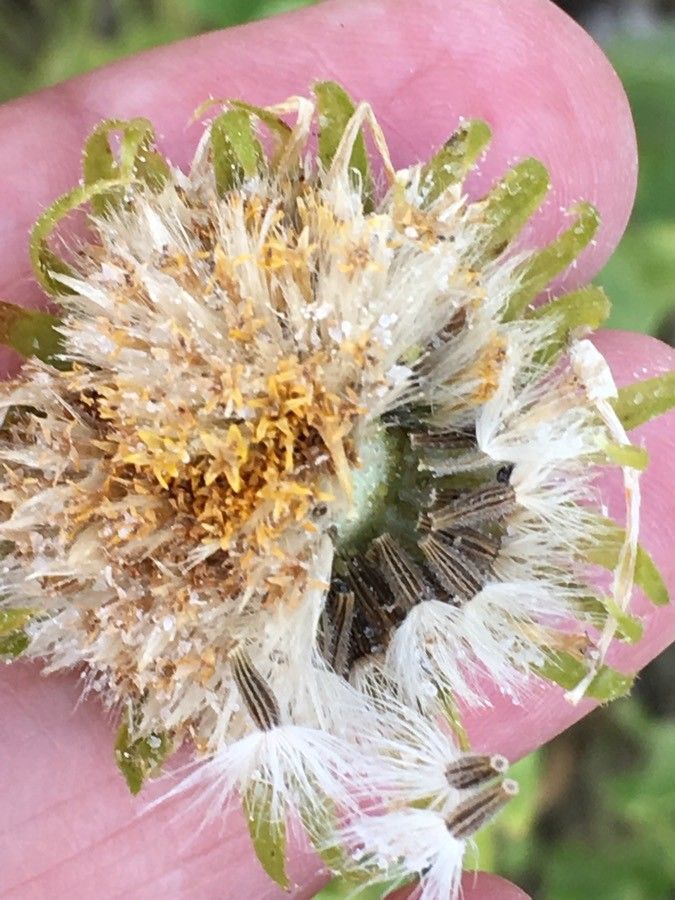
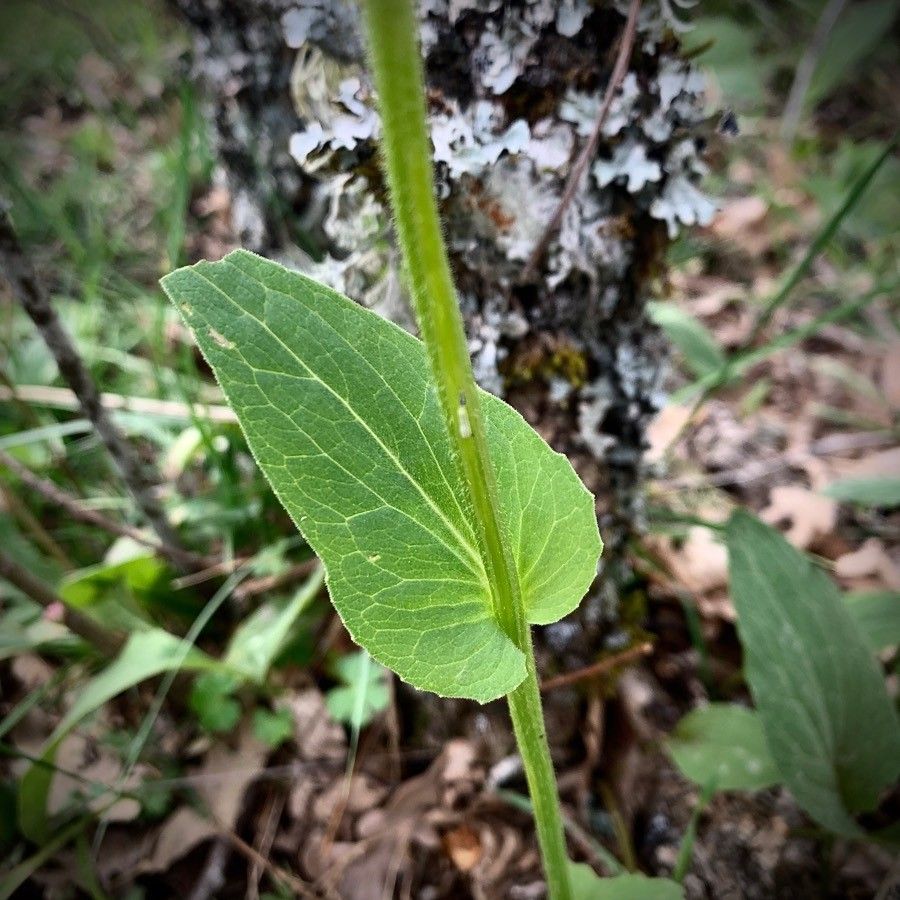
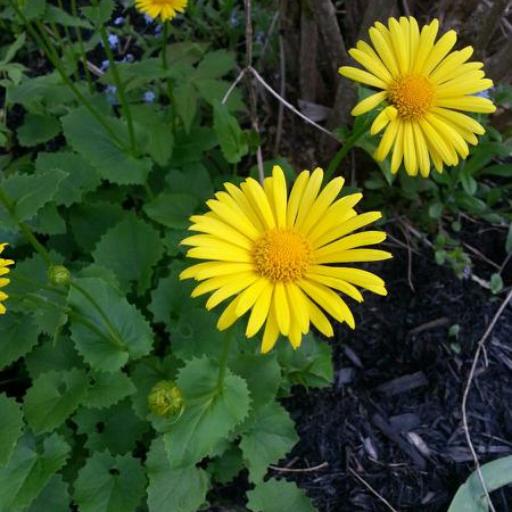
Doronicum grandiflorum, commonly known as Leopard's Bane, is a perennial herbaceous plant that belongs to the Asteraceae family. Native to Europe and Asia, it thrives in meadows, woodlands, and along riverbanks. The plant typically reaches a height of up to 60 cm and spreads about 30 cm wide.
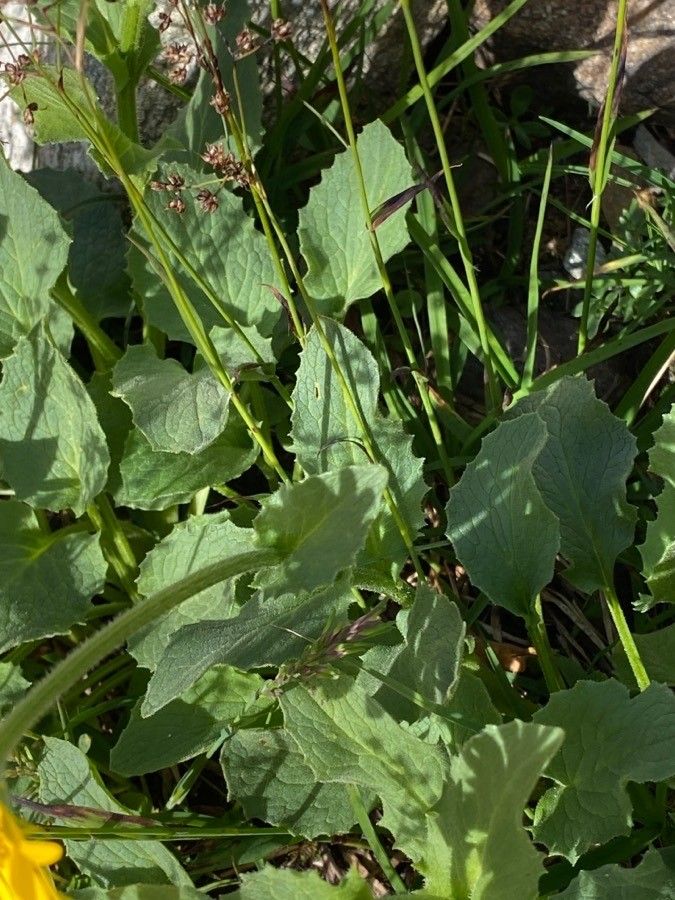
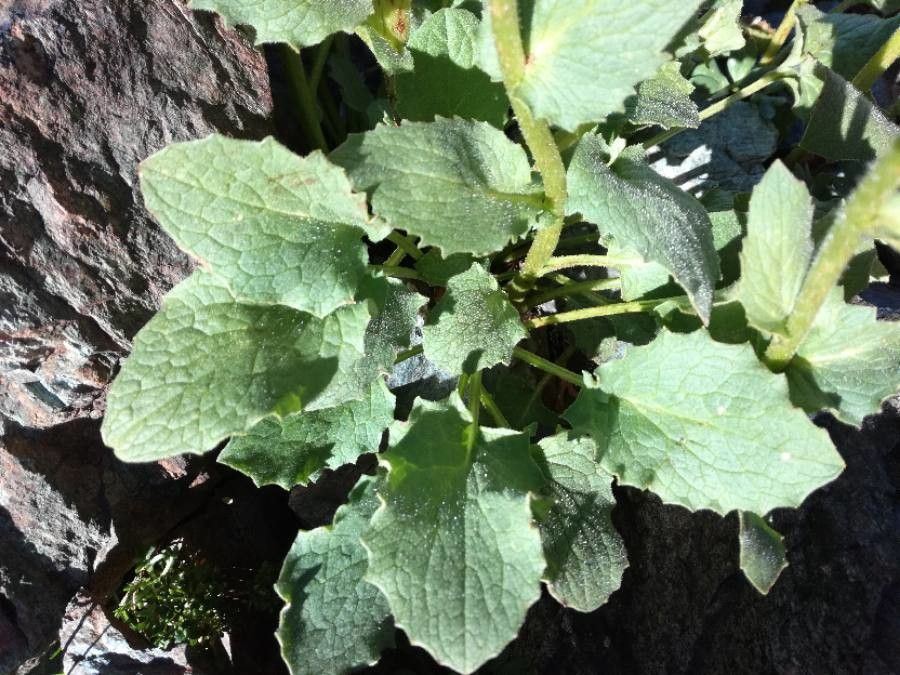
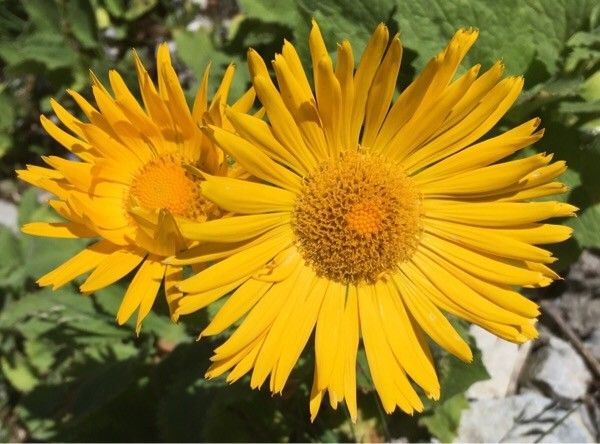
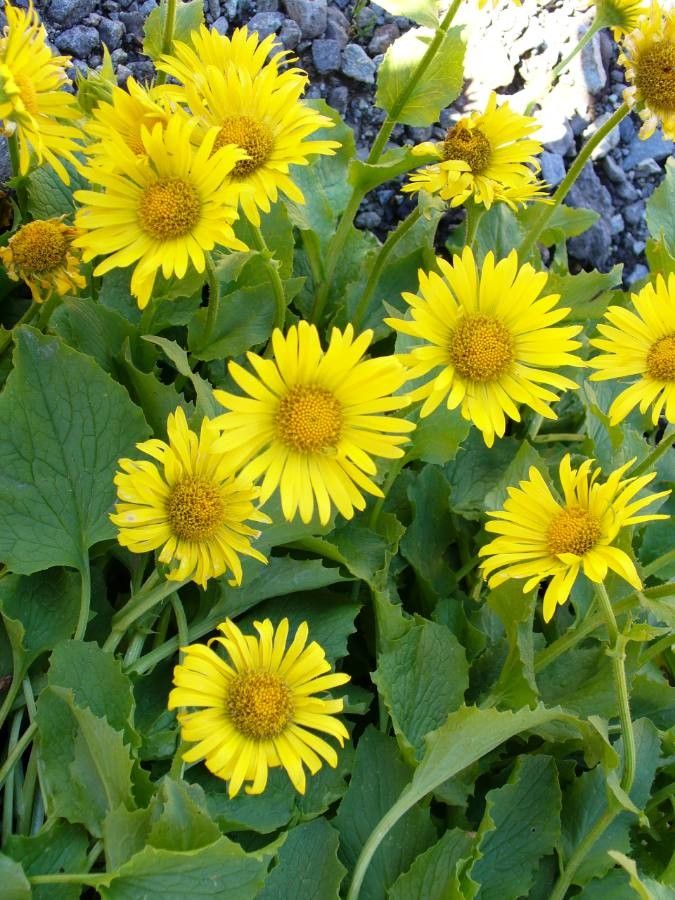
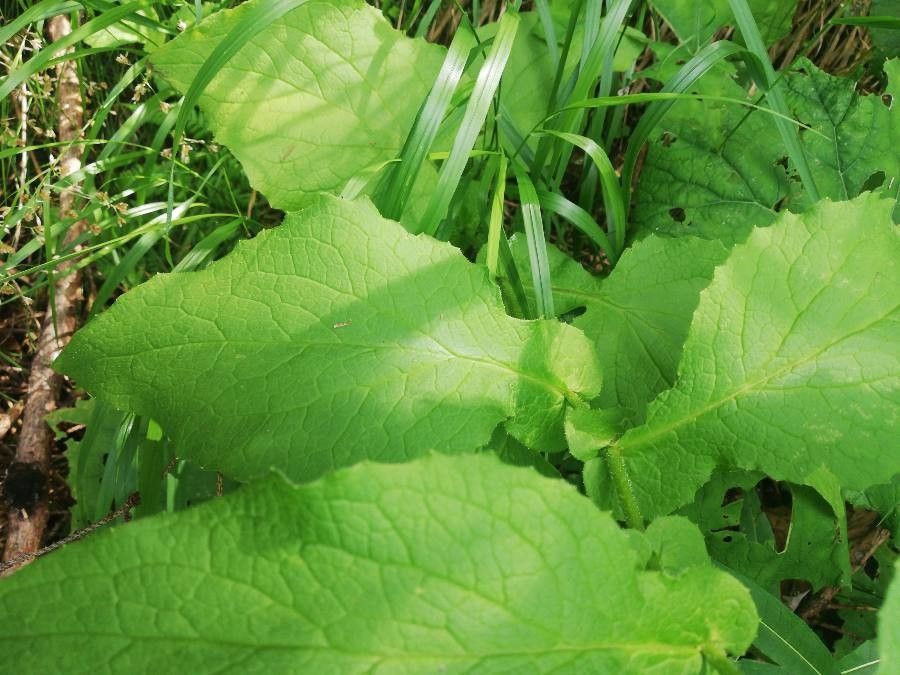
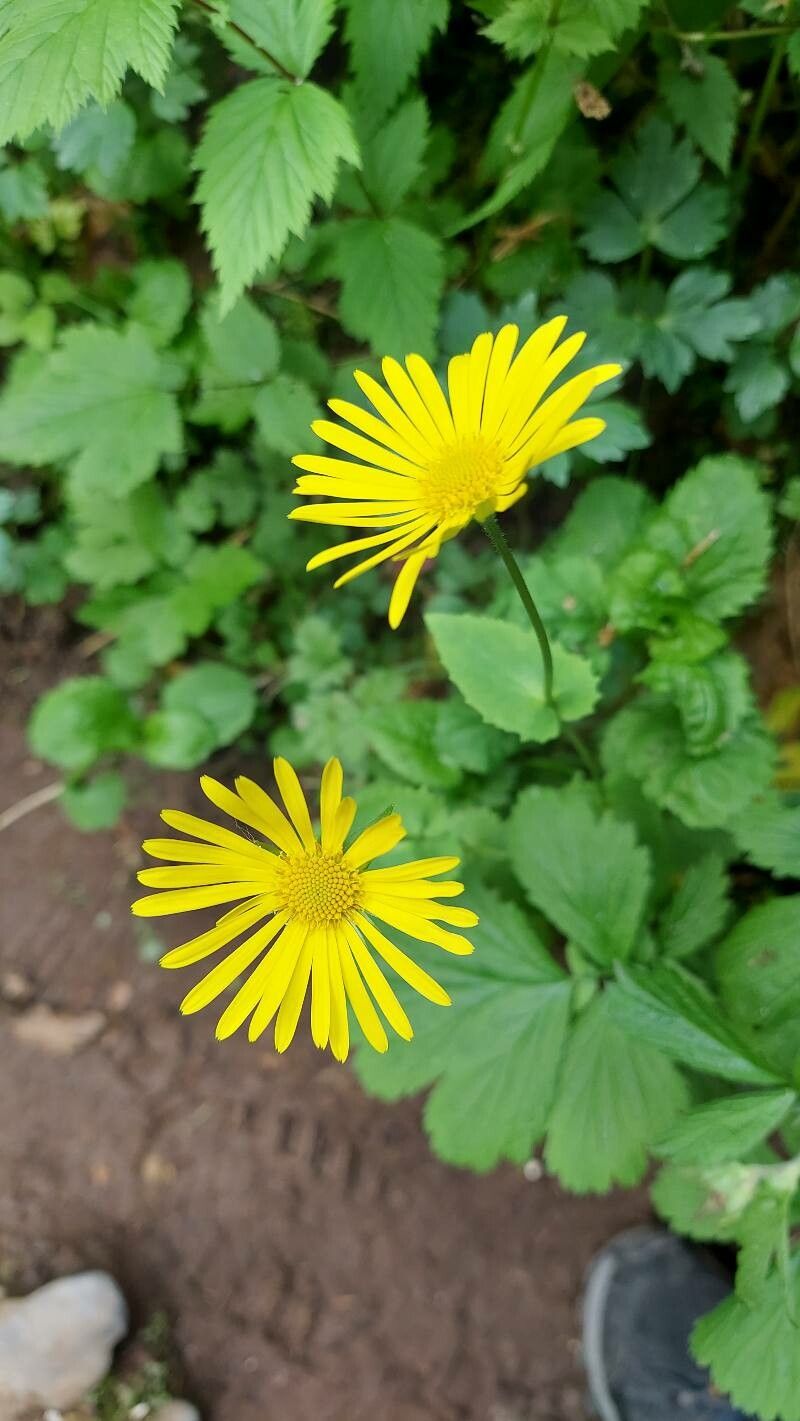
The leaves of Doronicum grandiflorum are dark green with a slightly hairy texture. Its large, daisy-like flowers have bright yellow petals surrounding a dark brown central disk and bloom from late spring through early summer.
Doronicum grandiflorum is noted for its medicinal properties due to compounds that have anti-inflammatory effects. Traditionally, it has been used to treat various ailments such as arthritis, rheumatism, fever, and digestive disorders.
In garden or landscape settings, Doronicums are valued for their attractive flowers that can add vibrant color to any garden bed or border during springtime, a period when many other plants have yet to bloom.
Overall, Doronicums are easy-to-grow plants that require minimal care once established, making them an excellent choice for novice gardeners looking to add bright yellow blooms to their gardens in the early springtime months.
Large-flowered leopard's-bane is quite resistant to diseases and generally not susceptible to them. However, it can be affected by pests and diseases present in its environment. Such infections are typically not serious. Regarding care, this plant needs a moderate level of maintenance. It should be pruned regularly to keep a neat appearance and support healthy growth. Fertilizing can also encourage more flowering. Large-flowered leopard's-bane is appropriate for anyone with outdoor space, like a garden or patio, and does not require extensive care experience. It may need extra attention if grown indoors.
How to keep Doronicum Grandiflorum.
Light
Large-flowered leopard's-bane thrives in sites that receive ample daily sunlight but can tolerate areas with moderately diffuse light. Originally cultivated in sunlit environments, its health and growth can be impaired by either insufficient or excessive light exposure.
Water
Large-flowered leopard's-bane, which originally comes from mountainous regions, flourishes in well-drained soils with moderate moisture. To mimic its natural rainfall, it needs to be watered weekly, though it can endure short dry periods. During the growing season, rainwater contributes to its lush foliage and vibrant blooms, enhancing its overall growth.
Temperature
Large-flowered leopard's-bane is native to temperate regions and does best with temperatures between 32 and 77 °F (0 to 25 °C). In colder periods it can tolerate freezing temperatures, though it may need protection in extreme weather.
Fertilizer
Early spring, as the Large-flowered leopard's-bane emerges from dormancy and begins active growth, is the best time to fertilize. Fertilization supplies essential nutrients for healthy development. Although the Large-flowered leopard's-bane has relatively low fertilizer requirements, annual fertilization can improve its survival and encourage better, longer-lasting flowers.
Pruning
Large-flowered leopard's-bane produces large, vibrant blossoms. To improve its shape, air circulation, and flowering, prune the plant in early to late spring and again after it has finished blooming. For winter dormancy, cut the plant back to a basal rosette, which encourages vigorous regrowth in the spring and helps reduce the risk of disease.
Botanical profile.
- Plant Type
- Herb
- Life Cycle
- Perennial
- Genus
- Doronicum
- Family
- Asteraceae
- Hardiness Zone
- 3
- Mature Height
- 10 cm to 40 cm
- Mature Spread
- 30 cm to 46 cm
- Leaf Color
- Green, Dark Green
- Leaf Type
- Deciduous
- Flower Color
- Yellow
- Flower Size
- 4.06 cm to 6.35 cm
- Bloom Time
- Spring
- Planting Time
- Spring, Summer
- Harvest Time
- Late spring, Early summer, Mid summer
- Native Area
- Germany, Austria, Italy, Spain, Switzerland, Montenegro, Slovenia, France
Other names.
Reader questions.
How should I water my Large-flowered leopard's-bane?
To properly water the Large-flowered leopard's-bane, it is best to use filtered water at room temperature or slightly warmer. Tap water may contain harmful particles for this plant. Since the Large-flowered leopard's-bane is adapted to warm environments, cold water can be a shock to its system. Instead of overhead watering, it is recommended to pour filtered room temperature water directly onto the soil until it is completely soaked. This method helps moisten the roots and promotes their spread and nutrient absorption in the soil.
What are the sunlight requirements for Large-flowered leopard's-bane?
Large-flowered leopard's-bane thrives in substantial daily sunlight and can adapt to somewhat diffused light. It originally grew in well-lit environments, and its health and growth can be negatively impacted by too little or too much light. Full sun is described as over 6 hours of sunlight, while partial sun refers to about 3-6 hours of sunlight. Monitoring the sunlight movement through your garden helps in selecting optimal spots for your plants, balancing light and shade to ensure their well-being.
What is the native climate for Large-flowered leopard's-bane?
Large-flowered leopard's-bane, with its botanic name Doronicum grandiflorum, is native to temperate regions. It thrives in a temperature range of 32 to 77 °F (0 to 25 °C). This plant prefers cooler weather and can tolerate freezing temperatures, making it a robust addition to gardens in temperate climates.
What should I do if I give too much or too little water to my Large-flowered leopard's-bane plant?
Both overwatering and underwatering can harm your Large-flowered leopard's-bane plant, but overwatering is more common. If your plant gets too much water, the stems and leaves may wilt and turn yellow. Overwatering for a long time can also lead to root rot, mold, and mildew, which can kill your plant. Underwatering is less likely because this plant can tolerate drought, but it can still happen. When underwatering occurs, the leaves may become brittle and brown. It's important to recognize the signs of overwatering early. Some diseases caused by overwatering, such as root rot, may not be fixable if you wait too long. If you see signs of overwatering, reduce your watering right away. Check the soil quality where your plant grows. If it drains poorly, replace it with a loose, well-draining potting mix. If your plant seems to be getting too little water, simply water it more regularly until the signs of underwatering improve.
How can artificial lighting be used for Large-flowered leopard's-bane?
In situations where natural sunlight is insufficient, especially during winter or in less sunny areas, artificial lighting becomes essential for the growth of indoor plants, including Large-flowered leopard's-bane. LED lights are a preferred choice due to their ability to be customized to specific plant needs. For full sun plants, 30-50W/sq ft of artificial light is recommended, with 20-30W/sq ft for partial sun plants, and 10-20W/sq ft for full shade plants. The light source should be placed 12-36 inches above the plant for 8-12 hours daily to mimic the natural daylight hours.
Does Large-flowered leopard's-bane require frost protection measures during winter?
Large-flowered leopard's-bane is highly cold-tolerant and does not require additional frost protection measures during winter. Nonetheless, it is advantageous to water the plant generously before the first freeze in autumn. This practice ensures the soil remains moist and enters a frozen state, which helps prevent drought and water scarcity for the plant during the colder months.
How often do I need to water my Large-flowered leopard's-bane?
If your Large-flowered leopard's-bane is in a pot, the most accurate way to determine if it needs water is by checking the soil with your finger. If the top two to three inches of soil are dry, it is time to water it. If you have planted your Large-flowered leopard's-bane outdoors in the ground, you can use a similar method to test the soil. Once again, when the top few inches of soil have dried out, it is time to water. Typically, during the spring and early fall, you would water this plant approximately once a week using this method. However, during extremely hot weather, you may need to water it twice or more per week. It's worth mentioning that mature and well-established Large-flowered leopard's-bane plants can withstand drought quite well.
What are the symptoms of light deficiency or excess in Large-flowered leopard's-bane?
Symptoms of inadequate light in Large-flowered leopard's-bane include smaller new leaves, leggy or sparse growth, faster leaf drop, and reduced or stopped growth. Pale-colored new leaves indicate insufficient sunlight and lack of chlorophyll. Conversely, excessive sunlight can cause chlorosis, where leaves turn yellow and lose their green color, sunscald with damaged plant tissues, leaf curling as a defense against sunlight exposure, wilting due to increased water loss, and leaf scorching characterized by brown, dry edges on leaves.
What should I do if the temperature drops below -35°C?
While Large-flowered leopard's-bane is extremely cold-tolerant, temperatures below -35°C may affect it adversely. Although there may not be any noticeable changes during the winter, such extreme cold can result in a reduction or even absence of sprouting in spring. If this happens, it's recommended to remove any parts of the plant that have failed to sprout come springtime.
How much water does my Big-flowered leopard's-bane need?
When watering your Large-flowered leopard's-bane, don't hold back on the amount of water you give. Make sure the top two to three inches of soil are dry before watering thoroughly. Water until the soil is completely soaked, causing excess water to flow out of the pot's drainage holes. If you don't see any excess water draining, you may have not given enough water. Avoid letting water accumulate in the soil, as this can harm the plant. Poor drainage can also be harmful, so ensure the soil drains well. If the plant is outdoors, receiving 1 inch of rain per week should be enough.
What are some solutions to light-related issues for Large-flowered leopard's-bane?
To address light-related issues, gradually acclimate your Large-flowered leopard's-bane to receive at least 6 hours of direct sunlight by moving it to sunnier locations each week. Use a south-facing window for indoor plants and keep curtains open during the day. For outdoor and ground plants, reduce obstructions like tree branches to allow more sunlight and consider transplanting smaller plants to sunnier spots during their dormant period. If moving the plant is not feasible, supplement with artificial light for at least 8 hours daily. Keep in mind that parts of the plant affected by insufficient sunlight may not recover, but new growth will be healthy following improved light exposure.
How does Large-flowered leopard's-bane react to high temperatures?
Large-flowered leopard's-bane struggles in high temperatures, particularly when the thermometer climbs above 25°C. Under such conditions, the plant's growth halts, and it becomes increasingly susceptible to rot. To mitigate the effects of high temperatures, it's advisable to trim away any sunburned and dried-up parts. Relocating the plant to a shaded area or utilizing shade cloth can protect it from the harsh midday and afternoon sun. Ensuring the soil remains moist by watering in the morning and evening can also help.