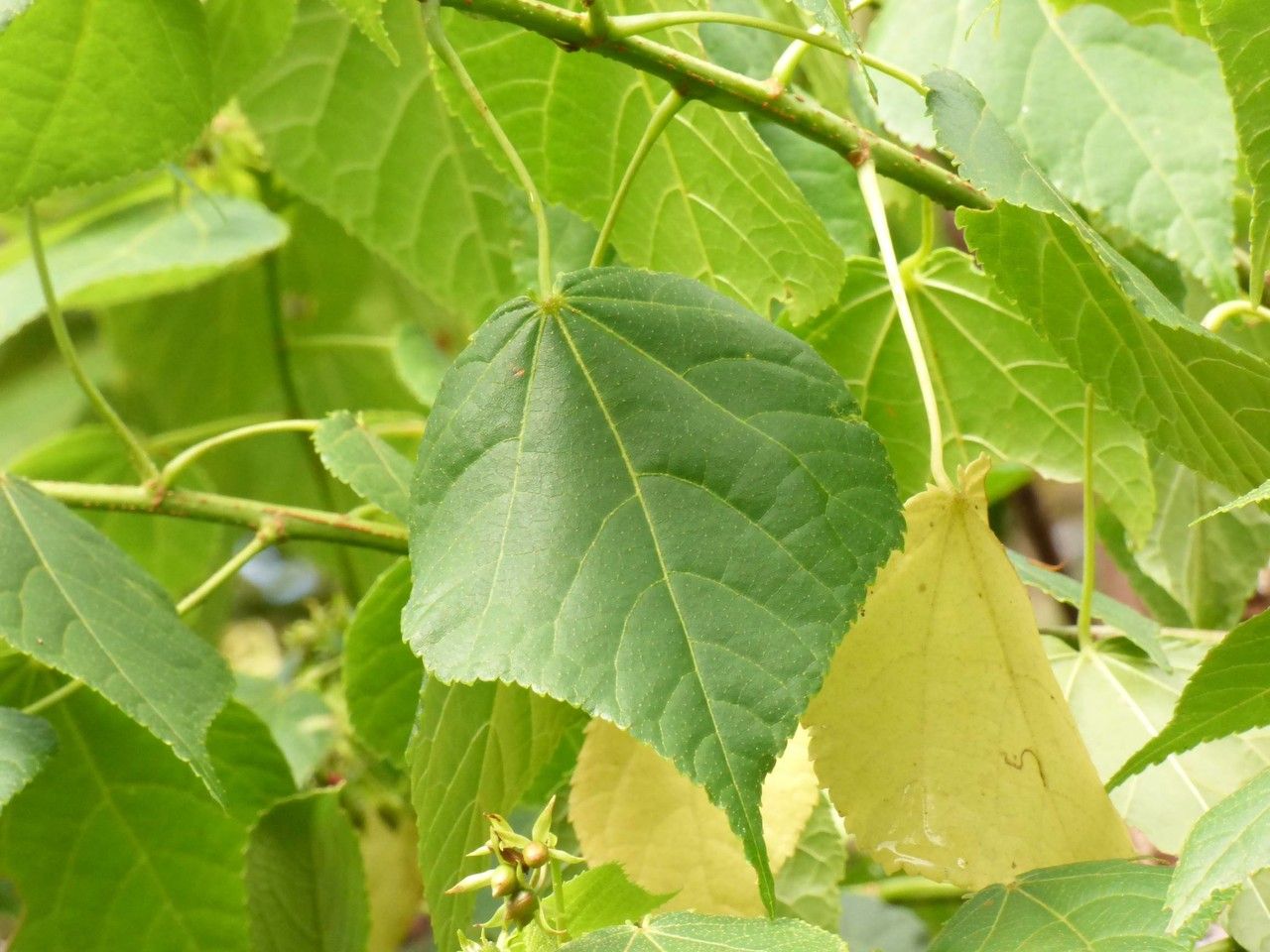
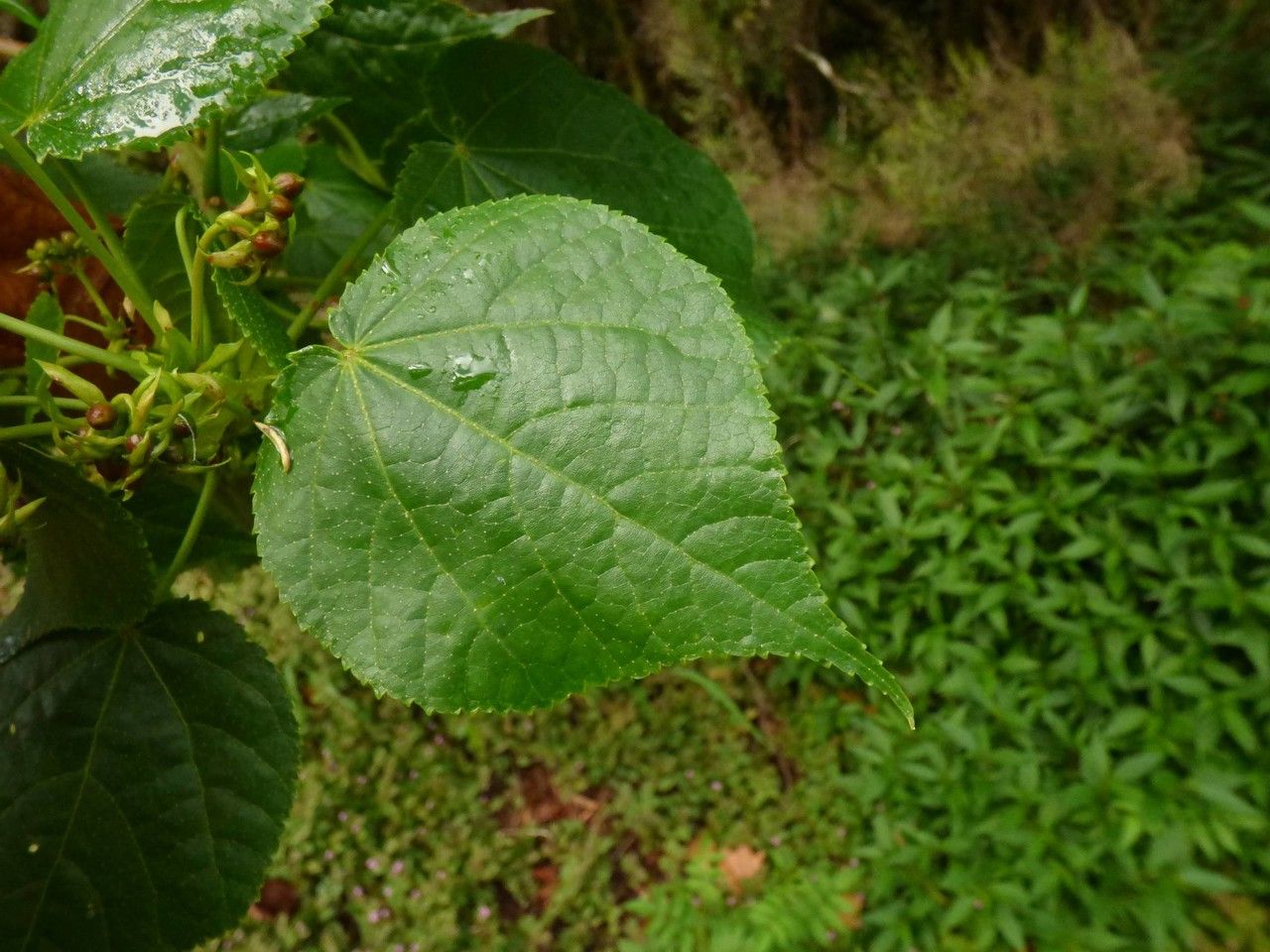
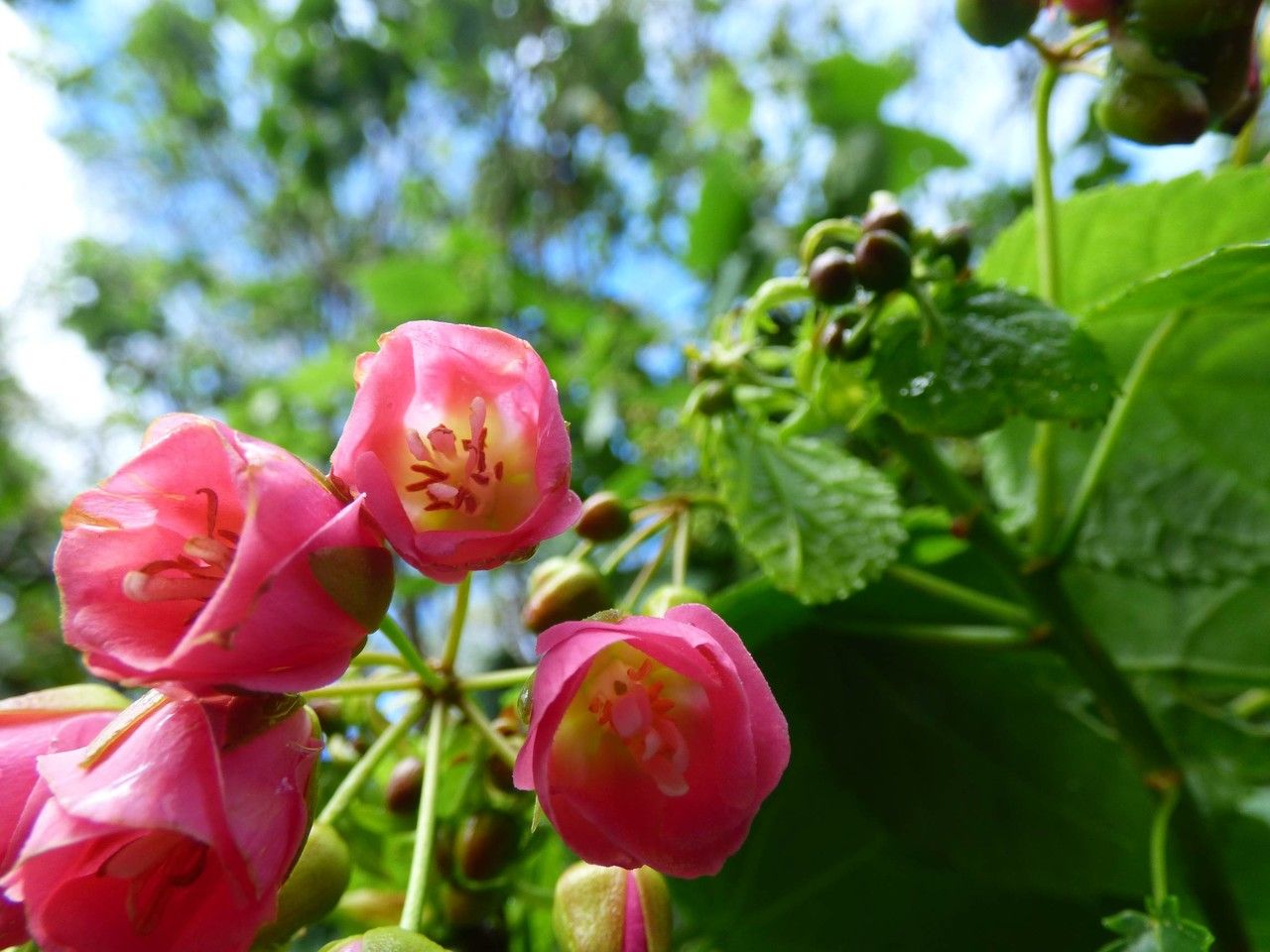
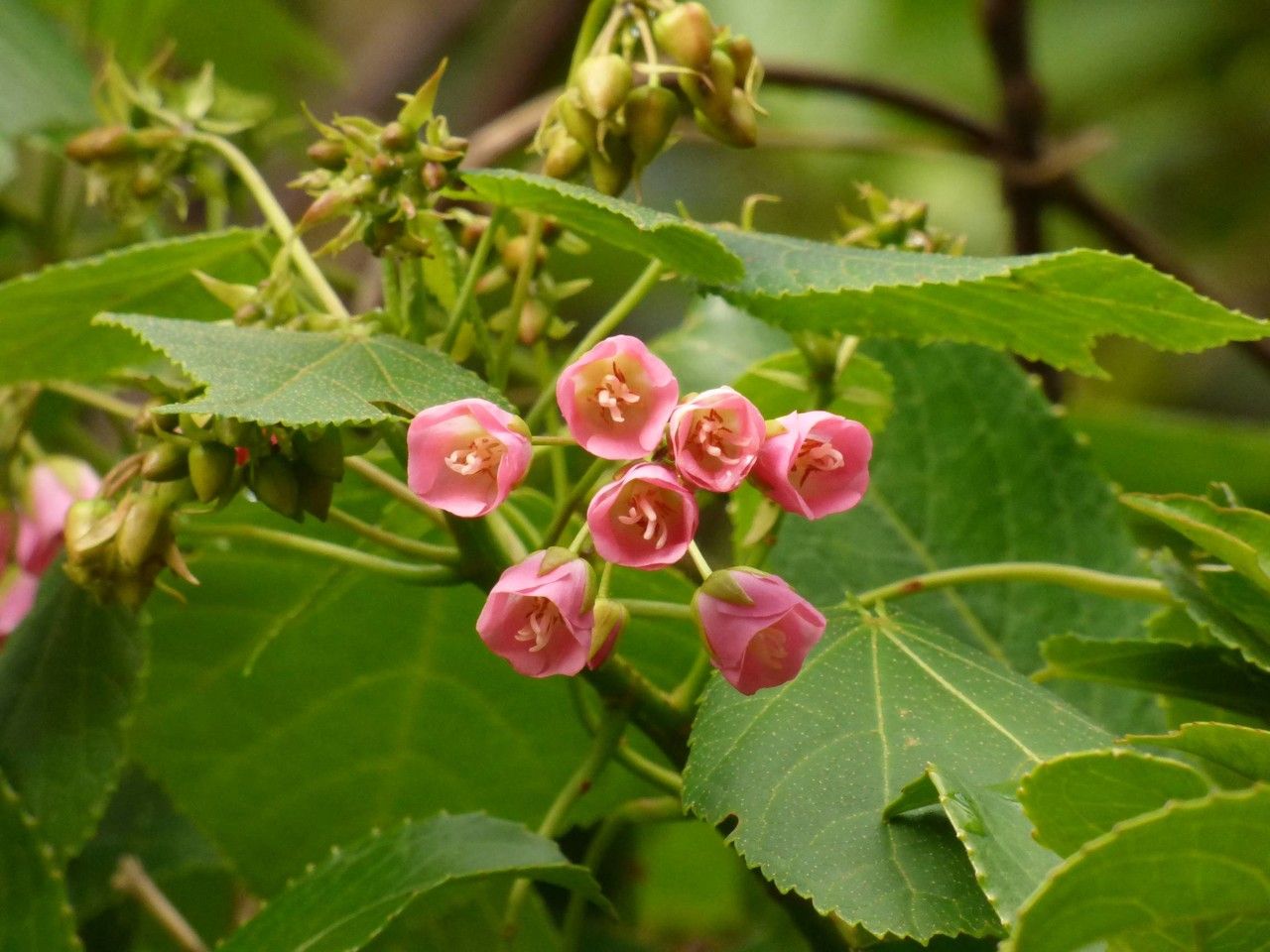
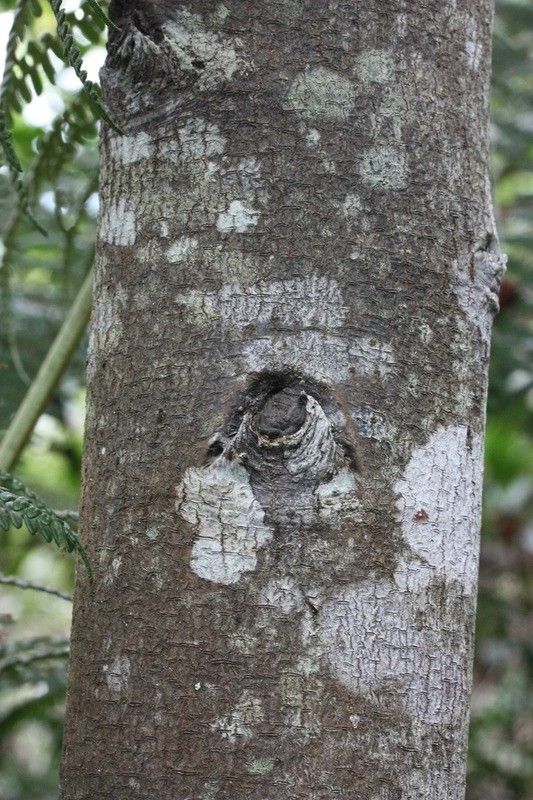
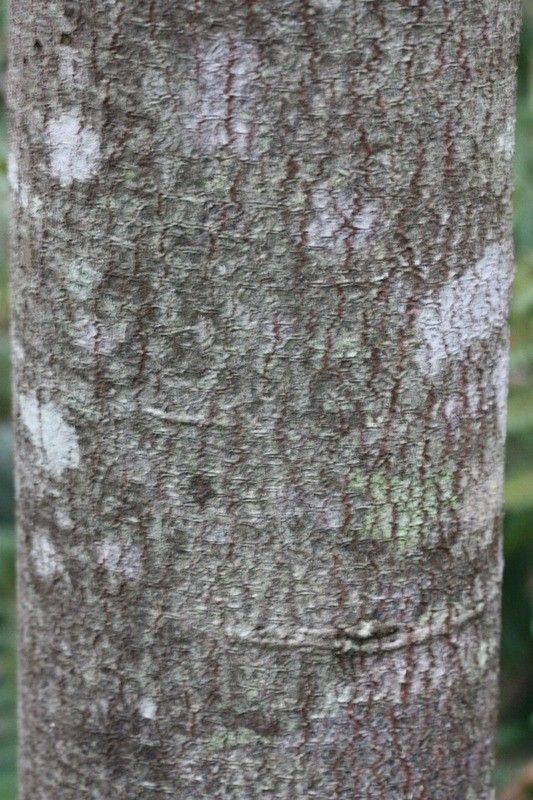
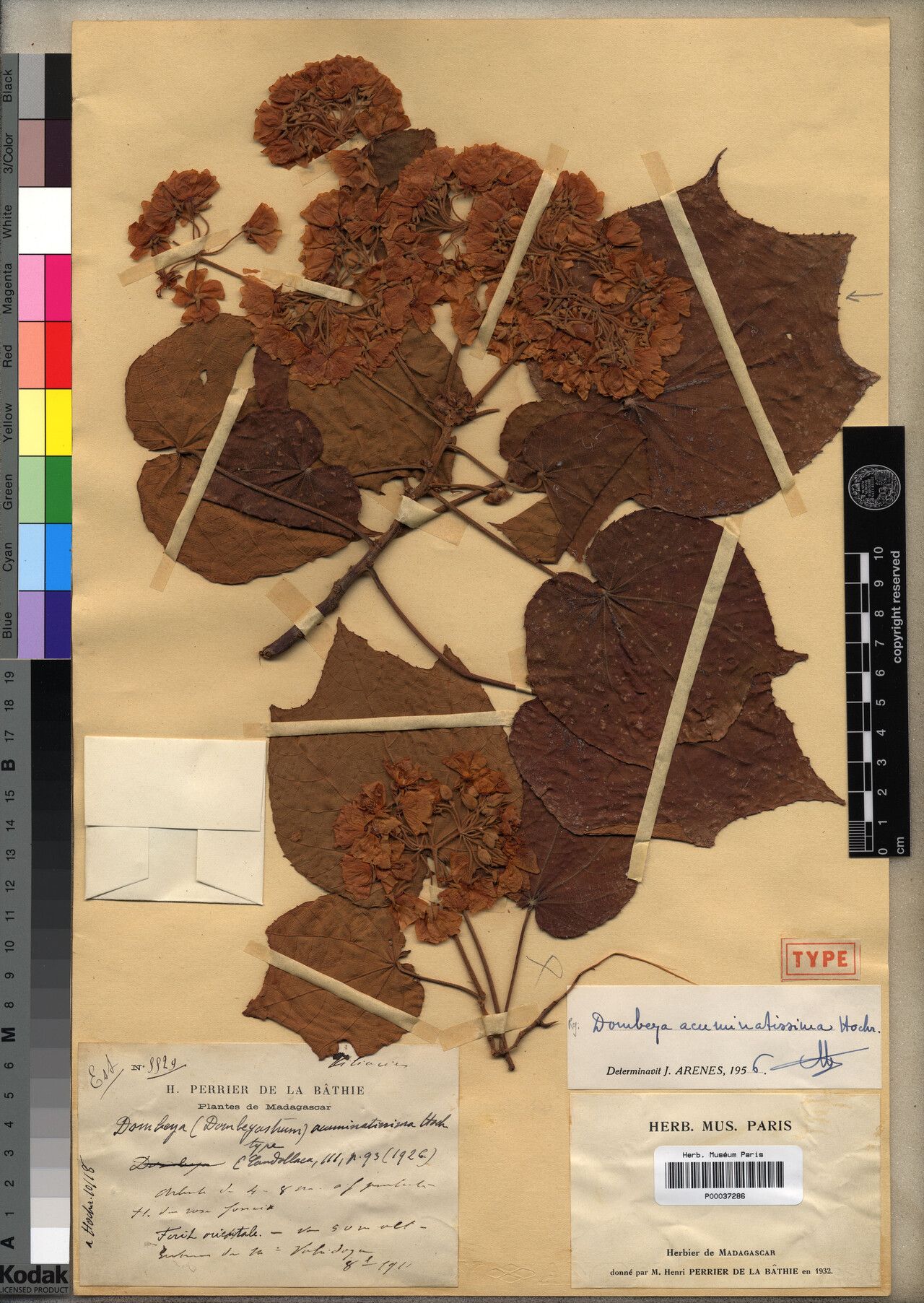
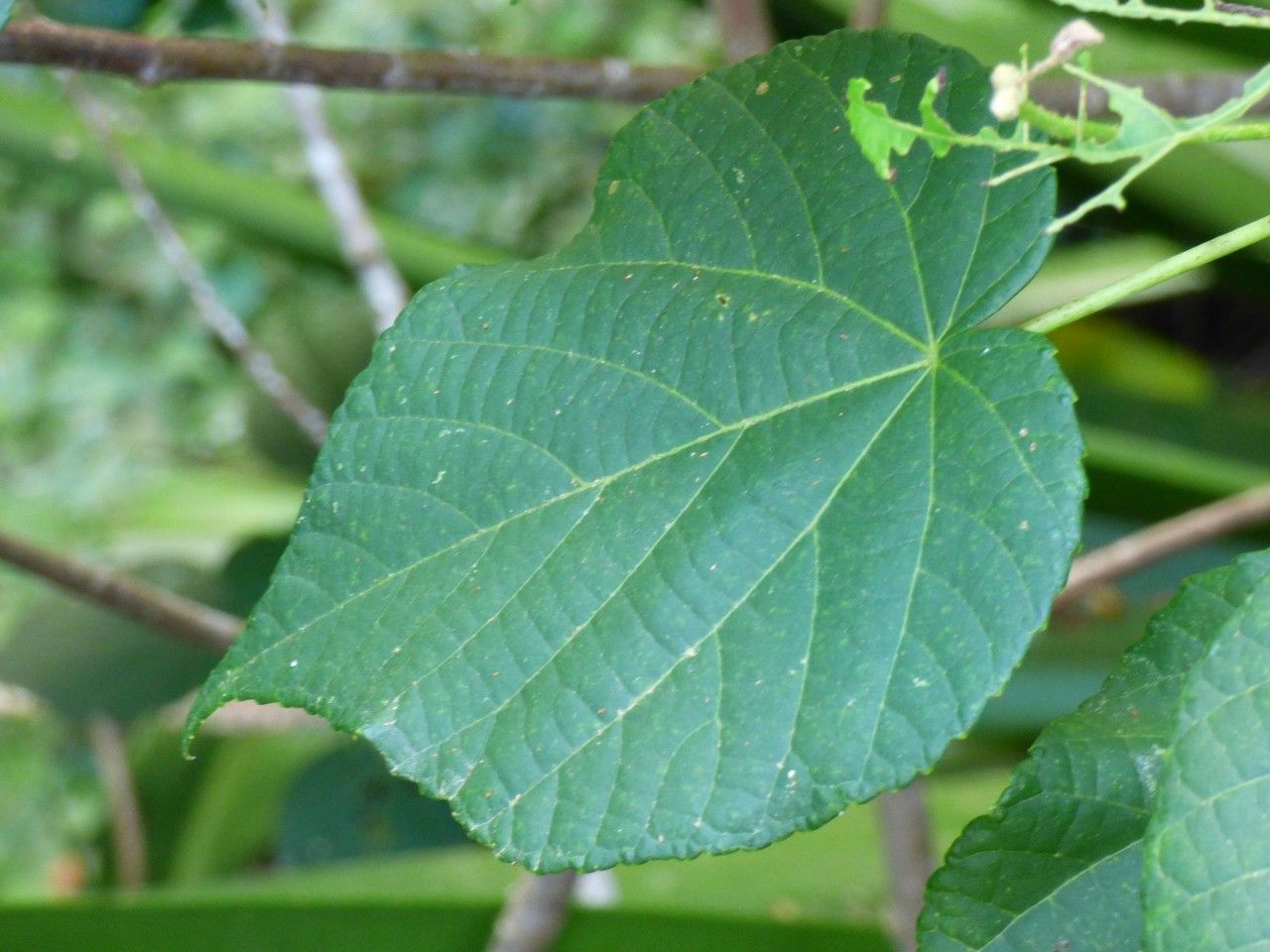
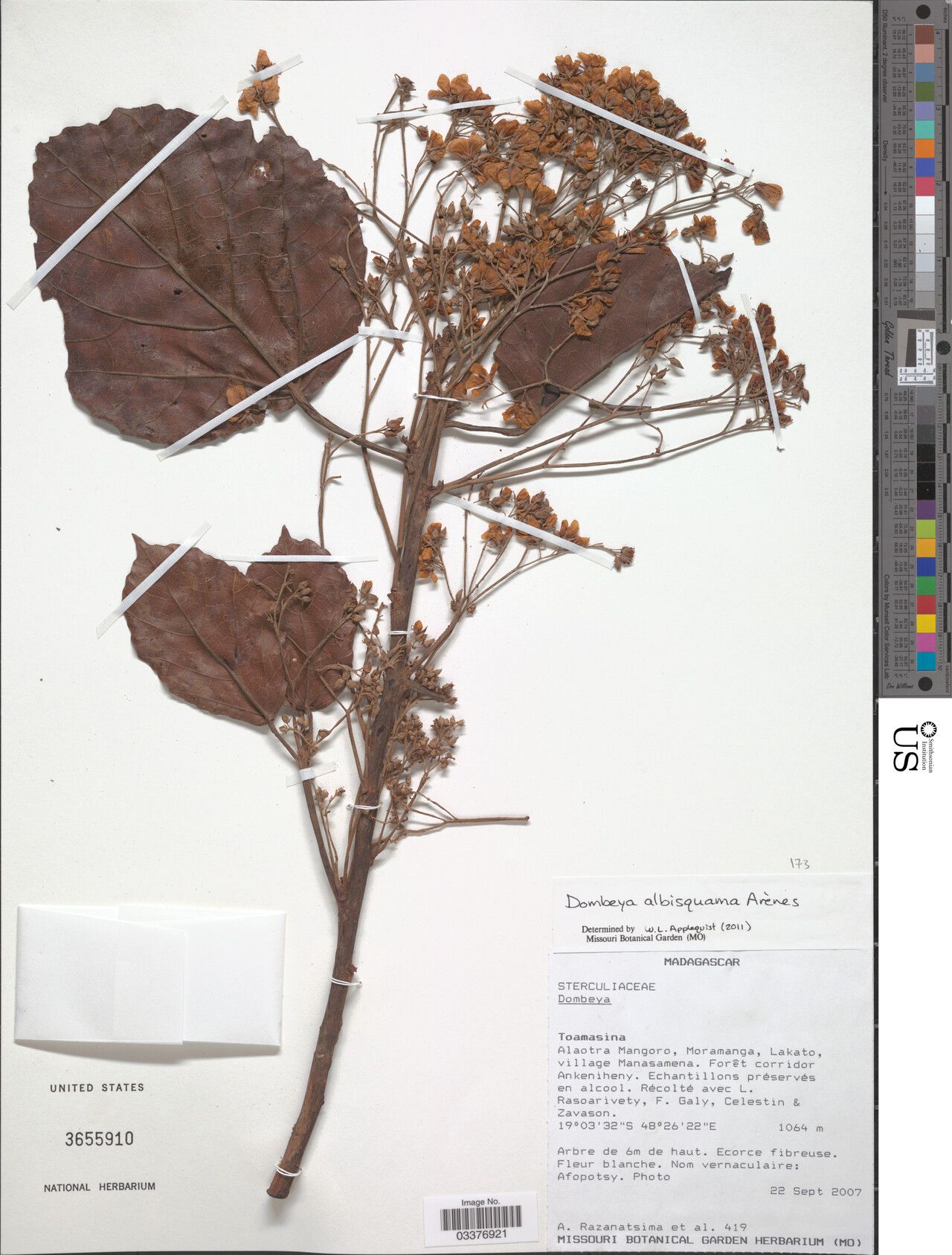
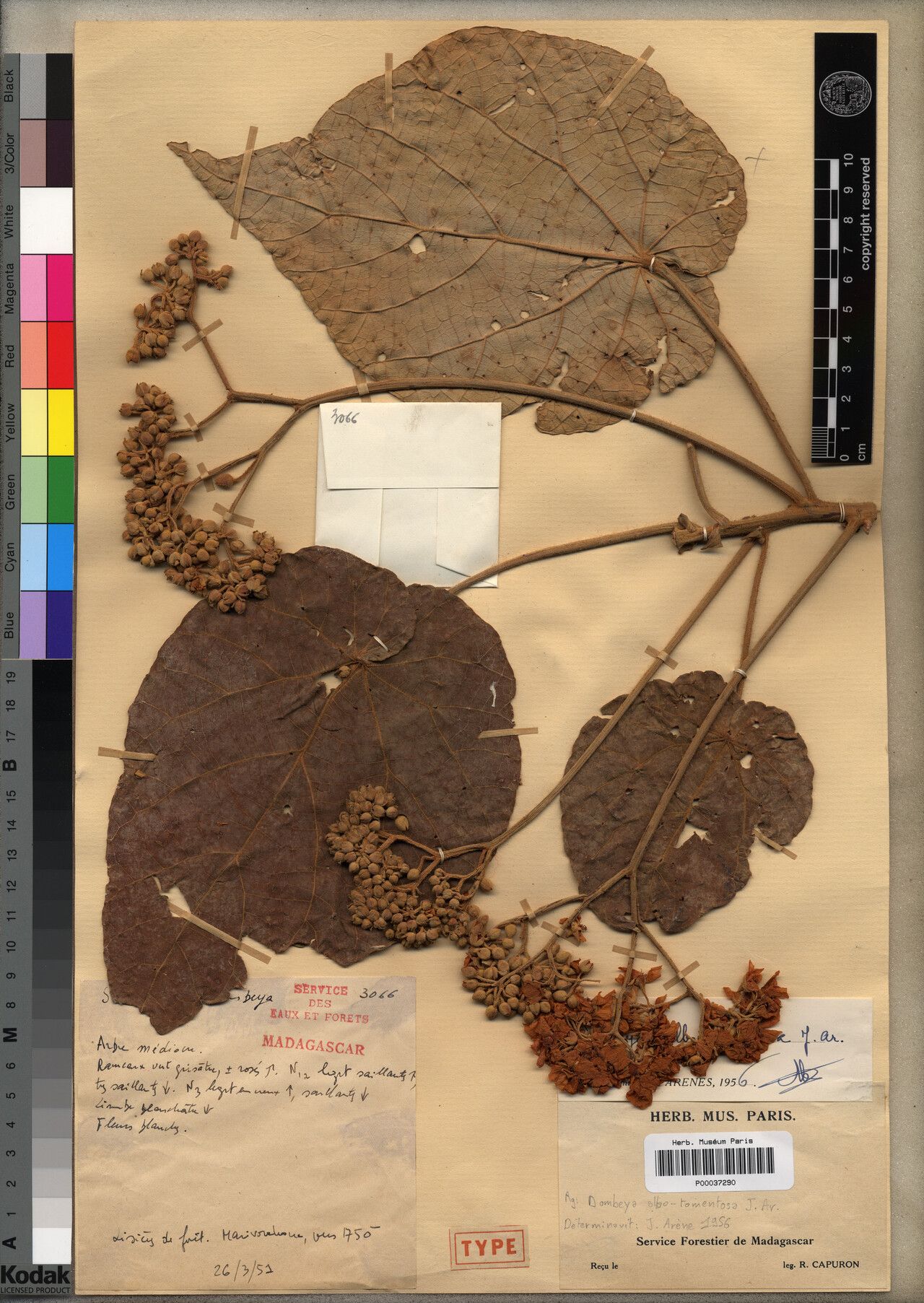
Dombeya elegans is a species of plant in the family Malvaceae.
Pink wild pear is disease-resistant and generally not susceptible to illnesses. In terms of care, the plant is fairly low-maintenance. When grown outdoors it needs little watering, and larger plants usually do not require pruning. Smaller plants, however, should be pruned after they finish flowering. Pink wild pear is suitable for anyone with outdoor space, such as a garden or a deck, and does not demand much care experience.
How to keep Dombeya Elegans.
Light
Pink wild pear prefers sites with soft, filtered light, though it can tolerate strong sunlight. Coming from habitats where it thrives under a mix of shade and light, exposure to either too much or too little light can impair its health.
Temperature
Pink wild pear is indigenous to regions where temperatures range from 68 to 100.4 °F (20 to 38 ℃). It favors these warmer conditions and should be protected from cold if temperatures fall in its growing area. Seasonal adjustments should be made as needed.
Fertilizer
The best time to fertilize a Pink wild pear is in early spring as it comes out of dormancy. Doing so supports overall growth and flower development, improving the leaves, stems, and branches while encouraging large, vibrant, long-lasting blooms. Fertilization also helps move nutrients from the roots to the flowers and enhances the plant’s health and resistance to disease.
Botanical profile.
- Plant Type
- Shrub
- Life Cycle
- Perennial
- Genus
- Dombeya
- Family
- Malvaceae
- Hardiness Zone
- 12
- Mature Height
- 3.05 m
- Mature Spread
- 3.05 m
- Leaf Color
- Green
- Leaf Type
- Evergreen
- Flower Color
- Pink, White
- Flower Size
- 12.70 cm to 15.24 cm
- Bloom Time
- Winter, Spring
- Planting Time
- Spring, Summer, Autumn
- Harvest Time
- Spring, Early summer
- Native Area
- Malawi, Angola, Mozambique, South Africa, Zambia, Eswatini, Sudan, Rwanda, Kenya, Congo (DRC), Uganda, Tanzania, Zimbabwe