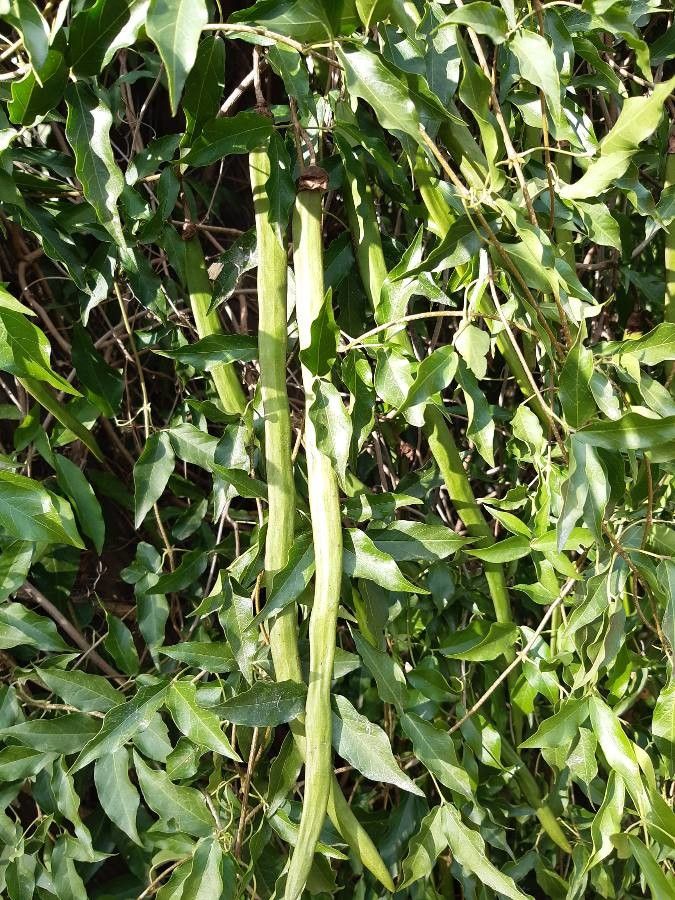
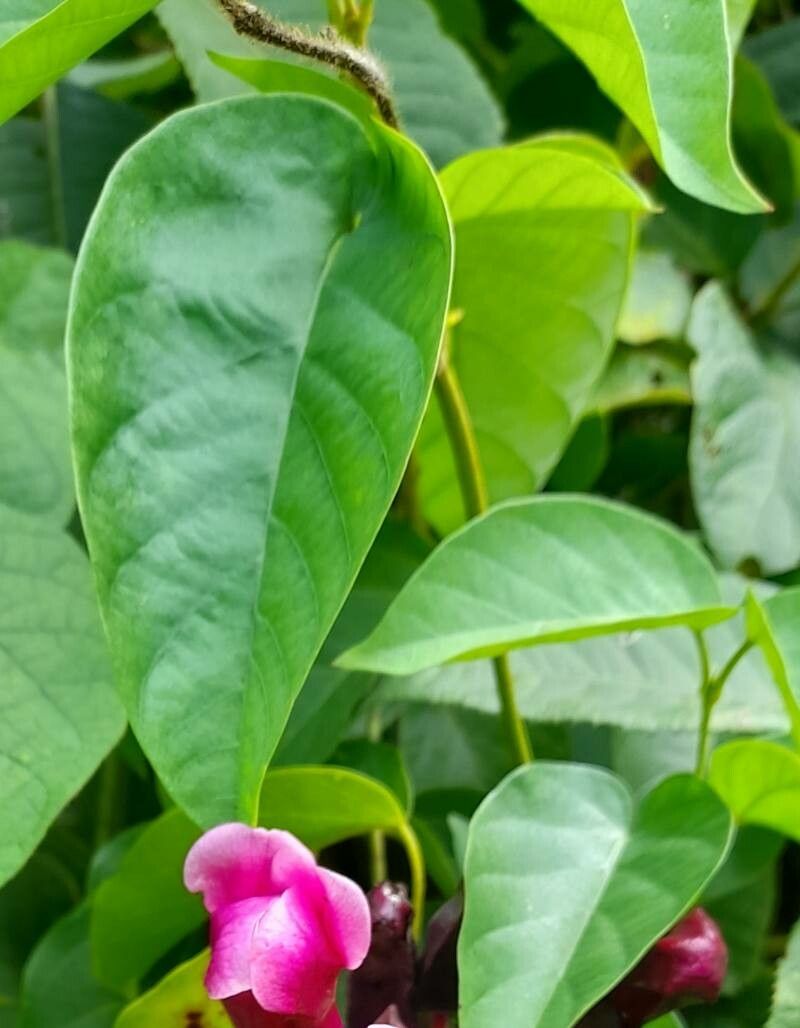
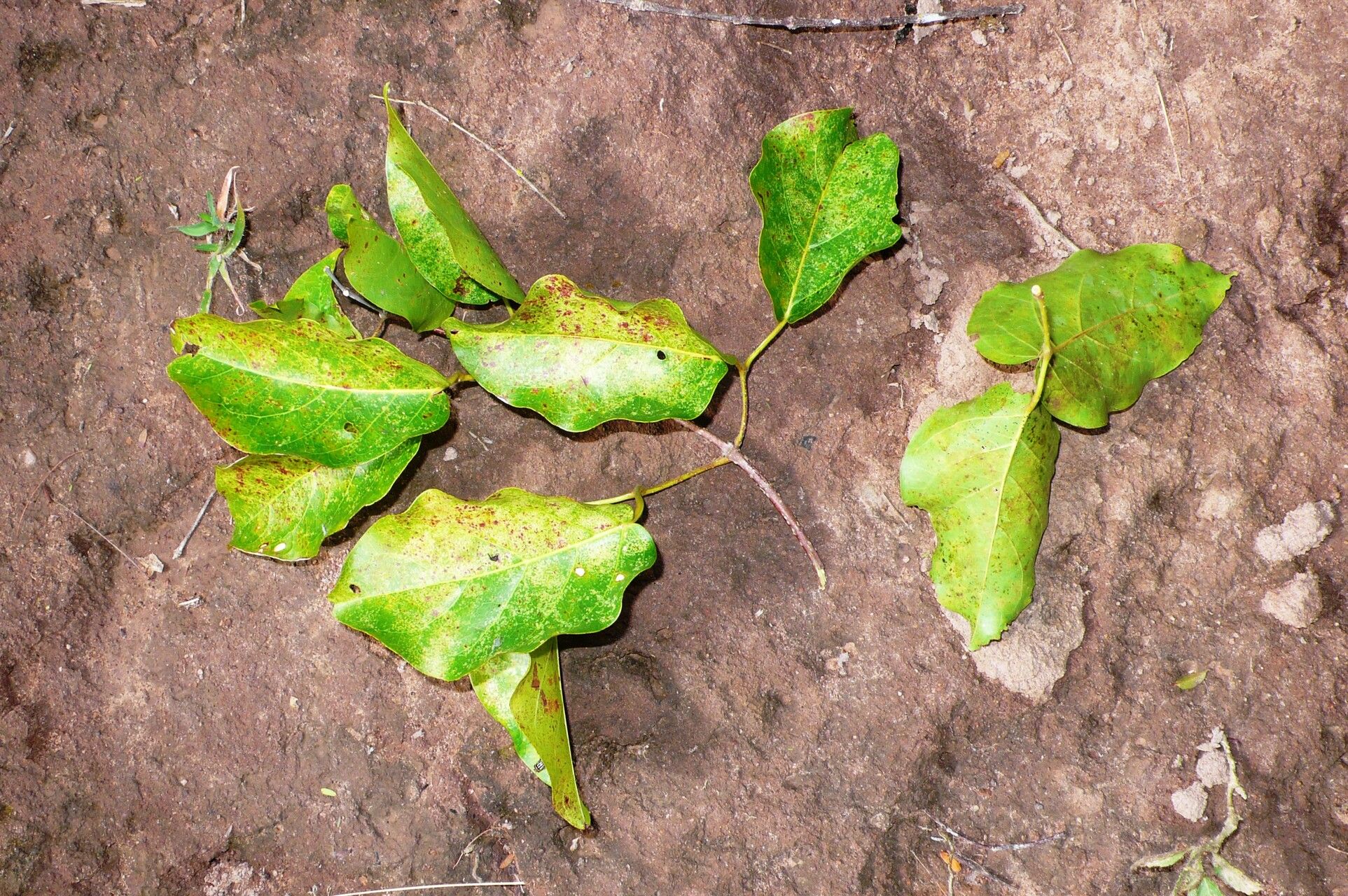
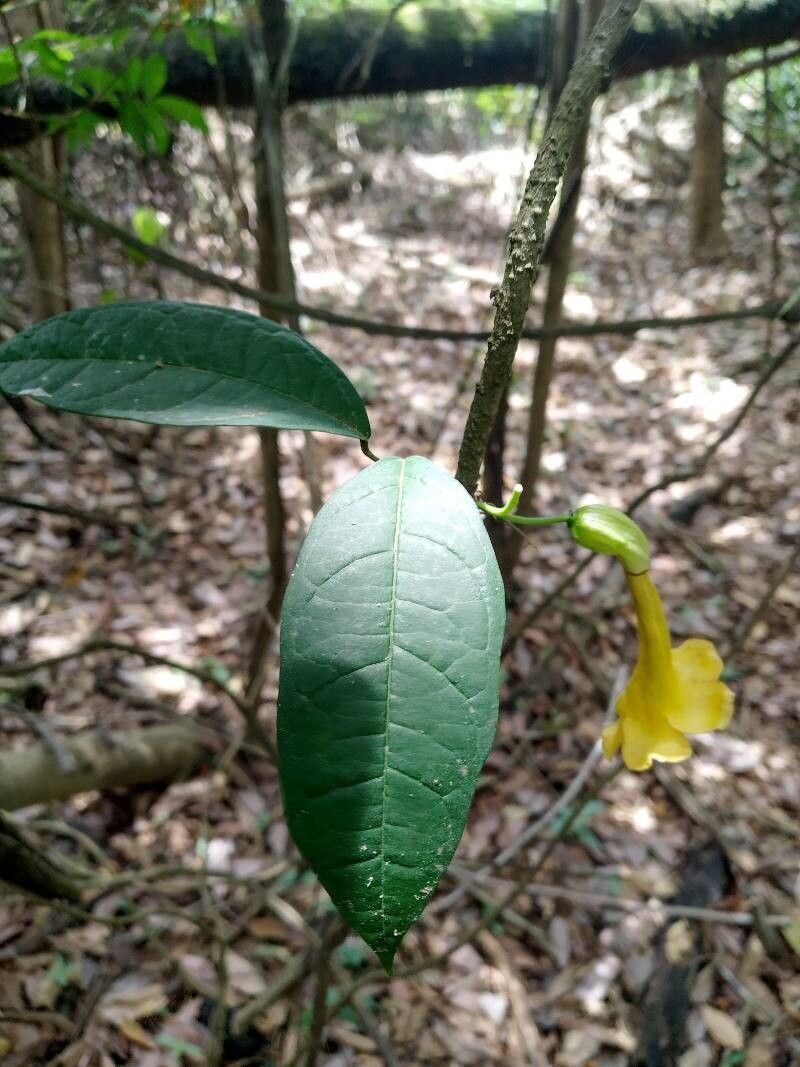
Dolichandra unguis-cati, commonly known as cat's claw creeper, is a fast-growing vine belonging to the Bignoniaceae family. Native to South America, this plant has been introduced and naturalized in various parts of the world. Its name comes from the claw-like tendrils that help it climb and cling to surfaces.
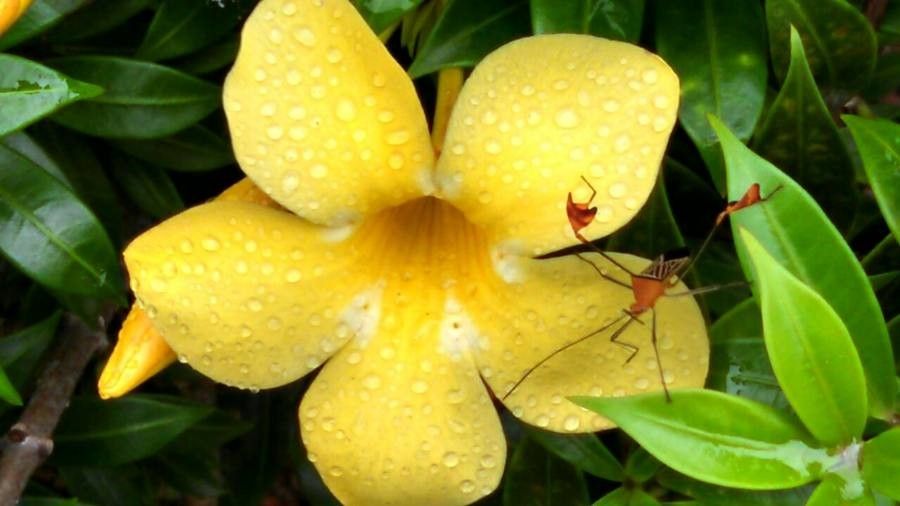
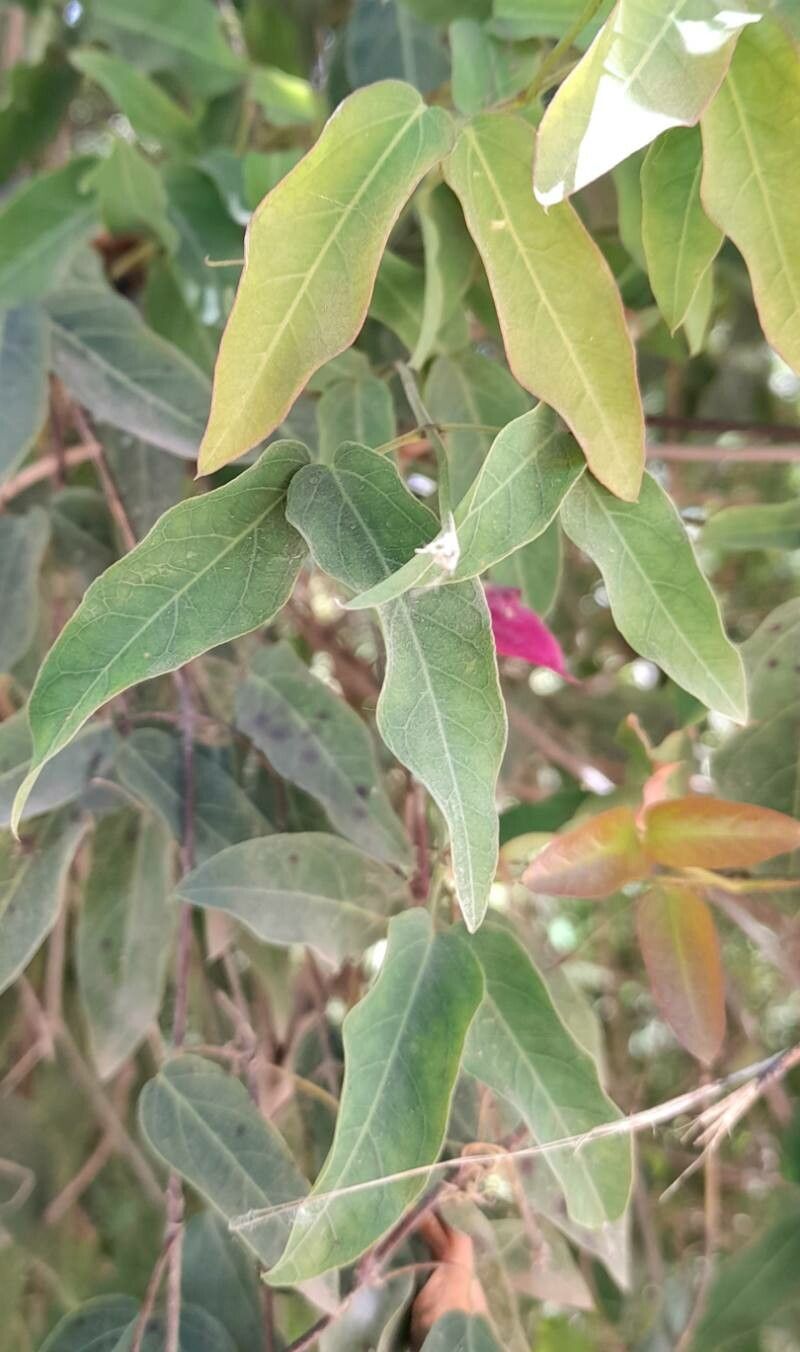
The leaves of Dolichandra unguis-cati are compound and can grow up to 30 cm long, featuring 5-7 leaflets. The flowers are trumpet-shaped, with a yellow-orange color, and can reach up to 10 cm in length. They bloom in clusters during spring or summer.
Often used as an ornamental plant due to its attractive flowers and rapid growth rate, cat's claw creeper can also become invasive in some areas where it has been introduced. It thrives in full sun or partial shade with well-drained soil.
In traditional medicine, various parts of Dolichandra unguis-cati have been used for their anti-inflammatory properties to treat conditions such as arthritis, rheumatism, fever, and wounds, among others.
In summary, Dolichandra unguis-cati is an intriguing plant that not only enhances the beauty of its surroundings but also possesses some medicinal properties that traditional medicine practitioners have utilized over time.
Cat's claw creeper has strong disease resistance and is typically not susceptible to illnesses. In terms of care, this plant is fairly low-maintenance. When grown outdoors, it needs little watering, and larger plants usually do not require pruning. However, smaller plants should be pruned after they have bloomed. Cat's claw creepert is suitable for anyone with an outdoor area, such as a garden or deck, and does not require much care experience.
How to keep Dolichandra Unguis Cati.
Light
Cat’s claw creeper needs ample sunlight for strong growth and performs best with continuous, unblocked sun exposure. It can persist in spots with somewhat less light, but its vigor and flowering may be reduced. Too much or too little sun can result in poorer health.
Water
Cat's claw creeper originates from tropical regions, where it thrives in high humidity and consistent moisture. To maintain its lush growth, it needs to be watered weekly, although it can tolerate short periods of dryness. As an evergreen climber, this plant flourishes when grown outdoors, benefiting from natural rainwater during its growing season.
Temperature
Cat's claw creeper is native to areas with temperatures between 59 to 95 °F (15 to 35 °C). Growing it in different climates may require supplemental heating during colder seasons.
Fertilizer
Timing is important when fertilizing Cat's claw creeper. Apply fertilizer in early spring and continue once a month through early summer. Fertilizer helps produce lovely blooms and supplies energy during both dormant periods and active growth.
Pot & Repot
To promote the climbing growth of your cat's claw creeper, repot it every 2 to 3 years in early spring. Use moderately-sized containers with good drainage. After repotting, ensure it has sturdy support and maintain consistent watering. Proper care is crucial for the plant's optimal growth and development.
Botanical profile.
- Plant Type
- Vine
- Life Cycle
- Perennial
- Genus
- Dolichandra
- Family
- Bignoniaceae
- Hardiness Zone
- 8-10
- Mature Height
- 20.12 m
- Mature Spread
- 3.05 m
- Leaf Color
- Green
- Leaf Type
- Evergreen
- Flower Color
- Yellow
- Flower Size
- 4.06 cm to 5.08 cm
- Bloom Time
- Mid spring, Late spring, Summer
- Planting Time
- Spring, Summer, Autumn
- Harvest Time
- Mid summer, Late summer, Fall
- Native Area
- Belize, Honduras, Mexico, Guatemala, Peru, Dominican Republic, Trinidad and Tobago, Panama, Uruguay, Colombia, Bahamas, Cuba, Paraguay, Argentina, Bolivia, Venezuela, Brazil, Guyana, El Salvador, Nicaragua, Ecuador, Suriname, Costa Rica
Other names.
Reader questions.
How should I water my Cat's claw creeper in the best way?
To promote excellent root development, consider using a garden hose at the base of the plant. Avoid spraying the leaves directly, as this can be harmful. If the plant is outdoors in direct sunlight, the leaves may require more watering. Using bubblers or soaker hoses can help moisten the roots effectively. When adding or removing plants, soaker hoses that cover the entire garden or bed are useful for encouraging deep root growth. After watering, drain any excess water and allow the soil to dry before watering again. It is best to water at ground level to prevent diseases. On a sunny day, consider spraying the entire bush with water. Whether the plant is potted or in the ground, remember that Cat's claw creeper prefers deep watering instead of light sprinkling.
Why should I put fertilizer on my Cat's claw creeper?
To help your Cat's claw creeper thrive, it's essential to fertilize it for several reasons. One of the main benefits is that fertilizer will enhance its beautiful blooms. The optimal time to fertilize is early spring to ensure the creeper produces excellent flowers during that season. Additionally, fertilizing provides the creeper with ample energy to store in the soil during dormant growth phases. By giving the creeper extra nutrients during fall planting or late spring, it will have more energy to use when active growth resumes.
What are the sunlight requirements for Cat's Claw Creeper?
Cat's Claw Creeper thrives in full sunlight, requiring more than 6 hours of direct sunlight for robust growth. It can also grow in partial sun, which means about 3-6 hours of sunlight. However, it's essential to watch how sunlight moves through your garden, choosing spots that offer a perfect balance of light and shade, ensuring the plants' happiness and health.
What is the native climate for Cat's Claw Creeper?
Cat's claw creeper is originally from environments where the temperature ranges from 59 to 95°F (15 to 35°C). Depending on the climate where it is grown, supplemental heating may be necessary during cooler seasons to mimic its native conditions.
What should I do if I give too much or too little water to the Cat's claw creeper plant?
An overwatered Cat's claw creeper can show several signs of distress. Its leaves may turn yellow, drop off, and wilt, and the plant itself may appear dull and unhealthy with mushy stems. If you notice these signs, it's important to adjust your watering schedule. On the other hand, wilting can also be a sign of under watering. In this case, you may see crispy and dry leaves. To determine whether the plant needs water, check the soil. If it is dry, a thorough watering is necessary. However, keep in mind that even with adequate water, the damaged root system may cause the plant to have dry and yellow leaves for a few days. Once the plant recovers, the yellowing will stop. When you have a Cat's claw creeper indoors, always check the moisture levels in the pot and avoid overwatering. Look out for any signs of black spots on the leaves, which may indicate overwatering. If you see these spots, allow the soil to dry out by withholding water for a few days. Overwatering can lead to root rot, so it's important to prevent it. If you observe discolored and slimy roots, it's a good idea to transfer the plant to a different pot. Additionally, when planting Cat's claw creeper outdoors, make sure to dig a little deeper and check the moisture level of the soil. If it feels too dry, the plant may be underwatered, and adequate watering is needed for recovery.
When should I put fertilizer on my Cat's claw creeper?
It is important to consider the timing when fertilizing Cat's claw creeper. Fertilizing too early, while the creeper is still dormant, will be ineffective as the fertilizer will be washed away by rainwater, leading to wastage and pollution. To ensure proper fertilization, the first application should be done in the early spring, with subsequent monthly applications until early summer.
How should I use artificial lighting for indoor Cat's Claw Creeper?
For indoor Cat's Claw Creeper plants, especially when natural sunlight is insufficient, artificial lighting is crucial. LED lights are recommended for they can be customized to meet the specific light wavelength needs of your plants. Full sun plants need 30-50W/sq ft of artificial light, partial sun plants require 20-30W/sq ft, and full shade plants need 10-20W/sq ft. The light should be placed 12-36 inches above the plant, mimicking natural sunlight, and kept on for 8-12 hours per day to promote faster, healthier growth.
Does Cat's Claw Creeper have any cold tolerance?
Yes, Cat's claw creeper displays some cold tolerance, usually not needing additional cold protection measures if temperatures stay above -5°C. However, if temperatures are forecasted to drop below this threshold, it's crucial to temporarily protect the plant using materials like plastic film or fabric to prevent cold damage. These protective steps should be removed as soon as temperatures begin to rise.
How often should I give water to my Cat's claw creeper plant?
The Cat's claw creeper prefers deep and infrequent watering, especially when planted in pots. For potted plants, soak them in a gallon of water each time to account for limited water storage and faster soil drying. In cold regions, water every 3 to 5 days when the soil is dry. Check the soil moisture by inspecting the top 2-3 inches of soil; if dry, water the plant. During hot days, check the soil daily as it dries out quickly in pots. For garden plants in hot climates, water once a week when the soil is 2-3 inches dry. Avoid overwatering if there is sufficient rainfall. Use mulch 3 to 4 inches deep for outdoor plants to conserve water. Sandy soil requires more frequent watering, while clay soil can go 2-3 days without watering to prevent root rot. Keep track of watering dates and monitor drooping leaves as a sign of potential delays in watering.
When is the best time to not use fertilizer on my Cat's claw creeper?
When fertilizing Cat's claw creeper, it is important to avoid using a fertilizer high in nitrogen. This can cause excessive leaf growth but limited blooms. Instead, choose a fertilizer with a lower level of nitrogen compared to other nutrients. Additionally, it is best to refrain from fertilizing after early autumn to prevent excessive growth before winter. It is also not advisable to fertilize during hot and dry periods, as dry soil does not effectively deliver nutrients and can stimulate growth that requires additional water. Fertilizing earlier in the season when temperatures are cooler is preferable. Lastly, be cautious when applying fertilizer near other plants or lawns, as Cat's claw creeper can absorb excess fertilizer and potentially face fertilization twice.
What symptoms indicate a Cat's Claw Creeper is receiving inadequate light?
Symptoms of inadequate light in Cat's Claw Creeper include small and lighter-colored new leaves, leggy or sparse growth, faster leaf drop, slower or halted growth, chlorosis, sunscald, leaf curling, wilting, and leaf scorching. These symptoms suggest that the plant needs more sunlight to maintain its health and growth vigor.
How do you manage Cat's Claw Creeper in low temperatures?
Cat's claw creeper has a moderate tolerance to low temperatures, preferring conditions above 15°C. During winter, it's important to ensure the plant remains above -5°C. If temperatures dip below -10°C, the leaves may droop, and, depending on the severity, they may recover or wilt and fall off. To protect the plant from frost, remove any frost-damaged parts, wrap it with non-woven fabric or cloth, and set up a wind barrier for additional protection.