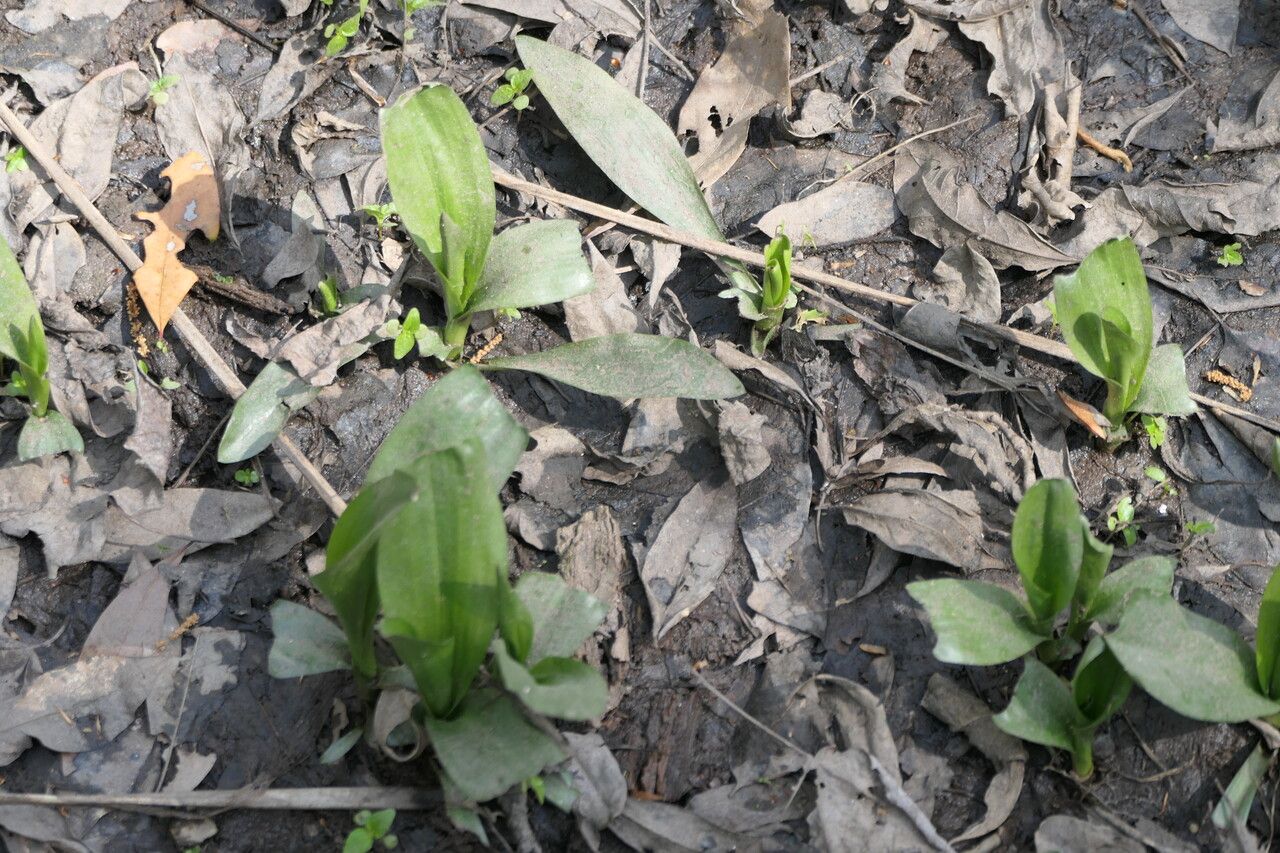
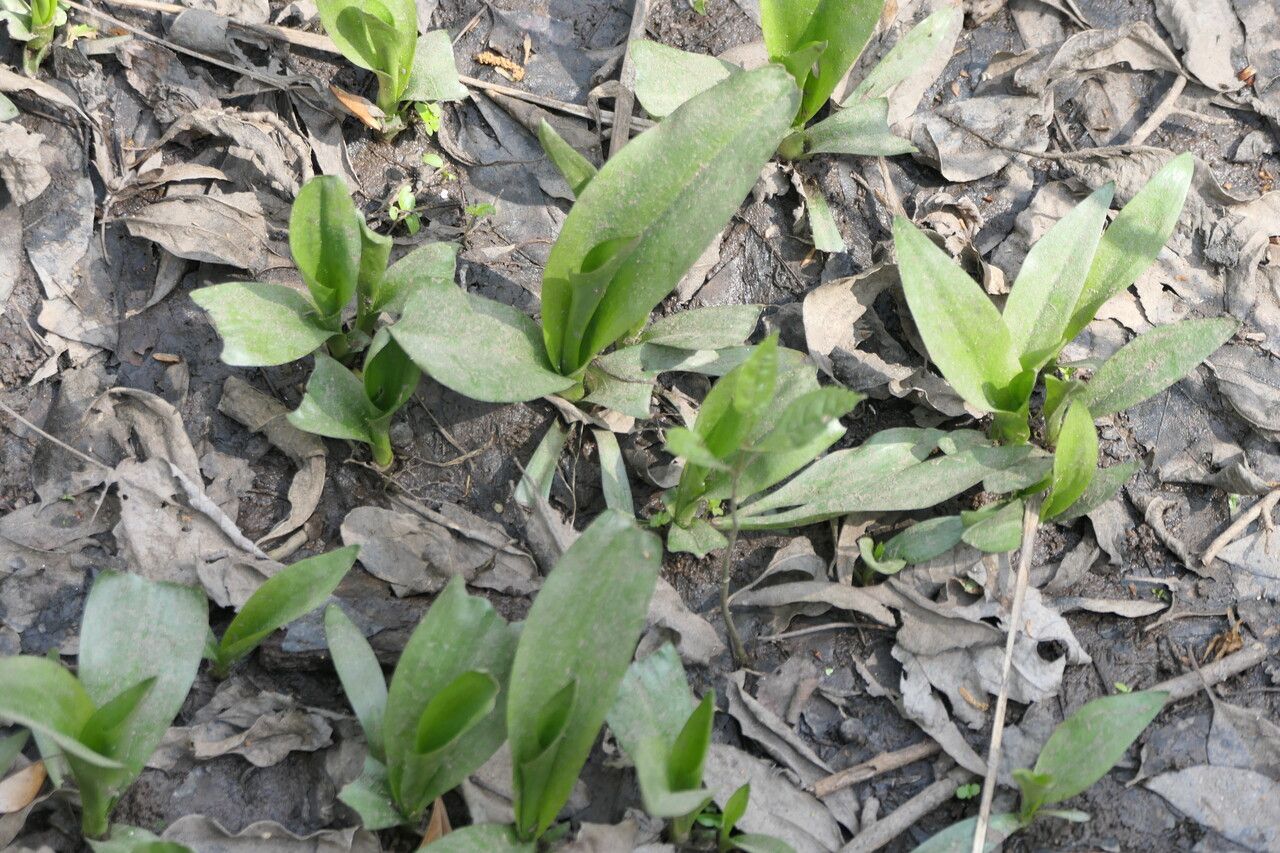
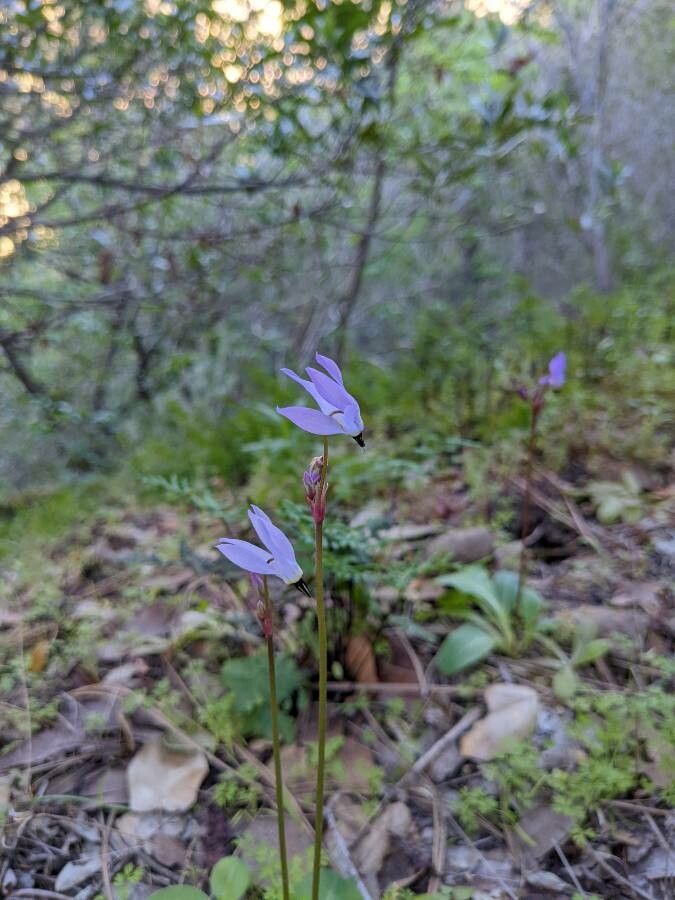
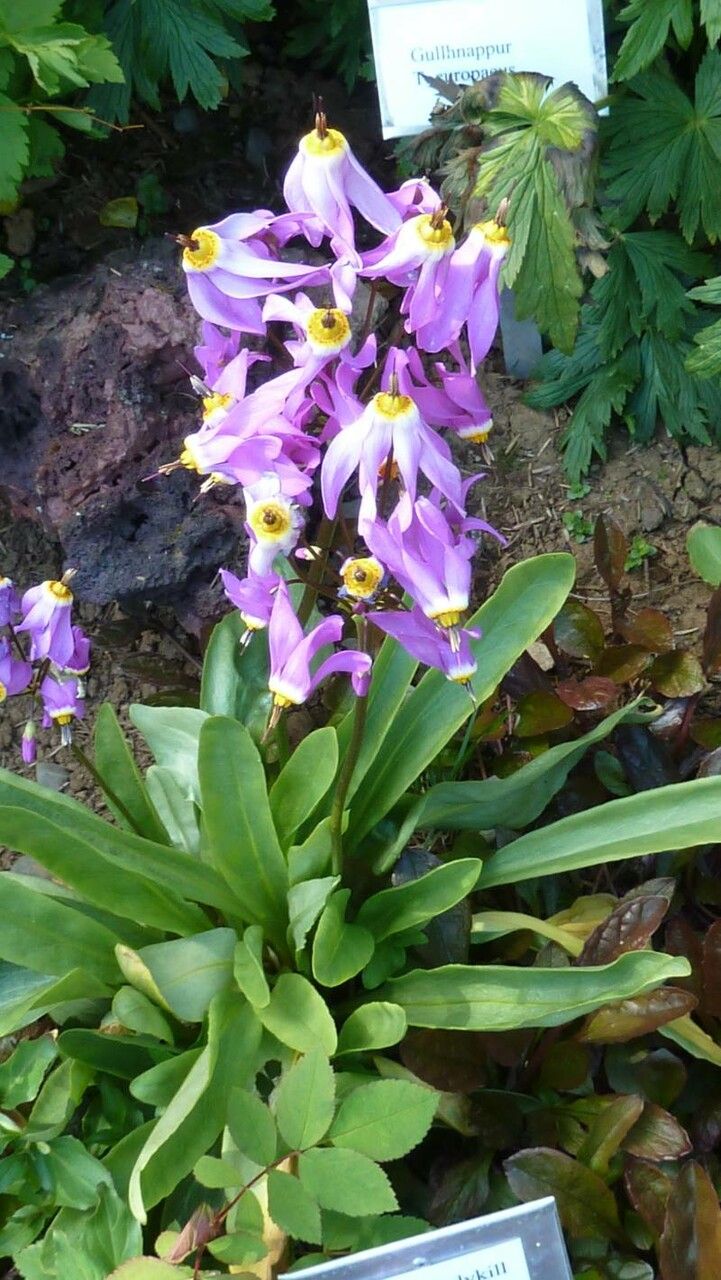
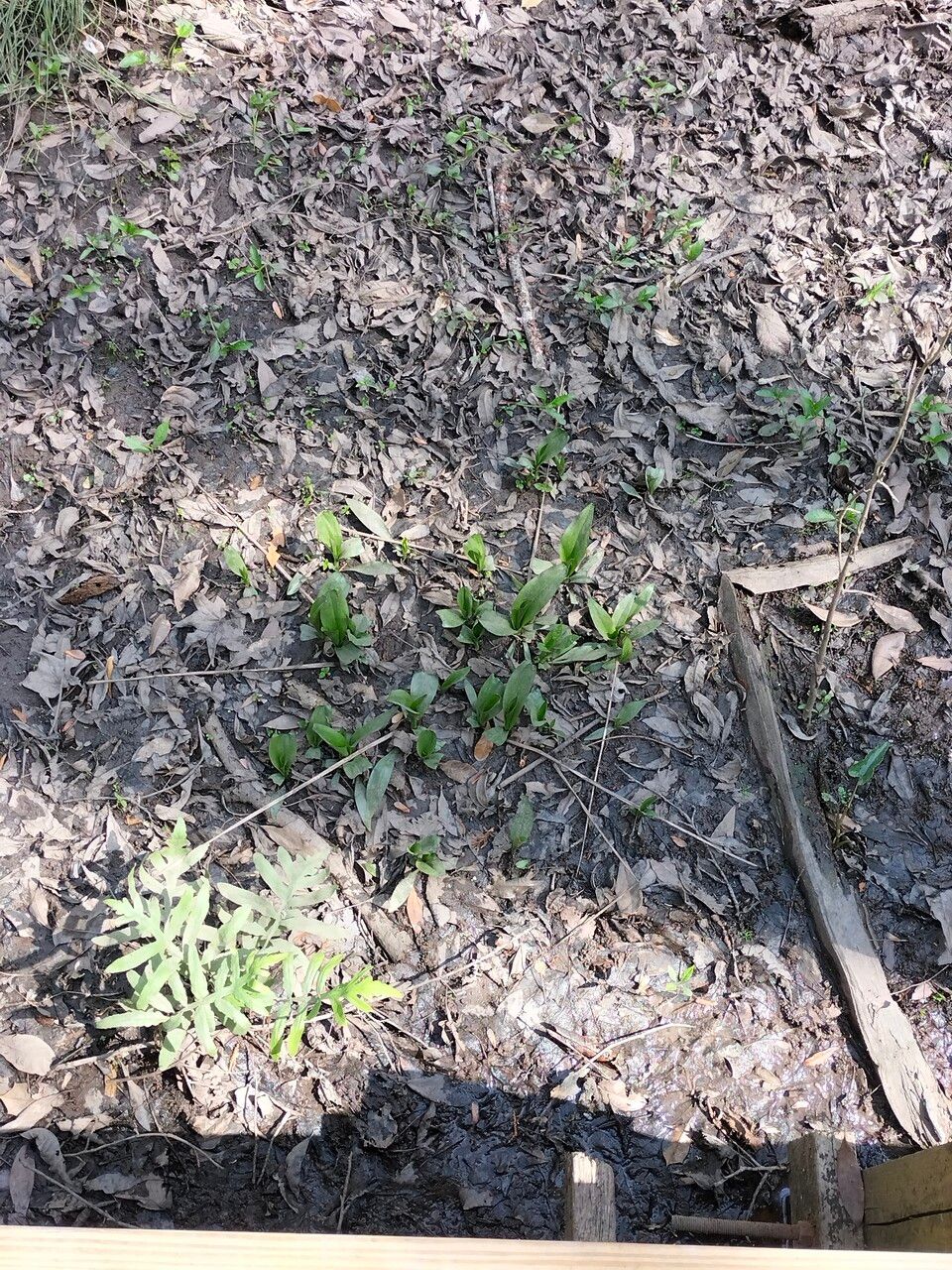
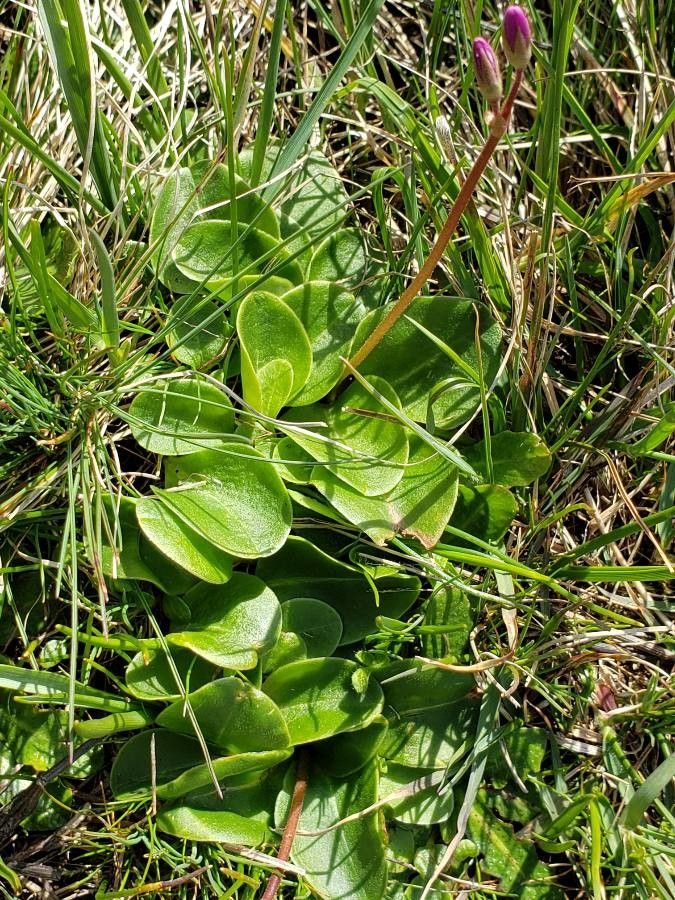
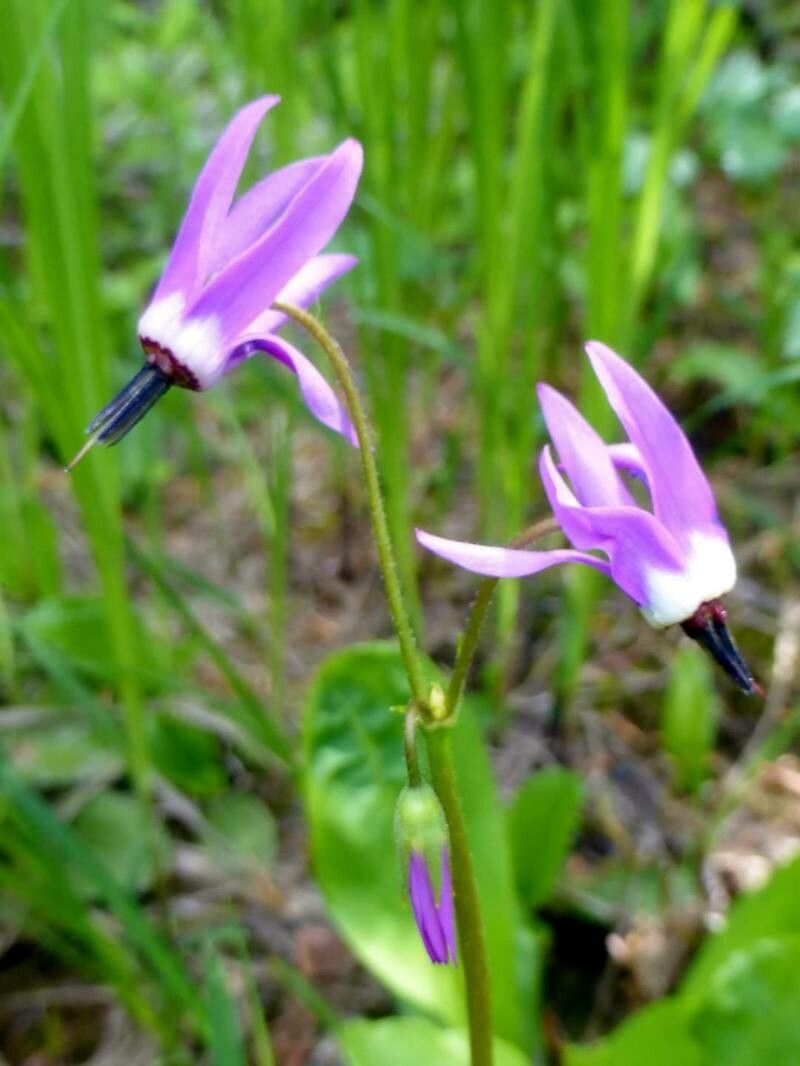
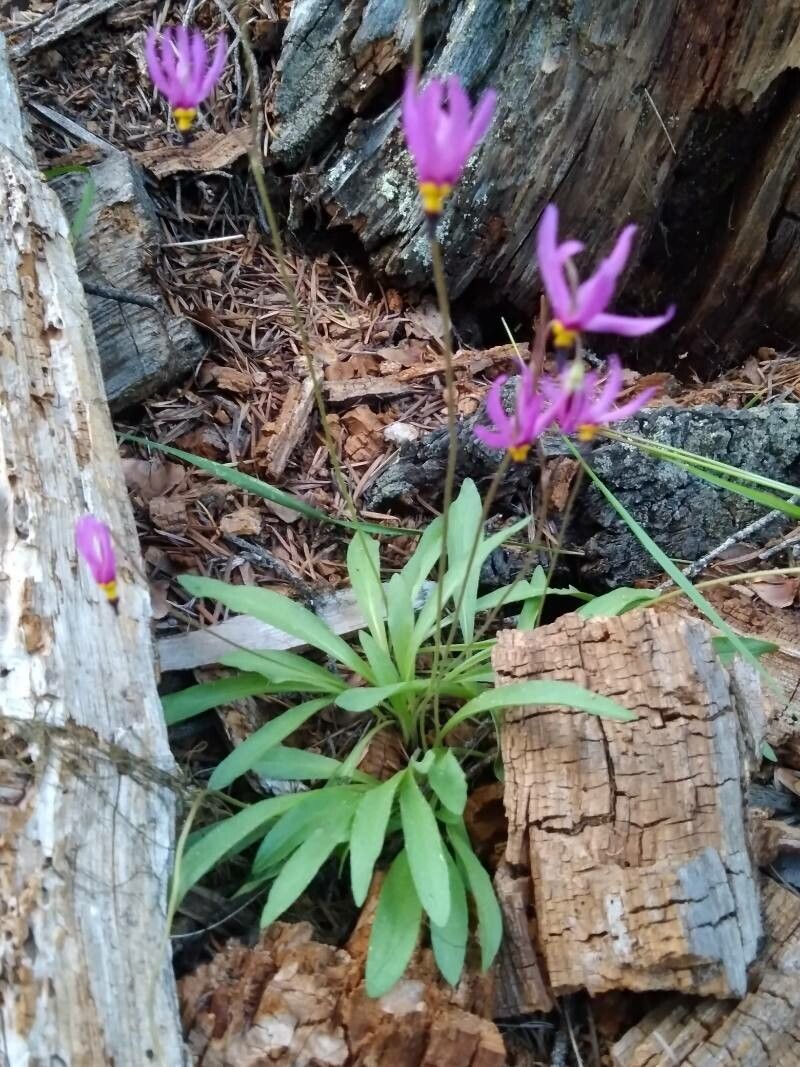
Dodecatheon meadia, commonly known as shooting star or pride of Ohio, is a herbaceous perennial native to North America. Belonging to the Primulaceae family, it is renowned for its striking flowers that resemble shooting stars. The plant typically grows between 1 to 2 feet tall and features basal, lance-shaped, toothed leaves.
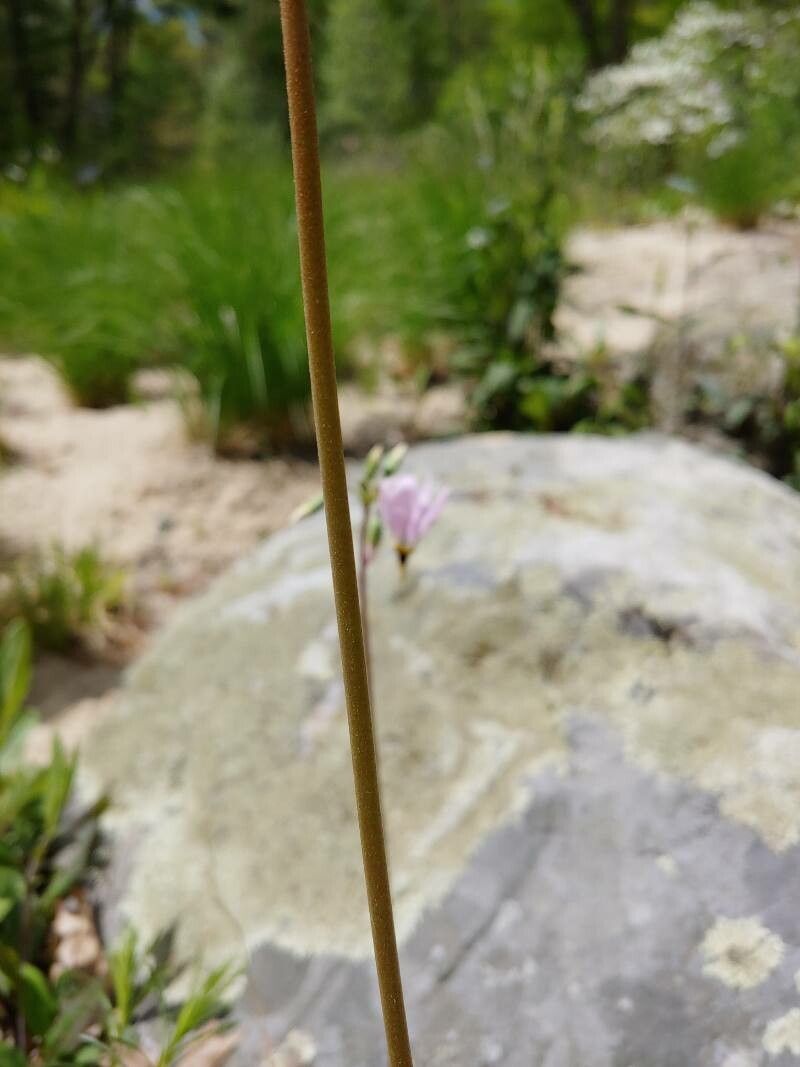
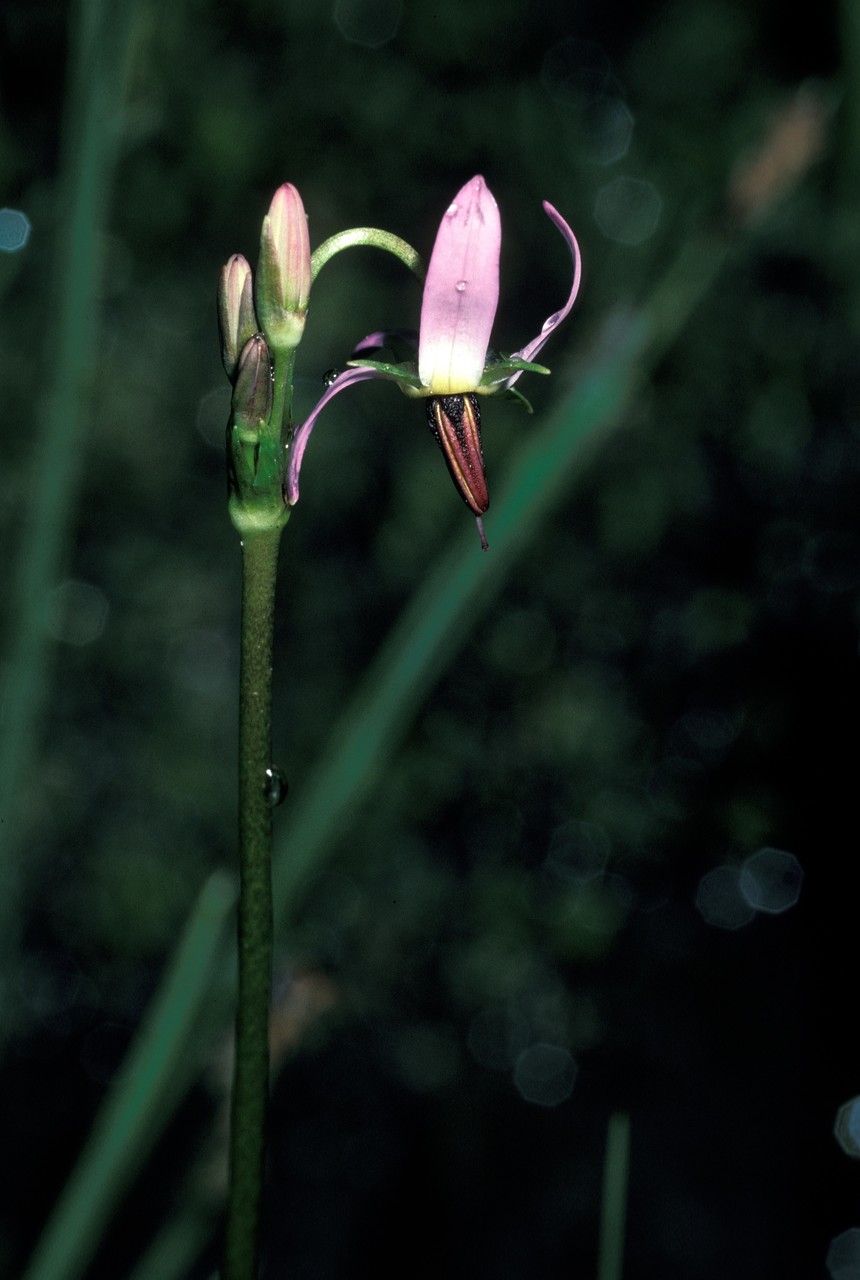
The flowers of Dodecatheon meadia bloom on tall stems above the foliage in late spring or early summer. They are typically pink or lavender with a yellow center, though white-flowered varieties also exist. Each flower has five petals that curve backward, enhancing its shooting star appearance.
Dodecatheon meadia thrives in moist, well-drained soils and partial shade but can also tolerate full sun in cooler climates. It is commonly found in prairies, woodlands, and along stream banks across its native range.
Native American tribes have used the plant for medicinal purposes for centuries to treat various ailments, including headaches, fever, coughs, and sore throats.
Overall, Dodecatheon meadia is an attractive addition to any garden, thanks to its unique appearance that stands out from other plants while also offering medicinal benefits if needed.
Shooting star has strong resistance to disease and typically does not catch illnesses easily. Still, it can be vulnerable to pests and diseases found in its environment. When these occur, they are generally mild. Regarding care, this plant needs a moderate level of attention. Regular pruning is necessary to keep it looking good and to support healthy growth. Applying fertilizer can also encourage more blooms. Shooting star is a good choice for anyone who has outdoor space, like a garden or patio, and does not demand extensive gardening experience. It may call for extra care if kept indoors.
How to keep Dodecatheon Meadia.
Light
Shooting star thrives in moderate sunlight but can also tolerate increased sun exposure. This preference comes from its native habitat, which offers a varied light profile. Excessive or insufficient sunlight can interrupt its growth, causing limp foliage in the former case and stunted flowering in the latter.
Water
The shooting star plant thrives in moist conditions and needs consistent hydration. To mimic its native North American habitat, water the plant weekly, keeping the soil evenly moist. As an herbaceous perennial, it benefits from being grown outdoors, where seasonal rain patterns can enhance its flowering.
Temperature
Shooting star is a plant adapted to tolerate a range of temperate climates, naturally found in areas where temperatures range from 41 to 90°F (5 to 32°C). To replicate its native habitat, keep temperatures within this span and avoid exposing it to harsher summer or winter extremes.
Fertilizer
The best time to fertilize a Shooting star is in early spring, as it comes out of dormancy and starts active growth. Fertilizing supplies essential nutrients for healthy development. Although a Shooting star has fairly low fertilizer requirements, an annual application can improve its survival and encourage better, longer-lasting blooms.
Pruning
To improve the vitality and appearance of your shooting star plants, prune them during early to late spring, right after they finish flowering. Remove the spent stalks and any dead foliage at the base of the plant. This process encourages dense regrowth and better blooming in the next season. Be sure to make precise cuts to avoid damaging the crown of the plant.
Pot & Repot
Repot your shooting star plant every 2 to 3 years in early spring, using a slightly larger pot to allow for root expansion. After repotting, place the plant in indirect light and keep the soil moist but not waterlogged. These conditions will aid in the plant's recovery and encourage it to bloom into its striking shooting star shape, promoting healthy growth.
Toxicity
Shooting star plants contain saponins, toxic chemicals that can induce fatal reactions in both people and pets. Though the leaves and flowers are not as poisonous as the roots, they can stimulate anorexia, diarrhea, convulsions, or paralysis.
Further reading →
The toxicity and danger assessments provided are for reference only. We do not assure their accuracy, so it's crucial not to depend on them. Seek professional advice when necessary for accurate guidance.
Botanical profile.
- Plant Type
- Herb
- Life Cycle
- Perennial
- Genus
- Dodecatheon
- Family
- Primulaceae
- Hardiness Zone
- 4-7
- Mature Height
- 30 cm to 91 cm
- Mature Spread
- 40 cm
- Leaf Color
- Green
- Leaf Type
- Deciduous
- Flower Color
- Pink, Lavender, White
- Flower Size
- 2.54 cm to 5.08 cm
- Bloom Time
- Early spring, Mid spring
- Planting Time
- Spring
- Harvest Time
- Late spring, Early summer
- Native Area
- Midwestern, Northeastern, and Southeastern United States
Other names.
Reader questions.
How should I water my Shooting star plant?
When caring for the Shooting star plant, it is important to use filtered water at room temperature. Tap water may contain harmful particles that can affect the plant's health. The Shooting star prefers warm environments, so it is best to avoid using cold water, which can be a shock to the plant. Additionally, overhead watering should be avoided to prevent issues with the foliage. Instead, gently water the soil with filtered room temperature water until it is fully soaked. This method helps to moisten the roots and supports their growth and nutrient absorption.
Why should I put fertilizer on my Shooting star plant?
Fertilization is important to the Shooting star for various reasons. It helps the plant grow by providing essential nutrients for both its above-ground and below-ground parts. Although the fertilization needs of a Shooting star are generally low, it can still benefit from annual fertilization to ensure its survival and promote the development of longer-lasting flowers. Therefore, if you want your Shooting star to thrive and look its best, regular fertilization is recommended.
What are the sunlight requirements for a Shooting Star plant?
The Shooting Star plant thrives in a range of sunlight conditions. It prefers moderate sunlight but can also handle more intense sun exposure, which is a trait derived from its natural habitat that encompasses various light conditions. Proper sunlight is crucial as both too much and too little can affect the plant negatively. Insufficient light may lead to limp foliage or hindered flowering, while excessive sunlight can cause issues such as leaf scorching or chlorosis. The ideal is to observe your garden's sunlight movement closely and find a location that offers a healthy balance of light and shade to ensure your plant's well-being.
What is the ideal temperature range for growing a Shooting star plant?
The Shooting star plant, scientifically known as Dodecatheon meadia, thrives in a wide range of temperate climates. It naturally grows in regions where the temperature fluctuates between 41 to 90°F (5 to 32°C). To ensure the plant's health and growth, it is important to mimic its native environment by maintaining this temperature range. This helps in avoiding the stress caused by the more severe temperatures of summer and winter. The plant is notably cold-tolerant, thereby not requiring special frost protection measures during winter. However, it is advisable to water the plant generously before the first freeze in autumn to keep the soil moist throughout the winter and early spring, aiding in drought and water scarcity prevention.
What should I do if I give my Shooting star plant too much water or not enough water?
Both overwatering and underwatering can harm the health of your Shooting star plant. However, overwatering is more common and can cause the stems and leaves to wilt and turn yellow. It can also lead to diseases like root rot, mold, and mildew, which can be fatal to your plant. On the other hand, underwatering is less common but can still happen. In this case, the leaves of your Shooting star plant will become brittle and brown. It is important to identify the signs of overwatering early on as some diseases cannot be reversed if left untreated for too long. If you notice these signs, reduce your watering schedule and check the soil's drainage. If the soil doesn't drain well, replace it with a loose, well-draining potting mix. If you notice signs of underwatering, simply water your plant more regularly until the signs disappear.
When should I fertilize my Shooting star plant?
The best time to fertilize a Shooting star plant is in late winter to early spring. This is when the plant is transitioning from a dormant phase to a period of active growth. Fertilizing at this time promotes healthy growth and helps the plant start the season off well. While it is generally best to fertilize in early spring, fall is also an option. However, it is not recommended to fertilize the plant in summer or winter.
How does artificial lighting support indoor Shooting Star plants?
Artificial lighting plays a vital role in the growth of indoor Shooting Star plants, especially in conditions where natural sunlight is scarce such as in winter or less sunny indoor areas. Adequate lighting promotes healthier and faster growth. LED lights are often recommended because they can be tailored to provide specific wavelengths needed by plants. For full sun plants, 30-50W/sq ft of artificial light is needed, partial sun plants require 20-30W/sq ft, and full shade plants need 10-20W/sq ft. The light should be placed 12-36 inches above the plant and kept on for 8-12 hours daily to mimic natural daylight conditions.
How should I care for my Shooting star plant in extremely low temperatures?
The Shooting star plant is extremely cold-tolerant, capable of withstanding winter temperatures down to -30°C. Despite this resilience, it's important to maintain temperatures above this threshold to prevent adverse effects. If the temperature falls below -30°C, the plant might not show noticeable changes during winter, but you may encounter decreased sprouting or a complete lack of sprouting in spring. To manage this, in spring, it's recommended to remove any parts of the plant that have failed to sprout, encouraging the growth of new, healthy parts.
How much should I water my Shooting star plant?
If your Shooting star plant is in a pot, the easiest way to know when to water it is by checking the soil with your finger. If the top two to three inches of soil are dry, then it's time to water. If you have your Shooting star plant growing outdoors in the ground, you can also use this method to check the soil. When the top few inches of soil have dried out, it's time to water. Typically, during the spring and early fall, watering once a week is sufficient. However, in extremely hot weather, you may need to water twice or more per week. It's worth mentioning that mature and well-established Shooting star plants have a remarkable ability to withstand drought.
When is it not a good idea to put fertilizer on my Shooting star?
To ensure proper fertilization for your Shooting star plant, it is recommended to only feed it during late winter and early spring. This plant has low fertilization needs, so a single feeding per year is sufficient. Overfertilizing during the spring, summer, and fall can lead to complications, unless you missed fertilizing in the spring, in which case fall feeding is acceptable. It is important to note that fertilizing during the winter is not necessary since the plant will be in a dormant growth phase, characterized by no new growth.
What are the symptoms of inadequate lighting for indoor Shooting Star plants?
When a Shooting Star plant experiences insufficient light, several symptoms may surface. New leaves might grow smaller than those of a mature plant, and the plant could exhibit leggy or sparse growth, creating a stretched and weak appearance. There might be faster leaf drop as the plant tries to conserve resources, leading to a halt in growth or the cessation of new growth entirely. Light deficiency may also result in lighter-colored or irregularly patterned new leaves, a clear sign of the plant struggling with chlorophyll production and nutrient absorption.
How does high temperature affect the Shooting star plant, and what are the solutions?
High temperatures are challenging for the Shooting star plant, as it does not tolerate heat well. When temperatures rise above 32°C, the plant's growth ceases, and it becomes vulnerable to rot. To protect your plant under such conditions, you should trim away any sunburned or dried-up parts of the plant. Additionally, relocating the plant to a shaded area or using a shade cloth to shield it from the midday and afternoon sun can be beneficial. Ensuring the soil remains moist by watering in the mornings and evenings will also help combat the stress caused by high temperatures.