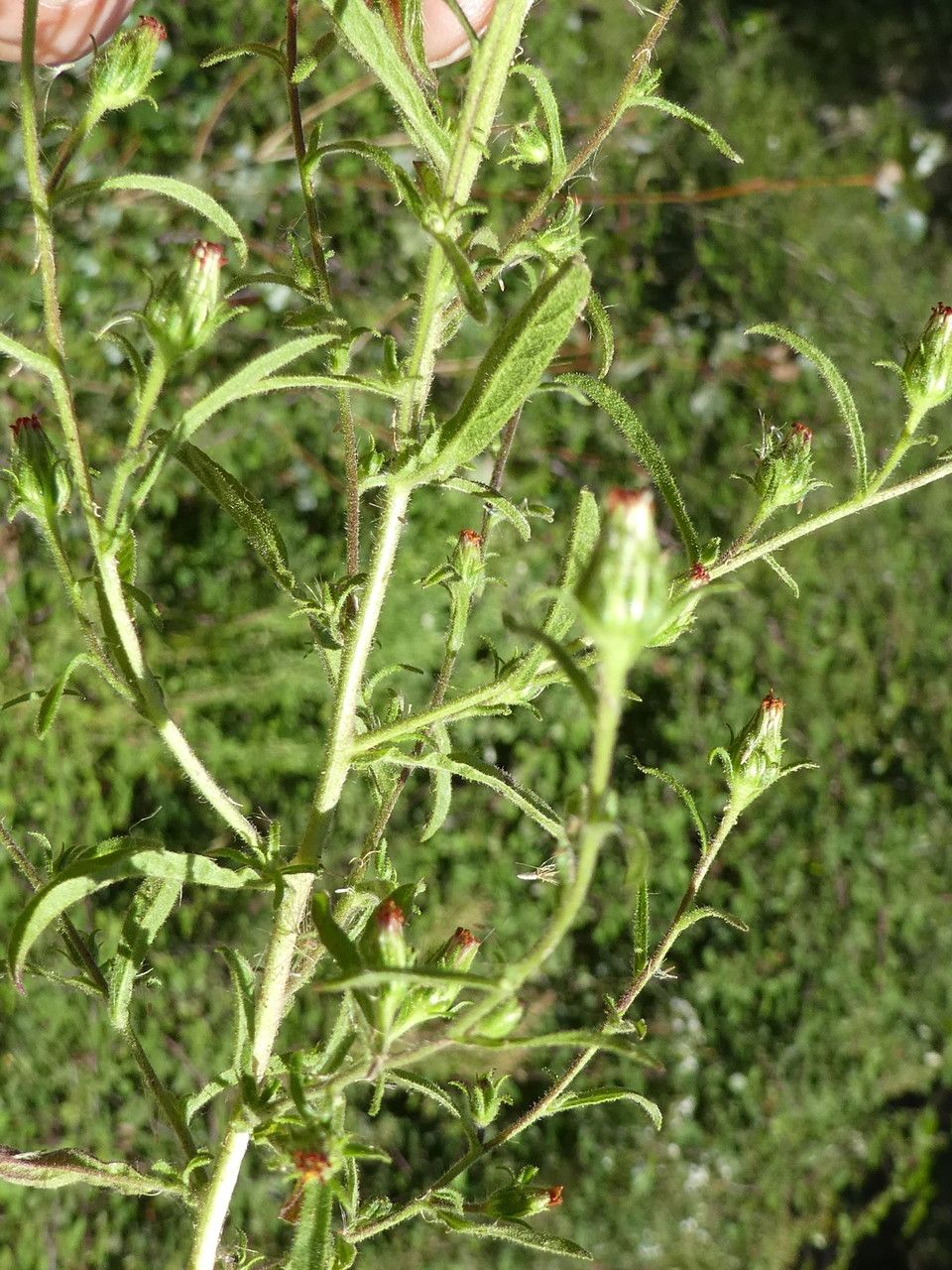
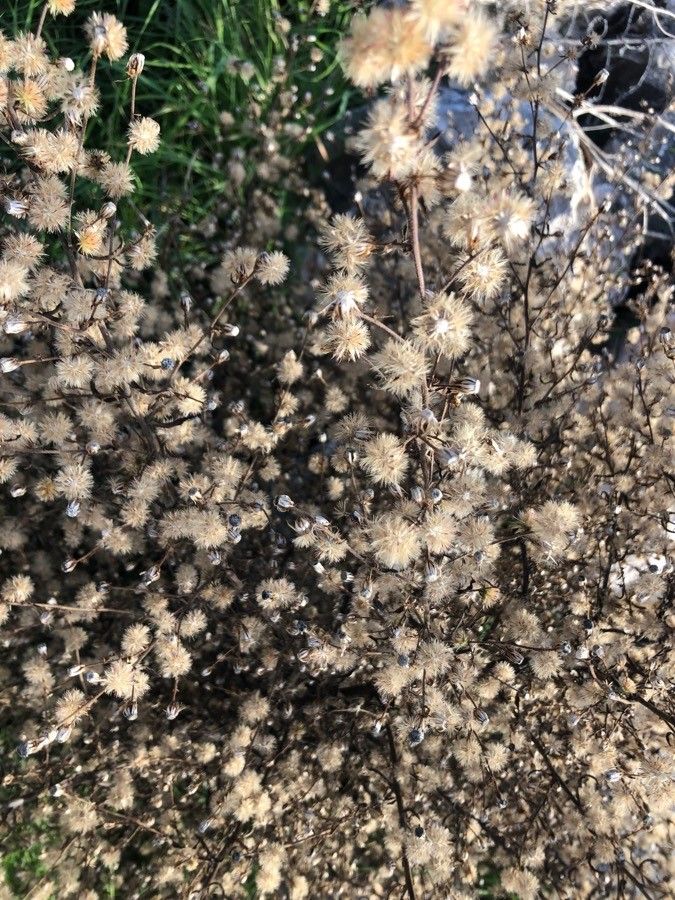
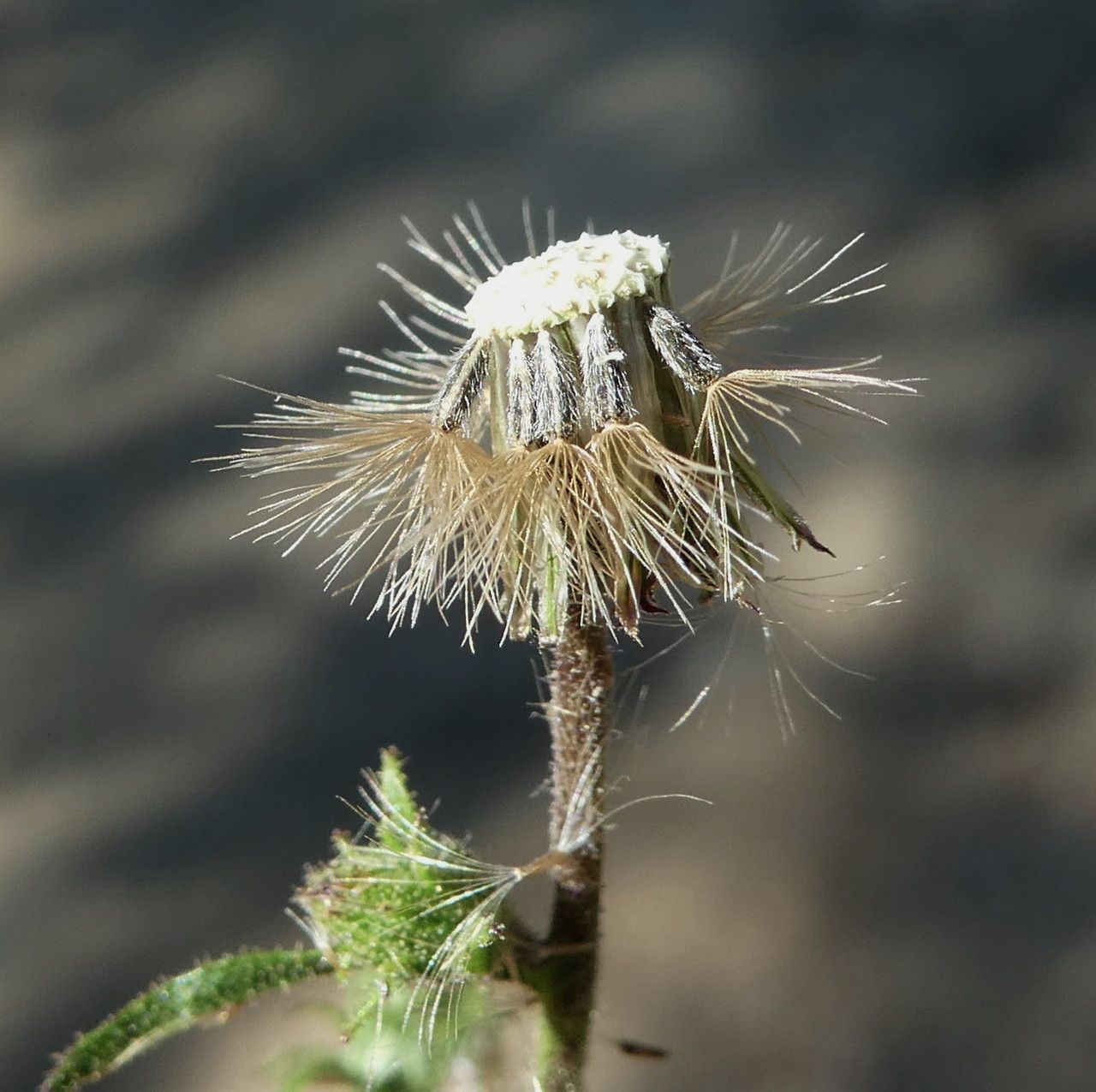
Dittrichia graveolens, commonly known as stinkwort, is a herbaceous annual plant belonging to the Asteraceae family. Native to the Mediterranean region, it has spread to other parts of the world, including North America and Australia. The plant can grow up to 1 meter in height and emits a strong odor reminiscent of camphor or turpentine.
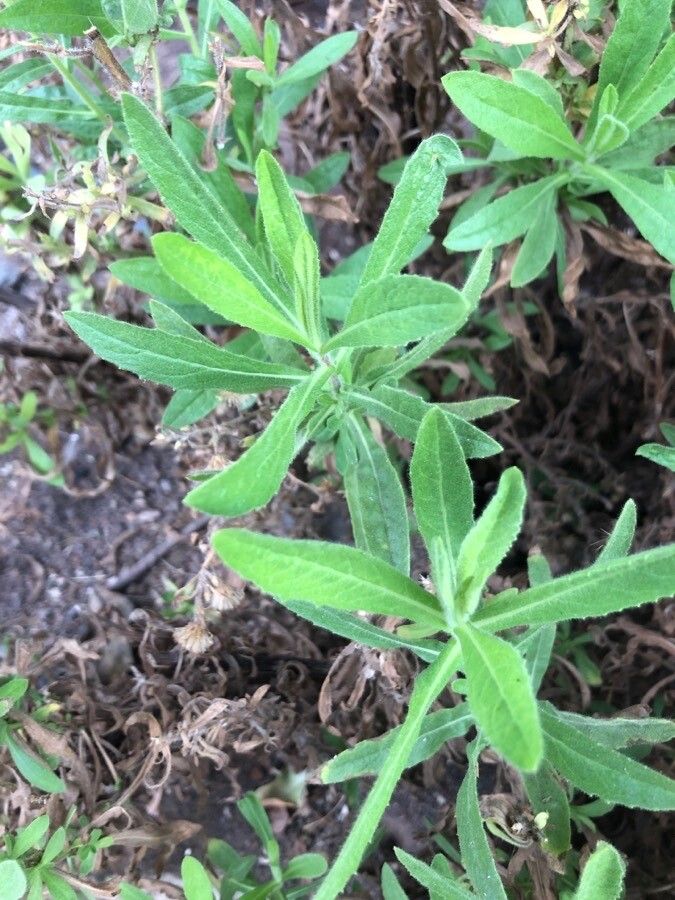
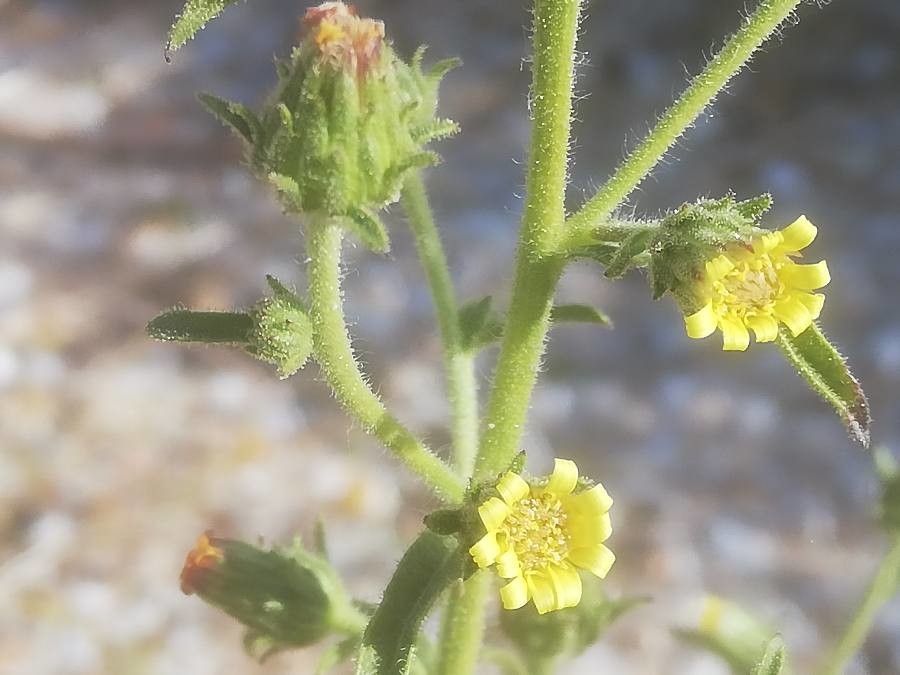
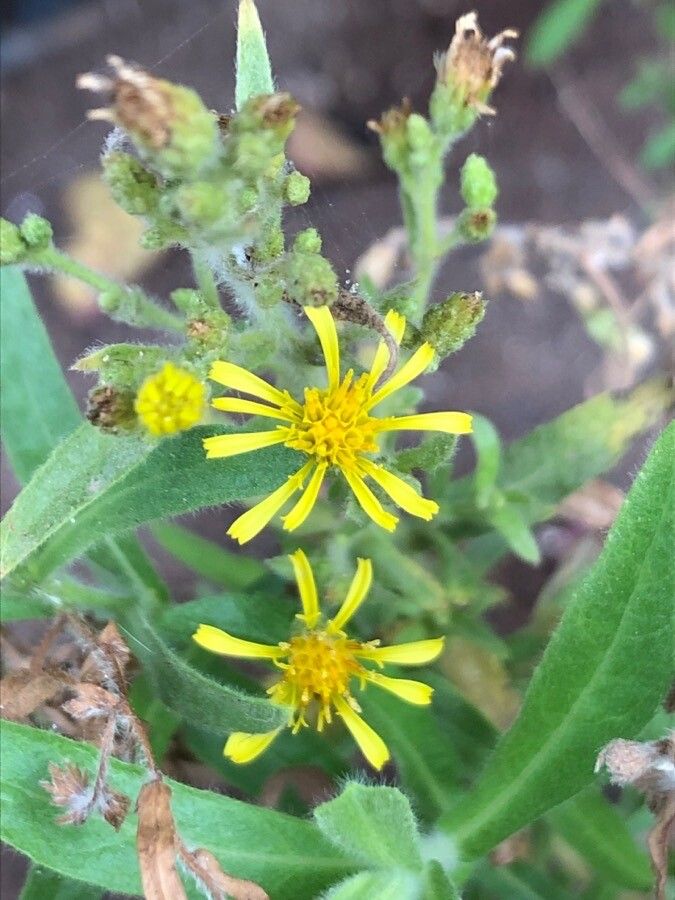
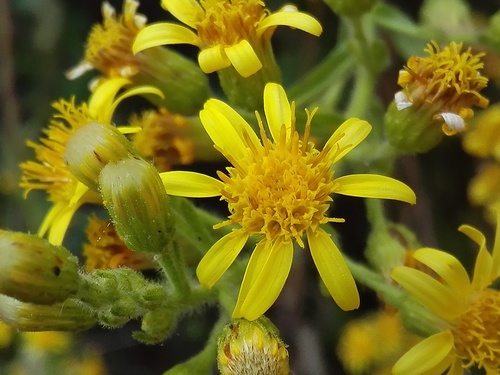
The leaves of stinkwort are narrow, lance-shaped, and have serrated edges. Its small yellow flowers, which have five petals arranged in a daisy-like pattern, bloom from August through October.
Stinkwort is considered an invasive species in many areas due to its ability to spread rapidly through seeds dispersed by wind or animals. It can also outcompete native plants for resources such as water and nutrients.
Despite its invasive nature, stinkwort has been used for medicinal purposes for centuries by various cultures around the world. It contains compounds such as sesquiterpene lactones, which have anti-inflammatory properties and may be effective against certain types of cancer cells.
Overall, Dittrichia graveolens is an interesting plant with both negative impacts on ecosystems and potential benefits for human health when used responsibly under medical supervision.
Stinkwort is generally resistant to disease and typically not prone to illness. That said, it can be vulnerable to pests and diseases present in its surroundings; these problems are generally mild. Regarding care, the plant requires moderate maintenance. It should be pruned regularly to maintain a good appearance and support healthy growth. Applying fertilizer can also aid flowering. Stinkwort is appropriate for anyone with outdoor space, such as a garden or patio, and does not demand extensive care experience. It may need more attention when cultivated indoors.
How to keep Dittrichia Graveolens.
Light
Stinkwort does best with plenty of sunlight but can tolerate partial shade. Its native environments with abundant sunshine supported its growth. Throughout all growth stages, ample light is important for optimal health. However, too little or too much sunlight can impair its normal growth and development.
Water
Stinkwort is well-suited for dry conditions, demonstrating impressive drought tolerance. To maintain its optimal health, it needs to be watered once a week. As an evergreen herb, it efficiently retains water throughout the year, making it an ideal choice for arid climates.
Temperature
Stinkwort is native to temperature environments and thrives at temperatures between 68 and 100 °F (20 and 38 ℃). In colder seasons, keeping indoor temperatures near this preferred range is recommended for optimal growth.
Fertilizer
Stinkwort benefits from regular, light applications of fertilizer to encourage healthy foliage. Fertilize Stinkwort about once a month during the summer months. Nitrogen is essential for the leaves, and providing nitrogen-rich sources helps Stinkwort thrive.
Botanical profile.
- Plant Type
- Herb
- Life Cycle
- Annual
- Genus
- Dittrichia
- Family
- Asteraceae
- Hardiness Zone
- 6-11
- Mature Height
- 1.22 m
- Mature Spread
- 30 cm to 49 cm
- Leaf Color
- Green
- Leaf Type
- Deciduous
- Flower Color
- Yellow
- Flower Size
- 1.02 cm
- Bloom Time
- Late summer, Early fall, Mid fall
- Planting Time
- Spring
- Harvest Time
- Fall
- Native Area
- Libya, Turkey, Austria, India, Montenegro, Pakistan, Croatia, Morocco, Slovenia, Iraq, Netherlands, France, Portugal, Tunisia, Cyprus, Bulgaria, Greece, Serbia, Lebanon, Afghanistan, Syria, Italy, Spain, Iran, Albania, United Kingdom, Algeria
Other names.
Reader questions.
How should I water my Stinkwort plant?
To water Stinkwort, there are several options you can choose from. You can use a garden hose with a spray nozzle, a watering can, or any other common watering tool. Stinkwort is not too picky about its water source and can survive with rainwater, tap water, or filtered water. However, it's generally best to avoid watering this plant from above as it can harm the leaves and flowers and potentially cause disease. Instead, setting up a drip irrigation system is often the most effective way to water Stinkwort. These systems distribute water evenly and directly to the soil. If you have a Stinkwort in a container, you can follow a similar approach but adjust the tools you use. In this case, use a cup, watering can, or tap to apply water directly to the soil.
Why should I put fertilizer on my Stinkwort plant?
Some plants require additional nutrients to grow, while others can obtain all the nutrients they need without using fertilizers. Stinkwort, like other plants, relies on nutrients to help with growth and internal processes. Different nutrients (such as nitrogen, phosphorus, and potassium) have specific roles in supporting essential plant functions. For the growth of foliage, nitrogen is the most important nutrient. Stinkwort, however, may struggle to obtain sufficient nitrogen from the soil alone. That's why many gardeners choose to provide supplemental nitrogen for Stinkwort by feeding it with other sources.
What are the sunlight requirements for Stinkwort?
Stinkwort (Dittrichia graveolens) thrives in full sunlight, requiring more than 6 hours of sunlight for optimal growth, but it can also adapt to partial sun conditions of about 3-6 hours of sunlight. The plant's origin in habitats with abundant solar exposure has nurtured its development, making substantial light crucial at all growth stages. However, it's essential to watch how sunlight moves through your garden, choosing spots that provide a balance of light and shade to ensure the plants' health. Both too little and too much solar exposure could adversely affect its growth and development.
What are the optimal growth temperatures for Stinkwort?
Stinkwort, scientifically known as Dittrichia graveolens, is best suited to temperate environments, flourishing in temperatures ranging from 68 to 100°F (20 to 38°C). To ensure its optimal growth, it is advised to maintain indoor temperatures within this range during colder seasons. Stinkwort exhibits significant cold resistance, meaning special frost protection measures are generally not required in winter. Nonetheless, if temperatures are anticipated to fall below its lower temperature tolerance limit, it's crucial to provide protection by covering the plant with insulating materials like soil or straw. Additionally, watering the plant abundantly before the first freeze of autumn to keep the soil moist is recommended. This step helps prevent water scarcity for the plant during winter and early spring.
What should I do if I give my Stinkwort too much or too little water?
To avoid underwatering Stinkwort, simply start watering it more regularly when you see that it lacks moisture. Overwatering, on the other hand, can be a more serious issue. It can cause diseases that lead to the decline and death of the plant. To prevent this, choose a growing spot with good sunlight and proper drainage. If you have overwatered a potted Stinkwort, you may need to switch it to a new pot with better drainage and loose soils.
When should I fertilize my Stinkwort plant?
Stinkwort grows well and can benefit from monthly fertilization during its active growth period in spring and summer. However, it is not necessary to fertilize during fall and winter when the plant is less active. Look for signs of new growth to determine when to start fertilizing. The fertilization schedule is the same whether the plant is grown outdoors or indoors in a container. If your Stinkwort is in a container, you may not need to fertilize for the first one to two months since the potting soil already contains enough nutrients. Start fertilizing after your plant has been in the same soil for a while.
How can artificial lighting be used for Stinkwort grown indoors?
For Stinkwort grown indoors where natural sunlight is insufficient, especially in winter or less sunny spaces, artificial lighting serves as a vital solution. Using the right type of artificial light, such as customizable LED lights to provide specific wavelengths, is crucial. Full sun plants need 30-50W/sq ft, partial sun plants need 20-30W/sq ft, and full shade plants 10-20W/sq ft of artificial light. The light source should be placed 12-36 inches above the plant, mimicking natural sunlight, with a duration of 8-12 hours per day to promote faster, healthier growth.
How does Stinkwort respond to low temperatures?
Stinkwort demonstrates a remarkable tolerance to cold, thriving best at temperatures above its minimum suitable growth temperature. During winter, it's essential to keep the temperature above its minimum tolerable growth temperature to ensure health and vitality. If temperatures drop below its growth limit, the plant may not show immediate distress, but there may be a reduction in sprouting or a complete lack of sprouting come spring. In such cases, the suggested remedy is to remove any parts of the plant that have failed to sprout in the spring.
How frequently should I water my Stinkwort plant?
Stinkwort requires regular watering throughout the growing season. In spring, water once a week, but as the weather gets warmer, increase it to two or three times a week. However, be careful not to over-water. Keep the soil moist but not wet. When watering Stinkwort in a pot, increase the frequency since pot soil dries faster. Generally, water a container-grown Stinkwort a few times per week, whereas an in-ground plant needs watering just once per week.
When is it a bad idea to fertilize my Stinkwort?
To ensure optimal results, it is important to follow these guidelines when fertilizing your Stinkwort plant: only fertilize it if it is in good health, without any diseases or insect pests. Additionally, avoid fertilizing a dehydrated plant as this may exacerbate the problem. It is recommended to only fertilize healthy plants. When watering, be cautious not to splash fertilizer onto the leaves or stem, as this can cause burned spots. It is best to avoid direct contact between fertilizer and the plant, unless you are using a specific foliage fertilizer designed for that purpose.
What are the symptoms of inadequate lighting for Stinkwort?
When Stinkwort is grown indoors with insufficient light, it may display symptoms such as smaller new leaves compared to mature ones, leggy or sparse growth, faster leaf drop, slower or halted growth, and lighter-colored or yellowing new leaves indicating chlorosis from excessive sunlight. Additional signs include sunscald, where intense sunlight damages the plant's tissues, leaf curling as a defense against sunlight, wilting from water loss through transpiration under overexposure, and leaf scorching characterized by brown, dry patches due to excessive light.
What should be done if Stinkwort is exposed to high temperatures?
During the summer months, it is vital to ensure that Stinkwort's environment does not exceed its maximum suitable growth temperature. Exposure to temperatures beyond its maximum tolerable growth threshold can lead to the plant's leaves becoming lighter, prone to curling, more susceptible to sunburn, and, in extreme cases, causing the entire plant to wilt and dry out. To mitigate these risks, affected parts should be trimmed away. The plant should be relocated to a spot that is shaded during peak sun hours, or a shade cloth can be utilized to provide necessary shade. Watering the plant during the morning and evening hours can help maintain soil moisture and protect the plant from heat stress.