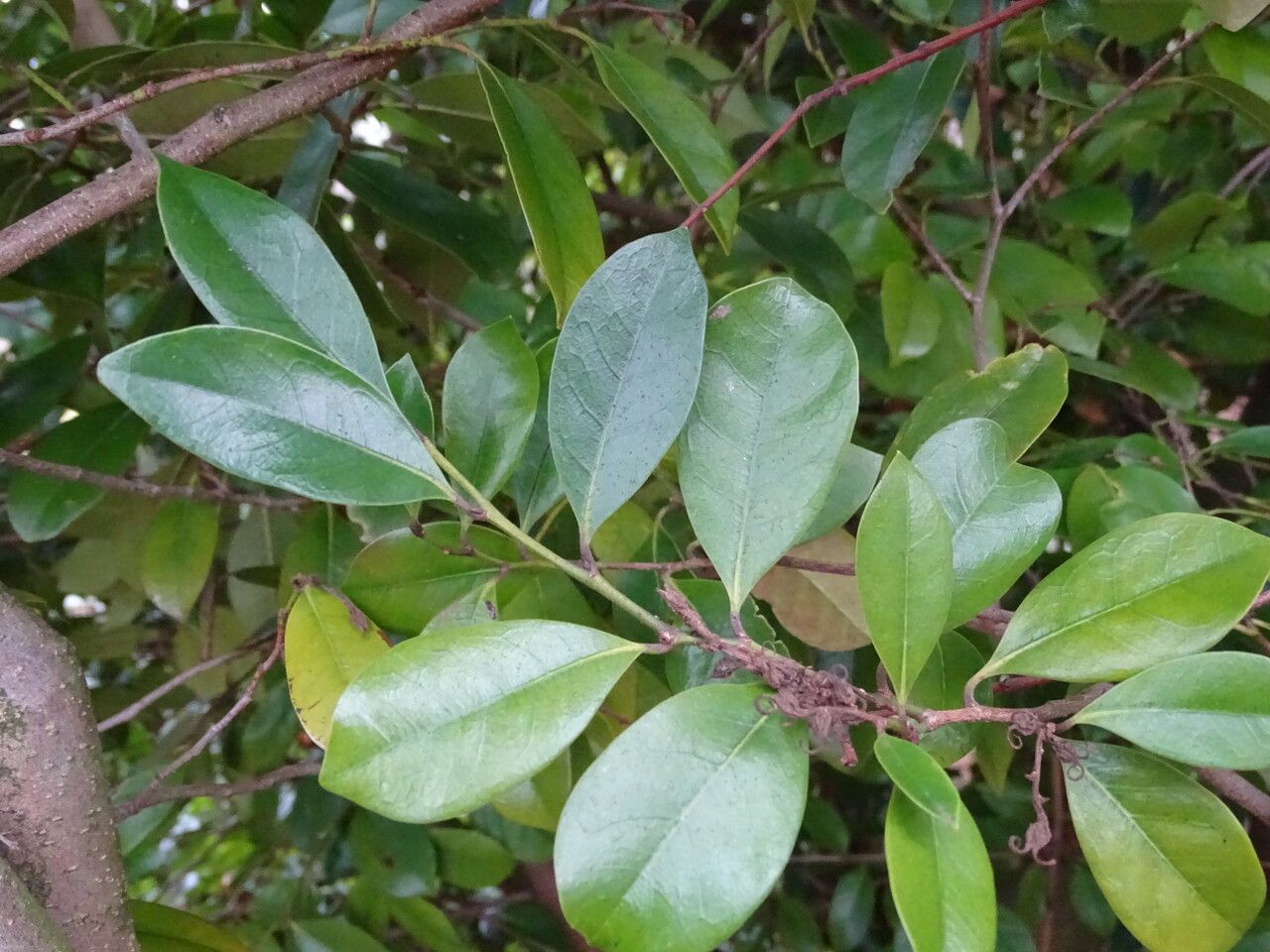
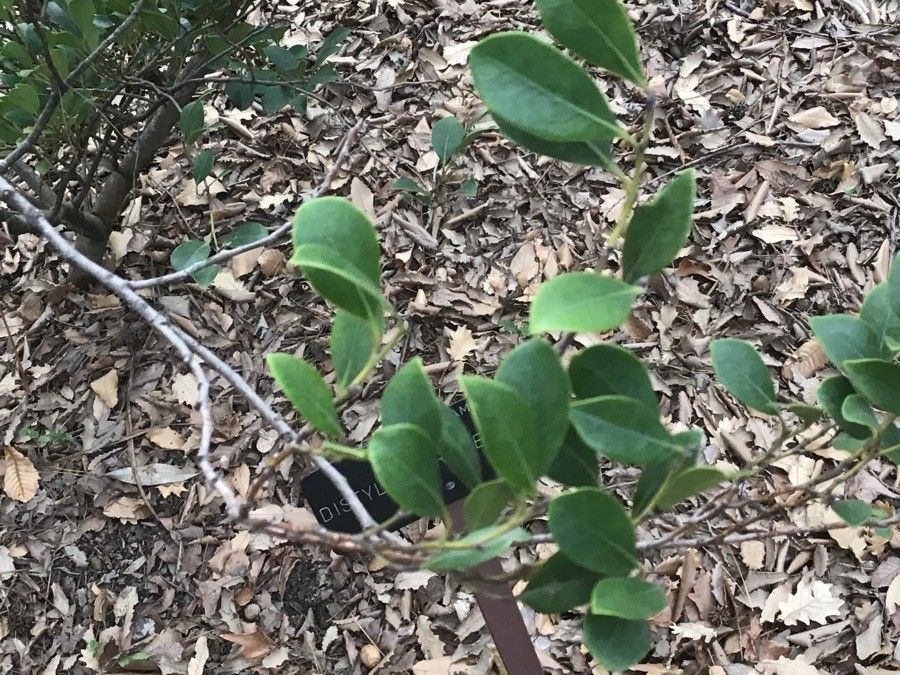
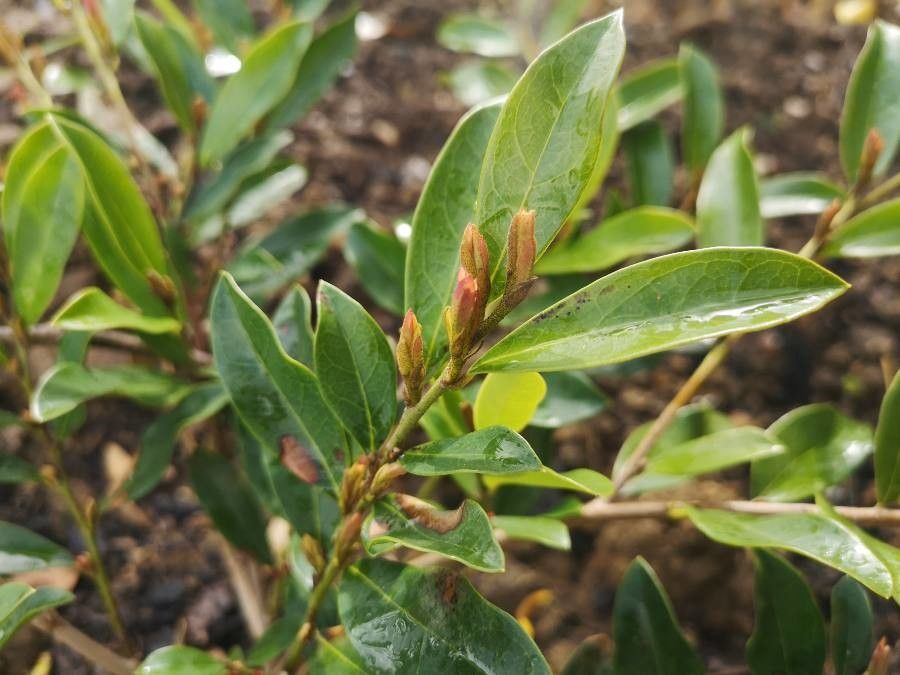
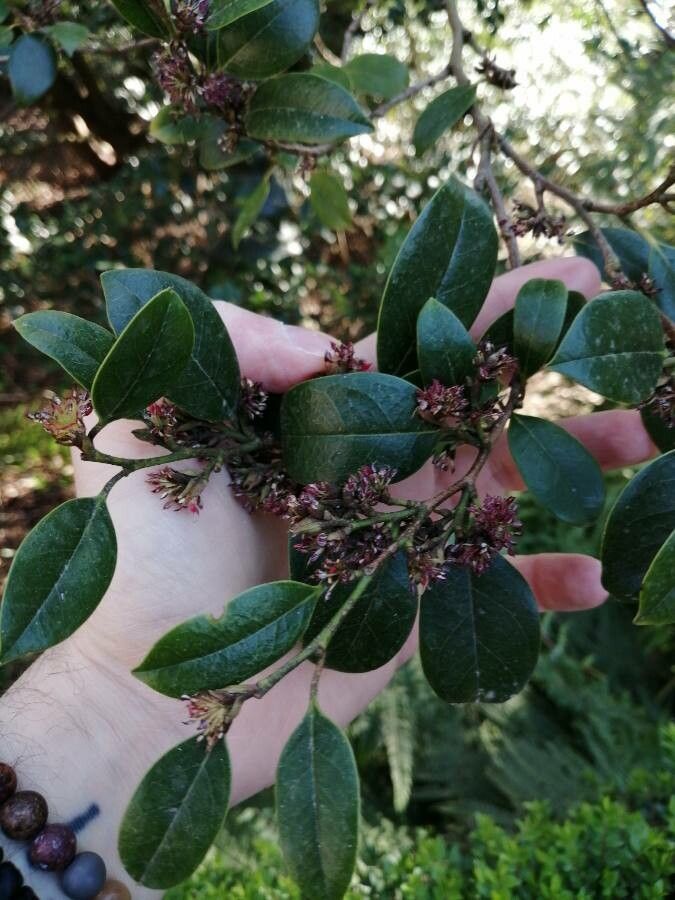
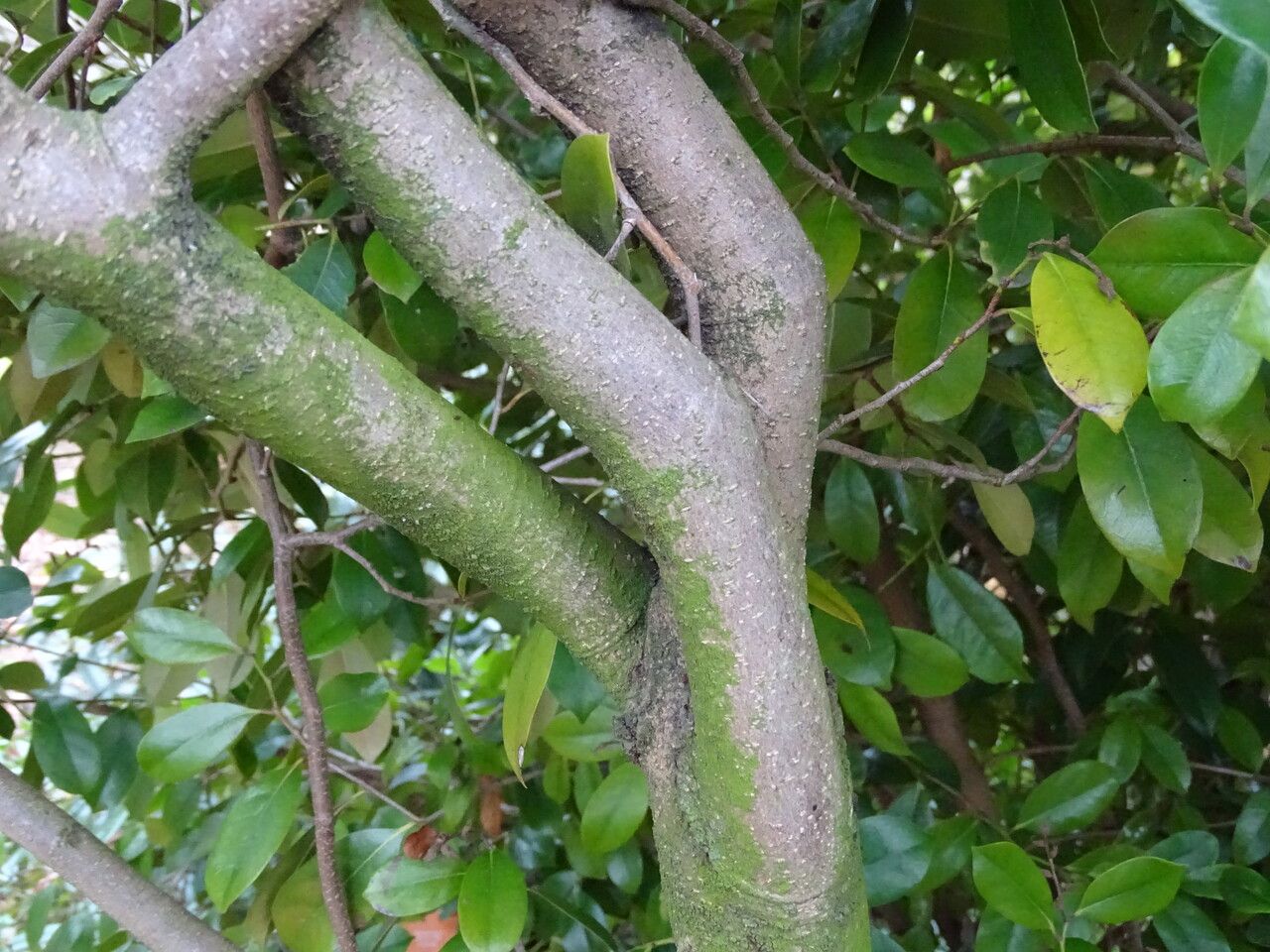
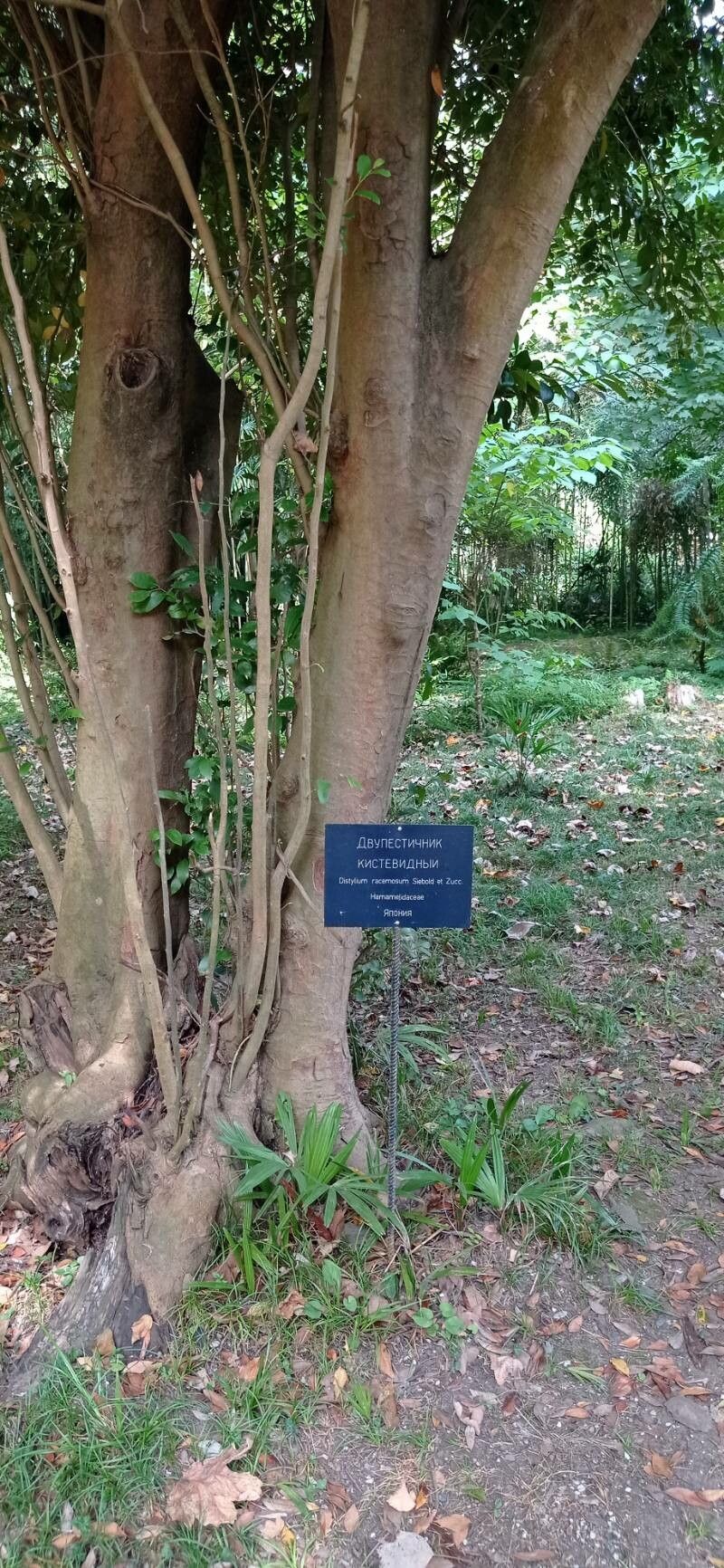
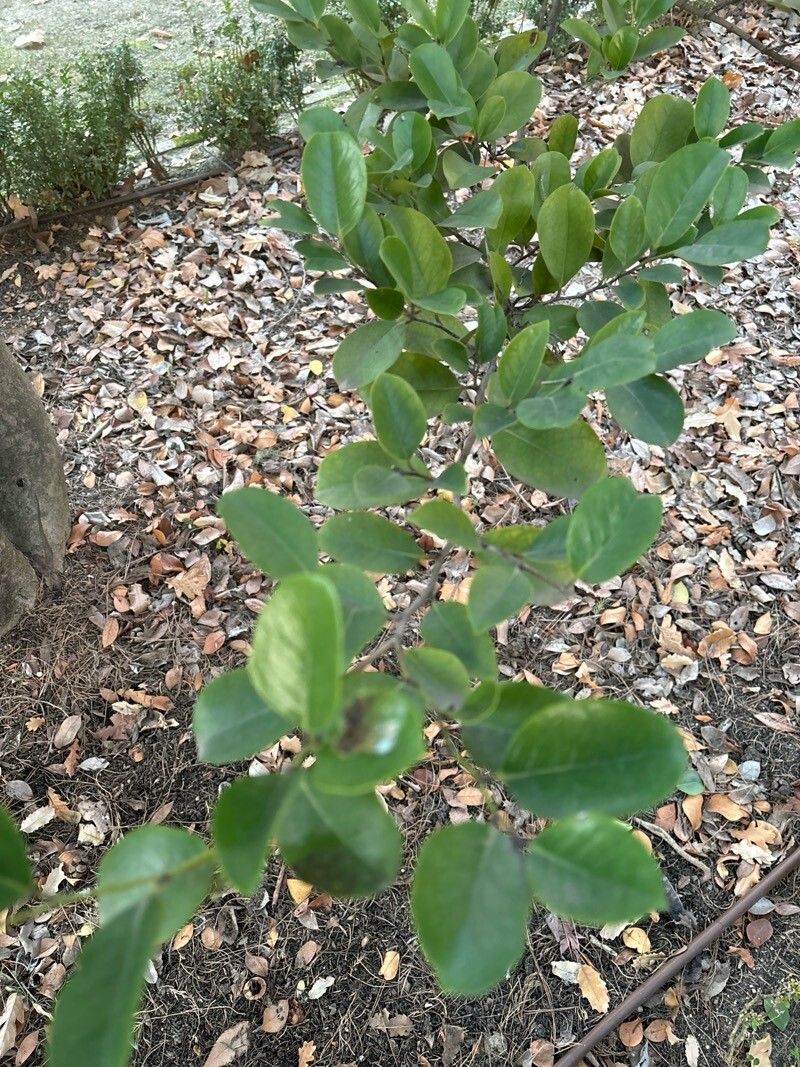
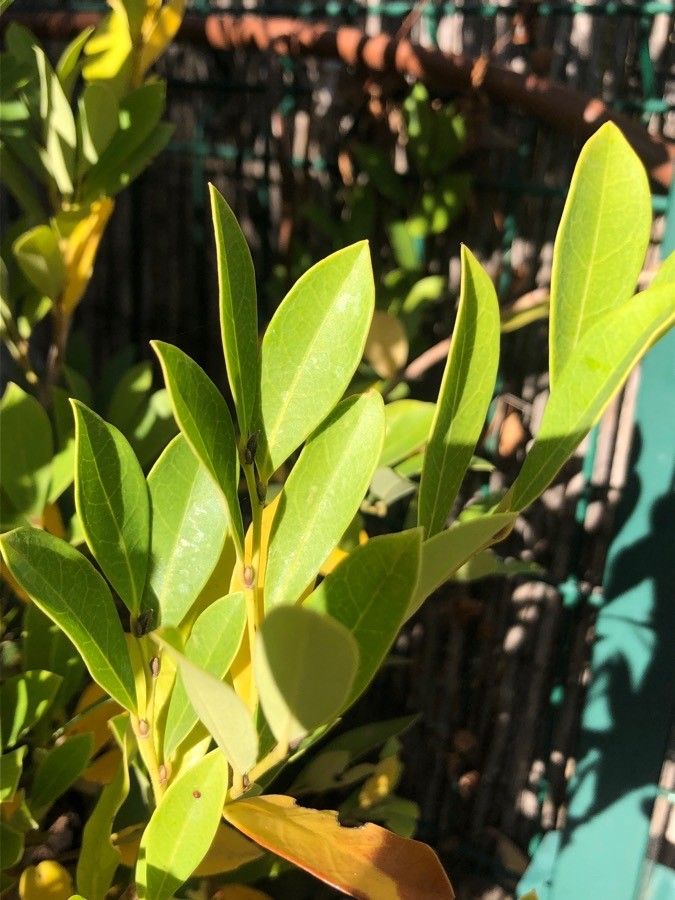
Distylium racemosum, the isu tree, is a species of flowering plant in the family Hamamelidaceae. It is native to subtropical eastern Asia; central and southern Japan, the Ryukyu Islands, South Korea, southeastern China, Taiwan, Hainan, and northern Vietnam. There are a number of cultivars, including 'Guppy' and the variegated 'Akebono'.
The Isu tree is resistant to disease and is typically not susceptible to illnesses. Regarding care, this plant is fairly low-maintenance. When grown outdoors it needs little watering, and larger specimens usually do not require pruning. Smaller specimens, however, should be pruned after they finish blooming. The Isu tree is suitable for anyone who has outdoor space, like a garden or a deck, and does not demand extensive care experience.
How to keep Distylium Racemosum.
Light
The isu tree grows best with a moderate amount of sunlight, although it can tolerate brighter light. Native to areas that offer a balance of sun and shade, these trees are adapted to a variety of lighting conditions. Excessive or insufficient sun exposure can influence their growth and overall health.
Water
The isu tree thrives in an environment with balanced moisture and can tolerate moderate drought. It prefers consistent humidity and benefits from being watered every two weeks. Although it is primarily cultivated outdoors, the isu tree adapts well to various climates, making it a resilient choice for water-efficient landscapes.
Temperature
The Isu tree is native to regions with temperate temperatures, specifically from 59 to 95 °F (15 to 35 ℃). Care should be taken to reproduce these temperature conditions for optimal growth.
Fertilizer
Timing is essential for fertilizing an Isu tree. Start in early spring and repeat the fertilization monthly until early summer. Fertilizer promotes lovely blooms and supplies energy during both dormant and active growth phases.
Pruning
Pruning your Isu tree during the winter offers numerous benefits, such as helping to maintain its shape and promoting overall health. Be sure to remove any dead branches and thin out crowded areas to improve air circulation. Regular pruning not only encourages denser growth but also enhances flowering. Always use clean, sharp tools, and be careful not to over-prune, as excessive cutting can stress the tree and hinder its recovery.
Botanical profile.
- Plant Type
- Tree, Shrub
- Life Cycle
- Perennial
- Genus
- Distylium
- Family
- Hamamelidaceae
- Hardiness Zone
- 7-10
- Mature Height
- 3.05 m to 4.57 m
- Mature Spread
- 3.05 m
- Leaf Color
- Green
- Leaf Type
- Evergreen
- Flower Color
- Red
- Flower Size
- 2.54 cm to 7.62 cm
- Bloom Time
- Spring
- Planting Time
- Spring
- Harvest Time
- Early summer, Mid summer
- Native Area
- South Korea, Vietnam, Japan, China
Other names.
Reader questions.
How should I water my Isu tree?
Your Isu tree is not particular about how you water it, so you can use any common watering tool such as watering cans, hoses, and cups. When watering, it's best to apply the water directly to the soil, making sure to evenly moisten all areas. Using filtered water is preferable, as tap water may contain harmful particles. Additionally, using water that is at or slightly above room temperature is recommended to prevent shocking the Isu tree. Nevertheless, the Isu tree typically responds well to any type of water.
Why should I put fertilizer on my Isu tree?
Fertilizing your Isu tree has several important benefits. Firstly, it helps produce beautiful blooms by providing the necessary nutrients. For optimal results, it is recommended to fertilize in early spring. Secondly, fertilizer supplies the tree with ample energy that it can store in the ground during dormant phases. By giving your Isu tree additional nutrients in the fall planting or late spring, it can store more energy to use when it becomes actively growing again.
How much sunlight does the Isu tree need to grow?
The Isu tree needs 3-6 hours of direct sunlight daily. However, it should also have some shade during the hottest parts of the day to avoid sun damage. Morning sunlight works best for the Isu tree, but it can handle some afternoon sun if it's not too hot. To ensure the right amount of sunlight, consider planting the Isu tree in a partially sunny spot, like under a tree or on the east side of a building.
What temperature is best for an Isu tree?
The ideal temperature for the Isu tree to thrive is between 65-80℉ (18-27℃). During the main growing phase, it can tolerate temperatures as high as 95℉ (35℃) and as low as 15℉ (-10℃). It is a hardy species that can survive freezing winters. Here are the recommended temperature ranges: ideal (65-80℉ or 18-27℃), highest (85-95℉ or 30-35℃), and lowest (-5-15℉ or -20 to -10℃) or below.
What should I do if I give my Isu tree too much water or too little water?
Outdoor plants, especially newly planted ones or seedlings, are prone to not getting enough water. It's important to continue watering them regularly for a few months until the tree is established. Once the roots are strong, the tree can rely on rainwater. When you have an Isu tree planted in a pot, be careful not to overwater it. If you accidentally overwater, take immediate action to fix the situation. Stop watering the plant right away to minimize the impact of overwatering. Then, take the tree out of its pot and check its roots. If there is no root rot, you can put the plant back in the container. However, if you find root rot, trim away the affected roots and consider using a fungicide to prevent further damage. Finally, repot the Isu tree in well-draining soil. On the other hand, if you underwater your Isu tree, simply increase your watering frequency. Underwatering is easily fixed by providing sufficient water. When underwatered, the plant's leaves will droop, dry out, and may fall off. After a proper watering, the leaves will regain their fullness. So, correct your watering schedule promptly if you notice underwatering.
When should I put fertilizer on my Isu tree?
To achieve the best results, it is important to time the fertilization of Isu trees correctly. Applying fertilizer too early, while the tree is still dormant, is ineffective as the rainwater will wash it away, causing waste and pollution. Ideally, the first application of fertilizer should be made in early spring. After that, fertilize the tree once a month until early summer.
What happens if the Isu tree doesn't get enough sunlight?
To avoid sun damage to the Isu tree, it's important to protect it from excessive direct sunlight. This can cause the leaves to turn yellow, dry out, or even burn, and the plant may also become wilted or stunted. To prevent this, provide some shade to the Isu tree during the hottest times of the day. This can be achieved by using a shade cloth or planting the Isu tree near taller plants that can provide natural shade.
Should I change the temperature for the Isu tree when it is growing in different stages?
The research indicates that the Isu tree tends to show stunted growth in warmer temperatures, particularly when it is developing axillary buds and main shoots. To promote healthy growth after germination or transplanting, it is advisable to maintain a consistent and cooler temperature of around 65℉ (18℃).
How frequently should I give water to my Isu tree?
Most outdoor plants can rely on rainfall for their water needs. However, if you live in an area with limited rainfall, you should water your plants adequately every 2 weeks in the spring and fall. In the summer, you will need to water them more frequently. During winter, when the plants grow slower and require less water, you should water them sparingly. In fact, you may not need to water them at all during the winter. If your Isu tree is young or newly planted, it requires more frequent watering to help it establish and grow into a more adaptable and drought-tolerant plant. When it comes to potted plants, there are two main approaches for determining how often to water your Isu tree. The first method is following a set watering schedule, such as once a week or every other week. However, keep in mind that this approach may not consider the unique growing conditions of your Isu tree. Alternatively, you can adjust your watering frequency based on the moisture level of the soil. It is typically best to wait until the top two to four inches of soil, or about ⅓ to ½ the depth of the pot, have dried out completely before giving more water. Please note that during the summer, when your Isu tree's water needs are highest, a predetermined watering schedule may not be sufficient.
When is it a good idea to not put fertilizer on my Isu tree?
To ensure optimal growth of the Isu tree, it is important to carefully consider the timing and type of fertilizer used. Firstly, avoid using a fertilizer with excessive nitrogen content, as this can result in an abundance of leaves but limited blooming. Instead, opt for a fertilizer that has a lower nitrogen level in comparison to other nutrients. Furthermore, it is advisable to refrain from fertilizing the Isu tree during the late autumn months, right before winter sets in. Fertilizing during this time can cause vigorous growth that may struggle to survive in the cold weather. Additionally, it is best to avoid fertilizing the Isu tree when the weather is hot and dry. Dry soil does not effectively deliver nutrients, and fertilizing during this period can stimulate growth that requires additional water, which may not be readily available. Ideally, it is recommended to apply fertilizer earlier in the season when temperatures are cooler. This allows the Isu tree to absorb the nutrients more effectively without the risk of overstimulation. Lastly, it is important to be mindful of inadvertent double-dosing of fertilizer. The Isu tree can absorb fertilizer from nearby plants or lawns, so it is crucial to exercise caution and prevent unintentional over-fertilization.
What will happen if the Isu tree gets too much sunlight?
The Isu tree may become tall and lanky with not enough sunlight, resulting in sparse foliage. Additionally, the leaves may turn yellow or pale green if the plant lacks sunlight to produce enough chlorophyll. To fix this issue, consider moving the Isu tree to a sunnier location or trim nearby foliage to increase the amount of light reaching the plant.
How do I make sure the Isu tree stays warm during cold seasons?
The Isu tree can handle cold temperatures as long as it is in the ground in areas that don't drop below 15℉(-10℃) during winter. However, if it is in a pot or container, its roots need to be protected from the cold. You can do this by wrapping the container in a blanket or bringing it indoors for complete protection.