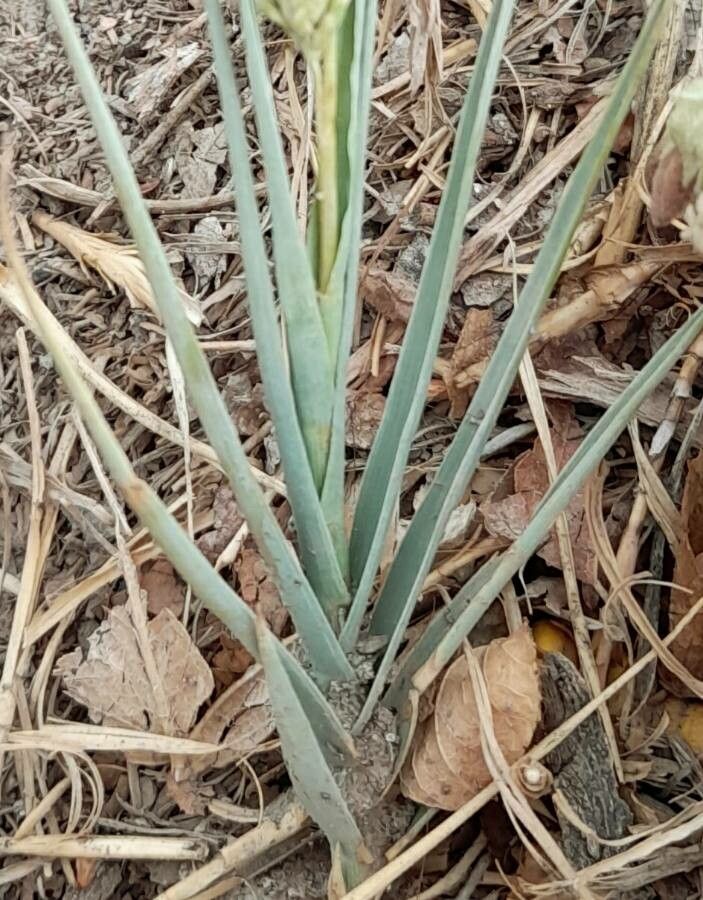
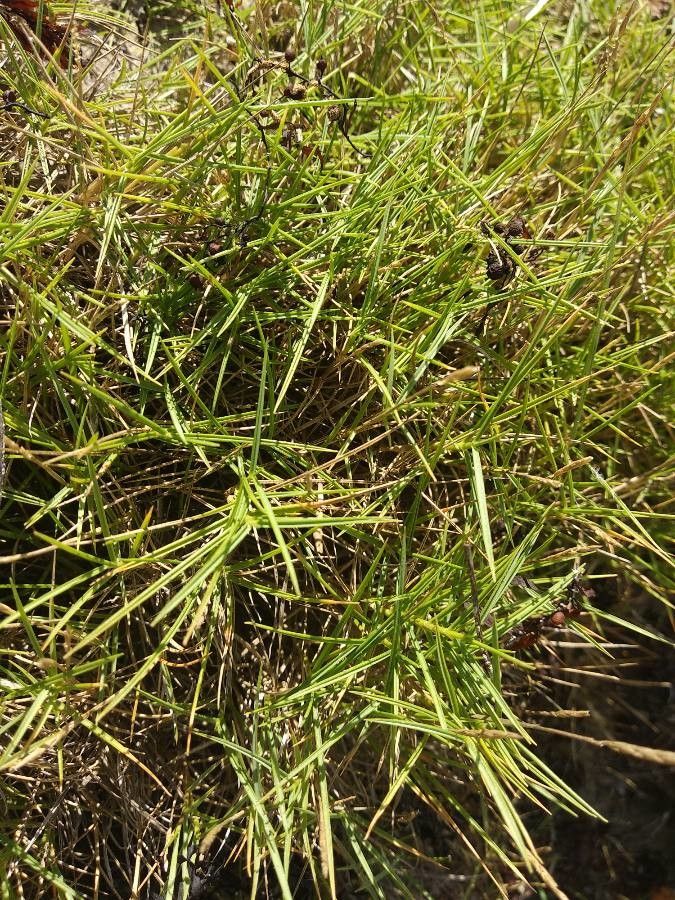
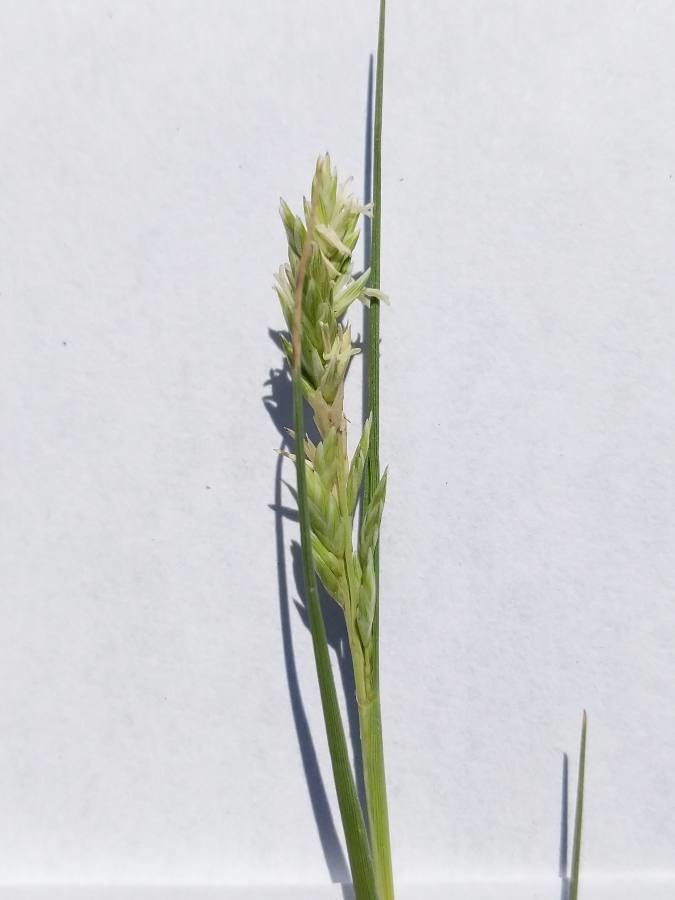
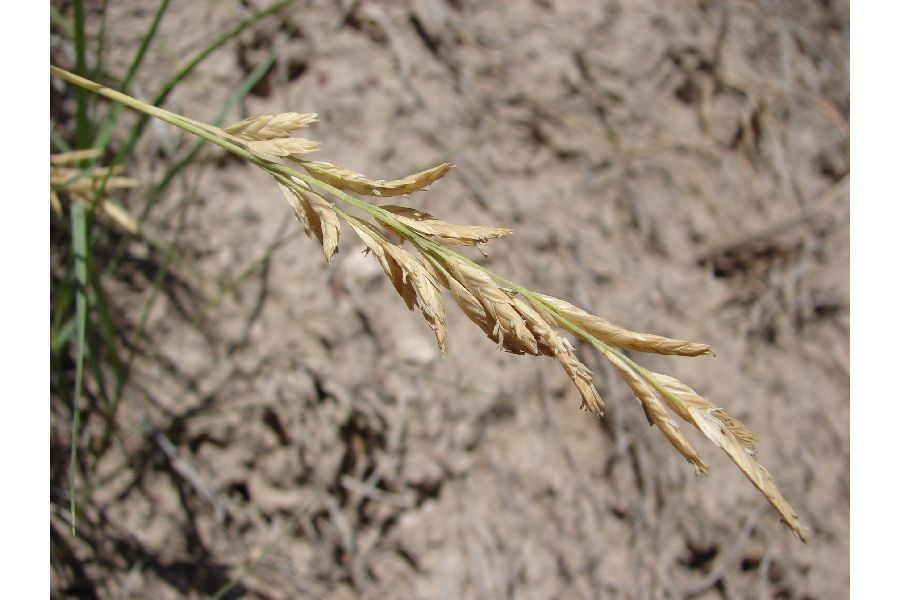
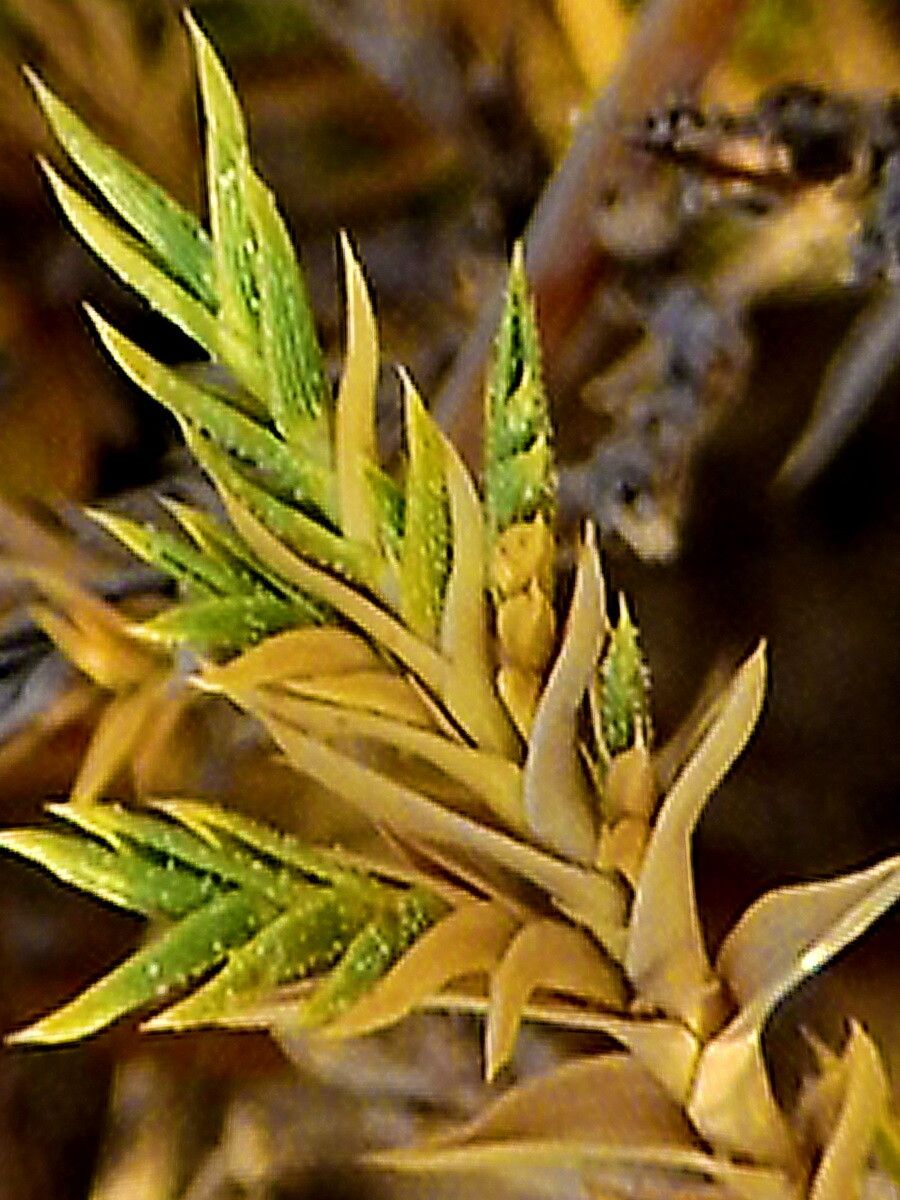
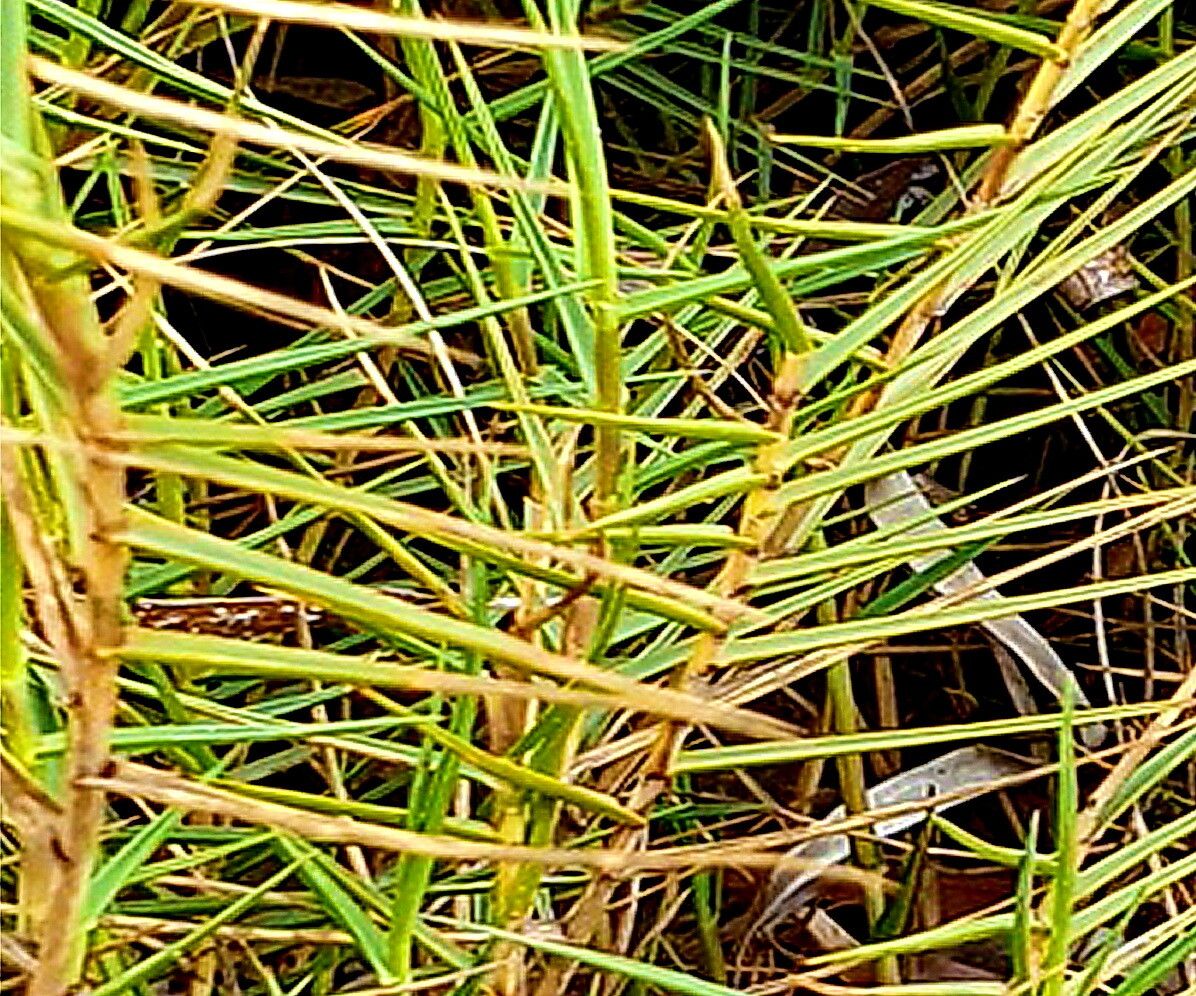
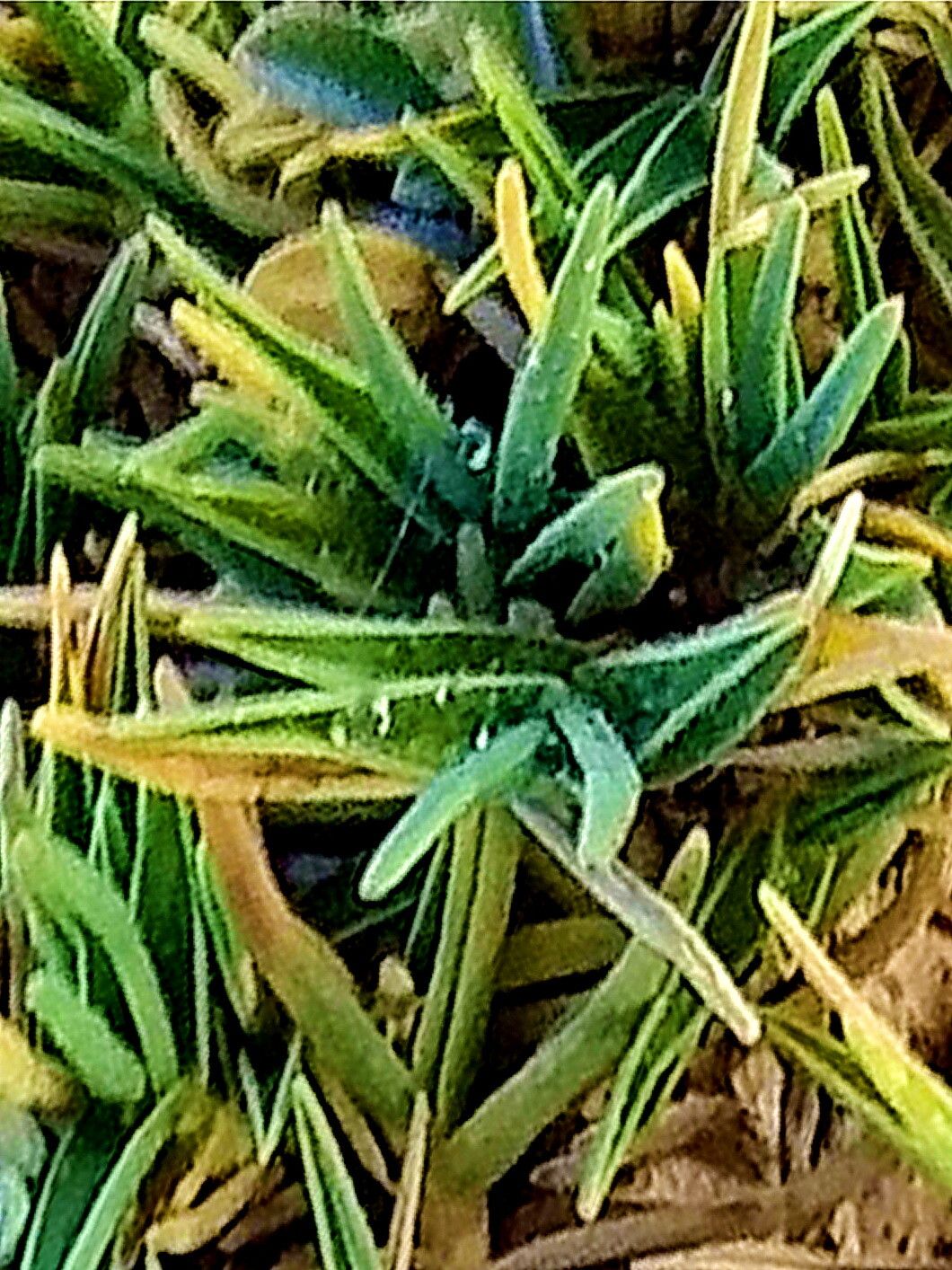
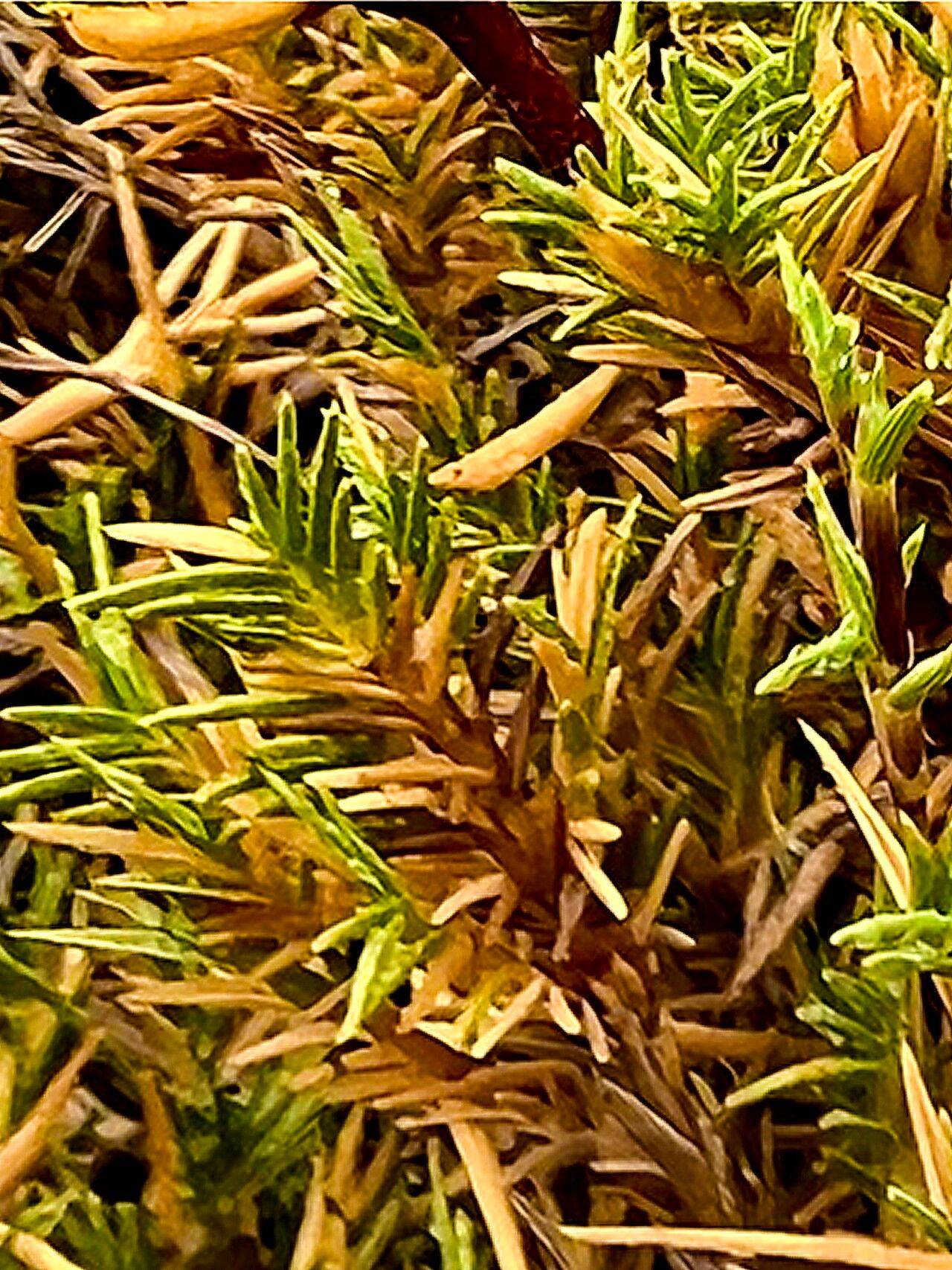
Distichlis spicata, commonly known as saltgrass, is a perennial grass species native to North America. This hardy plant thrives in saline soils and coastal areas. Its distinctive appearance comes from its unique growth habit, featuring two rows of leaves arranged in opposite directions along the stem.
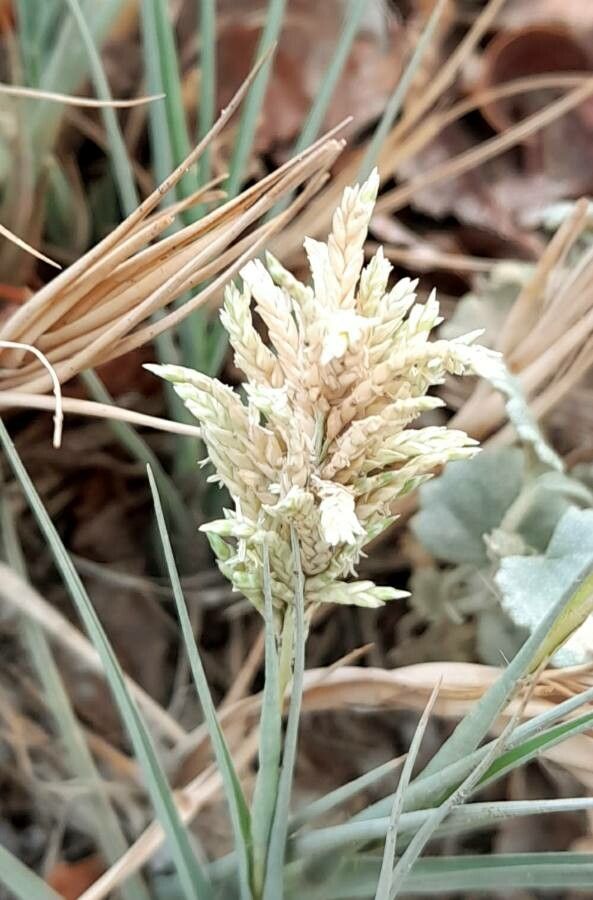
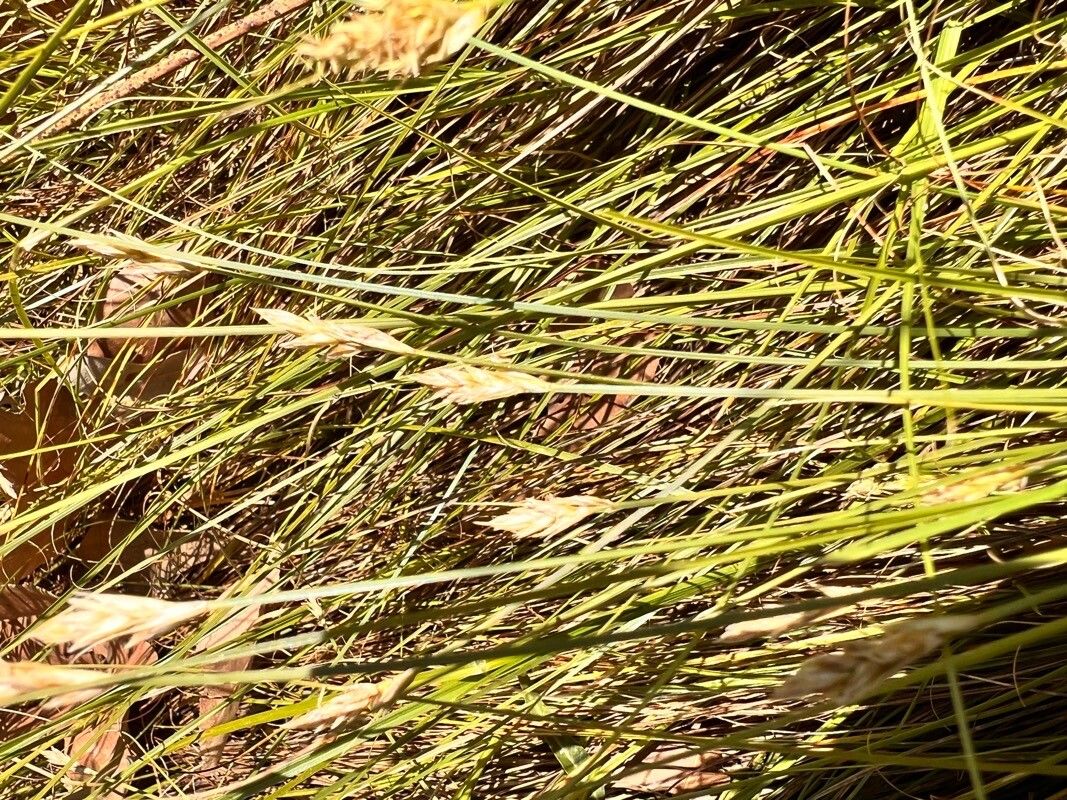
Saltgrass can grow up to 3 feet tall and has long, narrow leaves that are green or blue-green. During the summer months, it produces small flowers on spikes.
Saltgrass plays a crucial role in stabilizing soil and preventing erosion along coastlines and other areas with high levels of salt or brackish water. Additionally, it provides habitat for wildlife such as birds and small mammals.
Beyond its ecological benefits, saltgrass has been used for centuries by indigenous peoples for medicinal purposes, including treating skin conditions and digestive issues.
Overall, Distichlis spicata is a vital plant species with unique characteristics. It is well-suited for growth in challenging environments and provides numerous ecological benefits to the surrounding ecosystem.
Desert Saltgrass is fairly resistant to disease and usually not prone to illnesses. However, it can be affected by pests and diseases present in its surroundings. These infections are typically mild. In terms of care, this plant needs moderate maintenance. It should be pruned regularly to maintain a neat appearance and healthy growth. Fertilizing can also help encourage flowering. Desert Saltgrass is suitable for someone with outdoor space, such as a garden or patio, and does not require extensive care experience. It may need more attention when grown indoors.
How to keep Distichlis Spicata.
Light
Desert Saltgrass does best when it receives light throughout the day, enabling photosynthesis to operate at peak efficiency. Suited to desert environments, it can tolerate either lower-intensity light or continuous daytime exposure. However, too little light will restrict growth, while excessively strong light can cause dehydration.
Water
Desert Saltgrass is well adapted to dry environments, demonstrating exceptional drought resistance. To mimic natural rainfall, it should be watered weekly. This plant thrives in full sun, making it an excellent choice for outdoor landscapes. It's particularly suitable for xeriscaping, a landscaping method that reduces the need for irrigation.
Temperature
Desert Saltgrass is native to habitats with temperatures ranging from 32 to 100 °F (0 to 38 °C). This plant can tolerate both winter cold and summer heat, indicating that its care should be adjusted seasonally.
Fertilizer
A single spring application of fertilizer is generally enough for Desert Saltgrass, though multiple feedings can boost growth. Apply fertilizer roughly every month to six weeks. Fertilization improves the leaves' look and function, encouraging uniform color and a healthy texture. It also promotes root development and nutrient uptake for long-term plant health.
Pruning
Desert saltgrass benefits from pruning to control its size and promote healthy growth. It is best to prune in early spring before new growth begins. During this time, remove any dead stems and thin the plant to improve air circulation. Regular pruning helps maintain the plant's vigor, limits its invasiveness, and encourages a robust and attractive appearance.
Botanical profile.
- Plant Type
- Herb
- Life Cycle
- Perennial
- Genus
- Distichlis
- Family
- Poaceae
- Hardiness Zone
- 3-11
- Mature Height
- 10 cm to 61 cm
- Mature Spread
- 0.91 m to 4.88 m
- Leaf Color
- Green, Light Green
- Leaf Type
- Semi-evergreen
- Flower Color
- Yellow, Green
- Flower Size
- 7.62 cm to 10.16 cm
- Bloom Time
- Summer
- Planting Time
- Spring, Summer, Autumn
- Harvest Time
- Late summer, Early fall, Mid fall
- Native Area
- Colombia, Bahamas, Belize, Cuba, Mexico, Guatemala, Bolivia, Peru, El Salvador, Ecuador
Other names.
Reader questions.
How should I water my Desert Saltgrass?
To ensure the health of the Desert Saltgrass, it is best to use filtered water at room temperature or slightly warmer. Tap water may contain harmful particles, so filtering it is important. Since the Desert Saltgrass is accustomed to warm environments, using cold water can be a shock to its system. It is also recommended to avoid watering from above, as this can cause issues with the foliage. Instead, gently apply filtered room temperature water directly to the soil until it is completely soaked. This helps moisten the roots and allows them to spread and gather necessary nutrients.
Why is it important to add fertilizer to my Desert Saltgrass?
The main structure of the Desert Saltgrass is made up of its leaves. Fertilization is a key way to make sure the leaves look good and function well. Proper fertilization keeps the leaves consistent in color and healthy in texture. Fertilization also supports the growth of new roots and maintains the existing root system of the Desert Saltgrass. This means that fertilization not only keeps the plant healthy now but also enhances its ability to absorb nutrients from the soil in the future.
What are the sunlight requirements for Desert Saltgrass?
Desert Saltgrass requires a significant amount of sunlight to thrive, with optimal growth observed under full sun conditions, meaning it should receive above 6 hours of sunlight daily. It can also tolerate partial sun, which amounts to about 3-6 hours of sunlight. Observing how sunlight moves through your garden and choosing locations that provide the right balance of light and shade is crucial for ensuring your plants' well-being.
What is the native environment of Desert Saltgrass?
Desert Saltgrass, botanically known as Distichlis spicata, is native to environments with temperatures ranging from 32 to 100°F (0 to 38°C). It can thrive in both the chilling cold of winter and the intense heat of summer, making it well-adapted to seasonal temperature variations.
What should I do if I give my Desert Saltgrass too much or too little water?
Overwatering is a common issue for Desert Saltgrass and can cause wilting and yellowing of stems and leaves. It can also lead to diseases like root rot, mold, and mildew, which can be fatal. Underwatering is less common but can cause brittle, brown leaves. It's important to recognize the signs of overwatering early, as some diseases may become irreversible if not addressed promptly. If you notice these signs, reduce your watering schedule and consider improving soil drainage. If your plant is receiving too little water, simply increase your watering frequency until the signs disappear.
When should I fertilize my Desert Saltgrass?
To get the best growth out of your outdoor Desert Saltgrass, keep an eye out for new shoots in early spring - a signal that it's time to start fertilizing. While a single application of fertilizer in spring is usually enough for the plant to do well, if you want maximum growth, you can feed it multiple times during the spring and early summer. Aim for about once a month to a month and a half between feedings if you decide to go this route.
What are the essentials for growing Desert Saltgrass effectively?
To grow effectively, Desert Saltgrass needs to be exposed to a full day's light, which facilitates optimal photosynthesis. Being native to desert habitats, it can tolerate less intense sunlight or full-day exposure. However, exposure to insufficient sunlight can lead to growth issues, while too much direct sunlight without relief can cause dehydration. In spaces where natural sunlight is limited, like during winter or in less sunny indoor locations, using artificial lighting becomes essential. LED lights are recommended for indoor plant lighting because they can be tailored to provide specific wavelengths necessary for plant growth. The amount of artificial light needed varies by plant type: full sun plants require 30-50W/sq ft, partial sun plants need 20-30W/sq ft, and full shade plants need 10-20W/sq ft. The light should be placed 12-36 inches above the plant, simulating natural sunlight's distance, and provided for 8-12 hours per day depending on the species.
Does Desert Saltgrass require special frost protection measures?
Desert Saltgrass possesses strong cold resistance, indicating that special frost protection measures are generally not necessary. However, in extremely cold conditions where temperatures are expected to drop below -35°C, it's important to protect the plant by covering it with materials such as soil or straw. Additionally, amply watering the plant before the first freeze in autumn ensures the soil stays moist and enters a frozen state, helping prevent drought and water scarcity during the colder months.
How frequently should I water my Desert Saltgrass plant?
If your Desert Saltgrass plant is in a pot, the most precise way to determine if it needs water is by checking the soil. Simply stick your finger into the soil and if the first two to three inches feel dry, it's time to water. Similarly, if you are growing your Desert Saltgrass outdoors in the ground, you can use the same method to test the soil. If the first few inches of soil have dried out, it's time to water. Generally, during the spring and early fall, watering once a week using this method is sufficient. However, in extremely hot weather, you may need to water twice or even more per week. It's worth noting that mature and well-established Desert Saltgrass plants have a remarkable ability to endure drought.
When is the best time to not add fertilizer to my Desert Saltgrass?
During the late fall and winter, your Desert Saltgrass goes into a dormant phase and stops producing new growth. So, it's best not to fertilize it during this time. In the spring and summer, if you decide to fertilize multiple times, start decreasing the amount of fertilizer as summer approaches because the growth rate of your Desert Saltgrass will also slow down. It's important to note that it's never a good idea to fertilize your Desert Saltgrass when the weather is unusually hot or when the soil is extremely dry. Fertilizing under these conditions can stress your Desert Saltgrass and cause it to die prematurely.
What are important symptoms of inadequate sunlight in Desert Saltgrass?
Desert Saltgrass shows several symptoms when experiencing inadequate lighting, including smaller new leaves, leggy or sparse growth, faster leaf drop, altered new leaf color, and halted growth. Chlorosis, or the yellowing of leaves, and sunscald, which presents as pale or necrotic spots from intense sun exposure, can also occur. Leaves may curl or twist as a defense against overexposure, and wilting can happen due to increased water loss. Leaf scorching, indicated by brown, dry edges or patches, negatively affects the plant's photosynthesis and overall health.
How does low temperature affect Desert Saltgrass?
Desert Saltgrass is cold-tolerant and thrives best at temperatures above 0°C, but it should not be exposed to conditions below -30°C during winter. Exposure to temperatures below -35°C does not typically result in noticeable changes during the winter itself; however, it may lead to reduced sprouting or even the absence of sprouting in the spring. To manage this, remove any parts of the plant that have failed to sprout in the spring.