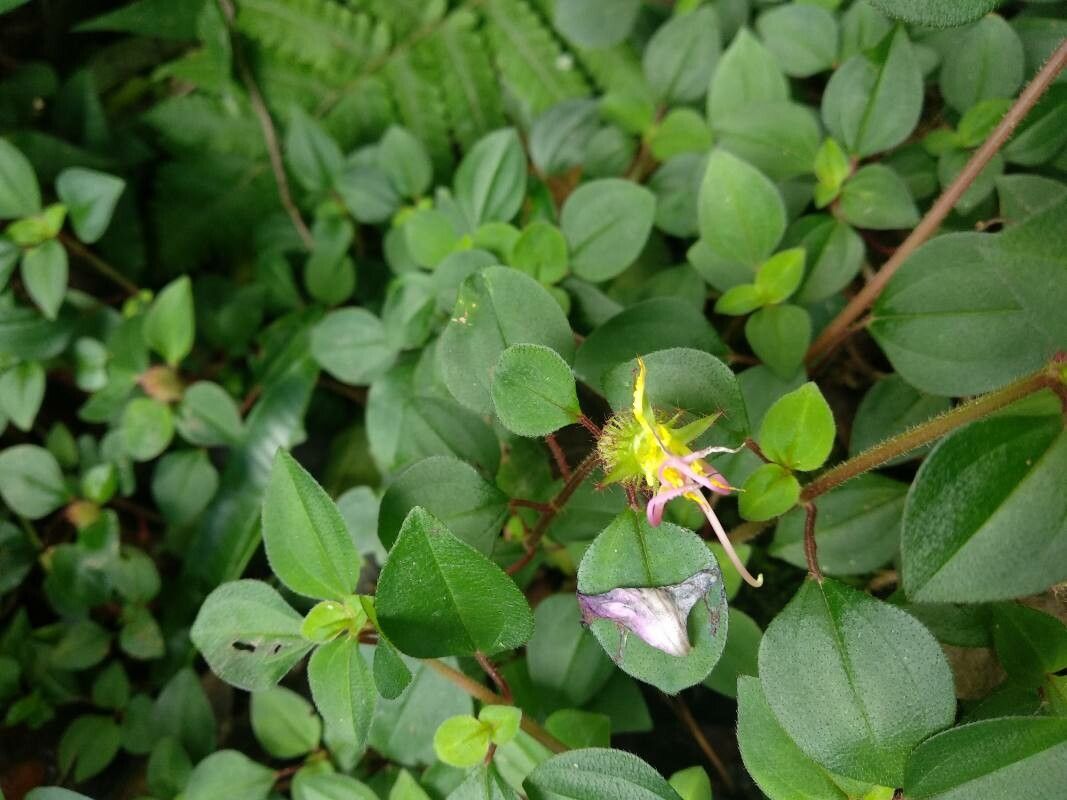
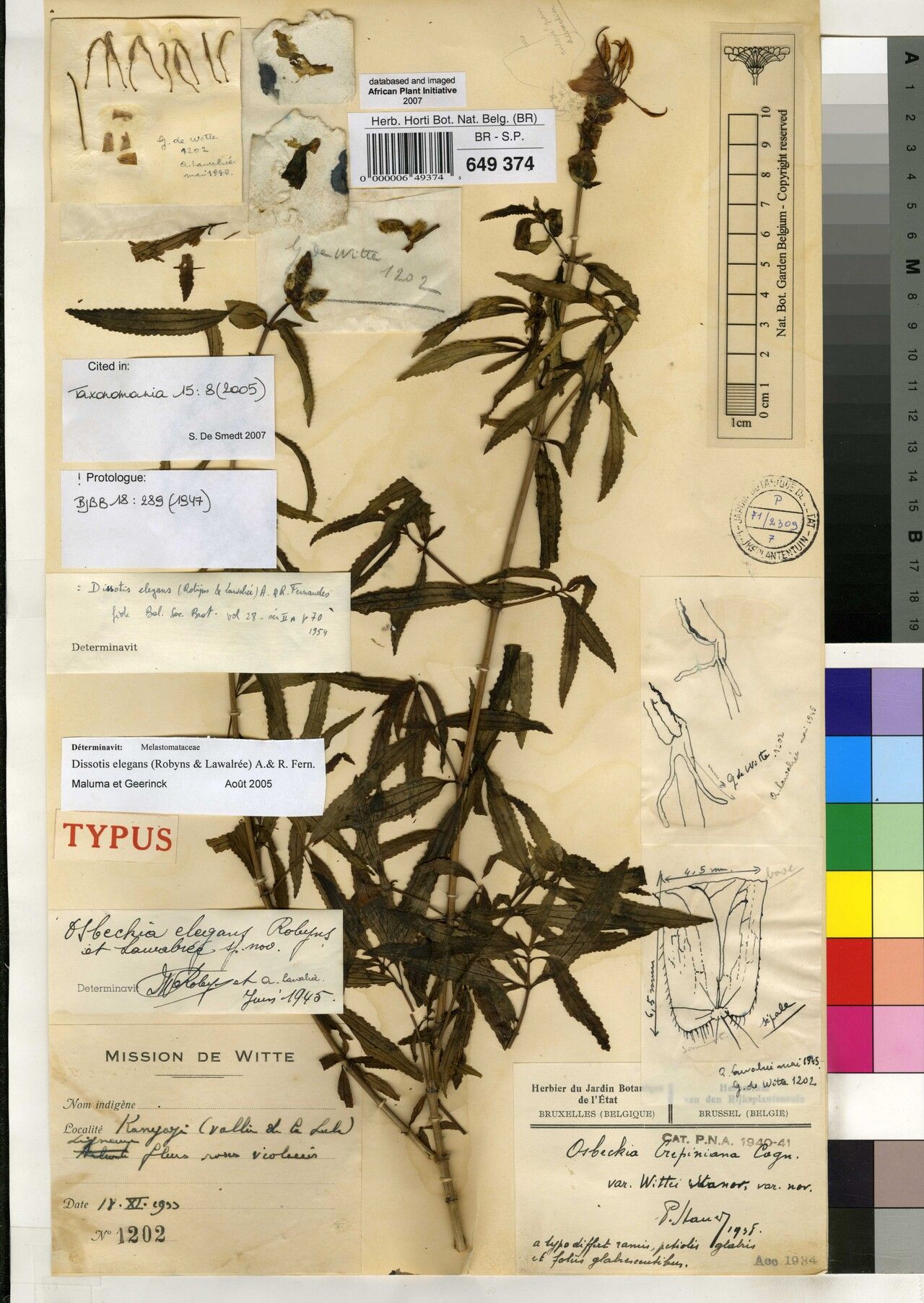
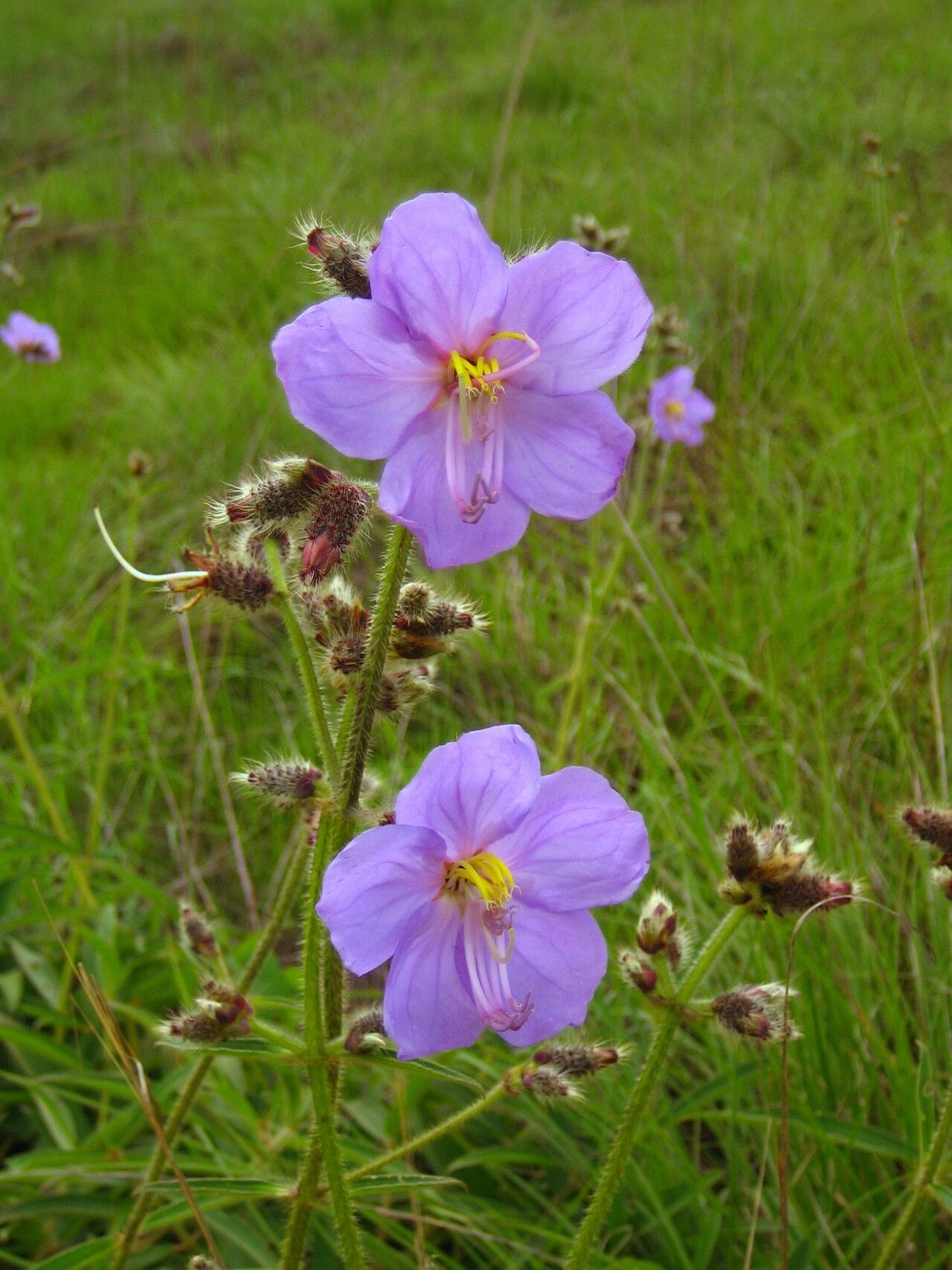
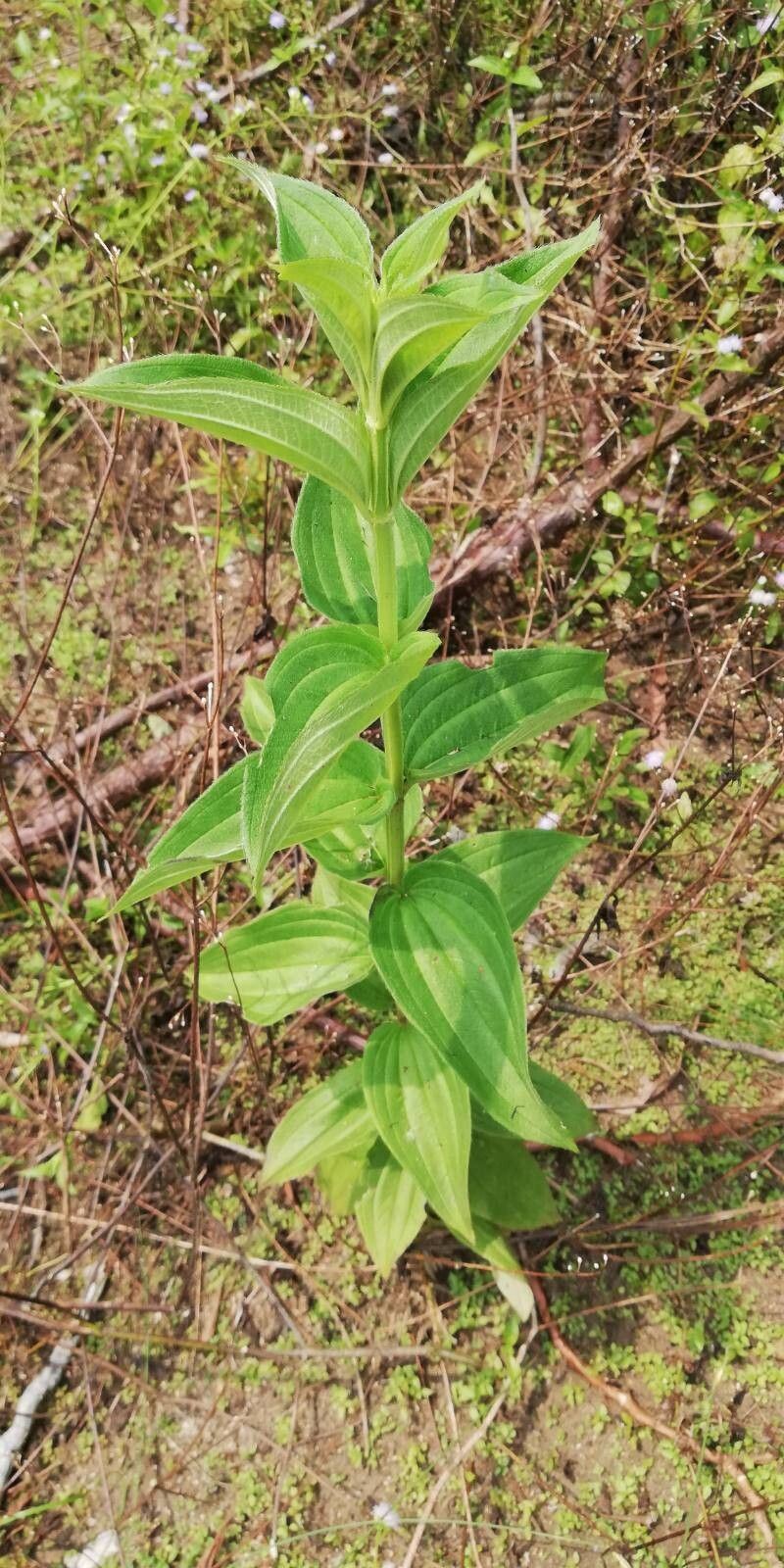
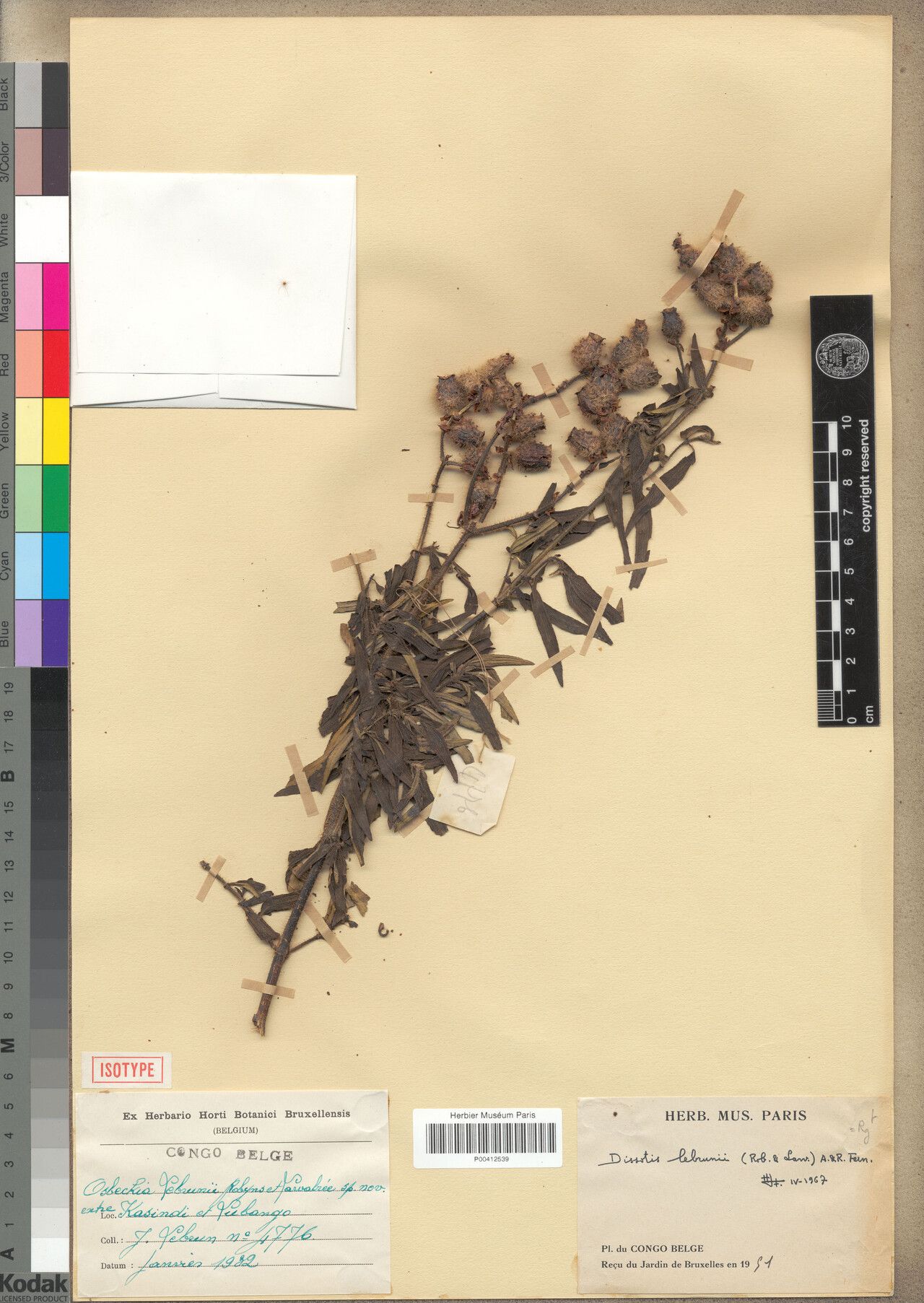
Dissotis rotundifolia, commonly known as the Pink Lady, is a perennial herbaceous plant belonging to the Melastomataceae family. Native to tropical and subtropical regions of Africa and Madagascar, it has also been introduced to other parts of the world as an ornamental plant.
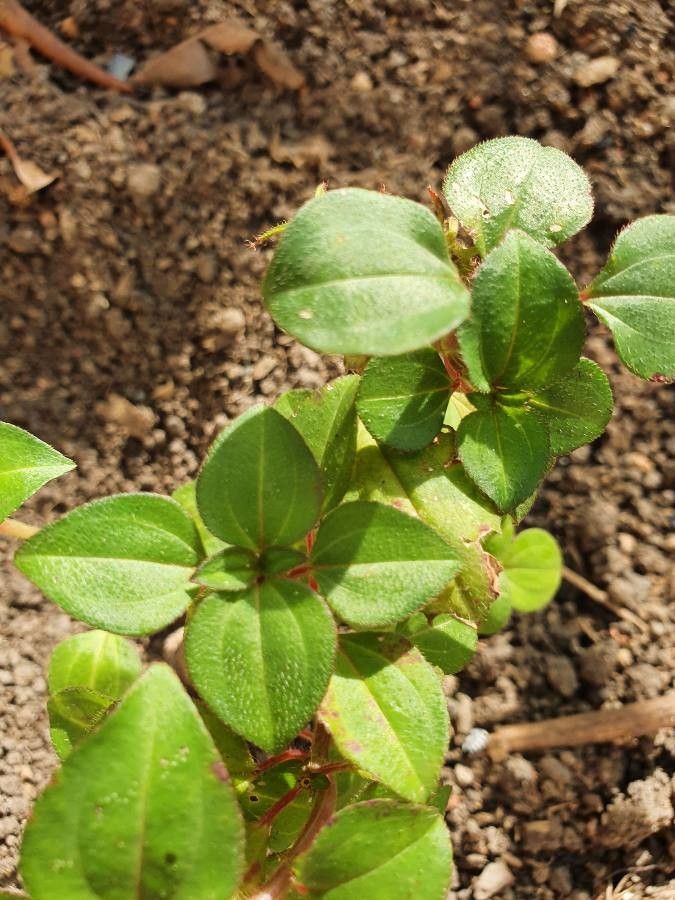
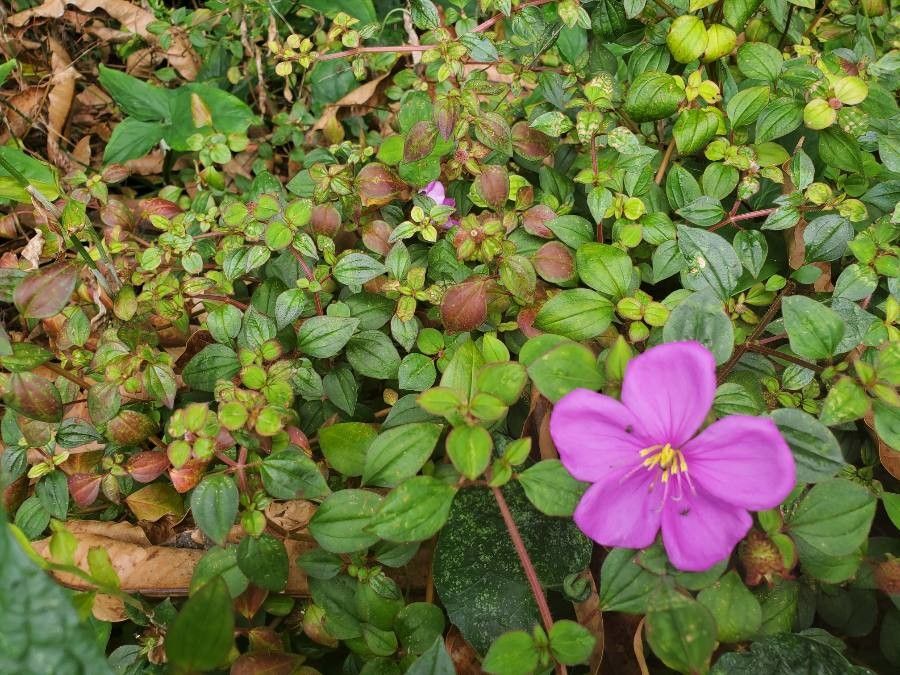
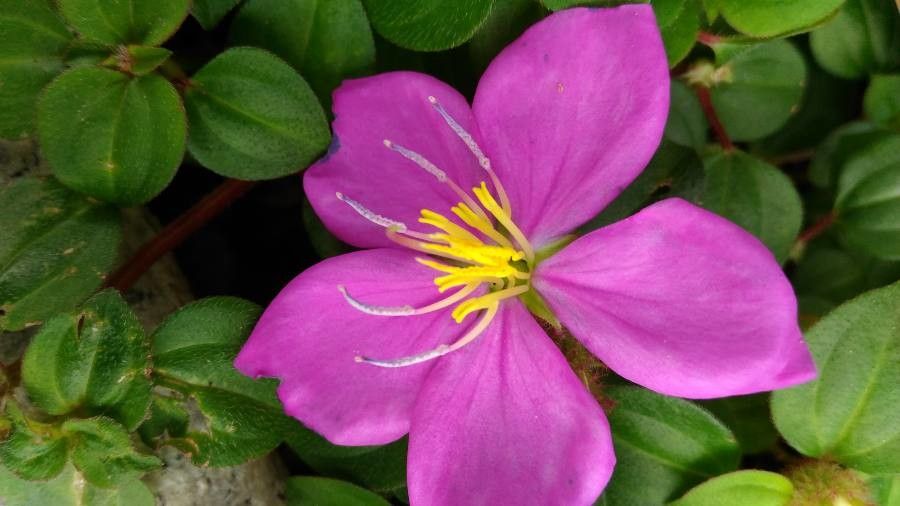
The Pink Lady features a low-growing habit with round leaves that are dark green on top and purple underneath. The leaves are arranged in opposite pairs along the stem, which can grow up to 30 cm tall. The plant produces small pink flowers with five petals that bloom from spring through fall.
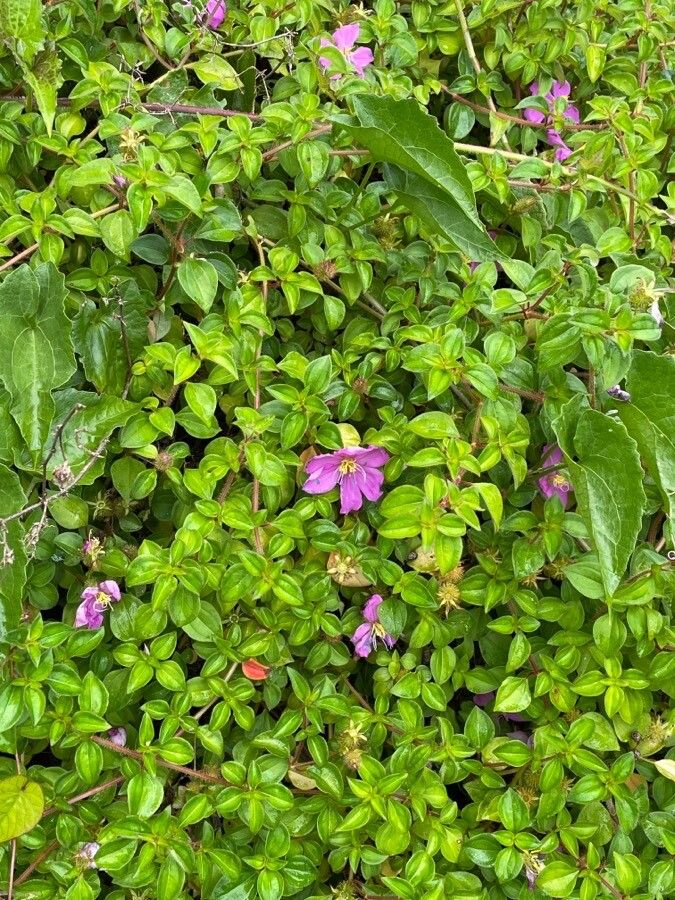
The Pink Lady thrives in moist soil conditions and partial shade, though it can tolerate full sun if given adequate water. It is commonly used as a ground cover or border plant in gardens due to its attractive foliage and flowers.
In traditional African medicine, various parts of Dissotis rotundifolia have been utilized for their medicinal properties, such as treating diarrhea, fever, wounds, and respiratory infections.
Overall, Dissotis rotundifolia is an attractive ornamental plant with potential medicinal benefits that thrives in tropical regions around the world.
Spanish shawl has good resistance to diseases and generally is not prone to illnesses. However, it can be susceptible to pests and diseases present in its environment. These infections are typically not severe. For care, this plant requires moderate maintenance. It needs regular pruning to keep a pleasing appearance and support healthy growth. Fertilizing can also aid in encouraging flowering. Spanish shawl is appropriate for anyone who has outdoor space, such as a garden or patio, and does not demand extensive gardening experience. It may need more attention when grown indoors.
How to keep Dissotis Rotundifolia.
Light
Spanish shawl comes from habitats with dappled light, like the understory of tropical forests or rocky sites that offer natural shade. It prefers partial sun but can also tolerate full shade.
Temperature
Spanish shawl is native to habitats where temperatures range from 68 to 100 °F (20 to 38 ℃). This temperate plant does well within a moderate climatic range. In colder, frost-prone areas, seasonal temperature adjustments may be necessary.
Fertilizer
Correct fertilization is vital for the Spanish shawl's health and appearance. Fertilize the Spanish shawl in summer, applying it monthly throughout the season. Nutrients fuel growth and help maintain the plant's components. Fertilization improves the Spanish shawl's flower display, ensuring the best blooms.
Botanical profile.
- Plant Type
- Herb
- Life Cycle
- Perennial
- Genus
- Dissotis
- Family
- Melastomataceae
- Hardiness Zone
- 10-11
- Mature Height
- 15 cm to 30 cm
- Mature Spread
- 30 cm to 61 cm
- Leaf Color
- Green, Dark Green
- Leaf Type
- Semi-evergreen
- Flower Color
- Lavender
- Flower Size
- 4.06 cm
- Bloom Time
- All year round
- Planting Time
- Spring, Summer, Autumn
- Harvest Time
- All year round
- Native Area
- Malawi, Egypt, Angola, Zambia, Sudan, Guinea, Gabon, Guinea-Bissau, Kenya, Uganda, Tanzania, Zimbabwe, Benin, Central African Republic, Sierra Leone, Equatorial Guinea, Cameroon, Liberia, Mozambique, Togo, Ghana, Côte d'Ivoire, Congo (DRC), Congo
Other names.