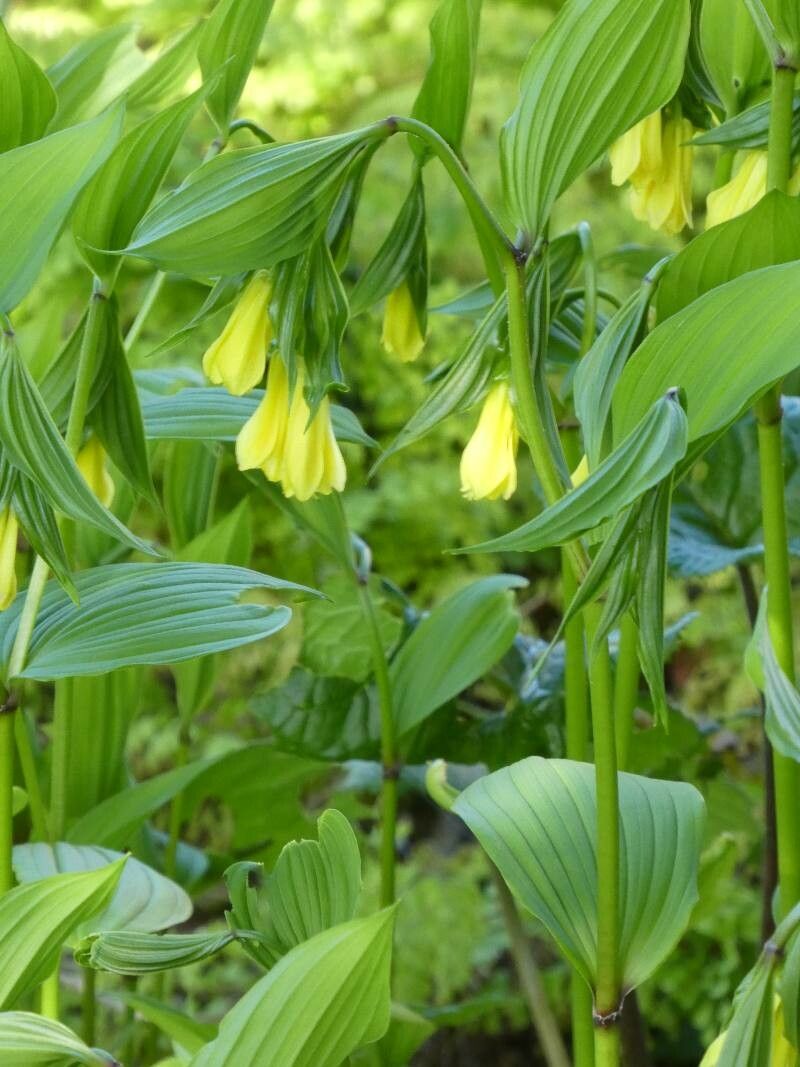
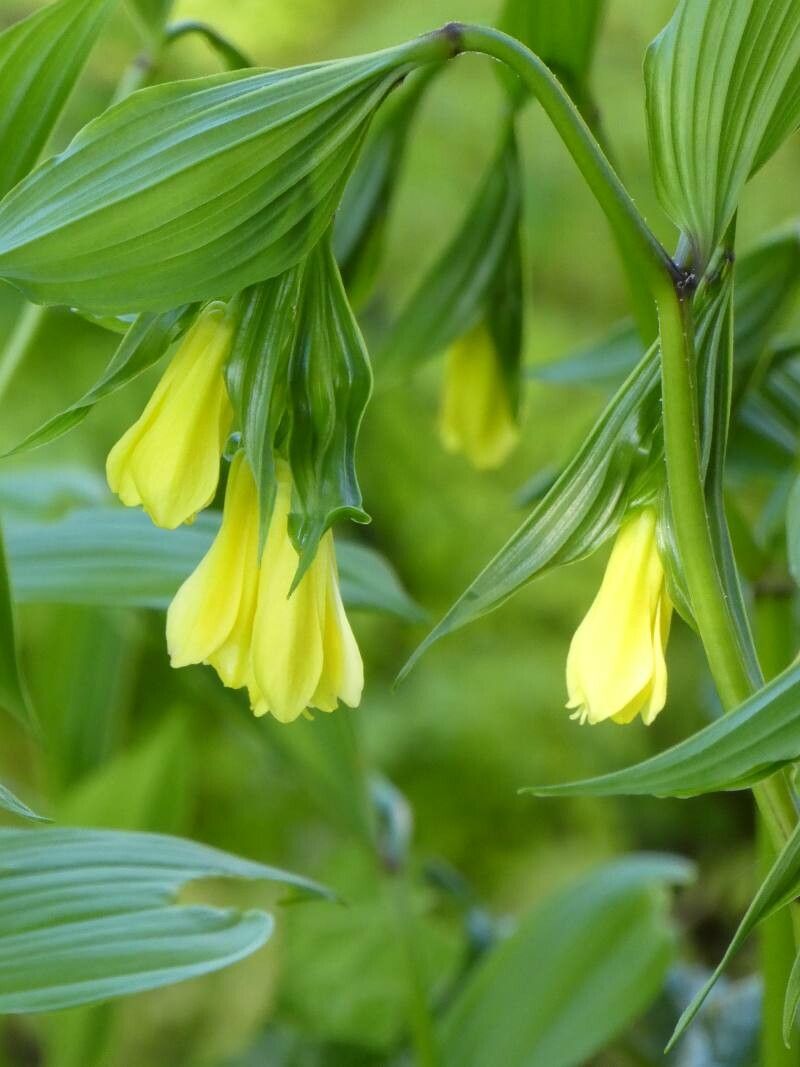
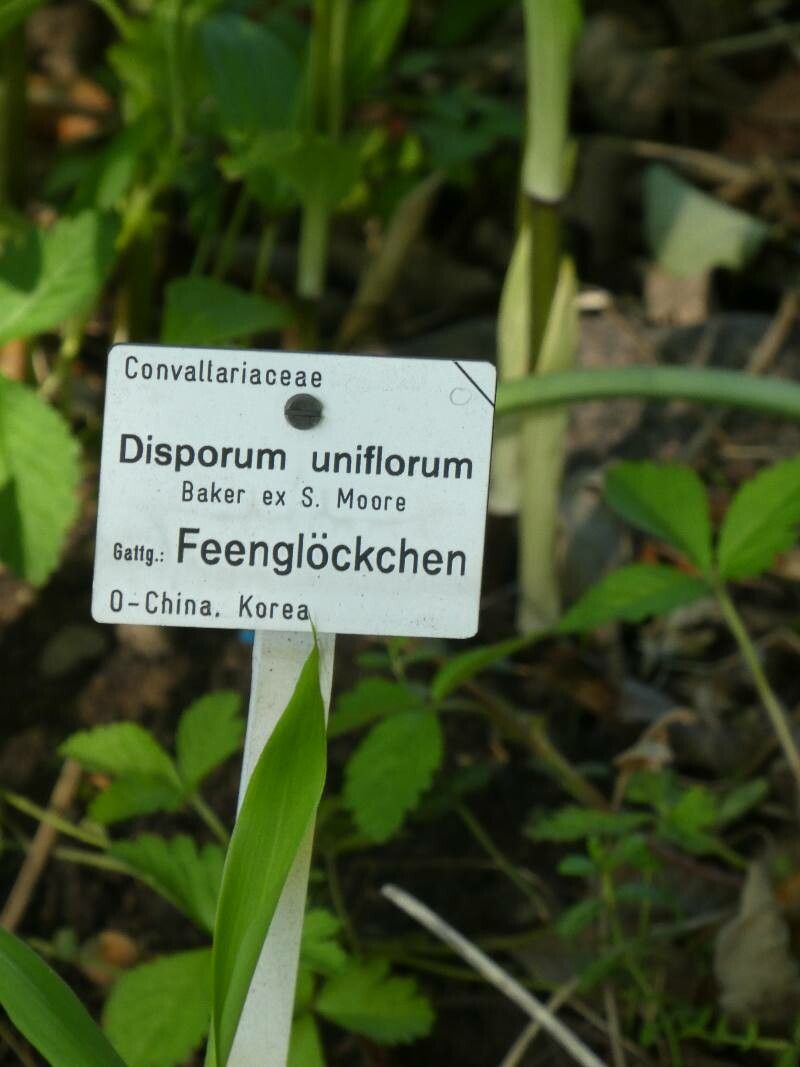
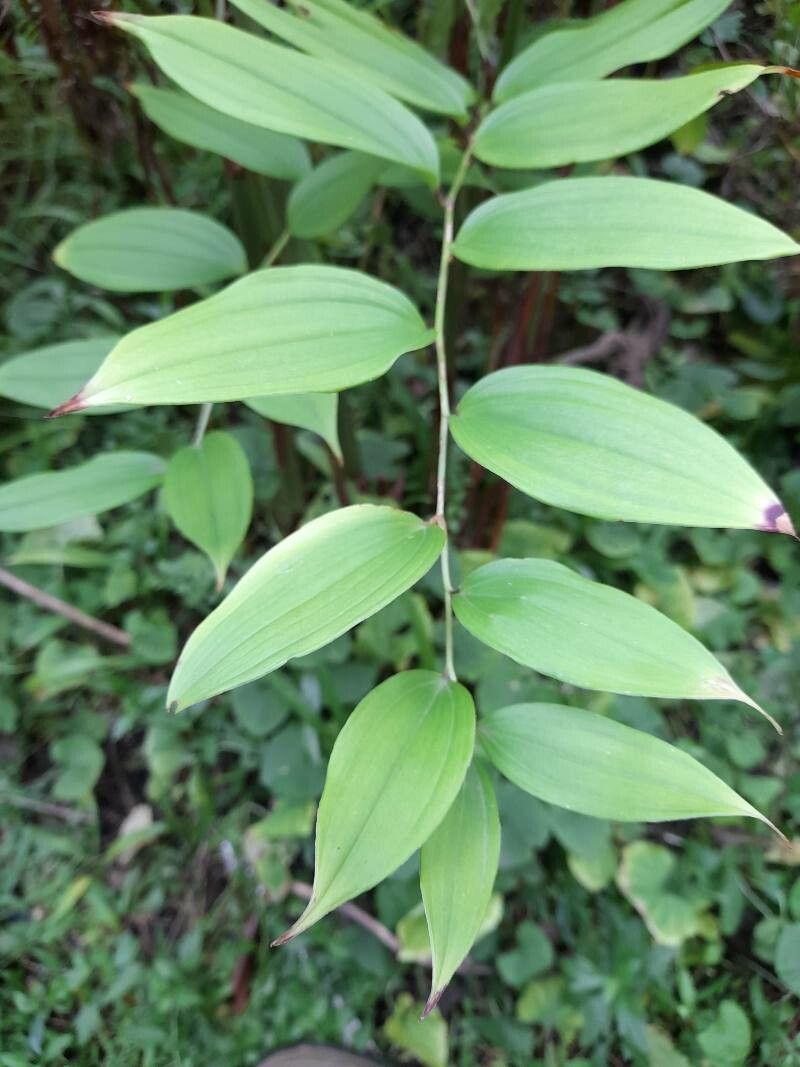
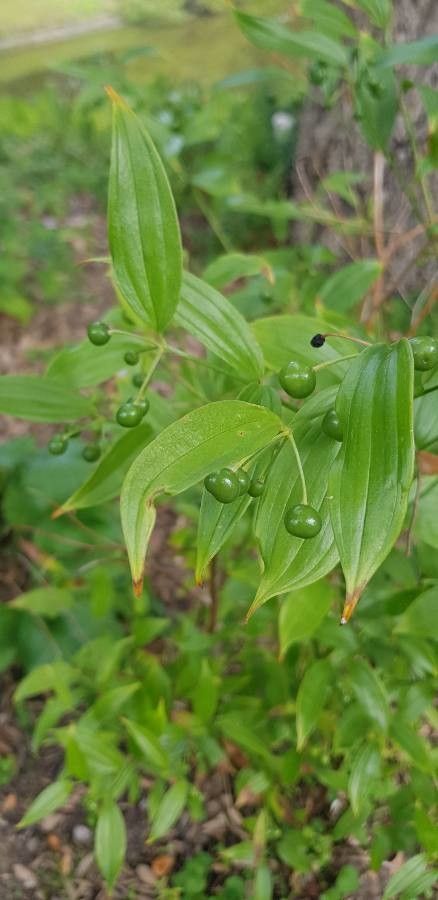
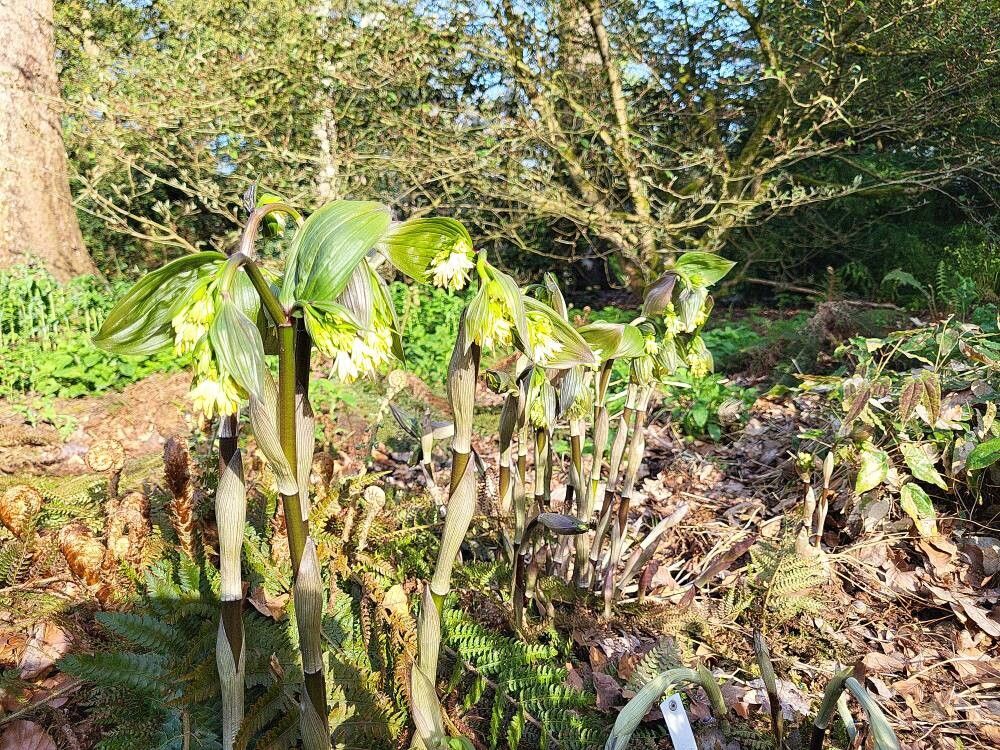
Disporum uniflorum, commonly known as yellow fairy bells, is a species of perennial herb in the genus Disporum. It is native to Korea.
Yellow fairy bells is fairly disease-resistant and usually does not suffer from illnesses. However, it can be affected by pests and diseases present in its environment. Such problems are typically not serious. For care, this plant requires moderate maintenance. It should be pruned regularly to preserve a tidy appearance and support healthy growth. Feeding it with fertilizer can also encourage flowering. Yellow fairy bells is suitable for anyone with outdoor space, like a garden or patio, and does not demand extensive care experience. When grown indoors, it may need more attention.
How to keep Disporum Uniflorum.
Light
Yellow fairy bells thrives in locations with moderate sunlight and shows healthy growth under those conditions. In its natural habitat, it is usually found doing well in areas that do not receive full light. Excessive light or too little light can negatively affect yellow fairy bells' growth and overall health.
Water
Yellow fairy bells thrive in consistently moist, shaded environments, reflecting their origins on the forest floor. To maintain even moisture levels, water them weekly. As a herbaceous perennial, yellow fairy bells benefit from mulching, which helps retain moisture and simulates natural leaf litter, thereby supporting their growth outdoors.
Temperature
Yellow fairy bells can tolerate a wide range of temperatures, though its distribution may nonetheless be restricted by various combinations of moisture and heat. It performs best in warm summer conditions with sufficient rainfall or irrigation. Extended stretches of cloudy, rainy weather or prolonged high temperatures can raise the risk of Yellow fairy bells dying. During winter, protecting it from the cold can increase its chances of survival.
Fertilizer
The best time to fertilize Yellow fairy bells is in early spring, as it comes out of dormancy and begins active growth. Fertilization supplies essential nutrients for healthy development. Although Yellow fairy bells has relatively low fertilizer needs, an annual application can improve its survival and encourage better, longer-lasting flowers.
Pruning
Yellow fairy bells is a woodland perennial known for its beautiful yellow blooms. To keep the plant healthy, it's best to prune it in early to late spring, right after it has finished flowering. During pruning, remove any dead stems and thin out any areas that are too crowded. Be sure to use clean, sharp tools, as this helps minimize stress on the plant and reduces the risk of disease. Proper pruning will encourage robust growth and enhance flowering.
Botanical profile.
- Plant Type
- Herb
- Life Cycle
- Perennial
- Genus
- Disporum
- Family
- Colchicaceae
- Hardiness Zone
- 5-8
- Mature Height
- 61 cm to 76 cm
- Mature Spread
- 30 cm
- Leaf Color
- Green, Yellow
- Leaf Type
- Deciduous
- Flower Color
- White
- Flower Size
- 4.06 cm
- Bloom Time
- Early spring, Mid spring
- Planting Time
- Spring, Autumn
- Harvest Time
- Early summer, Mid summer
- Native Area
- South Korea, China
Other names.