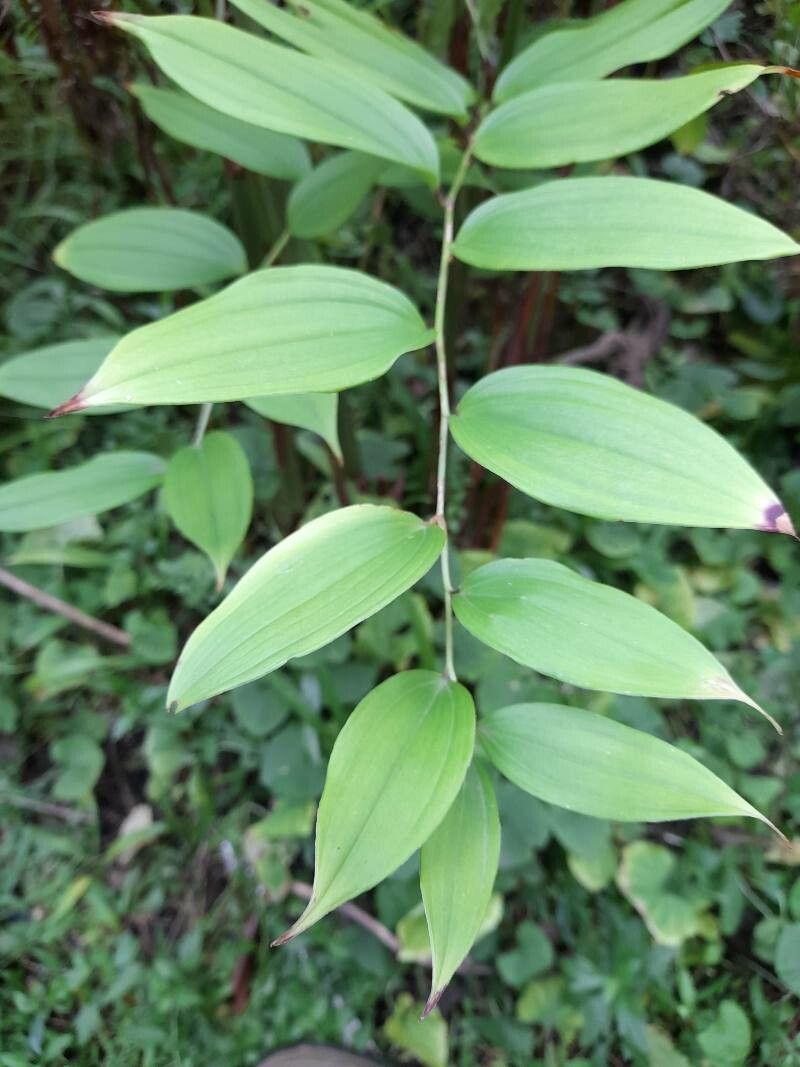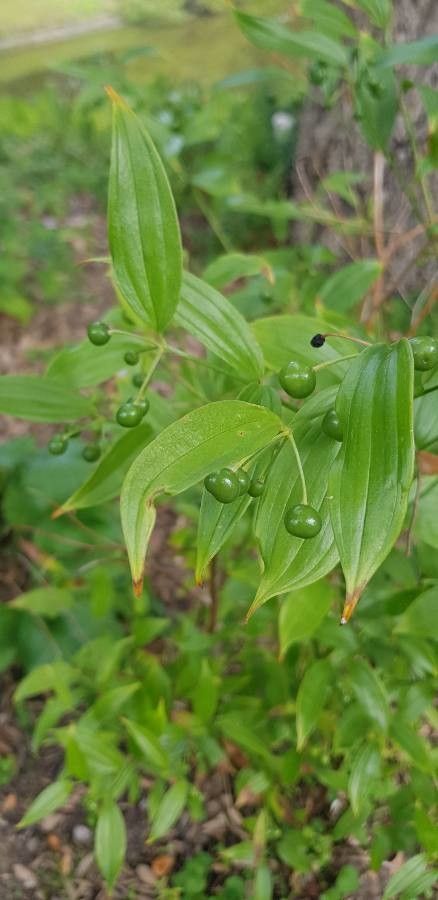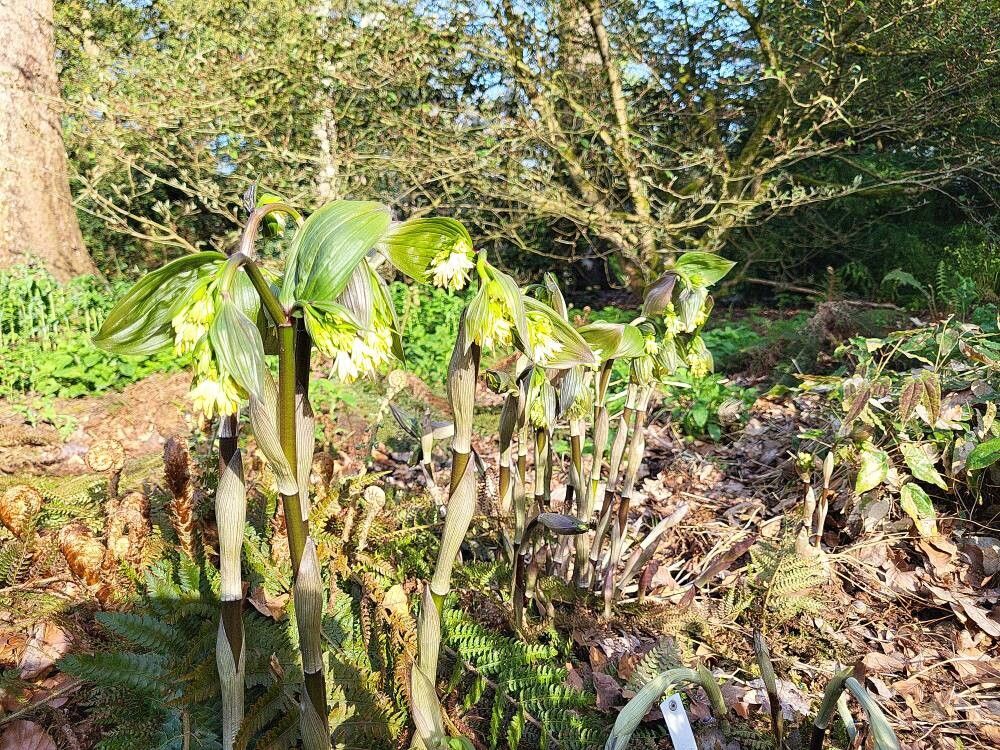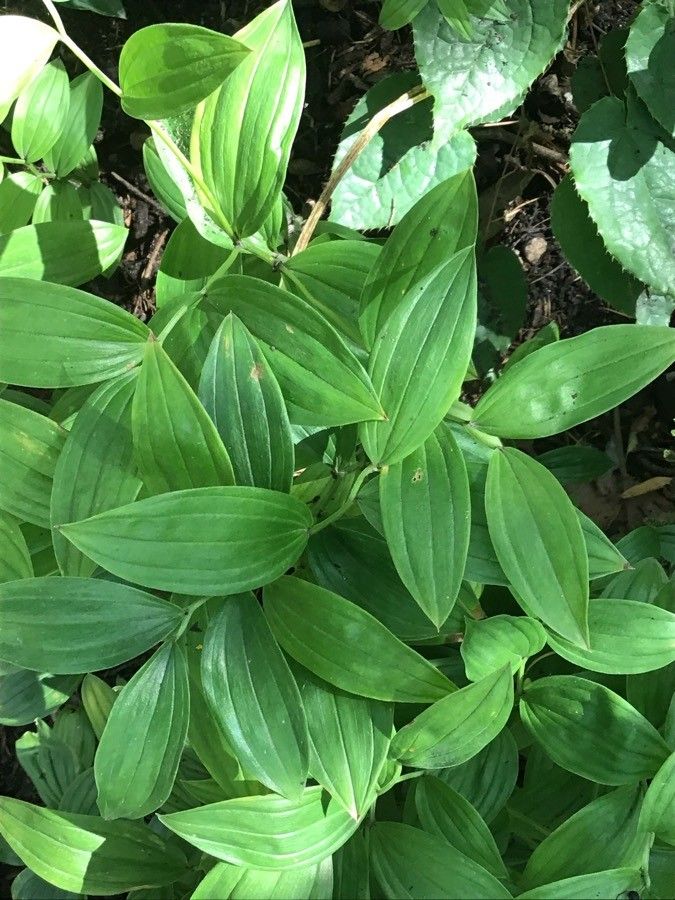
Japanese fairy bells has good resistance to disease and is generally not susceptible to illnesses. However, it can be affected by pests and diseases present in its surroundings. These infections are usually mild. Regarding care, this plant requires moderate maintenance. It should be pruned regularly to keep a neat appearance and to support healthy growth. Fertilizing can also help encourage flowering. Japanese fairy bells is suitable for anyone who has outdoor space, such as a garden or patio, and does not demand extensive gardening experience. It may need more attention when grown indoors.
How to keep Disporum Smilacinum.
Light
Japanese fairy bells prefers soft, diffuse sunlight, similar to the understory light found in its native woodland habitats. It does not need constant bright light; moderate exposure supports healthy growth. Too much or too little light can affect its development and may cause stunted growth or discoloration of the foliage.
Water
Japanese fairy bells thrive in the shaded, moist environments typical of temperate forests. They require weekly watering to keep the soil moist, but be careful not to overwater. As a deciduous plant, their need for water decreases during dormancy, which makes them well-suited for outdoor cultivation where they can take advantage of natural rainfall.
Temperature
Japanese fairy bells can tolerate a wide range of temperature conditions, but its distribution may still be constrained by different combinations of moisture and heat. It grows best in warm summer climates with sufficient rainfall or watering. Extended stretches of cloudy, rainy weather and prolonged high temperatures can increase the chance of Japanese fairy bells dying. In winter, proper protection from cold improves the plant’s survival rate.
Fertilizer
For Japanese fairy bells, the primary time to apply fertilizer is in early spring when the flowers are forming. The appropriate fertilizer encourages stronger blooms and helps Japanese fairy bells produce attractive flowers. Fertilizing in early spring guarantees excellent flowers during the season and supplies energy for dormant growth phases.
Pruning
Japanese fairy bells thrive in shaded woodland areas, where they display delicate flowers and lush foliage. Pruning should be done from early to late spring to enhance the plant's shape, remove dead stems, and improve air circulation. Regular pruning encourages vigorous blooms and helps maintain the plant's aesthetic appeal, resulting in a healthier and more robust plant.
Pot & Repot
Repot Japanese fairy bells every 2 to 3 years into a larger, well-draining pot. After repotting, keep the soil moist and apply a balanced fertilizer to aid recovery. This low-maintenance woodland perennial thrives in shaded areas and requires minimal care.
Botanical profile.
- Plant Type
- Herb
- Life Cycle
- Perennial
- Genus
- Disporum
- Family
- Colchicaceae
- Hardiness Zone
- 5-9
- Mature Height
- 15 cm to 34 cm
- Mature Spread
- 20 cm to 30 cm
- Leaf Color
- Green, Dark Green
- Leaf Type
- Semi-evergreen
- Flower Color
- White
- Flower Size
- 1.02 cm
- Bloom Time
- Mid spring, Late spring
- Planting Time
- Spring, Autumn
- Harvest Time
- Late summer, Early fall, Mid fall
- Native Area
- Russia, Japan, Koppen, South Korea, China
Other names.
Reader questions.
What are the sunlight requirements for Japanese fairy bells?
Japanese fairy bells require partial sun, about 3-6 hours of sunlight daily. It is crucial to observe how sunlight moves through your garden to find the ideal balance of light and shade that ensures the plant's well-being. Japanese fairy bells thrive in soft, dispersed sunlight that mimics the understory lighting conditions of its native woodland habitats. Adequate mild exposure to light supports its health, whereas too much or too little can hinder its growth, potentially causing stunted growth or discoloration of the foliage.
How can artificial lighting be used for Japanese fairy bells indoor plants?
Indoor Japanese fairy bells plants require adequate lighting for optimal growth. When natural sunlight is insufficient, artificial lights can be an effective supplement. LED lights are often recommended because they can be customized to provide specific wavelengths needed by plants. Full sun plants need 30-50W/sq ft, partial sun plants 20-30W/sq ft, and full shade plants 10-20W/sq ft of artificial light. The light source should be placed 12-36 inches above the plant, mimicking natural sunlight as closely as possible, and most plants will need 8-12 hours of light per day.
What are the symptoms of insufficient or excessive light for Japanese fairy bells?
Japanese fairy bells show various symptoms when exposed to insufficient or excessive light. Symptoms of light deficiency include smaller new leaves, leggy or sparse growth, faster leaf drop, slower or no new growth, and lighter-colored new leaves, indicating a shortage of chlorophyll and nutrients. Excessive light can cause chlorosis, sunscald, leaf curling, wilting, and leaf scorching, impacting the plant's photosynthesis and overall health negatively.
What are the solutions for light-related issues in Japanese fairy bells?
To address light-related issues in Japanese fairy bells, indoor plants can be gradually shifted to sunnier spots to receive 3-6 hours of sunlight daily, or use artificial light if moving the plant is not feasible. Outdoor plants should be moved to sunnier spots gradually to prevent sunburn. Reducing obstructions like pruning trees can help outdoor plants receive more sunlight. For smaller plants, transplantation during their dormant period to a location with ample sunlight and good drainage is advised. Note that parts affected by insufficient light may not recover, but new growth should be healthy after adjusting light exposure.