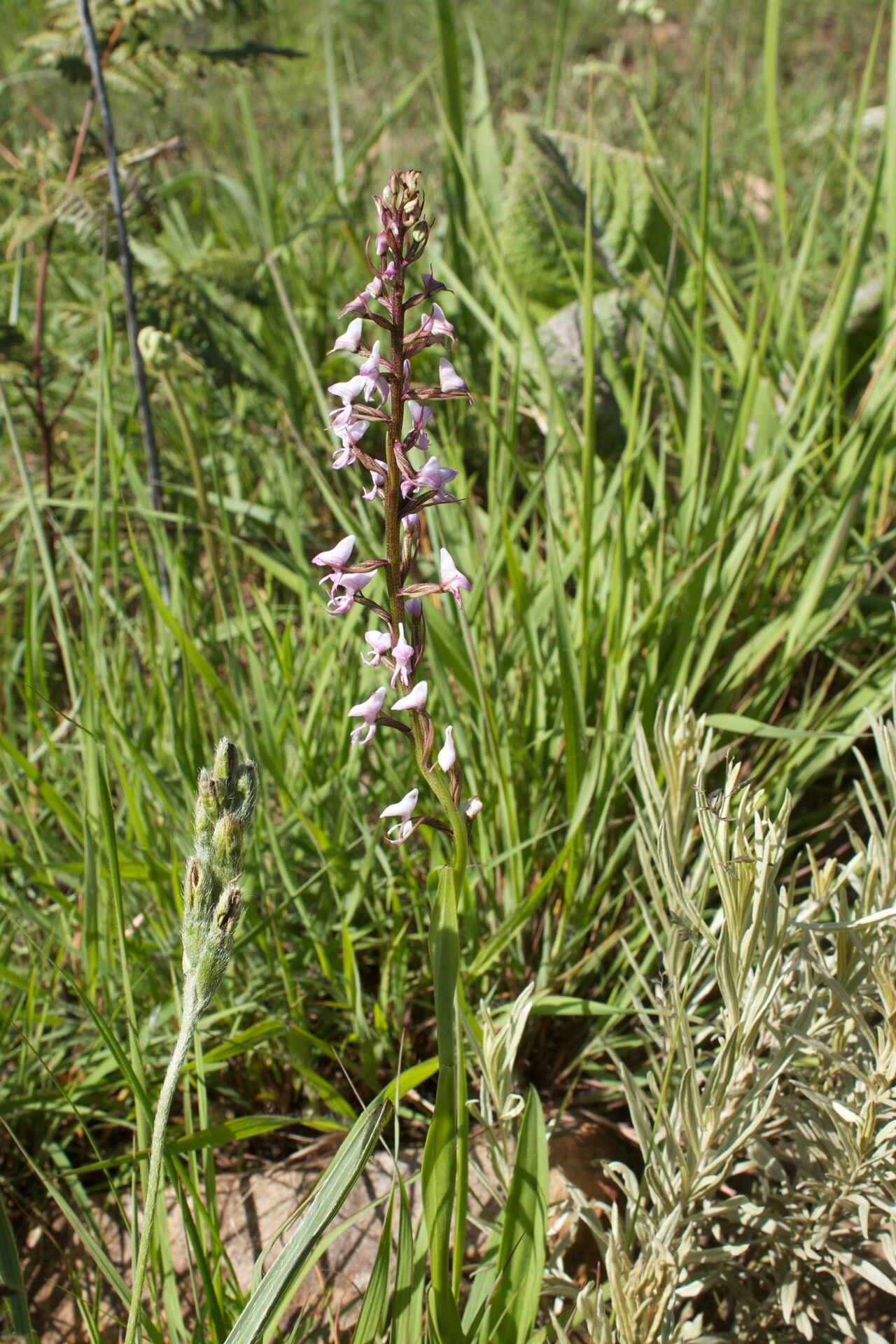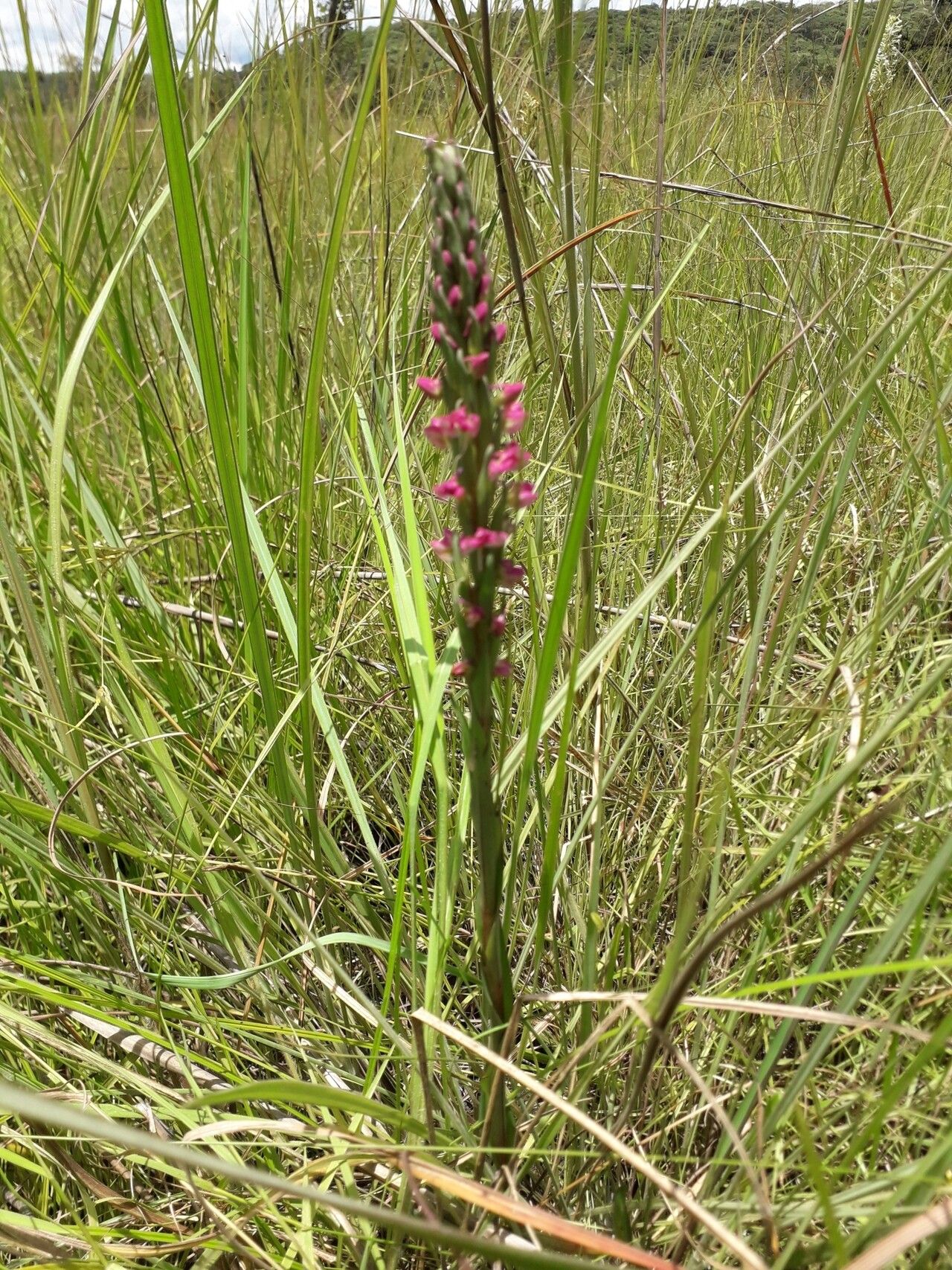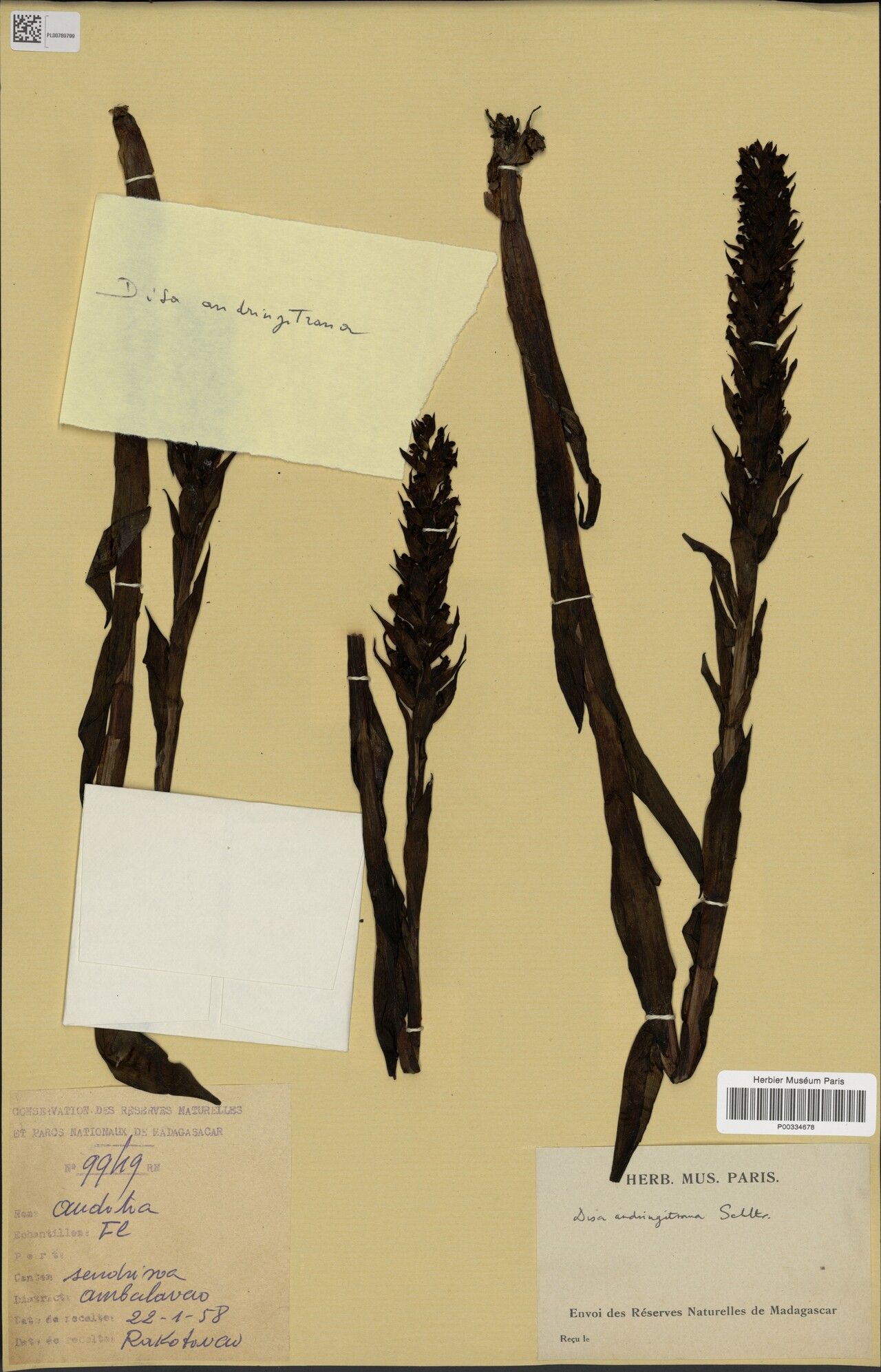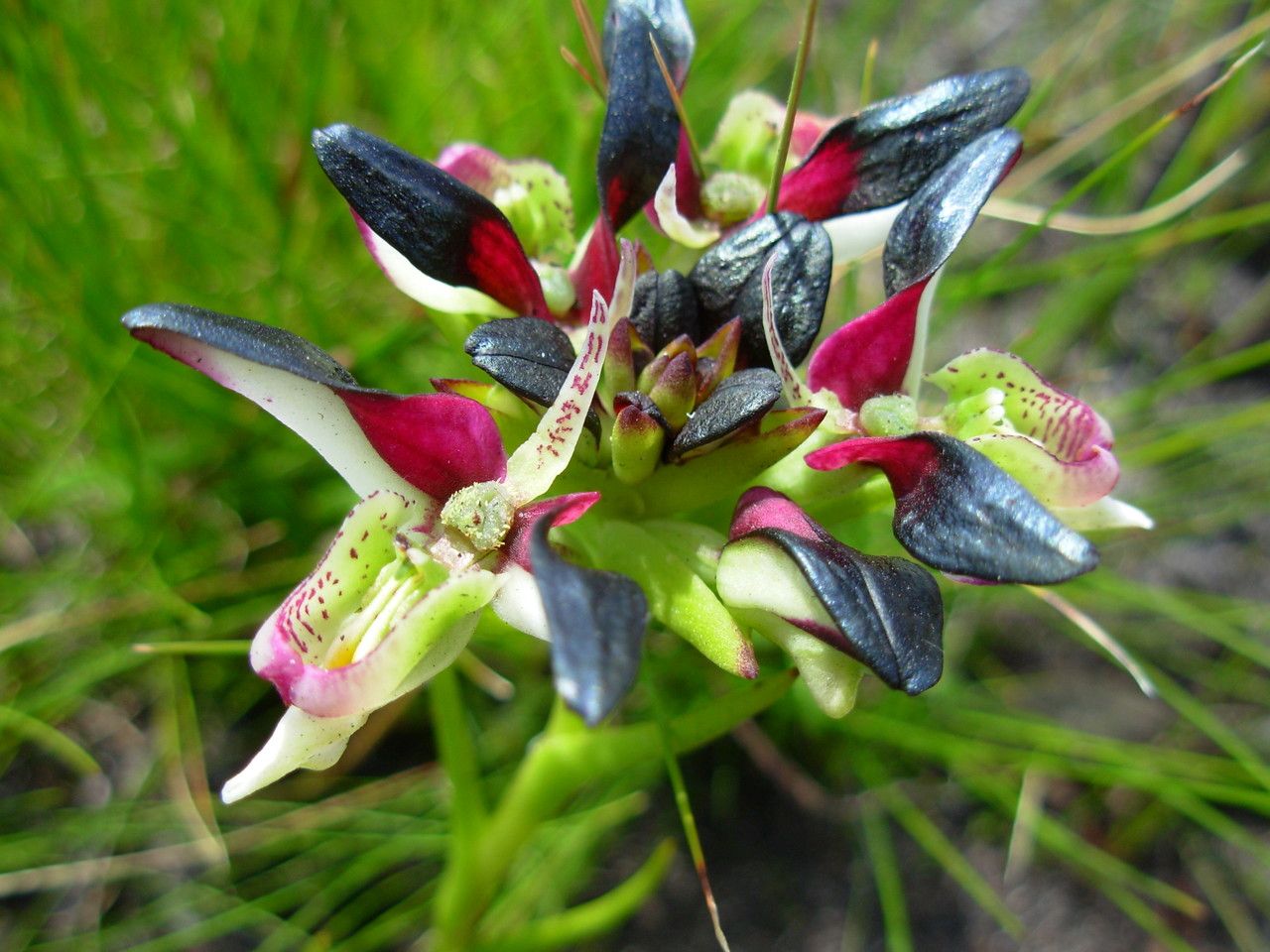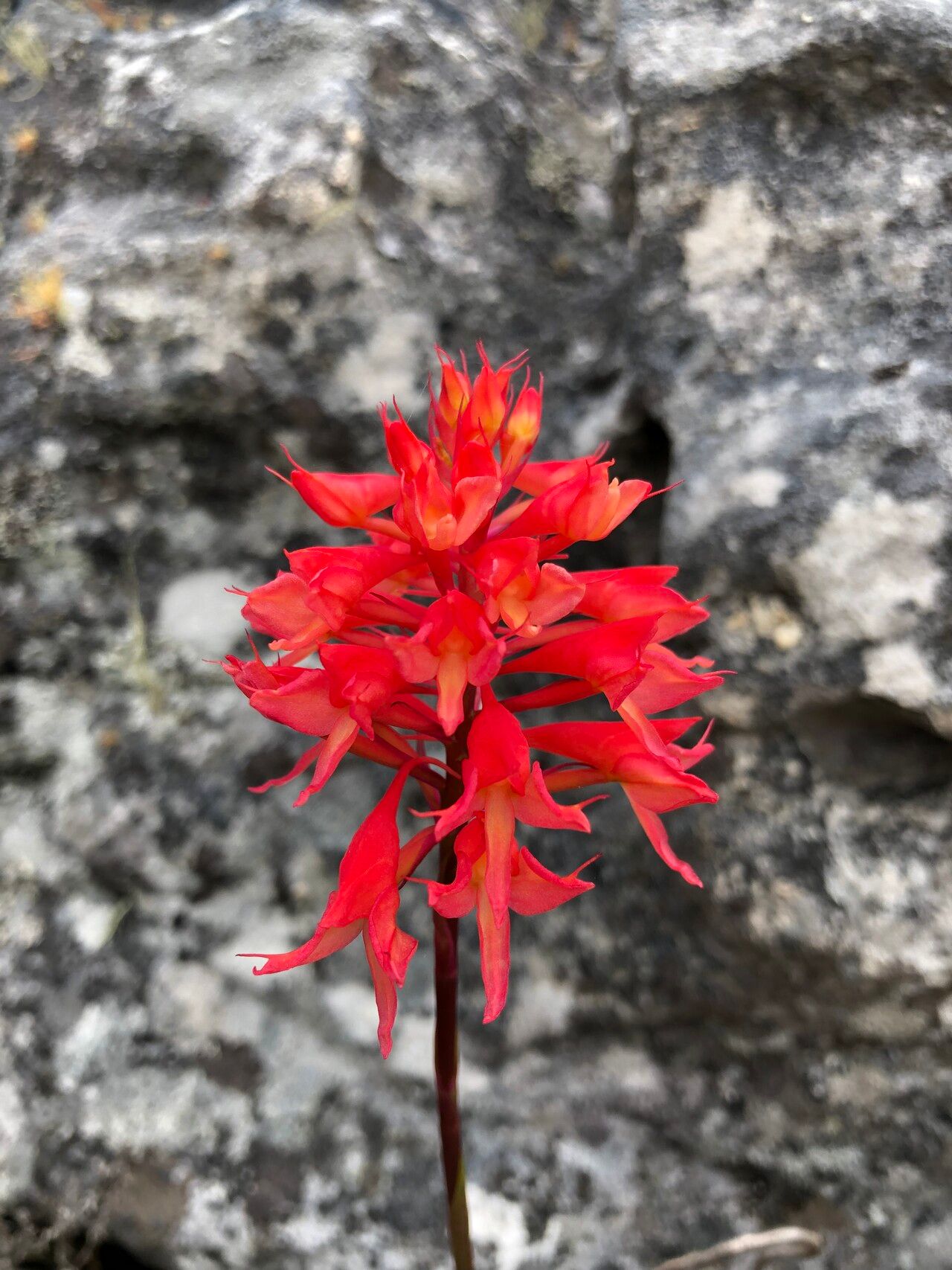
Disa ferruginea also known as the cluster disa, is a species of orchid from South Africa.
Cross disa typically has strong resistance to disease and is affected by relatively few insect pests. Its care is considered challenging because it demands a humid yet well-ventilated setting with a low presence of harmful pathogens. Overwatering can result in root rot. While anyone can grow Cross disa, keeping it healthy and getting it to bloom again requires more cultivation experience.
How to keep Disa Ferruginea.
Light
Cross disa originates from habitats like forest understories or rocky sites, where it is exposed to natural shade. It favors partial sun but can adjust to full sun or full shade, which illustrates its hardy and versatile nature.
Water
Cross disa plants require adequate moisture but can tolerate some drought conditions. During the summer, water them weekly. In the fall and winter, water every 10 days. To maintain humidity, especially in dry weather, mist the plants regularly. It's important to use water with a neutral pH. To achieve this, store tap or rainwater before using it to allow dissolved substances to neutralize.
Fertilizer
The best time to fertilize a Cross disa is in early spring, as it comes out of dormancy and begins active growth. Fertilization supplies essential nutrients for healthy growth. Although Cross disa has relatively low fertilizer requirements, annual fertilization can improve its survival and encourage better, longer-lasting flowers.
Pruning
The Cross Disa plant showcases vibrant, rust-colored flowers. To ensure optimal health and appearance, prune the plant in early spring before new growth begins. Remove any spent blooms and damaged foliage to help prevent disease. Careful trimming encourages fuller growth and more abundant flowering, enhancing both the plant’s health and its visual appeal in the garden.
Botanical profile.
- Plant Type
- Herb
- Life Cycle
- Perennial
- Genus
- Disa
- Family
- Orchidaceae
- Hardiness Zone
- 9-11
- Mature Height
- 30 cm to 61 cm
- Mature Spread
- 20 cm to 30 cm
- Leaf Color
- Green
- Leaf Type
- Deciduous
- Flower Color
- Orange, Red
- Flower Size
- 3.05 cm to 5.08 cm
- Bloom Time
- Mid winter, Late winter, Early spring
- Planting Time
- Spring, Summer, Autumn
- Harvest Time
- Spring
- Native Area
- South Africa