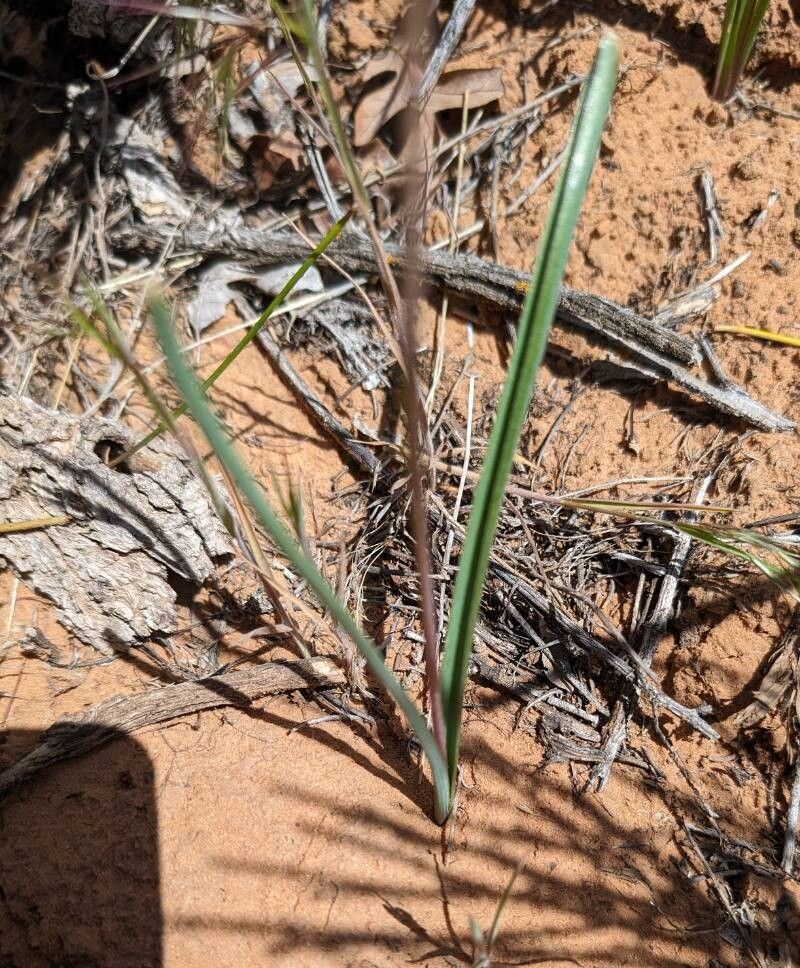
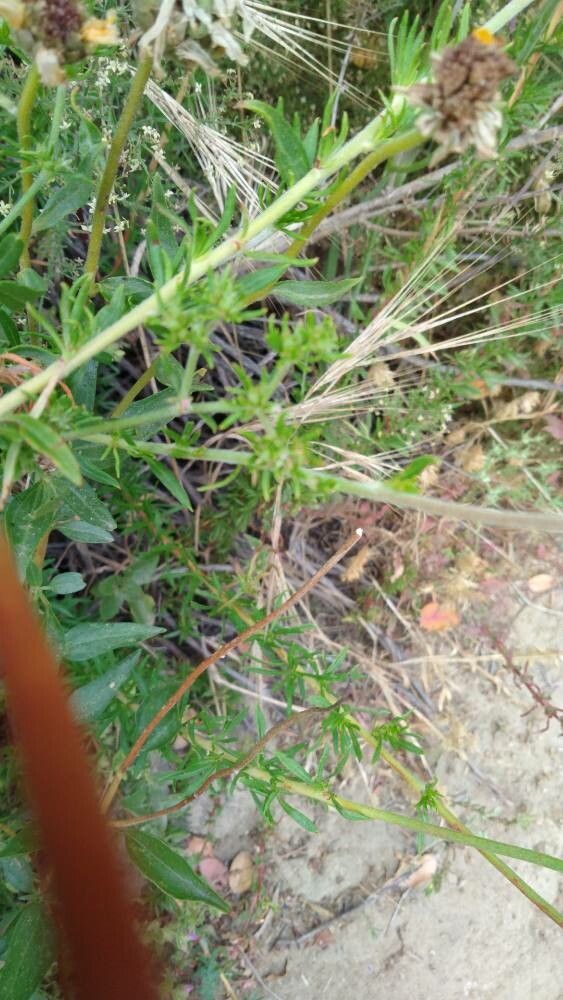
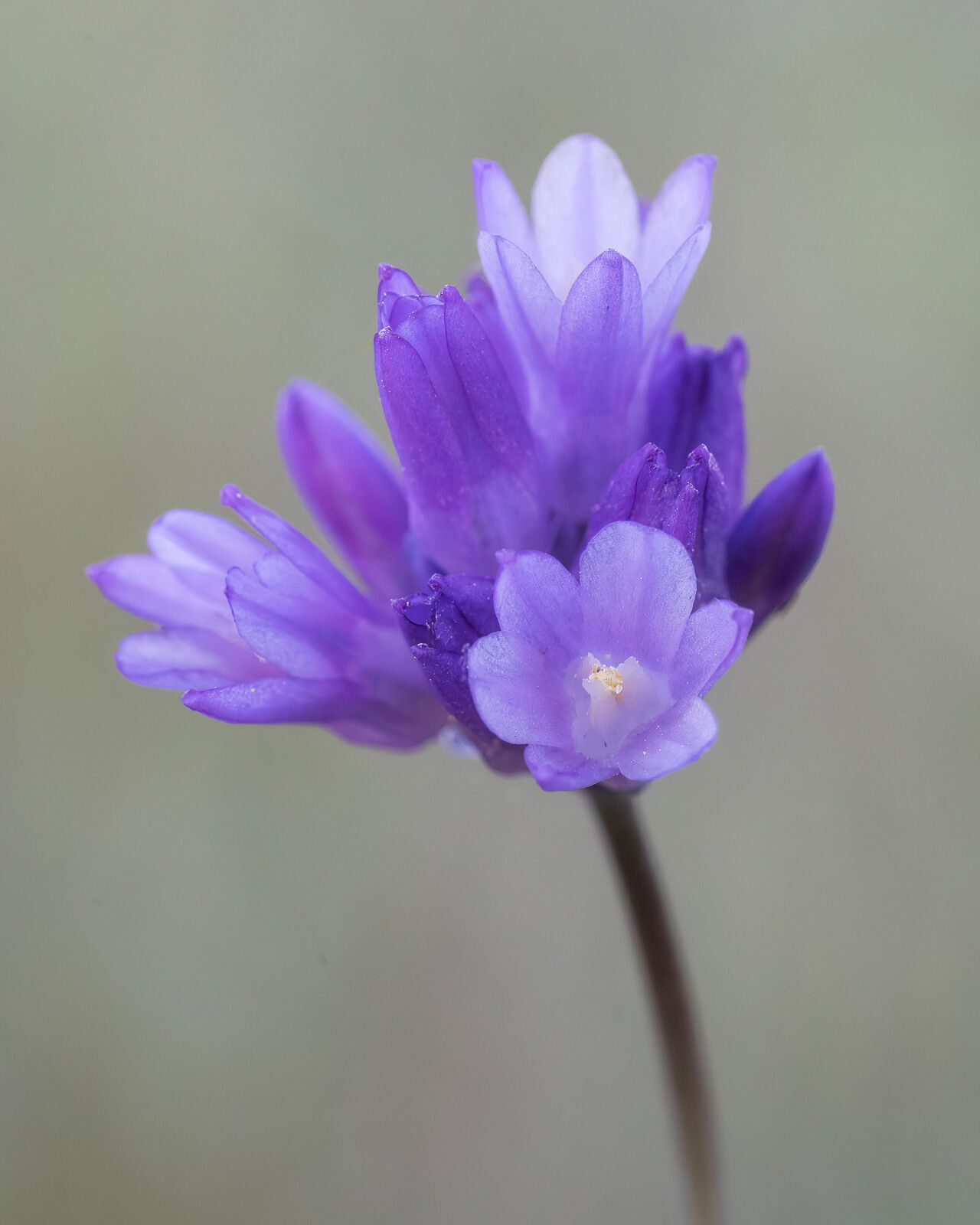
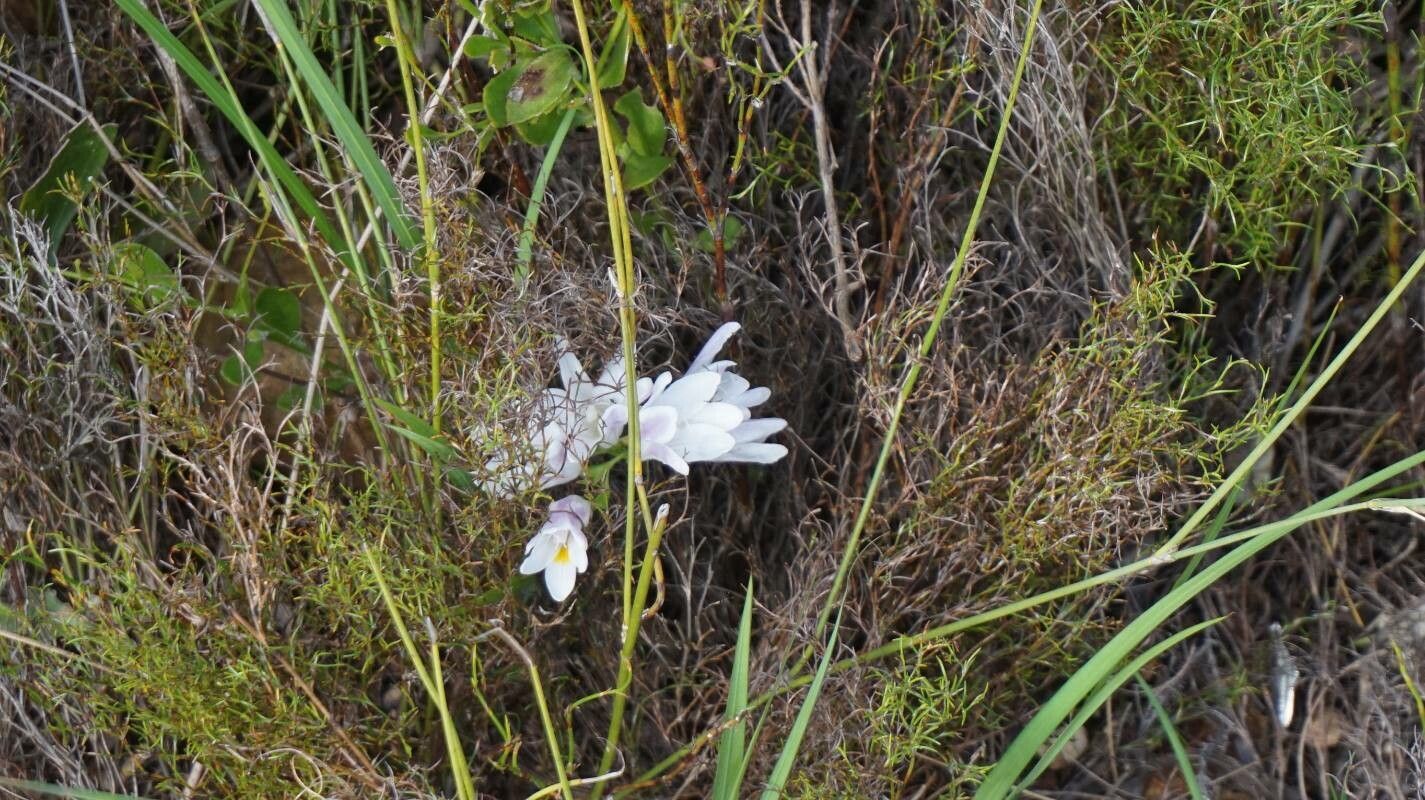
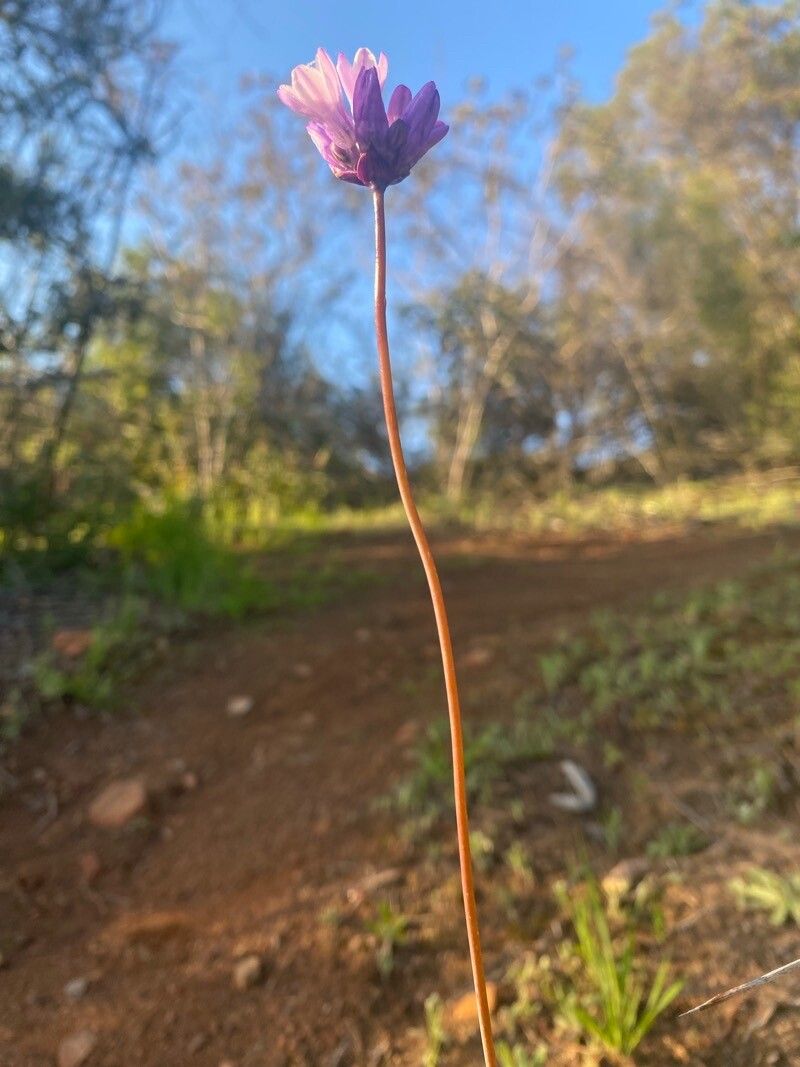
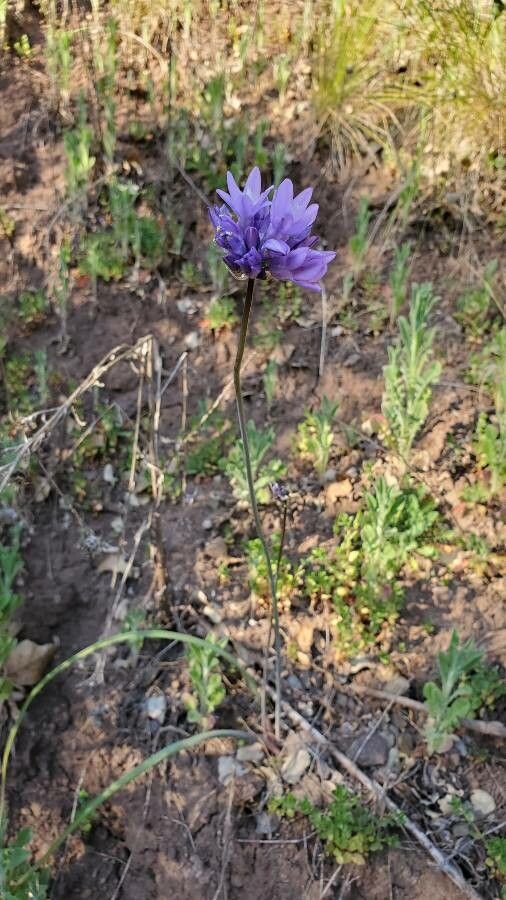
Dipterostemon is a monotypic genus of flowering plants in the family Asparagaceae. Its only species is Dipterostemon capitatus, synonym Dichelostemma capitatum, known by the common names blue dicks, wild hyacinth, purplehead and brodiaea, native to the Western United States and northwest Mexico.
Blue dicks has strong resistance to disease and is typically not likely to get sick. Still, it can be vulnerable to pests and illnesses present in its environment. Such infestations are generally mild. Regarding upkeep, this plant demands moderate maintenance. It should be trimmed regularly to preserve a neat appearance and healthy growth. Applying fertilizer can also encourage blooming. Blue dicks is appropriate for anyone with outdoor areas like a garden or patio and does not need extensive plant-care experience. It may need extra attention if cultivated indoors.
How to keep Dipterostemon Capitatus.
Light
Blue dicks do best with abundant sunlight, though they can remain healthy where sunlight is somewhat reduced. For the best growth they take in large amounts of sun, but they can cope with less. Too much sun can cause stunted growth, while too little may lead to poor flowering.
Temperature
Blue dicks can tolerate a wide range of temperatures, but its range may still be restricted by particular combinations of moisture and heat. It performs best in warm summer climates with sufficient rainfall or watering. Extended periods of cloudy, rainy weather or prolonged high temperatures increase the chance of Blue dicks dying. In winter, adequate protection from cold can raise the plant’s survival rate.
Fertilizer
For Blue dicks, the best time to apply fertilizer is in early spring when the flowers are beginning to form. The appropriate fertilizer promotes improved blooms and helps Blue dicks produce attractive flowers. Fertilizing in early spring ensures strong flowers during the season and supplies energy for dormant growth periods.
Botanical profile.
- Plant Type
- Herb
- Life Cycle
- Perennial
- Genus
- Dipterostemon
- Family
- Asparagaceae
- Hardiness Zone
- 10-11
- Mature Height
- 15 cm to 30 cm
- Mature Spread
- 5 cm
- Leaf Color
- Green
- Leaf Type
- Deciduous
- Flower Color
- Lavender
- Flower Size
- 2.54 cm to 5.08 cm
- Bloom Time
- Spring
- Planting Time
- Spring
- Harvest Time
- Late spring, Early summer, Mid summer
Other names.