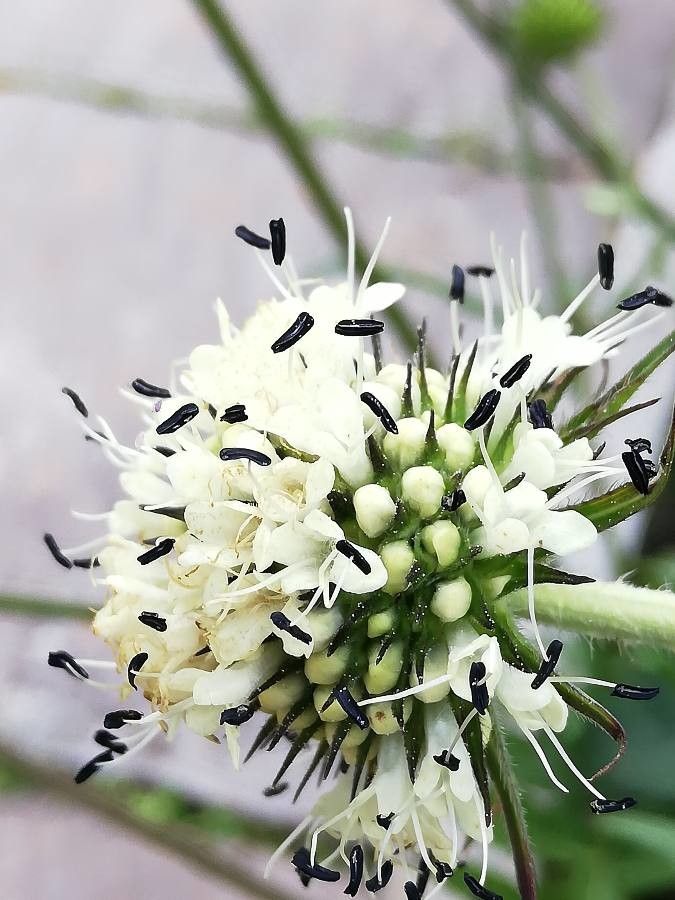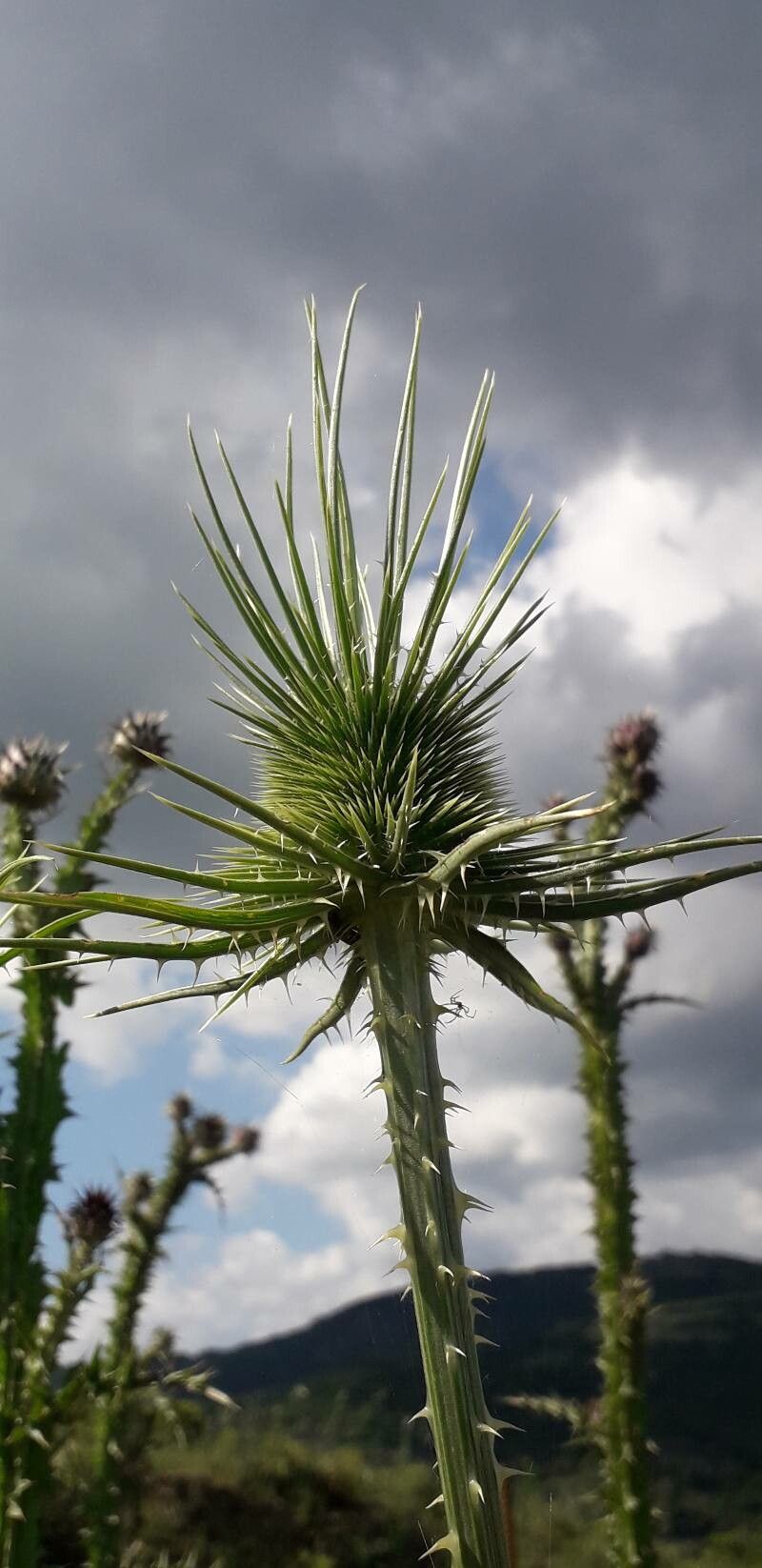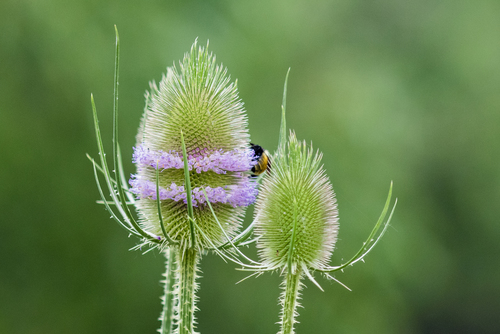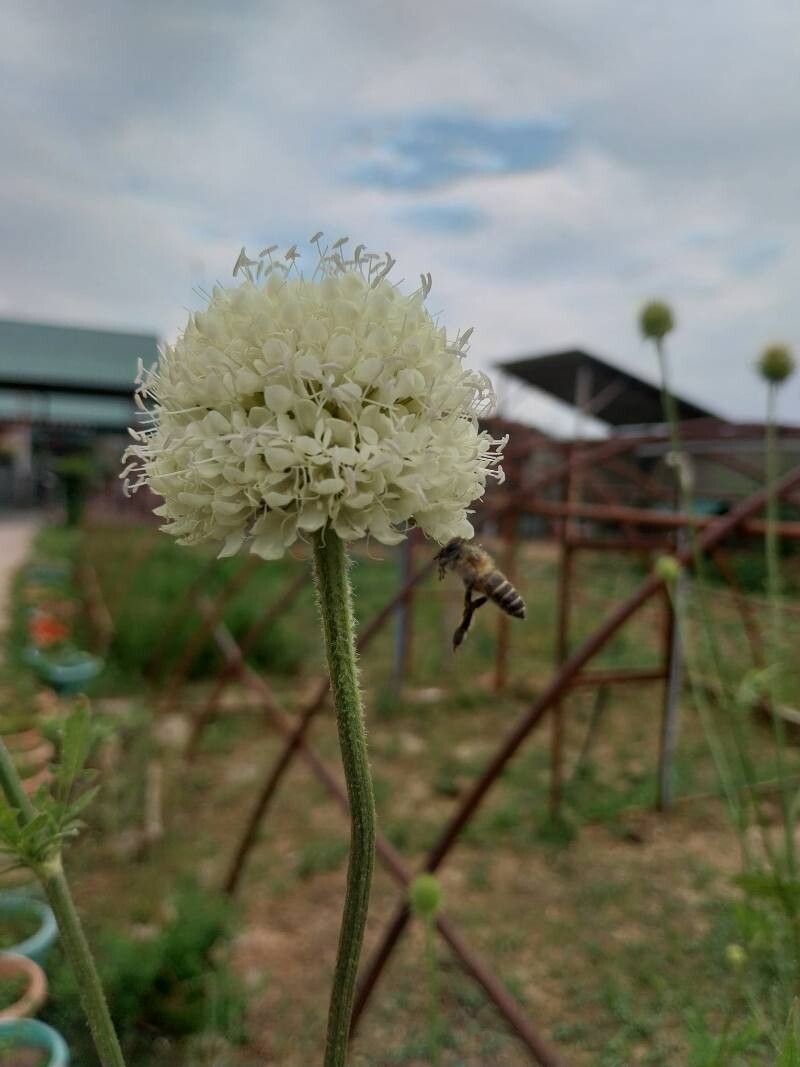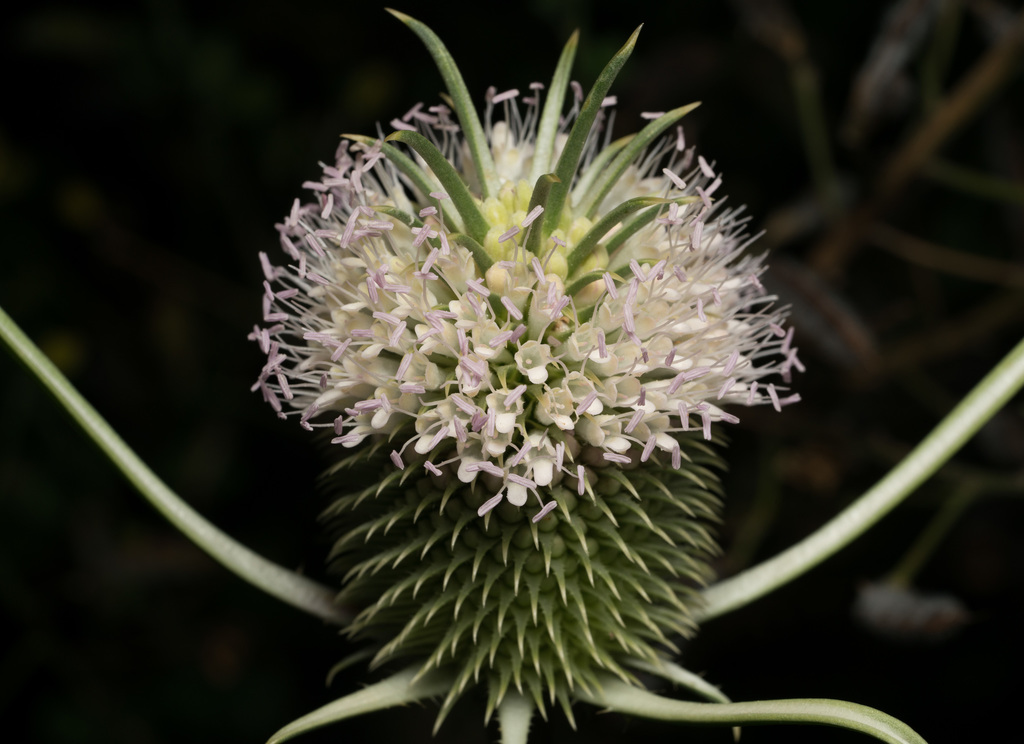
Indian teasel is fairly resistant to disease and is not usually affected by them. Nonetheless, it can be vulnerable to pests and diseases present in its environment. Such infections are generally mild. In terms of care, the plant requires a moderate amount of maintenance. Regular pruning is needed to preserve a neat appearance and support healthy growth. Applying fertilizer can also encourage flowering. Indian teasel is suitable for anyone with outdoor space, such as a garden or patio, and does not demand extensive gardening experience. It may need extra care if grown indoors.
How to keep Dipsacus Sativus.
Light
Indian teasel does best in conditions that receive a steady amount of sunlight throughout the day. For healthy growth it needs plentiful light resembling its natural habitat, without shade. Too little light causes weak growth, while too much light is not a problem for this species.
Water
Indian teasel is native to temperate regions and thrives in moderate water conditions. While it prefers consistent moisture, it can withstand short periods of dryness. For optimal growth, water it weekly, ideally using rainwater, as this best mimics its natural rainfall needs.
Temperature
Indian teasel is native to habitats with temperatures between 68 and 95 °F (20 to 35 ℃). It does best in those climates. In periods of extreme cold or heat, altering conditions to approximate its preferred range will promote its health and growth.
Fertilizer
Indian teasel requires regular feeding to encourage flowering but is sensitive to overfertilization. It benefits from light applications of fertilizer given frequently throughout its life, especially during peak active growth and while it is flowering. Feed your Indian teasel until it stops blooming.
Pruning
Indian teasel is characterized by its spiny leaves and globe-shaped flower heads. To keep the plant healthy and well-shaped, it’s best to prune it in early spring. Begin by removing any damaged stems, which encourages new growth and helps maintain its form. When pruning, cut back to a strong bud, being careful not to over-trim. Regular pruning not only improves air circulation but also reduces the risk of disease.
Botanical profile.
- Plant Type
- Herb
- Life Cycle
- Biennial, Perennial, Annual
- Genus
- Dipsacus
- Family
- Caprifoliaceae
- Hardiness Zone
- 4-8
- Mature Height
- 1.83 m
- Mature Spread
- 49 cm to 91 cm
- Leaf Color
- Green, Dark Green
- Leaf Type
- Deciduous
- Flower Color
- White, Purple, Brown
- Flower Size
- 7.62 cm to 10.16 cm
- Bloom Time
- Early summer, Mid summer
- Planting Time
- Spring
- Harvest Time
- Late summer, Early fall, Mid fall
Other names.
Reader questions.
How should I water my Indian teasel plant to keep it healthy?
To properly water the Indian teasel, it is best to use filtered water at room temperature or slightly warmer. Tap water may contain harmful particles, so using filtered water is preferable. This plant is accustomed to warm environments, so cold water can be a shock to its system. Avoid overhead watering, as it can cause problems with the foliage. Instead, apply filtered room temperature water directly to the soil until it is completely soaked. This helps moisten the roots and facilitates their spread throughout the soil to gather necessary nutrients.
Why should I use fertilizer for my Indian teasel?
Indian teasel plants are known for their vibrant, leafy foliage, which requires nitrogen and potassium for rapid growth. These nutrients are key for supporting root development, helping to firmly anchor the plants in the soil. Additionally, nitrogen plays a role in promoting taller and fuller growth of the plants.
What are the sunlight requirements for Indian teasel?
Indian teasel requires full sun exposure to thrive, meaning it needs above 6 hours of sunlight daily. It's essential to observe how sunlight moves through your garden and choose spots that provide a perfect balance of light and shade. This ensures the plants' happiness by mimicking Indian teasel's natural habitat, which is free from shade. Insufficient light can lead to weak growth, but fortunately, overexposure to sunlight isn't a concern for this species.
What is the ideal temperature range for the growth of Indian teasel?
Indian teasel thrives best in environments where temperatures range from 68 to 95 °F (20 to 35 °C). It is indigenous to climates within this range, and maintaining conditions that mimic these temperatures will support its health and growth. Despite its strong cold resistance, special care may be needed during extreme cold or heat to ensure the plant's well-being.
What should I do if I give my Indian teasel too much or too little water?
Both overwatering and underwatering can harm the health of your Indian teasel, but overwatering is more common. Excessive watering can cause wilting and yellowing of the stems and leaves. It can also lead to diseases like root rot, mold, and mildew, which can be fatal. Underwatering is less common because the Indian teasel is somewhat drought-tolerant. However, it is still possible, and in such cases, the leaves may become brittle and brown. Detecting signs of overwatering is important to prevent irreversible damage. If you notice early signs, reduce your watering immediately and check the soil's drainage. If it drains poorly, replace it with a loose, well-draining potting mix. Conversely, if your Indian teasel lacks water, increase your watering frequency until the signs improve.
What is the ideal time to add fertilizer to my Indian teasel plant?
Indian teasel is a type of plant that requires a lot of nutrients because it grows quickly, has large leaves, and contains a high amount of water. To support its growth, it needs to be fertilized throughout the entire growing season, from when it starts germinating until it reaches its mature stage. If fertilization is neglected, deficiency symptoms will appear, and it will hinder the plant's growth. In the past, it was believed that once Indian teasel started changing colors in the fall, its nutrient requirements significantly decreased, allowing for a reduction or cessation of fertilizer application. However, research has now shown that providing small amounts of nitrogen fertilizer after the plant reaches maturity is actually beneficial. This additional fertilizer doesn't impact the plant's coloration significantly, but it prevents the lower leaves from turning yellow and falling off.
How does artificial lighting benefit indoor plants and what are the guidelines for using it?
When natural sunlight is insufficient, especially in winter or in less sunny spaces, artificial lighting becomes crucial for indoor plants, including Indian teasel. It promotes faster, healthier growth by providing adequate lighting. The right type of artificial light, particularly LED lights, can be customized to supply specific wavelengths needed by the plants. For full sun plants, 30-50W/sq ft of artificial light is recommended; for partial sun plants, 20-30W/sq ft; and for full shade plants, 10-20W/sq ft. The artificial light source should be placed 12-36 inches above the plant to mimic natural sunlight, and the duration should match the natural daylight hours, generally 8-12 hours per day for most plants.
How should Indian teasel be protected during extremely cold winters?
Indian teasel has significant cold resistance, meaning special frost protection measures are generally not necessary. However, if temperatures are expected to drop below -30°C (-22°F), it's crucial to provide additional protection to prevent damage. Covering the plant with soil or straw can offer sufficient cold protection. Additionally, watering the plant abundantly before the first freeze in autumn helps keep the soil moist and prevents drought and water scarcity during the winter and early spring months.
How frequently should I water my Indian teasel?
If your Indian teasel is potted, the best way to determine if it needs water is by checking the soil moisture. Stick your finger in the soil and if the top two to three inches are dry, it's time to water. If you have your Indian teasel planted outdoors, you can use the same method to test the soil. If the top few inches are dry, it's time to water. Typically, you'll need to water this plant about once a week during spring and early fall. In very hot weather, you may need to water twice a week or more. However, mature Indian teasels have a remarkable ability to withstand drought.
When should I not put fertilizer on my Indian teasel plants?
Sometimes, fertilizer can do more harm than good when it comes to Indian teasel. This is particularly true when the plant is already stressed for other reasons. It is best to avoid fertilizing if the Indian teasel is dealing with diseases like leaf spot, black rot, or blackleg, or if it has insect problems such as aphids, spider mites, or whiteflies. Adding fertilizer in these situations will only weaken the plant's defenses, making it even more susceptible to other pests or diseases. Additionally, it is important to refrain from fertilizing when the soil surface has become hard or dry. In such cases, there is a higher risk of the plant's roots suffering from fertilizer burn. To avoid this, water the potting soil until it becomes slightly moist before applying fertilizer.
What are the common symptoms of light deficiency in Indian teasel?
When cultivated indoors with inadequate light, Indian teasel may display several symptoms of light deficiency including smaller new leaves, leggy or sparse growth, faster leaf drop, slower or no new growth, and lighter-colored new leaves. These symptoms indicate that the plant is not receiving enough sunlight, affecting its growth and overall health. Conversely, excessive sunlight exposure can cause chlorosis, sunscald, leaf curling, wilting, and leaf scorching, highlighting the importance of providing the right amount of sunlight.
What are the symptoms of and solutions for Indian teasel exposed to low temperatures?
While Indian teasel is cold-tolerant and best kept above 0°C (32°F), exposure to temperatures below -30°C (-22°F) can lead to a lack of sprouting in spring or even no sprouting at all, without noticeable changes during the winter. To mitigate this effect, it's advisable to remove any parts of the plant that have failed to sprout in the spring.