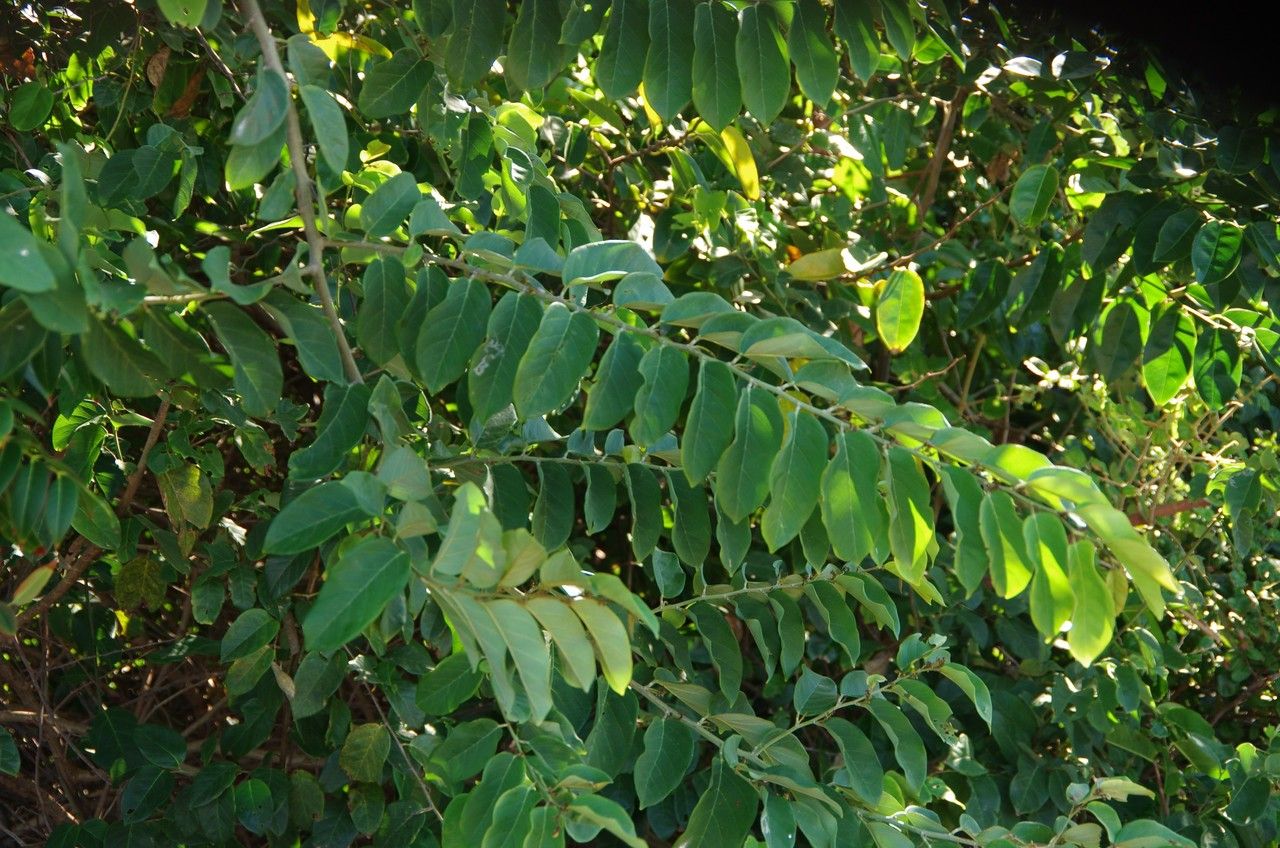
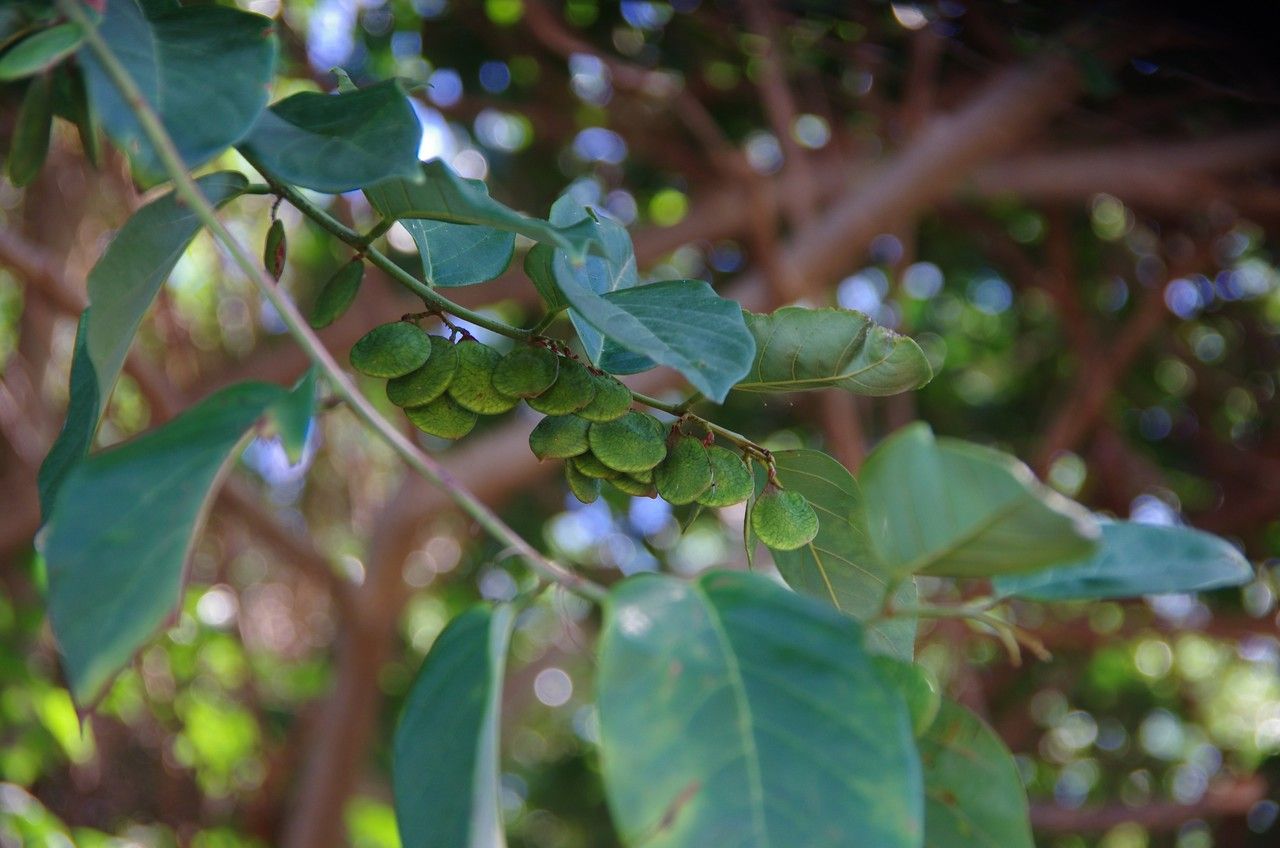
Cleome pallida kotschy typically exhibits strong resistance to disease and is affected by relatively few insect pests. Its care is viewed as difficult, since it needs a moist environment and frequent watering. Nevertheless, the roots can rot if overwatered and if the surroundings lack good ventilation. Cleome pallida kotschy is appropriate for people with some growing experience, as most individuals can keep it alive for a while. However, it may struggle to thrive and its leaves can dry out and decline in health over time.
How to keep Diplopterygium Glaucum.
Light
Cleome pallida kotschy is native to habitats such as forest understories or rocky areas that provide natural shade. It prefers Full Shade but can tolerate Partial Sun.
Water
Cleome pallida kotschy thrives in environments with consistent moisture and high humidity. To keep it healthy, it’s best to water it twice a week. This plant is ideal for indoor settings, where maintaining adequate ambient humidity is crucial for its growth. Proper humidity levels directly affect the plant's ability to absorb water, contributing to its overall health as an evergreen species.
Temperature
Cleome pallida kotschy shows good adaptability to temperature, tolerating higher heat and substantial temperature fluctuations. When temperatures are high, attention should be given to watering and to providing appropriate shade to prevent sunburn. However, Cleome pallida kotschy has relatively poor tolerance for low temperatures; while it can endure some cold, excessively low temperatures may cause frost damage.
Pruning
Cleome pallida kotschy is known for its delicate foliage and vibrant blooms. To promote growth and flowering, prune the plant in early spring. Focus on removing damaged wood and thinning out dense areas. Be sure to use clean, sharp tools, and avoid heavy pruning to prevent stress on the plant. Regular maintenance helps to ensure the plant's health and enhances its appearance.
Botanical profile.
- Plant Type
- Fern
- Life Cycle
- Perennial
- Genus
- Diplopterygium
- Family
- Gleicheniaceae
- Hardiness Zone
- 7-10
- Mature Height
- 1.52 m
- Mature Spread
- 1.52 m to 2.44 m
- Leaf Color
- Dark Green, Forest Green
- Leaf Type
- Evergreen
- Planting Time
- Spring, Summer, Autumn
- Native Area
- South Korea, Japan, China
Other names.
Reader questions.
What are the sunlight requirements for Cleome pallida kotschy?
Cleome pallida kotschy, also known by its botanical name Diplopterygium glaucum, is a plant that thrives in less than 3 hours of sunlight, preferring full shade to partial sun conditions. Originating from environments like forest understories or rocky areas that offer natural shade, it's essential to watch how sunlight moves through your garden to find spots that provide the perfect balance of light and shade. This ensures the plant's happiness and health.
How can artificial lighting be used for indoor plants?
Indoor plants, including Cleome pallida kotschy, require adequate lighting for optimal growth, especially when natural sunlight is insufficient. Artificial lights, such as LED lights, serve as a vital solution. They can be customized to provide specific wavelengths needed by your plants. Full sun plants need 30-50W/sq ft of artificial light, partial sun plants need 20-30W/sq ft, and full shade plants need 10-20W/sq ft. The light source should be placed 12-36 inches above the plant to mimic natural sunlight, ensuring the plant gets 8-12 hours of light per day to promote faster, healthier growth.
What are the important symptoms of light deficiency in Cleome pallida kotschy?
Cleome pallida kotschy may exhibit several symptoms due to light deficiency, including small, new leaves, leggy or sparse growth, faster leaf drop, slower or no new growth, lighter-colored new leaves, chlorosis (leaves turning yellow), sunscald, leaf curling, wilting, and leaf scorching. These symptoms indicate the plant is struggling with inadequate light exposure, affecting its growth and health.
What solutions can be applied to address insufficient sunlight for Cleome pallida kotschy?
To address insufficient sunlight for Cleome pallida kotschy, indoor solutions include moving your plants closer to windows for filtered light or using artificial light for at least 8 hours daily. Outdoor plants can be gradually moved to sunnier locations each week to avoid sunburn. For ground-level management, reducing sunlight obstructions by pruning trees or transplanting smaller plants during their dormant period to areas with better sunlight and drainage can significantly improve sunlight exposure. Note that parts of the plant affected by insufficient sunlight may not recover, but new growth should be healthy with improved light conditions.